Staying Safe in the Summer Heat: Tips to Beat the Heat and Avoid Heat-Related Illnesses

Summer- a time of long, endless days of warm weather that children across the country look forward to when school lets out. Swimming, hiking, bicycling, and even setting up camp and stargazing in the backyard are the stuff that fond memories are made of.

All these fun activities, however, can pose potential illness or danger, especially when its hot outside.

image0 3 1

Heat wave sweeps the country

Record breaking heat was recorded in Miami, Austin and Phoenix over the past few days. Even Portland Oregon, usually known for its cooler weather broke daily records.  You don’t have to have record breaking weather to suffer overexposure to sun and heat. One recent and very heartbreaking story  out of Vancouver was of a one-year-old child that died from heat stroke in a car while the outdoor temperature was only 70-75 degrees. The inside of the car reached 110 degrees.  According to the National Safety Council on average more than 38 children from the ages of 1-15 die from heatstroke, mostly from being in a hot car. July is the month that most of these deaths occur, according to the website.

That quick trip into the store for a quart of milk could prove dangerous, even fatal to a young child left unattended in a vehicle.

Populations most at risk for heat related illnesses
Heat related illnesses can affect anyone but certain populations are more prone than others. These include:

Age: Infants, young children, and elderly individuals are more susceptible to heat related illnesses. Both children and elderly have a reduced ability to regulate body temperature.

High heat exposure: High temperatures for extended periods, especially during a heat wave, can put anyone at risk for heat related illness.

High humidity: When the humidity is high, the body’s ability to cool down through sweating is reduced, increasing the risk of heat-related illnesses, including heat stroke.

Chronic health conditions: Certain medical conditions, such as heart disease, lung disease, obesity, and diabetes, can reduce the body’s ability to handle heat stress, making individuals more susceptible to heat stroke.

Medications: Some medications can interfere with the body’s ability to regulate temperature, leading to heat exhaustion or heat stroke. Take precautions if on any medications. The following is a brief list- check your specific medication for more information:

Anticholinergic drugs: These medications block the action of acetylcholine, a neurotransmitter that plays a role in various bodily functions, including sweating. By reducing sweating, these drugs can hinder the body’s ability to cool down effectively. Examples include certain antihistamines, tricyclic antidepressants, and medications for overactive bladder.

Diuretics: Diuretics, commonly known as water pills, increase urine production, which can lead to dehydration. Dehydration impairs the body’s ability to regulate temperature, making it harder to dissipate heat. Some diuretics cause electrolyte imbalances which can further compromise health.

Beta-blockers: Beta-blockers are used to treat various conditions, including high blood pressure and heart conditions. They can reduce the heart rate and limit the body’s response to heat, potentially interfering with temperature regulation.

Psychotropic medications: Certain medications used to treat mental health conditions, such as antipsychotics and mood stabilizers, can affect the body’s heat regulation mechanisms, leading to increased heat sensitivity. This is an often-overlooked class of drugs. Be sure to check with pharmacist or read side effects of these drugs before heading off into the heat.

Antidepressants: Some antidepressants, especially those that affect serotonin levels, can impact the body’s thermoregulatory systems, potentially causing an increased risk of heat-related issues.

Antihypertensive medications: Some medications used to lower blood pressure, such as alpha-blockers, can impact the body’s response to heat and affect blood flow to the skin.

Alcohol and drug use: Alcohol and certain drugs can impair the body’s ability to regulate temperature and increase the risk of heat stroke.

Physical activity:  Physical activity, particularly in hot and humid conditions, can raise the risk of heat stroke, especially if adequate hydration is not maintained. If not acclimated to the heat this can pose a serious health risk.

Lack of acclimatization: Individuals who are not accustomed to hot weather or are not acclimatized to the heat may be more susceptible to heat stroke. This is especially true for those living in or working in air-conditioned buildings.

Heat exhaustion and heat stroke- know the signs and what to do

Heat exhaustion and heat stroke are two distinct heat-related illnesses, with heat stroke being the more severe condition.

image0 3 1

CDC excerpt on heat exhaustion and heat stroke:

Avoid

When the temperature is very high stay indoors. If you must go outside, dress properly and take breaks often. Know who is at high risk for heat stroke and heat exhaustion.

Tips to Beat the Heat

  • Drink plenty of water! (I will add that electrolyte drinks such as these can replace lost fluids and prevent electrolyte imbalance
  • Check on friends and neighbors at high risk for heat-related illness
  • Find airconditioned places to cool off (shopping malls and libraries)
  • NEVER leave kids or pets in a closed, parked vehicle
  • If you go outside, remember:
    • A hat
    • Sunscreen (spf 15 or higher)
    • Lightweight, light-colored, loose-fitting clothing
    • Water
    • Limit time outdoors. Take breaks often
  • Know who is at high risk:
    • Infants
    • Young children
    • Older adults
    • People with chronic medical conditions

Spot

Know the signs of heat stroke and heat exhaustion.

Heat Stroke

Signs & Symptoms

  • Very high body temperature (above 103°F)
  • Red, hot, and dry skin (no sweating)
  • Rapid, strong pulse
  • Throbbing headache
  • Dizziness
  • Upset stomach
  • Confusion
  • Passing out

Heat Exhaustion

Signs & Symptoms

  • Heavy sweating
  • Paleness
  • Muscle cramps
  • Tiredness
  • Weakness
  • Dizziness
  • Headache
  • Upset stomach or vomiting
  • Fainting

If you see any of these signs, get medical help immediately.

Treat

While waiting for medical attention, you can help someone with heat stroke or heat exhaustion.

Heat Stroke

Move the victim to a shady area or indoors. Do not give the person fluids.

Cool the body by:

  • Placing person in a cool (not cold) bath or shower
  • Spraying with a garden hose
  • Sponging with cool water
  • Fanning

Continue efforts to cool the person until help arrives or his or her body temperature falls below 102°F and stays there.

Heat Exhaustion

Get medical attention if symptoms get worse or last longer than one hour.

Cool the body with:

  • Cool, nonalcoholic beverages
  • Rest
  • A cool (not cold) bath, shower, or sponge bath
  • Moving to an airconditioned room
  • Wearing lightweight clothing

Seek medical help immediately if symptoms are severe or if victim has heat problems or high blood pressure.

Taking just a few precautions will ensure you and your child will have a fun and adventure filled summer.

- Brooke Lounsbury, RN

Medical Content Writer

Lifesaving Medications

Everyone should be empowered to care for themselves and their loved ones during the unexpected.

Recent Posts

Keeping you informed and safe.
Join Our Newsletter

Our mission is to help you be more medically prepared. Join our newsletter and follow us on social media for health and safety tips each week!

World War 3 Draws Closer to Reality- Are You Prepared?

China prepares for its annual war exercises outside of Taiwan with an unprecedented number of war planes, sparking fears of an escalating conflict.    

In an interview with MSNBC Taiwan Foreign Minister Joseph Wu was asked if China could accidentally spark a conflict that could lead to war he states: “It is possible. If you look at the history of war, there are plenty of wars out of accidents — out of inadvertent accidents.”

The United States has a history of maintaining close unofficial ties with Taiwan, and has approved 9 sales of military equipment since the start of the current administration, which experts agree has inflamed China.

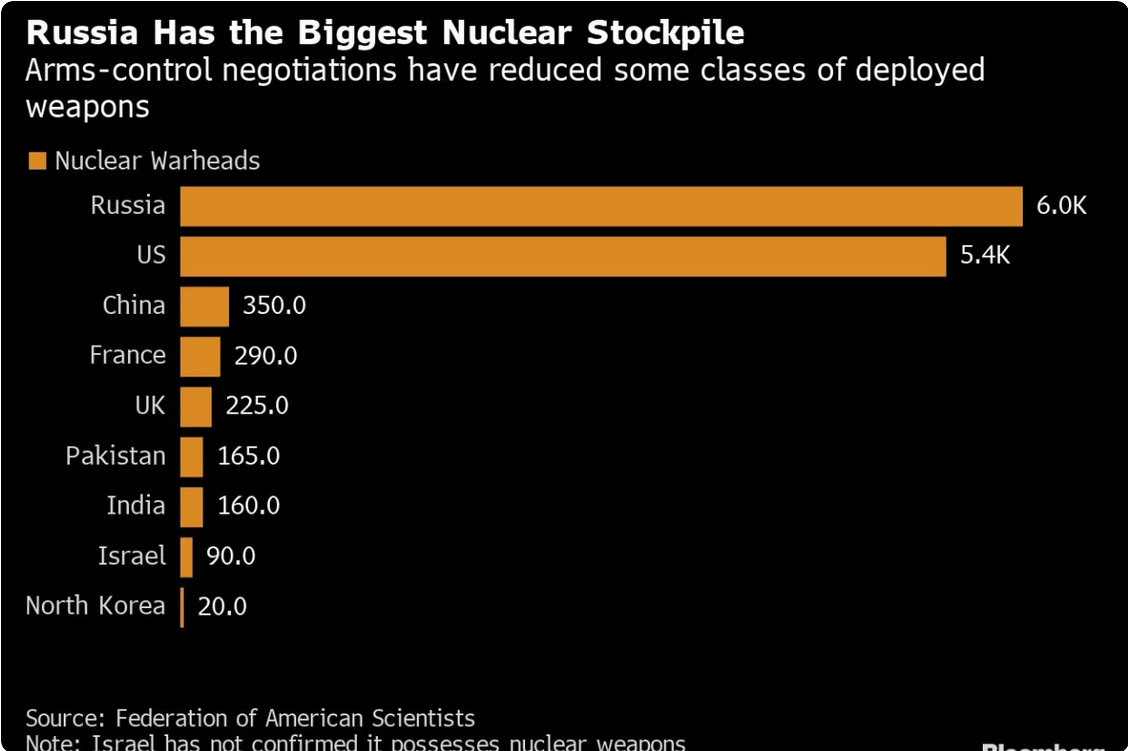
The terrifying reality is not just a supply chain disruption, but the possibility of nuclear war grows every day.

The escalating threats across the globe- mainly China, Russia and North Korea along with their supporting countries set the stage for sanctions, raw material scarcity and port interruptions that are becoming more of a reality every day.

In fact, Foreign Minister Sergei Lavrov issued a press release after the US authorized delivery to Ukraine of nuclear capable F-16 jets by stating “Russia cannot ignore the ability of these aircraft to carry nuclear weapons. No number of assurances will help here,” Lavrov was quoted as saying by the Russian Foreign Ministry. “In the course of combat operations, our servicemen are not going to sort out whether each particular aircraft of this type is equipped to deliver nuclear weapons or not.

“We will regard the very fact that the Ukrainian armed forces have such systems as a threat from the West in the nuclear sphere.”  No specific country has been scheduled to deliver the F-16 jets as of this writing, however. (Quotes retrieved from The Moscow Times)

Medical supplies already in short supply and even rationed

In Connecticut’s largest hospital, Lori Lee, senior vice president of clinical operations at Yale New Haven Health “There are probably hundreds of outages of items that we order that do not come in,” She says the list of shortages includes basics such as IV tubing and catheters, which are used constantly in hospitals. Her story isn’t the only one. Across the nation, hospitals, clinics and pharmacies are reporting chronic shortages of drugs, supplies and even lifesaving equipment and parts to fix the machines.

The 10th annual Report for Drug Shortages for 2022 has listed drug supply shortages that dwarf pandemic era shortages. In the past year, FDA has seen manufacturers in the United States and abroad continue to experience quality issues as well as struggle with capacity constraints. Additionally, as demand increased for numerous drugs over the last several years as a result of the COVID-19 pandemic, as well as an earlier than typical flu and respiratory virus season, FDA has seen additional strain on the pharmaceutical supply chain.

Root Cause of Drug shortages

The 2019 Drug Shortages Report, Updated February 21, 2020 lists :

  1. Lack of Incentives to Produce Less Profitable Drugs,
  2. Market Does Not Recognize and Reward Manufacturers for Mature Quality Management Systems, and
  3. Logistical and Regulatory Challenges Make It Difficult for the Market to Recover After a Disruption. This is probably the single most pressing reason for the massive drug and medical supply shortage. Given the port delays and possible sanctions from China(where most of our drugs are manufactured) the report goes on to state:” Over the past two decades, the drug supply chain has become longer, more complex and fragmented as companies have located more production overseas. Although typical markets would respond to a shortage by increasing production, logistical and regulatory challenges, especially the complexity of the supply chain, can limit the ability of drug manufacturers to increase production. When companies wish to increase production, either by modifying an existing facility or building a new one, they may have to obtain approvals from many different national regulatory bodies, and/or find a new source of active pharmaceutical ingredients (APIs). If a new manufacturer wants to enter the U.S. market and start selling a drug that addresses a shortage, the manufacturer must first develop and file an application with FDA and await its approval.”


We haven’t seen anything yet, in the realm of drug and medical supply shortages. It is easy to let our guard down, especially when summer activities beckon us to the great outdoors. However, with everything ramping up at warp pace, please take the time to itemize and replenish your stock of medications, both prescription and over the counter, along with food, water, and shelter (heating for winter). Keep a positive attitude and don’t get paralyzed by all the news. Use it to motivate you into action. If you haven’t already, speak to your care provider about obtaining a year’s worth of prescription medications. If they are unable to, check out Jase Daily list of over 800 and counting medications and get that years supply -before everything shuts down-which may be sooner than we think.

- Brooke Lounsbury, RN

Medical Content Writer

Lifesaving Medications

Everyone should be empowered to care for themselves and their loved ones during the unexpected.

Recent Posts

Keeping you informed and safe.

Join Our Newsletter

Our mission is to help you be more medically prepared. Join our newsletter and follow us on social media for health and safety tips each week!

Planning a Trip Abroad? Avoid Being Detained(or worse) When Traveling With Your Prescription Medications

The Transportation Safety Association (TSA) reported a record number of air travel over the fourth of July weekend this year, with one day counting over 2.8 million screenings, surpassing even pre pandemic numbers. With travel restrictions lifted, many are taking advantage of travel to domestic and foreign destinations.

Careful planning, research and preparation will make your trip enjoyable and can avoid delays and even being detained (and according to the CDC- fines and possible jail time) from entering a country. International travel medications rules are really not much different than flying cross country. each country has specific rules and regulations, just as each state has its specific aws and rules.  

Tips when traveling with medications

Plan

Each country has its own laws related to medicines. Medicines that are commonly prescribed or available over the counter in the United States might be unlicensed or considered controlled substances in other countries. While rules vary by country, there can be serious consequences if you violate the laws at your destination. (fines or even jail)

Check CDC travelers health website for complete list of countries health advisories and other information regarding permitted medications.

In addition to travel health advisories, the State Department has a list of countries for general advisories (Safety, etc) that you may want to review.

At least one month before your trip, make an appointment with your healthcare provider. Obtain a written list of your medications and what you need them for. This is especially true for injectable items such as EpiPens and prefilled insulin pens. Security in other countries may not be familiar with these devices and may detain and question you. In addition to injectables, any special equipment, such as cpap machine, obtain a note from your care provider as to what the device is and why you need it.

Fill all prescriptions and bring extra. Even with the best executed plan, delays and emergencies happen. Be sure you have extra medication with you on your trip.

Keep medications in their original containers if able and them keep with you. Exemptions to the 3-ounce liquid rule apply to prescription medications. Don’t check in any drugs that you may need in the event that your luggage is lost or delayed.

Check your health insurance- are you covered when in another country? Have a copy of your insurance policy on your phone or in  paper form and keep it with you. If your health insurance policy doesn’t cover you in a foreign land, look into a health insurance policy for the duration of your trip. A quick Google search brought up some reputable insurance companies, such as Blue Cross that offers travel health insurance. Do your research.

If you get sick or need medical attention while abroad, check out this list of embassies that can help you locate medical help. Also, check with  The American Board of Medical Specialists for authoritative reference on physicians abroad.

image0 3 1

Be proactive about possible health emergencies. Have a stock of pain relievers, antihistamines, antidiarrheal, motion sickness, and fever reducing meds along with a basic first aid kit for minor injuries and illnesses. For that added layer of insurance, bring your Jase emergency antibiotics kit. It could save you a trip to a hospital or clinic. (food poisoning, urinary tract infection, infected wound, mosquito borne illness,etc.)

Other health related tips

Avoid drinking water from other countries, this includes water served on airplanes. To avoid waterborne illness, drink only bottled or treated water. If you go to a restaurant and the area is known for questionable water quality, avoid salads and any food rinsed in water along with ice in drinks. After using restroom, use an alcohol-based hand sanitizer with at least 60 percent alcohol. Make it a habit to use sanitizer liberally and often.

Carry electrolyte powder if traveling or exercising in hot and/or humid country. Dehydration can lead to heat exhaustion and even heat stroke. Also, dress appropriately for your outings. Wear broad brimmed hat, long sleeved light cotton shirt and avoid mid-day excursions and activities if hot weather is an issue. Plan trips early in the day,

Insect repellant/mosquito repellent- if in malaria endemic country apply mosquito repellant often and liberally. Doxycycline, one of the Jase emergency antibiotics, is one of the first line drugs that can treat malaria. It is a widely prescribed prophylactic when traveling in maria infested areas.

- Brooke Lounsbury, RN

Medical Content Writer

Lifesaving Medications

Everyone should be empowered to care for themselves and their loved ones during the unexpected.

Recent Posts

Keeping you informed and safe.

Join Our Newsletter

Our mission is to help you be more medically prepared. Join our newsletter and follow us on social media for health and safety tips each week!

Planning a Trip This Summer? Don’t forget your Portable Medical Kit!

Whether planning an extended vacation or a last-minute weekend getaway, emergencies can happen anytime and anywhere. A portable, grab and go kit that carries not just basic first aid supplies but things you may need to prevent or manage minor illnesses can keep you and your family from having to interrupt your plans by seeking medical attention.

Depending on where you are headed- the great outdoors or jetting out of town, there are always a few things that traveling anywhere has in common.

  1. Your schedule is different, so your immunity is lower. Even if you plan your trip around your awake/asleep cycle, the very fact you are traveling makes life stressful. Stress doesn’t necessarily have to be a negative event. Even “good” stress can compromise health- Negotiating travel- whether by car or plane can be stressful. The end goal may be geared toward a fun filled vacation, but getting there may not be. Our immune system isn’t too happy with us when we are stressed and tends to not be as strong. Strange water, food, schedules and new areas traveled can set us up for illnesses we normally would shake off. For instance, you pull into a roadside restaurant (or airport food court) for a quick bite. You eat and leave, not knowing that the food wasn’t thoroughly cooked (rush hour). Several hours later, diarrhea, vomiting and low grade fever hit. These are classic signs of salmonella poisoning (from contaminated food). When functioning properly, the stomach has natural defenses against salmonella poisoning. The high acid content kills the bacteria. However, when our regular diet and routine are interrupted, we can succumb to illnesses that normally wouldn’t affect us.

 If able, have a cooler full of foods you normally eat to snack on your trip. Try not to eat out if possible. If traveling by plane, purchase bottled water, avoid drinking faucets (dangerous bacteria has been found in drinking fountain water) Bring extra food in case plane is delayed.

2. Heat and travel don’t mix- Be sure to keep plenty of water and electrolyte mix on hand . Dehydration is a very serious condition, leading to kidney failure and death. If you are traveling in an area known to be hot (even if it isn’t) be sure to pack electrolyte powder in your portable medical kit. If possible, travel early in the morning before the heat of the day. Keep a water bottle filled with water for each passenger in the car. Don’t forget about pets; remember a water dish and extra food for them also. Have at least an extra gallon of water stored in addition to each person’s water bottles.

3. Take frequent breaks- if traveling by car, trade drivers. Highway hypnosis is real. The monotonous job of driving for hours can lead to falling asleep at the wheel even though you don’t realize it. Take advantage of travel rest areas. Get out and stretch your legs. If you are the sole driver and are feeling fatigued be sure to pull over and take a nap or find a hotel if it is getting late.

In addition to a standard first aid kit, a travel medical kit should be added for extended trips away from home.

This type of kit should include:

  • Extra prescription medication and any otc supplements or vitamins- at least several days more than you think you may need in case your trip home is delayed.
  • Anti diarrheal medication (Imodium or Pepto-Bismol)
  • Age appropriate fever and pain reliever for all in group) Tylenol, ibuprofen, naproxen, etc.)
  • Antihistamine for allergic reactions and seasonal allergies
  • Sunscreen (with UVA and UVB protection, SPF 15 or higher)
  • Sunburn cream or Aloe gel
  • Moist towelettes to wipe hands in case there is no clean water at rest stations or airport restrooms.
  • Electrolyte powder packs
  • Travelers’ diarrhea antibiotic (check out Jase case antibiotics if you haven’t already)
  • Diarrhea medicine (Imodium or Pepto-Bismol)
  • Antacid (Tums)
  • Motion sickness medicine (Dramamine)
  • Cough drops, cough suppressant, or expectorant
  • Mild laxative
  • Hand sanitizer (containing at least 60% alcohol) or antibacterial hand wipes
  • Water purification tablets
  • Insect repellent (with an active ingredient like DEET or picaridin) Some essential oils have proven insect repellant properties. Check out this research paper for more information.
  • Insect bite anti-itch gel or cream (calamine lotion, hydrocortisone cream)
  • Cotton swabs (Q-Tips)
  • Tweezers
  • Paper cups

- Brooke Lounsbury, RN

Medical Content Writer

Lifesaving Medications

Everyone should be empowered to care for themselves and their loved ones during the unexpected.

Recent Posts

Keeping you informed and safe.

Join Our Newsletter

Our mission is to help you be more medically prepared. Join our newsletter and follow us on social media for health and safety tips each week!

Have a Fun and Safe 4th of July by Doing These 2 Things

July 4th is celebrated and remembered by parades, picnics, camping or staying home for a “staycation. Many fond memories of fireworks displays and activities are also part of the 4th  and are longstanding traditions in many communities. Children and adults alike love to set off cones, sparklers, spinners, smoke bombs and more in neighborhood streets once the dark of the evening sets in. Picnics are a popular pastime where the grill is fired up and hot dogs, hamburgers and chicken are cooked. Somehow, food always tastes better when eaten outdoors.

Food and fireworks, the two cornerstones of many community’s 4th  festivities. Play it safe by avoiding foodborne illnesses and firework related injuries.

Fireworks dos and don’ts

(Excerpt from Consumer Product Safety Division)

Fireworks injuries both before, during and after the 4th of July according to the Consumer Product Safety Commission firework injuries increased by 25% from 2006 and 2021. This included 11,500 injuries in 2021. In 2022 firework injuries claimed 11 deaths.

  • Firecrackers accounted for the highest number of injures last year, with 1,300 people injured. Sparklers were also a cause, with 600 injuries in 2022.
  • 73% of injuries occurred in the weeks before or after the Fourth of July.
  • The parts of the body most often injured by fireworks were hands and fingers (an estimated 29 percent of injuries) along with head, face, and ears (an estimated 19 percent); legs (an estimated 19 percent); and eyes (an estimated 16 percent)
  • Burns were the most frequently estimated type of injury, making up 38% of all emergency department-treated fireworks injuries.

Most fireworks injuries and deaths are preventable. CPSC urges consumers to celebrate safely this holiday by following these safety tips:

  • Never allow young children to play with or ignite fireworks, including sparklers. Sparklers burn at temperatures of about 2,000 degrees Fahrenheit—hot enough to melt some metals.
  • Keep a bucket of water or a garden hose handy, in case of fire or other mishap.
  • Make sure fireworks are legal in your area, and only purchase and set off fireworks that are labeled for consumer (not professional) use.
  • Never use fireworks while impaired by alcohol or drugs.

One vivid (and painful) memory I have of a firework injury as a child- I ran into the street to get a sparkler from my dad. I was barefoot and stepped on a discarded sparkler that had been tossed to the ground. I add to the above list- wear proper shoes when using fireworks!

Practice food safety this 4th

No one wants to be sick, especially in the summer. Preventing foodborne illnesses is easy, by taking a few precautions and prior planning.

The following are the 3 most common forms of food poisoning according to the CDC. There are many more listed and can be found here

  1. Norovirus, commonly called the sotomach flu, has no relation to influenza virus is found in fresh fruits and vegetables along with seafood tops the list. Symptoms usually start anywhere from 12-48 hours after eating contaminated food
  2. Salmonella bacteria cause about 1.35 million infections, 26,500 hospitalizations, and 420 deaths in the United States every year. The CDC reports recent outbreaks tied to flour, peanut butter, salami sticks, onions, prepackaged salads, peaches, and ground turkey. Symptoms can start anywhere from 6 hours to 6 days from eating contaminated food.
  3. Clostridium perfringens bacteria are one of the most common causes of food poisoning. CDC estimates that the bacterium causes nearly 1 million foodborne illnesses in the United States every year. Symptoms usually start from 6 to 24 hours after eating contaminated food. Foods commonly linked to C. perfringens food poisoning include: Poultry-chicken and turkey, beef, pork and gravy.

As you can see, foodborne illnesses can take days to develop. You may not even recognize it as such.

Most foodborne illnesses clear up on their own, however symptoms can be life threatening. Dehydration and other complications need to be dealt with as soon as possible if foodborne illness is suspected.

Salmonella, for example, can be treated with an antibiotic if the symptoms are severe. Ciprofloxacin, one of the antibiotics in the Jase Case is recommended to treat severe salmonella poisoning. Having emergency medications such as the Jase Case brings peace of mind.

Preventing foodborne illness

The USDA has a fantastic food keeper app for the safe storage and shelf life of many different foods

No matter what type of food you are preparing the most important first steps are to thoroughly wash hands and prevent cross contamination.

Always wash hands for 20 or more seconds before, during and after handling any food.

Wash hands, utensils, cutting boards after preparing food in hot soapy water. Prevent cross contamination by thoroughly cleaning surfaces in between food items. For instance, if grilling chicken, meat, fish or pork use a separate cutting board to prepare. Store meat, fish, pork and chicken in a separate compartment of refrigerator to prevent juices leaking over other food items. Thoroughly rinse fruits and vegetables under running water. Use separate knives and cutting boards-ones not used in

Meat Handling Safety

Excerpt from USDA site on grilling and storing meat

  • Preheat your grill and scrub the grate with a long-handled brush once the grill has fully preheated. Remnants from the last grill session should scrape off.
  • Remove the meat, poultry or seafood from its container and place on the grill at a safe distance apart. Discard any marinade used to prepare your meat, poultry or seafood.
  • When grilling your foods, make sure you’ve destroyed dangerous bacteria by cooking to the proper internal temperature.
  • Beef, pork, lamb: 145 F with a 3-minute rest.
  • Ground meats: 160 F.
  • All poultry (whole or ground): 165 F.
  • Fish (whole or filet): 145 F.
  • You can’t tell by looking at food whether it is done. Always use a food thermometer to check the internal temperature of your food to determine if it is safe to eat. The thermometer should be inserted into the thickest part of the meat and poultry, through the side of burgers and thin filets of fish, for the most accurate temperature reading.
  • Make sure to pack up any leftovers and refrigerate them within two hours. In hot weather (above 90 F), refrigerate within one hour.

Above all, We at Jase Medical wish you all a fun and safe 4th!

- Brooke Lounsbury, RN

Medical Content Writer

Lifesaving Medications

Everyone should be empowered to care for themselves and their loved ones during the unexpected.

Recent Posts

Keeping you informed and safe.

Join Our Newsletter

Our mission is to help you be more medically prepared. Join our newsletter and follow us on social media for health and safety tips each week!

Build Personal Resilience- Don’t Get Caught Off Guard

Extreme weather events are happening across the entire US. And this is only the beginning of summer.

The massive amounts of weather-related events already happening is setting the stage for a severe supply chain disruption. Tornados and hurricanes knocking out infrastructure- warehouses holding medications, food, and basic needs are already feeling the pinch. Along with supply disruption, workers at these warehouse unable to get to their jobs adds to the chaos.  Supplychain24/7, a supply chain solutions company actively seeks and researches solutions to supply chain issues. They are working towards resiliency in the supply chain. They study logistics trends, weather related disruptions, and continue to work towards solutions that help close the gap in disruptions.

Build your own personal resiliency plan. The government isn’t going to save you

Over and over we see how limited our EMS and infrastructure services are when it comes to widespread natural disasters. Basic services, such as restoring the electric grid, sewer and garbage services keeping roads cleared, transporting patients to working hospitals, Answering calls for weather related injuries, rescue operations, and more stress the emergency workers beyond capacity.

These weather-related shortages can be mitigated by implementing a plan- and following through on it. The lives of you and your loved ones depend on a well-executed plan when, not if disaster strikes.

Build your emergency medical kit

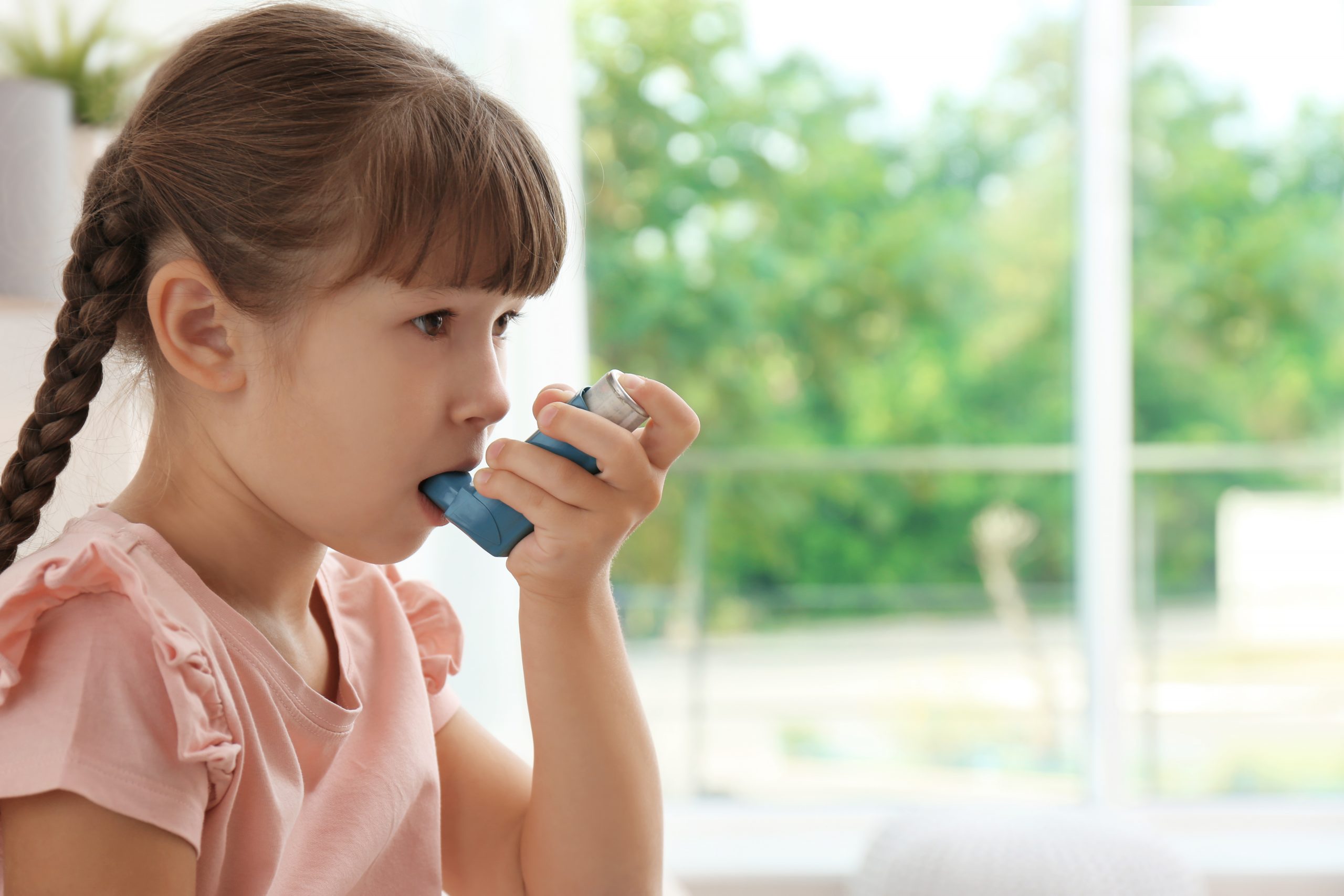
Along with first aid supplies, consider all the people you are responsible for medical needs. Does anyone use inhalers for asthma? A clear airway is the highest priority when it comes to survival.  If an asthma exacerbation occurs from wildfire smoke, do you have a nebulizer (Amazon carries inexpensive portable nebulizers) along with extra tubing and masks? Contact your care provider for extra solution for the nebulizer. By the way, fo you have a way to use the nebulizer if the power goes out? A portable generator, solar unit or battery?

Insulin dependent diabetics require not only the insulin but blood testing supplies and glucometer. If you or anyone in your household is insulin dependent, do you have a way to store extra insulin, have extra testing supplies and insulin? A small refrigerator that plugs into the car or outlet on a generator would be a wise investment to store insulin and other temperature sensitive medications.

Do you have an adequate supply of medications? If you weren’t able to get to a pharmacy or clinic for an extended period, say 3 months, would you and your family have enough medication and first aid supplies until the supply chain was restored? If not, check out Jase Daily for a year’s supply of prescription meds. It’s an easy and affordable way to ensure an uninterrupted supply of lifesaving medications in the event of a drug shortage.

How does your supply of over-the-counter drugs and supplies add up?

Along with your medical kit, over the counter drugs and medical supplies can be lifesaving.

  • Bottled water and water filter if water runs out (check out Membrane Solutions for portable water filters)
  • Electrolyte powder or solution
  • Antihistamines (Benadryl or other antihistamine)
  • Antipyretics, anti-inflammatories, pain relievers,
  • GI meds- anti diarrheal stool softeners, laxatives, heartburn meds,
  • Burn cream, eye wash solution, sunburn cream, calamine lotion, aloe gel, ice packs
  • Thermometer- age appropriate
  • Blood pressure cuff if using a digital cuff, make sure you have adequate batteries)
  • Penlight and batteries
  • Bandages, gauze, tape, mole skin for foot sores, tweezers, bandage scissors, otoscope
  • For infants- bulb syringes, thermometer diaper rash cream, fever reducer meds, extra formula, electrolyte replacement (such as Pedialyte)

- Brooke Lounsbury, RN

Medical Content Writer

Lifesaving Medications

Everyone should be empowered to care for themselves and their loved ones during the unexpected.

Recent Posts

Keeping you informed and safe.

Join Our Newsletter

Our mission is to help you be more medically prepared. Join our newsletter and follow us on social media for health and safety tips each week!