What Gets Missed in Disaster Preparedness: The Family Medical Plan Most Emergency Kits Miss

What Gets Missed in Disaster Preparedness

The Family Medical Plan Most Emergency Kits Miss

By Aaron Asay, PA-C, DMSc — Executive Director, JaseResponse

Over the last 25 years, I’ve had a front-row seat to some of life’s hardest moments.

Through my work in emergency medicine, disaster response, and humanitarian aid, I’ve served communities impacted by hurricanes, floods, wildfires, and other disasters. I’ve met families who lost homes overnight, families forced to evacuate with little warning, and families suddenly cut off from the healthcare systems they relied on every day.

When people think about disasters, they often imagine the dramatic moments—the wildfire racing toward a neighborhood, the hurricane making landfall, or floodwaters swallowing a road. Those moments matter. But what has always stood out to me are the ordinary problems that suddenly become emergencies when access to healthcare disappears.

It’s the parent trying to refill a child’s asthma medication after the pharmacy has been closed for days. It’s the grandfather running low on heart medication because roads remain impassable after a storm. It’s the family cleaning up debris when a child suffers a deep cut and urgent care is overwhelmed or inaccessible.

Over the years, I’ve seen these situations play out again and again. What strikes me most is that these families weren’t irresponsible. Most had food, flashlights, batteries, and good intentions. What they lacked was a clear understanding of what medical preparedness actually looks like.

No one had ever handed them a roadmap. That’s why I often tell people that you don’t have to be a prepper to be prepared. You just need a plan.


The Part Most Disaster Checklists Miss

Most preparedness checklists focus on food, water, batteries, flashlights, and generators. Those things matter….but a flashlight isn’t a medical plan, and either is a box of bandages or a bottle of Tylenol.

One of the biggest lessons disaster response has taught me is that emergencies rarely create entirely new medical problems. More often, they magnify existing ones. The child who needs medication still needs medication. The person managing diabetes still needs insulin. A routine infection still needs treatment.

The difference is that your doctor may be closed, your pharmacy may be inaccessible, and the systems that normally make healthcare easy may not be functioning when you need them most.

That’s why I encourage families to think about medical preparedness in two layers.

Layer One: Protect Access to the Medications Your Family Already Needs

The first layer is continuity. If someone in your household relies on medication to stay healthy, that medication should be part of your disaster plan.

Whenever possible, we recommend maintaining up to a 90-day supply of essential medications and keeping a written medication list that includes the medication name, dosage, prescribing provider, and pharmacy information.

This sounds simple, but during an evacuation it becomes incredibly valuable. A pharmacist hundreds of miles away can help much faster when they have accurate information in front of them.

In my experience, this is one of the most important—and most overlooked—steps families can take.

Layer Two: Prepare for the Medical Problems Disasters Predictably Create

The second layer focuses on what we repeatedly see after disasters.

Floodwaters and damaged infrastructure often lead to gastrointestinal illness. Cleanup efforts create cuts, scrapes, and wound infections. Power outages and poor sanitation can increase the risk of respiratory and skin infections. Dehydration becomes more common when clean water access is limited.

These aren’t rare events: they’re predictable ones.

That’s why appropriate medical preparation means having a plan for common conditions before access to care becomes difficult.

For many families, this includes having access to contingency medications for common infections, anti-nausea medications, anti-diarrheal medications, oral rehydration solutions, and other supplies that become significantly harder to obtain once a disaster disrupts normal systems.

This isn’t a replacement for primary care; it’s preparation for the moments when primary care isn’t immediately reachable.


Don’t Forget the Basics

One thing disaster response has reinforced over and over is that most families under-pack the medical basics.

  • A reliable water filter that can address both viruses and bacteria matters.
  • Proper wound care supplies matter.
  • Pain relievers, fever reducers, allergy medications, and oral rehydration solutions matter.
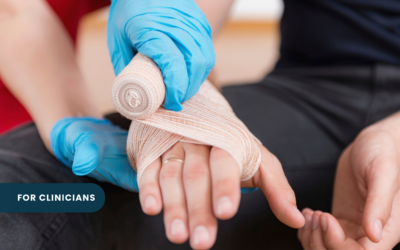
  • Knowing how to clean and care for a wound matters just as much as having a bandage.

Medical preparedness isn’t just about what you own. It’s about knowing how to use it.


Start Small

The good news is that you don’t have to tackle everything at once.

That’s why we’ve created three free resources to help families get started:

  • How to Build an Inexpensive 72-Hour Kit
  • Family Communication Plan Template
  • Wound Care Guide

Think of these as building blocks, not a homework assignment.

Pick one. Start there. Small steps compound over time.


When You’re Ready for the Next Layer

For families looking to build additional resilience, we’ve created tools designed to address the gaps we see most often.

The JaseCase helps families prepare for the prescription contingency layer.

FirstAid helps cover wounds, injuries, and emergency medical supplies. Bunker in a Box provides a more comprehensive solution for longer-term disruptions and emergency readiness.

Together, they help create peace of mind for the moments when your doctor, pharmacy, or urgent care clinic isn’t reachable.


Why This Matters

One of the most encouraging things I’ve witnessed after disasters is how often prepared families become a source of strength for others.

When your own immediate needs are covered, you’re able to check on a neighbor. Help an elderly relative. Share resources. Support someone else who is struggling.

Preparation creates capacity for compassion. 

That’s one of the reasons the missions of Jase Response and Jase are so closely connected. At Jase Response, we respond when disasters strike. At Jase, we’re helping families prepare before they happen.

Every deployment reinforces the same lesson: Preparedness isn’t about fear. It’s about creating enough stability that when life becomes difficult, you’re ready—not just to care for your own family, but to help others too.

That’s why we do this work.

Lifesaving Solutions

Everyone should be empowered to care for themselves and their loved ones during the unexpected. Check out our recent lifesaving products today.

Recent Posts

Keeping you informed and safe.
Join Our Newsletter

Our mission is to help you be more medically prepared. Join our newsletter and follow us on social media for health and safety tips each week!

Measles, Dengue, and the World Cup: The 20-Minute International Travel Checklist We Use Before Every Trip

Measles, Dengue, and the World Cup: The 20-Minute International Travel Checklist We Use Before Every Trip

By Cayla McGrath
Edited and approved by Kristen Carpenter, PA-C — Clinical Advisory Board Member

For many soccer fans, attending the FIFA World Cup is a once-in-a-lifetime experience. The 2026 tournament is expected to be the largest in history, with matches spread across the United States, Mexico, and Canada and millions of fans traveling from around the world to be part of it. Flights are booked. Hotels are filling up. Families and friend groups are already planning the international travel trips they’ve dreamed about for years.

At the same time, travel headlines this summer have been filled with news about measles outbreaks, dengue activity, cruise ship illnesses, and evolving CDC travel notices. It can be difficult to know what actually matters, what doesn’t, and whether any of it should change your plans.

Here’s the good news: none of these headlines are a reason to cancel your trip.

They are, however, a reminder that international travel is easier when you spend a few minutes preparing before you leave.

One of the biggest misconceptions about travel health is that it’s mostly about rare diseases in faraway places. In reality, the issues most likely to affect travelers are often much more ordinary: a vaccine you forgot to check, a medication that runs out halfway through a trip, a case of travelers’ diarrhea, a mosquito-borne illness that’s active in the region you’re visiting, or a common infection that becomes surprisingly difficult to treat when you’re navigating an unfamiliar healthcare system.

The good news is that addressing most of those risks doesn’t require hours of research or a complicated medical plan. In fact, the same checklist our team of physicians, physician assistants, and pharmacists uses before international travel can be completed in about 20 minutes.

Here’s what we recommend checking before you go.


Start With the CDC International Travel Notices

Before any international travel, one of the smartest things you can do is spend a few minutes reviewing the CDC’s travel notices for your destination. These notices change regularly and provide updates on outbreaks, disease activity, and health recommendations specific to where you’re traveling. This year, measles and dengue are two of the most notable concerns appearing across multiple destinations.

The CDC has issued a global dengue advisory covering more than 100 countries, and dengue activity remains elevated across many popular travel destinations throughout Latin America, the Caribbean, and tropical regions around the world. For most travelers, the takeaway isn’t panic. It’s awareness. Knowing what’s active at your destination helps you make informed decisions before you board the plane.


Verify Your Vaccines Before You Leave

If there’s one item on this year’s checklist that deserves special attention, it’s measles protection. Many adults assume they’re protected because they were vaccinated as children, and most are. However, healthcare professionals are encouraging travelers to verify their vaccination status, especially if records are incomplete or uncertain.

This is particularly relevant for travelers heading to World Cup host cities, where large crowds and international travel create ideal conditions for infectious diseases to spread.

For many people, confirming vaccination status takes just a few minutes through a healthcare provider, patient portal, or immunization record system.

It’s one of the easiest items on the list—and one of the highest impact.


Understand the Difference Between Health Risks and Travel Disruptions

One thing the CDC board doesn’t always capture is the difference between a serious health threat and a trip disruption.

For example, a recent hantavirus outbreak on an Antarctic cruise ship generated significant headlines. While the story was alarming, public health authorities assessed the broader risk as low. Meanwhile, far more travelers will lose vacation days this year to things like travelers’ diarrhea, respiratory viruses, motion sickness, dehydration, or a urinary tract infection than they ever will to a rare infectious disease.

This distinction matters because most travel health preparation should focus on what is likely, not simply what is newsworthy.

A day spent recovering in your hotel room because you couldn’t find treatment for a common illness can derail a trip just as effectively as something much rarer.


Pack for the Problems Most International Travelers Actually Face

When our clinical team prepares for travel, we don’t build a suitcase around worst-case scenarios.We build it around common ones.

A small travel health kit should be able to handle minor injuries, dehydration, motion sickness, blisters, and other everyday issues that frequently arise during travel. Bandages, wound care supplies, electrolyte packets, a thermometer, and basic over-the-counter medications cover a surprising number of situations.

Beyond that, we think about access. What happens if someone develops a UTI on day four of a two-week trip? What if travelers’ diarrhea strikes halfway through a vacation? What if a common infection appears while you’re in a foreign country where prescriptions don’t transfer and healthcare systems operate differently than they do at home?

Those are not rare scenarios. They’re predictable ones.

That’s why our team approaches travel preparedness through the lens of Appropriate Medical Preparation. The goal isn’t to prepare for everything. It’s to prepare for the things most likely to interrupt your trip and create unnecessary stress.


Don’t Assume a Foreign Pharmacy Will Solve the Problem

One of the biggest mistakes travelers make is assuming they’ll simply buy what they need if something comes up. Sometimes that works. Often it doesn’t.

Prescription laws vary dramatically from country to country. Medications may be sold under different names. A prescription from your physician at home may not be valid abroad. Some medications available in the United States face restrictions elsewhere, while medications sold over the counter in another country may differ significantly from what you’re accustomed to using.

By the time many travelers discover these differences, they’re already sick. That’s why our philosophy is simple: if it’s something you know you may need, don’t leave access to chance.


The 20-Minute Pre-Travel Checklist

Before your next international travel, spend 20 minutes working through these four questions:

  1. Have I reviewed the CDC travel notices for my destination?
  2. Is my vaccination status up to date, particularly for measles?
  3. Do I have enough of my routine medications for the entire trip, plus extra time in case of delays?
  4. Do I have a travel health kit that can handle common illnesses and minor medical issues without requiring me to navigate a foreign healthcare system?

If you can answer “yes” to those four questions, you’re ahead of most travelers.


How the Jase Team Travels

At Jase, we spend a lot of time thinking about preparedness because we’ve spent our careers seeing what happens when people don’t have access to what they need.

That doesn’t mean we travel anxiously. Quite the opposite.

The goal of preparation is freedom. When you’ve verified your vaccines, checked destination-specific health notices, packed your medications, and prepared for the most common travel disruptions, you stop worrying about them.

That’s why we don’t view travel preparedness as something separate from travel planning. It’s simply part of traveling well.

The clinicians on our team don’t prepare because they expect something to go wrong. They prepare because they’d rather spend their trip enjoying the destination than trying to find a pharmacy, clinic, or prescription in a city they’ve never visited before.

And that’s exactly what we want for you, too.

Lifesaving Solutions

Everyone should be empowered to care for themselves and their loved ones during the unexpected. Check out our recent lifesaving products today.

Recent Posts

Keeping you informed and safe.

Join Our Newsletter

Our mission is to help you be more medically prepared. Join our newsletter and follow us on social media for health and safety tips each week!

Can You Get Prescription Medication While Traveling Internationally?

Can You Get Prescription Medication While Traveling Internationally?

By Cayla McGrath
Edited and approved by Kristen Carpenter, PA-C — Clinical Advisory Board Member

You’re four days into a trip to Florence when the familiar symptoms start.

You’ve had a urinary tract infection before, so you know exactly what’s happening. Under normal circumstances, it wouldn’t be a major problem. You’d call your doctor, visit urgent care, or pick up the prescription you’ve used before. Instead, you’re sitting in a hotel room halfway around the world trying to figure out how healthcare works in a country where you don’t speak the language, don’t know the system, and aren’t even sure whether the pharmacy down the street can help.

It’s not the sort of problem most travelers spend much time thinking about before they leave home.

Most of us assume that if we get sick while traveling internationally, we’ll simply figure it out when we get there. After all, pharmacies exist everywhere. Doctors exist everywhere. Surely there must be a way to get what you need if something comes up.

Sometimes there is.

Often it’s much more complicated than people expect.


Prescriptions Don’t Travel Easily

One of the biggest surprises for American travelers is that prescriptions don’t travel as easily as they do. A prescription written by your doctor in the United States generally cannot be filled by a pharmacist in Italy, Japan, France, Canada, or most other countries. Prescribing authority is local. If you need a prescription medication abroad, you’ll often need to see a locally licensed physician and obtain a new prescription that complies with that country’s regulations.

Even when medications are available, the experience can be frustrating. Drug names differ from country to country. Medications you’re familiar with may be sold under completely different names, formulations, or packaging. Some medications that are routine in the United States are restricted elsewhere. Certain ADHD medications, decongestants, and controlled substances face significant restrictions in countries such as Japan, while other destinations require documentation that must be arranged before departure.

For travelers managing chronic conditions, the challenge can be even greater. Running low on a blood pressure medication, thyroid medication, or antidepressant halfway through an extended trip isn’t simply inconvenient. It can require navigating a healthcare system you never planned on using, often while trying to enjoy a vacation, attend a business trip, or visit family abroad.


Medication Access

What catches many people off guard is that the difficulty isn’t usually the illness itself. It’s access.

A recurring UTI is still a recurring UTI whether you’re in Ohio or Florence. Travelers’ diarrhea is still travelers’ diarrhea whether you’re in Cancún or Chicago. The medical issue may be straightforward. The challenge is obtaining timely care in an unfamiliar place after the problem has already started.

This is why so many experienced travelers think differently about preparation. The best travel preparation isn’t about expecting disaster. It’s about recognizing that certain situations are predictable. Travelers get gastrointestinal illnesses. People with a history of recurrent UTIs sometimes get another one. Prescriptions occasionally run low. Flights get delayed. Trips get extended. The question isn’t whether every traveler will encounter one of these problems. The question is whether you’ll have a plan if you do.


Plan Ahead

At Jase, we believe that plan should begin before departure.

Our team of physicians, physician assistants, and pharmacists created Jase because we repeatedly saw patients trying to solve predictable healthcare problems at the least convenient possible moment. The traveler with a UTI on day four of a two-week vacation. The retiree who realizes they packed thirty days of medication for a thirty-five-day trip. The family trying to find an English-speaking doctor in a foreign city for something that could have been anticipated weeks earlier.

Those experiences don’t usually become medical emergencies. They become unnecessary disruptions.

That’s why we approach travel preparedness differently. Rather than asking people to navigate unfamiliar healthcare systems after they become sick, we focus on helping them prepare before they leave. A licensed U.S. clinician evaluates whether preparedness medications are appropriate for a person’s medical history and travel plans. If they are, those medications are dispensed through a licensed U.S. pharmacy and accompanied by clear guidance for when and how they should be used.

This isn’t a replacement for primary care. In fact, it’s built on the same philosophy that drives good primary care: thoughtful planning, risk reduction, and helping patients stay ahead of problems rather than reacting to them. Your physician remains your physician. Jase simply helps fill the gap that exists when you’re thousands of miles away and that relationship isn’t immediately accessible.

Many travelers spend hours researching hotels, restaurants, transportation, and attractions before a trip. Few spend even a few minutes thinking about how they would access medical care if they needed it. Yet anyone who has ever spent a day of their vacation sitting in a waiting room or searching for a pharmacy in a foreign city understands how valuable that preparation can be.

We call this Appropriate Medical Preparation.

It’s not about expecting the worst. It’s not about packing a suitcase full of medications “just in case.” It’s about recognizing that access to healthcare becomes more complicated when you leave home and taking reasonable steps to prepare for that reality.

Because the goal of your trip should be enjoying Florence, Tokyo, Cancún, or wherever your travels take you—not spending half a day trying to figure out how to get a prescription filled once you’re already sick.

Lifesaving Solutions

Everyone should be empowered to care for themselves and their loved ones during the unexpected. Check out our recent lifesaving products today.

Recent Posts

Keeping you informed and safe.

Join Our Newsletter

Our mission is to help you be more medically prepared. Join our newsletter and follow us on social media for health and safety tips each week!

Can You Get Antibiotics Over the Counter? What the Law Actually Says

Can You Get Antibiotics Over the Counter? What the Law Actually Says

By Cayla McGrath
Edited and approved by Kristen Carpenter, PA-C — Clinical Advisory Board Member

If you’ve ever searched “can you get antibiotics over the counter?” you’re not alone.

In fact, most people asking that question aren’t looking for a shortcut. They’re trying to solve a practical problem. Maybe you’re planning an international trip and wondering what would happen if you developed a urinary tract infection halfway around the world. Maybe you live in a rural community where urgent care closes early and the nearest emergency room is an hour away. Maybe you’ve experienced a hurricane, wildfire, or winter storm and know how quickly normal access to healthcare can disappear.

Whatever brought you here, the concern is understandable. Life doesn’t always happen during business hours, and healthcare isn’t always available exactly when we need it.

The challenge is that while many people are asking this question, the healthcare system hasn’t always done a great job of answering it. Patients are often told what not to do, but they’re rarely given a clear explanation of what responsible preparation actually looks like.


Let’s Start With The Law

In the United States, all systemic antibiotics—including oral antibiotics, injectable antibiotics, and IV antibiotics—require a prescription from a licensed healthcare provider. Federal law does not allow these medications to be sold over the counter. While a few topical antibiotic products such as bacitracin and triple-antibiotic ointments can be purchased without a prescription, they aren’t intended to treat the infections most people have in mind when they’re searching for antibiotics online.

The legal answer, then, is straightforward: you cannot legally purchase oral antibiotics over the counter in the United States.

What is less straightforward is what people are supposed to do with the concern that led them to ask the question in the first place.


What About Travel?

When someone is worried about getting sick while traveling, being far from medical care, or losing access to a pharmacy during a disaster, simply hearing “you can’t do that” doesn’t make the concern disappear. It often sends people looking for alternatives, and that’s where things become more complicated.

A quick online search will uncover countless workarounds. Some websites advertise antibiotics without requiring a meaningful clinical evaluation. Others point people toward foreign pharmacies willing to ship medications across borders. Some preparedness forums even discuss aquarium antibiotics sold through pet supply channels.

The problem with these options isn’t simply that they exist. It’s that they often remove the very safeguards that help keep patients safe.

For example, aquarium antibiotics are not manufactured, tested, or regulated as medications intended for human use. Foreign pharmacies can vary widely in quality and oversight, and the FDA’s BeSafeRx program was created specifically because counterfeit and unsafe online pharmacies became a significant enough concern to warrant consumer education efforts.

Even when the medication itself appears legitimate, many of these channels share the same weakness: there is no real clinical relationship behind the purchase. There is no provider who knows your medical history, no pharmacist who can answer questions about appropriate use, and no established process for follow-up if something doesn’t go according to plan.


What’s Safe?

For many people, that’s the piece that’s missing. The real goal isn’t simply obtaining antibiotics. The goal is having confidence that if a predictable healthcare challenge arises, there is a safe, legal, and medically responsible plan already in place.

That’s where appropriate medical preparation comes in.

Rather than leaving people to navigate the grey market on their own, appropriate medical preparation creates a legitimate pathway. A licensed U.S. clinician evaluates your health history and preparedness needs. If appropriate, medications are prescribed through a licensed U.S. pharmacy and accompanied by clear clinical guidance for when and how they should be used.

At Jase, that’s the framework we’ve spent years building. Our team of physicians, physician assistants, and pharmacists believes patients deserve better options than choosing between doing nothing and navigating questionable sources online. We aren’t replacing primary care, and we aren’t encouraging unnecessary antibiotic use. We’re helping people prepare responsibly for situations where access to care may be delayed by travel, geography, natural disasters, or other real-world disruptions.

The reality is that people have always prepared for emergencies. They keep spare batteries before a storm. They carry first aid kits in their vehicles. They pack extra supplies before traveling somewhere remote.

Medical preparedness deserves the same thoughtful approach.

That’s why we’re working to define a category we call Appropriate Medical Preparation: practical, evidence-based planning that helps people navigate predictable disruptions with the support of real clinicians, real pharmacies, and real medical guidance.

Because the question was never really about buying antibiotics over the counter.

It was about wanting a plan. And there is a right way to have one.

Lifesaving Solutions

Everyone should be empowered to care for themselves and their loved ones during the unexpected. Check out our recent lifesaving products today.

Recent Posts

Keeping you informed and safe.

Join Our Newsletter

Our mission is to help you be more medically prepared. Join our newsletter and follow us on social media for health and safety tips each week!

Hurricane Season | What Meds Do You Need?

Hurricane Season Is Here. What Should Actually Be in Your Family’s Medication Go-Bag?

By Cayla McGrath

If you’ve lived through hurricane season before, you know the feeling. The forecast starts getting more serious. The spaghetti models begin circulating on social media. The local grocery store suddenly runs out of bottled water. Gas stations develop long lines. Everyone starts making lists and checking supplies.

For a few days, preparation becomes the focus.

Most families know what to do when it comes to food, water, batteries, and flashlights. But one of the most important parts of hurricane preparedness often gets overlooked until it’s too late: medications. Not because people don’t care. Because most preparedness advice doesn’t get specific enough.

“HAVE A 7-DAY MEDICATION KIT” sounds helpful. Until you’re standing in your kitchen trying to figure out what that actually means for your family.

Does it mean your child’s asthma inhaler?
Your spouse’s anxiety medication?
Grandpa’s heart medication?
What happens if the pharmacy closes for a week? What happens if you evacuate and realize everyone’s prescriptions are tied to a pharmacy that’s now underwater?

These are the questions families face every hurricane season. The good news is that hurricanes give us something many emergencies don’t:
Time to prepare.


Hurricanes Don’t Just Disrupt One Day

When people think about hurricanes, they often think about landfall. In reality, the bigger challenge is often what happens afterward.

The power may be out for days or even weeks. Roads can remain flooded long after the storm passes. Pharmacies may close. Medical offices may be operating on limited schedules. Supply chains can slow down just when people need medications the most.

The challenge isn’t usually the storm itself. It’s everything the storm interrupts.

That’s why we encourage families to think about medical preparedness in two layers.


Layer One: The Medications Your Family Already Depends On

The first layer is simple, but it’s also the most important. Before thinking about emergency antibiotics, first aid supplies, or contingency medications, start with the medications your family already takes.

If someone in your household relies on medication to manage a chronic condition, hurricane season is a good time to ask a simple question: “If our pharmacy was inaccessible for the next month, would we be okay?”

For most families, a good goal is maintaining at least a 30-day supply of essential medications. If possible, a 90-day supply provides even more flexibility during hurricane season.

This may include medications for:

  • Heart conditions
  • Blood pressure management
  • Diabetes
  • Asthma
  • Mental health conditions
  • Thyroid disorders
  • Other chronic health needs

Just as important as the medications themselves is maintaining a written medication list.

Write down every prescription, including:

  • Medication name
  • Dosage
  • Prescribing provider
  • Pharmacy information

This may seem like a small detail, but it can make an enormous difference during an evacuation.

A pharmacist hundreds of miles from home may not know you, but they can often help you much more quickly when you have accurate information in hand.


The Insurance Problem Nobody Talks About

This is usually where families hit their first roadblock. Many people assume they can’t build a larger medication supply because insurance won’t allow it.

Sometimes that’s true.

But often there are more options than people realize. If your medication isn’t a controlled substance and you have refills available, ask your healthcare provider about a 90-day prescription. Even when insurance won’t cover an early refill, paying cash for a larger quantity or using a prescription discount card may cost far less than people expect. In many cases, the price is comparable to a standard copay.

The key is exploring those options before hurricane season reaches its peak.


Layer Two: Preparing for the Problems Hurricanes Create

Once your family’s everyday medications are covered, the second layer focuses on the health challenges that hurricanes commonly bring.

Anyone who has helped clean up after a storm knows the reality. Floodwater gets everywhere. Minor cuts and scrapes happen while clearing debris. Mold begins growing surprisingly fast in damp homes. Mosquito populations explode. Gastrointestinal illness becomes more common when water systems are disrupted.

These aren’t unusual scenarios. They’re predictable ones.

That’s why many families choose to build a contingency layer into their preparedness plan. This may include medications and supplies that help address common post-storm concerns, including wound care, dehydration, respiratory irritation, allergy flare-ups, fungal infections, and certain types of infection that become more common after flooding events.

For many families, this is where the conversation starts feeling unfamiliar.

“Can I Even Ask My Doctor About This?”

The honest answer is yes.

Many healthcare providers were trained to prescribe medications when an illness is actively happening—not necessarily for a future scenario that hasn’t occurred yet. That’s not because you’re asking the wrong question. It’s because preparedness exists in a space healthcare hasn’t traditionally addressed very well.

At Jase, we call this Appropriate Medical Preparation.

It’s the idea that families can thoughtfully prepare for predictable healthcare disruptions before they happen, while still respecting the role of primary care, pharmacists, and evidence-based medicine. The goal isn’t to replace your doctor. The goal is to avoid being caught completely off guard when access to healthcare becomes difficult.


Preparedness Is One of the Few Things You Can Control

Every hurricane season comes with uncertainty. No one knows exactly where a storm will turn. No one knows which communities will be impacted most severely. No one can predict how long power outages or disruptions will last. But there are a few things that remain entirely within your control.

You can know what medications your family takes.
You can keep a written medication list.
You can talk to your provider before the forecast becomes urgent.
You can make sure your child’s inhaler, your spouse’s medication, or your parent’s heart prescription isn’t down to the last few doses when a storm enters the Gulf.

Preparedness won’t stop a hurricane. But it can help protect the people you love from turning a weather emergency into a medical emergency.


The Best Time to Prepare Is Before You Need To

At Jase, we’ve spent years helping families think through these questions. Through Jase Medical, we help individuals prepare for disruptions before they happen. Through Jase Response, our nonprofit disaster response organization, we’ve seen firsthand how quickly access to healthcare can change when communities are affected by disasters.

When hurricanes strike, responders mobilize. Communities come together. Recovery begins. But the families who navigate those difficult weeks most successfully are rarely the ones scrambling after landfall. They’re the ones who prepared beforehand.

As hurricane season begins, take a few minutes to review your family’s medications, update your prescription list, and make a plan. Future you will be grateful you did.

Interested in taking your preparedness one step further? Explore solutions like JaseCase and Bunker in a Box, and follow Jase Response to learn how communities prepare, respond, and recover when disasters strike. Your support helps us continue mobilizing medical aid and resources when they’re needed most.

Lifesaving Solutions

Everyone should be empowered to care for themselves and their loved ones during the unexpected. Check out our recent lifesaving products today.

Recent Posts

Keeping you informed and safe.

Join Our Newsletter

Our mission is to help you be more medically prepared. Join our newsletter and follow us on social media for health and safety tips each week!

The War Nobody Prepared For: How the Iran Conflict Is Threatening Your Medicine Cabinet

*By the Jase Medical Clinical team*

Most Americans think of war as something that happens somewhere else, visible mainly through a screen. The Iran conflict has found its way into something far more intimate: the medicine bottles in your bathroom cabinet.Since Iran closed the Strait of Hormuz in March 2026, a quiet crisis has been unfolding in America’s pharmaceutical supply chain.

Most families haven’t felt it yet.
But they will.


The Hidden Anatomy of Your Prescription

The pills we Americans swallow are rarely wholly American-made. The US has no domestic source for more than 80% of essential medicine APIs¹, and the vast majority of what we do import comes from India and China. You’re saying, ok, that’s fine, because everything in America is made in China. Where it matters is that those ingredients travel to manufacturing plants via container ships that, until recently, transited the Persian Gulf which is where the Strait of Hormuz is located.

The Strait of Hormuz carries approximately 20% of the world’s oil and liquefied natural gas². Petrochemicals are also the basis for the plastic packaging on prescription bottles, the chemical precursors that go into the medications themselves, the manufacturing inputs upstream of both, and the fuel that moves all of it around the world. When the strait closes, the ripple effect doesn’t stop at the gas pump. Those ripples really rock the pharmacy world.

Sir Jim Mackey, NHS England’s chief executive, publicly said he is “really worried” about pharmaceutical supply chain challenges³, and the US faces the same exposure.

CNBC reported in March that the Hormuz closure puts America’s generic drug prescriptions at measurable risk⁴. And just skipping this shipping lane doesn’t solve our supply chain problems either: more than half of biopharmaceuticals ship by air cargo⁵. With fuel prices surging and Middle East flight routes canceled, even drugs that don’t originate near the Gulf are getting more expensive to move.


What Does This Mean For You?

The medications most at risk are the ones you’d least want to run out of: generic antibiotics, blood pressure medications, diabetes drugs, thyroid hormones, psychiatric medications, and pain management drugs. These are the workhorses of American healthcare and staples in your own medicine cabinet. Cheap, prescribed daily, ubiquitous on every formulary, and almost entirely dependent on an intact global supply chain.

In a prolonged disruption, “just-in-time” pharmacy inventory models fail. Retail pharmacies typically hold only 2-4 weeks of stock⁶….and that’s without a run on supplies if people start feeling desperate and asking for larger amounts. Hospitals run leaner. The federal Strategic National Stockpile was not designed for a sustained pharmaceutical supply disruption of this scale⁷ and can’t be relied upon for an entire country during a war that isn’t likely to be over very soon.

The families who feel this first are those living prescription-to-prescription, with no backup supply and no plan.


The Physician’s Honest Assessment

I’ve spent my career in emergency and family medicine. I’ve watched patients ration insulin to stretch a vial another two weeks. I’ve watched them stop antibiotics early to save a few pills for next time. I’ve watched them put off a refill on a maintenance medication they’d taken every day for ten years because the pharmacy was backordered. I’ve watched them give up entirely when the backorder stretched too long. Those were peacetime failures, inside a fully functioning supply chain.

What we’re entering now is different. Supply chain disruptions compound. Prices rise before shortages appear, which gives you a window to act if you’re paying attention.

This is a call to prepare appropriately.


What You Can Do Right Now

The most important step a family can take right now is to stop depending on the assumption that whatever you need will be available at your pharmacy next Tuesday.

That means:

  • Talk to your physician about a 90-day supply of any critical maintenance medications. Many insurance plans allow it. Ask.
  • Prioritize antibiotics in your emergency kit. Bacterial infections don’t pause for supply chain crises.
  • Understand which medications in your household are generics with overseas-sourced ingredients. (Hint: Most of them are).
  • Build a relationship with a direct-care or telehealth provider who can guide you clinically when hospitals are overwhelmed and pharmacy shelves are thin.

At Jase Medical, we built our emergency antibiotic kits around exactly this reality. A physician, a prescription, an available pharmacy, and the time to get all three aligned will not always show up together when you need them most. A JaseCase puts clinical-grade antibiotics in your hands, prescribed by a real physician and packaged with clear dosing guidance, ready before the crisis arrives. The clinical work is done before you need it.


The Bottom Line

The Iran conflict is a supply chain event and a public health event as much as a geopolitical one. Right now, while most Americans are watching the news instead of checking their medicine cabinets, there is still time to act

The window for preparation closes the day the shortage notice posts on the pharmacy website. That window is still open. Use it.

Build your medical safety net before supply chains tighten further. Visit jase.com to learn about our physician-prescribed emergency antibiotic kits and preparedness resources.


This article is for educational purposes and does not constitute medical advice. Consult a physician for diagnosis and treatment of any illness.


Sources:

  1. U.S. Pharmacopeia and FDA reporting: greater than 80% of active pharmaceutical ingredients for essential medicines and key therapeutic areas have no US manufacturing source. The majority of imported APIs come from India and China. https://qualitymatters.usp.org/over-half-active-pharmaceutical-ingredients-api-prescription-medicines-us-come-india-and-european
  2. U.S. Energy Information Administration, “Amid regional conflict, the Strait of Hormuz remains critical oil chokepoint” and “About one-fifth of global LNG trade flows through the Strait of Hormuz.” Approximately 20% of global petroleum liquids and 20% of global LNG trade transit the strait. https://www.eia.gov/todayinenergy/detail.php?id=65504 and https://www.eia.gov/todayinenergy/detail.php?id=65584
  3. Sir Jim Mackey, NHS England Chief Executive, public comments in late March 2026, reported by LBC. https://www.lbc.co.uk/article/nhs-england-iran-war-supplies-warning-5HjdX7J_2/
  4. CNBC, “Strait of Hormuz standoff puts supply of America’s generic drug prescriptions at risk,” March 16, 2026. https://www.cnbc.com/2026/03/16/strait-of-hormuz-closure-generic-drug-prescriptions.html
  5. IATA, Healthcare Cargo Handling & Transport: more than 50% of biopharmaceuticals move by air. https://www.iata.org/en/programs/cargo/pharma/
  6. NCPA Digest data: average retail pharmacy turns inventory 12.2 times per year (~30-day stock cycle); 2-4 weeks is a defensible range. CNBC (source #4) notes pharmaceutical distributors carry 30-60 days at a layer up. https://ncpa.org/
  7. HHS/ASPR Strategic National Stockpile, “Sustaining the Stockpile.” Built for acute large-scale public health emergencies (CBRN threats, pandemics, natural disasters), not sustained outpatient prescription disruption. The August 2025 SAPIR Executive Order separately directs ASPR to build a Strategic Active Pharmaceutical Ingredients Reserve, an explicit acknowledgment that the existing SNS does not cover this. https://aspr.hhs.gov/SNS/Pages/Sustaining-the-Stockpile.aspx

Lifesaving Solutions

Everyone should be empowered to care for themselves and their loved ones during the unexpected. Check out our recent lifesaving products today.

Recent Posts

Keeping you informed and safe.

Join Our Newsletter

Our mission is to help you be more medically prepared. Join our newsletter and follow us on social media for health and safety tips each week!