

Scenario this winter
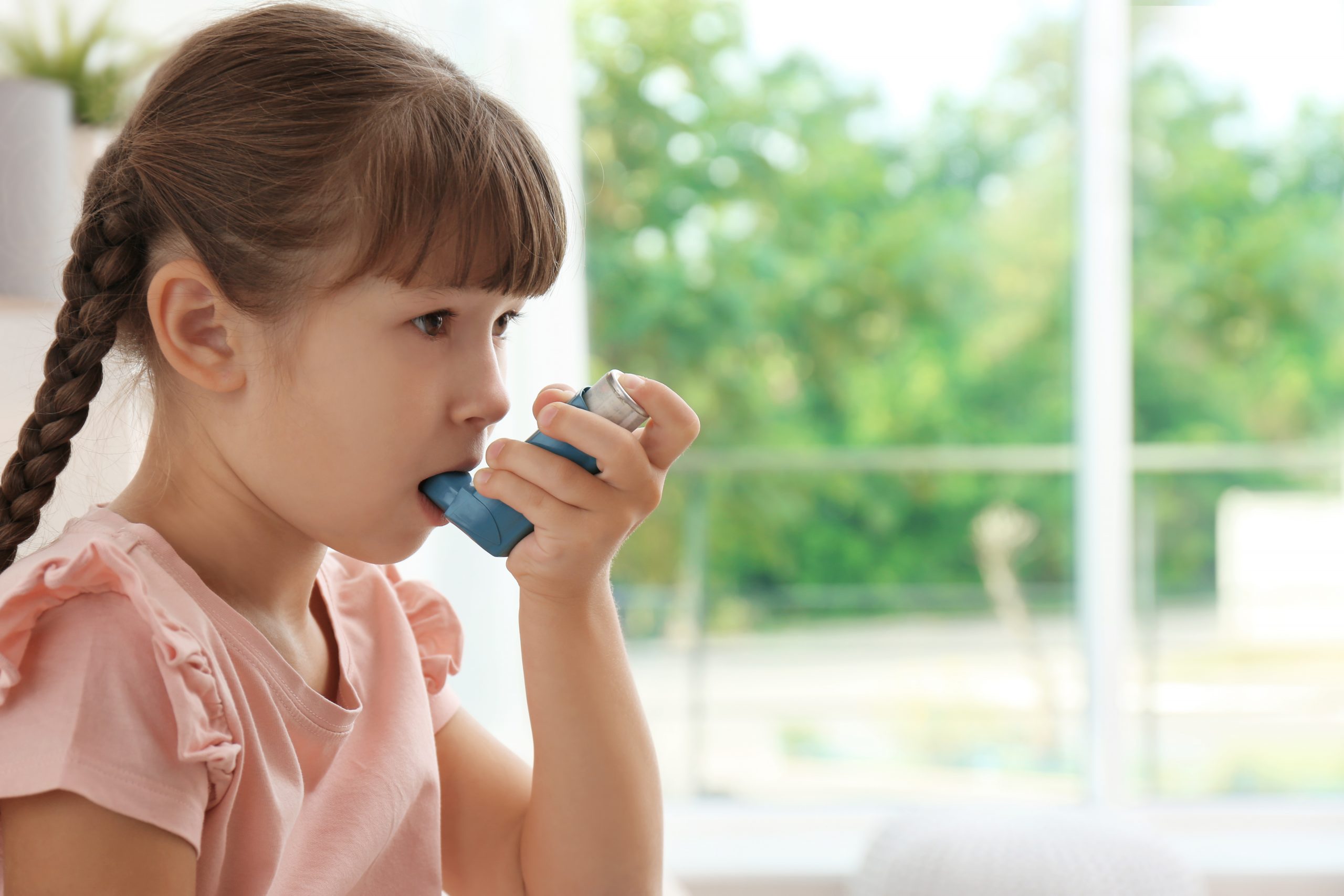
All the pharmacies have shut down or are on strike within a 2-hour radius of your home. Your daughter is in the beginning states of a full-blown asthma attack. You reach for her inhaler and find it empty, and no extra cartridges are to be found. The carton of nebulizer solution is also empty. Your child is wheezing and in panic mode. You try to console and calm her down, knowing anxiety will make symptoms worse. Frantic, you call her doctor. They advise going to the ER, which is almost as far away as the nearest pharmacy. Hospitals and clinics are overrun with patients with influenza, COVID, and a new virus that hasn’t yet been identified. Desperate, you call around to clinics, trying to find inhalers and there are none to be found.
You knew she was running low on her medication-you thought you had more time; it was on your To Do List. You should have planned better.
Don’t get caught off guard when it comes to your children’s health.

Pharmacy deserts coming to a city near you
The combined closing of over 1500 pharmacies over the past 2 years (Walgreens, CVS and Rite Aid) and the gap these have left in access to medication is massive. Mail order and online pharmacies are filling the gap for chronic medications, however acute illnesses, pain medications and antibiotics are still prescribed and filled on the local level.
Pharmacies are shuttering their doors due to theft, finances, and widespread strikes. Supply chains in medications, food and everyday necessities are projected to be severely disrupted. Some medications may completely disappear altogether. We don’t make our many of our own medications in the states, so we are massively dependent upon China and India for most of our pharmaceuticals.
According to an independent study done September 2021, by Goodrx Health, 40 % of counties (representing over 41 million people) in the US are pharmacy deserts,-it takes over 15 minutes to drive to nearest pharmacy. South Dakota, Montana, Nebraska, and Kansas have the largest number of counties that lack sufficient access to a local pharmacy. In addition, the white paper reveals that 80% of counties lack adequate healthcare infrastructure. Over a third of the U.S. population lives in a county where there is less than adequate access to pharmacies, primary care providers, hospitals, trauma centers, and/or low-cost health centers.
Like it or not, this is the new world we find ourselves in. This post COVID, world war 3, supply chain disruption, and medication shortages world. Add the possibility of nuclear war on the horizon. And potential food shortages. If this isn’t enough, widespread food poisonings have been reported, from contaminated onions, pork products, beef and poultry meatballs, burritos and more. (Find the complete up to date list from the FDA and bookmark this page for reference). It’s enough to overwhelm even the most organized and prepared individual.
We will need to pull all our resources, keep a cool head, and focus on priorities.
2 is 1 and 1 is none. This can mean 2 things. First- if you are using up the product (such as an inhaler cartridge), and you don’t have an extra one in for the next time it is needed, you are now down to none. Another meaning-if one cartridge fails or malfunctions and you don’t have a backup, you are down to none-. Have extra lifesaving medicine or devices on hand.
As stated above, online and mail order pharmacies can fill the gap- but not for acute medications. And because of supply chain disruptions- or altogether shutdowns- you may be forced into seeking help at the nearest hospital or walk in clinic. Which is the very last place you want to be. Is your medicine chest stocked with supplies needed for all emergencies? Check out Jase Case and Jase Daily for your emergency stock of medications.
- Brooke Lounsbury, RN
Medical Content Writer
Lifesaving Medications
Everyone should be empowered to care for themselves and their loved ones during the unexpected.
Recent Posts
Keeping you informed and safe.

For Clinicians | Trick or Treatment? 5 Halloween Health Facts From a Pharmacist
For Clinicians | Trick or Treatment? 5 Halloween Health Facts From a Pharmacist By Dr. Jamie Wilkey, PharmD, Director of Clinical EducationMedically reviewed and edited by Kristen Carpenter, PA-C Halloween is this week, so we’re taking a break from our in-depth...

After a Tick Bite: Why the Lyme Disease Rash Doesn’t Always Look Like a Bull’s-Eye
After a Tick Bite: Why the Lyme Disease Rash Doesn't Always Look Like a Bull's-Eye By the Jase Medical Team You found a tick attached to your skin. You removed it. Now what? Most people know to watch for signs of Lyme disease after a tick bite. But there's a problem...

For Clinicians | After the Tick Bite: The Tick Decides the Risk
For Clinicians | After the Tick Bite: The Tick Decides the Risk By Dr. Jamie Wilkey, PharmD, Director of Clinical EducationMedically reviewed and edited by Aaron Asay, PA-C, DMSc, FIBODM, FAWM Ticks have been on my radar my whole life. I grew up in Wyoming, where...
Diabetes Sick-Day Rules in a Disaster
Diabetes Sick-Day Rules in a Disaster By the Jase Medical Team Diabetes sick-day rules are usually written for an ordinary week. You get the flu. Your stomach is upset. You check your blood sugar more often, keep drinking fluids, follow your medication plan, and call...