The Drug Interactions You Create in an Emergency By the Jase Medical Team Most of the time, you don't have to think very hard about drug interactions. Your doctor has your medication list. Your pharmacy has it too. When a new prescription comes through, software...
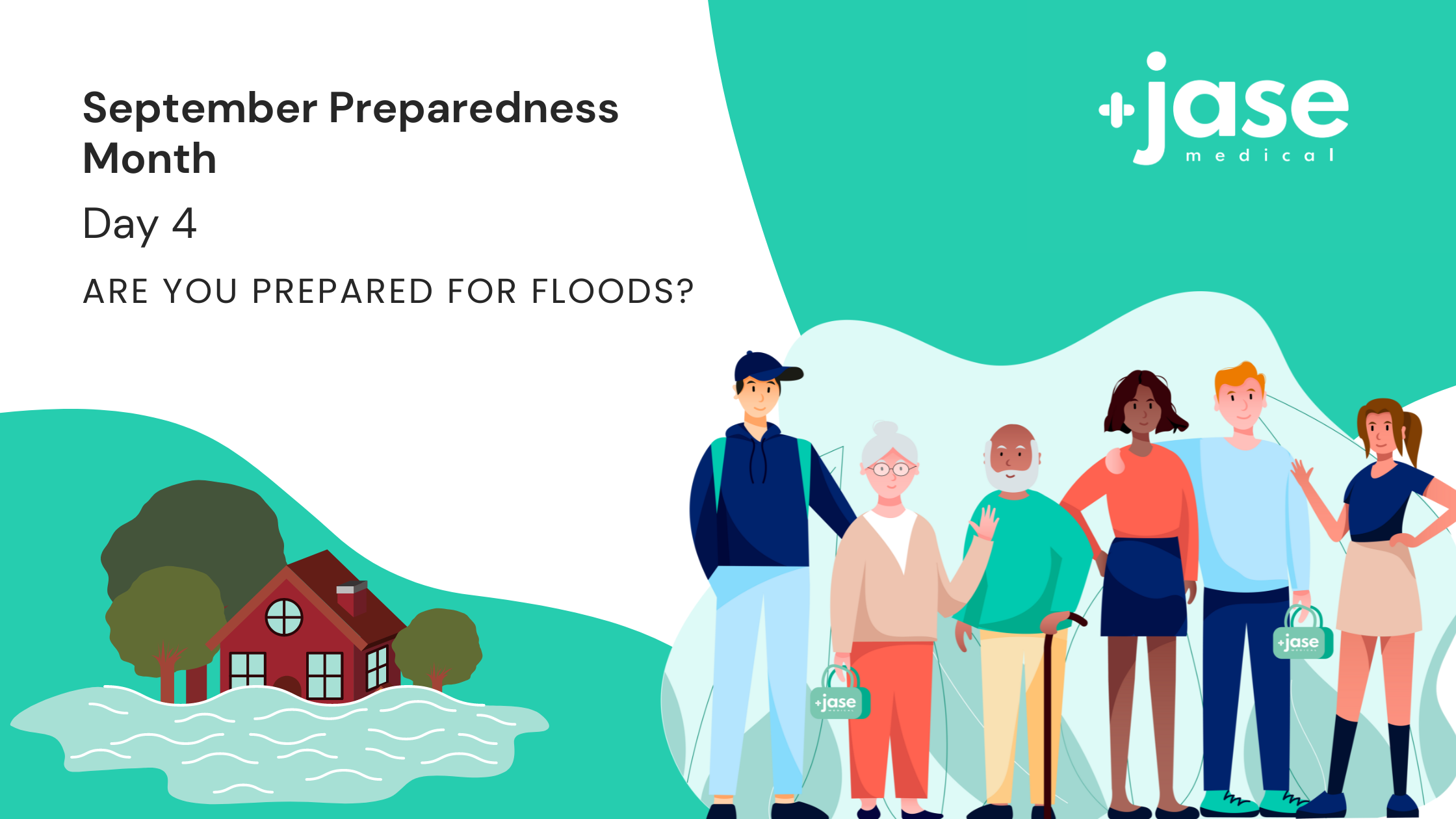
Are you Prepared for Floods?
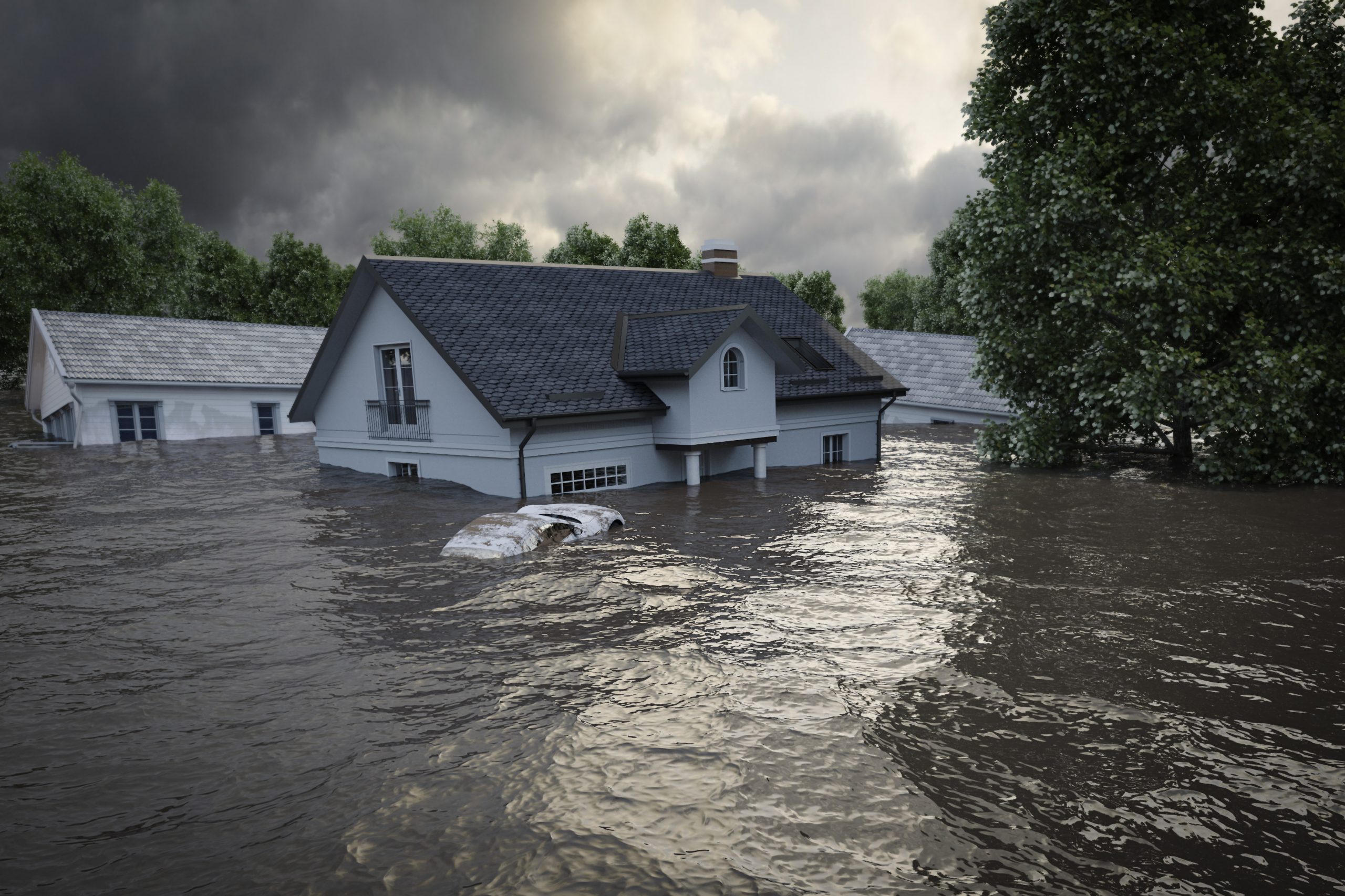
According to Flood Defenders, a nonprofit organization working with local governments to provide adequate flood protection:
- Flooding has cost US taxpayers more than $850 billion since 2000
- Is responsible for ⅔ of the cost from all natural disasters. In small towns and large cities
- America has experienced an urban flooding event once every 2-3 days for the past 25 years.
Health risks post flood
Homes that have been flooded, whether from natural disasters such as rain, hurricanes or rivers breaching their shores or pipes leaking and bursting in walls, dishwashers, sinks or bathtubs can pose some very serious health risks. Sewage can overflow, which can bring deadly bacteria and viruses, mold from damp homes after flood waters have receded, and electrical hazards pose serious health risks.
Mitigating those risks
Having some basic supplies and items on hand if you live in a known flood zone or your area is prone to heavy rainfall can help alleviate some of the risks associated with floods.
Have a bag put together with each member of your group/family in mind:
- Extra meds (prescription and nonprescription)
- Store your important papers and health records in a portable waterproof container- a box or bag- to take with you if you need to evacuate.
- Bottled water
- Water filtration- find one that can remove chemicals along with bacteria and viruses like the Alexapure pitcher
- Hand sanitizer
- Dry towels
- Gloves- both a pair of work gloves and a box of gloves
- Dry clothing and extra shoes in plastic, waterproof bags
- Flashlights with extra batteries
- Small tool kit, with hammer, pliers, small crowbar, etc.
- Small radio with batteries- to ascertain if help is coming, etc.
- Nutritious prepackaged snacks such as dried fruits and nuts in case help isn’t readily available.
- Small boxes of juices
After the flood
Post flood is the most dangerous time regarding health. If you live in a warm and humid area mold growth can cause significant health risks. Cold areas where flooding is likely can cause hypothermia and even frostbite if you are exposed to the elements and are wearing wet or damp clothing. A few tips before entering your home post flood:
- FEMA has put out an excellent pamphlet on how to deal with mold and mildew in your home., download and read this important information before venturing into your home, since mold and mildew can be odorless and colorless, exercise extreme caution before going into your home post flood.
- Your home may be structurally unstable, have a building inspector to inspect the structural integrity of your home before entering it. Akso, contact an electrician to check out your home before entering it.
- Do not use your gas or propane stove until you are suer all is dry and that the gas lines are safe to use. Also, inspect and make sure carbon monoxide alarms are working.
Lifesaving Medications
Everyone should be empowered to care for themselves and their loved ones during the unexpected.
Recent Posts
Keeping you informed and safe.
The Drug Interactions You Create in an Emergency
For Clinicians | Drug Interactions in a Disaster
For Clinicians | Drug Interactions in a Disaster: The Combinations a Bad Week Creates By Dr. Jamie Wilkey, PharmD, Director of Clinical EducationMedically reviewed and edited by Kristen Carpenter, PA-C When we think about prescription medicine in a disaster, we most...
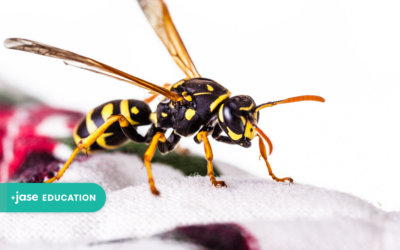
Stings in a Disaster: The Antibiotic You Don’t Need and the Epinephrine You Do
Stings in a Disaster: The Antibiotic You Don't Need and the Epinephrine You Do Animals in a Disaster Series: Part 2 of 2By the Jase Medical Team The sting happens quickly. Maybe you're clearing branches after a storm. Maybe you're walking through a flooded yard. Maybe...