How do Antibiotics Work? Part 3

In part 1 we reviewed how antibiotics work, part 2 what biofilms are and their role in antibiotic resistance. In part 3 we will review:

  • When antibiotics are needed and when they aren’t appropriate
  • Distinguish between an allergic reaction to an antibiotic and the symptoms the infection is treating
When antibiotics are needed and when they aren’t appropriate

Antibiotic stewardship is one of the most pressing health issues of our time. As pathogens mutate and evade antibiotic therapy, we are forced to use more potent antibiotics. The use of antibiotics when not necessary is leading to devastating consequences. Antibiotic resistance, AKA antimicrobial resistance happens when germs like bacteria or fungi no longer respond to the drugs designed to kill them. According to the CDC: “About 47 million antibiotic courses are prescribed for infections that don’t need antibiotics, like colds and the flu, in U.S. doctors’ offices and emergency departments each year. That’s about 28% of all antibiotics prescribed in these settings.”

In the U.S., more than 2.8 million antimicrobial-resistant infections occur each year. A list of the antimicrobial resistant infections are listed on the CDC website. Some are familiar to the general population such as MRSA- Methicillin resistant Staphylococcus aureus, and VRE- Vancomycin resistant Enterococci. Some not so familiar-Drug resistant Candida and Carbapenem-resistant Acinetobacter for example. A full list of CDCs watchlist can be found here.

Antibiotics are indicated when:

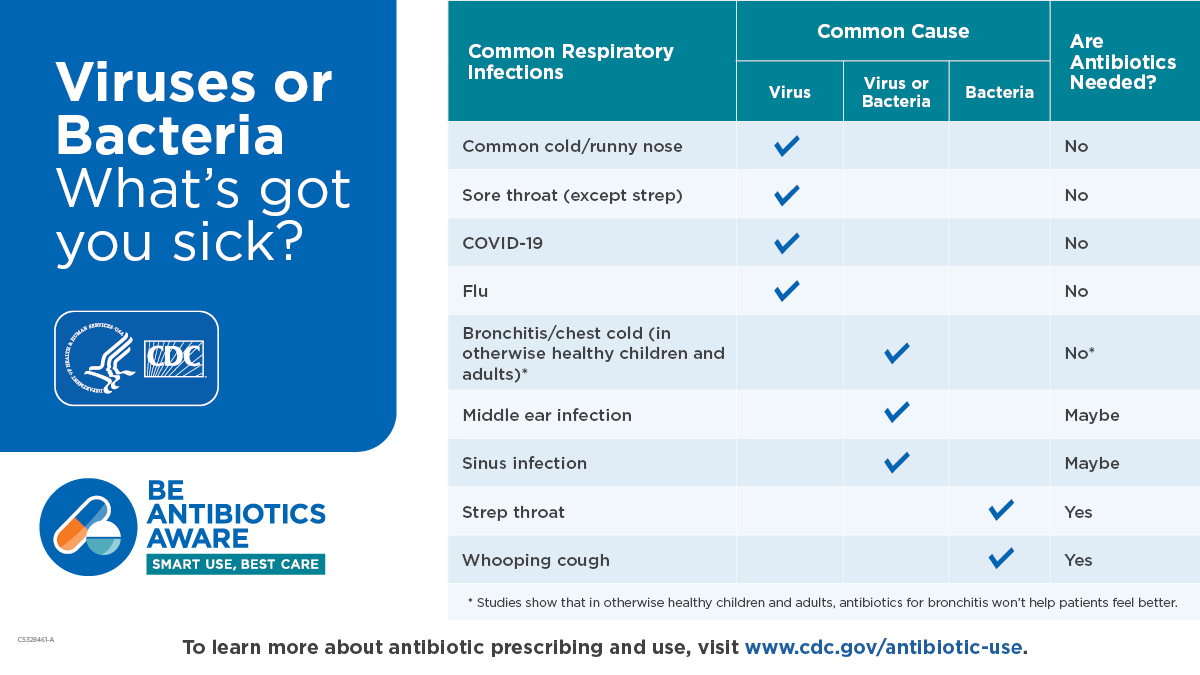
A bacteria or fungal infection has taken over the body, either systemically (in the body) or topically-skin and tissues. Entry points can be a break in the skin, respiratory inhalation, eyes. Ears, mouth, urogenital route, or ingestion. They are not needed in all cases, sometimes our body can fight off the infection. If you own a Jase case check with your care provider when in question. They are not appropriate for viral illnesses such as colds, flu, covid, etc. Sometimes a viral infection will lower the body’s immune defenses allowing an opportunistic bacterial or fungal infection to take over as in the case of a viral pneumonia to bacterial pneumonia. At that point an antibiotic may be needed.
Distinguish between an allergic reaction to an antibiotic and the symptoms the infection is treating

Penicillin, the most commonly reported antibiotic allergy is less common than believed to be.

This is a great you tube video on penicillin allergies

According to the CDC: Although 10% of the population in the U.S. reports a penicillin allergy, less than 1% of the population is truly penicillin allergic.

The difference between a side effect and allergy

Side effects to antibiotics

  • Nausea, vomiting
  • Diarrhea
  • Mild rash
  • Photosensitivity
  • Vaginal yeast infection
  • Thrush

Allergic reaction to antibiotics- Seek medical care immediately

  • Severe rash/hives
  • Peeling skin
  • Anaphylactic reactions such as:
  • Respiratory distress/wheezing
  • Throat closing/tightness

- Brooke Lounsbury

Medical Content Writer

Lifesaving Medications

Everyone should be empowered to care for themselves and their loved ones during the unexpected.

Recent Posts

Keeping you informed and safe.

Join Our Newsletter

Our mission is to help you be more medically prepared. Join our newsletter and follow us on social media for health and safety tips each week!

How do Antibiotics Work? Part 2

In part 1 the history of antibiotics and how they work was reviewed. This week we will look at

  • The role of biofilms in bacteria and why these present a challenge to our modern-day arsenal of antibiotics
  • Antibiotic resistance challenges

The role of biofilms in bacteria and why these present a challenge to our modern-day arsenal of antibiotics

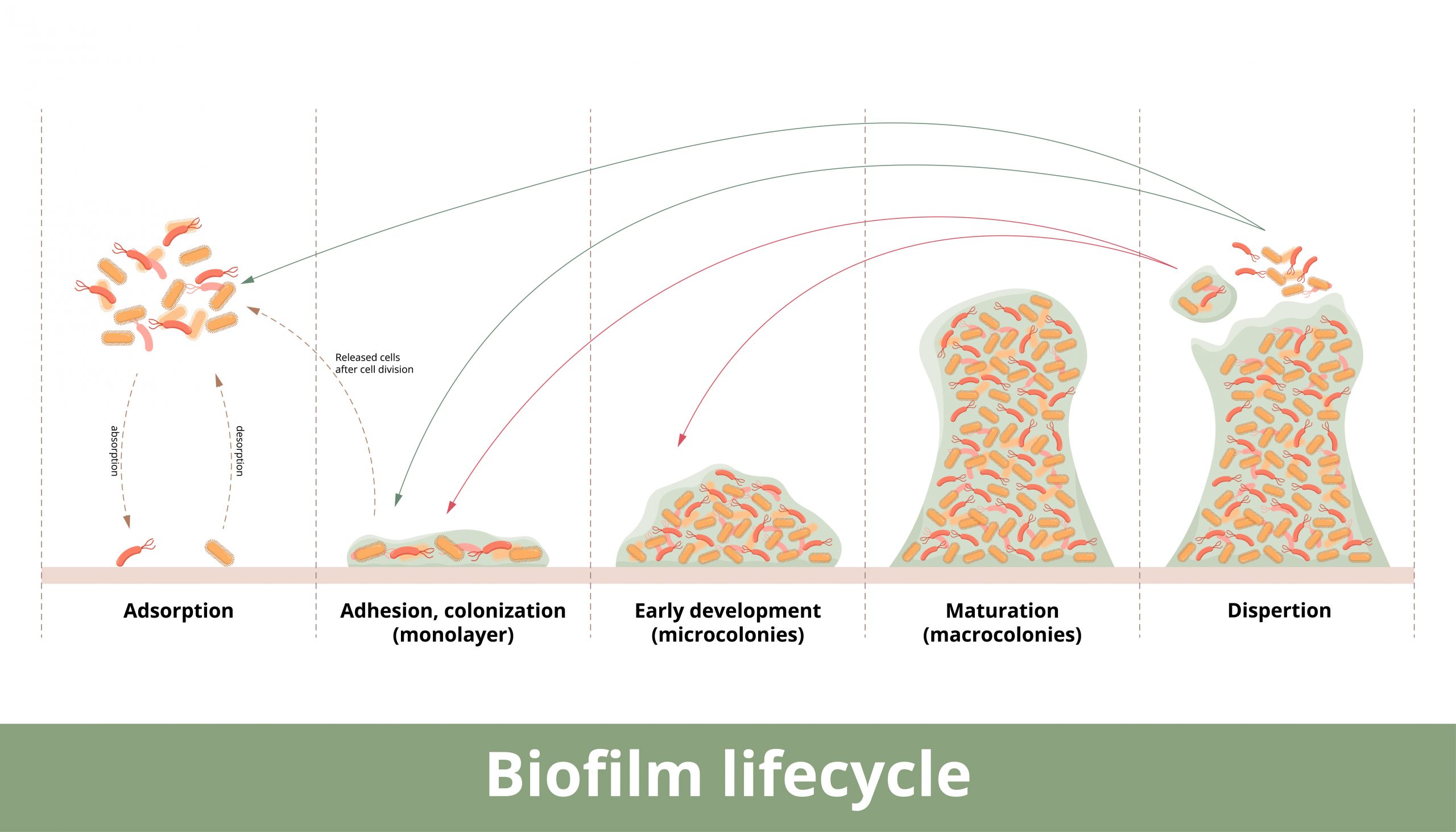
What are biofilms?

It wasn’t until the 1970s that biofilms were found to play a role in bacterial infections in cystic fibrosis patients. Bacterial biofilms are clusters of bacteria that are attached to a surface and/or to each other and embedded in a self-produced matrix of fibrin like proteins or polysaccharides.

The matrix attaches to a surface and manufactures a slimy substance that offers protection that live within the biofilm. This substance is called the Extracellular Matrix (ECM)

The ECM matrix includes proteins, polysaccharides, glycolipids, glycoproteins, and DNA. There can be more than one bacterium or microbe in the matrix which can transfer genetic material between them. This promotes adaptation of the microbes.

For instance, Staphylococcus aureus can form biofilm in four different ways- from polysaccharides to protein/DNA to fibrin to amyloid biofilms. The biofilm protects the bacterium from penetration of any invasive substances that would kill it. This can make the bacteria highly resistant to antibiotics where it can hide within this matrix and can re emerge after antibiotic therapy to reinfect the host.

The National Institutes of Health (NIH) revealed that among all microbial and chronic infections, 65% and 80%, respectively, are associated with biofilm formation. Of note is that biofilms can form on living and nonliving surfaces such as indwelling catheters, implanted medical devices, and protheses.

Common bacteria associated with Biofilm

Staphylococcus aureus

The most common infection associated with implants and medical devices. These devices are very susceptible to biofilm infection. Removal of the implant or device can help bring the infection under control in some instances, however some bacteria are usually dislodged upon removal and take up residence in other parts of the body.

Pseudomonas aeruginosa

According to PubMed  “Pseudomonas aeruginosa is an opportunistic human pathogen causing devastating acute and chronic infections in individuals with compromised immune systems. Its highly notorious persistence in clinical settings is attributed to its ability to form antibiotic-resistant biofilms.” It is found in both indwelling medical devices, catheters, ventilators and in humans.

P aeruginosa is also a major cause of hospital acquired infections, ranging from ventilator associated pneumonia to cystic fibrosis patients succumbing to this infection and diabetics with non-healing ulcers.

Escherichia coli

A major cause of urinary tract infections and can be difficult to eradicate.

Biofilm-associated diseases of different body systems and their affected organs.

Some of the more common biofilm associated diseases include:

  • Otitis media- ear infection
  • Cardiac valve-Infective endocarditis
  • Arteries- Atherosclerosis
  • Salivary glands- Salivary duct stones
  • Gastrointestinal tract- Inflammatory bowel disease and colorectal cancer
  • Skin and underlying tissue- Wound infections
  • Vagina- Bacterial vaginosis
  • Uterus and fallopian tubes- Chronic endometritis
  • Mamary glands- Mastitis
  • Nasal cavity and paranasal sinuses- Chronic rhinosinusitis
  • Throat, tonsils, adenoids, larynx and vocal cords- Pharyngitis and laryngitis
  • Respiratory- Upper and lower airways- Cystic fibrosis, pseudomonas pneumonia
  • Mouth- dental caries

Antibiotic resistance challenges

As we enter a world where antibiotic resistance becomes more commonplace there are a few measures we can take to help alleviate this.

The 4 Rs of home antibiotic therapy:

  1. Right person- don’t share antibiotics
  2. Right route- by mouth, injection or topical
  3. Right time- and how often to take
  4. Right dose- don’t skip or save antibiotics, finish entire course of therapy

Research points to taking low doses of or not completing antibiotic therapy can cause antibiotic resistance- the pathogenic (disease causing) bacteria aren’t all the way eradicated. This, in turn allows the bacteria time to mutate and develop resistance to the antibiotic.

  • Use antibiotics appropriately

Antibiotics treat bacteria and, in some cases, parasitic and fungal infections. They do not treat viruses. Overuse and not used appropriately has led to antibiotic resistance. This in turn forces the practitioner to use stronger antibiotics with more side effects.

  • Biofilm disruptors

Combination drug therapies are sometimes used to combat biofilm.

There is a growing body of evidence that some spices and foods can act as biofilm disruptors, allowing antibiotics to reach the pathogenic bacteria. One is turmeric. Others include oil of oregano and cranberry, used in urinary tract infections.

- Brooke Lounsbury

Medical Content Writer

Lifesaving Medications

Everyone should be empowered to care for themselves and their loved ones during the unexpected.

Recent Posts

Keeping you informed and safe.

Join Our Newsletter

Our mission is to help you be more medically prepared. Join our newsletter and follow us on social media for health and safety tips each week!

Is There Really a Shortage of Amoxicillin?

A widespread shortage of a common antibiotic, amoxicillin has swept the country. Amoxicillin is one of the first antibiotics used to treat strep throat, ear infections, urinary tract infections and many more. The shortage includes amoxicillin in pill form, powder to mix with water to make a suspension, and chewable tablets. 

The American Society of Healthcare Pharmacists maintains a database of drug shortages and manufacturers. They have listed amoxicillin manufacturers who have reported shortages or no availability. 

  • Aurobindo, with facilities located throughout the world, refuses to provide availability information.
  • Hikma, based out of the UK, did not provide a reason for the shortage.
  • Rising, based out of New Jersey has amoxicillin capsules and tablets available, but doesn’t state whether they have amoxicillin powder available
  • Sandoz, headquartered in Switzerland did not provide a reason for the shortage.
  • Teva, which is based out of Israel did not provide a reason for the shortage.

However, the FDA states the only shortage is amoxicillin in powder form. This is because if even one manufacturer can supply the necessary drug there is no perceived shortage. 

This is very disturbing. All it takes is that one manufacturer to declare either a shortage or the drug not available at all and the US supply is dried up. 

Augmentin, (amoxicillin / clavulanate) is one of the antibiotics included in the Jase case. This can be substituted for amoxicillin if amoxicillin isn’t available. 

Generics less likely to be manufactured

An analysis conducted by the US Pharmacopeia, a group that sets standards around the world for medicines, antibiotics are 42% more likely to be in shortage in the US compared to other types of drugs. Most antibiotics are now generic.

According to an analysis by the FDA Report  “Drug Shortages: Root Causes and Potential Solutions” identified three root causes of drug shortages.

  1. Lack of incentives for manufacturers to produce less profitable drugs;
  2. The market does not recognize and reward manufacturers for “mature quality systems” that focus on continuous improvement and early detection of supply chain issues; and
  3. Logistical and regulatory challenges make it difficult for the market to recover from a disruption.

The world supply chain is in dire straits. Even if medicine is available, the pending diesel shortage and possible rail strike could make getting the lifesaving medication to you. Talk to your care provider and pick up extra medications, both prescription and over the counter. If you haven’t already, get your Jase cases for your family.  This winter could prove to be a rough one for those not prepared.


- Brooke Lounsbury

Medical Content Writer

Lifesaving Medications

Everyone should be empowered to care for themselves and their loved ones during the unexpected.

Recent Posts

Keeping you informed and safe.

Join Our Newsletter

Our mission is to help you be more medically prepared. Join our newsletter and follow us on social media for health and safety tips each week!