For Clinicians | Burn First Aid Without Running Water By Dr. Jamie Wilkey, PharmD, Director of Clinical EducationMedically reviewed and edited by Aaron Asay, PA-C, DMSc, FIBODM, FAWM Every burn first-aid guide starts the same way: cool it under running water. That's...
What to Do If You’re Bitten by a Snake?
What to Do If You’re Bitten by a Snake: Forget What the Movies Taught You
By the Jase Medical Team
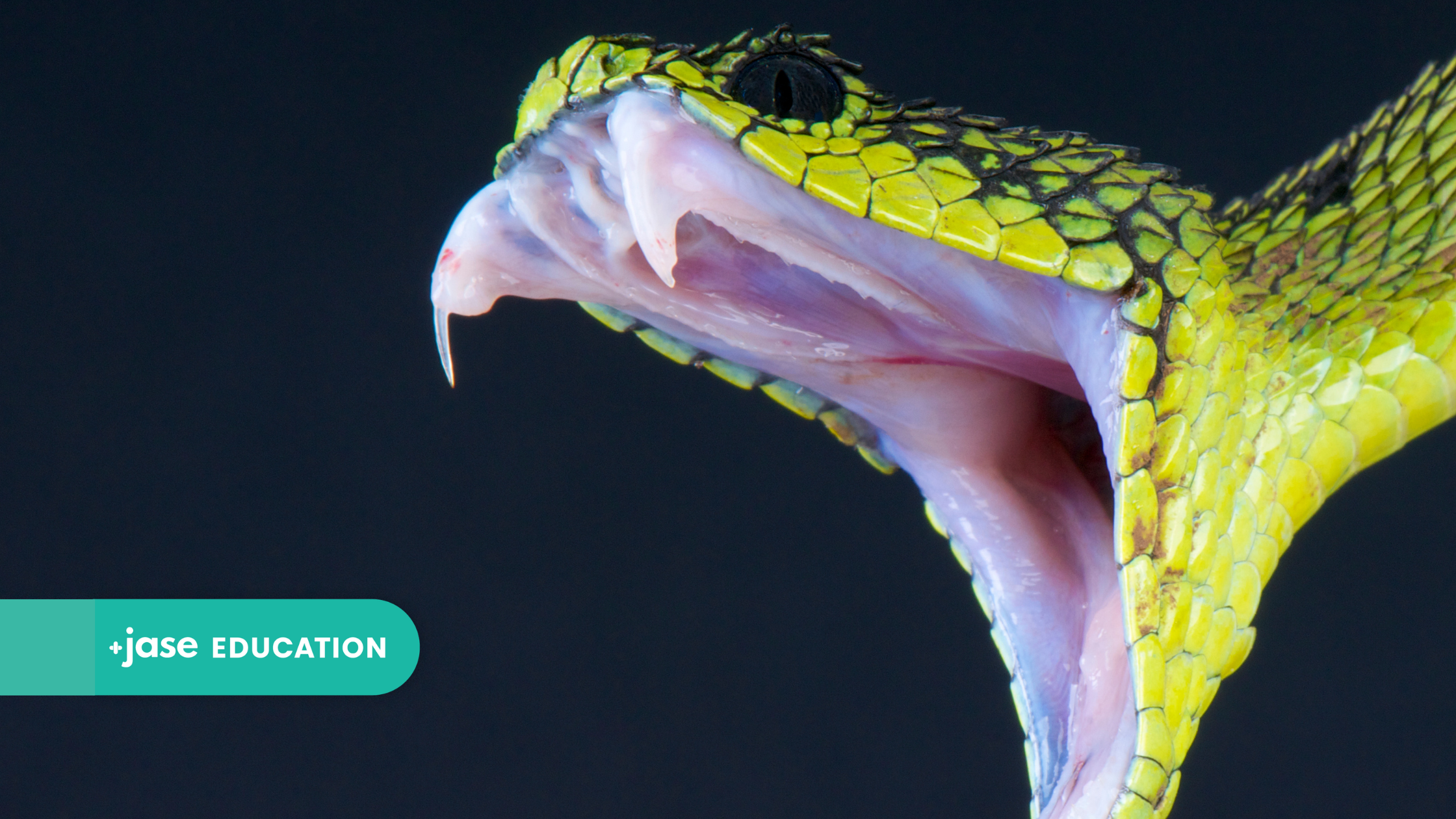
If you’re bitten by a venomous snake, forget almost everything the movies taught you about snakebite first aid. Don’t cut an X over the fang marks. Don’t suck out the venom. Don’t tie a tourniquet above the bite. Don’t pack it in ice.
And one terminology note before we go further: the snakes we’re talking about are venomous, not poisonous. Venom is injected through a bite, while poison causes harm when it is swallowed, inhaled, or absorbed.
Every year, an estimated 7,000 to 8,000 people in the United States are bitten by venomous snakes, and about five die. Prompt medical treatment dramatically improves the odds. The challenge is that snakebites often happen exactly where medical care isn’t close. You might be hiking with your kids, clearing brush in the yard, spending the weekend at a lake cabin, or out at hunting camp.
That’s a bad time to discover that most of your snakebite first aid knowledge came from Hollywood.
True Grit Got the Dramatic Part Wrong
In True Grit, Rooster Cogburn responds to Mattie’s snakebite the way generations of movie characters have. He cuts an X over the fang marks and tries to suck out the venom. It’s great cinema, but terrible first aid.
Cutting into a snakebite doesn’t create an escape route for the venom. It creates another injury in tissue that may already be damaged. Suction doesn’t solve the problem either. Researchers tested a commercial snakebite suction device using mock venom injected into human volunteers. The device recovered approximately 0.04% of the mock venom load. In practical terms, almost nothing useful came back out.
Current CDC guidance specifically advises against cutting a snakebite or attempting to suck out the venom. So if a bite happens, leave the knife and your mouth out of it.
Don’t Tie It Off or Pack It in Ice
The tourniquet is another movie favorite. Someone gets bitten, another character grabs a belt, rope, or strip of fabric, and they tie it tightly above the bite to keep the venom from spreading.
That’s not what you should do. A tourniquet that restricts blood flow can worsen local tissue injury and put the affected limb at additional risk. Tourniquets can be lifesaving for catastrophic bleeding, but a venomous snakebite is a different medical problem.
Ice is another seemingly logical response that can cause more harm than good. A snakebite may become painful and swollen, so cooling the area feels intuitive. However, ice and cold therapy can worsen local tissue injury. Current CDC guidance advises against applying ice or immersing the bite in water.
That leaves you with a snakebite first aid plan that is surprisingly simple: no cutting, no suction, no tourniquet, and no ice. That’s not because snakebite isn’t serious. It’s because the treatment that matters isn’t something you’re carrying in your backpack.
What Should You Actually Do After a Snakebite?
First, get away from the snake. Don’t try to catch it, kill it, pick it up, or bring it to the hospital. Even a dead venomous snake can still pose a hazard. If you can safely take a photo from a distance without approaching the snake or delaying care, it may be helpful, but identifying the snake should never become the priority.
Then call 911 and get to emergency medical care as quickly as possible. Keep the person calm and relatively still while help is arranged. Remove rings, watches, or other constricting items before significant swelling develops. The bite can be washed gently with soap and water and covered with a clean, dry dressing. If swelling or tenderness is progressing, CDC guidance also suggests marking the leading edge and noting the time so clinicians can see how quickly it is changing.
If another person can drive or emergency transportation is available, don’t drive yourself. Snake venom can cause weakness, dizziness, or loss of consciousness.
This is one place where True Grit eventually gets something right. After all the dramatic first aid, Rooster gets Mattie moving toward medical care as fast as he can. Skip the dramatic part. Keep the ride.
Antivenom Is the Treatment Your First Aid Kit Can’t Provide
Depending on the snake and severity of envenomation, hospital treatment may include antivenom. Antivenom can prevent worsening effects of venom, including progressive swelling and effects on the blood. The antivenom used for native pit vipers can be used across rattlesnake, copperhead, and cottonmouth bites.
Those snakes are also much more relevant to an American household than the exotic species we tend to see in movies. In the United States, the overwhelming majority of venomous snakebites involve native pit vipers such as rattlesnakes, copperheads, and cottonmouths.
That’s why a suspected venomous snakebite isn’t a “wait and see how it looks tomorrow” injury. There is no tablet, ointment, extractor, or wilderness trick in a household medical kit that neutralizes venom. The treatment you may need is at the hospital.
What About Ibuprofen for the Pain?
It’s also important not to let the pain turn into another round of improvisation. Some snake venoms can affect blood clotting, and medical toxicology guidance advises avoiding aspirin and nonsteroidal anti-inflammatory drugs, including ibuprofen and naproxen, after a suspected venomous snakebite unless a physician determines they are appropriate.
That doesn’t mean pain should simply be endured. It means pain management should be handled by the clinicians treating the envenomation rather than improvised from whatever happens to be in your backpack or medicine cabinet.
Any prescription contingency medication provided through Jase is prescribed after review by a licensed provider and is intended for emergency use after first seeking help from a qualified healthcare provider. Those medications do not treat snake envenomation.
What If It’s “Just” a Copperhead?
Copperheads account for many venomous snakebites in the United States, and their bites are often less severe than some rattlesnake envenomations. But “often less severe” does not mean “safe to manage at home.”
A bite can initially look unimpressive and still evolve. Swelling can progress, systemic symptoms can develop, and determining whether antivenom or additional monitoring is needed is a medical decision.
There is also such a thing as a dry bite, in which a venomous snake bites without injecting a clinically significant amount of venom. The problem is that you can’t confidently determine that while standing on a trail or sitting at the lake cabin. CDC guidance recommends seeking medical attention rather than waiting for symptoms to appear.
Do Hurricanes Really Bring a Surge of Snakebites?
Another dramatic snake story tends to appear whenever major flooding occurs. Floodwaters displace snakes, so the assumption is that snakebites must surge after every hurricane.
Flooding can certainly displace wildlife, and people cleaning debris or returning to flooded properties should use caution. But the available data are more nuanced than the headlines suggest. Researchers examined snakebite reports surrounding nine Texas tropical storms and hurricanes that received federal individual-assistance declarations between 2000 and 2017. They found no evidence of an overall increase in snakebites after the storms in the affected counties.
The practical precautions still make sense. Be careful when moving storm debris, reaching into places you can’t see, or working around piles of wood and vegetation. Wear appropriate boots and gloves when clearing debris. The point isn’t to ignore snakes after flooding. It’s to replace a dramatic assumption with a proportionate understanding of the risk.
The Best Snakebite Preparation Happens Before the Trip
Snakebite preparedness isn’t about adding a suction device or another gadget to your backpack. It’s about knowing what to do, and what not to do, before adrenaline takes over.
If you’re heading somewhere snakes are common, learn which venomous species live in the area. Wear appropriate footwear and clothing. Watch where you step and where you place your hands. Teach kids never to approach or handle snakes. If you’ll be somewhere remote, know where the nearest appropriate medical facility is and how you’ll reach it.
That last part matters. If you’re camping, hunting, hiking, or staying somewhere far from town, “call 911” may not mean an ambulance arrives in five minutes. Knowing your location, your route out, and where definitive medical care is available can be more useful than filling your pack with snakebite gadgets that don’t work.
Good Preparation Usually Looks Less Dramatic
Snakebite is a useful example of a bigger problem in emergency preparedness. Popular culture has trained us to associate action with effectiveness. When something goes wrong, we want to cut something, suck something out, tie something off, apply something, or take something.
Good medical preparation is often much less dramatic. With a suspected venomous snakebite, the goal is to avoid making the injury worse, keep the person calm, call for help, and get to definitive medical care.
At Jase Medical, we’re a family team of medical doctors, PAs, and pharmacists focused on appropriate medical preparation. That means helping families understand what they can reasonably handle when normal access to care is delayed. It also means being very clear about the medical problems a home kit cannot solve.
A venomous snakebite is one of them.
JaseCase provides physician-prescribed contingency medications for specific medical situations after review by a licensed provider. It is intended for emergency use after first trying to reach a qualified healthcare provider. It does not replace antivenom or emergency treatment for a venomous snakebite.
So if a snake bites you on the trail, at the lake, or at hunting camp, you don’t need to remember what Rooster Cogburn did. Remember the one part he eventually got right: get to the hospital, fast.
The Jase Medical Team is a family team of medical doctors, PAs, and pharmacists focused on appropriate medical preparation: clinically grounded readiness that complements, rather than replaces, the healthcare professionals you already trust.
This article was prepared by the Jase Medical content team for informational purposes only and does not constitute medical advice. Prescription requirements, emergency dispensing rules, insurance coverage, and controlled-substance regulations vary by medication, jurisdiction, and individual circumstances. Consult a licensed healthcare provider or pharmacist regarding your specific medications.
Lifesaving Solutions
Everyone should be empowered to care for themselves and their loved ones during the unexpected. Check out our recent lifesaving products today.
Recent Posts
Keeping you informed and safe.
For Clinicians | Burn First Aid Without Running Water
read more
What to Do If You’re Bitten by a Snake?
What to Do If You're Bitten by a Snake: Forget What the Movies Taught You By the Jase Medical Team If you're bitten by a venomous snake, forget almost everything the movies taught you about snakebite first aid. Don't cut an X over the fang marks. Don't suck out the...
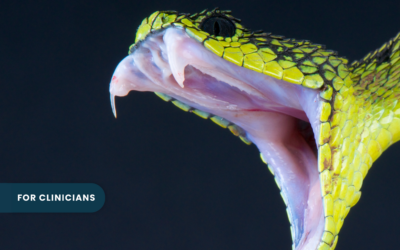
For Clinicians | Should You Suck Out Snake Venom?
For Clinicians | Should You Suck Out Snake Venom? The Snakebite Myths Your Patients Still Believe By Dr. Jamie Wilkey, PharmD, Director of Clinical EducationMedically reviewed and edited by Aaron Asay, PA-C, DMSc, FIBODM, FAWM I really love gathering my little boys...

How to Rehydrate Someone Properly When There Is No IV
How to Rehydrate Someone Properly When There Is No IV By the Jase Medical Team When someone is losing fluid from vomiting or diarrhea, rehydration isn't simply a matter of getting them to drink something. The type of fluid matters. The amount matters. And especially...