How Prepared are You for a Modern-Day Carrington Event?

image0 3 1

(Part 1 of 2)

What was the Carrington Event of 1859?

Named after amateur astronomer Richard Carrington, who discovered a coronal mass ejection (CME) headed for earth in the early morning hours of September 1, 1859. On that fateful morning, telegraph communications fell silent, telegraph operators received shocks from sparks emitting from their machines, and the bright light emitted from this storm prompted laborers to go to work early, believing it was later in the day than it was. Even birds chirped in the bright pre-dawn light- but it was the massive glow from the largest solar storm ever recorded.

What is a coronal mass ejection (CME)?

As one of the most powerful events that can take place in our solar system, CMEs occur as an ejection of a massive amount of charged particles and magnetic fields from the sun’s corona. The corona is the sun’s outermost layer.

A CME with as much power as the Carrington event only takes between 17-24 hours to reach earth once ejected- leaving very little time to prepare. There are many CMEs and solar flares that occur throughout the year. Luckily, many do not reach the earth’s surface but are aimed away from earth.

(As of this writing, NOAA has issued a strong geomagnetic storm alert for today, check out their site here for more information).

How likely is another CME in the near future?

Solar storms like the Carrington event  happen only about every 500 years—thankfully. But smaller storms happen frequently, and storms half as intense as the 1859 storm happen about every 50 years. It has been estimated that a Carrington-class event today would result in between $0.6 and $2.6 trillion in damages to the U.S. alone.

Approximately every 11 years, our sun enters a sun cycle where increased geomagnetic activity takes place. This is called a solar maximum. During a solar maximum, CMEs are more likely to occur. Our next solar maximum is scheduled for 2025 however; increased activity on the sun have astronomers predicting a peak solar cycle sooner, as early as the end of this year.

image0 3 1

If a Carrington-class event took place today, we would experience complete devastation

Our lives are so dependent on the electrical infrastructure that we may not realize how many systems are dependent on the grid. The far-reaching and potentially catastrophic effects on our lives is almost impossible to realize. No matter where you live in the world- off grid or not- life would dramatically change.

Restoring systems would be highly variable- depending on where in the world the CME hit, time of year and infrastructure affected.  Resource allocation to the most vital parts of our everyday life would be a priority. Having the materials to repair or replace damaged parts would be a priority. If the materials weren’t readily available, procuring needed materials could be delayed due to the collapse of the highway infrastructure. Lives would be lost; medications would not be available once local supply ran out. People dependent on oxygen and medical devices may find themselves without lifesaving equipment. Life as we know it would dramatically change.

Some of the critical infrastructure and systems that could be affected include:

Power Grids: Widespread power outages that could last for weeks or months. Grocery stores, refrigeration units, and gas pumps, are just a few of the immediate infrastructure failures. Even with backup generators, eventually the world would go completely dark. Heating and air conditioning systems would stop working. Elevators and any electronic locks would fail. Subways would go dark. Buses would stop running.

Emergency Services: 911 calls may be disrupted, leading to communication breakdown. Police and fire departments could be overwhelmed with fires and explosions from transformers and electrical lines that became supercharged from the electromagnetic pulse. Water to put out these fires may be in short supply from pump failure.

Healthcare: Hospitals and healthcare facilities rely on electronic equipment and communication systems. Patient care would be limited or nonexistent. In some instances, hospitals and clinics may be forced to shut down completely. Medications and medical supplies would be rationed.

Communication Networks: GPS systems could stop working or be inaccurate, affecting navigation systems in aviation, maritime and land. Cellphones would not work; satellites and telecommunications would be disrupted by the powerful geomagnetic storm. In fact satellites could lose orbit and plummet to the ground.

Agriculture: Modern agriculture relies on technology for irrigation, crop monitoring, and logistics. Modern tractors and farm equipment have computerized systems that would cease to work, leaving this equipment stranded in the field and inoperable.

Water and Sewage Systems: City water pumps would fail. Sewage treatment plants would be unable to function. Toilets would back up and become a health hazard. All forms of modern plumbing would come to a halt after a few days.  

Financial Systems: ATMs would stop working immediately. You would be unable to access money from your bank, with a credit/debit card. All transactions would cease to work.

Oil and Gas Pipelines: The monitoring and control systems for oil and gas pipelines could be affected, potentially leading to leaks or other safety hazards. If gas pumps did work at your local station, supply could be limited or unavailable because of pipeline shut downs.

Solutions

While there is no easy solution, being prepared and stocking up for any outcome is your best defence until systems return and life as you know it is back to normal. Part 2 of this article will provide solutions and possible scenarios to help equip you and your family if an EMP takes down our modern way of life.

- Brooke Lounsbury, RN

Medical Content Writer

Lifesaving Medications

Everyone should be empowered to care for themselves and their loved ones during the unexpected.

Recent Posts

Keeping you informed and safe.

Ivermectin: Just the Facts

Ivermectin: Just the Facts

Let's clear the air about this maligned medication.The Ivermectin Imbroglio Ivermectin has stirred many conversations - some very heated, and very public - in the past few years, but before 2020 many of you might not have even heard of the drug before. With all the...

Join Our Newsletter

Our mission is to help you be more medically prepared. Join our newsletter and follow us on social media for health and safety tips each week!

September is National Disaster Preparedness Month

image0 3 1

Fall travel abroad offers an opportunity for cooler weather, more affordable airfares, and less crowded venues. This is an ideal time to head to distant continents and enjoy fall festivals and activities this time of year before winter sets in. Whether hiking in the Alps, shopping in a boutique in France, or enjoying authentic Asian cuisine while visiting Taiwan, you don’t want your much anticipated travel plans to be interrupted by a medical emergency.
image0 3 1

5 tips to avoid a medical emergency disrupting your travel

The vast majority of medical emergencies are unavoidable. With a little planning you can enjoy your trip without interruptions to a clinic or hospital.

  1. Plan your activities and make a list.

As you plan your activities, check travel advisories for any recommended or required vaccinations, insect or waterborne diseases, extreme weather events, and overall safety in areas you plan to travel.

As you plan your itinerary, download apps on your phone to make your travel experience easier. From checking in on your airline app, to weather updates for the area that you will be visiting, local eateries, and events, these apps are a useful tool to help streamline your travelling experience.

  1. Enroll in the Smart Travelers Enrollment Program (STEP) a free service that allows U.S. citizens traveling or living abroad to receive the latest security updates from the nearest U.S. embassy or consulate. Enrolling in STEP will help the U.S. embassy contact you and provide assistance during an emergency overseas. And, if your family or friends in the U.S. are having difficulty contacting you with urgent news while you’re traveling, they can use the information in STEP to reach you.
  2. Carry an adequate supply of your prescription medications.

Make sure that you have at least two extra weeks’ worth (a month extra is even better, if the country allows) in case of emergency where you may be delayed returning home. Medications should be clearly labeled, with your name, what they are for(diagnosis) and include a written prescription from your health care provider. To avoid confiscation, check with the countries embassy for a list of medications allowed. If your medication isn’t allowed, talk with your healthcare provider about alternative medications that are allowed. Also, if you have a prescription for a narcotic based medication, check the International Narcotics Control Board for a regulations when traveling with controlled substances.

If you use medical cannabis, it is advised you leave it at home. There are many international laws that could land you in jail, even if you have a prescription for it. For more information, speak with your health care provider and check out this site on laws regarding medical cannabis and travel.
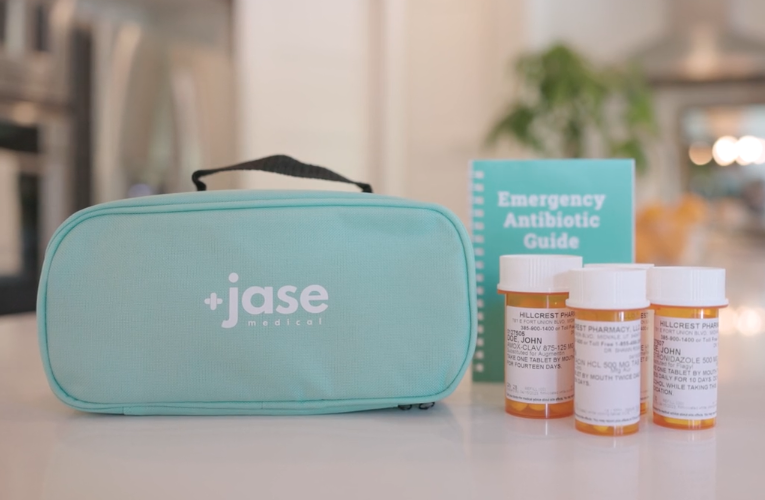
image0 3 1

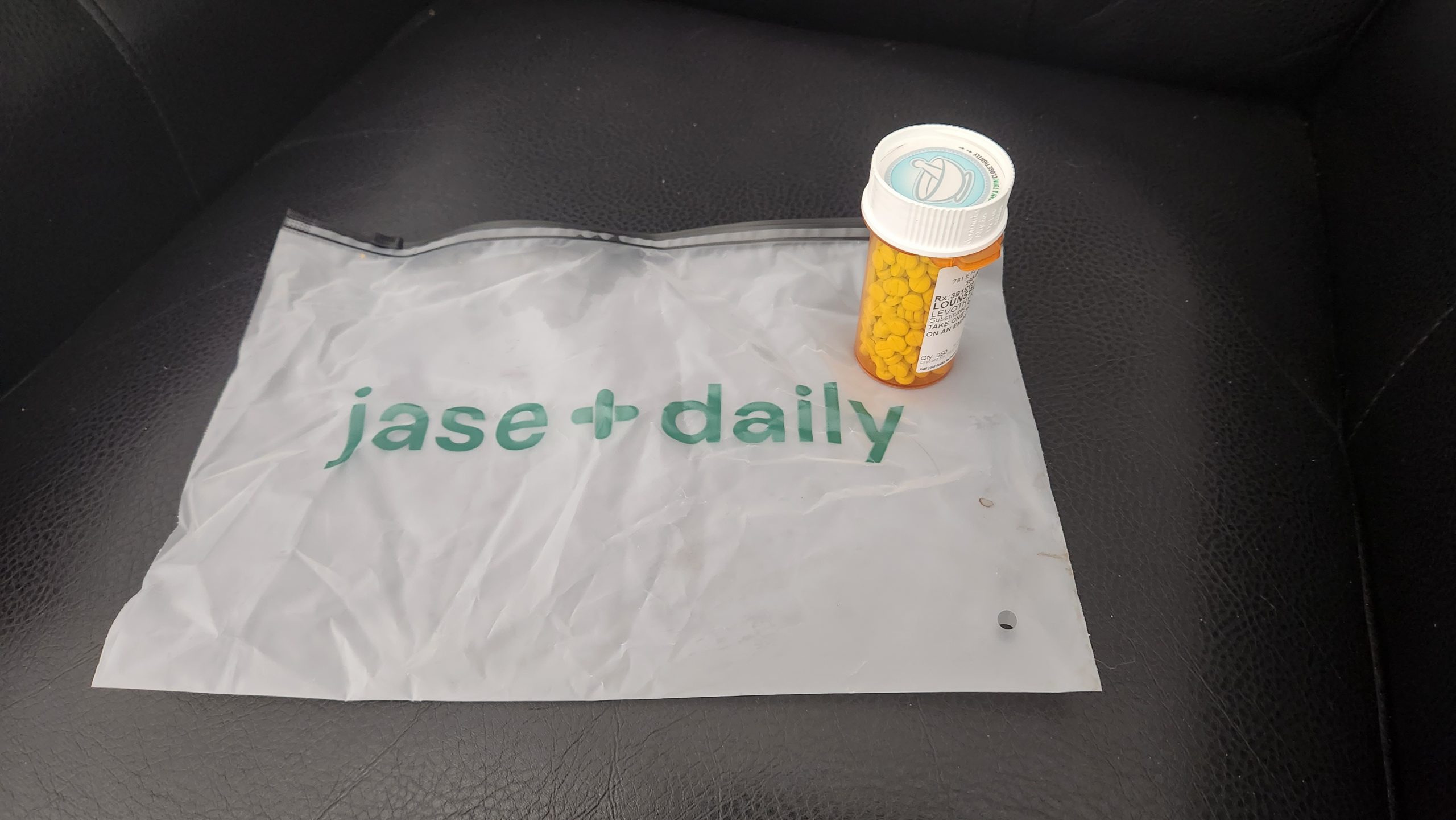
The Jase Case is insurance against infections that would otherwise interrupt your travel plans and require a trip to an unfamiliar clinic or hospital. The case covers over 50 different infections including food poisoning, water borne diseases, urinary tract infections, strep throat, and malaria.  Round out your Jase Case with add-ons: fluconazole, for yeast infections, ondansetron for nausea, and now ivermectin, which is FDA approved for parasitic infections- common in many countries-  make these valuable additions to your at home medication supply.

In addition to the Jase case, carry a supply of over-the-counter medications, including antidiarrheal, laxatives, pain relievers, allergy medications, sunscreen, and a basic first aid kit for minor emergencies.

Check with your insurance provider (or check this site out for travel insurance ratings) for out of country medical coverage. Just in case you do have an emergency that can’t be handled with antibiotics or a first aid kit, you will need to have adequate insurance coverage for doctors and hospital stays.

  1. Dress appropriately for the weather, activity and climate you will encounter.

Include appropriate footwear. It is impossible to plan for every type of weather on your way to your destination or once you arrive, but careful planning will definitely help!  If you plan on doing a lot of walking, or are venturing into the mountains for a hike, be sure to break in your shoes or hiking boots before your trip. Moleskin can really be a lifesaver, have some readily available in case of blisters or sore areas on feet. And be sure to remember your hat, it can protect you from sun and rain.

  1. Carry a dependable water bottle and filter.

(Check out this highly rated bottle and filter) And use it even at water fountains. Many stomach illnesses can be avoided by using a filtered water bottle. At restaurants in an area known for contaminated water, use your water bottle. Avoid ice cubes in these areas as these are an often-overlooked way of contamination.

Lastly, have fun, take lots of pictures and make memories! Being medically prepared will enable you to avoid unnecessary time away from your plans.

- Brooke Lounsbury, RN

Medical Content Writer

Lifesaving Medications

Everyone should be empowered to care for themselves and their loved ones during the unexpected.

Recent Posts

Keeping you informed and safe.

Ivermectin: Just the Facts

Ivermectin: Just the Facts

Let's clear the air about this maligned medication.The Ivermectin Imbroglio Ivermectin has stirred many conversations - some very heated, and very public - in the past few years, but before 2020 many of you might not have even heard of the drug before. With all the...

Join Our Newsletter

Our mission is to help you be more medically prepared. Join our newsletter and follow us on social media for health and safety tips each week!

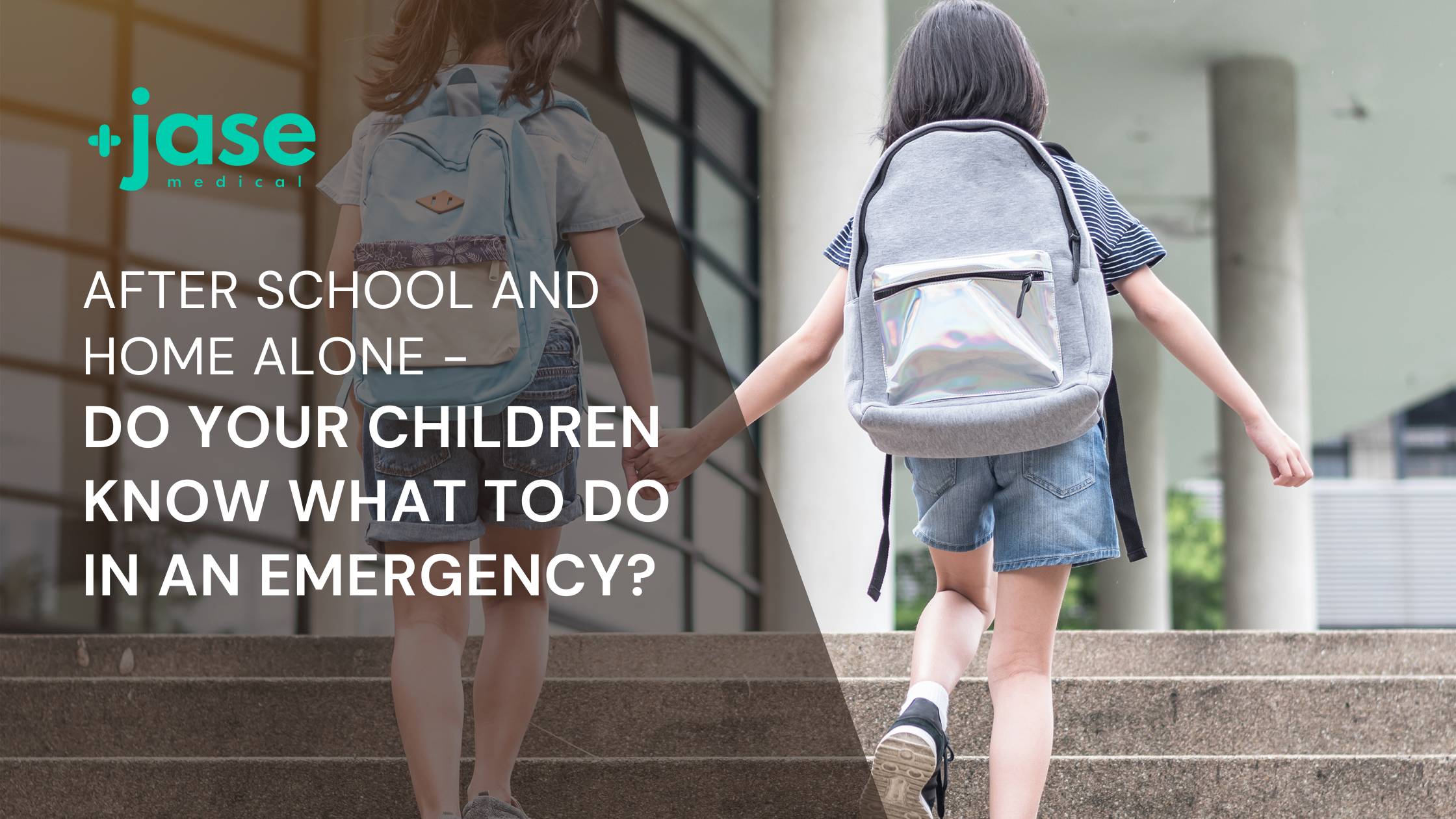
After School and Home Alone – Do Your Children Know What to do in an Emergency?

image0 3 1

As summer winds down and focus on starting a new school year is right around the corner, many parents and children are getting ready- adjusting bedtimes, school lunches, transportation to and from school, and in some instances, starting a new school. Along with this, many children will spend some time at home alone after school.

About 3.5 million American children between the ages of 5 and 12 spend time at home alone after school. The average amount of time isn’t much—only about an hour a day, according to a U-M study presented in Chicago at the Society for Research on Adolescence biennial meeting. This number represents about 26 percent of American children who spend time after school alone, including time spent getting from one place to another (from school to home, for example) on their own.

Many children are ready to be home alone for an hour or so; however, a lot can depend on the maturity and ability level of the individual child.

In addition, each living situation is unique. Families living in apartments and condominiums have a different lifestyle and circumstances than their suburban and rural counterparts. Even geographic locations-where you live-playa large part in readying your child to stay home alone.

No matter what age your children are, or type of housing, there are still many situations in common that you can ready your child for, ensuring their safety while home.

Assess your children’s age and ability

Ability doesn’t necessarily come with age. A lot depends upon your child’s temperament, emotional maturity, and physical ability. For instance, children with special needs- whether physical, mental or emotional-should be factored into how much time they can be home alone. For example, a 9-year-old child on the autism spectrum may not be able to stay at home alone, whereas a 9- year-old without special needs could be left alone for a short period of time.

Geographical location

Do you live in an area that has extreme heat or cold spells? Do you live in a flood zone? Do you live in a hurricane or tornado-prone area? If so, does your child know what to do if these situations arise? What if you cannot get home because of an adverse weather event? Does your child know what to do?

Weather events are the most likely emergency- assess the most likely weather that your children could encounter, during a severe weather event, the power may go out, phones may not work, and heat and air conditioning may also not be working. In addition, if there is severe weather and you can’t get home to your children in the usual time frame, would your children know what to do? Knowing what to do is important if cell phone service goes down and there’s no way to communicate with each other.

image0 3 1

Home-alone emergency supplies

  • Basic first aid kit with basic supplies. Instruct your children how to use it in case of a minor emergency and when they should be calling 911. Laminate a card to keep in the first aid kit with these instructions.
  • Two flashlights with extra batteries
  • Bottled water
  • Prepackaged snacks
  • Portable radio with extra batteries with the emergency services bands
  • Portable cellphone battery chargers for each cell phone in the home. Test periodically and ensure they have a charge. Keep an additional cable with them for easy access.
  • Extra blankets and cold weather gear- and a small tent that can be set up in the bedroom or living room to contain heat in case you aren’t able to get home in a timely fashion

In case of evacuation

  • Evacuation should not be taken lightly. Most of the time, your child is safer in their home than in the great outdoors. Fires, power outages that affect heating, and even door-to-door evacuation orders are reasons your child needs to be prepared. Luckily, having to evacuate is not very likely. But it is always better to be prepared than to have regrets.
  • Put together a go-bag for each child in the home. Have the child put the bag on and ensure it isn’t too heavy and fits their frame. In the bag, place a laminated card with their name, address, medications, allergies, parents’ names, and phone numbers.
  • Two bottles of water for each go bag
  • Two or more prepackaged snacks-Lara bars are a great nutritious snack
  • Child’s medication for at least three days in clearly labeled bottles
  • A change of clothing-socks, pants, underwear, shirt, hat, gloves, and coat/sweater, depending on your climate.
  • Headlamps and extra batteries (headlamps free hands for tasks)
  • Reflective tape on the go bag, or purchase reflective tape and apply it to the backpack for visibility
  • Laminated map of the immediate area that you live in
  • Rechargeable hand warmers (with recharging cables) if you live in a cold weather area
  • Phone and portable recharger with cable

Put together a plan and practice.

  • Post on the refrigerator or a conspicuous place emergency phone numbers, relatives, trusted friends, and neighbors that your children can contact or go to in the event they need to leave home. Make the people on this list aware that your children will contact them in an emergency.
  • Pull out the first aid kit, go through all the items in the kit, and practice using them—role play. Purchase extra gauze and bandages for your children to use and practice with. As you go through scenarios, advise them to treat only minor cuts and injuries. Give examples of a minor injury and when they should call 911 or seek a trusted adult if phone service or power is out. Ideally, take your child to a local first aid course.
  • Have your children operate the portable radio. Have them remove and replace the batteries, and demonstrate they know how to find the emergency station(s) for information about local weather events.
  • Practice removing and replacing flashlight batteries. Make sure they know how to operate them.
  • Review and rehearse what your child would do if phone service were unavailable. For example, not to panic, and if able to safely make it to a trusted neighbor’s home.
  • If your child has misplaced or lost their key, have an alternate area to access a key, not just under a mat or a rock near the house. These would be obvious places for intruders to gain access to your home by finding that key.

Backup plans Kids should know where a key is hidden in case they’ve lost theirs, where to go in the neighborhood if they need help, and who to call if there’s a problem and they can’t be reached.

- Brooke Lounsbury, RN

Medical Content Writer

Lifesaving Medications

Everyone should be empowered to care for themselves and their loved ones during the unexpected.

Recent Posts

Keeping you informed and safe.

Ivermectin: Just the Facts

Ivermectin: Just the Facts

Let's clear the air about this maligned medication.The Ivermectin Imbroglio Ivermectin has stirred many conversations - some very heated, and very public - in the past few years, but before 2020 many of you might not have even heard of the drug before. With all the...

Join Our Newsletter

Our mission is to help you be more medically prepared. Join our newsletter and follow us on social media for health and safety tips each week!

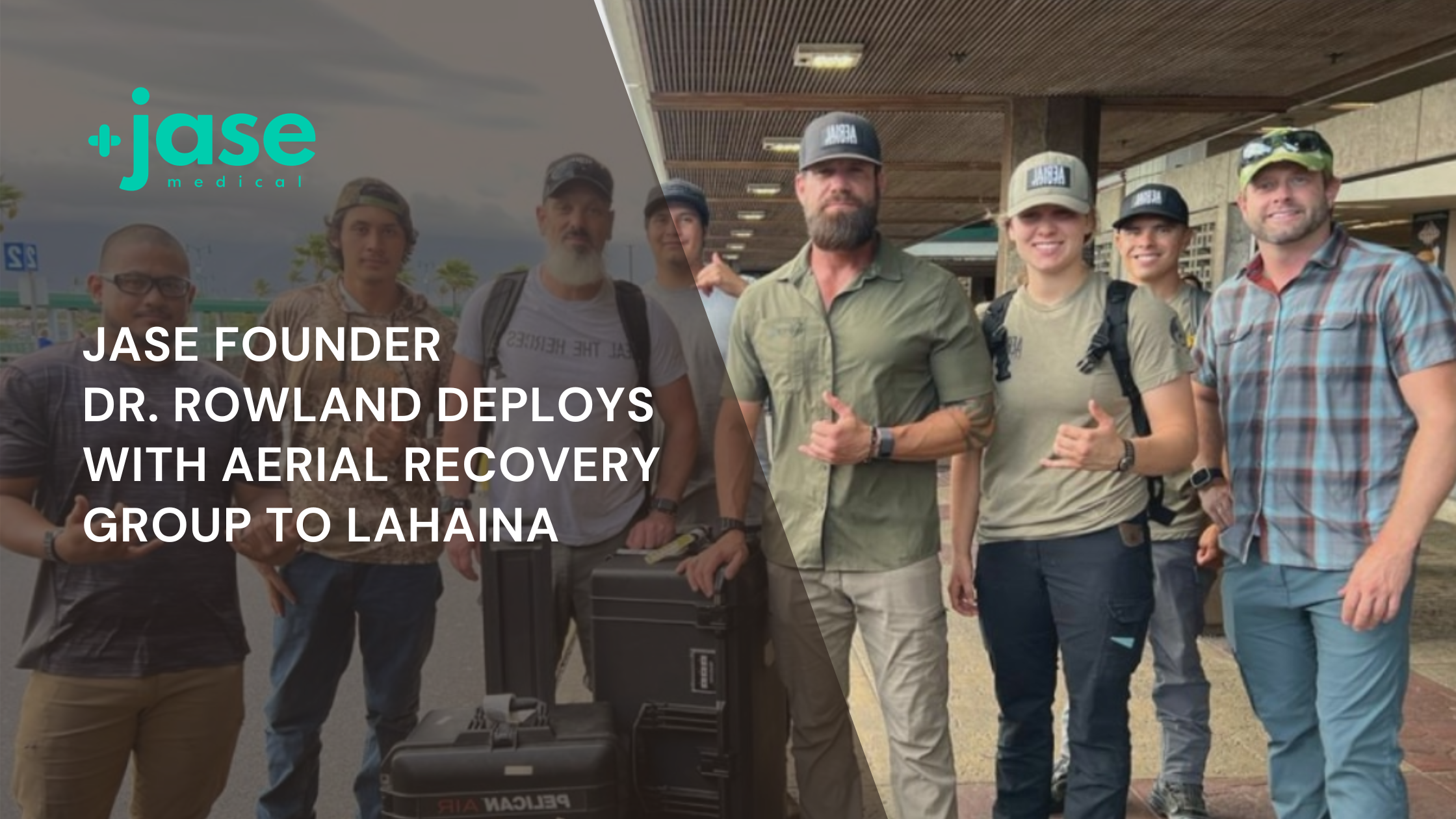
Jase Founder Dr. Rowland Deploys with Aerial Recovery Group to Lahaina

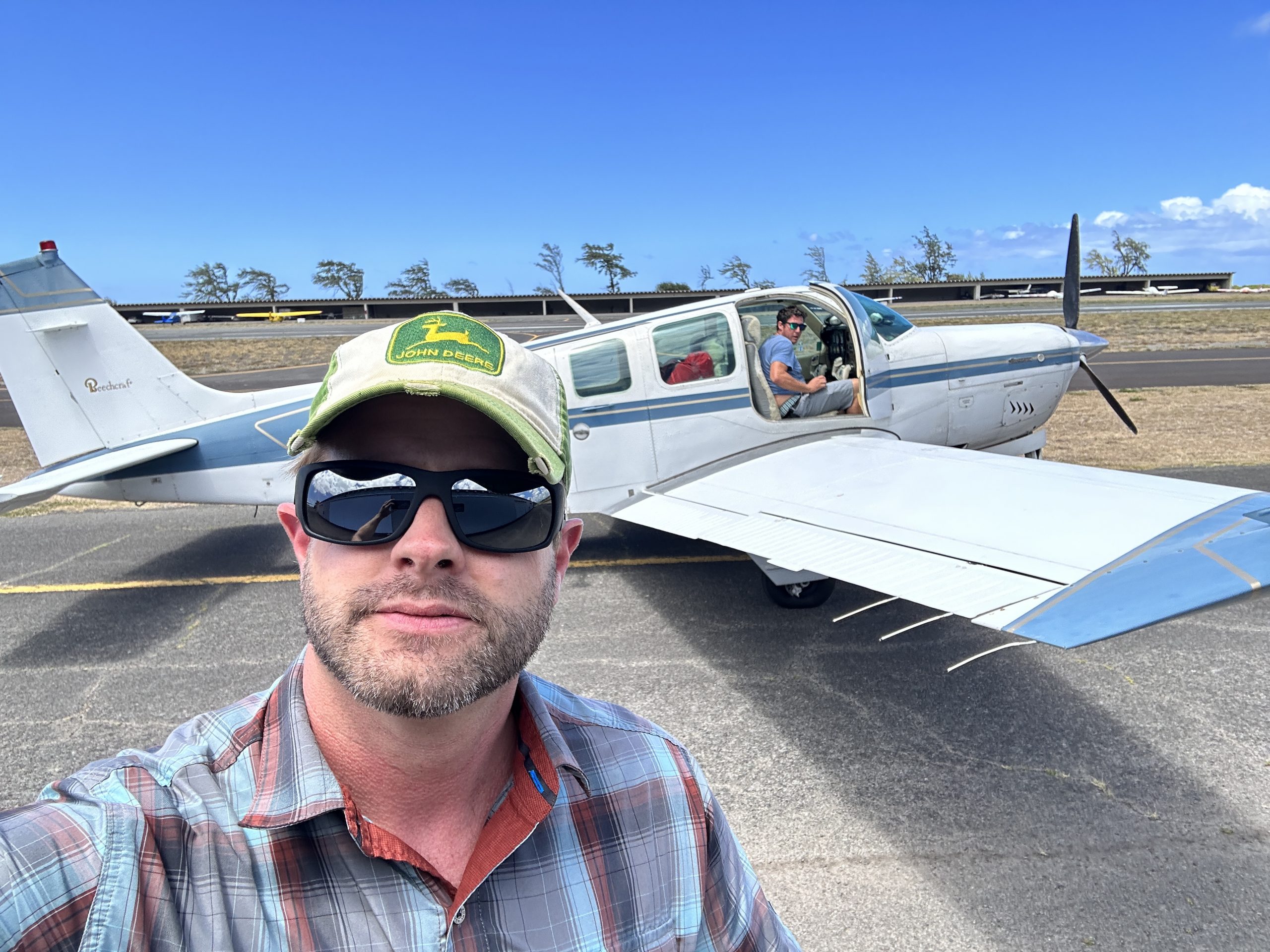
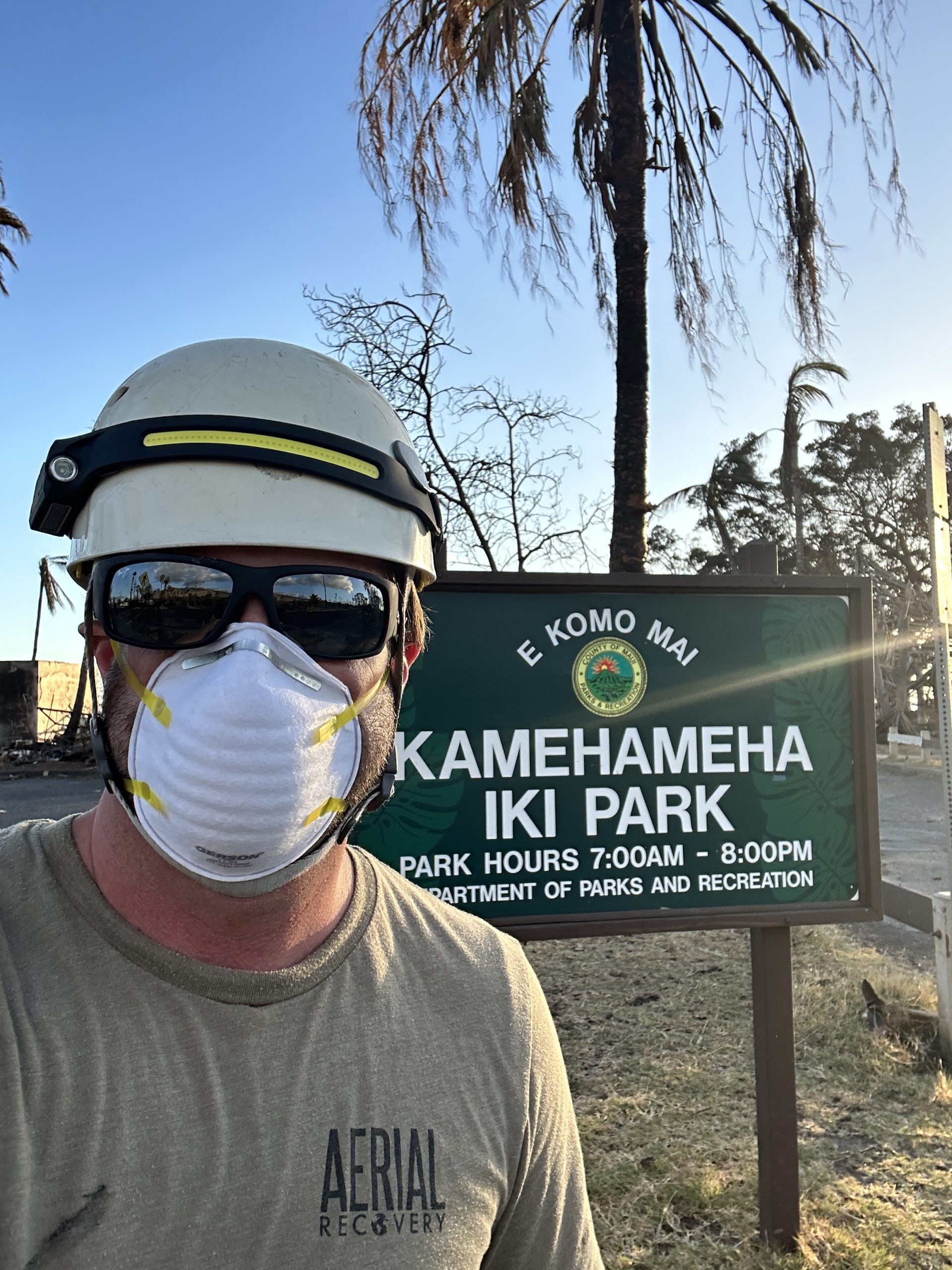
When Dr. Shawn Rowland heard of the fire in Lahaina, and thousands were displaced, he wanted to offer his home on nearby Oahu for a displaced family or two to stay. He had no idea that he would be a part of the rescue and recovery efforts of a global outreach group called Aerial Recovery Group. Dr. Rowland had contacted their chief medical officer, Aaron Asay, physician assistant and friend that had lived on Maui, to offer his home for a displaced family or two.

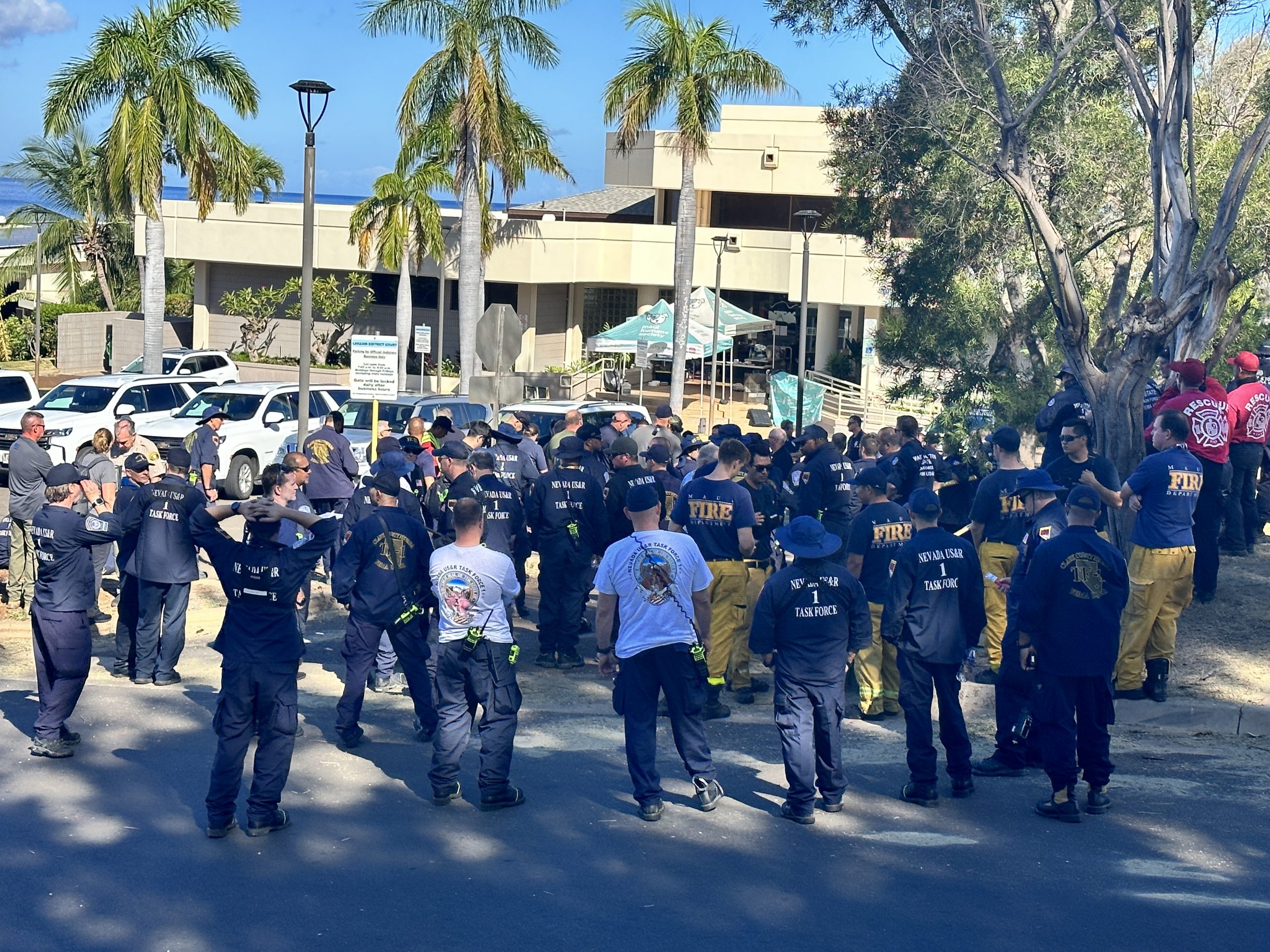
Aaron had planned to be out of the country on assignment and would not be available to deploy to Lahaina. He asked his friend if he could be their physician for the group going to Lahaina, which Dr. Rowland readily accepted, and within two hours, a team had activated and organized. Once in Lahaina, the group connected with the Maui chief of police, who had locked down the city to prevent looters and onlookers that could prevent EMS and recovery workers from performing their jobs.

image0 3 1

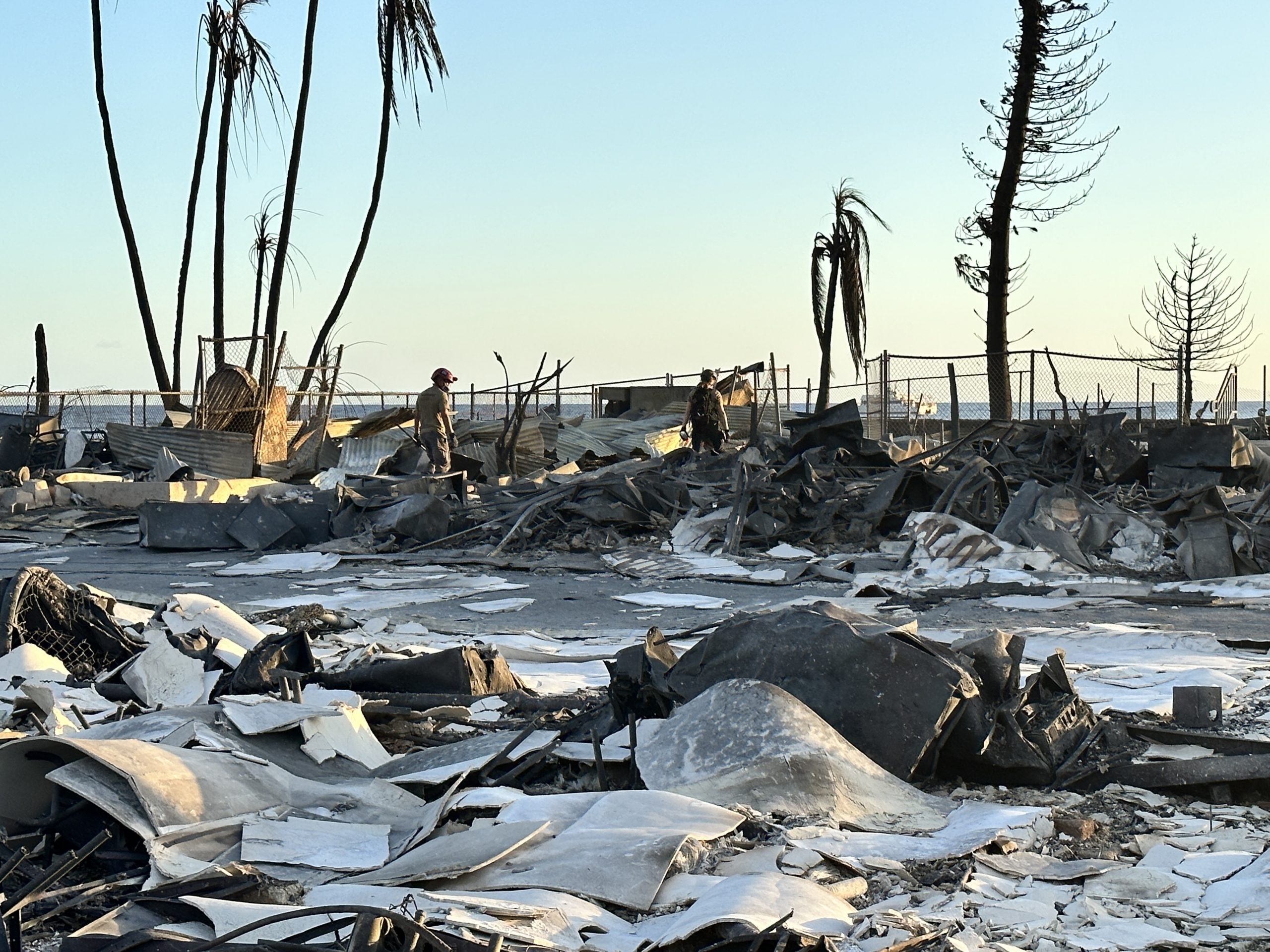
Drone mapping and real-time satellite imagery helped put together a scenario of the extent of the fire and where people might be that needed help. At that point, there was no electricity, communications, or cell phone service. Initially, they treated acute injuries such as broken bones, smoke inhalation, and minor injuries to those who stayed behind in the town. Many people remained in the Lahaina area because they could not return if they left.

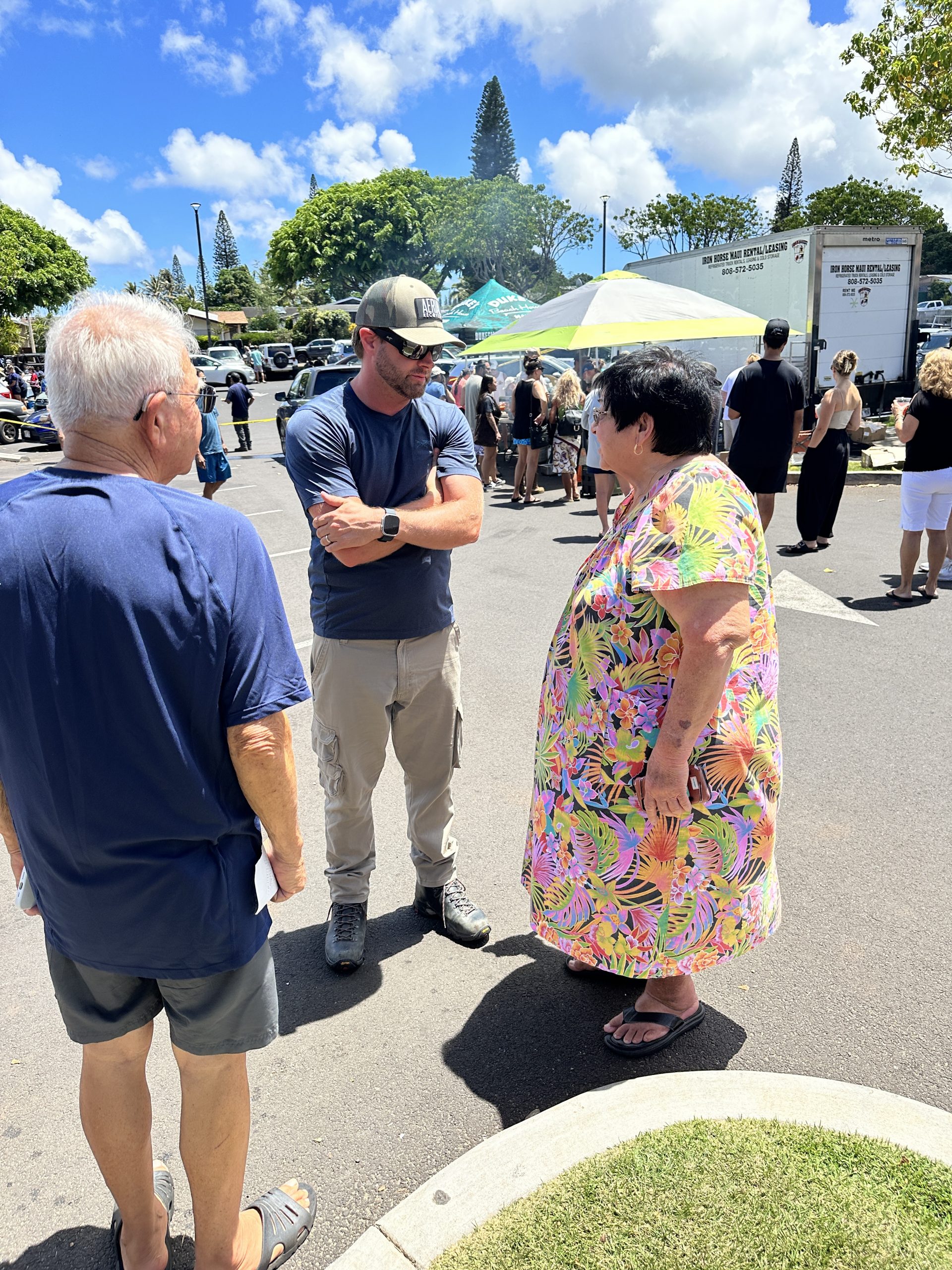
 That evening, Dr. Rowland heard about a man who could not leave his home because he had an infected foot. In the pitch dark, with no electricity, they made their way through the neighborhoods and up the dirt road, where they encountered many people sitting along the sides of the road who greeted them. “At first, I thought these were people that were housing others in their homes who had been displaced by the fire and were just sitting outside talking and visiting,” he said, “however, once we took care of the man with the infected foot and came back down, we were told that these were some of the people who had lost everything, including family members and all their possessions. I still get emotional talking about it.”

image0 3 1

As one of the first independent disaster response teams, Dr. Rowlands’ role quickly became that of resource allocation and coordination. Volunteers from the community – from physicians to nurses, medics, firefighters, and volunteers poured into the area and needed guidance on where to go and what to do. At the same time, relief was coming in from harbors, planes, and local groups. As Dr. Roland put it, “It was organized chaos.” They needed to quickly establish an infrastructure that could distribute and set up tents and supplies in each designated area and for medical teams to go door to door in the immediate area to see if anyone needed medical care.

Over the coming days, as supplies, tents, and distribution centers were set up, Dr. Rowland noticed that the most pressing need was for people’s medications. They needed their blood pressure medicines, diabetic supplies, antidepressants, and other drugs. It made him more aware of why Jase Daily (having a year’s supply of your prescription medication) existed. As founder and CEO of Jase Medical, he went over as a volunteer and came back, knowing that the mission of Jase Medical was to help people prepare in the event of any emergency or natural disaster.

image0 3 1

When asked what people could do to help or donate, Dr. Rowland said that, for now, all their physical needs were being met. It will take months, if not years, for these people to be back in a home environment.

He suggests, in addition to charities, such as the Red Cross, that gift cards through a reputable source that can get directly to the people would be the best way to help them with their personal, everyday needs. He also advises exercising caution when donating. Opportunistic scammers come out and take advantage of others in times like these.

He reports that there was plenty of food, water, clothing, diapers, and other essential supplies for the time being. There will be an ongoing need for a long time, however.

Dr. Rowland plans to return in the coming weeks, and we will keep you posted.

To learn more about the Aerial Response Recovery group and their missions, please visit their website.

“Aerial Recovery trains and deploys Humanitarian Special Operators to effectively respond to natural disasters and man-made disasters and combat sex trafficking. Made up of Veterans and First Responders, Aerial tackles some of the most difficult rescue and response missions globally.”

image0 3 1

Postscript

As of this writing,

  • Ninety-nine people were reported dead. The death toll is expected to climb by 10-20 more daily.
  • Names of those deceased and identified to start being released today (Tuesday, August 15)
  • According to Maui Police Chief John Pelletier, only 25 percent of Lahaina has been searched. They expect to complete the recovery process by the weekend.
  • According to Hawaii Electric, 80 percent of power has been restored.
  • Even though the power has mostly been restored, many families have no way to communicate with loved ones. Many people lost phones in the fire while fleeing for their lives, according to Governor Josh Green
  • This has been the largest loss of life to a fire in over a hundred years of US history.

- Brooke Lounsbury, RN

Medical Content Writer

image0 3 1

Lifesaving Medications

Everyone should be empowered to care for themselves and their loved ones during the unexpected.

Recent Posts

Keeping you informed and safe.

Ivermectin: Just the Facts

Ivermectin: Just the Facts

Let's clear the air about this maligned medication.The Ivermectin Imbroglio Ivermectin has stirred many conversations - some very heated, and very public - in the past few years, but before 2020 many of you might not have even heard of the drug before. With all the...

Join Our Newsletter

Our mission is to help you be more medically prepared. Join our newsletter and follow us on social media for health and safety tips each week!

Are You Happy? 7 Tips to Happiness

“Folks are usually about as happy as they make their minds up to be.” – Abraham Lincoln

image0 3 1

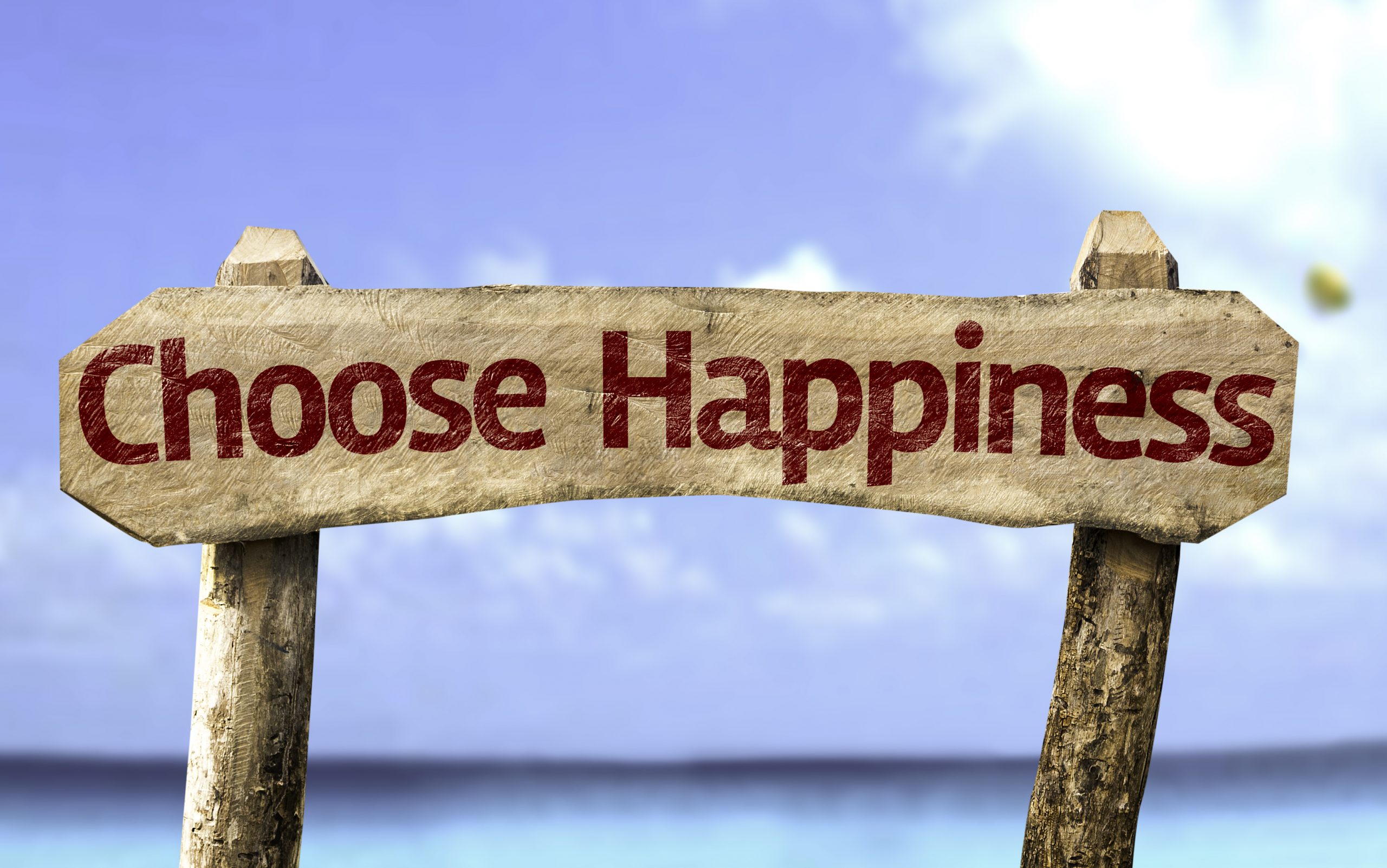
“Happiness Happens Day” ,celebrated on August 8th of each year was founded by Pamela Gail Johnson. She started the Secret Society of Happy People in 1998, “to provide a missing voice for those who are happy and want to express it without having other people rain on their parade.”  It is a day dedicated to recognizing and promoting happiness in our lives and encouraging people to share their positive moments and emotions. On her website she goes on to say, “We spend so much time focusing on our “what’s wrong” moments that we ignore many of our happy moments, so our happiness became a secret — even to us.”

Words that can describe happiness are:

  • Joy- a feeling of great pleasure
  • Contentment-A sense of satisfaction and being at peace with what one has.
  • Bliss- extreme happiness and joy
  • Fulfillment– A sense of achievement and satisfaction derived from reaching goals and aspirations.
  • Harmony- A sense of balance and alignment that contributes to inner happiness.
  • Serenity-A state of calm and tranquility that brings a peaceful happiness.
  • Optimism- A positive outlook on life- a belief that all will work out for the best
image0 3 1

Happiness comes by focusing on the positive aspects of life, no matter how small or seemingly insignificant.

7 ways to nurture happiness in your own life

  1. Fulfilling relationships and strong emotional connections

Fulfilling and close relationships keeps loneliness and isolation away. We are wired for connection.

  1. Personal accomplishments- both great and small

Celebrate your personal accomplishments- no matter how small they are. Every great accomplishment is the result of placing one foot in front of the other (small accomplishments add up)

  1. Cultivate gratitude

Gratitude- the act of being grateful for both the tangible and intangible. Research has repeatedly shown the strong correlation between gratitude and happiness. One way to practice gratitude is to start a daily gratitude journal and list 5 things, no matter how small that you are grateful for.  Even the tea or coffee you are drinking while working on your journal is something to be grateful for. The journal can be as simple as a small notebook or pick up a gratitude journal that has daily affirmations and exercises to encourage you.

  1. Limit negative influences in your life– Influences, such as tv, social media and even consistently negative people can dampen and make achieving personal happiness difficult to attain and maintain. Everyone has a “bad day” or experience; however, when possible, guard your thoughts and eyes from unnecessary drama. The “what ifs” on the tv or social media do nothing but prey on the fight or flight center of your brain. Analyze relationships and how they affect you. When possible, limit those relationships that cause unnecessary distress in your life.
  2. Practice self-care- Self care can mean engaging in satisfying hobbies, time alone, lunch with a friend, a hot bath or anything that brings pleasure, and you look forward to doing. If you aren’t sure what to do, take time to really think about what brings you pleasure and satisfaction- and make time for it!
  3. Help others- Helping others or volunteering, builds relationships and strengthens bonds , leading to a feeling of fulfillment.
  4. Learn and practice resilience- Resilience is the ability to bounce back from setbacks and challenges. Cultivate resilience learning from failures and maintaining a positive outlook.

Being happy is linked to improved outlook of health

Studies have shown that being happy can have positive effects on physical and mental well-being.

Some ways in which happiness contributes to health:

  • Stress reduction- Happiness reduces stress. Chronic stress leads to increased cortisol levels. Chronically high cortisol levels can lower immune function, raise blood pressure, and contribute to raised blood glucose levels. Being happy counteracts the effects of stress.
  • Better lifestyle choices leading to longevity– When you are happy, you tend to eat better, are more motivated to exercise and connect with those in your life that you value. In fact, regular, consistent exercise produces mood enhancing endorphins.
  • There is a strong correlation between pain and emotions. Powerful pain-relieving endorphins- natural painkillers-are released while engaging in pleasurable activities. These endorphins reduce the perception of pain.
  • Happiness produces positive emotions– These emotions can promote resilience and help cope with the ups and downs of everyday life. Positive relationships are linked to improved mental health and overall cognitive function. In addition, problem solving abilities are enhanced when happy.
  • Happiness isn’t something that just “happens”. Personal responsibility and getting to know yourself- your genetics, overall health and personality, environment and abilities all play an important role in happiness. However, taking a proactive role in your personal happiness will yield a more fulfilled (and happy) life.

- Brooke Lounsbury, RN

Medical Content Writer

Lifesaving Medications

Everyone should be empowered to care for themselves and their loved ones during the unexpected.

Recent Posts

Keeping you informed and safe.

Ivermectin: Just the Facts

Ivermectin: Just the Facts

Let's clear the air about this maligned medication.The Ivermectin Imbroglio Ivermectin has stirred many conversations - some very heated, and very public - in the past few years, but before 2020 many of you might not have even heard of the drug before. With all the...

Join Our Newsletter

Our mission is to help you be more medically prepared. Join our newsletter and follow us on social media for health and safety tips each week!

An Illegal Chinese Backed Biolab was Found in California – In December

And we are just now finding out about it

image0 3 1

Prestige Biotech, Inc, a Chinese based company had been illegally operating a biolab containing deadly pathogens in Claifornia since October 2022 according to documents. No CA address can be found for Prestige; addresses found for authorized agents were either empty offices or unverifiable addresses in China.

Located in the San Joquin Valley, the small town of Reedly, city code enforcement workers discovered a garden hose sticking out of the side of a supposedly vacant building back in December of 2022. Upon further investigation, they discovered the building was supposed to be vacant- there were no building permits of certificate of occupancy paperwork filed. Numerous violations prompted city officials to declare the site unsafe and posted “Unsafe to Occupy” signs around the building. Further investigation prompted the notification of many agencies- federal and state- were notified, from the FBI to the CDC and public health officials to further investigate. What they found was a macabre scene of filth, and thousands of unlabeled vials of fluids and suspected biological material. They also discovered, hundreds of mice living in inhumane conditions. The city took possession of the animals, euthanizing 773 of them along with more than 175 were found dead. 

This lab also contained at least 20 different pathogens including specimens of HIV, malaria, coronavirus, hepatitis B and C, streptococcus pneumonia, and 20 refrigerators filled with specimens and tissues. “Certain rooms of the warehouse were found to contain several vessels of liquid and various apparatus,” court documents said. “Fresno County Public Health staff also observed blood, tissue and other bodily fluid samples and serums; and thousands of vials of unlabeled fluids and suspected biological material.”

Government red tape could cost you or your loved ones their life

Considering they (city, state and federal authorities) knew about this unlicensed biolab for months and kept giving the company notice (see timeline of abatement below) without any firm action, I submit bureaucratic red tape, given the vast array of deadly pathogens ( I was only able to locate a few of them) could have possibly put the general public in mortal danger.

Fresno County Public Health

California Department of Toxic Substances

California Department of Public Health

Federal Bureau of Investigation

Timeline of Abatement orders to Prestige Lab from County of Fresno

  • April 21, 2023 Attempts to communicate with business owners in regards to facility located at 850 I Street, Reedley, CA 93654 since December 19, 2022 from City of Reedley and other public agencies to ascertain contents and items at the facility have been unsuccessful. City of Reedley building officials posted on March 3, 2023 an Unsafe to Occupy Notice in front of the building. Building has limited power source supplying refrigerators and freezers that are storing reagents, biological samples, appearance of containers used to culture virus(es), and multiple chemical containers. Items documented by City of Reedley officials. This order is issued as a result of multiple attempts to communicate with Universal MediTech Inc, Prestige Biotech Inc (“business owners”) currently leasing space located at 850 I Street, Reedley, CA 93654 to confirm hazardous materials, biological specimens, and operational practices to ensure hazardous waste and medical waste are appropriately being disposed of in compliance with Federal and State requirements. CDC has interest in the reagents being stored in the refrigerator/freezer that have been imported from outside of the United States which will require a federal permit which the business does not currently possess.
  • May 31st 2023 Within seven (7) days, the Business identified above must produce a biological abatement and disposal plan for the transport of properly labeled and identified biological specimens consistent with Federal, State, and local regulations. This plan should include transporters with appropriate licensures and certifications as well as a demonstration of commitment from these vendors via a purchase order or binding commitment. All biological specimens in non-operating refrigerators, or specimens that are improperly labeled or unidentified shall be treated as medical waste and abated and disposed of as medical waste. Such transporters contact information must be provided for the Fresno County Department of Public Health to verify
  • By June 11th 2023, the business identified above must produce a biological abatement and disposal plan for the transport of properly labeled and identified biological specimens consistent with federal state and local regulations. This plan should include transporters and with appropriate licensures and certifications as well as a demonstration of commitment from these vendors via a purchase order or binding commitment period all biological specimens in non operating refrigerators are specimens that are improperly labeled for unidentified shall be treated as medical waste and abated and disposed as medical waste.

All of the biological agents were destroyed by July 7 following a legal abatement process by the agency.

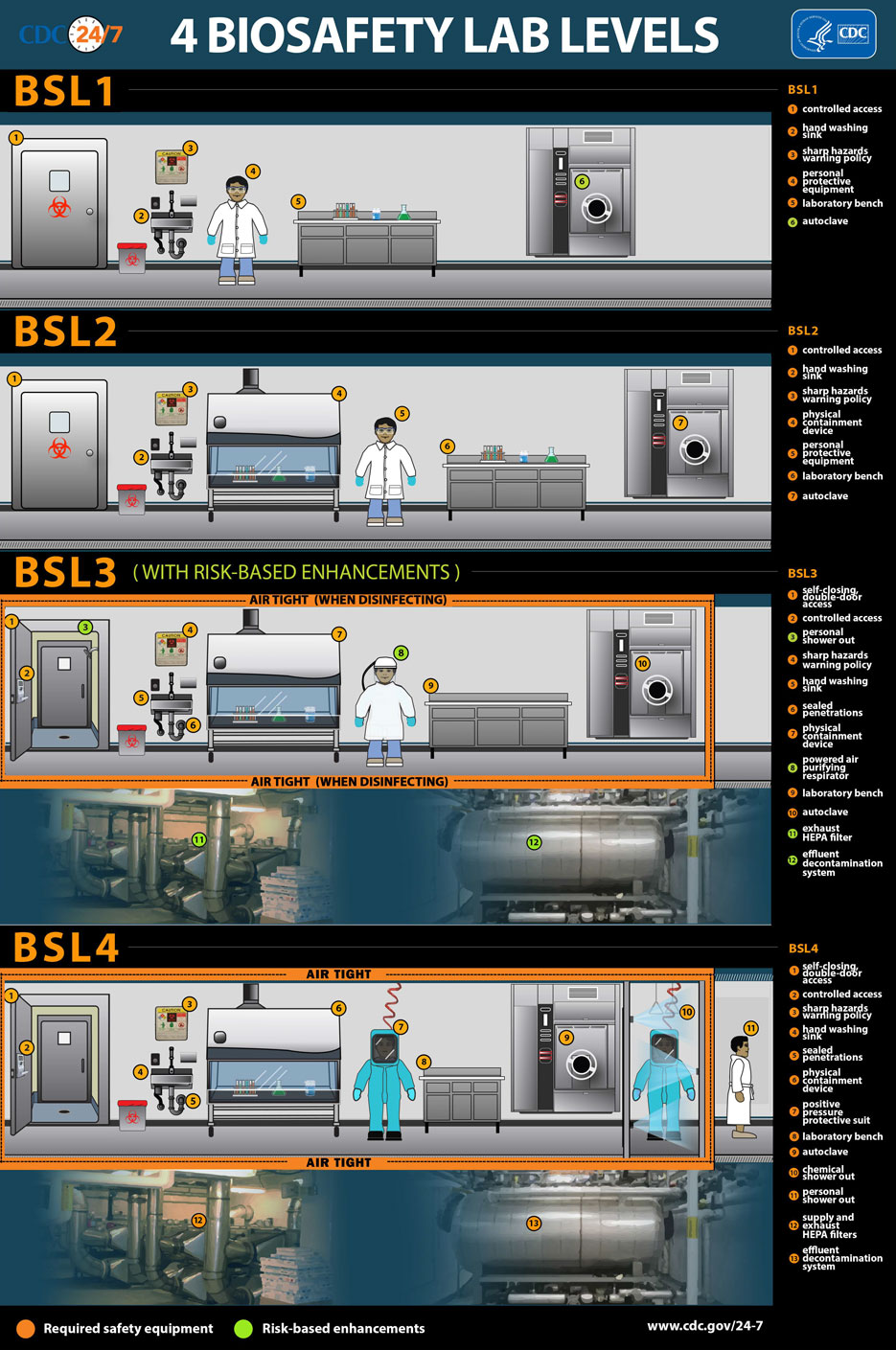
This lab that was left to operate for 7 months before it was shut down.  by reviewing the biosafety levels required by labs that test pathogenic diseases.

image0 3 1

4 Biosafety Lab Levels

BSL1

  • Controlled access
  • Hand washing sink
  • Sharp hazards warning policy
  • Personal protective equipment
  • Laboratory bench
  • Autoclave

BSL2

  • Controlled access
  • Hand washing sink
  • Sharp hazards warning policy
  • Physical containment device
  • Personal protective equipment
  • Laboratory bench
  • Autoclave

BSL3 (with risk-based enhancements)

Biosafety Level 3 is applicable to clinical, diagnostic, teaching, research, or production facilities in which work is done with indigenous or exotic agents that may cause serious or potentially lethal disease as a result of exposure by inhalation. HIV can be either level 2 or 3 depending on concentration and quantity of virus

  • Air tight when disinfecting
  • Self-closing, double-door access
  • Controlled access
  • Personal shower out (risk-based enhancement)
  • Sharp hazards warning policy
  • Hand washing sink
  • Sealed penetrations
  • Physical containment device
  • Powered air purifying respirator (risk-based enhancement)
  • Laboratory bench
  • Autoclave
  • Exhaust HEPA filter (risk-based enhancement)
  • Effluent decontamination system (risk-based enhancement)

BSL4

  • Air tight
  • Self-closing, double-door access
  • Controlled access
  • Sharp hazards warning policy
  • Hand washing sink
  • Sealed penetrations
  • Physical containment device
  • Positive pressure protective suit
  • Laboratory bench
  • Autoclave
  • Chemical shower out
  • Personal shower out
  • Supply and exhaust HEPA filter
  • Effluent decontamination system

- Brooke Lounsbury, RN

Medical Content Writer

Lifesaving Medications

Everyone should be empowered to care for themselves and their loved ones during the unexpected.

Recent Posts

Keeping you informed and safe.

Ivermectin: Just the Facts

Ivermectin: Just the Facts

Let's clear the air about this maligned medication.The Ivermectin Imbroglio Ivermectin has stirred many conversations - some very heated, and very public - in the past few years, but before 2020 many of you might not have even heard of the drug before. With all the...

Join Our Newsletter

Our mission is to help you be more medically prepared. Join our newsletter and follow us on social media for health and safety tips each week!