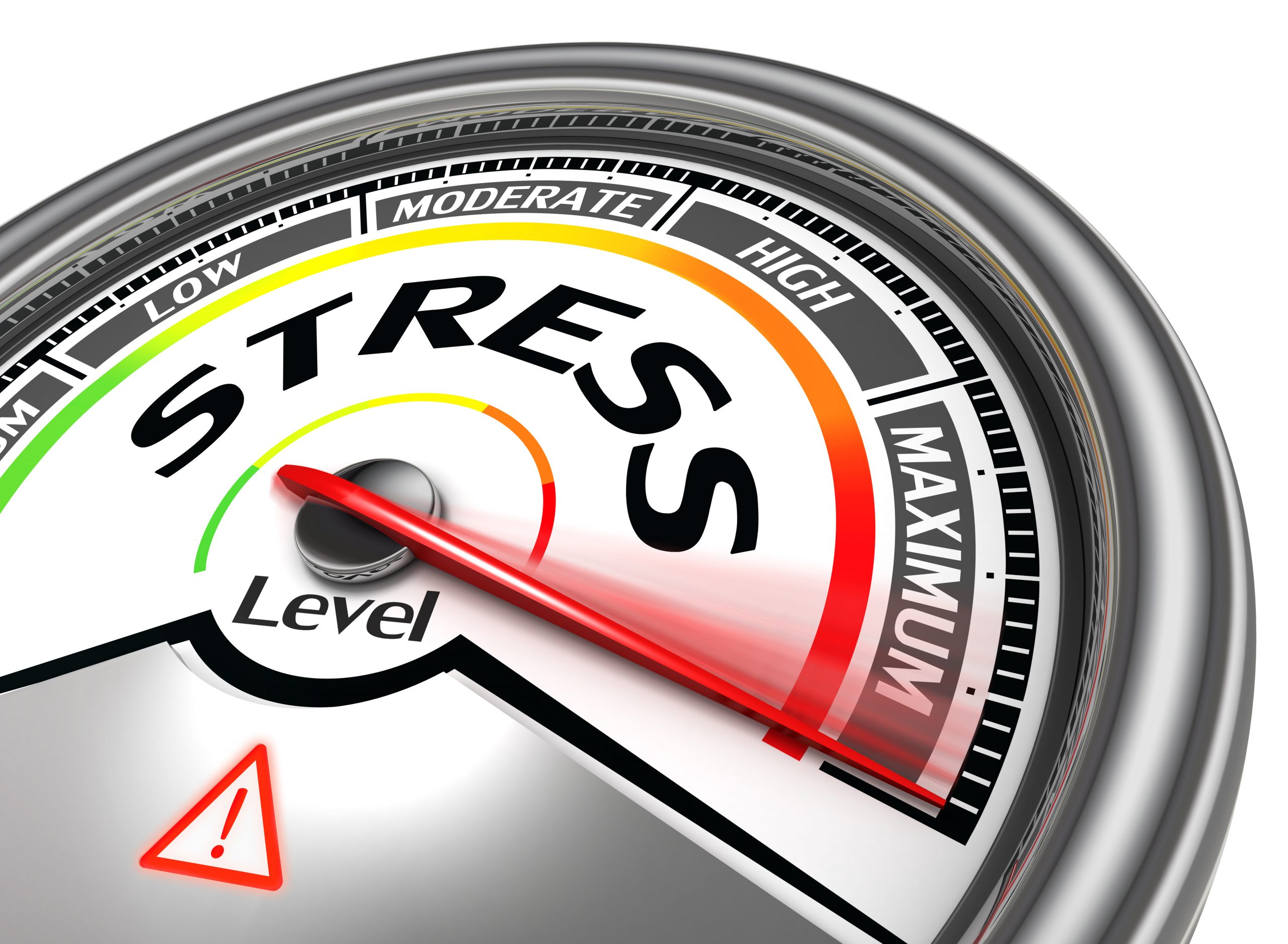
Men: Lose the Stigma, Regain Your Health

The stigma that surrounds mental health, especially when it comes to men has created a vacuum of silence. With all the awareness of mental health and services nowadays, men still don’t seek help in this arena.

Societal norms of masculinity, embarrassment and shame are some of the reasons men are less likely to seek help. Many view seeking help as a sign of weakness, and continue to try to cope with depression, anxiety and feelings of hopelessness on their own. Terms such as “unmanly” or “weak” are hold an undercurrent of negative connotation of what it means to be a man. In general, many men tend to hide their feelings from their family, putting on a false front that nothing is wrong but inside angst and inability to cope with these feelings can lead to destructive and unhealthy behavior.

Unhealthy ways of dealing with stress lead to physical and emotional destruction

Job pressure (or unemployed), stressful family relations, and social isolation, if not dealt with in a healthy manner can lead to serious health problems.  The buildup of stress hormones – the fight or flight mechanism that is designed to charge your muscles and entire nervous system with the energy to flee or fight a perceived danger can turn on itself if you aren’t able to effectively deal with the situation or have a physical outlet for all the stored-up energy. This mechanism was lifesaving back when life’s stressors were tied to survival- a bear attack, natural disasters that required rescue of a loved one or even hunting. In today’s modern world, these real life dangers and scenarios are not part of our daily lives. Stress nowadays is usually tied to our sedentary lifestyle. We ae unable to flee or physically fight the opponent. Because of this new ways of coping have to take place. If not, built up stress can lead to heart disease, cancer and even suicide. It is a widely known fact that stress,-or how you deal with it- is the leading cause of heart disease and cancer, which are the top two causes of death in men.

The fight or flight response to stress that isn’t dealt with can lead to anger outbursts, self-destructive behavior, feelings of helplessness, anxiety, depression and isolation from friends and family. Lack of exercise, unhealthy diet, alcohol, and substance abuse can snowball into more depression (alcohol is a depressant).

This same fight or flight response is responsible for the majority of deaths in men- increased cortisol levels from untreated stress, along with decreased immune function set the stage for the two most common causes of death in men- heart disease and cancer. If there is no outlet for stress, the body’s stored up adrenaline will literally take your body hostage.

Make your health a priority.

3 steps towards effectively dealing with stress

  1. Acknowledge your stress. If you haven’t already, take time out to figure out what is bothering you. Seek counselling or a trusted friend/ relative to confide in. There may be multiple stressors in your life. Stress can be anything- from long commutes in traffic, demanding work situations, demands- both reasonable and unreasonable from family and friends to an unexpected health crisis. Along with counselors, friends, and trusted family members to confide in, many find keeping a journal a good way to identify and keep track of events that trigger stress response.
  2. Plan. Make that counselling appointment or schedule time to talk with a trusted friend or family member and follow through. Many times, excuses and commitments get in the way of doing this. Schedule time as if it was an appointment- which it is-n appointment towards health and wellbeing. Make or keep doctors’ appointments. This is especially important if you haven’t seen your care provider for a while. High blood pressure is known as the silent killer. Many times, there are no symptoms until a fatal heart attack hits. Lifesaving medications may be prescribed to treat high blood pressure or other stress related diseases.

3. Once you have identified the stressor(s), remove the stress from your life. If you are unable to change the situation, find healthy ways to cope with it. Channel the excess energy through physical activity by joining a gym, running, hiking or a hobby that brings you enjoy. Maintain a healthy diet. Cut out alcohol if you are currently using it to cope with life’s stressors. Join an AA meeting if alcohol abuse is a problem. Meditation, deep breathing and refocusing can go a long way toward stress reduction. In addition, make sure you keep up with your annual doctor’s appointments. Your doctor may prescribe medication-either short term or long term to help cope with stress. In addition, some diseases go undiagnosed that can cause depression such as diabetes.

Life has become challenging in ways our ancestors never dreamed. Our world is constantly changing-more so in recent years than at any other time in history. It is easy to put off self-care while putting out life’s fires. However, by neglecting your own needs you set could be setting yourself up for long term health crises.

- Brooke Lounsbury, RN

Medical Content Writer

Lifesaving Medications

Everyone should be empowered to care for themselves and their loved ones during the unexpected.

Recent Posts

Keeping you informed and safe.
Join Our Newsletter

Our mission is to help you be more medically prepared. Join our newsletter and follow us on social media for health and safety tips each week!

Doing This One Thing Will Slash Death Rates in Men

(Manage your stress before it manages you)

It is no secret that men are dying younger than in the past. Life expectancy for men dropped one full year, from 74.2 years in 2020 to 73.2 in 2021. Heart disease and cancer lead the pack as the two most common fatal diseases in men. Some of these reasons can be traced back to genetics- a parent or close relative with heart disease or cancer; however even taking this into consideration, many deaths are preventable. One of the major causes of heart disease and cancer is due to chronic stress.

Stress can be good- when not long term

Stress is a reaction to a real or perceived threat to life. In acute, or short-lived stress, the body activates the sympathetic nervous system (SNS) and the hypothalamic-pituitary- adrenal axis in a process known as “allostasis”. Powerful chemical messages are sent throughout the body to ready for either fight or flight from the situation. The adrenal glands produce the 3 stress response chemical messengers- adrenaline, norepinephrine and cortisol.

All three of these are necessary to sustain life when in balance.

Adrenaline (also known as adrenaline) redirects blood flow to the heart and lungs, increases heart rate, opens bronchus and lungs for better breathing, and raises blood sugar levels. This increases energy and focus, enabling the body to leave or fight the threat. In the medical setting, epinephrine is a life saving drug. For asthmatics it opens up airways, allowing easier breathing. In septic shock, the victims blood pressure plummets to dangerously low levels, epinephrine brings blood pressure up. Likewise, during a cardiac arrest event, blood pressure can drop, in turn inhibiting blood flow to vital organs and brain. Administering epinephrine brings blood pressure up which increases blood flow throughout the body.

Norepinephrine is considered a “back up” to epinephrine. It is produced in the adrenal medulla and functions in much the same way as epinephrine. Just like epinephrine, it maintains blood pressure during cardiac arrest and septic shock. It is also used in pericardial tamponade, a condition in which fluid builds up around the heart membrane, making it difficult for the heart to maintain blood pressure and neurogenic shock, a condition in which there is damage to nerve cells that are responsible for maintaining heart rate and blood pressure.

Cortisol is produced by the adrenal gland in response to a series of chemical messengers starting with the brain. (This is called the HPA axis) The brain receives a message of danger- physical, emotional or mental, it alerts the amygdala- a small region in the brain, which in turn releases corticotropin releasing hormone. This hormone activates the pituitary gland to produce adrenocorticotropic hormone, which in turn activates the adrenal gland to produce cortisol. Almost all body systems have receptors to cortisol. These are called glucocorticoid receptors. Cortisol regulates blood pressure, increases blood sugar, reduces inflammation and is involved in the regulation of the sleep-wake cycle. When not activated by stress, cortisol is released into the blood stream according to the circadian cycle (sleep/wake cycle) It is usually highest in the morning and fluctuates during the day, with the lowest amount in the middle of the night. During times of stress, cortisol is released from the adrenal glands into the bloodstream to ready the body for action. Increased blood sugar gives the muscles ready fuel to act.

Acute stress can be lifesaving, chronic stress can be life threatening

Causes of acute stress

Acute stress is the stress experienced on a daily basis from minor situations. Acute stress typically happens quickly and fades once the situation or circumstance has passed. Hormones return to prestress levels.  Examples that may cause acute stress include:

  • Argument or altercation
  • School exams
  • Physical competitions
  • Traffic jams
  • Acute stress symptoms include short lived anxiety, mood swings, irritability, anger, increased blood pressure(temporary) insomnia,

Acute stress doesn’t cause health issues, the body recovers quickly, and hormones return to normal within 24 hours.

Causes of chronic stress

Chronic stress, which is considered to be at the core of almost all health related conditions, happens when exposed to prolonged stress that doesn’t resolve.

Examples of chronic stress include:

  • Illness of a loved one where you are the caregiver,
  • PTSD- post traumatic stress disorder- either during military service or traumatic events in life
  • Loss of a job and inability to find another,
  • Emotional stress with a partner
  • Social isolation

Chronic stress and health

There are many health-related diseases associated with chronic stress. Stress affects all systems of the body including the musculoskeletal, respiratory, cardiovascular, endocrine, gastrointestinal, nervous, and reproductive systems. 50 percent of premature deaths in men are from heart disease and cancer. Chronic stress has been implicated in the progression of both.

Cancer– Animal studies consistently prove the link between chronic stress and cancer progression, however, researchers have stopped short of claiming chronic stress can bring on cancer. Given that stress affects the immune system and all the other effects chronic stress have on the body, it would seem that there is a link to cancer and chronic stress.

Heart disease- The consistent and ongoing increase in heart rate, and the elevated levels of stress hormones and of blood pressure, can take a toll on the body. This long-term ongoing stress can increase the risk for hypertension, heart attack, or stroke.

How to deal with chronic stress

Set limits and refrain from taking on more commitments.

Cut back on any non-essential activities in your work life.  Identify tasks and projects that you must do and prioritize. Set aside time each day to review progress and prioritize these tasks. Do not take on any more tasks until you feel these are under control. Seek input and help from your coworkers and employer if you are feeling overwhelmed.  In social and family settings, re evaluate the time you spend and assess the quality of relationships. If there is animosity or other forms of stress between you and those you are close to, seek solutions, either through active listening and participation, counselling, or both.

Prioritize your mental and physical health and well-being

Everyone has chronic stress. It is how we view and deal with it that makes the difference. Self-care is imperative, both for you and those you are close to. Take time out each day to indulge in something you enjoy doing- even if it is just being alone on a walk. Exercise, social interaction and working on a hobby are all great stress reducers. If you have been feeling helpless, depressed or that your stressor has trapped you and you feel there is no way out, it is time to seek the help of a counsellor and your primary care provider. Counselling along with a complete physical can provide answers. Chronic stress raises blood sugar, which can be the start of diabetes. High blood sugar causes emotional instability and depression. Be sure to keep yu annual physical appointments. If your physical health is in good shape, your care provider may suggest medication along with counselling until you are able to resolve the chronic stress, either by learning healthy ways to cope or removing yourself from it.

- Brooke Lounsbury, RN

Medical Content Writer

Lifesaving Medications

Everyone should be empowered to care for themselves and their loved ones during the unexpected.

Recent Posts

Keeping you informed and safe.

Join Our Newsletter

Our mission is to help you be more medically prepared. Join our newsletter and follow us on social media for health and safety tips each week!

June is Mens Health Month – Men, Take Charge of Your Health!

In 1994 legislation was passed to observe, Men’s Health Week, which starts the week before and includes Fathers Day. The purpose of Men’s Health Week is to heighten the awareness of preventable health problems and encourage early detection and treatment of disease among men and boys. Soon after Mens Health Week was passed, legislation to observe the month of June as International Mens Health Month was passed.

Why a Mens Health Week/Month?

Men are less likely than women to follow through with preventative screenings that could be lifesaving. The two leading causes of death in men across all races and origins are heart disease and cancer, according to a 2021 CDC report. Nearly one quarter of deaths in men are due to heart disease, and one in 5 is due to cancer. Other leading causes of death are Covid 19, accidents, stroke, chronic lower respiratory disease, Alzheimer’s disease, diabetes, chronic liver disease and cirrhosis, Nephritis, nephrotic syndrome, and nephrosis.

Men: (CDC statistics)

  • 2% of men aged 18 and over in fair or poor health (2021)
  • 9% of men aged 18 and over who had five or more drinks in 1 day at least once in the past year.
  • 3% of men aged 18 and over who met the 2018 federal physical activity guidelines for aerobic and muscle-strengthening activity.
  • 9% (2015-2018) of men aged 20 and over with hypertension (measured high blood pressure and/or taking antihypertensive medication)

Reasons men don’t have regular checkups

A 2019 Cleveland Clinic survey highlights reasons that men don’t seek medical care. In addition to traditional masculine roles (just tough it out), only 50% of men surveyed consider having regular checkups as a part of taking care of themselves. Over half- 61% would be more likely to see a healthcare provider if it was more convenient. –  virtual visits, scheduling appointments outside of work hours. In addition, 46% of men are most uncomfortable talking to their doctors about sex-related concerns.

Early intervention saves lives-

Check out this downloadable PDF of checkup and screening guidelines for men.

Even if you don’t feel sick, it is important to have regular checkups. Play an active role in your health.

  • High blood pressure, dubbed “the silent killer”, is a precursor to many heart related diseases. High blood pressure can present with no symptoms until a heart attack or stroke reveals the underlying cause. Not having regular checkups can put a man at risk.
  • In addition, cancer screenings, especially prostate cancer is easily treatable when caught early.
  • Along with early intervention, maintaining strong relationships with family, friends and social networks provides a buffer from the stressors of life. Stress, especially chronic stress has been linked to a rising incidence in cancer (reduces NK-natural killer cells in immune system), hardening of the arteries leading to atherosclerosis, diabetes, and psychiatric illnesses.
  • Adopt a healthy lifestyle. If you smoke and are having a hard time stopping, talk with your doctor about strategies and medications that may help.
  • Regular exercise= 30 minutes daily, along with a healthy diet can dramatically reduce many chronic diseases, especially heart disease.
  • Avoid alcohol
  • Maintain or if overweight get to a healthy weight. Talk with your healthcare provider for guidance if you are overweight.
  • Don’t let your medication supply run out. Keep well stocked up on lifesaving medications and consider Jase Daily for a year’s supply of chronic medications. The recent drug shortages and supply chain disruptions we are currently experiencing aren’t going away anytime soon.

- Brooke Lounsbury, RN

Medical Content Writer

Lifesaving Medications

Everyone should be empowered to care for themselves and their loved ones during the unexpected.

Recent Posts

Keeping you informed and safe.

Join Our Newsletter

Our mission is to help you be more medically prepared. Join our newsletter and follow us on social media for health and safety tips each week!

What is Insulin Resistance?

To understand what insulin resistance is, we first need to look at what insulin is and what it does.

Insulin is a hormone that is secreted by beta cells of the pancreas. The pancreas is located under the left rib cage and extends slightly to the right. The pancreas releases insulin in response to consuming carbohydrate rich foods, especially when high in simple sugars.

The lock and key gatekeeping loop

Once insulin is released into the bloodstream, it travels to cells throughout the body where it binds to special cell receptors called glucose transporters. These cell receptors act as the gatekeeper for glucose to enter the cells. Once insulin binds to these receptors it “unlocks” the cell, allowing glucose to enter the cell, providing energy for the cell. Depending on what part of the body they are located in, there are 14 different glucose transporters that have been identified. These transporters are responsible for signaling the pancreas to stop releasing insulin when no longer needed. This is called a feedback loop.

The image below shows how one of the receptors does its job- GLUT4 transport receptor

Defective or decreased insulin receptors causes insulin resistance (AKA impaired insulin sensitivity).

Mild insulin resistance (fasting glucose of 100–125 milligrams per deciliter and/or an A1C of 5.7% to 6.4%) is usually caused by decreased insulin receptors. This is also called prediabetes. About 34% of middle-aged adults in the U.S. fall in this category.

Severe insulin resistance, also known as type 2 diabetes, (fasting insulin levels above 50–70 μU/mL or levels that exceed 350 μU/mL after an oral glucose tolerance test) is caused by both decreased insulin receptors and defective receptors.  

The development of insulin resistance typically increases insulin production (hyperinsulinemia) so your body can maintain healthy blood sugar levels. Elevated levels of insulin can result in weight gain, which, in turn, makes insulin resistance worse.

When blood glucose is excessive, the body converts it into glycogen where it is stored mostly in muscle and liver for energy when glucose isn’t readily available. When the glycogen stores are needed, enzymes release and convert the glycogen back to readily available glucose for the cells to use.

Signs of insulin resistance

(In addition to high insulin levels, and elevated blood glucose testing levels)

There is no definite test for insulin resistance that is affordable and easy to test– most testing is done in research facilities. Instead, practitioners rely on a series of labs to determine insulin resistance.

  • High triglyceride levels.
  • High LDL (bad cholesterol)
  • Low HDL (good cholesterol)
  • Hardening of the arteries (atherosclerosis)
  • High blood pressure (hypertension)
  • Metabolic syndrome or insulin resistance syndrome is a group of conditions- obesity, high blood pressure, high blood triglycerides, low levels of HDL cholesterol and insulin resistance that raise your risk of coronary heart disease, stroke, and other serious complications.

Causes of insulin resistance

Insulin resistance can affect anyone, and it can be temporary especially if you are under stress or taking corticosteroid medication.

Other risk factors include: (taken from CDC website)

  • overweight or obesity
  • age 45 or older
  • a parent, brother, or sister with diabetes
  • African American, Alaska Native, American Indian, Asian American, Hispanic/Latino, Native Hawaiian, or Pacific Islander American ethnicity
  • physical inactivity
  • health conditions such as high blood pressure and abnormal cholesterol levels
  • a history of gestational diabetes
  • a history of heart disease or stroke
  • polycystic ovary syndrome, also called PCOS
  • certain medicines, such as glucocorticoids NIH external link, some antipsychotics, and some medicines for HIV
  • hormonal disorders, such as Cushing’s syndrome and acromegaly
  • sleep problems, especially sleep apnea

How to reverse insulin resistance

Check with your care provider before starting any lifestyle or dietary changes

  • Increase physical activity- any activity that gets heart rate up increases insulin sensitivity.
  • Consider intermittent fasting– In conjunction with a healthy diet, stress reduction, and physical activity, intermittent fasting has proven to increase insulin sensitivity and regulate glucose metabolism
  • Lower carbohydrate intake- Talk with your care provider or a dietician about ways to lower carbohydrate intake. Work with them to put together a workable, realistic meal plan
  • Reduce stress-In addition to avoiding stressful situations, and media that may prove upsetting try deep breathing exercises– proven to reduce stress and anxiety.
  • Get good quality sleep- Practice sleep hygiene– shut off blue light emitting screens, turn off wifi (known to decrease melatonin production and increase norepinephrine- the fight or flight hormone- production)

- Brooke Lounsbury, RN

Medical Content Writer

Lifesaving Medications

Everyone should be empowered to care for themselves and their loved ones during the unexpected.

Recent Posts

Keeping you informed and safe.

Join Our Newsletter

Our mission is to help you be more medically prepared. Join our newsletter and follow us on social media for health and safety tips each week!

Drugs That Affect Blood Sugar and Hypoglycemia- A Medical Emergency

Medications can be lifesaving; however, many have unwanted effects. Almost every drug class has medications that can affect blood sugars and even mask high and low glucose levels. From blood pressure meds to inhalers, steroids, antibiotics, antifungals and diuretics, the likelihood of you or someone you know using a drug that affects glucose levels.  There are too many to list. Below are just a few examples:

A few of the many drugs that increase blood sugar (hyperglycemia): (NIH database)

  • Alcohol (decreases blood sugar after several hours of excessive intake)
  • Antibiotics (Dapsone, Rifampin)
  • Antidepressants (Zyprexa, risperdal, Clozaril, Seroquel, Abilify, Geodon, lithium)
  • Beta-2 stimulators (Proventil, Alupent, Serevent, Foradil, Brethine, Theo-Dur)
  • Corticosteroids (Prednisone, Decadron, DepoMedrol)
  • Dilantin (phenytoin)
  • Estrogens (Premarin, hormone replacement therapy)
  • Fluconazole
  • Heart and blood pressure medications (amiodarone, beta blockers(non insulin dependent diabetics), calcium channel blockers, catapress, diuretics)
  • Oral contraceptives (Birth control pills)
  • Niacin or nicotinic acid
  • Thiazide diuretics
  • Thyroid hormones (Synthroid, Levothroid)

If on a continuous glucose monitor acetaminophen (Tylenol) interferes with sensors resulting in a false low glucose reading and should be avoided.

A few of the drugs that decrease blood sugar (hypoglycemia): (NIH database)

  • Alcohol (acute excess amounts)
  • Aspirin and other salicylates in larger doses
  • Cibenzoline and quinidine (heart arrhythmia drugs)
  • Indomethacin (Indocin)
  • Levofloxacin
  • Trimethoprim-sulfamethoxazole
  • Metformin when used with sulfonylureas
  • Heart and blood pressure medications (ACE inhibitors, beta blockers, Norpace, Quinidine)

One common drug that masks low blood sugar

If diabetic (especially insulin dependent) and taking beta blockers the symptoms of low blood sugar may not be apparent. Beta blockers block the effects of norepinephrine. Norepinephrine, along with epinephrine are released into the bloodstream during hypoglycemic episode. In turn the release of these hormones causes the early symptoms of hypoglycemia such as tremor, sweating, rapid heartbeat, and anxiety. If diabetic and taking beta blockers monitor glucose levels closely even when you don’t have signs of low blood sugar.

Signs of low blood sugar (below 70 mg/dL or less)

Low blood sugar, especially in a diabetic, can be more dangerous and even a medical emergency if not treated in time.

Common signs of low blood sugar are:

  • Fast heartbeat
  • Shaking
  • Sweating
  • Nervousness or anxiety
  • Irritability, anger or confusion
  • Dizziness
  • Hunger

During sleep, low blood sugar symptoms may include sweaty sheets and sometimes nightmares

Signs of severe low blood sugar (below 54 mg/dL or by symptoms listed below)- Medical emergency

  • Loss of coordination
  • Difficulty speaking or slurred speech
  • Blurry or tunnel vision
  • Inability to eat or drink
  • Muscle weakness
  • Drowsiness

If left untreated hypoglycemia can result in coma, seizures and in rare cases, death

Causes of Low Blood Sugar

There are many reasons why for low blood sugar, including:

  • Taking too much insulin and/or not taking it on time
  • Not eating enough carbs after taking insulin
  • Poor diet- not eating a balanced protein, carbs and fat diet
  • The amount and timing of physical activity.
  • Drinking alcohol.
  • Hot and humid weather.
  • Unexpected changes in your schedule.
  • Spending time at a high altitude.
  • Going through puberty
  • Menstruation
  • On medication that causes low blood sugar
  • Severe liver or kidney disease
  • Severe infection
  • Advanced heart disease
  • Pancreatic or adrenal tumors
  • Drinking alcohol at night

What to do if you or someone you know has low blood sugar. The CDC website has tips on managing and treating hypoglycemia:

The 15-15 Rule

For low blood sugar between 55-69 mg/dL, raise it by following the 15-15 rule:

Have 15 grams of carbs and check your blood sugar after 15 minutes. If it’s still below your target range, have another serving. Repeat these steps until it’s in your target range. Once it’s in range, eat a nutritious meal or snack to ensure it doesn’t get too low again.

These items have about 15 grams of carbs:

  • 4 ounces (½ cup) of juice or regular soda.
  • 1 tablespoon of sugar, honey, or syrup.
  • Hard candies, jellybeans, or gumdrops (see food label for how much to eat).
  • 3-4 glucose tablets (follow instructions).
  • 1 dose of glucose gel (usually 1 tube; follow instructions).

Tips to keep in mind:

  • It takes time for blood sugar to rise after eating. Give some time for treatment to work. Following the 15-15 rule helps.
  • Young children usually need less than 15 grams of carbs, especially infants and toddlers. Ask your doctor how much your child needs.
  • You should avoid eating a carbohydrate with lots of fiber, such as beans or lentils, or a carb that also has fat, such as chocolate. Fiber and fat slow down how fast you absorb sugar.
  • Check your blood sugar often when lows are more likely, such as when the weather is hot or when you travel.

Treating Severely Low Blood Sugar- (below 55mg/dL)

Not treatable by 15-15-15 rule

Make sure your family members, friends, and caregivers know your signs of low blood sugar so they can help treat it if needed.

You also may not be able to check your own blood sugar or treat it by yourself, depending on your symptoms.

Injectable glucagon is the best way to treat severely low blood sugar. A glucagon kit is available by prescription. Speak with your doctor to see if you should have a kit. Be sure to learn how and when to use it. Let family members and others close to you know where you keep the glucagon kit and make sure they’ve been trained in how to use it too.

It’s important to contact a doctor for emergency medical treatment immediately after receiving a glucagon injection. If a person faints (passes out) due to severely low blood sugar, they’ll usually wake up within 15 minutes after a glucagon injection. If they don’t wake up within 15 minutes after the injection, they should receive one more dose.

When the person is awake and able to swallow:

  • Feed the person a fast-acting source of sugar (regular soft drink or fruit juice).
  • Then, have them eat a long-acting source of sugar (crackers and cheese or a sandwich with meat).
  • It’s also important that friends, family, co-workers, teachers, coaches, and other people you may be around often know how to test your blood sugar and treat severely low blood sugar before it happens.

A medical ID, usually a bracelet or necklace, can be critical in keeping you safe and healthy. Emergency medical technicians are trained to look for a medical ID when caring for someone who can’t speak for themselves.

When To Call 911

If any of the following happens, your friend, relative, or helper should call 911:

  • You pass out and no glucagon is available.
  • You need a second dose of glucagon.
  • You had glucagon but are still confused.
  • Your blood sugar stays too low 20 minutes after treatment or doesn’t respond to your usual treatments.
  • Or call 911 anytime you are concerned about your severely low blood sugar.

After You Have Low Blood Sugar

If your low blood sugar was mild (between 55-69 mg/dL), you can return to your normal activities once your blood sugar is back in its target range.

After you have low blood sugar, your early symptoms for low blood sugar are less noticeable for 48 to 72 hours. Be sure to check your blood sugar more often to keep it from getting too low again, especially before eating, physical activity, or driving a car.


If you used glucagon because of a severe low (54 mg/dL or below), immediately call your doctor for emergency medical treatment. If you have had lows several times close together (even if they’re not severe), you should also tell you doctor. They may want to change your diabetes plan.

- Brooke Lounsbury, RN

Medical Content Writer

Lifesaving Medications

Everyone should be empowered to care for themselves and their loved ones during the unexpected.

Recent Posts

Keeping you informed and safe.

Join Our Newsletter

Our mission is to help you be more medically prepared. Join our newsletter and follow us on social media for health and safety tips each week!

Popular Pesticide That Was Recently Banned Associated With Type 2 Diabetes

(This is part 1 of a series on diabetes, other parts will delve into labs, testing, prevention and management of diabetes)

A recent study revealed that Thai farmers exposed to different pesticides found an association between 3 different pesticides and onset of type 2 diabetes.

According to the study, a population-based case-controlled study was conducted among residents in the Bang Rakam district of Phitsanulok Province in Thailand. Lifetime pesticide exposure and other relevant data were collected from 866 participating cases with diabetes mellitus and 1021 healthy controls. Among 35 individual brand-named pesticides investigated, they found statistically significant occurrences of type 2 diabetes with three insecticides.

3 Pesticides

A popular insecticide, trade name Sevin, (carbaryl) recently banned for homeowner use but still available for commercial application was found to have a casual association to the onset of type 2 diabetes, along with other health issues. This insecticide was pulled from consumer shelves mid 2020 but is still used on industrial crops. Another insecticide, mevinphos has been on the EPA restricted use list, but is banned in the EU, and endosulfin whiles still being used on U.S. crops is being phased out globally.

In addition, another popular pesticide, Roundup (glyphosate) may also contribute to type 2 diabetes according to a 2022 study titled “Impact of Glyphosate on the Development of Insulin Resistance in Experimental Diabetic Rats: Role of NFκB Signalling Pathways”.

What is diabetes?

Diabetes is a chronic, serious health issue facing over 10 percent of the U.S. population, and one in five people with diabetes don’t even know they have it. It is a leading cause of death due to complications, such as heart disease, stroke, blindness, kidney failure and lower limb amputation. Depending on the type of diabetes, insulin and glucose metabolism are involved.  While the link between pesticide use is a contributing factor, many other life choices and genetics play into the development of diabetes.

All diabetes is diagnosed through bloodwork, by checking glucose readings- either fasting, after meals or both. A urine dip can show high glucose levels, indicating the need for further testing via bloodwork.

Types of Diabetes

Prediabetes

Prediabetes is a serious health condition where blood sugar levels are higher than normal, but not high enough yet to be diagnosed as type 2 diabetes. Approximately 96 million American adults—more than 1 in 3—have prediabetes. Of those with prediabetes, more than 80% don’t know they have it. Prediabetes puts you at increased risk of developing type 2 diabetes, heart disease, and stroke.

Insulin is key factor

 Insulin is a hormone made by your pancreas that acts like a key to let blood sugar into cells for use as energy. If you have prediabetes, the cells in your body don’t respond normally to insulin. Your pancreas makes more insulin to try to get cells to respond. Eventually your pancreas can’t keep up, and your blood sugar rises, setting the stage for prediabetes—and type 2 diabetes down the road.

Insulin, Blood Sugar, and Type 2 Diabetes

  • Insulin is a key player in developing type 2 diabetes. This vital hormone—you can’t survive without it—regulates blood sugar (glucose) in the body, a very complicated process. Here are the high points:
  • The food you eat is broken down into blood sugar.
  • Blood sugar enters your bloodstream, which signals the pancreas to release insulin.
  • Insulin helps blood sugar enter the body’s cells so it can be used for energy.
  • Insulin also signals the liver to store blood sugar for later use.
  • Blood sugar enters cells, and levels in the bloodstream decrease, signaling insulin to decrease too.
  • Lower insulin levels alert the liver to release stored blood sugar so energy is always available, even if you haven’t eaten for a while.
  • That’s when everything works smoothly. But this finely tuned system can quickly get out of whack, as follows:
  • A lot of blood sugar enters the bloodstream.
  • The pancreas pumps out more insulin to get blood sugar into cells.
  • Over time, cells stop responding to all that insulin—they’ve become insulin resistant.
  • The pancreas keeps making more insulin to try to make cells respond.
  • Eventually, the pancreas can’t keep up, and blood sugar keeps rising.
  • Lots of blood sugar in the bloodstream is very damaging to the body and needs to be moved into cells as soon as possible. There’s lots of insulin, too, telling the liver and muscles to store blood sugar. When they’re full, the liver sends the excess blood sugar to fat cells to be stored as body fat. Yep, weight gain. And what’s more serious, the stage is set for prediabetes and type 2 diabetes.

NOTE: Type 1 diabetes is different; it’s thought to be caused by an autoimmune reaction (the body attacks itself by mistake). People with type 1 diabetes don’t make enough insulin and need to take it to survive.

Symptoms

(Type 2 diabetics)

  • Urinate (pee) a lot, often at night
  • Are very thirsty
  • Lose weight without trying
  • Always hungry
  • Blurred vision
  • Have numb or tingling hands or feet
  • Fatigue
  • Dry skin
  • Slow healing sores or injuries
  • Have more infections than usual

You’re at risk for type 2 diabetes if you:

  • Have prediabetes.
  • Are overweight.
  • Are 45 years or older.
  • Have a parent, brother, or sister with type 2 diabetes.
  • Are physically active less than 3 times a week.

Treatment

Treatment consists of leading a healthy lifestyle, diet, and sometimes oral medications.

Type One Diabetes

Type 1 diabetes is a disease in which autoimmune destruction of pancreatic β-cells leads to insulin deficiency.

If you have type 1 diabetes, your pancreas doesn’t make insulin or makes very little insulin. Insulin helps blood sugar enter the cells in your body for use as energy. Without insulin, blood sugar can’t get into cells and builds up in the bloodstream. High blood sugar is damaging to the body and causes many of the symptoms and complications of diabetes.

Type 1 diabetes was once called insulin-dependent or juvenile diabetes. It usually develops in children, teens, and young adults, but it can happen at any age.

Only 5-10% of people with diabetes have type 1. Currently, no one knows how to prevent type 1 diabetes, but it can be treated successfully by:

  • Following your doctor’s recommendations for living a healthy lifestyle.
  • Managing your blood sugar.
  • Getting regular health checkups.
  • Getting diabetes self-management education and support.

Symptoms

In addition to the above symptoms listed for type 2 diabetes, type 1 diabetics may also have nausea, vomiting, or stomach pains. Type 1 diabetes symptoms can develop in just a few weeks or months and can be severe.

Treatment

Treatment consists of insulin therapy and sometimes oral medication in addition to leading a healthy lifestyle.

Gestational diabetes

Gestational diabetes is a type of diabetes that can develop during pregnancy in women who don’t already have diabetes. Every year, 2% to 10% of pregnancies in the United States are affected by gestational diabetes. Managing gestational diabetes will help make sure you have a healthy pregnancy and a healthy baby.

What Causes Gestational Diabetes?

Gestational diabetes occurs when your body can’t make enough insulin during your pregnancy. Insulin is a hormone made by your pancreas that acts like a key to let blood sugar into the cells in your body for use as energy.

During pregnancy, your body makes more hormones and goes through other changes, such as weight gain. These changes cause your body’s cells to use insulin less effectively, a condition called insulin resistance. Insulin resistance increases your body’s need for insulin.

All pregnant women have some insulin resistance during late pregnancy. However, some women have insulin resistance even before they get pregnant. They start pregnancy with an increased need for insulin and are more likely to have gestational diabetes.

  • Having gestational diabetes can increase your risk of high blood pressure during pregnancy. It can also increase your risk of having a large baby that needs to be delivered by cesarean section (C-section).
  • If you have gestational diabetes, your baby is at higher risk of:
  • Being very large (9 pounds or more), which can make delivery more difficult
  • Being born early, which can cause breathing and other problems
  • Having low blood sugar
  • Developing type 2 diabetes later in life
  • Your blood sugar levels will usually return to normal after your baby is born.
  • About 50% of women with gestational diabetes go on to develop type 2 diabetes. You can lower your risk by reaching a healthy body weight after delivery.

Who is at risk

  • Have ever had gestational diabetes (diabetes during pregnancy) or given birth to a baby who weighed over 9 pounds
  • Overweight
  • Over age of 25
  • Not physically active

Symptoms

Unlike type 1 and 2 diabetes, there usually aren’t symptoms, it is usually diagnosed by urine and bloodwork.

Treatment

Depending on the severity of the diabetes, medication, lifestyle, and diet changes may be implemented.

- Brooke Lounsbury, RN

Medical Content Writer

Lifesaving Medications

Everyone should be empowered to care for themselves and their loved ones during the unexpected.

Recent Posts

Keeping you informed and safe.

Join Our Newsletter

Our mission is to help you be more medically prepared. Join our newsletter and follow us on social media for health and safety tips each week!