
Vacations are supposed to be fun and relaxing. Unfortunately, they can also expose you to multiple risks that can lead to illnesses and accidents.
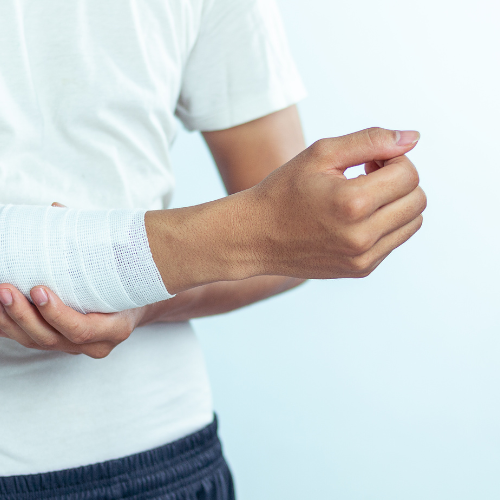
Data from GeoSentinel highlights that about 8% of international travelers have become ill to the point of needing immediate medical intervention during or after their trips. The most common travel-related condition that people experience is gastrointestinal disease. This is followed by febrile illnesses like malaria, which affects around 250 million travelers every year.
Health risks are present no matter where you’re traveling to, so it’s always important to stay prepared for any situation. If you’re facing an emergency case during your trip, here’s what you’ll need to do:
Perform the Appropriate First Aid Steps
Preparation is the key because anything can happen during these trips. So before you go, arm yourself with first aid supplies and skills.
For instance, our article entitled Are You Prepared for a Head or Brain Injury reports that brain injuries impact more than 2.8 million people every year. These are usually caused by vehicle accidents and falls, which can be quite common during trips. If you’re dealing with lacerations, we recommend cleaning the wound before applying a first aid ointment and covering it up with a bandage. Additionally, your first aid knowledge will come in handy when dealing with falls because you’ll need to conduct tests to evaluate the gravity of the injury.
Use Telehealth for an Immediate Response
People usually perceive telehealth as a service that’s limited to online consultations, even when these services have so much to offer.
In fact, a look at an article on the future of telehealth by Maryville University shows that these online services are becoming more comprehensive due to the creation of specific software programs and the integration of remote monitoring technologies. These specialty-specific software programs can give people 24/7 access to orthopedic, surgical, and emergency providers, which can be advantageous when encountering accidents or emergencies during your trip. Time is of the essence during these incidents, and telehealth ensures that you’re just one call away from a medical provider.
Get in Touch With Your Medical Insurance Provider
Hospital services can get expensive in certain countries, and your medical bill can shoot up even further when you’re dealing with emergency injuries or illnesses.
So before you head to the hospital, Insurance Business recommends calling your travel insurance provider’s emergency assistance line. Doing so can help you navigate language barrier issues and find the nearest doctor available in the area. Your travel medical insurance provider can also help you find transportation to an appropriate medical facility. If necessary, insurance can cover the costs for the medical procedures and the evacuation process, unless the injuries were caused by extreme sports activities or alcohol and drug use.
Contact the Nearest US Embassy or Consulate
Accidents and illnesses are unexpected, which is why not all tourists are equipped with first aid kits, telehealth access, or travel insurance.
In this situation, the CDC suggests calling the nearest US embassy or consulate, which is available for emergency calls 24/7. These US officials can help you locate medical services near your area, so that you can get medical assistance as soon as possible. On top of that, these officials can also notify your family, friends, and employers about any emergencies that have occurred during your trip.
No one ever wants to encounter accidents or illnesses during their trip. However, these crises can happen, so make sure to prepare first aid kits beforehand and know which authorities to contact in case of emergencies.
Nyla Bryce
Lifesaving Medications
Recent Posts
Keeping you informed and safe.
Stings in a Disaster: The Antibiotic You Don’t Need and the Epinephrine You Do
Stings in a Disaster: The Antibiotic You Don't Need and the Epinephrine You Do Animals in a Disaster Series: Part 2 of 2By the Jase Medical Team The sting happens quickly. Maybe you're clearing branches after a storm. Maybe you're walking through a flooded yard. Maybe...
For Clinicians | Animal Sting Reactions
For Clinicians | Animal Sting Reactions: Large Local Reaction vs Cellulitis, and When It's Anaphylaxis By Dr. Jamie Wilkey, PharmD, Director of Clinical EducationMedically reviewed and edited by Kristen Carpenter, PA-C This is part two of our Animals + Disaster...

Bites and Scratches in a Disaster: Which Ones Need Antibiotics
Bites and Scratches in a Disaster: Which Ones Need Antibiotics Animals in a Disaster Series: Part 1 of 2By the Jase Medical Team Three days after the storm, the animal injuries start showing up. A cat got loose during the evacuation and bit someone's hand when they...