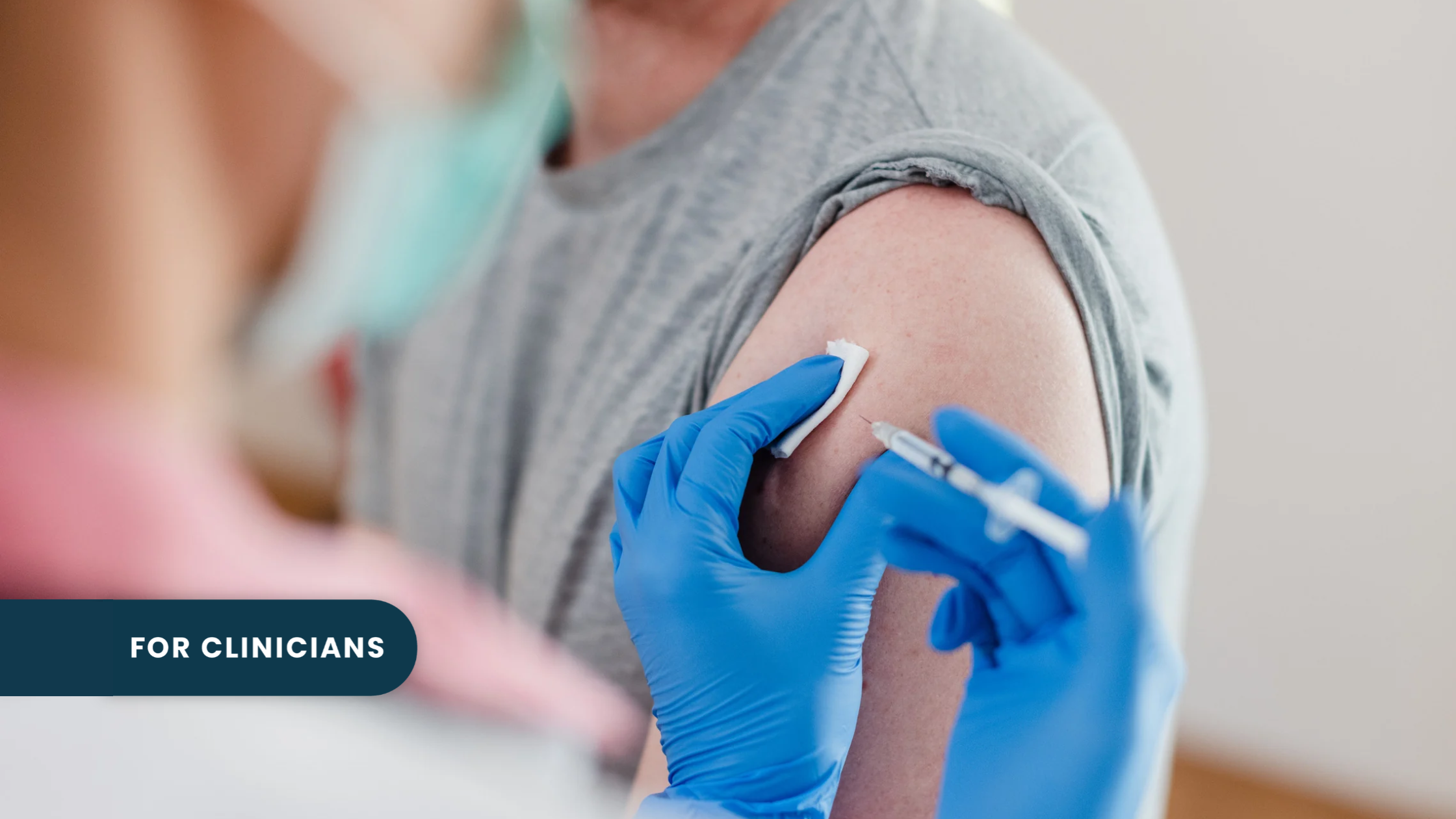
For Clinicians | How Long Does the Flu Shot Take to Work? Holiday Flu Prevention By Dr. Jamie Wilkey, PharmD, Director of Clinical EducationMedically reviewed and edited by Kristen Carpenter, PA-C Hi again, everyone. Last week I had a lot of fun writing about flu...
Flu and COVID Prevention for the Holidays: Why Timing Matters
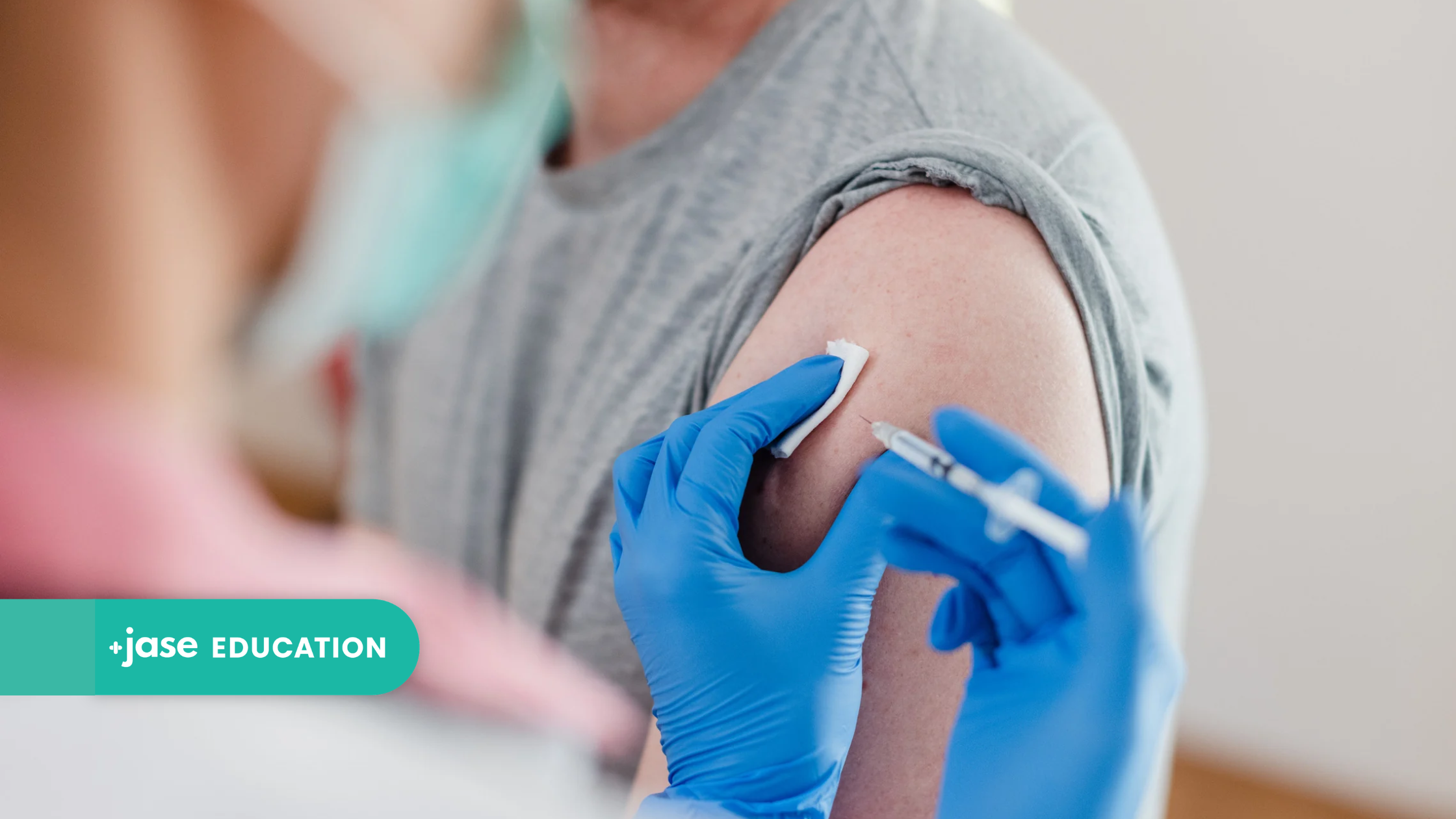
Flu and COVID Prevention for the Holidays: Why Timing Matters
By the Jase Medical Team
The holidays are a time for gathering around the table, catching up with family, and making memories with the people we love.
They’re also a time when respiratory viruses can spread quickly, especially when families travel and multiple generations gather indoors.
If you’re planning to spend Thanksgiving with your children and grandchildren, there’s one important question to ask now:
Will your flu vaccine have enough time to work before everyone arrives?
Preventing flu and COVID isn’t about one perfect precaution. It’s about layering several practical steps together, starting before the holiday season begins.
How Long Does the Flu Shot Take to Work?
It takes approximately two weeks for your body to develop protective antibodies after a flu vaccination.
That means if you’re hoping to have vaccine protection in place for Thanksgiving on November 26, 2026, aim to get your flu shot by November 12.
You can still benefit from vaccination after that date, but your immune system needs time to build protection.
The CDC recommends annual flu vaccination for nearly everyone six months and older, with rare exceptions.
Why every year? Because flu viruses change, and immune protection decreases over time. Each season’s vaccine is designed to protect against viruses expected to circulate.
COVID vaccination also remains an important prevention tool, particularly for older adults and people with underlying medical conditions. Recommendations vary by age, risk factors, vaccination history, and current guidance, so discuss your options with your healthcare provider or pharmacist.
You’re Not Just Protecting Yourself
One of the most meaningful benefits of vaccination is that it can help protect the people around you.
Research has shown that vaccinating children against influenza can reduce infections among unvaccinated members of their communities. Other studies have found that recent COVID vaccination can reduce the likelihood of transmitting the virus within a household, although that protection decreases over time.
When more people around the holiday table are protected, vulnerable family members may benefit too.
That matters especially for grandparents, infants, and loved ones living with heart disease, diabetes, lung disease, or weakened immune systems.
Vaccination isn’t a guarantee that you won’t get sick. But it can reduce your risk of infection and, importantly, lower the likelihood of severe illness, hospitalization, and serious complications.
For older adults, that protection can make a significant difference.
What If Someone Tests Positive Before Thanksgiving?
Imagine you’re preparing for a family gathering when your grandson develops a fever and tests positive for influenza.
Or you learn that someone you spent yesterday afternoon with has COVID.
Should you wait to see whether symptoms develop?
If you’re at higher risk for complications, contact your healthcare provider promptly after a known exposure.
There are prescription antiviral medications that may help prevent certain infections after exposure, but they are not appropriate for everyone.
Flu: Prevention After Exposure
For influenza, medications such as oseltamivir (Tamiflu) and baloxavir (Xofluza) may be prescribed for post-exposure prevention in certain circumstances.
When prescribed for this purpose, timing is important. Preventive treatment is generally considered within 48 hours after the relevant exposure.
Your healthcare provider will consider factors such as your age, medical history, vaccination status, and the nature of the exposure before recommending medication.
COVID: Ask About Current Prevention and Treatment Options
COVID prevention and treatment options continue to evolve.
Prescription antivirals may be appropriate for certain patients, but medications used to treat an active COVID infection are not necessarily approved or recommended to prevent infection after exposure.
If you’ve been exposed to COVID, especially if you’re 65 or older or have a chronic medical condition, contact your healthcare provider to discuss current options, testing, and the symptoms to monitor.
Don’t start prescription antivirals on your own or use medications prescribed for someone else. A qualified healthcare professional should determine whether preventive or therapeutic treatment is appropriate.
Three Simple Ways to Protect Your Holiday Gathering
Vaccination and prescription medications aren’t the only tools available.
A few everyday precautions can reduce the likelihood of spreading respiratory viruses.
1. Stay home when you’re sick. If you have a fever, cough, sore throat, or other respiratory symptoms, don’t assume it’s just a cold. Follow current public health guidance for staying home and returning to normal activities.
2. Consider testing before visiting someone at high risk. A COVID test before gathering with an older relative or someone with a weakened immune system can provide useful information. Remember that a negative rapid test doesn’t completely rule out infection.
3. Improve indoor airflow. Opening windows when practical, using effective air filtration, and spending time outdoors can help reduce the concentration of airborne respiratory viruses.
These precautions are especially valuable when someone at your gathering has a higher risk of serious illness.
Medical Preparedness Starts Before the Holiday
Most people think about medical preparedness in terms of emergency supplies, medications, and what to do when healthcare becomes difficult to access.
But preparation also means taking steps to prevent illness before it happens.
For flu and COVID, that includes knowing when to get vaccinated, understanding your personal risk factors, and having a plan for what to do after an exposure.
If you’re traveling this holiday season, consider discussing these questions with your healthcare provider:
- Am I up to date on the vaccines recommended for me?
- Am I at higher risk for complications from flu or COVID?
- If I’m exposed or develop symptoms while traveling, when should I contact a healthcare professional?
- Are there prescription treatments or preventive options appropriate for my medical history?
At Jase Medical, our family team of doctors, PAs, and pharmacists believes appropriate medical preparation begins with informed decisions made before an emergency.
The goal isn’t to eliminate every risk. It’s to make it easier for everyone around the table to enjoy the holidays safely.
So before the turkey goes in the oven and the family starts arriving, take a moment to review your vaccination status and make a plan.
A little preparation now can help protect the people who make the holidays worth celebrating.
Medical disclaimer: This article provides general educational information and does not replace individualized medical advice. Vaccination and antiviral recommendations depend on personal health factors and current clinical guidance. Prescription antivirals should only be used following evaluation and authorization by a qualified healthcare professional. If you develop symptoms after an exposure, contact your healthcare provider promptly, especially if you’re at increased risk for severe illness.
Lifesaving Solutions
Everyone should be empowered to care for themselves and their loved ones during the unexpected. Check out our recent lifesaving products today.
Recent Posts
Keeping you informed and safe.
For Clinicians | How Long Does the Flu Shot Take to Work? Holiday Flu Prevention
read more
Flu vs. COVID Antivirals: Is It Too Late to Take Tamiflu or Paxlovid?
Flu vs. COVID Antivirals: Is It Too Late to Take Tamiflu or Paxlovid? By the Jase Medical Team You've been sick for three days. The fever isn't improving, you're exhausted, and you're wondering whether an antiviral medication could help. But you've heard that...
For Clinicians | Tamiflu After 48 Hours, Paxlovid After 5 Days
For Clinicians | Tamiflu After 48 Hours, Paxlovid After 5 Days: Antiviral Timing for Flu and COVID By Dr. Jamie Wilkey, PharmD, Director of Clinical EducationMedically reviewed and edited by Kristen Carpenter, PA-C As the weather turns colder, every retail pharmacist...
Do You Need Antibiotics for a Sinus Infection? What the New Guidelines Say
Do You Need Antibiotics for a Sinus Infection? What the New Guidelines Say By the Jase Medical Team Do you need antibiotics for a sinus infection? Usually not right away. Even when a sinus infection is caused by bacteria, many people recover without antibiotics....