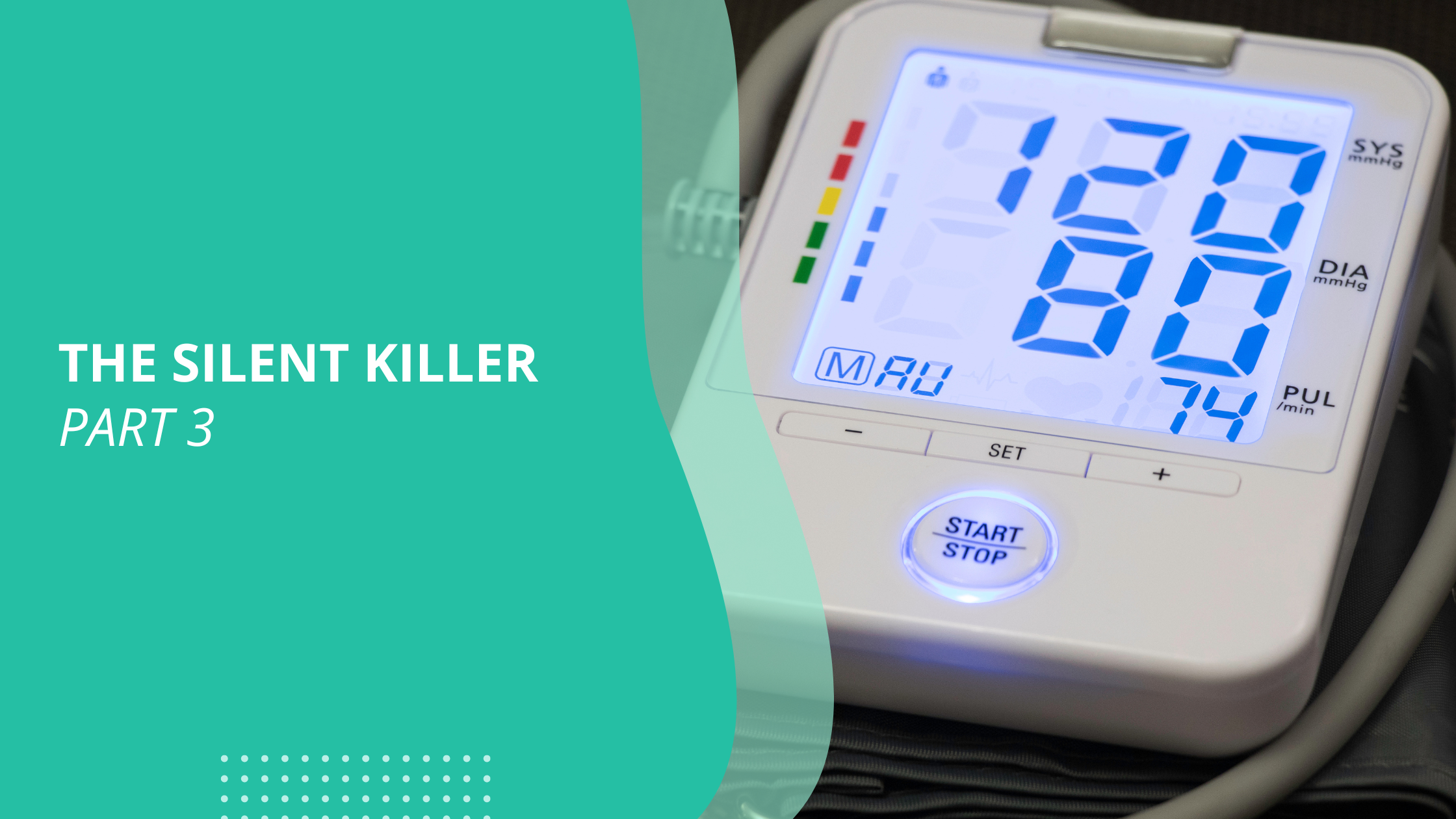
The Silent Killer (Part 3)

5 Ways to Reduce Blood Pressure Naturally

The silent killer, aka hypertension can be controlled, even prevented by making some simple lifestyle changes. Below are some of the most effective ways to increase your health while decreasing your blood pressure.  This may reduce or eliminate your need for medication, along with reducing your r

  1. Nutrition


There are many nutritional approaches to reduce blood pressure, probably the most famous, is the DASH diet (Dietary approaches to stop hypertension) promoted by the National Heart, Lung and Blood institute, a branch of the National Institute of health, this diet plan has a proven track record of lowering blood pressure. According to the NHLBI website:

“The DASH eating plan requires no special foods and instead provides daily and weekly nutritional goals. This plan recommends:

  • Eating vegetables, fruits, and whole grains
  • Including fat-free or low-fat dairy products, fish, poultry, beans, nuts, and vegetable oils
  • Limiting foods that are high in saturated fat, such as fatty meats, full-fat dairy products, and tropical oils such as coconut, palm kernel, and palm oils
  • Limiting sugar-sweetened beverages and sweets
  • When combined with a low sodium diet, the DASH diet was even more effective at lowering blood pressure. For more information on the Dash diet, check our this website.
  • Add citrus, especially grapefruits, lemons, limes, and oranges. They also fight cancer. A recent study revealed that when grapefruit and beetroot juice are combined, they provide a synergistic effect on systolic (top number, when blood is pumped through the system) which lowered blood pressure. Beetroot juice contains nitrites, Nitrites are widely known to relax blood vessels, which lowers blood pressure. Grapefruit juice contains an ingredient that allows nitrite to be more available for the body in a complex process that inhibits reoxidation of nitrite to nitrate.

2. Lose weight, if needed

Being overweight puts you at a substantially higher risk of cardiovascular disease, and especially hypertension.

Portion size and calorie reduction are effective weight loss strategies. In addition, there are many online and in person programs that can help with your weight loss journey. Some popular ones are:

  • Noom- This is an online interactive weight loss program that deals with psychology of eating along with health food choices. It is highly rated (9.8/10)and has earned the top weight loss plan off 2023 by
  • Weight watchers has in person and online programs. This time-tested program is still effective and popular.
  • Premade delivered to your door meals. Premade delivered meals have blossomed into a very popular way to combine the convenience of healthy foods with portion control. Meal delivery services offer diet and heart healthy menus. Some of the more popular meal delivery services are Factor, Hello Fresh, and Nutri System.

3. Get a dog – or any pet

Spending time with a pet, whether is a dog, cat or any other animal can help alleviate stress (one leading cause of hypertension) and promote improved mental wellbeing.

4. Community involvement

Being part of an active community has proven health benefits, including lower blood pressure, increased heart, and emotional health.

Friends, family, neighbors, social clubs, volunteer, and religious communities can offer the connectiveness and belonging, bringing meaning to our lives. Having a strong support system- having someone to call when in need- alleviates stress, which in turn lowers blood pressure.

5. Breathe – and meditate

 One of the most underrated ways to reduce blood pressure that is free and anyone can do are breathing and meditation exercises.

  • A study done out of University of Colorado, Boulder revealed that a 5 minute, 6 days a week breathing program lowered systolic blood pressure by 9mm hg, This technique, called High-Resistance Inspiratory Muscle Strength Training (IMST) was originated in the 1980s way to help critically ill respiratory disease patients strengthen their diaphragm and other inspiratory (breathing) muscles, IMST involves inhaling vigorously through a hand-held device which provides resistance. Imagine sucking hard through a tube that sucks back. In addition to lowered blood pressure, this 30-breath technique could also improve cognitive function as well.
  • Meditate- 20 minutes once a day has also been a time honored and proven method to improve both systolic and diastolic blood pressure markers. Mindfulness based meditation , has been shown to have a temporary effect on both systolic and diastolic blood pressure.

In addition, people that practice meditation-prayer on a daily basis are less likely to need blood pressure medication.

Along with the above recommendations, getting a good night’s sleep, limiting (less than 1 drink for women, 2 drinks for men per day) alcohol and stopping smoking (known to raise blood pressure) are all natural  ways to help control blood pressure.

- Brooke Lounsbury, RN

Medical Content Writer

Lifesaving Medications

Everyone should be empowered to care for themselves and their loved ones during the unexpected.

Recent Posts

Keeping you informed and safe.
Measles Cases On The Rise In The U.S.

Measles Cases On The Rise In The U.S.

Why a conquered disease is back, and what we can do.  .  The Measles Resurgence: A Call For Health Preparedness Measles, a highly contagious and potentially deadly disease - once relegated to history books - is making a disturbing comeback in the United States....

5 Ways to Prepare For Medical Emergencies

5 Ways to Prepare For Medical Emergencies

With relentlessly busy lives, in a world as volatile as ours, you never quite know what may happen tomorrow. .  Being as prepared as possible is the only way to safeguard your family against preventable mishaps during an unpreventable emergency. Remember,...

Massive Cyberattack Takes Down Pharmacies Worldwide

Massive Cyberattack Takes Down Pharmacies Worldwide

Next time we may not be so lucky.United Health group learned Wednesday of a cyber security threat  that had accessed some of their information technology systems. Change Healthcare, one of the nation’s largest health-care technology companies and a subsidiary of...

Join Our Newsletter

Our mission is to help you be more medically prepared. Join our newsletter and follow us on social media for health and safety tips each week!

The Silent Killer (Part 2)

(Part 2)

Part 2 will discuss:

  • Physiology of blood pressure regulation,
  • Medications to help control hypertension

Blood pressure regulation is a complex process involving a series of body systems, hormones and input from the nervous system all working together to achieve and maintain homeostasis.

As this is a complex topic, we will keep our focus on systems that control blood pressure: one is the RAAS system, the other is the baroreceptor reflex. Both systems rely on input from hormones, receptors, and organs to help maintain a healthy blood pressure. In addition, nervous system responses (sympathetic, parasympathetic and/or autonomic) along with vagal nerve activity help regulate blood pressure. Our focus will be primarily on the hormones, systems and organs involved in blood pressure regulation.

RAAS, the system that controls long term blood pressure

The renin-angiotensin-aldosterone system (RAAS) is a complex multi-organ endocrine (hormone) system involved in the regulation of blood pressure. It regulates sodium and water by balancing fluid and electrolyte levels and regulates sodium and water absorption in the kidney. When this system is working properly, RAAS is activated when there is a drop in blood pressure (such as reduced blood volume). Once RAAS is activated it signals systems and hormones to increase water and electrolyte absorption in the kidney. This compensates for the drop in blood volume, which increases blood pressure.

Several organs, tissues and glands are involved in the RAAS, including:

  • Kidneys
  • Adrenal glands
  • Lungs
  • Heart
  • Blood vessels
  • Pituitary gland

Note, there are several other hormones such as thyroid and corticosteroids that play a part in blood pressure control. These hormones can indirectly play a part in blood pressure regulation.

What are the steps in renin-angiotensin-aldosterone system (RAAS)?

Five minute scholar has a simple video that briefly explains the process

  1. When blood pressure falls, kidneys release renin, an enzyme into the bloodstream
  2. Once released, renin splits a protein produced by your liver called angiotensinogen. The resulting split of this protein produces the hormone called angiotensin l. This hormone is inactive.
  3. In the lungs and kidneys, angiotensin converting enzyme (ACE) converts angiotensin l to angiotensin ll, an active hormone. This hormone causes small arteries to constrict, which in turn increases blood pressure. It also causes the pituitary gland to release antidiuretic hormone (ADH), also called vasopressin, and the adrenal glands to release aldosterone (a steroid hormone).
  4. Aldosterone and ADH work together and cause the kidneys to retain sodium. In addition, aldosterone causes kidneys to excrete potassium through urine.
  5. Water retention is the result of the increase in sodium, which in turn increases blood volume and blood pressure.

Short term blood pressure control

A short video explaining baroreflex regulation

(regulated by the nervous system and neurotransmitters)

There are baroreceptors located in the walls of blood vessels and the heart. They respond to sudden changes in blood volume-which signal the cardiovascular center of the brain to adjust the change in blood pressure. If baroreceptors detect a low blood pressure, it triggers vasoconstriction (narrowing of blood vessels) to increase the blood pressure. If high blood pressure is detected, vasodilation (widening of blood vessels) lowers the blood pressure.

In addition, there are renal baroreceptors, which are located within the kidneys. When these baroreceptors sense a sudden change in blood pressure (low blood pressure), it triggers the RAAS system to activate. The immediate response from baroreceptors results in short term blood pressure control until the RAAS system can take over.

Drug classes to control blood pressure

The following are just a few of the many medications used to control high blood pressure. Many of these drugs have other uses, from treating congestive heart failure to reducing likelihood of stroke or heart attack.

Ace inhibitors Lisinopril (Prinivil, Zestril) benazepril (Lotensin), enalapril (Vasotec) and others

ACE inhibitors prevent an enzyme in the body from producing angiotensin II which narrows blood vessels.

Calcium channel blocker – Amlodipine (Norvasc), diltiazem (Cardizem, Tiazac) and others

Calcium causes the heart and arteries to squeeze (contract) more strongly. By blocking calcium, calcium channel blockers allow blood vessels to relax and open.

Beta blockers (Not usually a first line drug to be used) Metoprolol (Lopressor, Toprol XL), atenolol (Tenormin) and others

Beta blockers work by blocking the effects of the hormone epinephrine, also known as adrenaline.

They cause the heart to beat more slowly and with less force, which in turn lowers blood pressure. They also help widen veins and arteries to improve blood flow.

Central agonist class-Clonidine (Catapres)

Central-acting agents lower heart rate and reduce blood pressure. This drug blocks signals from the brain to the nervous system that increase the heart rate and narrow blood vessels. As a result, the heart doesn’t pump as hard and blood flows more easily through the body’s veins and arteries.

Diuretics- Hydrochlorothiazide (Hydrodiuril, Microzide), furosemide (Lasix) spironolactone (Aldactone)

Diuretics work by reducing the volume in liquid in the body by releasing sodium and water. This in turn lowers blood pressure.

- Brooke Lounsbury, RN

Medical Content Writer

Lifesaving Medications

Everyone should be empowered to care for themselves and their loved ones during the unexpected.

Recent Posts

Keeping you informed and safe.

Measles Cases On The Rise In The U.S.

Measles Cases On The Rise In The U.S.

Why a conquered disease is back, and what we can do.  .  The Measles Resurgence: A Call For Health Preparedness Measles, a highly contagious and potentially deadly disease - once relegated to history books - is making a disturbing comeback in the United States....

5 Ways to Prepare For Medical Emergencies

5 Ways to Prepare For Medical Emergencies

With relentlessly busy lives, in a world as volatile as ours, you never quite know what may happen tomorrow. .  Being as prepared as possible is the only way to safeguard your family against preventable mishaps during an unpreventable emergency. Remember,...

Massive Cyberattack Takes Down Pharmacies Worldwide

Massive Cyberattack Takes Down Pharmacies Worldwide

Next time we may not be so lucky.United Health group learned Wednesday of a cyber security threat  that had accessed some of their information technology systems. Change Healthcare, one of the nation’s largest health-care technology companies and a subsidiary of...

Join Our Newsletter

Our mission is to help you be more medically prepared. Join our newsletter and follow us on social media for health and safety tips each week!

The Silent Killer

Part 1

High blood pressure (HBP) has been called the silent killer and with good reason. It is estimated that at least 20 percent of the population with high blood pressure have no symptoms.

In part 1 we will discuss:

  • Symptoms of hypertension
  • Health risks of uncontrolled hypertension
  • Stages of hypertension
  • Types of hypertension
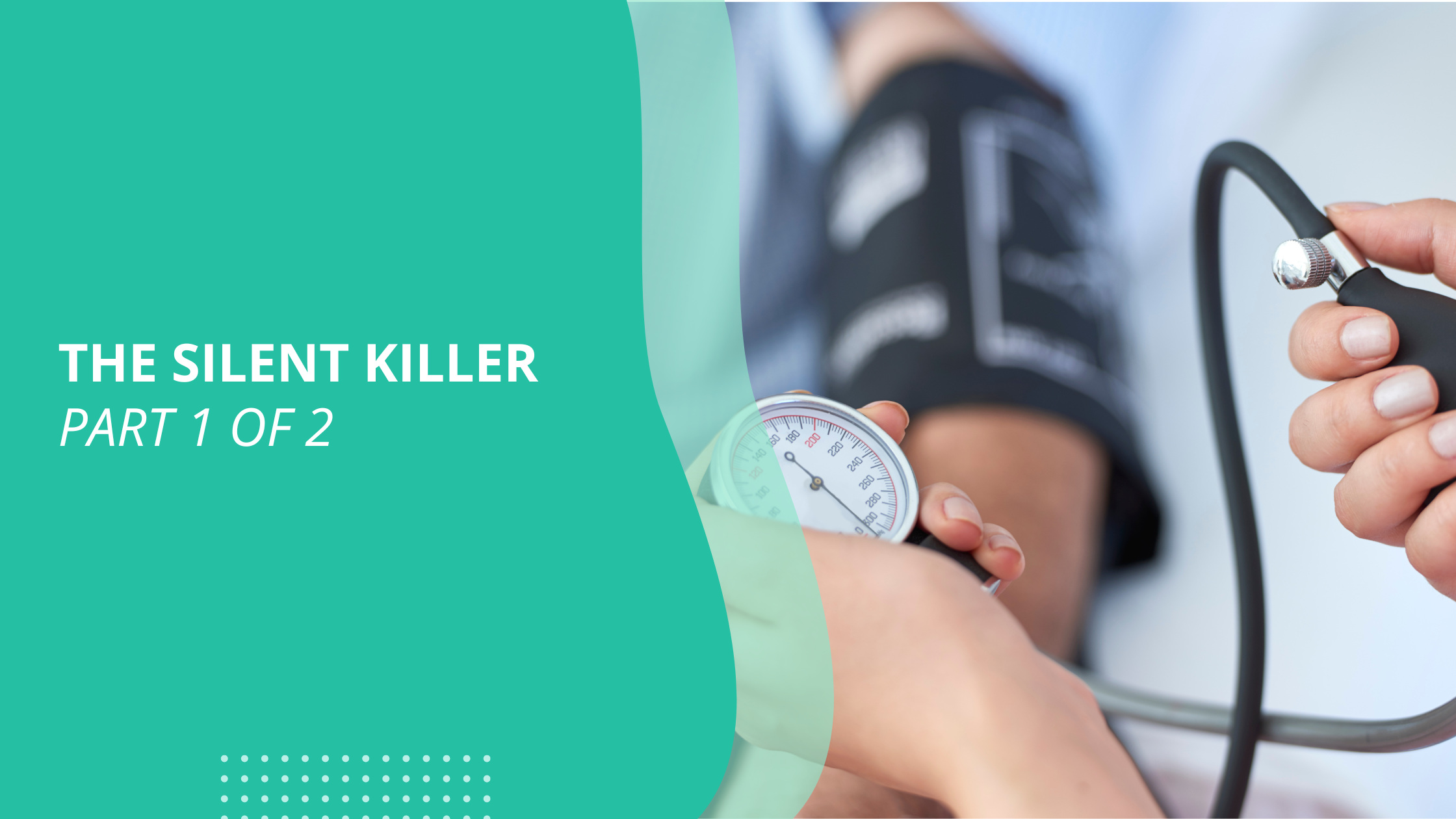
  • How to take blood pressure at home

Part 2 will discuss:

 Physiology of blood pressure regulation, lifestyle, nutrition, and medications to help control hypertension.

Symptoms associated with hypertension:

  • Ringing in ears
  • Headache
  • Dizziness
  • Confusion
  • Visual disturbances
  • Difficulty breathing
  • Chest pain
  • irregular heartbeat
  • In severe cases blood in urine

In the US alone nearly half of adults in the United States (47%, or 116 million) have hypertension, defined as a systolic blood pressure greater than 130 mmHg or a diastolic blood pressure greater than 80.

Health risks of uncontrolled hypertension

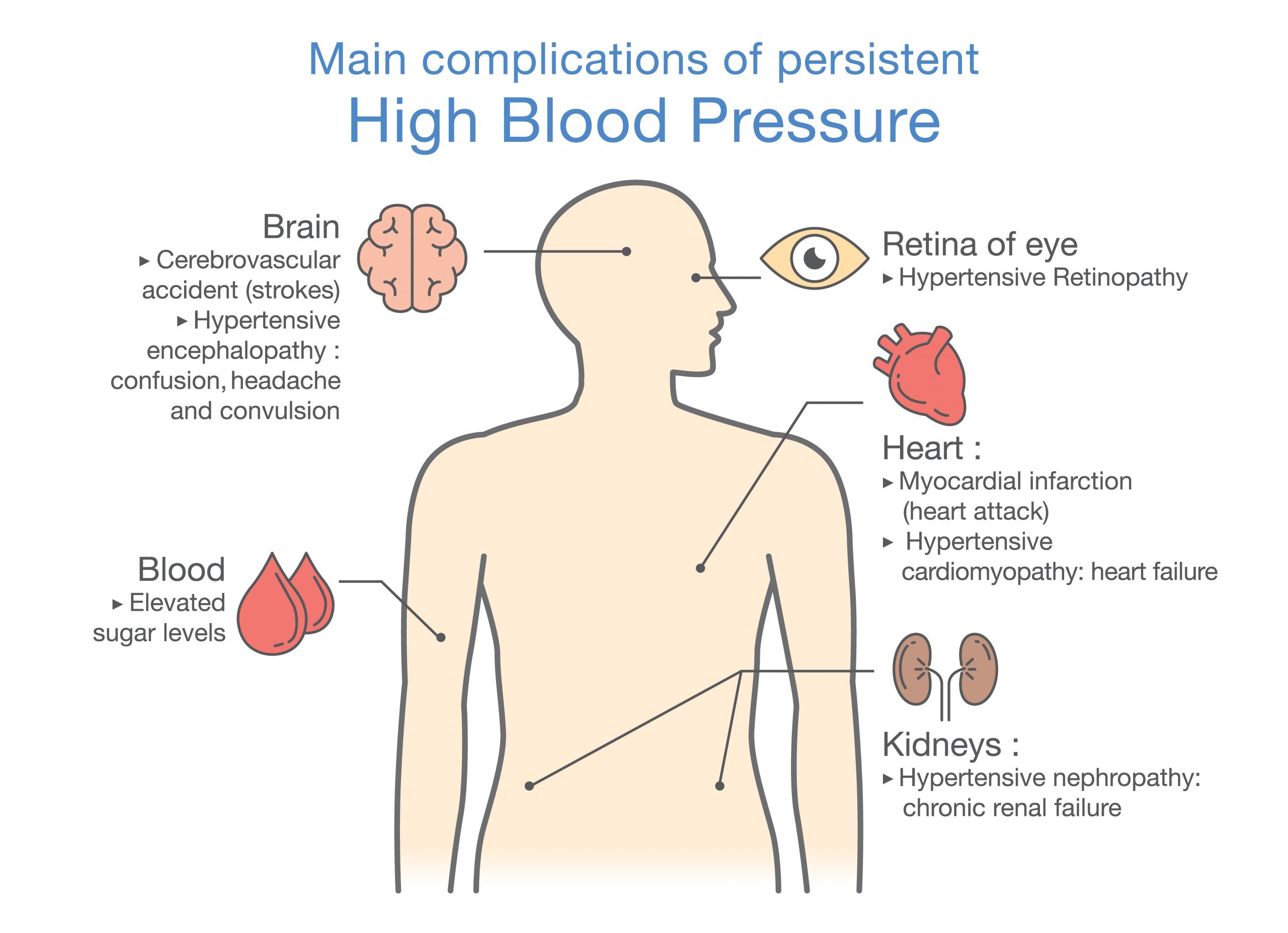
Uncontrolled hypertension increases your risk of kidney disease, cognitive decline, heart disease and stroke and more.

Stages of hypertension

(The top number is systolic and measures the pressure in your arteries when your heart beats

The bottom number is diastolic -when the heart muscle relaxes.) 

All blood pressure measurements over 120/80 mm Hg are considered elevated in adult population

As of 2021 AHA blood pressure guidelines:

  • Normal = less than 120 and less than 80
  • Elevated = 120-129 and less than 80
  •  Stage 1 = 130-139 or 80-89
  • Stage 2 = 140 or higher or 90 or higher
  • Hypertensive Crisis (call your care provider immediately) = Higher than 180 and/or higher than 120

Types of hypertension

Primary Hypertension

Caused by one or more of the following: poor diet, smoking hereditary alcohol, lack of exercise, obesity.

  • Blood pressure is high on three or more visits to care provider.
  • May have no symptoms, but you may experience frequent headaches, tiredness, dizziness, or nose bleeds.

Secondary Hypertension. 

Caused by a medical condition or medication.

 Examples include:

  •  Airway obstruction during sleep and sleep apnea.
  • An abnormality in the arteries supplying blood to the kidneys
  • Adrenal gland tumors
  • Thyroid disease
  • Medications that can cause HPB:
  • Pseudoephedrine, (Sudafed) 
  • NSAIDS (non-steroidal anti-inflammatory drugs 
  • Select antidepressants
  • ADHD medications
  • Birth control pills
  • Decongestants
  • Steroids and immunosuppressants

Resistant Hypertension

  • Defined as 3 or more hypertension medications prescribed and blood pressure still not controlled.
  •  20-30 percent of HBP patients have resistant hypertension. 
  • May be genetic.
  • More common in obese, older female patients. 
  • Underlying cause may be diabetes or kidney disease. 

Isolated Systolic Hypertension. 

  • Blood pressure defined as systolic over 140, diastolic is normal- below 90. 
  • Most common in people over the age of 65 and is due to the loss of elasticity in the arteries.

Malignant Hypertension. 

  • Rare, occurs in less than 1 percent of patients diagnosed with high blood pressure. 
  • More common in younger adults, especially African American men.
  • This hypertension type occurs in only about 1 percent of people with hypertension.
  •  It is more common in younger adults, African American men, and women who have pregnancy toxemia.
  • Blood pressure rises rapidly and can be a medical emergency.  
  • Symptoms include numbness in the arms and legs, blurred vision, confusion, chest pain, and headache.

White coat syndrome

  • White coat syndrome is a condition in which your blood pressure is high at your healthcare provider’s office, but you get a normal reading at home.
  • Can be an underlying risk for future health problems.
  • Left untreated, patients have a 36 percent increased risk of heart disease, 33 percent increased risk of death and 109 percent increased risk of death from heart disease.
  • Previously believed this syndrome was exclusively due to anxiety from clinic visits, however closer monitoring of blood pressures taken outside clinic setting point to unstable blood pressure readings. 

How to take blood pressure at home

Here is a short video on how to properly take blood pressure

Blood pressure should be taken at the same time in the same setting as often as your care provider recommends.

Excerpt from AHA

  • Don’t eat or drink anything 30 minutes before you take your blood pressure.
  • Empty your bladder before your reading.
  • Sit in a comfortable chair with your back supported for at least 5 minutes before your reading.
  • Put both feet flat on the ground and keep your legs uncrossed.
  • Rest your arm with the cuff on a table at chest height.
  • Make sure the blood pressure cuff is snug but not too tight. The cuff should be against your bare skin, not over clothing.
  • Do not talk while your blood pressure is being measured.
  • Take 2 readings, at least 1-2 minutes apart
  • Log your results. Attached is a pdf supplied by the AHA to log your readings

- Brooke Lounsbury, RN

Medical Content Writer

Lifesaving Medications

Everyone should be empowered to care for themselves and their loved ones during the unexpected.

Recent Posts

Keeping you informed and safe.

Measles Cases On The Rise In The U.S.

Measles Cases On The Rise In The U.S.

Why a conquered disease is back, and what we can do.  .  The Measles Resurgence: A Call For Health Preparedness Measles, a highly contagious and potentially deadly disease - once relegated to history books - is making a disturbing comeback in the United States....

5 Ways to Prepare For Medical Emergencies

5 Ways to Prepare For Medical Emergencies

With relentlessly busy lives, in a world as volatile as ours, you never quite know what may happen tomorrow. .  Being as prepared as possible is the only way to safeguard your family against preventable mishaps during an unpreventable emergency. Remember,...

Massive Cyberattack Takes Down Pharmacies Worldwide

Massive Cyberattack Takes Down Pharmacies Worldwide

Next time we may not be so lucky.United Health group learned Wednesday of a cyber security threat  that had accessed some of their information technology systems. Change Healthcare, one of the nation’s largest health-care technology companies and a subsidiary of...

Join Our Newsletter

Our mission is to help you be more medically prepared. Join our newsletter and follow us on social media for health and safety tips each week!

Hashimotos Thyroiditis Part 2

Tips to manage Hashimoto’s

  • Health risks of not treating Hashimoto’s adequately
  • Lifestyle/stress reduction tips to manage energy and emotional ups and downs
  • How to naturally increase biologically active T3
  • Diet strategies to help heal
  • Nutritional supplements that can aid in recovery and optimal health
  • How to advocate for yourself in the healthcare field when dealing with Hashimoto’s

Health risks of not treating Hashimoto’s adequately

  • May cause impaired carbohydrate metabolism leading to an increase in type 1 and type 2 diabetes- A study that examined hospitalized patients between the years of 2001 and 2010, the Endocrinology and Diabetology Department in Bydgoszcz concluded : “Conclusions: Carbohydrate metabolism disorders in the form of type 1 diabetes connected with an autoimmune process, as well as type 2 diabetes connected with the increase of the insulin resistance, occurred in average of half of the patients with Hashimoto’s thyroiditis.”
  • Cognitive decline/brain fog, inability to focus, – Hashimoto’s thyroiditis is an inflammatory disease (hence the “itis” at the ending of thyroiditis) This extends to brain tissue, where brain inflammation can cause a multitude of problems.
  • Fertility issuesAn unregulated thyroid condition of any kind can lead to lack of or incomplete implantation or early miscarriage. Thyroid disorders in men can affect sperm quality and motility
  • Higher risk of heart disease and high cholesterol

A large study in Demark over a period of 7 years revealed that   individuals with mild hypothyroidism who were not treated had an 83% increased risk of developing heart problems as compared with individuals with normal thyroid function or hypothyroidism that was treated. 

High cholesterol – Low thyroid function negatively affects lipid metabolism, leading to an increase LDL, the “bad cholesterol.”

Lifestyle/stress reduction tips to manage energy and emotional ups and downs

Hashimoto’s disease can have you feeling great one day and totally exhausted the next. Even when optimally managed, excess stress, either emotional or physical can leave one feeling exhausted for days. It is important to maintain good diet, adequate exercise, avoid stress as much as possible and keep a consistent schedule.

  • Remove/reduce sugar from the diet as much as possible, replace with fiber rich fruits. Sugar can place a tremendous burden on the body, flooding cells with insulin to deal with excess glucose in the bloodstream. This can set off a cascade of reactions that challenge thyroid regulation and can affect fat cell receptors and metabolism.
  • Make time for exercise-Make sure you are getting at least 15 minutes of brisk walking in a day. However, don’t overdo any physical activity. This can cause adrenal fatigue, cortisol overload and other stressors that can create a cascading downward spiral resulting in an overload on thyroid function.
  • Plan your days, but don’t over plan. Make time in your schedule to eat a healthy diet, exercise and get good quality sleep. In addition, make relationships and community a priority. Healthy relationships help carry life’s burdens and reduce stress hormones.
  • Get adequate, good quality sleep- The body repairs, heals and detoxifies during sleep. Good quality sleep is vital for Hashimoto patients. Aim for at least 7 hours of shut eye.
  • Keep stress at a minimum. Overactive adrenals, cause by stress can lead to thyroid dysfunction, diabetes, heart disease and more. Nurture and maintain supportive relationships. Avoid news and media if it negatively affects you. Take up a hobby. Hobbies have proven to reduce stress and calm the mind.

How to naturally increase biologically active T3

T3, the biologically active thyroid form can be increased by:

  • Supplementing diet with selenium and zinc rich foods. A rich source of selenium can be found in Brazil nuts- you only need 1-2 a day, Zinc is found in shellfish, nuts, meats, legumes. If supplementing with either selenium or zinc consult your care provider. Selenium toxicity can cause kidney failure and heart attack or heart failure, zinc toxicity symptoms are nausea, dizziness, vomiting and can lead to copper deficiency and a decrease in HDL (good) cholesterol.
  • Adding healthy fats to your diet– flax, avocado, raw unsalted seeds, and nuts. These foods aid in helping cell receptors take up thyroid hormone.
  • Moderate exercise– Walking, jogging, swimming, tennis, biking, hiking in moderation helps overall thyroid function.
  • Liver detoxification– The liver is involved in the conversion of thyroid hormone and regulation. Some foods that can help detoxify the liver are onions, beetroot, apples, turmeric, leafy greens, tea and in moderation, coffee.
  • Add sea vegetables to your diet. Iodine is a key factor in thyroid function; however, iodine supplementation can be tricky. Too much or too little can negatively affect thyroid dysfunction. Sea salt and iodized salt in moderation along with adding kelp and seaweed powder to your meal can help provide iodine needed supplementation.
  • Drink plenty of good quality, fluoride free water- Filter your water, and if fluoridated use a filter that removes fluoride. Fluoride has an electrical affinity stronger than iodine and will bond to the tyrosine molecule (Thyroid hormone is comprised of tyrosine and iodine) This reduces the amount of thyroid hormone in the body.


Diet strategies to help heal

It is believed that impaired gastrointestinal tract (gut dysbiosis) and intestinal permeability are the main cause of Hashimotos. To learn more check out Dr Isabella Wentz book on Hashimotos Thyroiditis- the root cause. This book is a wealth of information to educate and empower anyone dealing with Hashimoto’s.

  • As stated above, avoid simple carbohydrates. Breakfast should include a quality high protein item and fruit or vegetable if desired. Some quality high protein foods are cold water fish (salmon, sardines, and tuna for example) grass fed and finished meats, eggs, and poultry.
  • Increase leafy greens and vegetables such as carrots, turnips,celery
  • Drink twice body weight in ounces of quality water.
  • Add healthy fats to your diet. Healthy fats include butter (no margarine) flax, raw, unsalted nuts and seeds, avocados, olive oil and cold-water fish such as salmon.
  • Add a digestive enzyme right before meals if you experience stomach issues.
  • Eat soy in moderation- Soy, if paired with iodine deficiency can inhibit thyroid function. Check ingredient labels on every packaged food item, including salad dressings, protein bars, ice cream etc. for added soy. Most nutritionists advise to limit soy, not cut it out completely.
  • Cruciferous vegetables- cabbage, broccoli, cauliflower, brussel sprouts etc. if eaten in excess can suppress thyroid function. These foods are packed with nutrition. Don’t cut them out completely, just don’t eat in excess.
  • Supplement with probiotics and fermented foods- Gut health-restoring the gut microbiome- is a large part of healing and managing Hashimoto’s
  • Do a trial run of going gluten free- It takes about 3 weeks for the body to adjust to a gluten free diet. Many report relief in digestive symptoms and less body aches after stopping gluten. In a select population, gluten consumption can trigger an immune reaction. This is because gluten contains a protein (gliadin) that resembles transglutaminase, an enzyme of the thyroid. In gluten sensitivity or celiac disease, the immune system mistakenly attacks the thyroid.
  • Some people react to casein which is found in cow milk, yogurt, some cheeses and supplements. Casein is very structurally similar to gluten(gliadin) and some people have a negative reaction to it, just like gluten.

Nutritional supplements that can aid in recovery and optimal health

Important-Check with your healthcare provider before taking supplements- many supplements can interact with medications you are currently taking

  • Selenium works in synergy with vitamin E to form active T3
  • Zinc- helps repair intestinal walls and stabilizes immune system.
  • Vitamin D with K2 (K2 aids calcium absorption to bones instead of going to arteries where calcium can build up, leading to heart attack and stroke.)
  • Vitamin C with bioflavonoids
  • Magnesium citrate
  • Iron in the form of ferritin- if iron deficient
  • Iodine
  • B complex (look for the methylated form of B12)
  • Probiotics
  • Betain with Pepsin- a natural gastric acid- many Hashimoto sufferers have low stomach acid
  • Digestive enzymes- hel break down fats, carbohydrates and protein. Many diagnosed with Hashimotos have problems digesting food.


How to advocate for yourself in the healthcare field when dealing with Hashimoto’s

Dealing with thyroid disorders can be a complicated and complex health issue. Many diseases mimic others- Some heart diseases may have undiagnosed thyroid function. This also is common with depression, anxiety, and other mental health disorders. Some medications can affect thyroid function. Diabetics have a higher incidence of thyroid disorders.

Educating yourself and seeking a health professional who understands  thyroid disorders is vital to overall wellbeing.

At the very minimum, request a TSH and free T4 lab if hypothyroid is suspected.

Keep a journal of food, activity, mood and physical symptoms that you have recorded for a week or so before your appointment. Include physical signs of hypothyroid you may be having. This will enable your care provider to provide the best care possible.  

- Brooke Lounsbury, RN

Medical Content Writer

Lifesaving Medications

Everyone should be empowered to care for themselves and their loved ones during the unexpected.

Recent Posts

Keeping you informed and safe.

Measles Cases On The Rise In The U.S.

Measles Cases On The Rise In The U.S.

Why a conquered disease is back, and what we can do.  .  The Measles Resurgence: A Call For Health Preparedness Measles, a highly contagious and potentially deadly disease - once relegated to history books - is making a disturbing comeback in the United States....

5 Ways to Prepare For Medical Emergencies

5 Ways to Prepare For Medical Emergencies

With relentlessly busy lives, in a world as volatile as ours, you never quite know what may happen tomorrow. .  Being as prepared as possible is the only way to safeguard your family against preventable mishaps during an unpreventable emergency. Remember,...

Massive Cyberattack Takes Down Pharmacies Worldwide

Massive Cyberattack Takes Down Pharmacies Worldwide

Next time we may not be so lucky.United Health group learned Wednesday of a cyber security threat  that had accessed some of their information technology systems. Change Healthcare, one of the nation’s largest health-care technology companies and a subsidiary of...

Join Our Newsletter

Our mission is to help you be more medically prepared. Join our newsletter and follow us on social media for health and safety tips each week!

Hashimotos Thyroiditis Part 1

Part 1 will cover

  • Hashimoto’s description
  • Prevalence of Hashimoto’s
  • Symptoms of low thyroid (Is it Hashimotos?)
  • Other not as common hypothyroid conditions
  • Lab tests to diagnose Hashimoto’s
  • Medications to treat low thyroid/Hashimotos

Part 2 will cover:

Tips to manage Hashimoto’s along with medications such as

  • Health risks of not treating Hashimoto’s adequately
  • Lifestyle/stress reduction tips to manage energy and emotional ups and downs
  • How to naturally increase biologically active T3
  • Diet strategies to help heal
  • Nutritional supplements that can aid in recovery and optimal health
  • How to advocate for yourself in the healthcare field when dealing with Hashimoto’s

Description

Hashimoto’s thyroiditis is an autoimmune disease that affects the thyroid. An autoimmune disease is a condition in which the body’s immune system mistakes its own healthy tissues as foreign and attacks them. Most autoimmune diseases cause inflammation of the affected tissue. In the case of Hashimoto’s thyroiditis, the thyroid gland is inflamed and attacked by the body’s immune system.

Note: any word with “itis” at the end indicates inflammation. (Arthritis, bursitis, conjunctivitis for example)

Over 90% of hypothyroid cases are Hashimoto’s.

Other causes of low thyroid are:

 (Excerpt from American Thyroid Association)

  • Pituitary gland disorder/damage-The pituitary, the “master gland,” tells the thyroid how much hormone to make. When the pituitary is damaged by a tumor, radiation, or surgery, it may no longer be able to give the thyroid instructions, and the thyroid may stop making enough hormone.
  • Medicines-Medicines such as amiodarone, lithium, interferon alpha, and interleukin-2 can prevent the thyroid gland from being able to make hormone normally. These drugs are most likely to trigger hypothyroidism in patients who have a genetic tendency to autoimmune thyroid disease.
  • Too much or too little iodine. The thyroid gland must have iodine to make thyroid hormone. Iodine comes into the body in food and travels through the blood to the thyroid. Keeping thyroid hormone production in balance requires the right amount of iodine. Taking in too much iodine can cause or worsen hypothyroidism.
  • Surgical removal of part or all of the thyroid gland due to nodules or cancer
  • Radiation treatment-Patients with Hodgkin’s disease, lymphoma, or cancers of the head or neck are treated with radiation. All these patients can lose part or all of their thyroid function.
  • Congenital hypothyroidism (hypothyroidism that a baby is born with). A few babies are born without a thyroid or with only a partly formed one. A few have part or all their thyroid in the wrong place (ectopic thyroid). In some babies, the thyroid cells or their enzymes don’t work right.
  • Rare disorders that infiltrate the thyroid. In a few people, diseases deposit abnormal substances in the thyroid and impair its ability to function. For example, amyloidosis can deposit amyloid protein, sarcoidosis can deposit granulomas, and hemochromatosis can deposit iron.

Prevalence of Hashimoto’s

  • Most common in women– The American Thyroid Association (ATA) estimates that five to eight women are affected with Hashimoto’s for every one man. The ATA also estimates that one in eight women will be affected with Hashimoto’s or another thyroid disorder at some point in their lives.
  • Runs in families (genetic predisposition)
  • Affects about 5 percent of the US population
  • It is suspected that it is underdiagnosed

Symptoms

The onset of Hashimoto’s disease can be difficult to diagnose. As thyroid hormones are released in the bloodstream from  antibodies attacking the thyroid, transitory (temporary)hyperthyroidism (high thyroid) results.

Early symptoms can mimic hyperthyroid. This condition presents as an elevated T3 (the biologically active form of thyroid) and elevated T4, along with suppressed TSH. This condition is called thyrotoxicosis (Hashitoxicosis). This phase can last for 1-2 months, however in rare cases this phase can last for 2 or more years.

 Early-temporary symptoms can include

  • Anxiety
  • Nervousness
  • Diarrhea
  • Sleeplessness
  • Mood swings and muscle weakness.

 As the disease progresses (the autoimmune attack continues) thyroid production decreases, resulting in hypothyroidism (Hashimoto’s thyroiditis).

Symptoms of low thyroid are:

  • Dry skin,
  • Hair loss,
  • Constipation,
  • Depression,
  • Intolerance to cold,
  • Low energy
  • Brain fog,
  • Heavy menstruation,
  • Unexplained weight gain.
  • Muscle aches and cramps

Your care provider will take a thorough physical history (which includes checking for enlarged thyroid gland) and medical history along with a family history and your symptoms.

Lab tests for Hashimoto’s

TSH – The pituitary gland produces this hormone which stimulates the thyroid gland to produce thyroid hormone

Free T4– Free T4 is thyroid hormone not bound to protein, it is freely flowing in bloodstream.

Thyroid peroxidase antibodies (TPOAb) – Thyroid peroxidase (TPO) antibodies are a type of thyroid antibody. Thyroid peroxidase is an enzyme which helps to make thyroid hormones (T3, T4 and TSH). The body’s immune system makes antibodies in response to non-self proteins. These non-self proteins are called antigens.

Thyroglobulin antibodies (TGAb) Thyroglobulin antibodies (Tg Ab) are another type of thyroid antibody. Thyroglobulin is a protein made by thyroid cells. It helps to make thyroid hormones. Thyroglobulin antibodies (Tg Ab) are made when the body attacks it’s own thyroglobulin. Thyroglobulin antibodies can be raised in Hashimoto’s thyroiditis  They are also raised in 10-15% of the general population.

You may be diagnosed with Hashimoto’s disease if your TSH is high, your free T4 is low, and your TPO Ab is elevated. High TPO Ab is the key marker because it is present in over 90% of those with Hashimoto’s. TG Ab is present in about 60-80% of cases.

Total T3- as symptoms dictate

  • Low T3 levels may mean you have hypothyroidism,
  • T3 test results are often compared with T4 and TSH test results to help diagnose thyroid disease.

Reverse T3-as symptoms dictate

Reverse T3 is created by the body from T4. Your body can convert T4 into the ACTIVE thyroid hormone T3 or the inactive thyroid called reverse T3.  Reverse T3 slows metabolism to conserve energy during times of extreme stress and inflammation.

Treatment

Hashimoto’s requires a multi prong approach. Along with medication, and lifestyle/stress management, diet and supplements can go a long way to achieve optimum health.  Diet, lifestyle and supplements will be covered in part 2.

Medications

Note: A word about generic and label medications- Though the names are different, generic and brand-name drugs work the same. According to the FDA, generic drugs are just as effective as their branded counterparts. Drug makers must prove that generic medications can be substituted for brand-name drugs and offer the same benefits as their brand-name counterparts

Levothyroxine – also known as Synthroid Euthyrox, Unithroid,  Tirosint. and Levoxyl– These medications use only T4 hormone as primary ingredient.

One advantage to generic levothyroxine, unlike Synthroid is it does not contain corn. This is invaluable for anyone with an allergy or sensitivity to corn.

Armour thyroid- Desiccated thyroid- made from bovine thyroid hormone- contains both T4 and T3

  Cytomel – (generic name is liothyronine) – A manmade T3 hormone

There are many other brands of thyroid medications, however the above represents the majority of medications.

- Brooke Lounsbury, RN

Medical Content Writer

Lifesaving Medications

Everyone should be empowered to care for themselves and their loved ones during the unexpected.

Recent Posts

Keeping you informed and safe.

Measles Cases On The Rise In The U.S.

Measles Cases On The Rise In The U.S.

Why a conquered disease is back, and what we can do.  .  The Measles Resurgence: A Call For Health Preparedness Measles, a highly contagious and potentially deadly disease - once relegated to history books - is making a disturbing comeback in the United States....

5 Ways to Prepare For Medical Emergencies

5 Ways to Prepare For Medical Emergencies

With relentlessly busy lives, in a world as volatile as ours, you never quite know what may happen tomorrow. .  Being as prepared as possible is the only way to safeguard your family against preventable mishaps during an unpreventable emergency. Remember,...

Massive Cyberattack Takes Down Pharmacies Worldwide

Massive Cyberattack Takes Down Pharmacies Worldwide

Next time we may not be so lucky.United Health group learned Wednesday of a cyber security threat  that had accessed some of their information technology systems. Change Healthcare, one of the nation’s largest health-care technology companies and a subsidiary of...

Join Our Newsletter

Our mission is to help you be more medically prepared. Join our newsletter and follow us on social media for health and safety tips each week!

Two Tests to Assess Thyroid Function

Nearly 5 out of every 100 Americans ages 12 years and older have hypothyroidism, and about 1 out of every 100 have hyperthyroidism. Every year about 12,000 men and 33,000 women are diagnosed with thyroid cancer, and about 900 men and 1,000 women die from the disease. Thyroid diseases can have major, lasting effects on health if left untreated. Thyroid diseases are easily detected and effectively treated with the help of thyroid function tests. The following two tests are used to assess thyroid function. If these lab results come back abnormal your care provider will order more tests, some lab, ultrasound, biopsy, and others.

The most frequently used laboratory tests to assess baseline thyroid function in the U.S. are thyroid stimulating hormone (TSH) and free thyroxine.

TSH (Thyroid stimulating hormone)

TSH is the hormone produced by the pituitary gland that stimulates the thyroid gland to produce more thyroid hormone.

A normal TSH result, which is a blood test, falls between 0.4 and 4.0 milliunits per liter (mU/L), according to the American Thyroid Association. Ranges between laboratories will vary with the upper limit generally being between 4 to 5.

Higher levels of TSH can be indicative of:

  • Hypothyroid (low thyroid)- The most common form of hypothyroidism is Hashimoto’s thyroiditis, an autoimmune condition. Other hypothyroid conditions can be brought on by medications, thyroid cancer, and iodine deficiency to name a few.
  • Stress, such as exposure to cold, emotional stress, not sleeping well, hospitalization and any other types of stress. These all can raise cortisol levels, which in turn can cause a temporary high TSH level.

Lower Levels of TSH can be indicative of:

  • This is also known as an overactive thyroid. If a person’s thyroid gland is secreting levels of hormones that are too high, the pituitary gland produces less TSH.
  • A variety of conditions lead to hyperthyroidism, including Graves’ disease and thyroid nodules.
  • Pituitary gland tumor can stimulate the pituitary gland to release too much thyroid stimulating hormone

Thyroxine (T4)

Thyroxine, also known as T4, is the major type of hormone your thyroid releases. Too much or too little T4 can indicate thyroid disease.

Thyroxine (T4) is found in two forms:

  1. Bound T4: This form attaches to proteins, which prevents it from entering your body’s tissues.
  2. Free T4: This form “freely” enters your body’s tissues where it’s needed. The normal range for free T 4 in adults is 0.8 to 1.8 nanograms per deciliter (ng/dL)

There are a few different tests that measure T4 levels. A blood test that measures both free and bound T4 is called a total T4 test. Another test measures just free T4. Healthcare providers most often use a free T4 test to assess thyroid function because it’s more accurate than a total T4 test.

In conclusion, information from the TSH and free T4 tests help your cre provider assess if your thyroid gland is functioning properly. The thyroid gland is a complex gland, and there are many factors your care provider takes into consideration before making a diagnosis.

Next posts will delve into specific thyroid diseases and associated tests, starting with the most common form of hypothyroid- Hashimotos thyroiditis.

- Brooke Lounsbury

Medical Content Writer

Lifesaving Medications

Everyone should be empowered to care for themselves and their loved ones during the unexpected.

Recent Posts

Keeping you informed and safe.

Measles Cases On The Rise In The U.S.

Measles Cases On The Rise In The U.S.

Why a conquered disease is back, and what we can do.  .  The Measles Resurgence: A Call For Health Preparedness Measles, a highly contagious and potentially deadly disease - once relegated to history books - is making a disturbing comeback in the United States....

5 Ways to Prepare For Medical Emergencies

5 Ways to Prepare For Medical Emergencies

With relentlessly busy lives, in a world as volatile as ours, you never quite know what may happen tomorrow. .  Being as prepared as possible is the only way to safeguard your family against preventable mishaps during an unpreventable emergency. Remember,...

Massive Cyberattack Takes Down Pharmacies Worldwide

Massive Cyberattack Takes Down Pharmacies Worldwide

Next time we may not be so lucky.United Health group learned Wednesday of a cyber security threat  that had accessed some of their information technology systems. Change Healthcare, one of the nation’s largest health-care technology companies and a subsidiary of...

Join Our Newsletter

Our mission is to help you be more medically prepared. Join our newsletter and follow us on social media for health and safety tips each week!