What Should Go in Your Bug Out Bag?

There are many possible scenarios where you may need to leave your home because of a natural or manmade disaster. Ideally, sheltering in place is much more preferable to bugging out. However, this isn’t always possible. If you are required to leave your home because of an emergent situation, a bug out bag can prove lifesaving.

Download our checklist to help you stock your bug out bag.

Geographical location

Do you live in the city, suburbs or country? What part of the country do you live in? Each geographical location carries its own set of unique challenges. Extreme heat, such as desert or Southern states or brutal, cold Midwest winters present their own set of challenges.

What natural disasters are your area most likely to experience?

Consider possible future scenarios that could potentially impact your bug out plans.

Some natural disasters, such as hurricanes and severe storms are usually broadcast, and you have plenty of time to plan and prepare. Others, including wildfires and earthquakes give little to no warning. In those instances, you must be ready to leave at a moment’s notice.

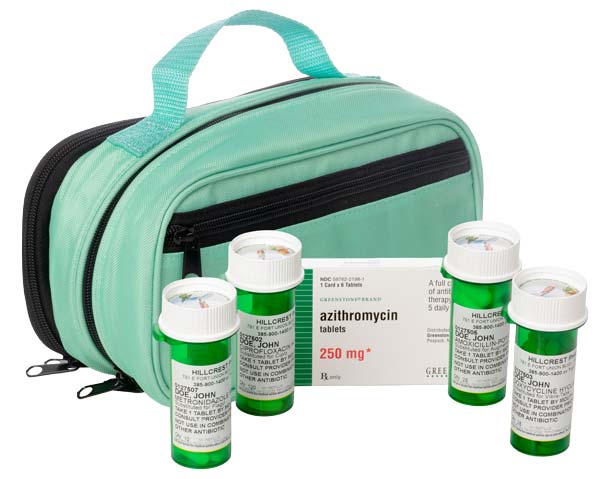
Jase Case Image

Where would you bug out to?

Have at least 2 possible bug out locations and practice getting to them before disaster strikes. Having 2 locations and alternative routes are necessary in the event one of the routes or locations is blocked and you are unable to get to it. Know how to get both locations by foot and car. Carry laminated maps of the routes and alternative routes in your bag in case you are unable to travel the most direct route.

Be aware of downed power lines, flooding, and excessive winds. Make note of your routes and possible obstacles you may encounter. If you are unable to bug out to your desired location(s) because of weather or other dangers, seek shelter in a public building such as a school or other business until you can continue to your destination.

Jase Case Image

Communication

Probably the most overlooked but most important (second to medical supplies and medications) is communication. A set of walkie talkies distributed between family members enables everyone to stay in touch if you are not too far apart- while gathering supplies, if someone ventures outside to check on animals, etc. The FCC has a list of radios- GMRS, Citizens Band and others and the rules of operation here. For longer range use- the ability to scan and listen to EMS channels, private citizen reports (trees down, flooding on your route, fires that recently erupted, etc.) having an amateur radio license and radio can prove lifesaving. For more information on licensing and radios check out the American Radio Relay League.

Age

How old is the person that will be carrying the bag? Even young children can carry some of their own supplies. For instance, a three-year old can be equipped with a small backpack to carry their own snacks and a small bottle of water or two and a headlamp. Teens and able-bodied adults will be able to carry gear that younger children or limited mobility members may be unable to.

Physical ability

Take realistic stock of each person in the group or family and their physical abilities. Healthy individuals should carry no more than 25 percent of their body weight.

Group members with limited mobility or other physical disabilities can be challenging. They may not be able to carry much, if any of the contents of a bug out bag. Assistive equipment such as a lightweight, collapsible hiking pole can help negotiate uneven surfaces. Blind or hearing-impaired group members present a challenge. They may not be able to see or hear sirens or alarms ordering them to evacuate. Make sure your local EMS knows that there is a person with disabilities in the home so they can go door to door if needed to evacuate. 

Jase Case Image

Medical history

Does anyone in your group have:

  • Asthma?
  • Heart disease?
  • COPD or other obstructive disease?
  • History of stroke?
  • Diabetes?
  • Mental health/anxiety issues?
  • Dementia or other neurological disorders?

Even if their health condition is well controlled, they could be exacerbated by stress, poor air quality and even physical exertion.    

Medical needs and supplies

A well-stocked bug out bag contains high quality first aid supplies. My Medic carries first aid packs that are convenient and carry most of the basic supplies you would need in a minor emergency.

Our increasingly unstable and uncertain supply chain and current drug shortages makes it imperative that you plan for a long-term drug outage, especially if a natural or domestic disaster. Our world is rapidly changing, and we must adapt to these changes.

Be sure to have appropriate and sufficient amount of medications for every person in the group. This is in addition to any minor emergencies cuts scrapes bruises strains burns or acute illnesses that you may encounter.

Any chronic health condition can quickly become an emergency if you are dependent on medication to help manage the symptoms. Make sure that you have sufficient medications, inhalers, diabetic supplies and medications and anything else that you may need to weather the storm. It’s not a matter of if, it’s a matter of when disaster will strike.

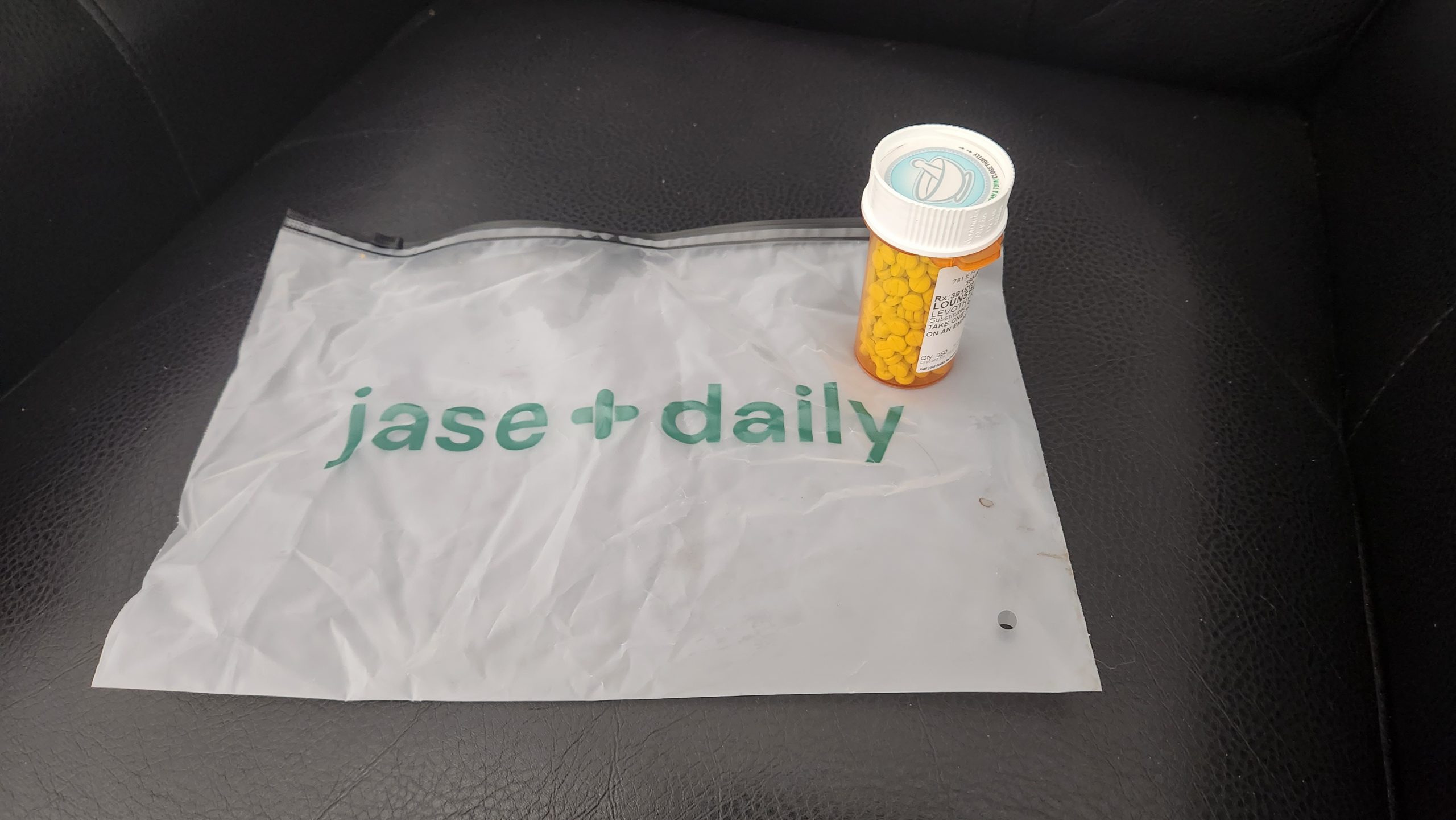
The entire mission of Jase Medical is built upon being prepared for such emergencies. If you haven’t already, pick up your Jase Case antibiotics and Jase Daily, a years supply of chronic medications for each family member.

NOTE: If someone has received a new diagnosis and medication was prescribed, take the time to pack at least a weeks’ worth or more in their bag. This can easily be overlooked in day-to-day life.

Being prepared is peace of mind

Make sure everyone, to the best of their abilities understands and rehearses what to do in the event of emergency. This will help avoid panic and mistakes. Rehearse scenarios, and clearly communicate what to do if you must bug out. Periodically check your bag, ensuring you have everything you need in it.

- Brooke Lounsbury, RN

Medical Content Writer

Lifesaving Medications

Everyone should be empowered to care for themselves and their loved ones during the unexpected.

Recent Posts

Keeping you informed and safe.

Join Our Newsletter

Our mission is to help you be more medically prepared. Join our newsletter and follow us on social media for health and safety tips each week!

How Long Do My Meds Last? A Look at Metronidazole

Metronidazole is in a class of medications called nitroimidazole antimicrobials. It was initially developed at Rhone-Poulenc labs in France in 1959 to treat Trichomonas vaginalis, a parasitic infection. In 1962, it was discovered to be effective against both Trichomonas vaginalis  and bacterial gingivitis (bacteria). By the 1970s metronidazole was used for treatment of infections caused by gram-negative anaerobes such as bacteroides or gram-positive anaerobes such as clostridia. It is now widely used as a prophylaxis following bowel surgery to prevent infection. Metronidazole does not treat viruses or yeast infections- only bacterial and parasitic infections.
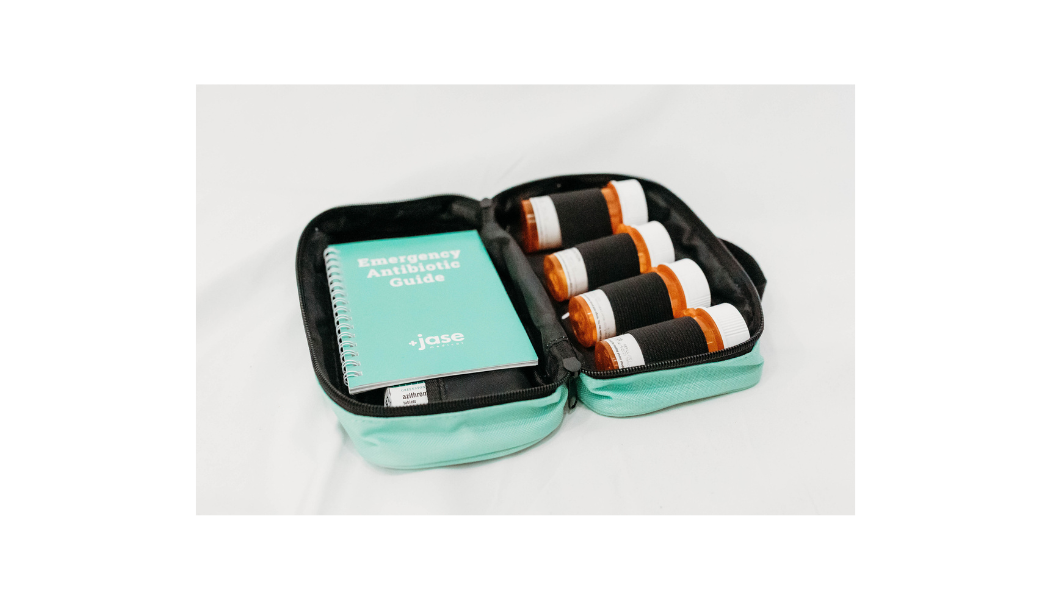
Jase Case Image

How long does Metronidazole remain potent?

When stored in a cool, dry, and dark area away from sunlight and capped, metronidazole can retain much of its potency well past expiration date. Exposure to UV light seems to degrade metronidazole more than extreme heat or cold.

Expiration dates reflect the time during which the product is expected to remain stable, or retain its identity, strength, quality, and purity, when it is properly stored according to its labeled storage conditions. Metronidazole can be used up to a year  past expiration date; however potency is affected. Contact your care provider before starting metronidazole if using past expiration date for further guidance. Metronidazole does not become toxic, just less potent.

Metronidazole is listed in the World Health Organization Model List of Essential Medications for the newly released 2023 edition:

FIRST CHOICE (From WHO 2023 list)

  • Difficile infection
  • Complicated intraabdominal infections (mild to moderate)
  • Complicated intrabdominal infections (severe)
  • Necrotizing fasciitis
  • Surgical prophylaxis
  • Trichomoniasis

SECOND CHOICE (From WHO 2023 list)

  • Complicated intraabdominal infections (mild to moderate)

Other uses include

  • Bacterial vaginosis
  • Tetanus infection if no other better options are present.

How to take

Take metronidazole with food to avoid stomach upset. DO NOT consume alcohol or products containing propylene glycol  for 3 days after last metronidazole dose.  Do NOT take if you have taken disulfiram (Antabuse) within past 2 weeks.

Side Effects

Mild side effects include (can mostly be alleviated by taking with food)

  • Vomiting nausea, diarrhea
  • Stomach cramps
  • Constipation
  • Loss of appetite
  • Headache
  • Metallic taste in mouth
  • Mouth or tongue irritation

Discontinue and contact your primary care provider if you experience the following

  • Numbness, pain, burning, or tingling in your hands or feet
  • Seizures
  • Hives, peeling or blistering of skin
  • Problems with coordination,
  • Difficulty speaking, confusion, or agitation
  • Signs of infection such as sore throat, fever, or stuffy nose
  • Tarry stools

Consult with your care provider before taking if you are taking any of the following:

  • Let your care provider know if you are taking any of the following: anticoagulants (‘blood thinners’) such as warfarin (Coumadin, Jantoven), busulfan (Busulfex, Myleran), cimetidine (Tagamet HB), lithium (Lithobid), phenobarbital, and phenytoin (Dilantin, Phenytek)

Make your care provider aware if you currently have (or history of)

  • Pregnant or breastfeeding. Metronidazole has a pregnancy category B rating -Animal reproduction studies have failed to demonstrate a risk to the fetus and there are no adequate and well-controlled studies in pregnant women. A substantial amount of metronidazole does pass into breast milk and can be passed to infant. There is some evidence that metronidazole can cause diarrhea and thrush in breastfed infants,, but studies are inconclusive. If metronidazole must be given, avoid breastfeeding foe 12-24 hours after dose.
  • Allergy to metronidazole, secnidazole (Solosec), tinidazole (Tindamax), any other medications, or any of the ingredients in metronidazole preparations.
  • Have history of Crohn’s disease, or blood, kidney, or liver disease.

- Brooke Lounsbury, RN

Medical Content Writer

Lifesaving Medications

Everyone should be empowered to care for themselves and their loved ones during the unexpected.

Recent Posts

Keeping you informed and safe.

Join Our Newsletter

Our mission is to help you be more medically prepared. Join our newsletter and follow us on social media for health and safety tips each week!

How Long Do My Meds Last? A Look at Ciprofloxacin

(How about over 10 years past expiration?)

Ciprofloxacin is a fluoroquinolone (flor-o-KWIN-o-lone) antibiotic, it is used to treat many different types of bacterial infections, and is used to treat biological warfare agent inhalation  Anthrax as a post exposure prophylaxis.

How long does ciprofloxacin remain potent?

When stored in a cool, dry, and dark area away from sunlight and capped, ciprofloxacin can retain much of its potency well past expiration date.

Expiration dates reflect the time during which the product is expected to remain stable, or retain its identity, strength, quality, and purity, when it is properly stored according to its labeled storage conditions. According to the Shelf-Life Extension Program, a joint initiative of the FDA and Department of Defense that tested 122 drugs for potency after their expiration date revealed ciprofloxacin maintained its active ingredients with no deterioration in strength for up to 142 months- over 10 years!

Ciprofloxacin is listed in the World Health Organization Model List of Medications for the newly released 2023 edition:

FIRST CHOICE (From WHO 2023 list)

  • Acute invasive bacterial diarrhea /dysentery
  • Enteric fever
  • Low-risk febrile neutropenia
  • Pyelonephritis or prostatitis (mild to moderate)

SECOND CHOICE (From WHO 2023 list)

  • Cholera
  • Complicated intraabdominal infections (mild to moderate)

In addition, ciprofloxacin can be used to treat:

  • Anthrax exposure
  • Tularemia
  • Urinary tract infection

How to Take

Take ciprofloxacin dose 2 hours before or 6 hours after taking other medicines. It may be taken with or without food. Drink plenty of liquids when taking ciprofloxacin.

Side Effects

Fluoroquinolones carry black box warning

Fluoroquinolones (FQ) have been associated with increased tendon ruptures. A tendon rupture is a partial or complete tear of a tendon.

A large study reviewing retroactive patient records was conducted between 2007 and 2016 with over a million subjects from the senior population age 65 and older. This study reviewed the use of FQ against other antibiotics and even similar drugs in the FQ class to assess tendon rupture occurrence.  Only one of the FQ antibiotics displayed a significant tendency to tendon rupture- between a 16% (rotator cuff) and fourfold risk (Achilles tendon). That antibiotic was levofloxacin. Neither ciprofloxacin-one of the antibiotics found in the Jase case- or moxifloxacin- which were part of the study- was found to increase tendon rupture.

For more information, please read this post: Does Ciprofloxacin (Cipro) cause tendon rupture?

What To Avoid

  • Do not take ciprofloxacin with dairy products such as milk or yogurt, or with calcium-fortified juice.
  • Avoid antacids that contain calcium, magnesium, or aluminum (such as Maalox, Milk of Magnesia, Mylanta, Pepcid Complete, Rolaids, Tums, and others).
  • Vitamin or mineral supplements that contain calcium, iron, magnesium, or zinc.
  • Ciprofloxacin can cause sun sensitivity. Avoid sunlight or tanning beds. Wear protective clothing and use sunscreen (SPF 30 or higher) when you are outdoors.

Consult with your care provider before taking if you are taking any of the following:

For a more complete list of drugs that may interact with ciprofloxacin check out this site.

Make your care provider aware if you currently have (or history of)

  • Low levels of potassium in blood
  • Muscle weakness, myasthenia gravis
  • Any history of heart disease
  • Aneurysm
  • Diabetes or low blood sugar
  • You or family history of long QT syndrome
  • Brain tumor, head injury or seizures
  • Liver or kidney disease
  • Nerve problems
  • If pregnant or breastfeeding consult your primary care provider for guidance. There is evidence that ciprofloxacin can affect the fetus and enter breast milk. Ciprofloxacin carries US FDA pregnancy category C (Animal reproduction studies have shown an adverse effect on the fetus and there are no adequate and well-controlled studies in humans, but potential benefits may warrant use of the drug in pregnant women despite potential risks).

Common ciprofloxacin side effects may include:

  • Nausea, vomiting, diarrhea, stomach pain
  • Headache
  • Abnormal liver function tests

Seek medical attention if you experience:

  • Signs of an allergic reaction to ciprofloxacin (hives, difficult breathing, swelling in your face or throat) or a severe skin reaction
  • Low blood sugar – hunger, irritability, nausea, fast heart rate, or feeling shaky
  • Nerve damage symptoms – numbness, crawling, pins and needles or tingling, burning pain in your hands, arms, legs, or feet
  • Serious mood or behavior changes – nervousness, agitation, hallucinations, memory problems, thoughts of suicide
  • Bloody or black, tarry stools

Discontinue and seek immediate medical attention if you experience:

  • Severe pain in your chest, stomach, or back (a rare but serious side effect of ciprofloxacin) which may damage the aorta, leading to bleeding or death
  • Fast or pounding heartbeats, fluttering in your chest, shortness of breath, and sudden dizziness (like you might pass out)
  • Muscle weakness
  • Breathing problems
  • Little or no urination
  • Jaundice (yellowing of the skin or eyes)
  • Increased pressure inside the skull – severe headaches, ringing in your ears, vision problems, pain behind your eyes.

- Brooke Lounsbury, RN

Medical Content Writer

Lifesaving Medications

Everyone should be empowered to care for themselves and their loved ones during the unexpected.

Recent Posts

Keeping you informed and safe.

Join Our Newsletter

Our mission is to help you be more medically prepared. Join our newsletter and follow us on social media for health and safety tips each week!

After School and Home Alone – Do Your Children Know What to do in an Emergency?

image0 3 1

As summer winds down and focus on starting a new school year is right around the corner, many parents and children are getting ready- adjusting bedtimes, school lunches, transportation to and from school, and in some instances, starting a new school. Along with this, many children will spend some time at home alone after school.

About 3.5 million American children between the ages of 5 and 12 spend time at home alone after school. The average amount of time isn’t much—only about an hour a day, according to a U-M study presented in Chicago at the Society for Research on Adolescence biennial meeting. This number represents about 26 percent of American children who spend time after school alone, including time spent getting from one place to another (from school to home, for example) on their own.

Many children are ready to be home alone for an hour or so; however, a lot can depend on the maturity and ability level of the individual child.

In addition, each living situation is unique. Families living in apartments and condominiums have a different lifestyle and circumstances than their suburban and rural counterparts. Even geographic locations-where you live-playa large part in readying your child to stay home alone.

No matter what age your children are, or type of housing, there are still many situations in common that you can ready your child for, ensuring their safety while home.

Assess your children’s age and ability

Ability doesn’t necessarily come with age. A lot depends upon your child’s temperament, emotional maturity, and physical ability. For instance, children with special needs- whether physical, mental or emotional-should be factored into how much time they can be home alone. For example, a 9-year-old child on the autism spectrum may not be able to stay at home alone, whereas a 9- year-old without special needs could be left alone for a short period of time.

Geographical location

Do you live in an area that has extreme heat or cold spells? Do you live in a flood zone? Do you live in a hurricane or tornado-prone area? If so, does your child know what to do if these situations arise? What if you cannot get home because of an adverse weather event? Does your child know what to do?

Weather events are the most likely emergency- assess the most likely weather that your children could encounter, during a severe weather event, the power may go out, phones may not work, and heat and air conditioning may also not be working. In addition, if there is severe weather and you can’t get home to your children in the usual time frame, would your children know what to do? Knowing what to do is important if cell phone service goes down and there’s no way to communicate with each other.

image0 3 1

Home-alone emergency supplies

  • Basic first aid kit with basic supplies. Instruct your children how to use it in case of a minor emergency and when they should be calling 911. Laminate a card to keep in the first aid kit with these instructions.
  • Two flashlights with extra batteries
  • Bottled water
  • Prepackaged snacks
  • Portable radio with extra batteries with the emergency services bands
  • Portable cellphone battery chargers for each cell phone in the home. Test periodically and ensure they have a charge. Keep an additional cable with them for easy access.
  • Extra blankets and cold weather gear- and a small tent that can be set up in the bedroom or living room to contain heat in case you aren’t able to get home in a timely fashion

In case of evacuation

  • Evacuation should not be taken lightly. Most of the time, your child is safer in their home than in the great outdoors. Fires, power outages that affect heating, and even door-to-door evacuation orders are reasons your child needs to be prepared. Luckily, having to evacuate is not very likely. But it is always better to be prepared than to have regrets.
  • Put together a go-bag for each child in the home. Have the child put the bag on and ensure it isn’t too heavy and fits their frame. In the bag, place a laminated card with their name, address, medications, allergies, parents’ names, and phone numbers.
  • Two bottles of water for each go bag
  • Two or more prepackaged snacks-Lara bars are a great nutritious snack
  • Child’s medication for at least three days in clearly labeled bottles
  • A change of clothing-socks, pants, underwear, shirt, hat, gloves, and coat/sweater, depending on your climate.
  • Headlamps and extra batteries (headlamps free hands for tasks)
  • Reflective tape on the go bag, or purchase reflective tape and apply it to the backpack for visibility
  • Laminated map of the immediate area that you live in
  • Rechargeable hand warmers (with recharging cables) if you live in a cold weather area
  • Phone and portable recharger with cable

Put together a plan and practice.

  • Post on the refrigerator or a conspicuous place emergency phone numbers, relatives, trusted friends, and neighbors that your children can contact or go to in the event they need to leave home. Make the people on this list aware that your children will contact them in an emergency.
  • Pull out the first aid kit, go through all the items in the kit, and practice using them—role play. Purchase extra gauze and bandages for your children to use and practice with. As you go through scenarios, advise them to treat only minor cuts and injuries. Give examples of a minor injury and when they should call 911 or seek a trusted adult if phone service or power is out. Ideally, take your child to a local first aid course.
  • Have your children operate the portable radio. Have them remove and replace the batteries, and demonstrate they know how to find the emergency station(s) for information about local weather events.
  • Practice removing and replacing flashlight batteries. Make sure they know how to operate them.
  • Review and rehearse what your child would do if phone service were unavailable. For example, not to panic, and if able to safely make it to a trusted neighbor’s home.
  • If your child has misplaced or lost their key, have an alternate area to access a key, not just under a mat or a rock near the house. These would be obvious places for intruders to gain access to your home by finding that key.

Backup plans Kids should know where a key is hidden in case they’ve lost theirs, where to go in the neighborhood if they need help, and who to call if there’s a problem and they can’t be reached.

- Brooke Lounsbury, RN

Medical Content Writer

Lifesaving Medications

Everyone should be empowered to care for themselves and their loved ones during the unexpected.

Recent Posts

Keeping you informed and safe.

Join Our Newsletter

Our mission is to help you be more medically prepared. Join our newsletter and follow us on social media for health and safety tips each week!

How Long Do My Meds Last? A Look at Azithromycin

(They may last longer than you think)

Azithromycin is a type of macrolide antibiotic. It works by decreasing the production of protein and stopping bacterial growth. Other macrolide antibiotics include clarithromycin and erythromycin.

Because of the anti-inflammatory and antiviral properties of Azithromycin, this antibiotic was used extensively for mild to moderate symptoms of Covid during the pandemic; however, a study published by the American Family Physician showed no difference in symptoms or mortality when compared to a placebo in hospitalized patients(patients with severe symptoms).

Azithromycin is listed in the World Health Organization Model List of Medications for the newly released 2023 edition:

FIRST CHOICE (From WHO 2023 List)

  • Cholera
  • Enteric fever
  • Gonorrhea
  • Chlamydia trachomatis
  • Trachoma (a contagious bacterial infection of the eye in which there is inflamed granulation on the inner surface of the lids)
  • Yaws (a tropical infection of the skin, bones, and joints caused by the spirochete bacterium)

SECOND CHOICE

  • Acute invasive bacterial diarrhea
  • Dysentery
  • Gonorrhea

In addition, Azithromycin can be used to treat

  • Pneumonia and
  • Urinary tract infections

How long does Azithromycin remain potent?

The potency of antibiotics can be affected by factors such as temperature, light, moisture, and storage conditions. Inappropriate storage and transportation of antibiotics may lead to loss of potency earlier than the expiry date. Keep dry and at stable room temperature away from light.

Expiration dates reflect when the product is expected to remain stable or retain its identity, strength, quality, and purity when properly stored according to its labeled storage conditions.

According to the Shelf-Life Extension Program, a joint initiative of the FDA and Department of Defense that tested 122 drugs for potency after their expiration date revealed that erythromycin powder, a macrolide antibiotic in the same family as Azithromycin, retained its potency up to 83 months (over 7 years). Given that powder forms of antibiotics lose potency sooner than tablet form, this family of antibiotics may likely retain its potency past 7 years.

It is a general consensus that even though antibiotics are safe to take past their expiration date, they may lose potency.

How to take

Azithromycin is usually taken once a day.

Take capsules whole with a large glass of water and 1 hour before or 2 hours after meals.

Side effects

Common side effects include nausea, vomiting, diarrhea and an upset stomach.

An allergic reaction, such as anaphylaxis, QT prolongation, or a type of diarrhea caused by Clostridium difficile is possible.

What to avoid

Do not take Azithromycin if you have hypersensitivity or allergy to erythromycin or other macrolide antibiotics.

Do not take antacids that contain aluminum or magnesium within 2 hours before or after you take Azithromycin, as these can make it less effective. This includes Gaviscon, Maalox, Milk of Magnesia, Mylanta, Pepcid Complete, Rolaids, and others. These antacids can make Azithromycin less effective when taken at the same time.

Consult with your care provider before taking if you have:

  • Liver disease.
  • Kidney disease.
  • Myasthenia gravis.
  • A heart rhythm disorder.
  • Low levels of potassium in your blood.
  • Long QT syndrome (in you or a family member).

Seek medical attention if you experience:

  • Allergic reaction to Azithromycin: (hives, difficult breathing, swelling in your face or throat)
  • Severe skin reaction: (fever, sore throat, burning in your eyes, skin pain, red or purple skin rash that spreads and causes blistering and peeling)

- Brooke Lounsbury, RN

Medical Content Writer

Lifesaving Medications

Everyone should be empowered to care for themselves and their loved ones during the unexpected.

Recent Posts

Keeping you informed and safe.