Jase Founder Dr. Rowland Deploys with Aerial Recovery Group to Lahaina

When Dr. Shawn Rowland heard of the fire in Lahaina, and thousands were displaced, he wanted to offer his home on nearby Oahu for a displaced family or two to stay. He had no idea that he would be a part of the rescue and recovery efforts of a global outreach group called Aerial Recovery Group. Dr. Rowland had contacted their chief medical officer, Aaron Asay, physician assistant and friend that had lived on Maui, to offer his home for a displaced family or two.

Aaron had planned to be out of the country on assignment and would not be available to deploy to Lahaina. He asked his friend if he could be their physician for the group going to Lahaina, which Dr. Rowland readily accepted, and within two hours, a team had activated and organized. Once in Lahaina, the group connected with the Maui chief of police, who had locked down the city to prevent looters and onlookers that could prevent EMS and recovery workers from performing their jobs.

image0 3 1

Drone mapping and real-time satellite imagery helped put together a scenario of the extent of the fire and where people might be that needed help. At that point, there was no electricity, communications, or cell phone service. Initially, they treated acute injuries such as broken bones, smoke inhalation, and minor injuries to those who stayed behind in the town. Many people remained in the Lahaina area because they could not return if they left.

 That evening, Dr. Rowland heard about a man who could not leave his home because he had an infected foot. In the pitch dark, with no electricity, they made their way through the neighborhoods and up the dirt road, where they encountered many people sitting along the sides of the road who greeted them. “At first, I thought these were people that were housing others in their homes who had been displaced by the fire and were just sitting outside talking and visiting,” he said, “however, once we took care of the man with the infected foot and came back down, we were told that these were some of the people who had lost everything, including family members and all their possessions. I still get emotional talking about it.”

image0 3 1

As one of the first independent disaster response teams, Dr. Rowlands’ role quickly became that of resource allocation and coordination. Volunteers from the community – from physicians to nurses, medics, firefighters, and volunteers poured into the area and needed guidance on where to go and what to do. At the same time, relief was coming in from harbors, planes, and local groups. As Dr. Roland put it, “It was organized chaos.” They needed to quickly establish an infrastructure that could distribute and set up tents and supplies in each designated area and for medical teams to go door to door in the immediate area to see if anyone needed medical care.

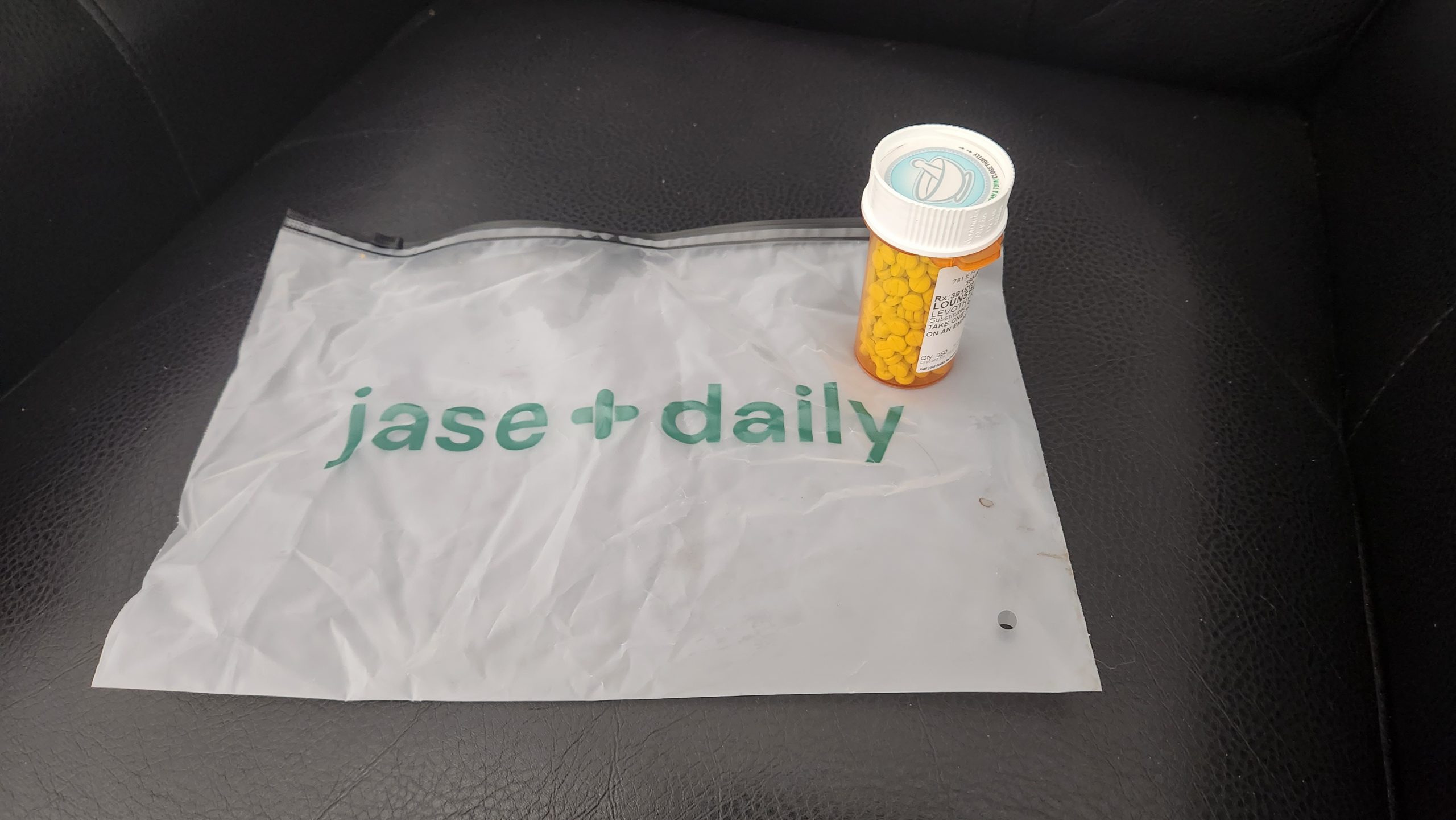
Over the coming days, as supplies, tents, and distribution centers were set up, Dr. Rowland noticed that the most pressing need was for people’s medications. They needed their blood pressure medicines, diabetic supplies, antidepressants, and other drugs. It made him more aware of why Jase Daily (having a year’s supply of your prescription medication) existed. As founder and CEO of Jase Medical, he went over as a volunteer and came back, knowing that the mission of Jase Medical was to help people prepare in the event of any emergency or natural disaster.

image0 3 1

When asked what people could do to help or donate, Dr. Rowland said that, for now, all their physical needs were being met. It will take months, if not years, for these people to be back in a home environment.

He suggests, in addition to charities, such as the Red Cross, that gift cards through a reputable source that can get directly to the people would be the best way to help them with their personal, everyday needs. He also advises exercising caution when donating. Opportunistic scammers come out and take advantage of others in times like these.

He reports that there was plenty of food, water, clothing, diapers, and other essential supplies for the time being. There will be an ongoing need for a long time, however.

Dr. Rowland plans to return in the coming weeks, and we will keep you posted.

To learn more about the Aerial Response Recovery group and their missions, please visit their website.

“Aerial Recovery trains and deploys Humanitarian Special Operators to effectively respond to natural disasters and man-made disasters and combat sex trafficking. Made up of Veterans and First Responders, Aerial tackles some of the most difficult rescue and response missions globally.”

image0 3 1

Postscript

As of this writing,

  • Ninety-nine people were reported dead. The death toll is expected to climb by 10-20 more daily.
  • Names of those deceased and identified to start being released today (Tuesday, August 15)
  • According to Maui Police Chief John Pelletier, only 25 percent of Lahaina has been searched. They expect to complete the recovery process by the weekend.
  • According to Hawaii Electric, 80 percent of power has been restored.
  • Even though the power has mostly been restored, many families have no way to communicate with loved ones. Many people lost phones in the fire while fleeing for their lives, according to Governor Josh Green
  • This has been the largest loss of life to a fire in over a hundred years of US history.

- Brooke Lounsbury, RN

Medical Content Writer

image0 3 1

Lifesaving Medications

Everyone should be empowered to care for themselves and their loved ones during the unexpected.

Recent Posts

Keeping you informed and safe.

Join Our Newsletter

Our mission is to help you be more medically prepared. Join our newsletter and follow us on social media for health and safety tips each week!

Are You Happy? 7 Tips to Happiness

“Folks are usually about as happy as they make their minds up to be.” – Abraham Lincoln

image0 3 1

“Happiness Happens Day” ,celebrated on August 8th of each year was founded by Pamela Gail Johnson. She started the Secret Society of Happy People in 1998, “to provide a missing voice for those who are happy and want to express it without having other people rain on their parade.”  It is a day dedicated to recognizing and promoting happiness in our lives and encouraging people to share their positive moments and emotions. On her website she goes on to say, “We spend so much time focusing on our “what’s wrong” moments that we ignore many of our happy moments, so our happiness became a secret — even to us.”

Words that can describe happiness are:

  • Joy- a feeling of great pleasure
  • Contentment-A sense of satisfaction and being at peace with what one has.
  • Bliss- extreme happiness and joy
  • Fulfillment– A sense of achievement and satisfaction derived from reaching goals and aspirations.
  • Harmony- A sense of balance and alignment that contributes to inner happiness.
  • Serenity-A state of calm and tranquility that brings a peaceful happiness.
  • Optimism- A positive outlook on life- a belief that all will work out for the best
image0 3 1

Happiness comes by focusing on the positive aspects of life, no matter how small or seemingly insignificant.

7 ways to nurture happiness in your own life

  1. Fulfilling relationships and strong emotional connections

Fulfilling and close relationships keeps loneliness and isolation away. We are wired for connection.

  1. Personal accomplishments- both great and small

Celebrate your personal accomplishments- no matter how small they are. Every great accomplishment is the result of placing one foot in front of the other (small accomplishments add up)

  1. Cultivate gratitude

Gratitude- the act of being grateful for both the tangible and intangible. Research has repeatedly shown the strong correlation between gratitude and happiness. One way to practice gratitude is to start a daily gratitude journal and list 5 things, no matter how small that you are grateful for.  Even the tea or coffee you are drinking while working on your journal is something to be grateful for. The journal can be as simple as a small notebook or pick up a gratitude journal that has daily affirmations and exercises to encourage you.

  1. Limit negative influences in your life– Influences, such as tv, social media and even consistently negative people can dampen and make achieving personal happiness difficult to attain and maintain. Everyone has a “bad day” or experience; however, when possible, guard your thoughts and eyes from unnecessary drama. The “what ifs” on the tv or social media do nothing but prey on the fight or flight center of your brain. Analyze relationships and how they affect you. When possible, limit those relationships that cause unnecessary distress in your life.
  2. Practice self-care- Self care can mean engaging in satisfying hobbies, time alone, lunch with a friend, a hot bath or anything that brings pleasure, and you look forward to doing. If you aren’t sure what to do, take time to really think about what brings you pleasure and satisfaction- and make time for it!
  3. Help others- Helping others or volunteering, builds relationships and strengthens bonds , leading to a feeling of fulfillment.
  4. Learn and practice resilience- Resilience is the ability to bounce back from setbacks and challenges. Cultivate resilience learning from failures and maintaining a positive outlook.

Being happy is linked to improved outlook of health

Studies have shown that being happy can have positive effects on physical and mental well-being.

Some ways in which happiness contributes to health:

  • Stress reduction- Happiness reduces stress. Chronic stress leads to increased cortisol levels. Chronically high cortisol levels can lower immune function, raise blood pressure, and contribute to raised blood glucose levels. Being happy counteracts the effects of stress.
  • Better lifestyle choices leading to longevity– When you are happy, you tend to eat better, are more motivated to exercise and connect with those in your life that you value. In fact, regular, consistent exercise produces mood enhancing endorphins.
  • There is a strong correlation between pain and emotions. Powerful pain-relieving endorphins- natural painkillers-are released while engaging in pleasurable activities. These endorphins reduce the perception of pain.
  • Happiness produces positive emotions– These emotions can promote resilience and help cope with the ups and downs of everyday life. Positive relationships are linked to improved mental health and overall cognitive function. In addition, problem solving abilities are enhanced when happy.
  • Happiness isn’t something that just “happens”. Personal responsibility and getting to know yourself- your genetics, overall health and personality, environment and abilities all play an important role in happiness. However, taking a proactive role in your personal happiness will yield a more fulfilled (and happy) life.

- Brooke Lounsbury, RN

Medical Content Writer

Lifesaving Medications

Everyone should be empowered to care for themselves and their loved ones during the unexpected.

Recent Posts

Keeping you informed and safe.

Join Our Newsletter

Our mission is to help you be more medically prepared. Join our newsletter and follow us on social media for health and safety tips each week!

What Would You Do if Your Insulin Supply Was Disrupted for an Extended Length of Time?
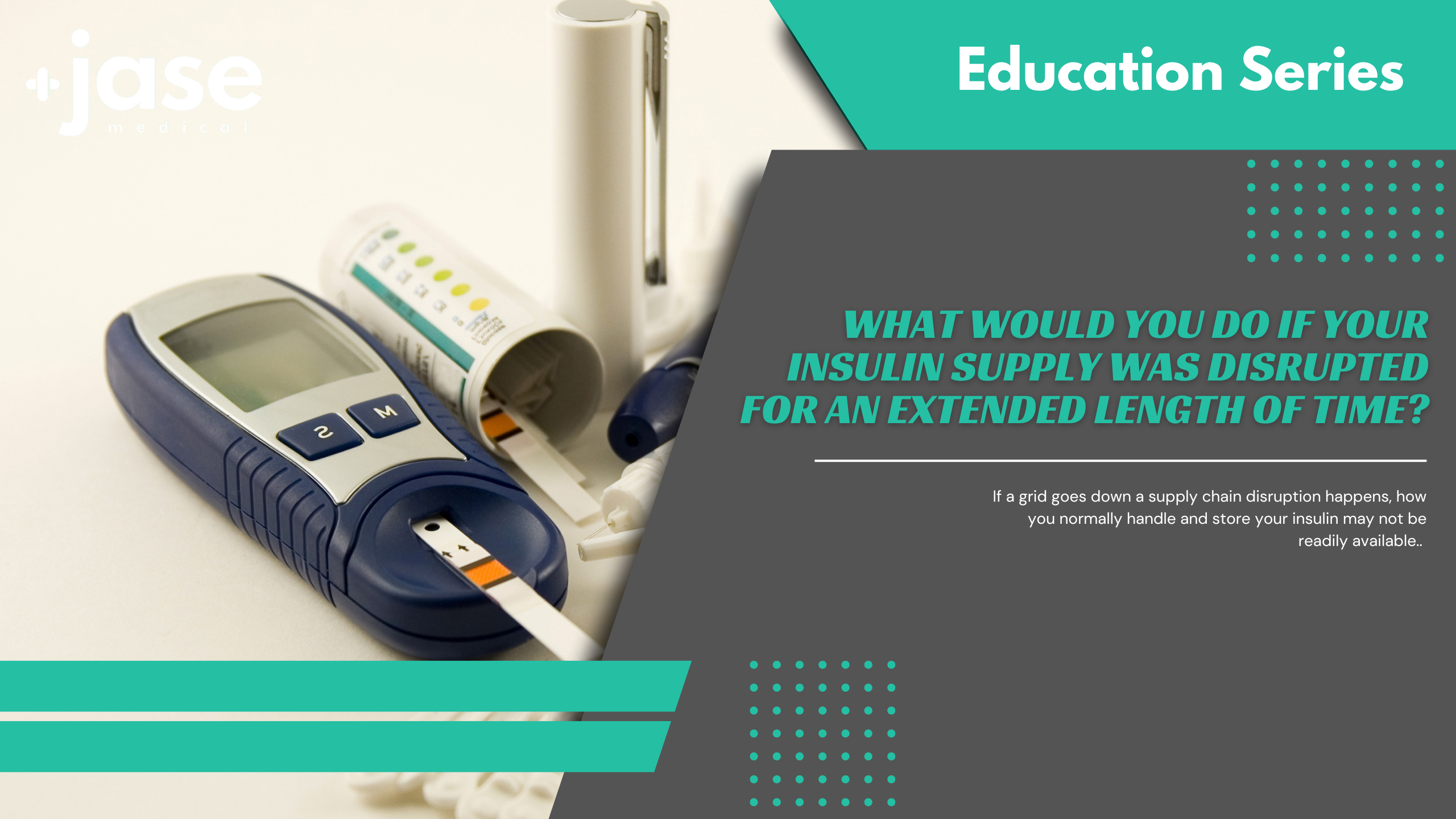
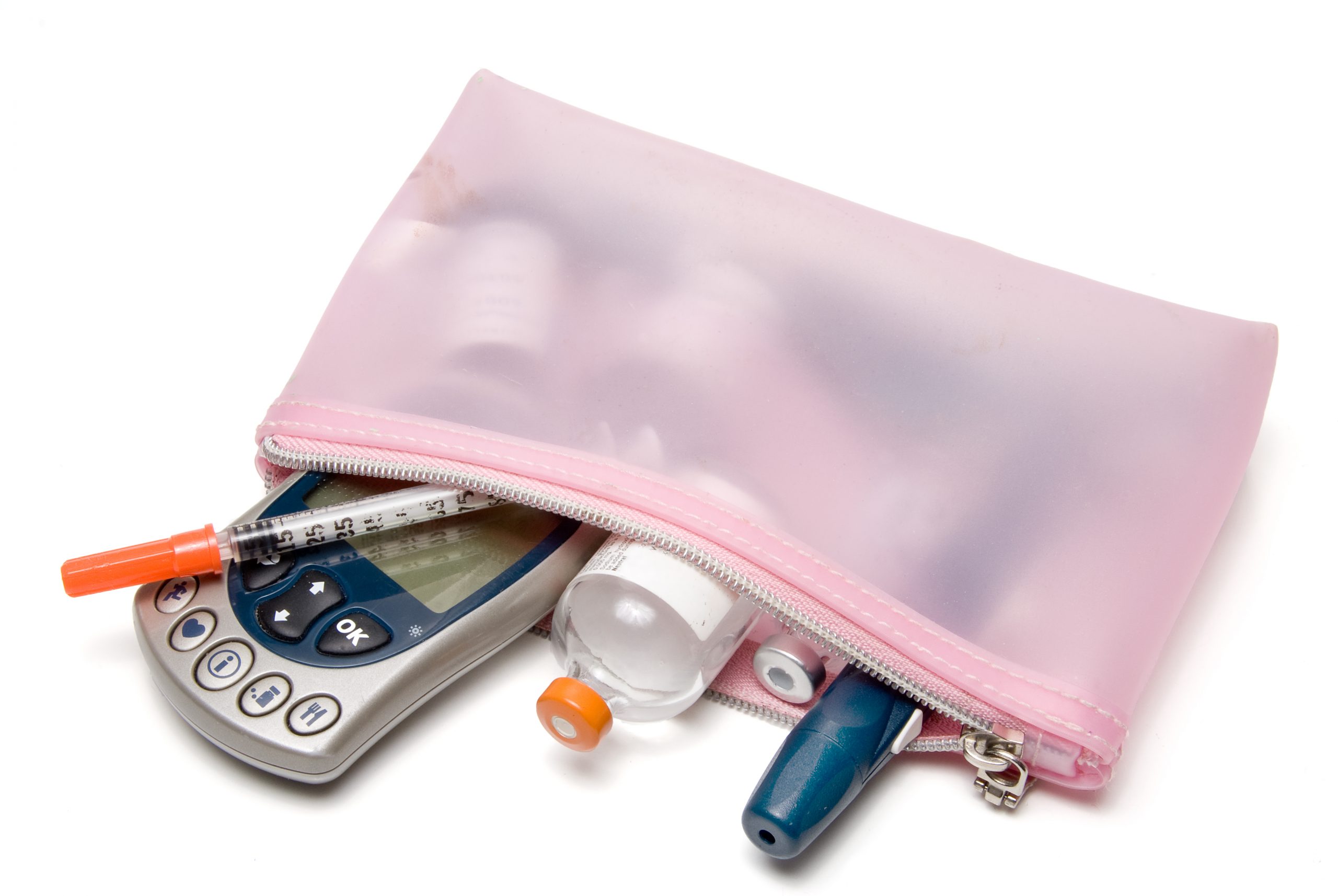
If you have been diagnosed with insulin dependent diabetes you most likely have had extensive education on administration, use and storage of your insulin. However, in a grid down or emergency/supply chain disruption or while traveling, how you normally handle and store your insulin may not be available. Have a back up plan for safe storage and transport of your insulin- it could save your life. Always rotate and keep an ample supply of insulin on hand.

Proper insulin storage is essential to maintain its effectiveness and stability. Here are some detailed guidelines for storing insulin:

Storage and use of insulin – under normal, controlled conditions and emergency situations

Under normal conditions:

Ideal storage and temperature

According to all 3 manufacturers of insulin:

  • Unopened insulin vials or pens in use can be kept at room temperature (between 59°F to 86°F or 15°C to 30°C) for up to 28 days.
  • Store unopened insulin in the refrigerator at a temperature between 36°F to 46°F (2°C to 8°C).
  • Try to avoid excessive heat and direct sunlight. by storing in a temperature-controlled environment. Don’t store in a car or near heat source.
  • If insulin vial has been opened or diluted it must be used within 14 days.
  • If any type of insulin- in vial, powder or in an insulin pump freezes it becomes inert- freezing renders it ineffective. It will not work- do not use.
  • The American Diabetes Association offers these guidelines to tell if insulin has gone bad: “If you use regular, check for particles or discoloration of the insulin. If you use NPH or lente, check for “frosting” or crystals in the insulin on the inside of the bottle or for small particles or clumps in the insulin. If you find any of these in your insulin, do not use it, and return the unopened bottle to the pharmacy for an exchange and/or refund.”

Infusion pump sets have different parameters

  • According to the National Library of Medicine: “Insulin stored in the reservoir or infusion set of an insulin pump should be discarded after 72 hours, even if it is stored at the proper temperature.” In addition, discard if temperature reaches above 98.6 at any time it is in any part of the pump.
Emergency situations

It is strongly advised to follow manufacturers advice, but in a real, extended emergency situation use your discretion:

If you are unable to obtain refills for any reason- supply chain disruption, natural disaster preventing access to refills- you must use your judgement and discretion about using insulin exposed to excessive heat- or expired insulin.

  • If insulin freezes it becomes inert- freezing renders it ineffective. It will not work. DO NOT USE.
  • If your insulin is exposed to excessive heat, it degrades and can make it less effective. You may need more insulin than what you usually use.
  • According to the American Diabetic Association “Under emergency conditions, you might still need to use insulin that has been stored above 86°F”. Once you can refill insulin, discard insulin that has been exposed to extreme conditions.
  • Try to avoid excessive heat and direct sunlight. by storing in a temperature-controlled environment. Don’t store in a car or near heat source.
  • There are several anecdotal stories of people who have used insulin exposed to excessive heat and even used expired insulin when unable to get refills with some success.
  • If you are unable to obtain the insulin you normally use, consult your primary care provider and follow the FDA guidelines for switching between insulin types and manufacturers. Do this only if absolutely necessary.

Grid down and travel storage options

There are some options on the market that can help maintain acceptable temperature limits.

For completely off grid use:

Frio ice pack free insulin storage case

“The FRIO Insulin Cooling Case is a reusable evaporative cooler whose cooling properties do not come from an icepack – or anything that needs refrigeration. Its cooling properties come from the evaporation of water. When activated, it keeps its low temperature for a minimum of two days, even in temperatures of 100 degrees Fahrenheit.”  The reusable pack can be reactivated indefinitely by soaking for 5-10 minutes in water. They offer many different styles and sizes to choose from. According to their website their product can stay cool five times longer than just ice packs.

Refrigerator needed:

Another option is a DISONCARE 60H 4 Insulin Pens Cooler Travel Case Medicine Cooler for Travel TSA Approved Diabetic Insulin Cooler. This type of cooler works after you place in the refrigerator for 6 hours, allowing the gel to cool. Its larger capacity keeps insulin pens and injectables cool for up to 48 hours. The drawback to this device is the requirement of needing a refrigerator for it to work.

Another option is one of the many plug into the car travel refrigerators. These run on the car battery and are very handy if you plan on being in your car during grid down or during travel. Given the many models and wide price range your best bet is to research and purchase one that would fit your needs. Just be sure to find one that can keep insulin within recommended temperature range without freezing.

For specific questions about your insulin and whether or not it can be used, contact the manufacturer:

(These 3 manufacturers represent over 90 percent of the US insulin market)

  • Lilly: 1-800-545-5979
  • Sanofi-Aventis: 1-800-633-1610
  • Novo Nordisk: 1-800-727-6500

- Brooke Lounsbury, RN

Medical Content Writer

Lifesaving Medications

Everyone should be empowered to care for themselves and their loved ones during the unexpected.

Recent Posts

Keeping you informed and safe.
Join Our Newsletter

Our mission is to help you be more medically prepared. Join our newsletter and follow us on social media for health and safety tips each week!

An Illegal Chinese Backed Biolab was Found in California – In December

And we are just now finding out about it

image0 3 1

Prestige Biotech, Inc, a Chinese based company had been illegally operating a biolab containing deadly pathogens in Claifornia since October 2022 according to documents. No CA address can be found for Prestige; addresses found for authorized agents were either empty offices or unverifiable addresses in China.

Located in the San Joquin Valley, the small town of Reedly, city code enforcement workers discovered a garden hose sticking out of the side of a supposedly vacant building back in December of 2022. Upon further investigation, they discovered the building was supposed to be vacant- there were no building permits of certificate of occupancy paperwork filed. Numerous violations prompted city officials to declare the site unsafe and posted “Unsafe to Occupy” signs around the building. Further investigation prompted the notification of many agencies- federal and state- were notified, from the FBI to the CDC and public health officials to further investigate. What they found was a macabre scene of filth, and thousands of unlabeled vials of fluids and suspected biological material. They also discovered, hundreds of mice living in inhumane conditions. The city took possession of the animals, euthanizing 773 of them along with more than 175 were found dead. 

This lab also contained at least 20 different pathogens including specimens of HIV, malaria, coronavirus, hepatitis B and C, streptococcus pneumonia, and 20 refrigerators filled with specimens and tissues. “Certain rooms of the warehouse were found to contain several vessels of liquid and various apparatus,” court documents said. “Fresno County Public Health staff also observed blood, tissue and other bodily fluid samples and serums; and thousands of vials of unlabeled fluids and suspected biological material.”

Government red tape could cost you or your loved ones their life

Considering they (city, state and federal authorities) knew about this unlicensed biolab for months and kept giving the company notice (see timeline of abatement below) without any firm action, I submit bureaucratic red tape, given the vast array of deadly pathogens ( I was only able to locate a few of them) could have possibly put the general public in mortal danger.

Fresno County Public Health

California Department of Toxic Substances

California Department of Public Health

Federal Bureau of Investigation

Timeline of Abatement orders to Prestige Lab from County of Fresno

  • April 21, 2023 Attempts to communicate with business owners in regards to facility located at 850 I Street, Reedley, CA 93654 since December 19, 2022 from City of Reedley and other public agencies to ascertain contents and items at the facility have been unsuccessful. City of Reedley building officials posted on March 3, 2023 an Unsafe to Occupy Notice in front of the building. Building has limited power source supplying refrigerators and freezers that are storing reagents, biological samples, appearance of containers used to culture virus(es), and multiple chemical containers. Items documented by City of Reedley officials. This order is issued as a result of multiple attempts to communicate with Universal MediTech Inc, Prestige Biotech Inc (“business owners”) currently leasing space located at 850 I Street, Reedley, CA 93654 to confirm hazardous materials, biological specimens, and operational practices to ensure hazardous waste and medical waste are appropriately being disposed of in compliance with Federal and State requirements. CDC has interest in the reagents being stored in the refrigerator/freezer that have been imported from outside of the United States which will require a federal permit which the business does not currently possess.
  • May 31st 2023 Within seven (7) days, the Business identified above must produce a biological abatement and disposal plan for the transport of properly labeled and identified biological specimens consistent with Federal, State, and local regulations. This plan should include transporters with appropriate licensures and certifications as well as a demonstration of commitment from these vendors via a purchase order or binding commitment. All biological specimens in non-operating refrigerators, or specimens that are improperly labeled or unidentified shall be treated as medical waste and abated and disposed of as medical waste. Such transporters contact information must be provided for the Fresno County Department of Public Health to verify
  • By June 11th 2023, the business identified above must produce a biological abatement and disposal plan for the transport of properly labeled and identified biological specimens consistent with federal state and local regulations. This plan should include transporters and with appropriate licensures and certifications as well as a demonstration of commitment from these vendors via a purchase order or binding commitment period all biological specimens in non operating refrigerators are specimens that are improperly labeled for unidentified shall be treated as medical waste and abated and disposed as medical waste.

All of the biological agents were destroyed by July 7 following a legal abatement process by the agency.

This lab that was left to operate for 7 months before it was shut down.  by reviewing the biosafety levels required by labs that test pathogenic diseases.

image0 3 1

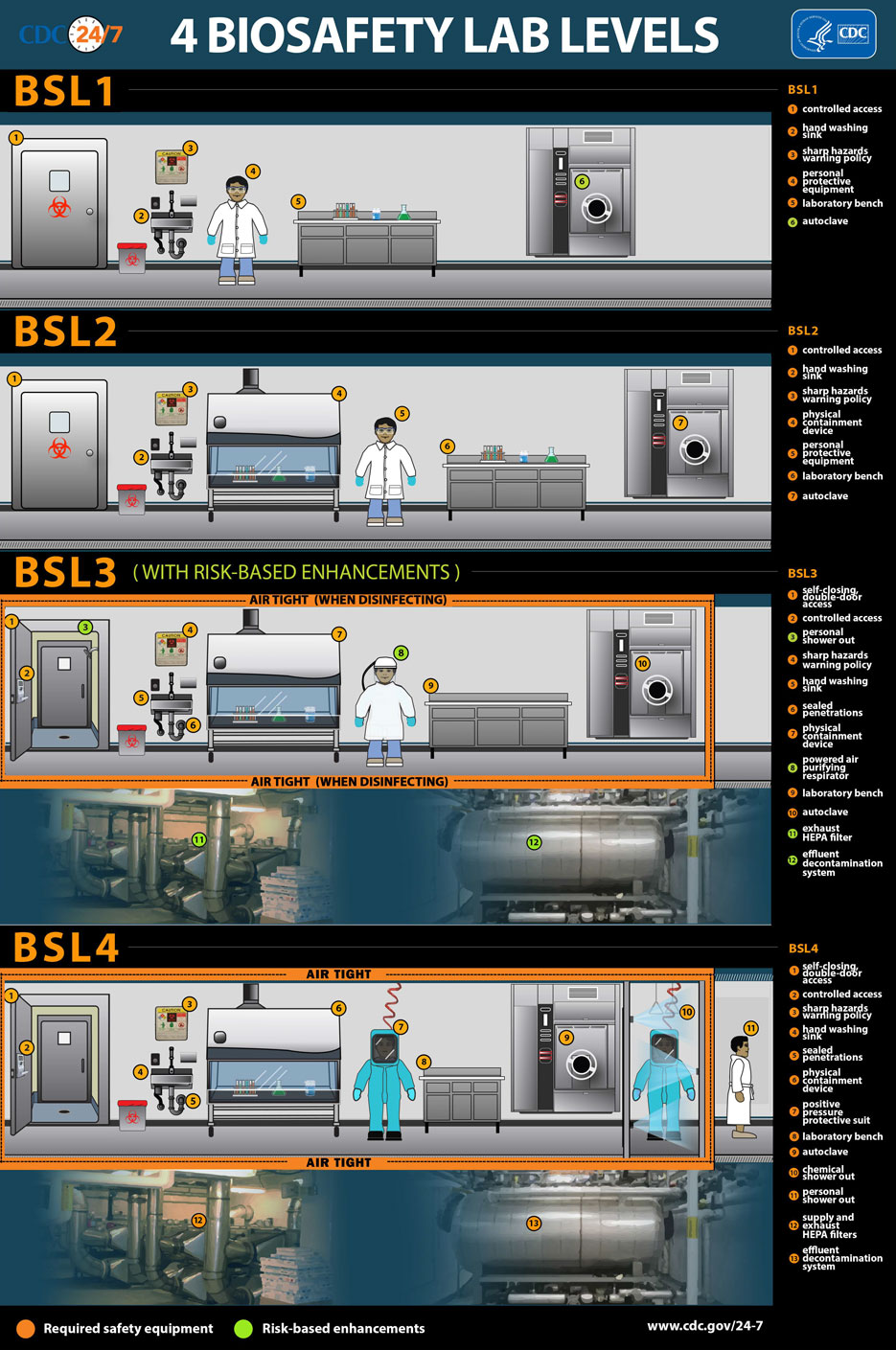
4 Biosafety Lab Levels

BSL1

  • Controlled access
  • Hand washing sink
  • Sharp hazards warning policy
  • Personal protective equipment
  • Laboratory bench
  • Autoclave

BSL2

  • Controlled access
  • Hand washing sink
  • Sharp hazards warning policy
  • Physical containment device
  • Personal protective equipment
  • Laboratory bench
  • Autoclave

BSL3 (with risk-based enhancements)

Biosafety Level 3 is applicable to clinical, diagnostic, teaching, research, or production facilities in which work is done with indigenous or exotic agents that may cause serious or potentially lethal disease as a result of exposure by inhalation. HIV can be either level 2 or 3 depending on concentration and quantity of virus

  • Air tight when disinfecting
  • Self-closing, double-door access
  • Controlled access
  • Personal shower out (risk-based enhancement)
  • Sharp hazards warning policy
  • Hand washing sink
  • Sealed penetrations
  • Physical containment device
  • Powered air purifying respirator (risk-based enhancement)
  • Laboratory bench
  • Autoclave
  • Exhaust HEPA filter (risk-based enhancement)
  • Effluent decontamination system (risk-based enhancement)

BSL4

  • Air tight
  • Self-closing, double-door access
  • Controlled access
  • Sharp hazards warning policy
  • Hand washing sink
  • Sealed penetrations
  • Physical containment device
  • Positive pressure protective suit
  • Laboratory bench
  • Autoclave
  • Chemical shower out
  • Personal shower out
  • Supply and exhaust HEPA filter
  • Effluent decontamination system

- Brooke Lounsbury, RN

Medical Content Writer

Lifesaving Medications

Everyone should be empowered to care for themselves and their loved ones during the unexpected.

Recent Posts

Keeping you informed and safe.

Join Our Newsletter

Our mission is to help you be more medically prepared. Join our newsletter and follow us on social media for health and safety tips each week!

Do Your Children Know What to do In an Emergency?

Medical and other forms of preparedness include teaching the youngest in your family or group

Teaching kids how to manage medical emergencies is crucial. It empowers them to take appropriate actions and potentially save lives. Even young children can be taught basic skills that could save themselves or others lives. A recent example of this was when  a 4 year old was able to call 911 after his mother fell down the stairs. He sang the address to the 911 operator.
Emergencies are unplanned. Having a plan in place, even for the very young is an essential part of emergency preparedness.

When teaching children what to do in an emergency :

Stay Calm: Lead by example. If children see you are staying calm, they will tend to be also. Emphasize the importance of staying calm during emergencies, as it helps them (and you) think clearly and act more effectively.

Emergency Action Plan: Work together to create a family emergency action plan, outlining roles and responsibilities during different emergencies.

Make it a fun activity: And repeat, repeat, repeat.   Repetition along with making learning an enjoyable activity will reinforce behavior and skills.

Teach children emergency skills organized by age groups:

Age 1 to 3:

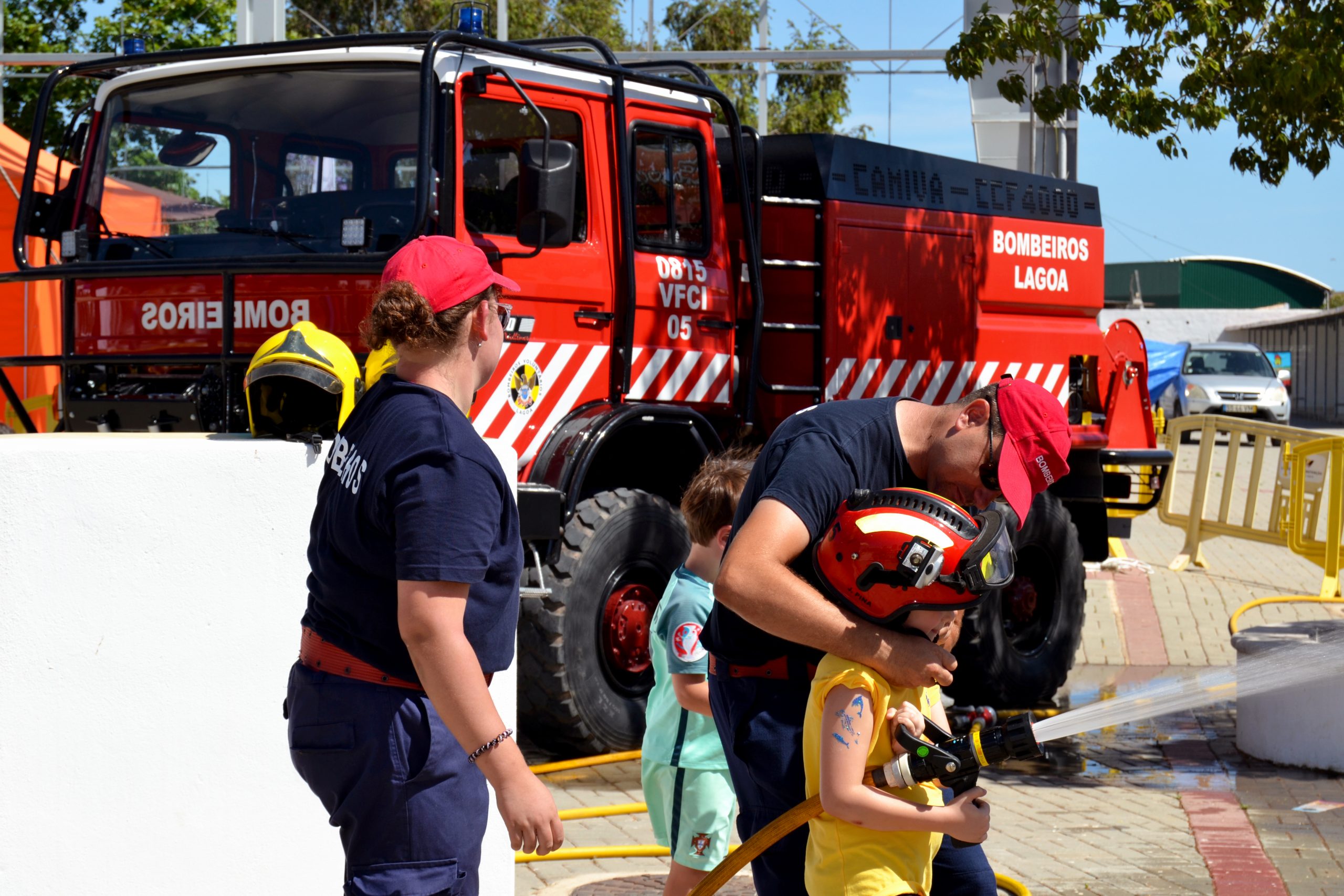
Identify Trusted Adults: Teach children the names and roles of trusted adults, such as parents, caregivers, EMS workers or teachers, who can help in emergencies. Familiarize children with EMS services by planning a trip to the fire department and police station. Children tend to be afraid of strangers (with good reason) and have been known to hide in closets and under beds when a fire had broken out in their home.

Basic Safety Rules: Start introducing basic safety rules, like not touching dangerous objects or going near potentially hazardous areas. Teach boundaries, such as not going outside without a trusted adult, staying away from the stove, swimming pool and streets. They are still young to really understand some boundaries, however consistency and repeat guidance will reinforce desired behavior now and as they grow.

Age 4 to 6:

Call for Help: Teach kids how to call for help using a phone or by finding a nearby adult if they encounter an emergency. This age group can learn how to access 911 or other emergency numbers specific to your area. Instruct how to place call and rehearse. In addition, make it a game while in the car or traveling and at home to have them memorize and rehearse their home address. Along with this, if there is a home emergency, teach children how to lock and unlock doors to the home.

Identify Emergency Services: Introduce emergency services like 911 or local emergency numbers, and explain when to call them (e.g., fire, police, medical). Just like age 1-3, familiarize children with another scheduled trip to the local fire and police department. This will reinforce that they are there to help and can alleviate fear and anxiety during an emergency.

Teach children what to do in the case a stranger approaches them or if they get separated from the group during an outing. Provide them with a whistle and show them how and when to use it: if they are lost (such as camping or hiking) or if they feel threatened. Supply them with a whistle on a lanyard around their neck or in a secure pocket on their clothing.

Age 7 to 9:

Basic First Aid Skills: This age group can start acquiring skills such as how to clean scrapes and bandaging minor cuts and scrapes.  Teach simple first aid skills like cleaning and bandaging minor wounds, applying ice packs for bumps, and recognizing when to seek adult help.

Know Home Address: Ensure kids know their home address and how to provide it clearly during emergencies or when calling for help.

Age 10 to 12:

With age comes more advanced skills and responsibility.

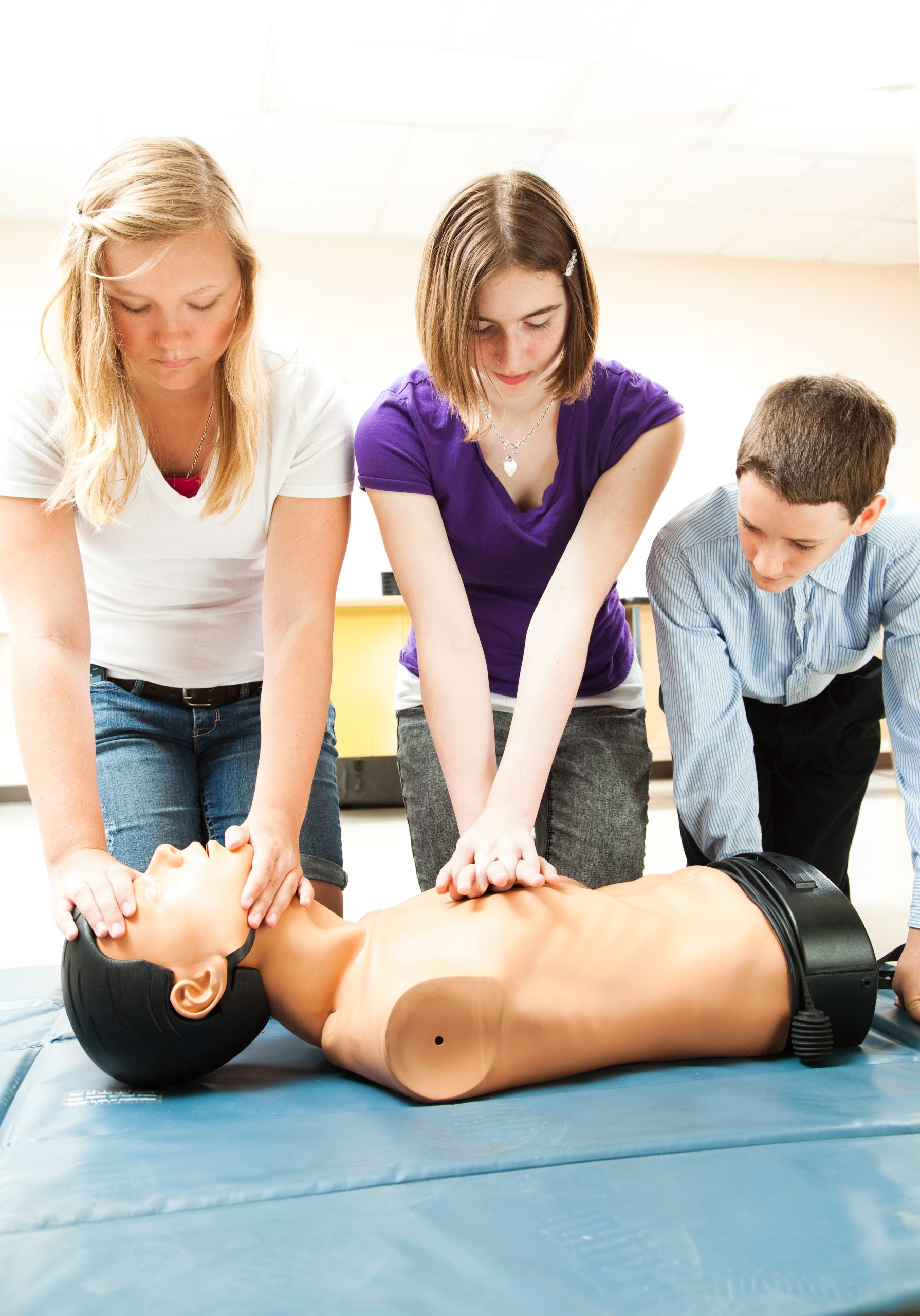
Introduce CPR for children and the Heimlich maneuver for choking emergencies. Many hospitals and recreation departments hold classes for this age group. Enroll them in the course, then role play after they have gone through the instruction to reinforce these skills.

Familiarize with basic first aid kit This age group is capable of understanding and using many items in the first aid kit, however their judgement may not be adequate for all items. For instance, topical ointments may not be a good idea to apply directly into an eye injury. Explore with them the items in the first aid kit and instruct them on what they may use in it. It would be a good idea to put 3 by 5 cards with pictures and scenarios as to what they are able to use in the kit. Be sure the child knows when to seek adult help when they or someone they are with is injured.

Emergency Contact List: Create an emergency contact list with important numbers, including parents, relatives, neighbors, and emergency services. In addition, have a list of medical conditions and medications readily available in case they need to contact emergency services.

Age 13 and up

Young teens and up can learn to recognize different emergencies. This age can also learn how and when to use an emergency medical kit- a kit with basic over the counter medications (antihistamines and pain relivers, etc) under prior supervision and guidance.

Stress the importance to not attempt emergency aid beyond their capabilities and how to know when to seek help.

Tasks in this age group include: what to do in medical emergencies- a non-responsive person, a broken bone, burns, uncontrolled bleeding etc. These advanced skills can be taught by programs throughout the country. Check your local area for classes near you. It is strongly advised that they take the class in person and not online. A quick google search of courses show some are online. This may be okay if renewing their cpr or other certifications, however for first time certification and instruction, in person experience is necessary.

Using First Aid Kits: Show them how to use all items in a basic first aid kit and what each item is used for. This age group should be mature enough to understand and provide basic first aid.

Advanced First Aid Skills: Teach more advanced first aid skills like applying pressure to control bleeding, treating burns, and stabilizing fractures or sprains. If an AED is available, have them take the AED portion of the CPR course at the same time.

Repetition, practice and supervision

Practice emergency scenarios through role-playing, so kids become familiar with the actions they need to take. Engage and make it a part of your preparedness plan. FEMA has a youth preparedness section you may want to check out for natural and manmade disasters.

Additionally, always supervise and guide children when practicing emergency skills to ensure their safety and understanding.

- Brooke Lounsbury, RN

Medical Content Writer

Lifesaving Medications

Everyone should be empowered to care for themselves and their loved ones during the unexpected.

Recent Posts

Keeping you informed and safe.

Join Our Newsletter

Our mission is to help you be more medically prepared. Join our newsletter and follow us on social media for health and safety tips each week!