Your Medicine Cabinet IS Your Emergency Plan The Family Medical Plan Most Emergency Kits Miss By Aaron Asay, PA-C, DMSc — Executive Director, JaseResponse Here is a scenario I've watched play out in disaster response more times than I can count. A family gets an...
Are you Prepared for Poor Air Quality?
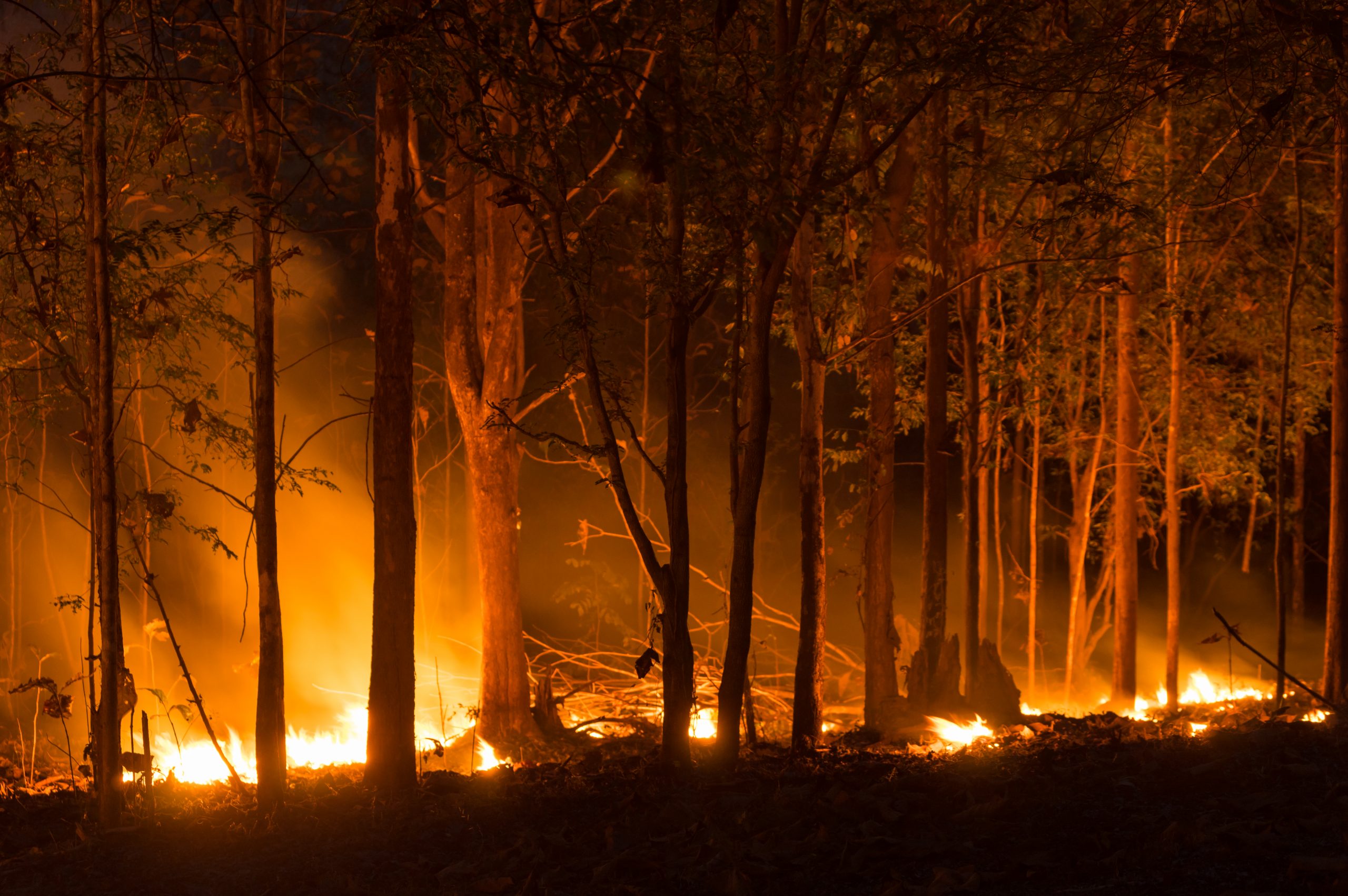
Wildfires and Respiratory Issues
According to the National Interagency Fire Center there are currently ninety-one large fires and complexes that have burned 854,587 acres so far this season. The result is poor air quality from these fires.
The air quality index, (AQI)is a yardstick that runs from 0 to 500. The higher the AQI value, the greater the level of air pollution and the greater the health concern. For example, an AQI value of 50 or below represents good air quality, while an AQI value over 300 represents hazardous air quality.
The EPA establishes an AQI for five major air pollutants regulated by the Clean Air Act. Each of these pollutants has a national air quality standard set by EPA to protect public health:
- ground-level ozone
- particle pollution (also known as particulate matter, including PM2.5 and PM10)
- carbon monoxide
- sulfur dioxide
- nitrogen dioxide
| Daily AQI Color | Levels of Concern | Values of Index | Description of Air Quality |
| Green | Good | 0 to 50 | Air quality is satisfactory, and air pollution poses little or no risk. |
| Yellow | Moderate | 51 to 100 | Air quality is acceptable. However, there may be a risk for some people, particularly those who are unusually sensitive to air pollution. |
| Orange | Unhealthy for Sensitive Groups | 101 to 150 | Members of sensitive groups may experience health effects. The general public is less likely to be affected. |
| Red | Unhealthy | 151 to 200 | Some members of the general public may experience health effects; members of sensitive groups may experience more serious health effects. |
| Purple | Very Unhealthy | 201 to 300 | Health alert: The risk of health effects is increased for everyone. |
| Maroon | Hazardous | 301 and higher | Health warning of emergency conditions: everyone is more likely to be affected. |
Oregon, Washington state, Idaho, Wyoming, and Montana all have air quality alerts due to the wildfires. East-central California and western Nevada have issued special advisories for poor air quality due to the smoke. The smoke has migrated all the way to the East coast.
Identifying at risk groups
An at risk/ sensitive groups that would be most affected by poor air quality are small children, pregnant women, asthmatics and other respiratory diseases, those with heart and lung conditions (emphysema, COPD, etc)
Tips to stay safe during air quality alerts
- If in doubt check your local area for air quality using the EPA AirNow website. Just enter your zip code for up-to-date information for the air quality in your area.
- Poor air quality can also be from dust storms, excessive humidity, and air pollution. Take these factors into consideration before heading out to exercise or work.
- If you or a loved one are in an at-risk group, consider purchasing a portable hepa filter. These units are ideal for reducing mold, smoke particulates and dust in the rooms. Make sure windows are closed, wipe down all baseboards and windowsills, wash bedding if used in the room. These units can take several hours to effectively clear the air, allow them to continuously run even once in the room.
- Make a DIY air filter- easy and inexpensive, according to this video:
- Air conditioners utilize filters before air enters room, especially HVAC systems. Make sure your air filters are changed and clean periodically
- Make sure you and your loved ones have adequate medications and inhalers on hand and readily available, especially if venturing outdoors
- Don’t exercise during air quality alerts. If you must be outside (to walk dog, etc) keep physical activity to a minimum.
Lifesaving Medications
Everyone should be empowered to care for themselves and their loved ones during the unexpected.
Recent Posts
Keeping you informed and safe.
Your Medicine Cabinet IS Your Emergency Plan

What is a Z-Pack?
What is a Z-Pack? You've heard of a Z-Pack. Maybe your doctor prescribed one when a respiratory infection dragged on too long. Maybe you've watched a family member take it when a sinus infection turned serious. Maybe you can picture the blister pack — six pills, five...
For Clinicians | What Summer Heat Actually Does to Your Patients’ Medications
For Clinicians | What Summer Heat Actually Does to Your Patients' Medications By Dr. Jamie Wilkey, PharmD — Director of Clinical Strategy, JaseMedically reviewed by Kristen Carpenter, PA-C — Clinical Advisory Board Member Most patients don't call about how to store...