Part 2, Common Back to School Illnesses

Last week we reviewed head lice, colds and flu and pinkeye. Today we will look at impetigo.

Impetigo

Impetigo is a skin infection caused by one or both of the following bacteria: group A Streptococcus and Staphylococcus aureus. It is the most common skin infection in the age 2-5 group. On occasion adults may become infected, especially if they have another skin issue or are recovering from a cold or other virus.

Group A Streptococcus (group A strep) causes many different infections. These infections range from minor illnesses to very serious and deadly diseases., such as strep throat, scarlet fever, cellulitis, rheumatic fever and more.

Staphylococcus aureus (S. aureus or “staph”) causes skin and soft tissue infections such as abscesses (boils), furuncles, and cellulitis. Most staph infections are not serious, however staph infections can on occasion cause bone, bloodstream, and pneumonia. Methicillin-resistant staph aureus (MRSA) is an antibiotic resistant staph infection is becoming more common.

How impetigo is spread

  • Impetigo is highly contagious and can be spread from skin-to-skin contact, like in daycare and school environments where children are in close contact with each other.
  • People with scabies or other skin infections or injuries that break the skin are at an increased risk of impetigo.
  • Sharing washcloths and towels,
  • Contact with sores and rash through personal contact (hugging, playground play)
  • Not practicing correct personal hygiene- by keeping sores and blisters clean and removing excess crusty material as it builds up.

Symptoms and diagnosis

Symptoms include:

  • Impetigo starts out as red itchy blisters and sores, that easily spreads when scratched.
  • The blisters are filled with yellow or honey-colored fluid and ooze and crust over. Rash that may begin as a single spot but spreads to other areas due to scratching.
  • Sores usually start on the face and lips and can spread, arms, or legs and other areas of the body.
  • Patches of impetigo on the body (in children).

Treatment

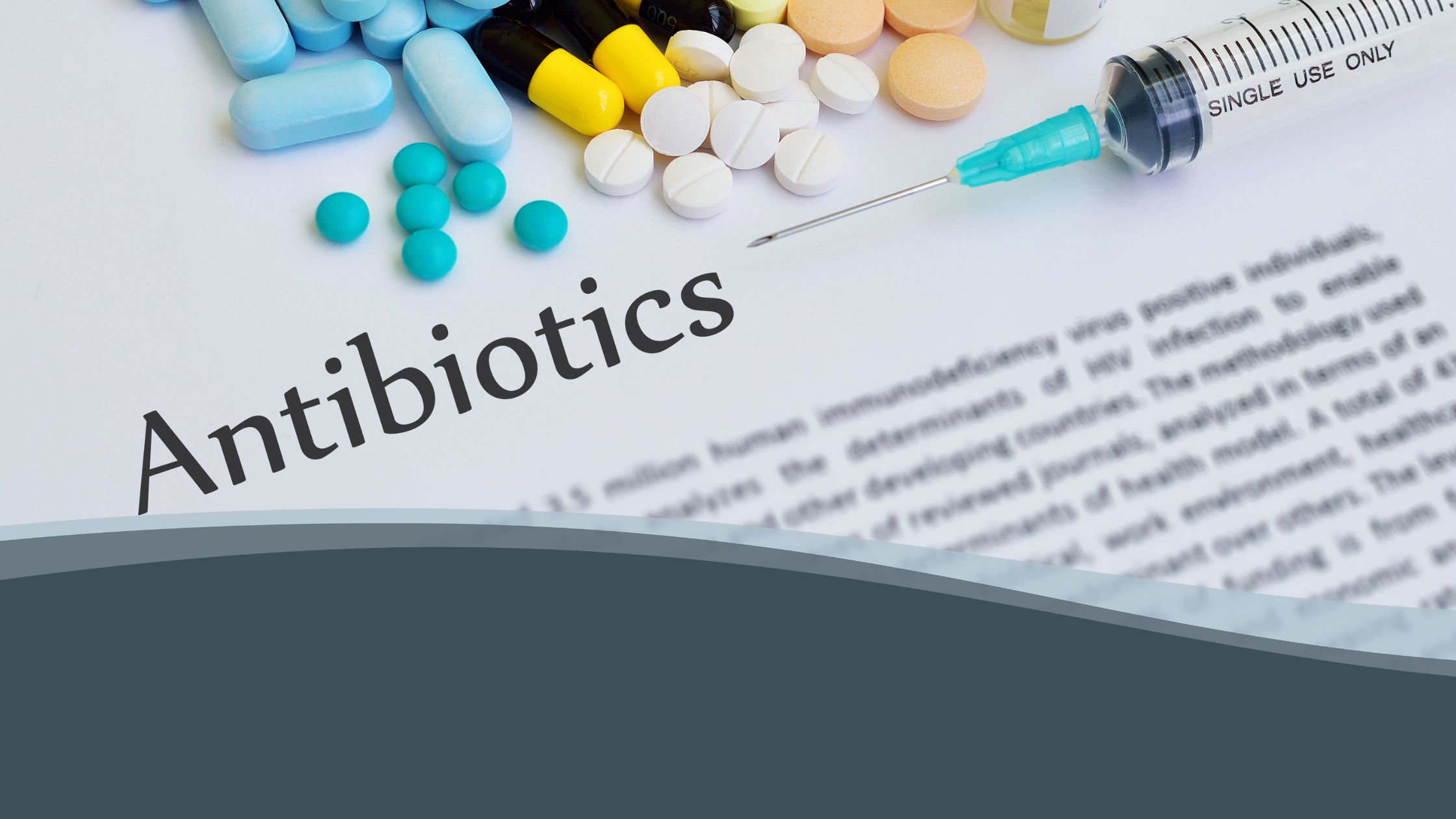
Both S, aureus and group A strep impetigo are treated either with an antibiotic cream or in the case of a severe infection an oral antibiotic.

Your care provider can guide you in the best treatment option available. They may want to take a sample of the bacteria on the skin to determine if you have impetigo, however visual observance is how it is usually diagnosed.

Impetigo can take weeks to clear up. If the rash spreads or does not get better (after a week or so) following treatment, contact your care provider for further guidance. You may need to try another antibiotic.

NOTE: Most impetigo is caused by group A strep

Most cases of impetigo are treated with a prescription antibiotic cream applied directly to the affected area(s). Only severe cases and cases that aren’t healing may need an oral antibiotic.

Be sure to keep sores clean by daily cleansing with mild soap and water and patting dry. Wash soiled washcloths in hot water and dry on high heat.  Apply prescribed cream once skin is dry.

It takes about 10 days for sores to appear after someone is exposed to group A strep. If an oral antibiotic is indicated for group A strep impetigo it is usually treated with Amoxicillin-Clavulanate (one of the antibiotics in the Jase case)

If an oral antibiotic is indicated for S. aureus impetigo, your care provider may prescribe doxycycline (one of the antibiotics in the Jase case) or another antibiotic if needed.

Complications of untreated impetigo

Rare complications include:

  • Kidney failure
  • Glomerulonephritis
  • Scarring

Prevention

  • Use a clean washcloth and towel each time you wash.
  • DO NOT share towels, clothing, brushes, and other personal care products with anyone.
  • Avoid touching sores that are oozing. If you do, immediately wash hands, wipe hands on towel and immediately put the towel in the washer or if using paper towels, discard in trash immediately.
  • Keep your skin clean to prevent getting the infection. Wash minor cuts and scrapes well with soap and clean water
  • Avoid using hot tubs or swimming pools to prevent spread of impetigo to other parts of the body


Lifesaving Medications

Everyone should be empowered to care for themselves and their loved ones during the unexpected.

Recent Posts

Keeping you informed and safe.
National Doctor’s Day: A Celebration Of Care

National Doctor’s Day: A Celebration Of Care

On this day we recognize the contributions of doctors to our health, our lives, and our communities.  .  National Doctor's Day: A Day We Acknowledge The Vital Roles Doctors Play In Our Lives National Doctor’s Day is a day dedicated to recognizing the...

Measles Cases On The Rise In The U.S.

Measles Cases On The Rise In The U.S.

Why a conquered disease is back, and what we can do.  .  The Measles Resurgence: A Call For Health Preparedness Measles, a highly contagious and potentially deadly disease - once relegated to history books - is making a disturbing comeback in the United States....

5 Ways to Prepare For Medical Emergencies

5 Ways to Prepare For Medical Emergencies

With relentlessly busy lives, in a world as volatile as ours, you never quite know what may happen tomorrow. .  Being as prepared as possible is the only way to safeguard your family against preventable mishaps during an unpreventable emergency. Remember,...

Join Our Newsletter

Our mission is to help you be more medically prepared. Join our newsletter and follow us on social media for health and safety tips each week!

Planning a Road Trip?

Travel plans over the Labor Day weekend? Do you have the fluids in your car topped off, the tire pressure checked, bags packed for the road? How does your first aid bag look – is it stocked and ready for emergencies you may encounter on your trip?

Preparedness doesn’t just stop at the home while we are out and about our usual day, from running errands to long distance travel, medical emergencies can happen anytime. Knowing what to do and having the necessary tools in the event of an emergency could be the difference between life and death.

Traveling solo in your vehicle presents challenges not encountered when using public transportation such as air travel and cruise ships. These types of travel have basic and advanced first aid and crew members who are trained to handle medical emergencies.

Whether you travel by motorcycle, car or RV medical emergencies can arise and there could be no one to help. Rural areas where there is no cellphone service, inclement weather preventing emergency personnel to respond are just a few need to manage an emergency on your own.

Getting ready for your trip

On the road you could encounter any number of different types of emergencies. From a car crash to a cardiac event to food poisoning from eating stale food from your cooler, the wide array of medical emergencies is almost endless.

  1. Planning and obtaining necessary supplies
  • Not only having medication and supplements packed, have on hand extra water for everyone in case of a breakdown. At least 2-16 ounce bottles of water per person is desirable.
  • If you have Jase cases for your family, be sure to bring them along. These medicines could prevent a costly trip to the emergency room if you or your family become ill on the road.
  • If anyone traveling with you is diabetic have juice or other sweet snacks in case of low blood sugar.
  • Have electrolyte drinks or mix for water in case of extreme heat and electrolyte loss
  • Keep warm blankets, towels, flashing flares and a well equipped first aid kit for the car.
  • Open and insect the contents of your first aid kit. Discard and replace any used, contaminated, or expired items in it.
  • Check your first aid medications. Do you have medication to stop diarrhea, nausea, vomiting, over the counter pain meds? Allergy meds? Bug repellant? Creams for burns? A warm blanket to prevent shock? Flashlights with batteries? A distress whistle if car ends up off the road and can’t be seen from the road? Shovel and gloves, a container of cat litter for traction if you find yourself on icy pavement and are unable to obtain traction is invaluable.
  • Make sure you have extra clothing and outerwear in case of inclement weather.
  • A physical map in case you are unable to navigate with GPS (GPS isn’t reliable in rural areas)
  • Let someone you know the route you are planning on taking and your estimated ETA. Contact them once you have arrived at our destination.
  • This is just a short list of items that you may want to consider when venturing out of town.

With a little forethought and planning you will arrive at your destination safely. Have a safe and fun Labor Day holiday!

Lifesaving Medications

Everyone should be empowered to care for themselves and their loved ones during the unexpected.

Recent Posts

Keeping you informed and safe.

National Doctor’s Day: A Celebration Of Care

National Doctor’s Day: A Celebration Of Care

On this day we recognize the contributions of doctors to our health, our lives, and our communities.  .  National Doctor's Day: A Day We Acknowledge The Vital Roles Doctors Play In Our Lives National Doctor’s Day is a day dedicated to recognizing the...

Measles Cases On The Rise In The U.S.

Measles Cases On The Rise In The U.S.

Why a conquered disease is back, and what we can do.  .  The Measles Resurgence: A Call For Health Preparedness Measles, a highly contagious and potentially deadly disease - once relegated to history books - is making a disturbing comeback in the United States....

5 Ways to Prepare For Medical Emergencies

5 Ways to Prepare For Medical Emergencies

With relentlessly busy lives, in a world as volatile as ours, you never quite know what may happen tomorrow. .  Being as prepared as possible is the only way to safeguard your family against preventable mishaps during an unpreventable emergency. Remember,...

Join Our Newsletter

Our mission is to help you be more medically prepared. Join our newsletter and follow us on social media for health and safety tips each week!

September is Preparedness Month – Are You Prepared?

September is Preparedness Month- Are You Prepared?

With the waning days of summer, children and college students returning to school, summer harvests winding down, and the shorter days, the month of September is an ideal month to take stock of where you are in your preparedness journey.

Any type of preparedness, from freshwater to food storage to emergency fuel stores takes time and planning. Medical and emergency preparedness requires the same planning, and possibly even more.

Our focus today will be on the first aid kit.

Given the fact that each family, situation, geographical location, and individual health needs are different, a one size fits all first aid kit isn’t going to work. There are some basic items found in each kit, however, each family or group needs to take the time to put together their own first aid kit.

Steps to putting together a first aid kit

If you don’t have a first aid kit or need to upgrade, My Medic has a large selection of first aid products and kits to choose from. You can customize a kit to fit the needs of your group.

Get a blank notebook, list, and answer the following:

To begin with, ask yourself the following questions:

  • How many people are you anticipating using your kit with?
  • What are the age ranges of your group?
  • Physical, mental, and emotional limits of any group member
  • Daily medications of each group member, prescription or otherwise
  • Medication, food, or other allergies of each group member
  • What natural disasters and weather are common in your area? Fires, floods, extreme heat or cold?
  • How far are you from emergency care? How long would it take for EMS to arrive at your home?
  • What is yours and your groups knowledge and skill set regarding handling medical emergencies- controlling bleeding, choking, allergic reaction, broken bones, dehydration, heat exhaustion, injuries requiring suturing, etc.

Once you have assessed and answered the above, it is time to take action.

  1. Make sure everyone in your group has enough medication for at least an extra month if a natural disaster strikes. 3-6 months is preferable.
  2. Noting the age ranges of the group, get training and practice first aid skills before an emergency strikes. The American Red cross and many other local EMS businesses are becoming more common. Check locally and get trained. Make sure as many able bodies people in your group are also trained.
  3. Have an emergency drill. Pick a topic, create a scenario, and have members participate in the drill. Do this monthly. From house fires to falls to cardiac arrest, it is only a matter of time before a medical emergency strikes your home. This helps eliminate confusion and figure out what supplies or skills are lacking. This also allows members of the group to assess their own readiness and seek further training or to add needed supplies to the first aid kit.
  4. If you don’t already have a list of your family or group members medications, allergies, and medical conditions, now is the time to do this. Put this in an envelope and put it on the refrigerator or other prominent place available for EMS when they arrive.
  5. Get signed up and trained before an emergency.
  • Check out FEMAs site for some courses on disaster management and training.
  • If not able to attend preparedness courses in person: National Preparedness Course site is a government site with several disaster courses available.
  • And finally the American Red Cross offers online first aid, CPR, and many other courses.

Lifesaving Medications

Everyone should be empowered to care for themselves and their loved ones during the unexpected.

Recent Posts

Keeping you informed and safe.

National Doctor’s Day: A Celebration Of Care

National Doctor’s Day: A Celebration Of Care

On this day we recognize the contributions of doctors to our health, our lives, and our communities.  .  National Doctor's Day: A Day We Acknowledge The Vital Roles Doctors Play In Our Lives National Doctor’s Day is a day dedicated to recognizing the...

Measles Cases On The Rise In The U.S.

Measles Cases On The Rise In The U.S.

Why a conquered disease is back, and what we can do.  .  The Measles Resurgence: A Call For Health Preparedness Measles, a highly contagious and potentially deadly disease - once relegated to history books - is making a disturbing comeback in the United States....

5 Ways to Prepare For Medical Emergencies

5 Ways to Prepare For Medical Emergencies

With relentlessly busy lives, in a world as volatile as ours, you never quite know what may happen tomorrow. .  Being as prepared as possible is the only way to safeguard your family against preventable mishaps during an unpreventable emergency. Remember,...

Join Our Newsletter

Our mission is to help you be more medically prepared. Join our newsletter and follow us on social media for health and safety tips each week!

Education Series: Back To School

Bedtime Routine 

A consistent sleep schedule is essential for children to tackle their day-to-day tasks. With school starting, it has never been more important to cultivate good sleep habits.

The CDC recommends children ages 3-5 years get 10-13 hours of sleep a night, children ages 6-12 get 9-12 hours of sleep, and children ages 13-18 get 8-10 hours of sleep each night. Sleep is critical to help prevent attention or behavior problems, injuries, poor mental health, obesity and type 2 diabetes. 

Here are some tips for good sleep and a balanced bedtime routine:

  • Set wakeup and bedtimes at the same time (including weekends)
  • Remove electronic devices from bedrooms
  • Incorporate soothing activities like a warm bath, brushing teeth, and a bedtime story
  • Avoid caffeine and large meals before bed
  • Keep the bedroom quiet and at a comfortable temperature
  • Keep your routine short and sweet

Healthy Snack Ideas 

After a long day at school, kids come home ready to eat! Here are a few simple snack ideas that are healthy, quick, and fun:

  • Hummus and veggies
  • String cheese and pretzels
  • Fruit kabobs with dip
  • Apple nachos (slice apples, drizzle with peanut butter and sprinkle with chocolate chips)
  • Green smoothies
  • Trail Mix
  • Crackers with cheese slices
  • Popcorn trail mix (popcorn, chocolate chips and peanuts)
  • Cheese quesadillas

Safety First Mindset 

As children are preparing to return to school, parents prep them with the essentials-school supplies, backpacks, new shoes, and new clothes. But one important tool they may miss is a safety first mindset. To help with back to school preparations, here are a few simple safety tips:

  • When walking to school use crosswalks, a safe route to and from school, and have them travel in a group
  • Wear a helmet when riding bikes or scooters to and from school
  • Teach children where pickup and drop-off zones are located
  • Dress children in comfortable shoes and clothing for outdoor activities and recess
  • Teach children about the danger of strangers and what to do when approached by one
  • Invest in a good backpack with 2 workable straps

Yearly Influenza Vaccine 

Doctors recommend the yearly flu vaccine for children 6 months old and older. The most crucial time to receive the vaccine is by the end of October before the flu begins spreading in your community. Shared supplies, close contact, extended periods of time together, and limited hand washing make schools the perfect place to spread Influenza. This virus spreads easily and can cause serious illness for young children and people with chronic conditions like asthma and diabetes. There are many benefits to getting the flu vaccine every year – reducing the risk of contracting the flu, reducing the severity of illness in people who are vaccinated and getting sick, reducing the risk of hospitalization associated with the flu, and helping protect people who you associate with. 

Separation Anxiety 

The transition back to school after summer ends can be a stressful time for both kids and their parents. Here are some tips to help ease your child’s back to school anxiety:

  • Visit your child’s school before the school year starts. Rehearsing the drop-off and taking a look at the classroom (if the building is open) can help relieve stress for your child
  • Research shows that the presence of a familiar friend during back-to-school transitions can improve your child’s academic and emotional adjustment. Plan a playdate with a familiar peer before school starts
  • Plan a rewarding activity for your child that they could earn by separating from parents to attend school
  • Validate and acknowledge your child’s worry. Going back to school can be a stressful time! But, like any new activity, starting school can start off as hard but soon becomes enjoyable

Lunch Time Ideas 

Keeping meals exciting and nutritious for kids can be a challenge! Packing school lunches can make it an even harder task. A healthy lunch consists of five main components. Milk, fruit, vegetables, grain and protein. Here are a few of our favorite kid-friendly food blogs so you don’t have to hunt them down:

  • Weelicious Catherine is mom to 2 kids and studied at The Institute for Culinary Education in Manhattan. Her blog focuses on quick, easy, nutritious recipes that are made using fresh, but minimal ingredients. 
  • Simple Bites Aimée is a former chef-turned modern homesteader and mom to 3 kids, 2 cats and a handful of chickens. Recipes are easy to prepare and feature unprocessed, seasonal ingredients. 
  • Teach. Eat. Love.Written by Anne, the blog was created out of her need to find healthy recipes her daughter would eat during the dreaded picky stage. You’ll find allergy-friendly recipes, lunch box ideas – even meals inspired by literature! 

Setting Goals 

Working towards and achieving goals give your child important skills such as planning, putting in hard work and managing time. Helping your child set goals before the start of the school year is a great way for them to stay motivated and on track. Make sure the goals have a purpose. Having a specific goal with a clear purpose helps to motivate your child. Don’t be afraid to adjust the goal as needed. Perhaps discuss the difference between a short-term goal and a long-term goal. If your child wants to give up, you can remind them of their purpose and cheer them on! 

Homework Help 

Setting goals and expectations for homework assignments with your child before they go back to school is always important. Setting aside time in the evening to help your child with their homework assignments can create good study habits and with the help of an adult, can motivate them to stay up-to-date on tasks. Try making “homework time” enjoyable for your child. Motivate them with something they can earn, or reward them for completing their homework on time. 

Back to school can be a stressful time! Make sure you and your child are prepared before the school bell rings.

Lifesaving Medications

Everyone should be empowered to care for themselves and their loved ones during the unexpected.

Recent Posts

Keeping you informed and safe.

National Doctor’s Day: A Celebration Of Care

National Doctor’s Day: A Celebration Of Care

On this day we recognize the contributions of doctors to our health, our lives, and our communities.  .  National Doctor's Day: A Day We Acknowledge The Vital Roles Doctors Play In Our Lives National Doctor’s Day is a day dedicated to recognizing the...

Measles Cases On The Rise In The U.S.

Measles Cases On The Rise In The U.S.

Why a conquered disease is back, and what we can do.  .  The Measles Resurgence: A Call For Health Preparedness Measles, a highly contagious and potentially deadly disease - once relegated to history books - is making a disturbing comeback in the United States....

5 Ways to Prepare For Medical Emergencies

5 Ways to Prepare For Medical Emergencies

With relentlessly busy lives, in a world as volatile as ours, you never quite know what may happen tomorrow. .  Being as prepared as possible is the only way to safeguard your family against preventable mishaps during an unpreventable emergency. Remember,...

Join Our Newsletter

Our mission is to help you be more medically prepared. Join our newsletter and follow us on social media for health and safety tips each week!