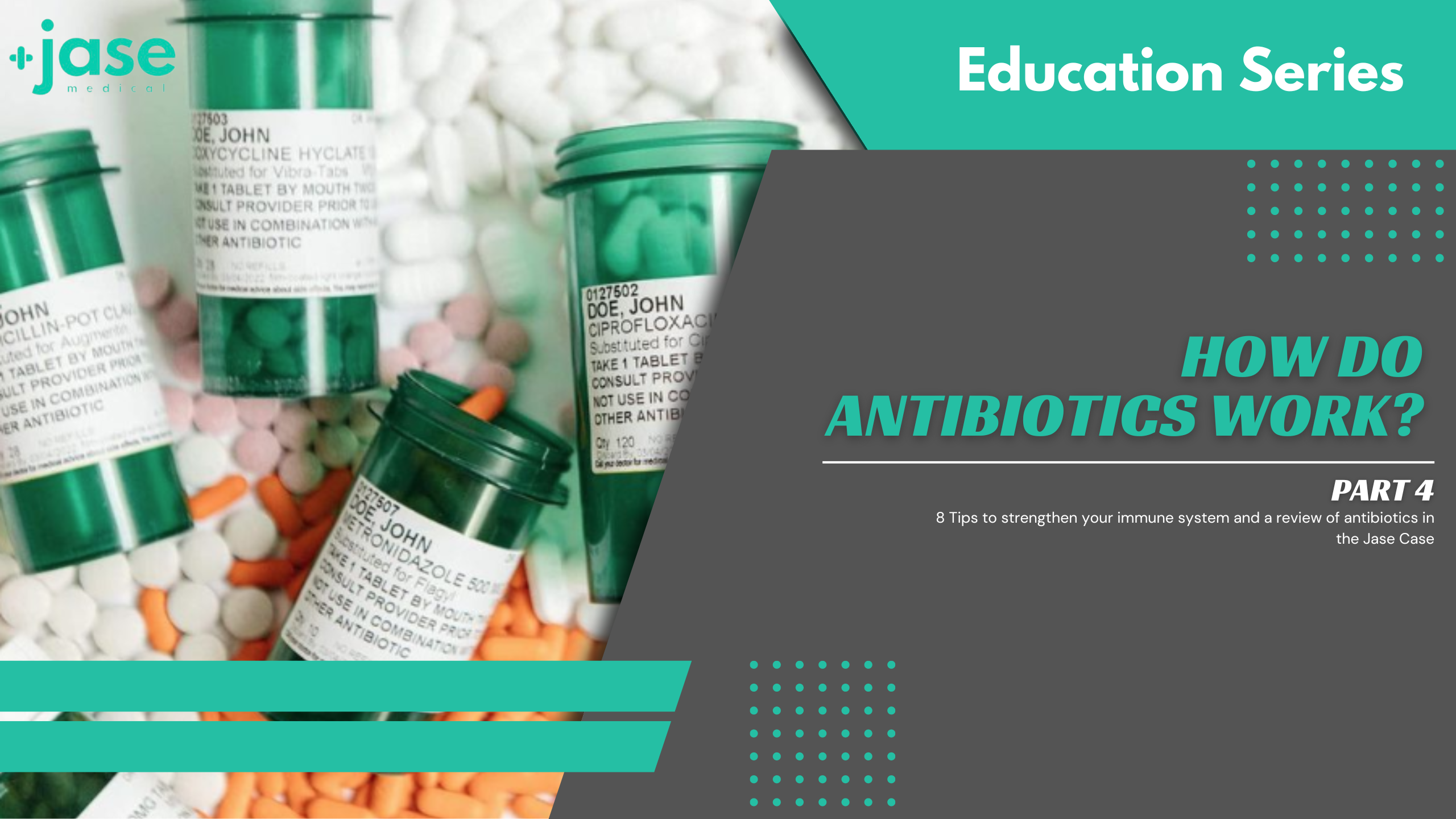
How do Antibiotics Work? Part 4

The best way to take antibiotics is to never need them. But that isn’t always an option. However, there are some steps you can take to strengthen your immune system so that you and your loved ones can fight off illness. The recent outbreak of deaths from group A strep– which is usually treated with Amoxicillin, is currently in short supply. This highlights the fragility of our nations drug supply. Check this site for current drug shortages- if a medication you are taking is on the list contact your care provider to get your medications refilled, and if available ask for a years supply of your meds.

8 tips to strengthen your immune system

  1. Get good quality sleep

According to the Sleep foundation good quality sleep enhances both the innate and adaptive immune system responses. Non rapid eye movement, known as NREM is deep sleep slows the body’s processes allowing more energy to be directed at healing. Sleep is such an important topic that it really needs its own post.

  1. Cut back on sugar

Professor of immunobiology at Yale, Ruslan Medzhitov performed experiments on mice- after infecting the mice with the bacteria Listeria monocytogenes he fed one group fat and proteins. They lived. The group he fed simple carbohydrates died.  Conversely, when the mice were infected with an influenzas virus and fed fats and proteins, they were more likely to die compared to the mice fed simple carbohydrates. In other words, balance is the key. If unsure if you have a viral or bacterial infection it is best to just cut out excess sugar.

  1. Increase fresh fruits and vegetables

Up to 80% of our immune system is housed in lymphoid tissue in your intestines, It is called gut associated lymph tissue (GALT) By eating fiber rich foods the beneficial bacteria help the immune system do its job. In addition, a study found that eating a diverse diet high in fiber rich foods can help combat antibiotic resistance. There needs to be more research in this area of study, however initial results are promising.

In addition, several varieties of mushrooms are known to improve immune system function and are being studied for their cancer fighting properties.

  1. Drink plenty of water

Water helps flush toxins out of the body, both through elimination and mucus membranes.

The bloodstream is comprised mostly of water. To help the body fight infection keeping hydrated helps the white blood cells do their job- fight infections.

  1. Avoid alcohol and smoking

Both can decrease immunity

  1. Keep your vitamin D levels up

Vitamin D is well known to help fight infections. Be sure that when you take vitamin D (which is really not a vitamin, it is a steroid hormone) be sure to add vitamin K2, also known as MK 7, This is important, because this helps avoid calcium buildup in your arteries.

  1. Reduce and manage stress

Stress raises our cortisol levels which in turn suppresses the immune response to pathogenic invaders.

  1. Exercise to boost immunity

Research shows that 20–40 minutes of moderate-intensity exercise per day is adequate to provide a positive boost to the immune system. Exercise helps circulate the infection fighting cells in the body.

If you still need an antibiotic Jase has you covered
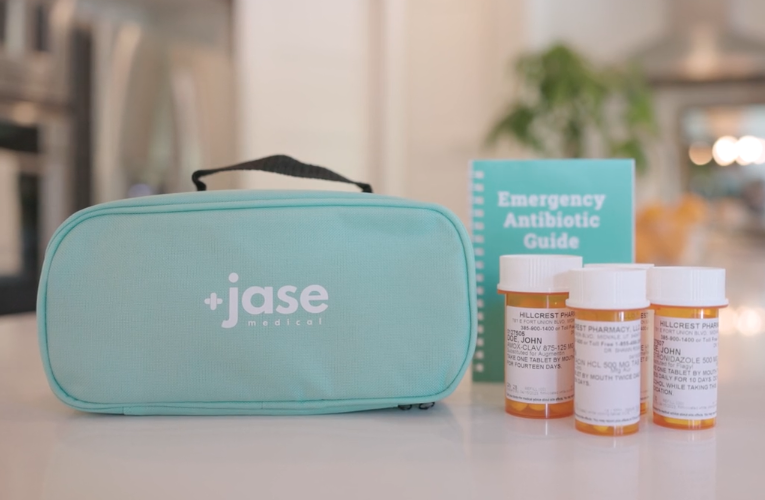
The 5 antibiotics in the Jase case can cover a wide range of bacterial illnesses. If in doubt contact Jase provider for guidance, part of the outstanding service Jase offers is unlimited follow up for questions about antibiotic use.

 Let’s take a look at some of the infections Jase antibiotics cover:

  • Amoxicillin-clavulanate 875 mg tablets (28 tablets)

When amoxicillin is not available due to current shortages this antibiotic can be substituted. Other uses include group A strep, sinusitis, pneumonia, ear infections, bronchitis, urinary tract infections, and infections of the skin

  • Azithromycin 250 mg tablets (6 tablets)

Bacterial pneumonia, ear and sinus infections, skin infections, Travelers diarrhea, urinary tract infection

  • Ciprofloxacin 500 mg tablets (28 tablets)

Bioterrorism infections from anthrax, Tularemia or plague exposure

Travelers diarrhea

  • Doxycycline 100 mg capsules (120 capsules)

Bioterrorism infections from anthrax, Tularemia, or plague exposure

Skin infection, tetanus, bites (animal or human)

  • Metronidazole 500 mg tablets (30 tablets)

bacterial vaginosis, diarrhea (caused by giardia and clostridioides difficile), giardiasis, tetanus, and trichomoniasis


- Brooke Lounsbury

Medical Content Writer

Lifesaving Medications

Everyone should be empowered to care for themselves and their loved ones during the unexpected.

Recent Posts

Keeping you informed and safe.
Ivermectin: Just the Facts

Ivermectin: Just the Facts

Let's clear the air about this maligned medication.The Ivermectin Imbroglio Ivermectin has stirred many conversations - some very heated, and very public - in the past few years, but before 2020 many of you might not have even heard of the drug before. With all the...

Join Our Newsletter

Our mission is to help you be more medically prepared. Join our newsletter and follow us on social media for health and safety tips each week!

How do Antibiotics Work? Part 3

In part 1 we reviewed how antibiotics work, part 2 what biofilms are and their role in antibiotic resistance. In part 3 we will review:

  • When antibiotics are needed and when they aren’t appropriate
  • Distinguish between an allergic reaction to an antibiotic and the symptoms the infection is treating

When antibiotics are needed and when they aren’t appropriate

Antibiotic stewardship is one of the most pressing health issues of our time. As pathogens mutate and evade antibiotic therapy, we are forced to use more potent antibiotics. The use of antibiotics when not necessary is leading to devastating consequences. Antibiotic resistance, AKA antimicrobial resistance happens when germs like bacteria or fungi no longer respond to the drugs designed to kill them. According to the CDC: “About 47 million antibiotic courses are prescribed for infections that don’t need antibiotics, like colds and the flu, in U.S. doctors’ offices and emergency departments each year. That’s about 28% of all antibiotics prescribed in these settings.”

In the U.S., more than 2.8 million antimicrobial-resistant infections occur each year. A list of the antimicrobial resistant infections are listed on the CDC website. Some are familiar to the general population such as MRSA- Methicillin resistant Staphylococcus aureus, and VRE- Vancomycin resistant Enterococci. Some not so familiar-Drug resistant Candida and Carbapenem-resistant Acinetobacter for example. A full list of CDCs watchlist can be found here.

Antibiotics are indicated when:

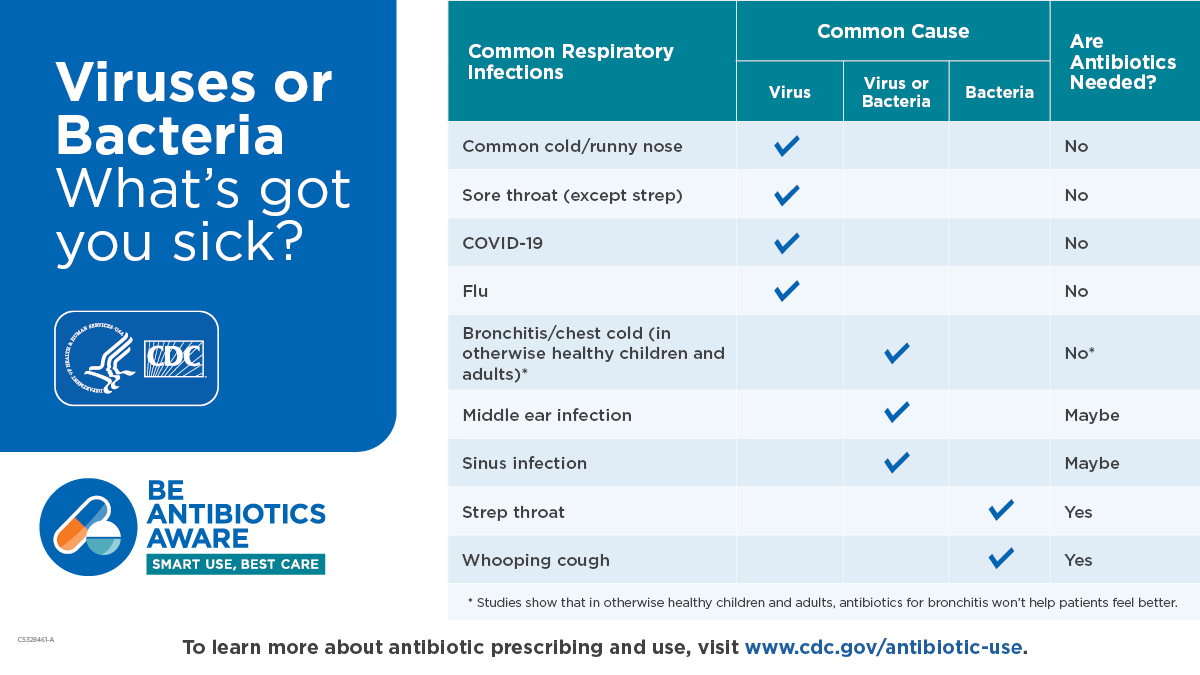
A bacteria or fungal infection has taken over the body, either systemically (in the body) or topically-skin and tissues. Entry points can be a break in the skin, respiratory inhalation, eyes. Ears, mouth, urogenital route, or ingestion. They are not needed in all cases, sometimes our body can fight off the infection. If you own a Jase case check with your care provider when in question. They are not appropriate for viral illnesses such as colds, flu, covid, etc. Sometimes a viral infection will lower the body’s immune defenses allowing an opportunistic bacterial or fungal infection to take over as in the case of a viral pneumonia to bacterial pneumonia. At that point an antibiotic may be needed.

Distinguish between an allergic reaction to an antibiotic and the symptoms the infection is treating

Penicillin, the most commonly reported antibiotic allergy is less common than believed to be.

This is a great you tube video on penicillin allergies

According to the CDC: Although 10% of the population in the U.S. reports a penicillin allergy, less than 1% of the population is truly penicillin allergic.

The difference between a side effect and allergy

Side effects to antibiotics

  • Nausea, vomiting
  • Diarrhea
  • Mild rash
  • Photosensitivity
  • Vaginal yeast infection
  • Thrush

Allergic reaction to antibiotics- Seek medical care immediately

  • Severe rash/hives
  • Peeling skin
  • Anaphylactic reactions such as:
  • Respiratory distress/wheezing
  • Throat closing/tightness

- Brooke Lounsbury

Medical Content Writer

Lifesaving Medications

Everyone should be empowered to care for themselves and their loved ones during the unexpected.

Recent Posts

Keeping you informed and safe.

Ivermectin: Just the Facts

Ivermectin: Just the Facts

Let's clear the air about this maligned medication.The Ivermectin Imbroglio Ivermectin has stirred many conversations - some very heated, and very public - in the past few years, but before 2020 many of you might not have even heard of the drug before. With all the...

Join Our Newsletter

Our mission is to help you be more medically prepared. Join our newsletter and follow us on social media for health and safety tips each week!

How do Antibiotics Work? Part 2

In part 1 the history of antibiotics and how they work was reviewed. This week we will look at

  • The role of biofilms in bacteria and why these present a challenge to our modern-day arsenal of antibiotics
  • Antibiotic resistance challenges

The role of biofilms in bacteria and why these present a challenge to our modern-day arsenal of antibiotics

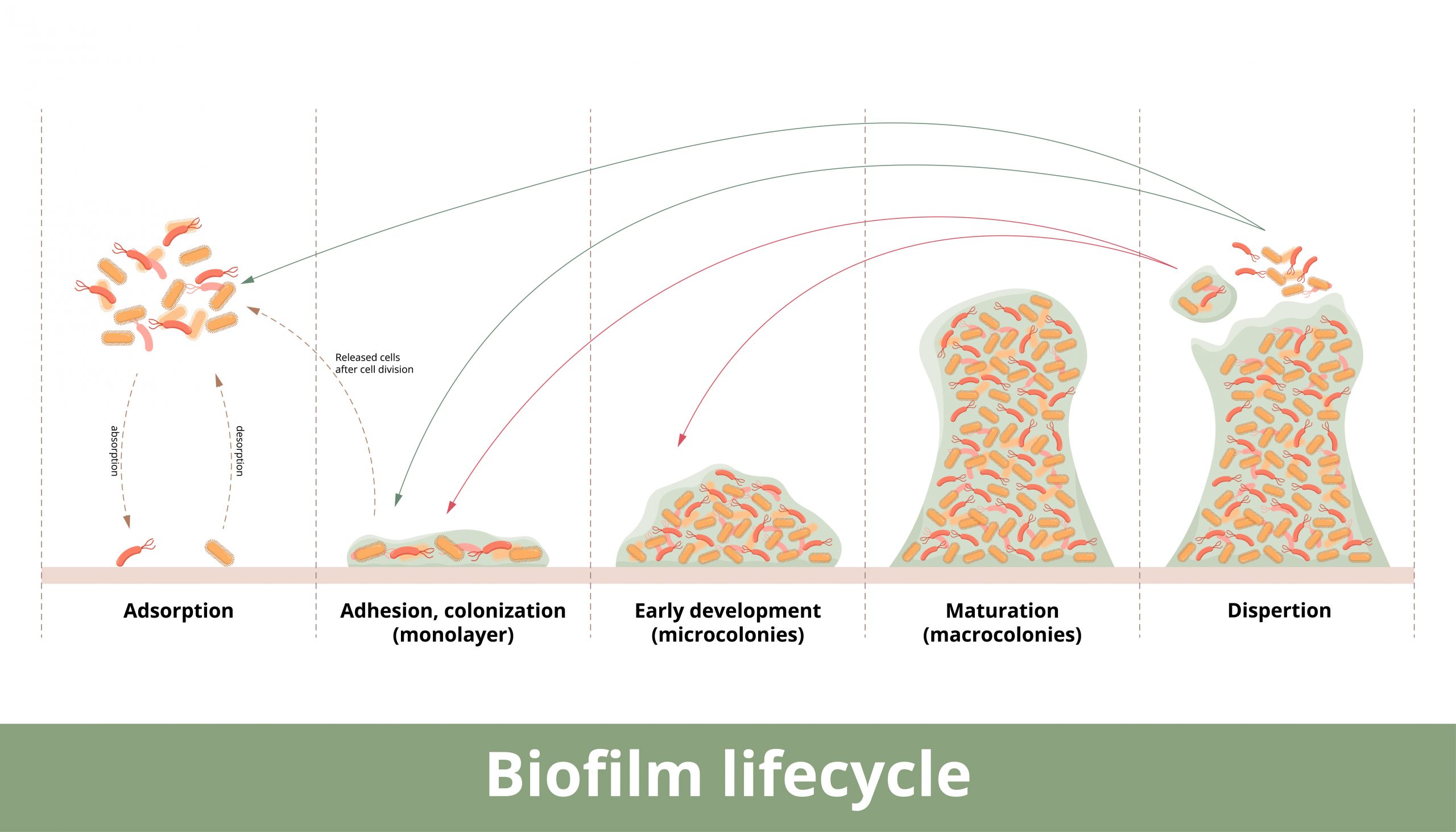
What are biofilms?

It wasn’t until the 1970s that biofilms were found to play a role in bacterial infections in cystic fibrosis patients. Bacterial biofilms are clusters of bacteria that are attached to a surface and/or to each other and embedded in a self-produced matrix of fibrin like proteins or polysaccharides.

The matrix attaches to a surface and manufactures a slimy substance that offers protection that live within the biofilm. This substance is called the Extracellular Matrix (ECM)

The ECM matrix includes proteins, polysaccharides, glycolipids, glycoproteins, and DNA. There can be more than one bacterium or microbe in the matrix which can transfer genetic material between them. This promotes adaptation of the microbes.

For instance, Staphylococcus aureus can form biofilm in four different ways- from polysaccharides to protein/DNA to fibrin to amyloid biofilms. The biofilm protects the bacterium from penetration of any invasive substances that would kill it. This can make the bacteria highly resistant to antibiotics where it can hide within this matrix and can re emerge after antibiotic therapy to reinfect the host.

The National Institutes of Health (NIH) revealed that among all microbial and chronic infections, 65% and 80%, respectively, are associated with biofilm formation. Of note is that biofilms can form on living and nonliving surfaces such as indwelling catheters, implanted medical devices, and protheses.

Common bacteria associated with Biofilm

Staphylococcus aureus

The most common infection associated with implants and medical devices. These devices are very susceptible to biofilm infection. Removal of the implant or device can help bring the infection under control in some instances, however some bacteria are usually dislodged upon removal and take up residence in other parts of the body.

Pseudomonas aeruginosa

According to PubMed  “Pseudomonas aeruginosa is an opportunistic human pathogen causing devastating acute and chronic infections in individuals with compromised immune systems. Its highly notorious persistence in clinical settings is attributed to its ability to form antibiotic-resistant biofilms.” It is found in both indwelling medical devices, catheters, ventilators and in humans.

P aeruginosa is also a major cause of hospital acquired infections, ranging from ventilator associated pneumonia to cystic fibrosis patients succumbing to this infection and diabetics with non-healing ulcers.

Escherichia coli

A major cause of urinary tract infections and can be difficult to eradicate.

Biofilm-associated diseases of different body systems and their affected organs.

Some of the more common biofilm associated diseases include:

  • Otitis media- ear infection
  • Cardiac valve-Infective endocarditis
  • Arteries- Atherosclerosis
  • Salivary glands- Salivary duct stones
  • Gastrointestinal tract- Inflammatory bowel disease and colorectal cancer
  • Skin and underlying tissue- Wound infections
  • Vagina- Bacterial vaginosis
  • Uterus and fallopian tubes- Chronic endometritis
  • Mamary glands- Mastitis
  • Nasal cavity and paranasal sinuses- Chronic rhinosinusitis
  • Throat, tonsils, adenoids, larynx and vocal cords- Pharyngitis and laryngitis
  • Respiratory- Upper and lower airways- Cystic fibrosis, pseudomonas pneumonia
  • Mouth- dental caries

Antibiotic resistance challenges

As we enter a world where antibiotic resistance becomes more commonplace there are a few measures we can take to help alleviate this.

The 4 Rs of home antibiotic therapy:

  1. Right person- don’t share antibiotics
  2. Right route- by mouth, injection or topical
  3. Right time- and how often to take
  4. Right dose- don’t skip or save antibiotics, finish entire course of therapy

Research points to taking low doses of or not completing antibiotic therapy can cause antibiotic resistance- the pathogenic (disease causing) bacteria aren’t all the way eradicated. This, in turn allows the bacteria time to mutate and develop resistance to the antibiotic.

  • Use antibiotics appropriately

Antibiotics treat bacteria and, in some cases, parasitic and fungal infections. They do not treat viruses. Overuse and not used appropriately has led to antibiotic resistance. This in turn forces the practitioner to use stronger antibiotics with more side effects.

  • Biofilm disruptors

Combination drug therapies are sometimes used to combat biofilm.

There is a growing body of evidence that some spices and foods can act as biofilm disruptors, allowing antibiotics to reach the pathogenic bacteria. One is turmeric. Others include oil of oregano and cranberry, used in urinary tract infections.

- Brooke Lounsbury

Medical Content Writer

Lifesaving Medications

Everyone should be empowered to care for themselves and their loved ones during the unexpected.

Recent Posts

Keeping you informed and safe.

Ivermectin: Just the Facts

Ivermectin: Just the Facts

Let's clear the air about this maligned medication.The Ivermectin Imbroglio Ivermectin has stirred many conversations - some very heated, and very public - in the past few years, but before 2020 many of you might not have even heard of the drug before. With all the...

Join Our Newsletter

Our mission is to help you be more medically prepared. Join our newsletter and follow us on social media for health and safety tips each week!

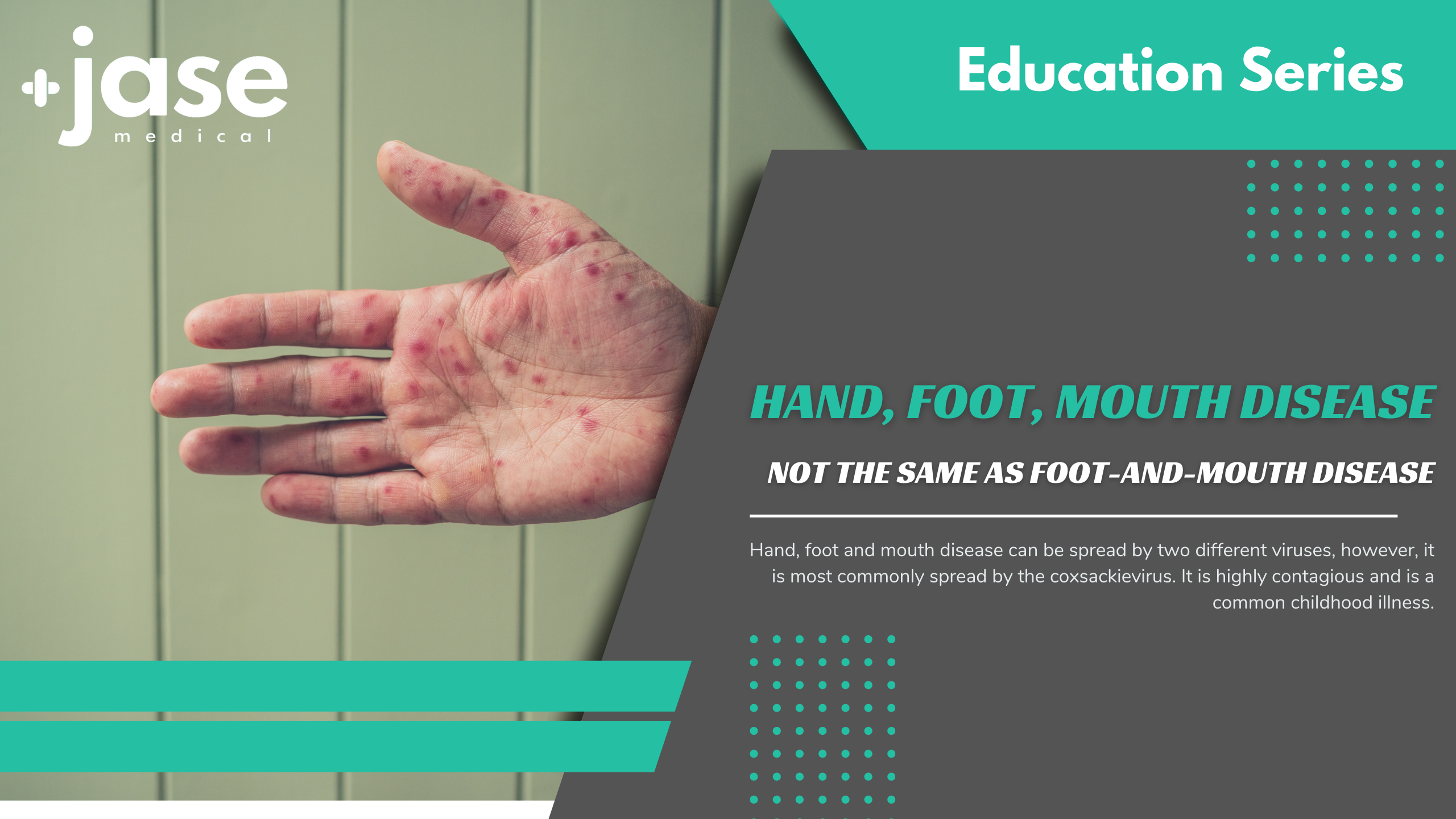
Hand, Foot, Mouth Disease

Hand, foot, and mouth disease is often confused with foot-and-mouth disease (also called hoof-and-mouth disease), which affects cows, sheep, and pigs.

Humans do not get the animal disease, and animals do not get the human disease.

What is it:

Hand, foot and mouth disease can be spread by two different viruses, however it is most commonly spread by the coxsackievirus. It is highly contagious and is a common childhood illness. HFMD is common in children under the age of 10, but any age can contract it. You can contract the disease more than once, however the symptoms will be less severe.

The virus can sometimes spread to others for days or weeks after symptoms go away or if they have no symptoms at all (carriers of the virus).

How is it spread:

HFMD is most contagious during the first week when a person is sick.

This highly contagious virus is spread through contact with:

  • Nasal and throat secretions (saliva, drool or nasal mucus)
  • Fluid from scabs or blisters
  • Poop (not using hygienic bathroom practices)

Common signs and symptoms:

  •  
  • Sore throat.
  • Feeling sick.
  • Painful, blister-like lesions on the tongue, gums and inside of the cheeks. These lesions can lead to poor appetite or risk of dehydration due to pain when attempting to eat or drink.
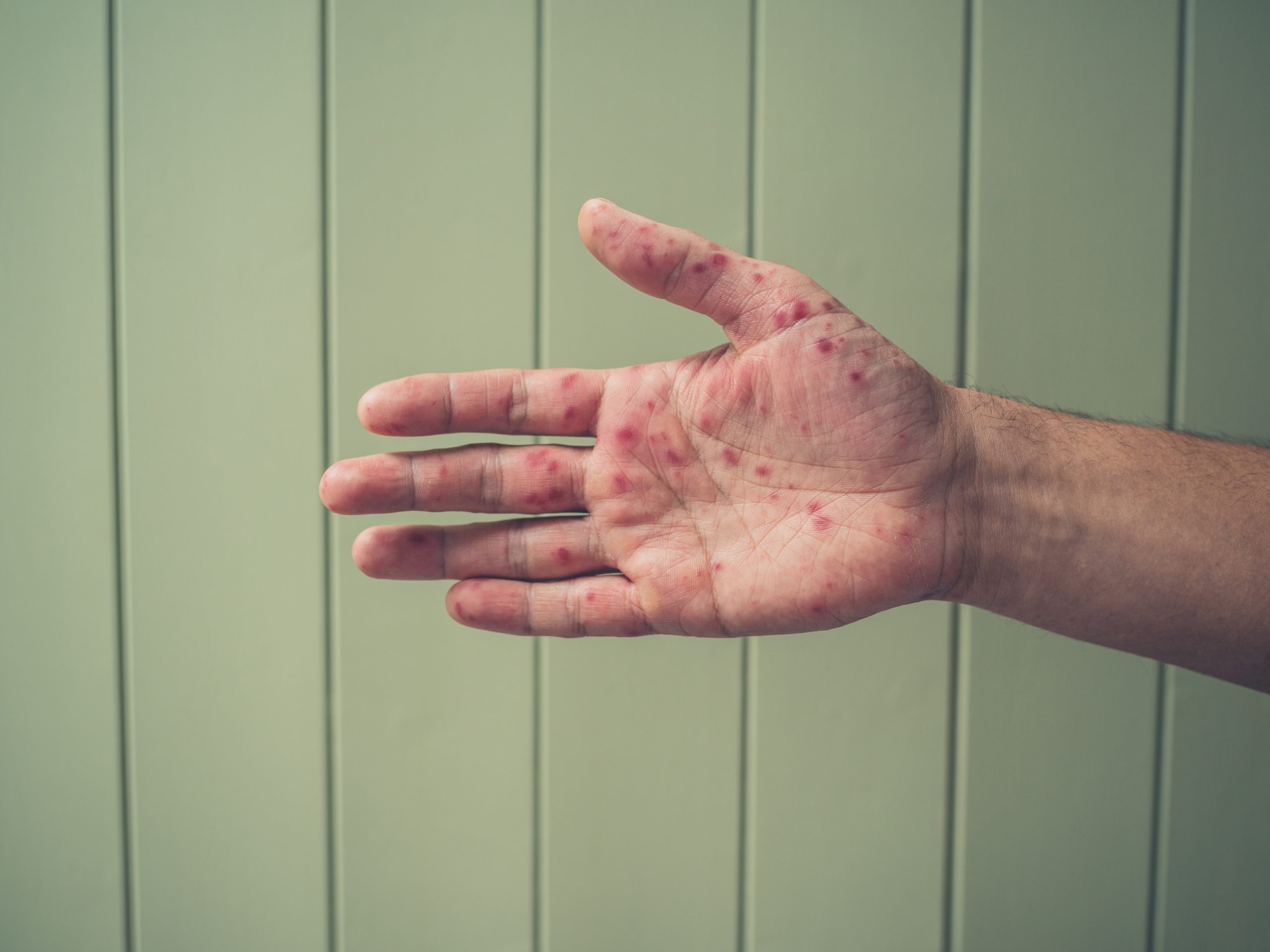
  • A blister like rash on the palms, soles of the feet and sometimes the buttocks. The rash is not itchy. The blisters are usually small, oval, and white, and are usually not found on the trunk.
  • Fussiness in infants and toddlers.
  • Loss of appetite.
  • Symptoms usually last from 7-10 days after becoming infected.


How to treat:

Antibiotics do not work on viruses and are not given to children with HFMD. HFMD will get better on its own.

  • Tylenol or ibuprofen. Ask your care provider what they recommend for pain relief.
  • Be sure to offer liquids to prevent dehydration.
  • Do not squeeze or otherwise pierce blisters. The fluid contained in the blisters is highly contagious.

When to seek medical care:

If your child is unwell with a fever and a skin rash (small bright red spots or purple spots or unexplained bruises) that does not turn to skin-color (blanch) when you press on it, this may be a sign of meningococcal infection (see  Meningococcal infection).(This is a very rare occurrence)

Lifesaving Medications

Everyone should be empowered to care for themselves and their loved ones during the unexpected.

Recent Posts

Keeping you informed and safe.

Ivermectin: Just the Facts

Ivermectin: Just the Facts

Let's clear the air about this maligned medication.The Ivermectin Imbroglio Ivermectin has stirred many conversations - some very heated, and very public - in the past few years, but before 2020 many of you might not have even heard of the drug before. With all the...

Join Our Newsletter

Our mission is to help you be more medically prepared. Join our newsletter and follow us on social media for health and safety tips each week!

Are you Prepared for Fire?

The end of the summer brings dry weather and many areas at risk for wildfires. Many areas, including California, along with the disruption by evacuations or electrical blackouts, can bring many challenges that not just the fires bring. Home fires are of particular concern because they usually happen without warning, can occur during the middle of the night and can catch you off guard.

According to the National Fire Protection Association (NFTPA) :

  • More than one-quarter (26%) of reported fires in 2015-2019 occurred in homes. Even worse, three-quarters (75%) of civilian fire deaths and almost three-quarters (72%) of all reported injuries were caused by home fires.
  • During this five-year period, US fire departments responded to an estimated average of 346,800 home structure fires per year. These fires caused an annual average of 2,620 civilian deaths; 11,070 civilian fire injuries; and $7.3 billion in direct property damage.
  • Most home fires and fire casualties result from five causes: cooking, heating, electrical distribution and lighting equipment, intentional fire setting, and smoking materials.
  • Over the five-year period of 2015–2019, cooking was the leading cause of home fires and home fire injuries, while smoking was the leading cause of home fire deaths.

These are alarming statistics. Are you prepared and know what to do if fire hits your home?

Below are a few considerations for fire preparedness, the NFPA has excellent resources

  • Regarding smoke alarms and a safety plan: Check and replace your smoke alarms Develop a safety plan, how to evacuate your home and to make sure everyone has a meeting place. Practice this monthly.
  • Practice electrical safety around water. Electrical fires can start anywhere in the home at any time, especially if you live in an older home that hasn’t had the wiring recently inspected and upgraded. Along with the danger of an electrical fire is the risk of electrocution that extinguishing a fire can bring when using water.
  • Have fire extinguishers available in all areas of the home, especially the kitchen and garage areas. Learn from your local fire department how to use them properly. Have them refilled, check them at the same time you inspect your smoke alarms. Make sure you are using an extinguisher rated for your intended use. Also have an extinguisher in your auto, check it periodically also.
  • If a fire breaks out in a public area, such as a restaurant, nightclub, hotel , school, dorm or other area, always take mental note of where the exits are and how you would leave the building if a fire broke out
  • At risk groups such as elderly and disabled require a plan in place for their safe evacuation and safety.
  • Store gasoline and other flammables in a cool, dark place in containers designed for their contents.
  • Smoke inhalation can be deadly, especially with structural fires. The types of plastics and other materials can create deadly fumes. When exiting a burning building stay as low to the ground as possible. The fresher air is found there.


  • Teach children the dangers of fires at an early age. There are many resources on the internet and library that can help. NFPA has a good you tube video on fire safety targeted at children.
  • Keep flashlight, whistles, phone and other items near your bedside in case fire breaks out during the night.
  • Have a plan in place for your pets.

Take the time to implement and practice fire safety and practice with your family fire safety and prevention. It could very well save a life.

Lifesaving Medications

Everyone should be empowered to care for themselves and their loved ones during the unexpected.

Recent Posts

Keeping you informed and safe.

Ivermectin: Just the Facts

Ivermectin: Just the Facts

Let's clear the air about this maligned medication.The Ivermectin Imbroglio Ivermectin has stirred many conversations - some very heated, and very public - in the past few years, but before 2020 many of you might not have even heard of the drug before. With all the...

Join Our Newsletter

Our mission is to help you be more medically prepared. Join our newsletter and follow us on social media for health and safety tips each week!