National Doctor’s Day: A Celebration Of Care
On this day we recognize the contributions of doctors to our health, our lives, and our communities. 

.

 

National Doctor’s Day: A Day We Acknowledge The Vital Roles Doctors Play In Our Lives

National Doctor’s Day is a day dedicated to recognizing the contributions of physicians to individual lives and communities. It’s a day to express gratitude for their dedication, expertise, and compassion in caring for the sick and promoting good health.

It was first celebrated in Georgia in 1933 by the wife of Dr. Charles B. Almond, a family medical doctor. Mrs. Almond wanted to show appreciation for the work doctors do, and sought to have a day dedicated to honoring them. The chosen date of March 30th commemorates the anniversary of the first use of general anesthesia in surgery by Dr. Crawford Long in 1842.

National Doctor’s Day is an important opportunity to acknowledge the vital role doctors play in our lives. They undertake years of training and sacrifice to acquire the knowledge and skills necessary to diagnose and treat illnesses, alleviate suffering, and improve the quality of life for their patients.

It’s a day to remember the countless hours they spend caring for the sick – often at the expense of their own personal time and well-being. And a day to celebrate their triumphs and recognize the challenges they face in a constantly evolving healthcare landscape.


Celebrations

  • Hospitals, clinics, and medical organizations often hold events or offer special gifts and tokens of appreciation to doctors on this day.
  • Patients and families can express their gratitude through handwritten notes, cards, gifts, or even taking the time to share positive experiences about their doctors online.
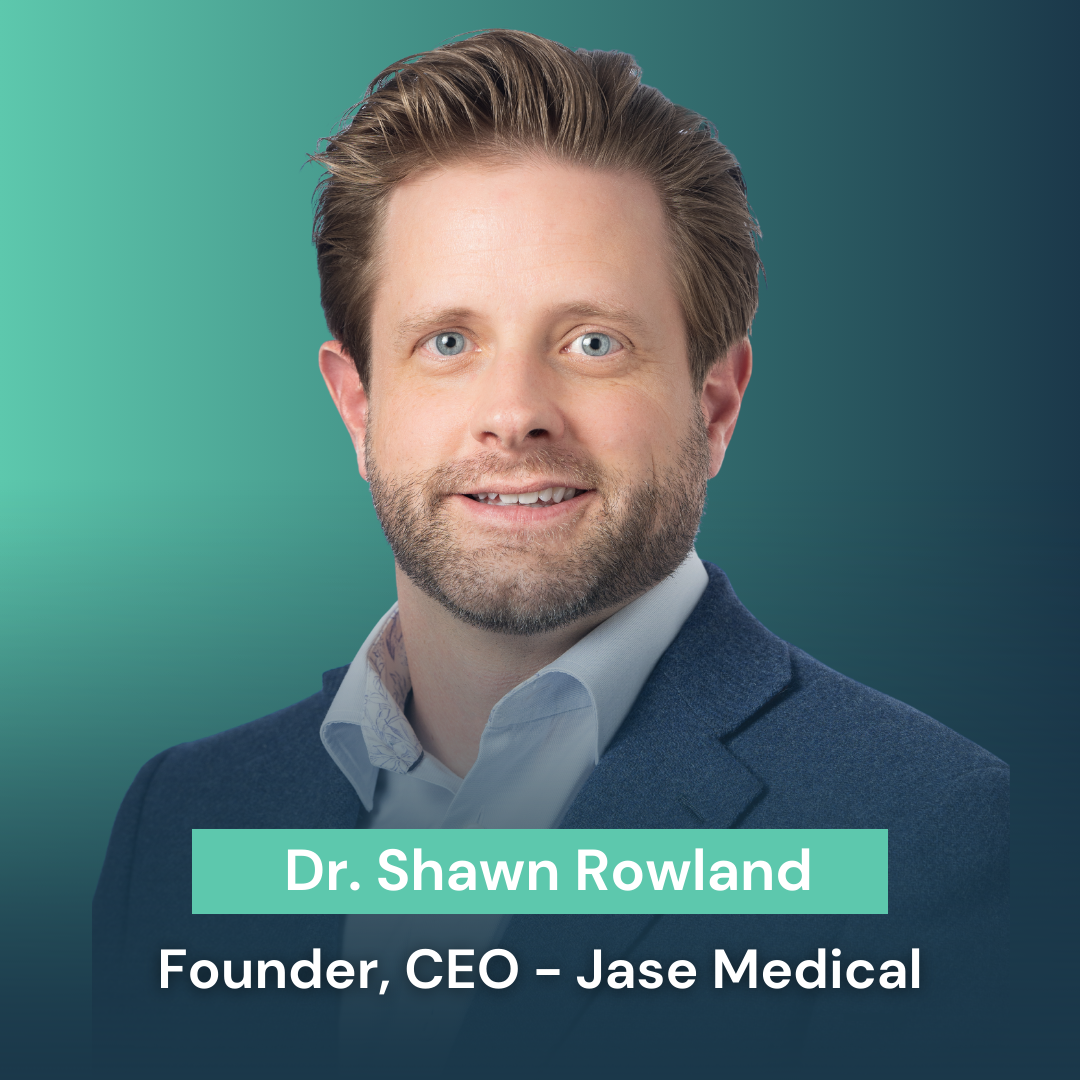


About Our Founder: Dr. Shawn Rowland

Back in 2018, Dr. Rowland, working as a family physician, encountered the harsh realities of medication shortages firsthand, and saw how they affected patient care.

This experience ignited a fire in him, driving him to find a sustainable solution.

His research revealed a shocking truth – over 95% of medication ingredients are manufactured in China and India, leaving the global supply chain vulnerable.

Determined to make a difference, Dr. Rowland set out and pioneered a new path for the pharmaceutical industry, Jase Medical, aiming to revolutionize emergency medication access for all.

His mission was clear: to ensure everyone could have access to vital medications safely, despite supply chain disruptions.


A Vision For Better Healthcare

Jase Medical has become a hub of innovation, constantly finding new ways to help everyone be better prepared medically for the unexpected.

Dr. Rowland’s visionary spirit has inspired us all at Jase Medical to push the boundaries of what’s possible in healthcare.

“The fragile supply chain, coupled with escalating geopolitical tensions leading to pharmaceutical shortages and an increasingly limited supply of healthcare providers, is why Jase Medical exists.”

As Jase Medical continues to grow and evolve, it remains a beacon of hope and preparedness in an unpredictable world. The company’s journey thus far is a story of resilience, innovation, and an unwavering commitment to serving the community.

With its eyes set on the future, Jase Medical is not just responding to the challenges of today but is actively shaping the landscape of healthcare preparedness for tomorrow. And we are just getting started!” – Dr. Rowland.

Lifesaving Medications

Everyone should be empowered to care for themselves and their loved ones during the unexpected.

Recent Posts

Keeping you informed and safe.
High Cholesterol: Are You At Risk? What Can You Do?

High Cholesterol: Are You At Risk? What Can You Do?

High cholesterol is an issue for many... But nearly half of sufferers aren't aware, or treating their condition.Cholesterol: necessary in the right amounts, dangerous in high levels. High cholesterol is a prevalent health issue in the United States, affecting millions...

read more
Ivermectin: Just the Facts

Ivermectin: Just the Facts

Let's clear the air about this maligned medication.The Ivermectin Imbroglio Ivermectin has stirred many conversations - some very heated, and very public - in the past few years, but before 2020 many of you might not have even heard of the drug before. With all the...

read more
Medication Spotlight: Irbesartan

Medication Spotlight: Irbesartan

The high stakes of high blood pressure.What is Irbesartan? Irbesartan is a medication belonging to a class of drugs called angiotensin II receptor blockers (ARBs). It's primarily prescribed for two purposes:   Lowering high blood pressure (hypertension):...

read more

Join Our Newsletter

Our mission is to help you be more medically prepared. Join our newsletter and follow us on social media for health and safety tips each week!

Measles Cases On The Rise In The U.S.

Why a conquered disease is back, and what we can do. 

.


The Measles Resurgence: A Call For Health Preparedness

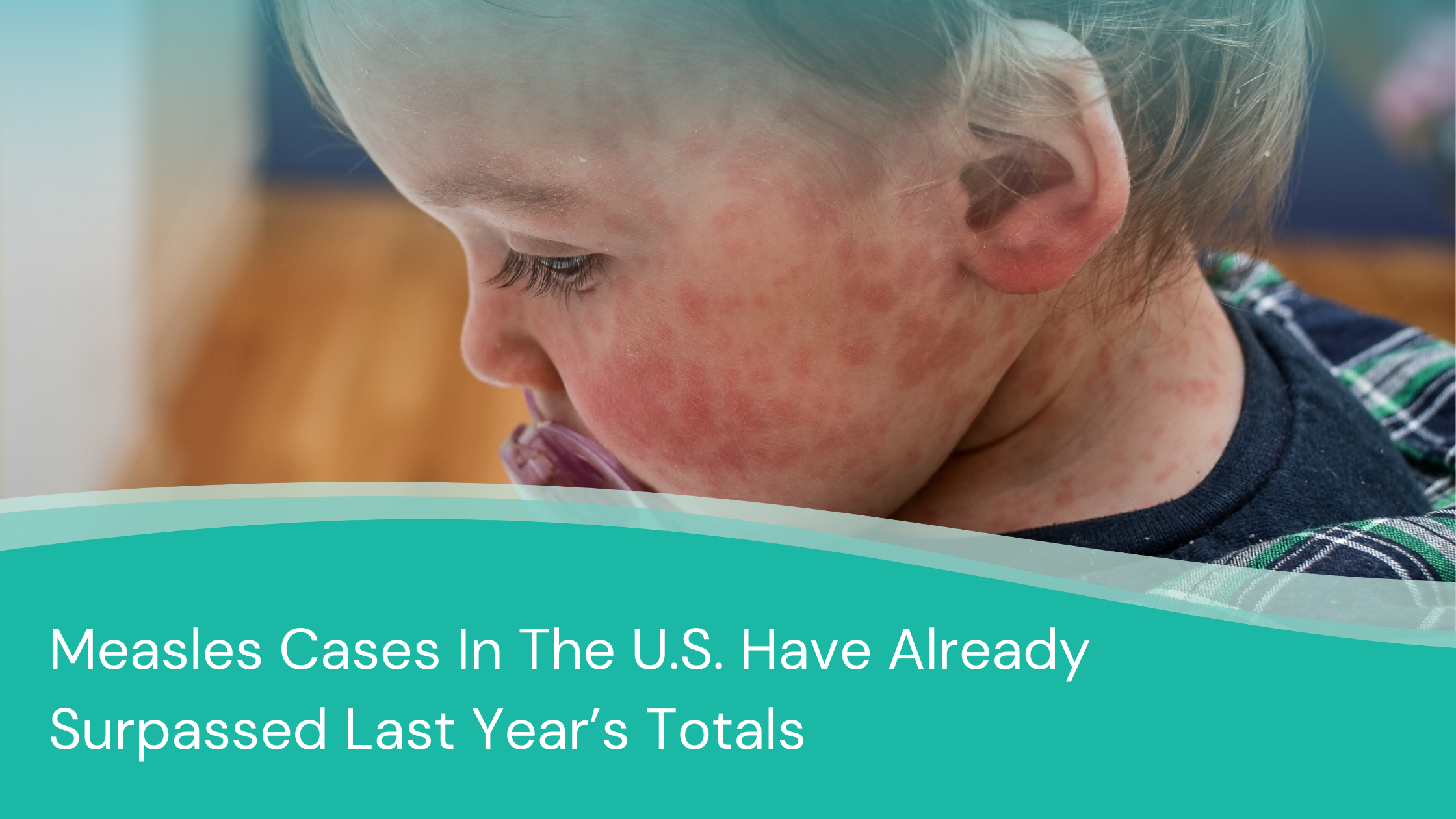
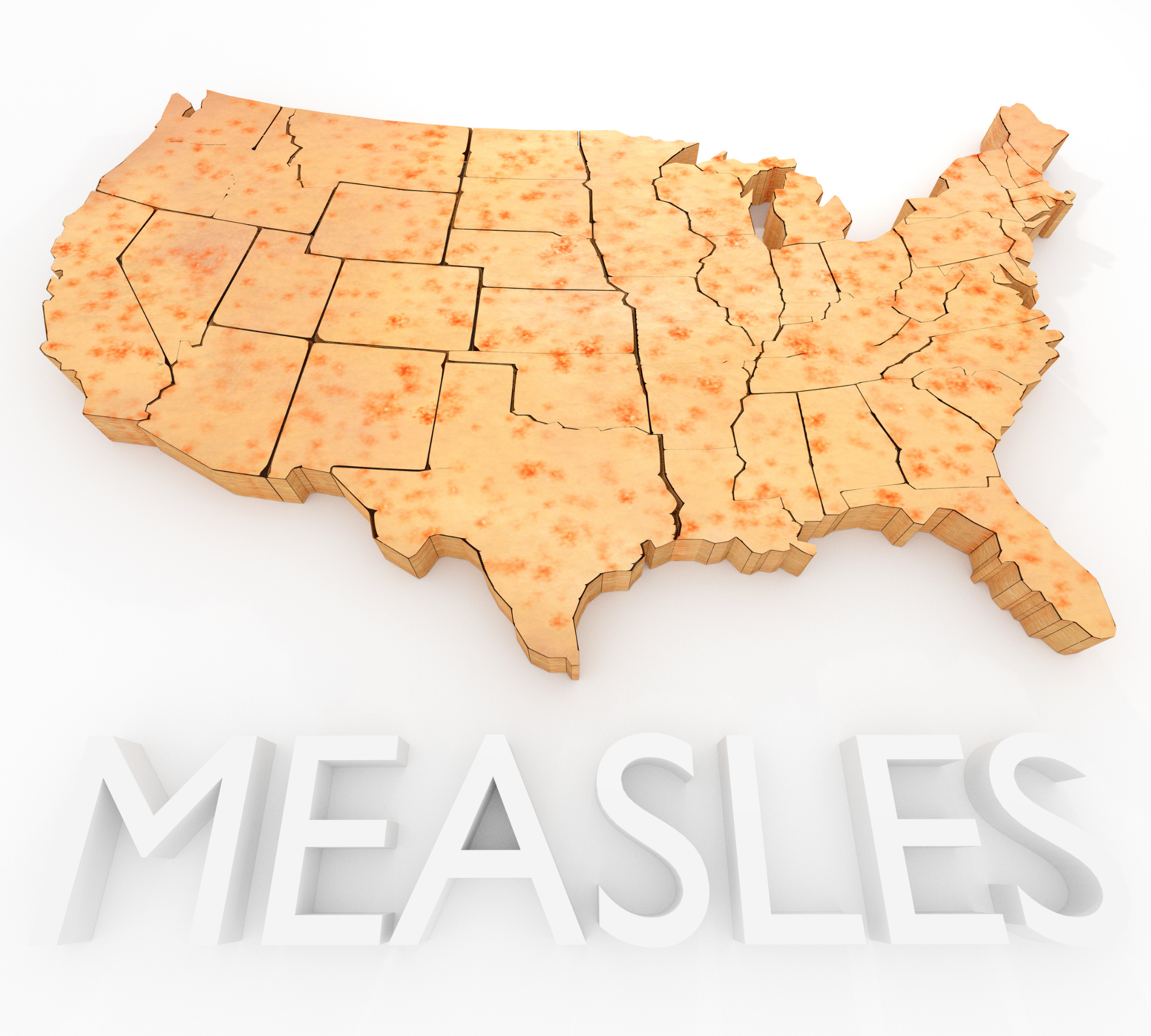
Measles, a highly contagious and potentially deadly disease – once relegated to history books – is making a disturbing comeback in the United States. According to a recent report by the Centers for Disease Control and Prevention (CDC): the number of measles cases in the U.S. has already surpassed the total for all of 2023.

This surge highlights the need for prioritizing preventive measures to safeguard our health, especially in the face of unexpected outbreaks. About 20% of cases result in the need for hospitalization, and 1 out of 20 children with measles also gets Pneumonia – highlighting the critical need to have antibiotics for Pneumonia on hand should your child become affected.


The Contagious Nature of Measles

The highly contagious nature of measles further complicates the situation.The virus can linger in the air for hours after an infected person coughs or sneezes, making transmission incredibly easy. This means people can contract measles by breathing in the virus or by touching a contaminated surface, and then touching their face.

Measles is one of the most contagious viruses known to humans. Approximately 90% of people who are not immune and are in close contact with an infected person will contract the virus. This high level of transmission is a main reason why measles can spread so quickly in communities.

Understanding just how contagious measles is makes it important for individuals to take steps to protect themselves and others. Practicing good hygiene, such as washing your hands frequently and thoroughly, and covering coughs and sneezes can help mitigate the spread of measles and other diseases.


Real-World Consequences: The Chicago Outbreak

The recent measles outbreak in Chicago, exemplifies the real-world consequences of this phenomenon. Public health officials are scrambling to contain the outbreak, highlighting the potential for widespread illness and the strain such outbreaks place on healthcare systems.


Beyond Measles: Preparing for the Unexpected

The measles resurgence is just one example of how unexpected health threats can emerge. As we navigate a globalized world with increased travel and interconnectedness, the potential for new and unforeseen outbreaks becomes more likely. By prioritizing prevention, strengthening public health infrastructure, and promoting a culture of awareness and preparedness, we can better face these challenges and protect our collective well-being.


Action before illness

 With the never-ending nature of unexpected health threats, you can take certain measures into your own hands. One way to take control of your health today is by having an array of emergency medications on hand at home, should the need arise.

Lifesaving Medications

Everyone should be empowered to care for themselves and their loved ones during the unexpected.

Recent Posts

Keeping you informed and safe.

High Cholesterol: Are You At Risk? What Can You Do?

High Cholesterol: Are You At Risk? What Can You Do?

High cholesterol is an issue for many... But nearly half of sufferers aren't aware, or treating their condition.Cholesterol: necessary in the right amounts, dangerous in high levels. High cholesterol is a prevalent health issue in the United States, affecting millions...

read more
Ivermectin: Just the Facts

Ivermectin: Just the Facts

Let's clear the air about this maligned medication.The Ivermectin Imbroglio Ivermectin has stirred many conversations - some very heated, and very public - in the past few years, but before 2020 many of you might not have even heard of the drug before. With all the...

read more
Medication Spotlight: Irbesartan

Medication Spotlight: Irbesartan

The high stakes of high blood pressure.What is Irbesartan? Irbesartan is a medication belonging to a class of drugs called angiotensin II receptor blockers (ARBs). It's primarily prescribed for two purposes:   Lowering high blood pressure (hypertension):...

read more

Join Our Newsletter

Our mission is to help you be more medically prepared. Join our newsletter and follow us on social media for health and safety tips each week!

5 Ways to Prepare For Medical Emergencies

With relentlessly busy lives, in a world as volatile as ours, you never quite know what may happen tomorrow.

.


Being as prepared as possible is the only way to safeguard your family against preventable mishaps during an unpreventable emergency. Remember, emergencies come in all shapes and sizes, so the more diverse ways in which you prepare, the better.


Here are 5 things every family should do to medically prepare for the unknowns ahead:

  1. Create a Family Emergency Plan – and not just have a plan in place, but regularly go through and practice that plan, and amend it as needed. Ready.GOV has a thorough page on making an effective plan here. Remember your family may not be together when the emergency takes place, so the immediate priority in that plan should be instructions for establishing communication, and convening with all members of your family. However, it should also be addressed in that plan whether to shelter in place, or rendezvous at a predetermined location. Only about 40% of American households have a plan in place, be sure to count yourselves among them. 
  2. Keep Up-To-Date and Accurate Medical Records For All Members of The Family – this includes a list of daily medications each member is on, and other special requirements such as dietary restrictions, known allergies, conditions, disabilities or mental health needs, and any necessary treatments for those conditions. Our Jase Daily prescription supply can ensure you are never without the medications you need. Order your Jase Daily here!
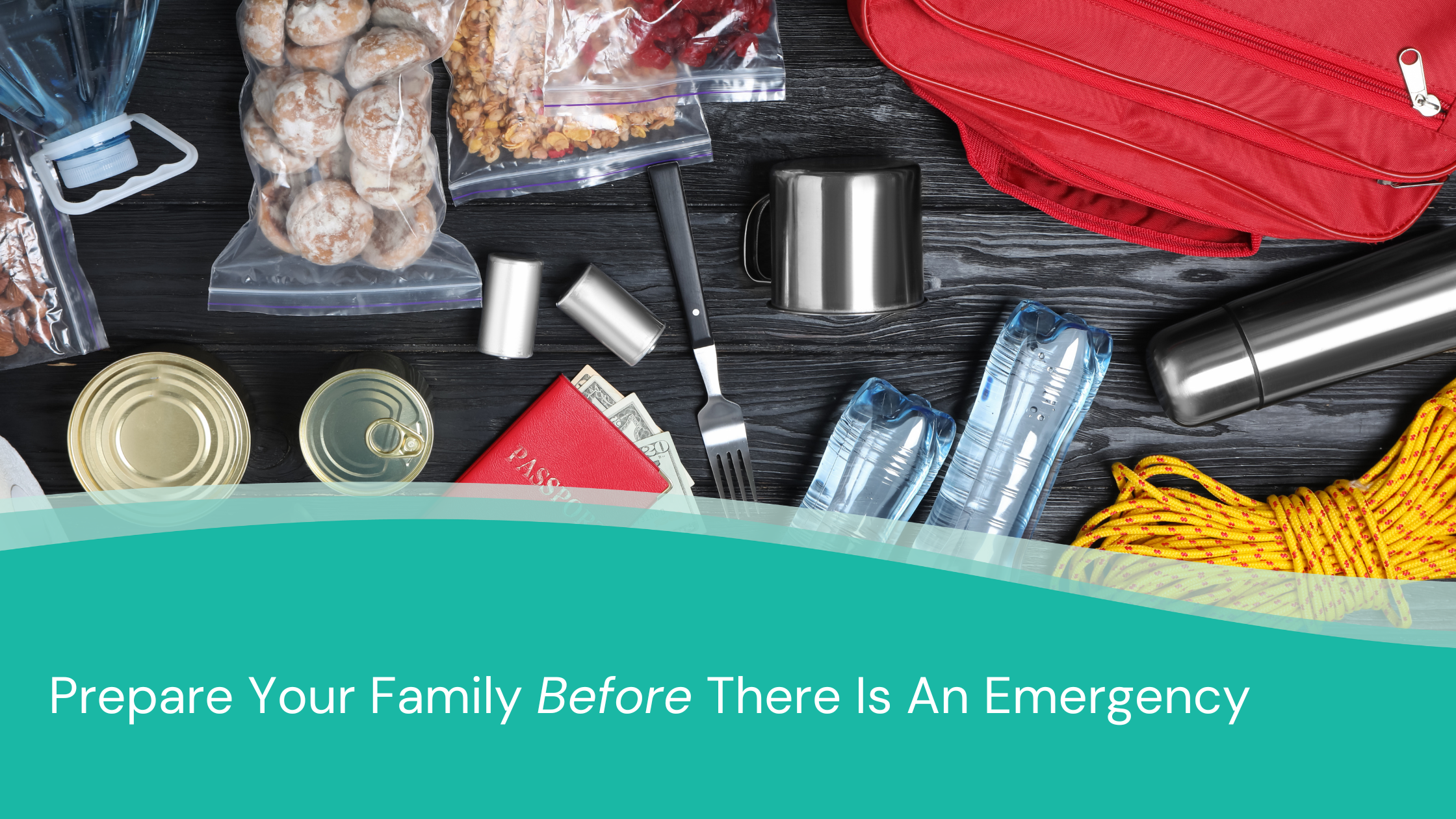
  3. Put Together an Emergency Kit – A comprehensive emergency kit should go beyond just having a first aid kit and a cellphone. Your emergency kit should – at a minimum – include basic things such as: 
    • Water
    • Food
    • Flashlight (with extra batteries)
    • Dust/Contaminant Masks
    • Soap, Hand Sanitizer, and Disinfectant Wipes
    • Cash or Travelers Checks
    • Copies of Important Documents
    • Cell Phone and Chargers/Cables
    • A thorough First Aid Kit including Over-The-Counter Drugs
    • Extra Supplies of Prescriptions for all members of the Family

Emergencies are traumatic and stressful even when your family is prepared and rehearsed, but they can become deadly if you are without access to life-dependent medications. Get our free 72hr kit guide below:

4. Education – Learn basic first aid, CPR, symptom identification for medical conditions within the family, various survival skills, alternate methods of local travel, alternate methods of communication and staying informed on local, and national events. Follow your local news outlets and local law enforcement on social media as this will usually be the most up to the minute source of information, and instruction. Knowledge is your most powerful tool in an emergency. Having a plan and having a kit are great, but only if you know how to utilize them. Consider taking classes as a family unit. There are both local and online classes tailored to Family Preparedness that you can all complete together so no one has any knowledge gaps and everyone knows what to do, and who will do what.

5. Build A Community Beyond Your Immediate Family – there’s a reason they say there’s strength in numbers. Allocating tasks, and having additional people can help make a common goal more easily achievable. Everyone can be a resource in some capacity. Join local groups online, reach out to neighbors, attend community meetings, and have discussions. If these local meetings or groups don’t exist, create them and foster collaboration! The CDC has some great tips on building community here. If everyone works together, everyone can get through the emergency together.


Tomorrow may be too late

Emergency Preparedness is an ongoing, dynamic task of planning, organizing, training, equipping, and evaluating. It may sound daunting, but the payoff of knowing your family is ready, is well worth the price of admission. Many aspects of an emergency can be life threatening, but the only one you can assuredly combat is making sure you have access to your prescription medications. Order your Jase Case today!

Lifesaving Medications

Everyone should be empowered to care for themselves and their loved ones during the unexpected.

Recent Posts

Keeping you informed and safe.

High Cholesterol: Are You At Risk? What Can You Do?

High Cholesterol: Are You At Risk? What Can You Do?

High cholesterol is an issue for many... But nearly half of sufferers aren't aware, or treating their condition.Cholesterol: necessary in the right amounts, dangerous in high levels. High cholesterol is a prevalent health issue in the United States, affecting millions...

read more
Ivermectin: Just the Facts

Ivermectin: Just the Facts

Let's clear the air about this maligned medication.The Ivermectin Imbroglio Ivermectin has stirred many conversations - some very heated, and very public - in the past few years, but before 2020 many of you might not have even heard of the drug before. With all the...

read more
Medication Spotlight: Irbesartan

Medication Spotlight: Irbesartan

The high stakes of high blood pressure.What is Irbesartan? Irbesartan is a medication belonging to a class of drugs called angiotensin II receptor blockers (ARBs). It's primarily prescribed for two purposes:   Lowering high blood pressure (hypertension):...

read more

Join Our Newsletter

Our mission is to help you be more medically prepared. Join our newsletter and follow us on social media for health and safety tips each week!

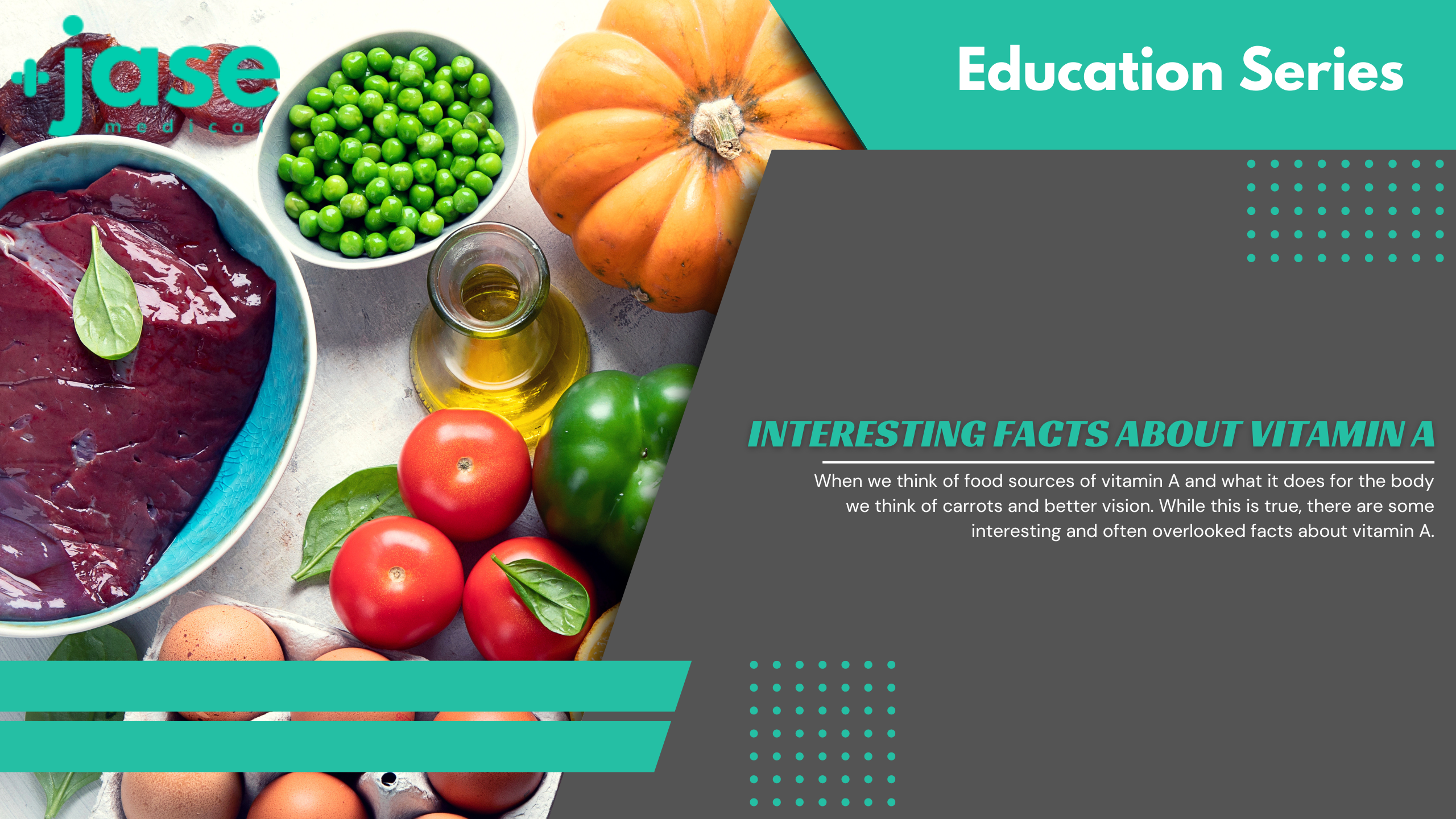
Interesting Facts About Vitamin A

When we think of food sources of vitamin A and what it does for the body we think of carrots and better vision. While this is true, there are some interesting and often overlooked facts about vitamin A.

What is vitamin A?

Vitamin A is a fat-soluble vitamin that is stored in the liver for up to 4 years. It is a subclass of retinoic acids, a family of lipid soluble compounds that includes retinols, beta carotenes and other carotenoids.

  • The active form of vitamin A is called preformed retinol It is found in fish, organ meats, dairy products, egg yolks and some fortified foods.
  • Provitamin A carotenoids are precursors to vitamin A. Foods containing carotenoids are converted through an enzymatic process into vitamin A. Carotenoids are a class of  compounds yellow, orange, or red fat-soluble pigments, including carotene, which give color to plant parts such as ripe tomatoes and autumn leaves: There are more than 600 known carotenoids. Carotenoids are found in fruits, vegetables and some fish, such as in the pink color of salmon. It is also found in supplement form. One such carotenoid is beta-carotene.
  • Beta-carotene converts to vitamin A and is an antioxidant. Antioxidants are manmade or natural substances that protect cells from damage caused by substances called free radicals. It is converted to retinol in the wall of the small intestine.

Function of vitamin A

Vitamin A plays many important roles in health. 

Preformed vitamin A – retinol is important for vision, especially night vision, anti inflammatory, enhances immune system function, important for developing fetal endothelial cell proliferation, produces pigments in retina, maintains healthy teeth, skeletal and soft tissue. In food form can be protective against some forms of cancer. 

Vitamin A deficiency- 

Vitamin A deficiency is considered to be rare except in premature infants, malnourished areas of the world, gastrointestinal disorders such as celiac, pancreatic insufficiency, bile duct disorder and those who cannot convert beta carotene to active vitamin A due to a BCMO1 gene variation– which results in a poor conversion from beta carotene to vitamin A. (It is estimated that approximately 45 percent of the population may have this conversion defect.

Symptoms of vitamin A deficiency:

Vitamin A toxicity

Most toxicity isa result of supplementation and not food sources. 

Symptoms of vitamin A toxicity:

  • drowsiness
  • irritability
  • abdominal pain
  • nausea
  • vomiting
  • increased pressure on the brain

Supplementation 

Seek advice of a qualified health professional before supplementing vitamin A or beta- carotene. Vitamin A is stored in the liver for up to four years so there is little chance of being deficient unless you have a pre existing condition that impairs vitamin A absorption or genetic impairment.  

In addition, a large scale study called the ATBC study— over 29,000 smokers who supplemented with beta carotene (the precursor to vitamin A) was stopped abruptly because of the high incidence of lung cancer that developed during the study.  The researchers concluded that all smokers should not use beta carotene supplements due to this increased risk of lung cancer. 

Measles management in children

Excerpt from Infectious Diseases in Clinical Practice:

“In November 2019, the National Foundation for Infectious Diseases convened a summit that included multidisciplinary subject matter experts from across the United States to discuss the use of vitamin A in US measles management. The resulting Summit recommendations include that all children in the United States presenting with measles should receive an age-appropriate dose of vitamin A as part of a comprehensive measles management protocol. Multiple studies in populations in which vitamin A deficiency is prevalent have shown that this simple, quick means of improving vitamin A status can dramatically reduce the risk of serious complications and death from measles, with minimal detectable incidence of adverse effects.”

- Brooke Lounsbury, RN

Medical Content Writer

Lifesaving Medications

Everyone should be empowered to care for themselves and their loved ones during the unexpected.

Recent Posts

Keeping you informed and safe.

Join Our Newsletter

Our mission is to help you be more medically prepared. Join our newsletter and follow us on social media for health and safety tips each week!

Vitamin D

Vitamin D is a steroid hormone, and sometimes called “activated vitamin D” or “calcitriol.” Steroid hormones are derived from cholesterol and are lipid-soluble molecules. Examples of steroid hormones include the sex hormones (androgens, estrogens, and progesterone) produced by male and female gonads and hormones of the adrenal glands (aldosterone, cortisol, and androgens). It is a fat-soluble vitamin that helps the body absorb and retain calcium and phosphorus. Both are necessary for building bone. Vitamin D also plays a role in bolstering the immune system to fight off viruses and bacteria. In addition, research suggests that vitamin D could play a role in downregulating autoimmune disease. In addition a randomized 5 year clinic trial of high vitamin D supplementation reduced the incidence of advanced cancer without a diagnosis of cancer at the beginning of the study. Much interest and research is ongoing in this promising field of study.

Vitamin D is found in two main forms:

Vitamin D2 (ergocalciferol) – The main source is from plants. Mushrooms, when exposed to UV light produce D2. Fortified cereals are usually fortified with vitamin D2


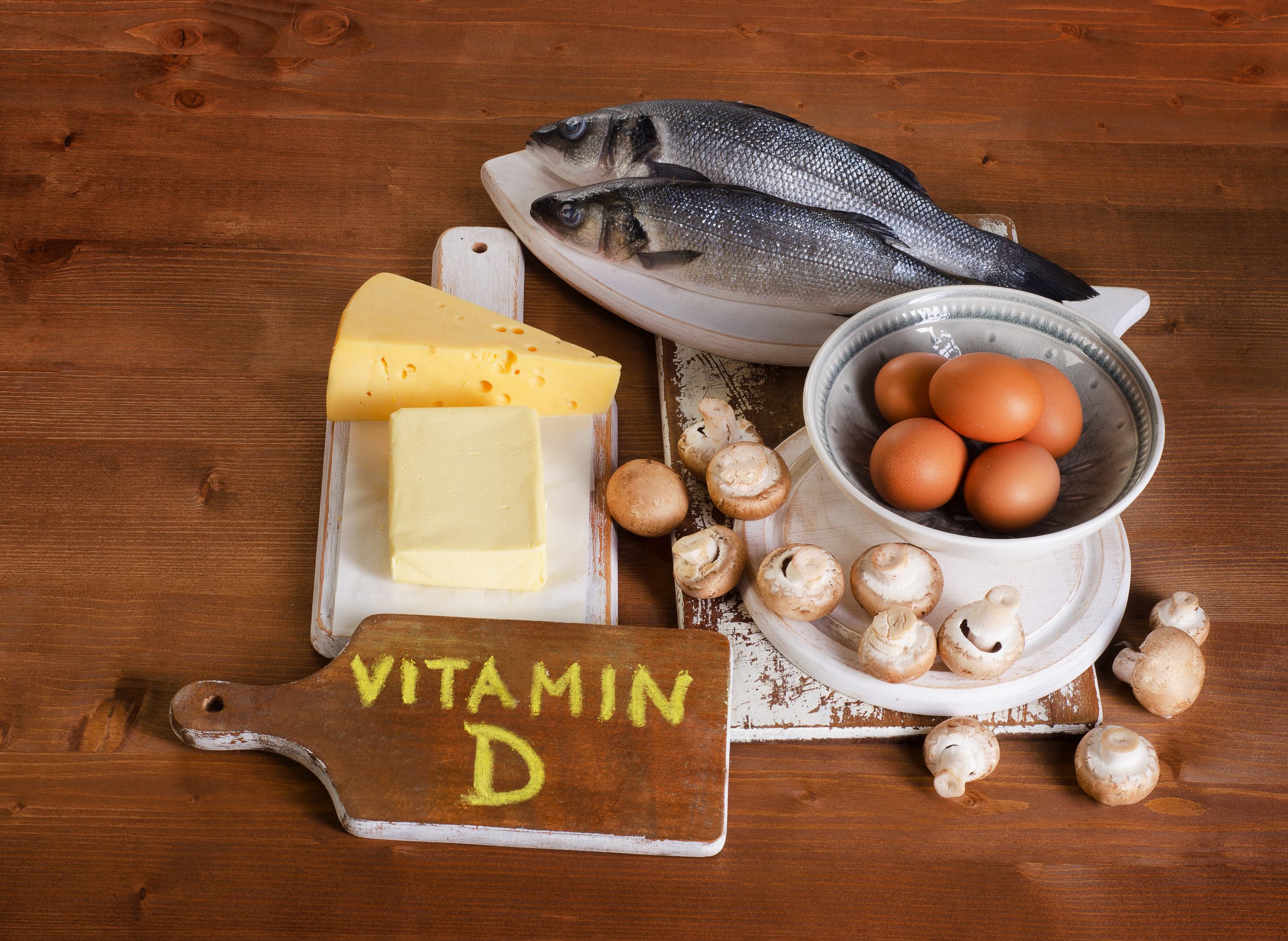
Vitamin D3 (cholecalciferol) – The main source is from animals- Sources of D3 are egg yolks, cod liver oil, fatty fish-salmon, sardines, herring, tuna, beef liver. In addition, when skin is exposed to sunlight vitamin D3 is produced. The body only produces enough vitamin D3 from sunlight as it needs then stops producing it.

The liver metabolizes vitamin D2 and vitamin D3 and form the active compound known as calcifediol. A study done by the National Institute of Health on post-menopausal vitamin D deficient women showed that vitamin D3 yielded twice more calcifediol than an equal amount of vitamin D2.

Excess Vitamin D3 is stored in the bodies adipose tissue and liver and is converted by the kidneys to the active form of vitamin. Excess vitamin D is almost exclusively from supplement sources.

According the NIH:

The amount of vitamin D you need each day depends on your age. Average daily recommended amounts are listed below in micrograms (mcg) and International Units (IU):

Life Stage Recommended Amount
Birth to 12 months 10 mcg (400 IU)
Children 1–13 years 15 mcg (600 IU)
Teens 14–18 years 15 mcg (600 IU)
Adults 19–70 years 15 mcg (600 IU)
Adults 71 years and older 20 mcg (800 IU)
Pregnant and breastfeeding teens and women

15 mcg (600 IU)


The 25-hydroxy vitamin D test (a blood test) is the most accurate way to measure how much vitamin D is in your body.

Factors affecting vitamin D deficiency

  • Older adults skin doesn’t absorb vitamin D as well as younger population. Dark skin also doesn’t absorb vitamin D very well either
  • Some diseases- celiac, Crohn’s disease, ulcerative colitits, limit absorption of fats and vitamin D
  • Obesity and gastric bypass may need more vitamin D

Signs of vitamin D deficiency- up to 42 percent of the US population is deficient

  • Rickets in children
  • Osteomalacia in adults
  • Not sleeping well.
  • Bone pain or achiness.
  • Depression or feelings of sadness.
  • Hair loss.
  • Muscle weakness.
  • Lowered immunity to infections-viral and bacterial

Signs of vitamin D toxicity

Vitamin D toxicity is not common, except when extremely high doses of vitamin D is taken in supplement form for a long time (months).

  • Hypercalcemia
  • Nausea, vomiting
  • Can progress to bone pain and kidney stones

How to Improve Your Vitamin D Status

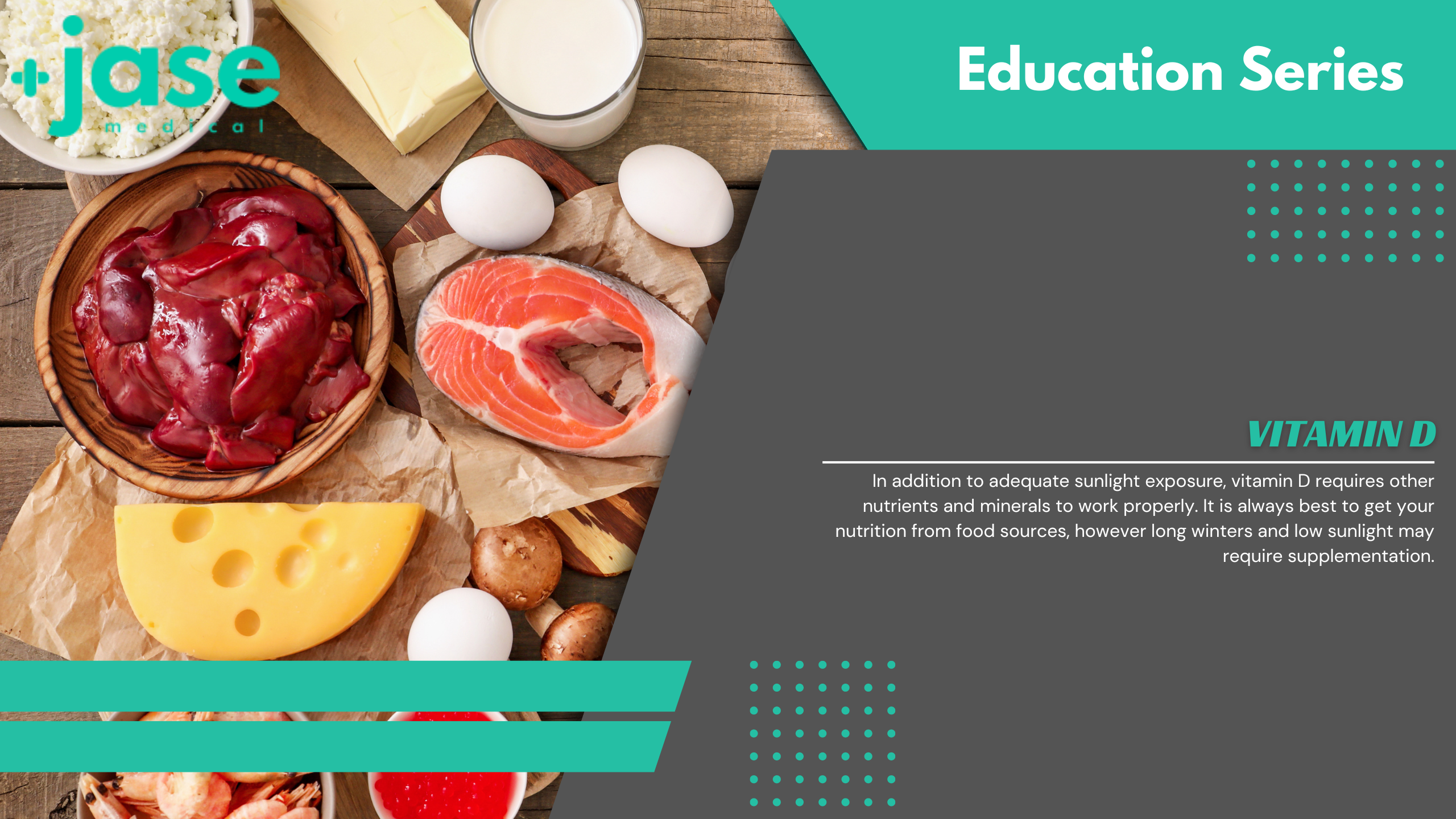
In addition to adequate sunlight exposure, vitamin D requires other nutrients and minerals to work properly. It is always best to get your nutrition from food sources, however long winters and low sunlight may require supplementation. If supplementing with vitamin D, it is best to take with fat since it is a fat-soluble vitamin.

Vitamin K2(MK-7)- activates osteocalcin, which integrates calcium into the bone. Activates matrix GLA protein (MGP) to bind excess calcium and promote arterial flow and flexibility. Food sources include fermented foods, natto

Magnesium- helps convert vitamin D to active form. Food sources include leafy greens, beans, legumes, almonds, cashews

Zinc– synergistic effect- vitamin D enhances zinc action and homeostasis and zinc enhances vitamin D absorption. Food sources include oysers, red meat, poultry

Boron– increases vitamin D in the blood. Food sources include coffee, milk, apples, dried and cooked beans, and potatoes

Cold water fish– salmon, herring, sardines, tuna

- Brooke Lounsbury, RN

Medical Content Writer

Lifesaving Medications

Everyone should be empowered to care for themselves and their loved ones during the unexpected.

Recent Posts

Keeping you informed and safe.

Join Our Newsletter

Our mission is to help you be more medically prepared. Join our newsletter and follow us on social media for health and safety tips each week!