
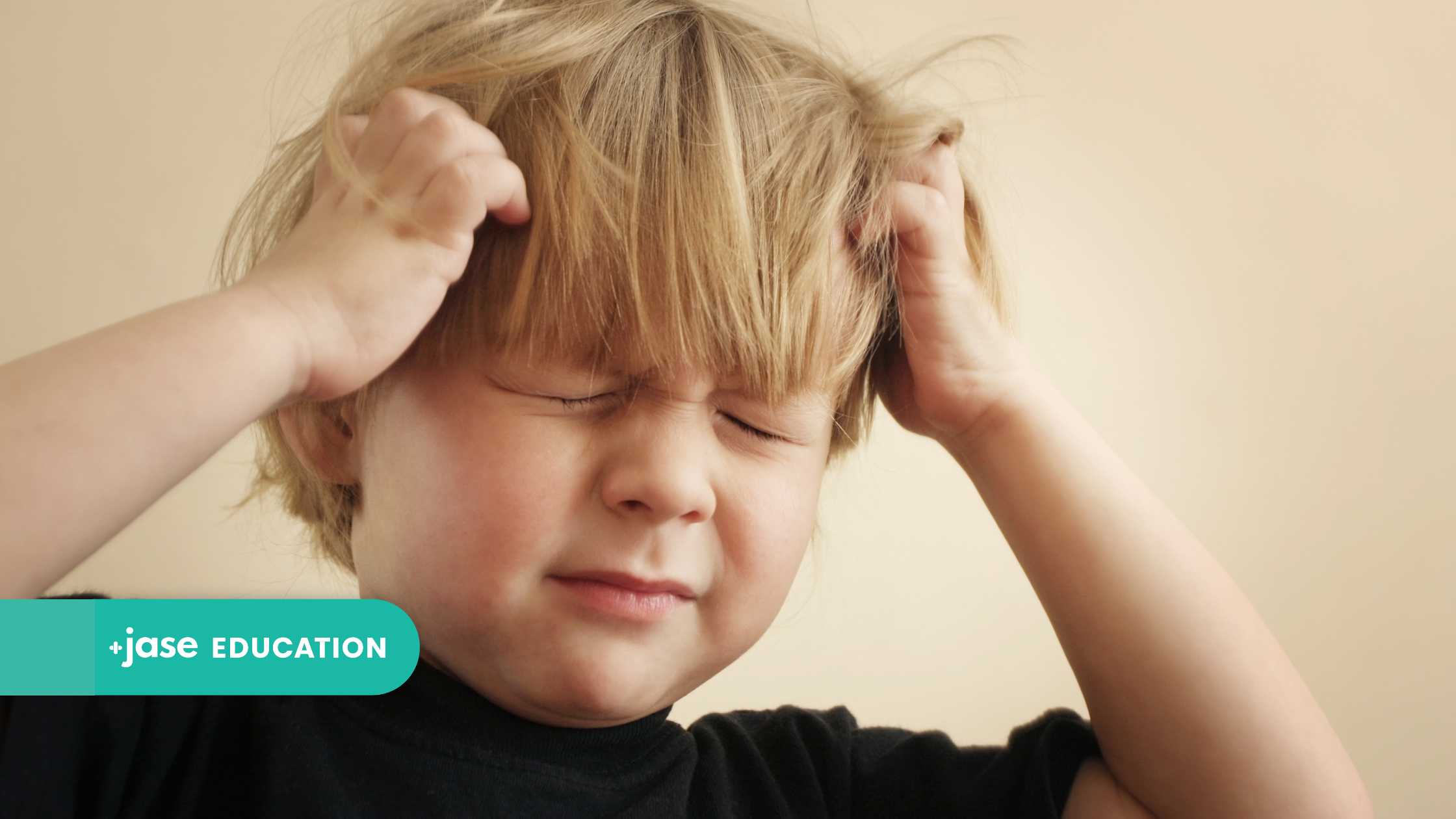
Head Lice
Everything You Were Told About Head Lice Is Wrong. Here’s What Actually Work
By Cayla McGrath
If you’ve ever gotten a lice notification from your child’s school, you already know the sequence that follows: the check, the panic, the trip to the drugstore, the bottle of Nix. And then, for a growing number of families, the follow-up two weeks later when the lice are still there.
Here’s what most parents don’t know going into that cycle: the treatment that comes in every drugstore lice kit has a resistance problem that has been documented in 48 states. If permethrin worked in your house, you got lucky — or you live in one of the two remaining states where resistance hasn’t yet been confirmed. For most of the country, reaching for the standard drugstore treatment is the equivalent of spraying resistant bacteria with an antibiotic it already knows how to survive.
Before we get to what actually works, there are also several things that don’t need to be done at all — starting with almost everything the panicked first hour of a lice situation typically involves.
The myths, corrected
*Lice prefer dirty hair.* This is the one that causes the most unnecessary shame and is also simply not true. Head lice don’t distinguish between clean hair and dirty hair. They’re looking for warmth, a scalp, and proximity to another head. A child with freshly washed hair is just as hospitable to lice as a child who hasn’t bathed in three days. Lice found in your child’s hair says nothing about your household cleanliness.
*Your dog has to be treated.* No. Human head lice (Pediculus humanus capitis) are human-specific. They require a human host to survive and reproduce. Your dog, cat, or any other household pet is not a vector. The pets do not need treatment.
*Your child needs to stay home until every nit is gone.* The American Academy of Pediatrics updated their guidance on this in 2015 and is unambiguous: children should not be excluded from school based on nits alone. Nits that are more than a centimeter from the scalp are not viable — they’re empty casings or eggs that won’t hatch. The AAP specifically recommends against “no-nit” policies, which keep healthy children out of school without clinical justification. If your school has a no-nit policy, that policy is not based on current medical guidance.
*You need to bag all the stuffed animals and boil everything.* Lice need a human host and die within 24 to 48 hours off the scalp. Intensive home decontamination — bagging every soft surface, washing every sheet and pillowcase on the same day — goes far beyond what the evidence supports. Wash the pillowcase, wash the brushes and combs in hot water, and don’t share hats or headgear. The lice are on heads, not environments.
The actual problem: permethrin resistance
Permethrin is the active ingredient in most over-the-counter lice treatments. A 2016 study documented knockdown resistance (kdr) mutations in head lice in 48 states. In states with high resistance, upward of 98-100% of lice sampled carried the genetic mutation that makes permethrin ineffective. This is not a hypothetical concern — it’s been documented across most of the country for nearly a decade.
Pyrethrin-based treatments (Rid, A-200) work through the same mechanism and carry the same resistance profile. If the lice survived permethrin, they will also survive pyrethrin.
The treatment ladder
When permethrin doesn’t work — or when you want to skip the product that’s likely not to work — here’s the sequence of prescription and newer OTC options that do:
Benzyl alcohol 5% (Ulesfia): Works by suffocating lice, not through neurotoxicity, so resistance doesn’t apply. It kills live lice but not eggs, so a second treatment 7 days later is required. Approved for children age 6 months and older.
Malathion 0.5% (Ovide):*An organophosphate that kills both live lice and some eggs. More effective against resistant strains than permethrin. Applied for 8-12 hours (usually overnight). Prescription required.
Spinosad 0.9% (Natroba): Derived from soil bacteria, different mechanism of action, kills lice and most nits. Single application is often sufficient, with a second treatment possible at day 7 if live lice are still present. Prescription required, approved for age 6 months and older.
Ivermectin 0.5% lotion (Sklice): Kills lice through a different neuromuscular mechanism and is also effective against resistant strains. Single application. Prescription required, approved for age 6 months and older.
Oral ivermectin is sometimes used off-label for lice; this is a clinical decision that involves dosing, age, and weight considerations and requires a provider conversation.
The nit comb is still useful: Regardless of which treatment you use, wet combing with a fine-tooth metal louse comb every 2-3 days between treatment applications removes nits and newly hatched lice before they can reproduce. It’s time-consuming and not sufficient as a standalone treatment, but it significantly improves outcomes when paired with any of the above.
The bottom line
When a school sends home a lice notification, there are two tasks. First, check — confirm whether lice or viable nits are actually present before starting any treatment. Second, choose a treatment that actually works for the current resistance profile in your area. For most of the country, that means skipping the drugstore permethrin and going straight to a provider for a prescription alternative.
The three things that don’t need to happen: treating the pets, treating the environment extensively, or keeping a child home from school because some nits remain. The lice are on the head. That’s where the treatment should go.
JaseCase covers the infections that need antibiotics — UTIs, respiratory infections, skin infections. Head lice are a parasitic infestation, not a bacterial infection, so they’re outside its scope. But knowing which treatments are effective and which are not — that’s the medical literacy that saves you from a second (and third) failed treatment cycle.
To learn more about what the JaseCase covers, visit Jase.com
Cayla McGrath is a content strategist with Jase Medical. This post is for informational purposes only and does not constitute medical advice. Always consult a licensed healthcare provider before using any prescription medication.
Lifesaving Solutions
Recent Posts
Keeping you informed and safe.

For Clinicians | Trick or Treatment? 5 Halloween Health Facts From a Pharmacist
For Clinicians | Trick or Treatment? 5 Halloween Health Facts From a Pharmacist By Dr. Jamie Wilkey, PharmD, Director of Clinical EducationMedically reviewed and edited by Kristen Carpenter, PA-C Halloween is this week, so we’re taking a break from our in-depth...
After a Tick Bite: Why the Lyme Disease Rash Doesn’t Always Look Like a Bull’s-Eye
After a Tick Bite: Why the Lyme Disease Rash Doesn't Always Look Like a Bull's-Eye By the Jase Medical Team You found a tick attached to your skin. You removed it. Now what? Most people know to watch for signs of Lyme disease after a tick bite. But there's a problem...
For Clinicians | After the Tick Bite: The Tick Decides the Risk
For Clinicians | After the Tick Bite: The Tick Decides the Risk By Dr. Jamie Wilkey, PharmD, Director of Clinical EducationMedically reviewed and edited by Aaron Asay, PA-C, DMSc, FIBODM, FAWM Ticks have been on my radar my whole life. I grew up in Wyoming, where...
Diabetes Sick-Day Rules in a Disaster
Diabetes Sick-Day Rules in a Disaster By the Jase Medical Team Diabetes sick-day rules are usually written for an ordinary week. You get the flu. Your stomach is upset. You check your blood sugar more often, keep drinking fluids, follow your medication plan, and call...