Does Ciprofloxacin (Cipro) Cause Tendon Rupture?

There is much concern, and rightfully so about the use and overuse of antibiotics. Antibiotics can be lifesaving when used in a prudent and appropriate manner. Overuse is still a concern and one that shouldn’t be taken lightly.

What is a black box warning?

Black box warnings are required by the U.S. Food and Drug Administration for certain medications that carry serious safety risks. Often these warnings communicate potential rare but dangerous side effects, or they may be used to communicate important instructions for safe use of the drug, in 2008 the FDA issued a black box warning for fluoroquinolones (FQ).

Fluoroquinolones carry black box warning

One class of antibiotics, the fluoroquinolones (FQ) (ciprofloxacin, levofloxacin, moxifloxacin, and others) have been associated with increased tendon ruptures. A tendon rupture is a partial or complete tear of a tendon. Tendons are tough bands of tissue that attach muscles to your bones. An example of a tendon is the Achilles tendon, which attach the heel bone to the calf muscles.

- Brooke Lounsbury

Medical Content Writer

Fluoroquinolones (FQ) are among the most widely prescribed antibiotics in the outpatient setting, due to their broad-spectrum treatment of bacteria found in respiratory, urinary, joint, and skin infections.

A large study reviewing retroactive patient records was conducted between 2007 and 2016 with over a million subjects from the senior population age 65 and older. This study reviewed the use of FQ against other antibiotics and even similar drugs in the FQ class to assess tendon rupture occurrence.  Only one of the FQ antibiotics displayed a significant tendency to tendon rupture- between a 16% (rotator cuff) and fourfold risk (Achilles tendon). That antibiotic was levofloxacin. Neither ciprofloxacin-one of the antibiotics found in the Jase case- or moxifloxacin- which were part of the study- was found to increase tendon rupture.

Known risk factors for tendon ruptures

Risk factors associated with FQ-induced tendon disorders include age greater than 60 years, corticosteroid therapy, renal failure, diabetes mellitus, and a history of musculoskeletal disorders.

In addition, taking oral steroids increased the risk by 46-fold, and patients greater than 60 years of age who were recently treated with a FQ for 1 to 30 days were at a 1.5-fold and a 2.7-fold greater risk for development of tendon disorders and tendon rupture as compared to patients less than 60 years of age, respectively. Males are twice as likely to be affected as females as much as 2:1.

A study conducted with adolescents aged 12-18 from 2000-2018 which focused on the use of FQ and tendon rupture incidence concluded: The excess risk of tendon rupture associated with fluoroquinolone treatment was extremely small, and these events were rare.

Conclusion

There is much controversy and lack of reliable information on the black box warning of fluoroquinolones

From reliable studies there are a few conclusions we can draw:

  • Not all fluoroquinolones put patients at risk for tendon ruptures
  • Levofloxacin is the one FQ that does exhibit greater risk for tendon ruptures
  • Ciprofloxacin and moxifloxacin show no sign for increase in tendon ruptures
  • Risk factors for tendon ruptures include over age 60, taking corticosteroids, renal failure, diabetes, and history of musculoskeletal disorders. Males are 2x more likely to suffer tendon ruptures than females.
  • Adolescents are rarely at risk for tendon rupture when taking fluoroquinolones.

The FDA Boxed Warning

Fluoroquinolones, including, LEVAQUIN®, are associated with an increased risk of tendinitis and tendon rupture in all ages. This risk is further increased in older patients usually over 60 years of age, in patients taking corticosteroid drugs, and in patients with kidney, heart or lung transplants [SEE WARNINGS AND PRECAUTIONS (T.1)]”

Lifesaving Medications

Everyone should be empowered to care for themselves and their loved ones during the unexpected.

Recent Posts

Keeping you informed and safe.

Are You Happy?  7 Tips to Happiness

Are You Happy? 7 Tips to Happiness

"Folks are usually about as happy as they make their minds up to be." – Abraham Lincoln“Happiness Happens Day" ,celebrated on August 8th of each year was founded by Pamela Gail Johnson. She started the Secret Society of Happy People in 1998, “to provide a missing...

Join Our Newsletter

Our mission is to help you be more medically prepared. Join our newsletter and follow us on social media for health and safety tips each week!

Anthrax as a Bioterror Weapon

During a recent satellite conference training broadcast on rapid distribution of the federal Strategic National Stockpile (SNS) of antibiotics and other critical medicines the real and terrifying reality of anthrax as a bioweapon was discussed.

“Recent threat analyses have made it clear that many of us have been underestimating the size of the threat associated with outdoor release of spores of Bacillus anthracis — the organism that causes anthrax,” said William Raub, PhD, principal deputy assistant secretary of public health emergency preparedness at the U.S. Department of Health and Human Services (HHS). “We now realize that using only conventional microbiological techniques and commercially available spraying equipment, terrorists could distribute Bacillus anthracis spores over an area of several square miles. If those several square miles correspond to a densely populated area, we would have a public health crisis unlike any we ever have faced.”

History of anthrax as a bioterror agent

The history of anthrax as a bioterror agent is recent, dating back to 1917 during the first world war.  A rather bizarre story of a Finnish independence activist Baron Otto Karl von Rosen, who was apprehended by Norwegian police in 1917 with 19 sugar cubes, each with an embedded glass capillary tube supposedly filled with anthrax. The plan was to infect reindeer and horses used to haul British arms through Norway. The sugar cubes would be fed to the animals, whose teeth would break the glass tubes inside, thereby lacerating their gums and allowing gastrointestinal anthrax to ensue.

Beginning in the 1940s the United States maintained an offensive biological warfare program that performed numerous studies on anthrax weaponization and defense that remain the basis of much of our understanding of bioterrorism today. The offensive program at Fort Detrick, Maryland, was disestablished by President Nixon in 1969 and replaced by the US Army Medical Research Institute of Infectious Diseases, which has been on the forefront of biodefense for more than 40 years.

The post 911 attack in which envelopes distributed to government officials and caused the deaths of five people outlines how easy and available anthrax is to obtain and use for a mass casualty event.

What is anthrax and how is it spread

NOTE: ANTHRAX IS NOT CONTAGIOUS- IT CANNOT BE TRANSMITTED FROM HUMAN TO HUMAN.

Anthrax is a serious infectious disease caused by gram-positive, rod-shaped bacteria known as Bacillus anthracis. It occurs naturally in soil and commonly affects domestic and wild animals around the world. Anthrax spores live in soil, and when they enter the body, they become activated. Anthrax is rare in the United States, however there are periodic outbreaks.

There are three types of anthrax disease

  1. Cutaneous anthrax

When anthrax spores get into the skin, usually through a cut or scrape, a person can develop cutaneous anthrax, this is the most common form of anthrax. It usually takes about 7 days to develop symptoms. Cutaneous anthrax is most common on the head, neck, forearms, and hands. It affects the skin and tissue around the site of infection. This form of anthrax has a 20 percent fatality rate if not treated.

  1. Inhalation anthrax

This form of anthrax is the deadliest (and most likely to be used in a bioterror event). Inhalation anthrax starts primarily in the lymph nodes in the chest before spreading throughout the rest of the body, ultimately causing severe breathing problems and shock. Symptoms present usually within a week after exposure; however, it can take up to two months for illness to develop. With aggressive treatment 55 percent survive. 

  1. Gastrointestinal anthrax

Anthrax spores can be found in uncooked and raw meat, however in the case of bioterror the powder simply needs to be on anything ingested, as in a bioterror event. 

Once ingested, anthrax spores can affect the upper gastrointestinal tract (throat and esophagus), stomach, and intestines, causing a wide variety of symptoms.

Infection usually develops from 1 to 7 days after exposure. Survival rate is less than half if not treated, over 60 percent if treated aggressively.

There are two types of anthrax outbreaks- naturally occurring and bioterrorism outbreaks:

Naturally occurring anthrax outbreaks

At risk populations include:

  • Working with infected animal products

 Most people who get sick from anthrax are exposed while working with infected animals or animal products such as wool, hides, or hair.

  • Eating raw or undercooked meat from infected animals

People who eat raw or undercooked meat are at risk for developing gastrointestinal anthrax. This is rarely seen in the United States.  

There is a vaccine available for people and livestock if needed. (Series of 5 shots within 18 months)- not a viable option for a bioterror event.

Bioterror events using anthrax

Anthrax is classified as a Tier 1 biological weapon. This designation is reserved for biological agents that present the greatest risk of deliberate misuse with significant potential for mass casualties or devastating effect to the economy, critical infrastructure, or public confidence, and pose a severe threat to public health and safety.

In the case of an intentional bioterror attack anthrax can easily be made using common materials and someone with no more than a college education. 

Airborne anthrax can easily be distributed into the general population through powders, sprays, food, and water. It can easily be released from a truck, plane or building- or placed in envelopes and mailed as in the 2001 attack post 911. According to Michael Osterholm, PhD, an advisor to HHS Secretary Tommy Thompson, noted that there were 250 million infectious doses in each anthrax envelope that was sent in 2001. In other words, you don’t need a large amount to be fatal. 

- Brooke Lounsbury

Medical Content Writer

Widespread antibiotics to general population

Either ciprofloxacin or doxycycline (both antibiotics are included in the Jase case)are effective antibiotics against anthrax. The CDC maintains stockpiles of ciprofloxacin in strategically placed warehouses throughout the United States however, getting the antibiotics to the general populace in a timely matter has remained a logistical nightmare, especially in highly dense cities and rural areas. 

Time is of the essence

According to William Raub, PhD, principal deputy assistant secretary of public health emergency preparedness at the U.S. Department of Health and Human Services (HHS)“[After an attack], the biggest remaining hurdle is to get pills from the airport into people’s mouths in time to save lives,” Raub said. “We would know that among those who inhaled enough spores, the first cases of pulmonary anthrax almost certainly would appear within 48 hours. We, therefore, would have to initiate chemoprophylaxis for everyone in the affected geographic area within as short a period of time as possible. . . . Simply put, the longer we take to distribute the antibiotics the more people will die. If the affected area includes a million or more people, each day’s delay in penetrating the community with antibiotics could translate into thousands if not tens of thousands of deaths,” he added.

In Conclusion

With the current instability of the world and supply chain disruptions it is prudent to get prepared. Unfortunately, bioterrorism is a real and present danger nowadays. Have medications on hand, and get your Jase case before it’s too late.

Lifesaving Medications

Everyone should be empowered to care for themselves and their loved ones during the unexpected.

Recent Posts

Keeping you informed and safe.

Are You Happy?  7 Tips to Happiness

Are You Happy? 7 Tips to Happiness

"Folks are usually about as happy as they make their minds up to be." – Abraham Lincoln“Happiness Happens Day" ,celebrated on August 8th of each year was founded by Pamela Gail Johnson. She started the Secret Society of Happy People in 1998, “to provide a missing...

Join Our Newsletter

Our mission is to help you be more medically prepared. Join our newsletter and follow us on social media for health and safety tips each week!

Radioactive Fallout and the Body

Part 2 

(This is a series of posts on the health effects of different types of radioactive fallout)

Last post we discussed what to do in the event of a nuclear explosion and resulting fallout. If you happen to get caught in the path of the fallout the following information will help guide you on what to do. 

Radioactive iodine isn’t the only radioactive isotope that is found in fallout during a nuclear explosion. The EPA monitors several radioactive isotopes that have been used in nuclear bombs, some of the most common are listed below.

Three Common Radioactive Isotopes found during nuclear fallout

The following three radioactive isotopes commonly found in a nuclear explosion and resulting fallout, however there are many more than these three that can be present during a nuclear event. Over the upcoming posts we will delve into these three and will discuss mitigation and possible ways to remove the radioactive substance from the body (chelation)

 Internal exposure to Cs-137, which mimics potassium is distributed in the soft tissues, especially muscle tissue, which increases cancer risk.

Strontium-90 can be inhaled, but ingestion in food and water is the greatest health concern. Once in the body, Sr-90 acts like calcium and is readily incorporated into bones and teeth, where it can cause cancers of the bone, bone marrow, and soft tissues around the bone. 

The focus today will be on radioactive iodine

Radioactive iodine

Thyroid gland and iodine

The thyroid gland uses iodine to produce thyroid hormones and cannot distinguish between radioactive iodine and stable (nonradioactive) iodine. If iodine were released into the atmosphere, people could ingest it in food products or water, or breathe it in.

In addition, if dairy animals consume grass contaminated with iodine, the radioactive iodine will be incorporated into their milk. Consequently, people can receive internal exposure from drinking the milk or eating dairy products made from contaminated milk.

 Once inside the body, radioactive iodine will be absorbed by the thyroid gland, potentially increasing the risk for thyroid cancer or other thyroid problems.

Ingesting iodide tablets (KI) flood the thyroid gland, can protect the thyroid gland from absorbing the radioactive iodine from a nuclear incident. This is a good preventative measure, however all body systems are affected by radioactive fallout, depending on the radioactive isotope.

Who is at most risk of radiation poisoning?

  • Young adults are less sensitive to the effects of radiation

Less risk of radiation poisoning unless a large fallout of radioactive fallout is present

People over 40 are more resistant to the effects of radiation poisoning.

How to take potassium iodide 

SINCE POTASSIUM IODIDE IS AN OVER-THE-COUNTER MEDICATION IT MAY BE VIEWED AS NOT HARMFUL OR WITHOUT SIDE EFFECTS. CONSULT YOUR PRIMARY CARE PROVIDER BEFORE TAKING THIS OR ANY OTHER SUPPLEMENTS.

Only take potassium iodide if state or local health authorities suggest you do so. During an emergency, health officials will send out an announcement. Your health department will then tell you when it’s OK to take potassium iodide. They’ll also tell you when you can stop the medication.

Excerpt from FDA recommendations:

How much potassium iodide (KI) should I take?

The FDA has approved two different forms of KI—tablets and liquid—that people can take by mouth after a nuclear radiation emergency. Tablets come in two strengths, 130 milligram (mg) and 65 mg. The tablets are scored so they may be cut into smaller pieces for lower doses. Each milliliter (mL) of the oral liquid solution contains 65 mg of KI.  According to the FDA, the following doses are appropriate to take after internal contamination with (or likely internal contamination with) radioactive iodine: 

  • Adults should take 130 mg (one 130 mg tablet OR two 65 mg tablets OR two mL of solution). Children who are adult size (greater than or equal to 150 pounds) should take the full adult dose, regardless of their age.
  • Women who are breastfeeding should take the adult dose of 130 mg.
  • Children between 3 and 18 years of age should take 65 mg (one 65 mg tablet OR 1 mL of solution).
  • Infants and children between 1 month and 3 years of age should take 32 mg (½ of a 65 mg tablet OR ½ mL of solution). This dose is for both nursing and non­nursing infants and children. 
  • Newborns from birth to 1 month of age should be given 16 mg (¼ of a 65 mg tablet or ¼ mL of solution). This dose is for both nursing and non­nursing newborn infants.
  • NOTE Newborn infants should only be given potassium iodide under the direction of a healthcare provider. Their underdeveloped thyroid is at risk for developing low thyroid. Thyroid function tests are indicated after iodide has been administered and the radioactive event has passed. 

Medical conditions in which taking KI may be harmful

Taking KI may be harmful for some people because of the high levels of iodine in this medicine. 

You should not take KI if: 

  • you know you are allergic to iodine (If you are unsure about this, consult your doctor. 
  • A Seafood or shellfish allergy does not necessarily mean that you are allergic to iodine.) 
  • Certain skin disorders (such as dermatitis herpetiformis or urticaria vasculitis). 
  • People with thyroid disease (for example, multinodular goiter, Graves’ disease, or autoimmune thyroiditis) 
  • In all cases, talk to your doctor if you are not sure whether to take KI.

Side Effects of KI

When taken as directed KI has few side effects. 

Some of the more common side effects are:

  • Skin rashes
  • Inflammation of the salivary glands
  • GI upset

NOTE: You can now add Potassium Iodide and Prussian Blue to any Jase Case order as an add-on medication. Order now at https://jasemedical.com/case while supplies last.

- Brooke Lounsbury

Medical Content Writer

Prep tip- what have you done to prepare this week?

Communication- In the event of a nuclear event or any natural or manmade disaster, knowing what is going on outside the four walls of your home will help you decide on a course of action.

A hand crank or transistor radio is invaluable in these instances. If you are so inclined to take communication a step further. consider joining an amateur radio club in your area and testing for your ham radio license, Check out ARRL for more information.

“Believe you can, and you are halfway there” Truman Capote

Lifesaving Medications

Everyone should be empowered to care for themselves and their loved ones during the unexpected.

Recent Posts

Keeping you informed and safe.

Are You Happy?  7 Tips to Happiness

Are You Happy? 7 Tips to Happiness

"Folks are usually about as happy as they make their minds up to be." – Abraham Lincoln“Happiness Happens Day" ,celebrated on August 8th of each year was founded by Pamela Gail Johnson. She started the Secret Society of Happy People in 1998, “to provide a missing...

Join Our Newsletter

Our mission is to help you be more medically prepared. Join our newsletter and follow us on social media for health and safety tips each week!

Prepare for Radioactive Fallout and More

Given the current state of world affairs, we will be turning our attention to nuclear fallout and the effects on the body.

To begin with, we will delve into what you can do mitigate the effects of a nuclear explosion, through planning and education. And of course, action.

Most all nuclear events are survivable if you take time for appropriate planning and action.  (Unless in direct ground zero area, which us usually an isolated area)

We have put together a downloadable pdf to help you plan and put together a nuclear survival kit. Nuclear Fallout Preparation Checklist

Let’s get started

If you see any of the following, be aware this may be the start of a nuclear event

  • Bright FLASH can cause temporary blindness for less than a minute
  • BLAST WAVE can cause death, injury, and damage to structures several miles out from the blast.

Steps to take if caught in a nuclear fallout area

The initial fallout following a nuclear blast is the most dangerous within the first hours. At this point the highest levels of radiation can be detected. As the radioactive fallout is carried through the air, it can take more than 15 minutes to reach ground level. Most nuclear radiation has a half life of a few days, some such as Cesium-137 half life is 30 years. 

GET INSIDE

  • Get inside the nearest building to avoid radiation. Brick or concrete structures, even parking garages can provide protection.
  • Remove contaminated clothing and wipe off or wash unprotected skin if you were outside after the fallout arrived. Hand sanitizer does not protect against fall out. Avoid touching your eyes, nose, and mouth, if possible. Do not use disinfectant wipes on your skin. In addition, when washing, do not use conditioner in hair, it can mix with the radioactive particles and stay on the body.
  • Discard or leave clothing outside where you are sheltering
  • Go to the basement or middle of the building. Stay away from the outer walls and roof. The more mass between you and the outdoor elements , especially concrete and dirt the less radiation exposure. 
  • Cover windows, vents and doors with plastic sheeting and seal with duct tape

STAY INSIDE

  • Stay inside for at least 24 hours, preferably 72 hours unless local authorities provide other instructions. In some instances, it may be necessary to remain in place up to 3 weeks. Plan accordingly
  • Family should stay where they are inside. Reunite later to avoid exposure to dangerous radiation.
  • Keep your pets inside. If your pets are outside during an event, bring them in after thoroughly washing them to remove any fallout particles. 
  • Only drink water you have stored. Radioactive fallout will contaminate water sources.

STAY TUNED

  • Tune into any media available for official information such as when it is safe to exit and where you should go.
  • Battery operated and hand crank radios will function after a nuclear detonation.
  • Cell phone, text messaging, television, and internet services may be disrupted or unavailable.

Prepare NOW

  • Identify the best shelter location near where you spend a lot of time, such as home, work, and school. The best locations are underground and in the middle of larger buildings.
  • While commuting, identify appropriate shelters to seek in the event of a detonation. As you go about your day, make note of buildings and structures that may serve as shelters if you are not home at the time of a nuclear event. 
  • Outdoor areas, vehicles, mobile homes do NOT provide adequate shelter. Look for basements or the center of large multistory buildings.
  • Download our Nuclear Fallout Preparation Checklist and put together a nuclear survival kit. Be sure to take time to educate and inform family members of your plans and what steps to take if away from home. 

Effects of radiation

  • RADIATION can damage cells of the body. Large exposures can cause radiation sickness. See Education series below for further information.
  • FIRE AND HEAT can cause death, burn injuries, and damage to structures several miles out. (Health effects series to follow)
  • ELECTROMAGNETIC PULSE (EMP) can damage electronics several miles out from the detonation and cause temporary disruptions further out.
  • FALLOUT is radioactive, visible dirt and debris raining down that can cause sickness to those who are outside.
  • Fallout zones- These are where the radioactive dust is picked up into high altitude winds and carried to other parts of the country. It is important to note the direction of the wind, to be aware of where fallout may be headed and avoid that area if possible. 

Education Series

Body effects of radiation poisoning

This is the first in a series on the different types of radiation found in a nuclear explosion and the effects it can have on the body. The thyroid, an important organ of the body, isn’t the only organ that is affected by radiation.

 We will review the different types of radiation and the body systems it can damage, and some antidotes beyond iodine that can help the body remove radiation from the body.

Phases of radiation poisoning 

(Excerpts from Bruce W. Clements, Julie Ann P. Casani, in Disasters and Public Health (Second Edition), 2016):

Acute Radiation Syndrome (ARS) is one of the most challenging aspects of a public health and medical response to a nuclear or radiological incident. This condition is the result of a large exposure to a penetrating external radiation source over a short period of time. ARS includes four stages. 

  • A prodromal stage with gastrointestinal symptoms such as nausea, vomiting, and diarrhea can begin within minutes or days of the exposure and last up to several days. 
  • A latent stage follows in which the patient feels fine for a period of time ranging from hours to weeks. This latent stage is followed by a 
  • manifest illness stage, which includes one or more of three classic syndromes (CDC, 2005a):
  1. Bone marrow syndrome often leading to death from the destruction of bone marrow resulting in infections and hemorrhage
  2. Gastrointestinal syndrome likely leading to death from serious gastrointestinal tract damage causing infections, dehydration, and electrolyte imbalance.
  3. Cardiovascular/central nervous system syndrome leading to death within a few days from circulatory system collapse and increased intracranial pressure from edema, vasculitis, and meningitis. 

The final stage is either recovery or death. The entire process can take from a few weeks to a couple years. 

The chart on the website provides additional details beyond the scope of this post

- Brooke Lounsbury

Medical Content Writer

Healthcare tip of the week

Eat your mushrooms!

As summer draws to a close, our supply of naturally occurring vitamin D from sun exposure starts to wane. However, there is one food source that, when exposed to the sun contains over 100 percent of our vitamin D RDA- mushrooms!  An experiment performed at Fungi Perfecti by placing shitake mushrooms, gills up (before sun exposure contained 40 IU per 100 grams) for 12 hours in sunlight produced 46,000 IU per 1200 grams vitamin D4 (the precursor to vitamin D3, the more bioavailable form of vitamin D) The vitamin D content is retained for up to a year after exposure. Fascinating!

Pick up your Jase Case now if you haven’t done so:

The Jase case covers a broad variety of infections, from urinary tract infection to bacterial pneumonia. With the fragile supply chain which doesn’t seem to be getting any better anytime soon, it would be prudent to pick up a Jase case for each member of your family, which is health insurance in today’s unstable world. 

Prep tip- what have you done to prepare this week?

Pick out one project that will bring you closer to medical readiness and do it this week. If it is a large project, break it into phases and tackle it. Every day and effort you put into your personal health preparedness brings you closer to navigating a failing healthcare system.

“Setting goals is the first step in turning the invisible into the visible.” — Tony Robbins

Lifesaving Medications

Everyone should be empowered to care for themselves and their loved ones during the unexpected.

Recent Posts

Keeping you informed and safe.

Are You Happy?  7 Tips to Happiness

Are You Happy? 7 Tips to Happiness

"Folks are usually about as happy as they make their minds up to be." – Abraham Lincoln“Happiness Happens Day" ,celebrated on August 8th of each year was founded by Pamela Gail Johnson. She started the Secret Society of Happy People in 1998, “to provide a missing...

A Week In Review

Recalls, Recalls Everywhere

Food recalls have reached staggering levels. Below are a few recent recalls that you may want to visit and check your cupboards and refrigerator. 

Along with food recalls is a voluntary recall of mislabeled medication: Voluntary Nationwide Recall of Atenolol 25 mg Tablets and Clopidogrel 75 mg Tablets Due to a Label Mix-up

Food recalls:

 More than 60 meat products recalled over listeria threat

USDA recalls 20K pounds of frozen beef products due to undeclared allergens

Connoisseur’s Kitchen Recalls Imported Frozen Chicken Products Due to Possible Listeria Contamination

Check Your Fridge: 25 Brands of Cheese Were Just Recalled Due to Listeria Concerns

Listeria Outbreak Linked to Ice Cream

Michigan consumers warned of produce contaminated with human waste Crops sprayed with untreated raw sewage

CDC says outbreak linked to Wendy’s sandwiches is over with more than 100 sick cause of this outbreak was e coli contaminated romaine lettuce

FDA reveals cantaloupe was behind outbreak of Salmonella Typhimurium infections

Listeria, Salmonella and E-coli food recalls

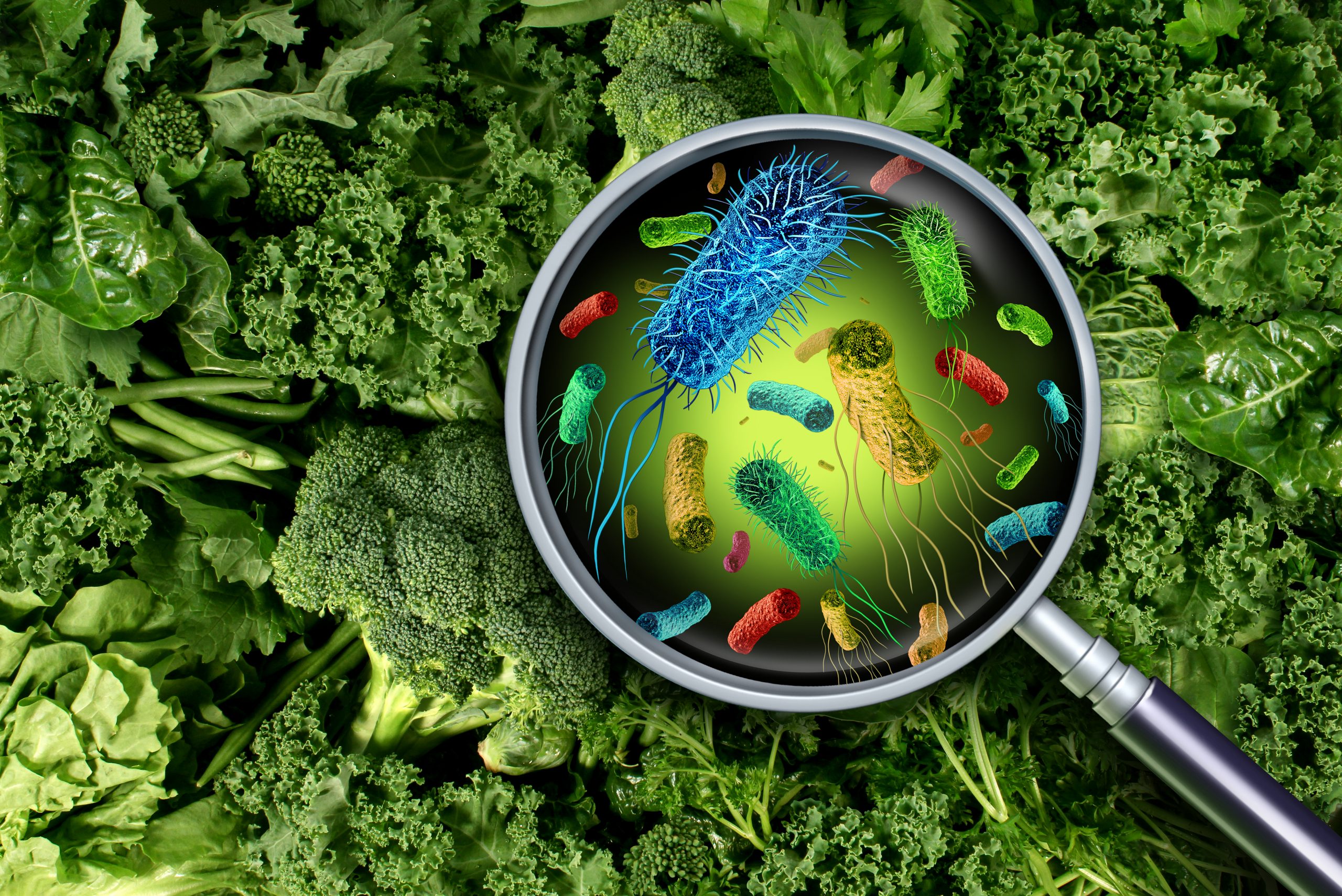
Listeria contamination seems to be a leading cause of recalls. What is Listeria? Listeria monocytogenes is a bacteria that causes listeriosis. According to the CDC: Listeriosis is a serious infection usually caused by eating food contaminated with the bacterium Listeria monocytogenes. An estimated 1,600 people get listeriosis each year, and about 260 die. The infection is most likely to sicken pregnant women and their newborns, adults aged 65 or older, and people with weakened immune systems. Most people who are not in the at-risk group have mild symptoms and rarely get sick.

Invasive illness symptoms

Symptoms of invasive illness usually start within 2 weeks after eating food contaminated with Listeria.

Invasive means bacteria have spread beyond the intestines (gut). Invasive listeriosis happens when Listeria have spread beyond the intestines.

Pregnant women sometimes have no symptoms; however infection can result in miscarriage and stillbirth or life threatening infection of newborn

Fever (Pregnant and other at-risk groups)

Flu like symptoms and muscle aches (Pregnant and other at-risk groups)

Other at-risk groups not pregnant:

  • Stiff neck
  • Loss of balance
  • Confusion
  • Headache

Intestinal illness symptoms

Listeria can also cause an intestinal illness. This kind of illness is rarely diagnosed because laboratories do not regularly test patient stool (poop) samples for Listeria.

Symptoms of intestinal illness usually start within 24 hours after eating food contaminated with Listeria and usually last 1–3 days. Symptoms are usually mild; however, some do progress to invasive illness.

  • Vomiting
  • Diarrhea

Treatment

Most cases of listeria are self-limiting. If progresses to invasive illness, IV antibiotics are sometimes used. Ciprofloxacin, found in the Jase case is sometimes indicated. 

Keep Listeria Out of Your Kitchen Along with thoroughly scrubbing vegetables under running water and making a sanitizer to use on all surfaces that may or have come in contact with food with 1 teaspoon unscented bleach to a quart of water, apply and let set for 10 minutes then wipe; there are several excellent recommendations on this FDA website.

Salmonella

Another recall was salmonella contamination

Salmonella bacteria cause about 1.35 million infections, 26,500 hospitalizations, and 420 deaths in the United States every year. Food is the source for most of these illnesses. At risk populations include: children younger than 5, older adults, and people with immune systems weakened from a medical condition, such as diabetes, liver or kidney disease, and cancer or its treatment. almonella can be found in many foods, including sprouts and other vegetables, eggs, chicken, pork, fruits, and even processed foods.  Contaminated foods usually look and smell normal. 

Symptoms of salmonella infection include:

Symptoms usually begin 6 hours to 6 days after infection and last 4 to 7 days.

  • Diarrhea
  • Fever
  • Stomach cramps

Salmonella can be spread from food to people, people to people and animal to people. 

Treatment

Most people recover within four to seven days without treatment and should not take antibiotics. Antibiotics are typically used only to treat people who have severe illness or who are in the at risk group with severe symptoms. If an antibiotic is indicated, ciprofloxacin and azithromycin are prescribed, which both are found in the Jase case. 

It is estimated that for every positive laboratory test there are 30 cases undiagnosed. 

Some people’s illness may be so severe that they need to be hospitalized.

Escherichia coli (abbreviated as E. coli)

Another recall was e coli contamination

Escherichia coli (abbreviated as E. coli) are bacteria found in the environment, foods, and intestines of people and animals. E. coli are a large and diverse group of bacteria. Although most strains of E. coli are harmless, others can make you sick. Some kinds of E. coli can cause diarrhea, while others cause urinary tract infections, respiratory illness and pneumonia, and other illnesses.

Escherichia coli (E. coli) bacteria normally live in the intestines of people and animals. Most E. coli are harmless and are an important part of a healthy human intestinal tract. However, some E. coli are pathogenic, meaning they can cause illness, either diarrhea or illness outside of the intestinal tract. The types of E. coli that can cause diarrhea can be transmitted through contaminated water or food, or through contact with animals or persons.

Some kinds of E. coli cause disease by making a toxin called Shiga toxin. The bacteria that make these toxins are called “Shiga toxin-producing” E. coli, or STEC for short. Some types of STEC frequently cause severe disease, including bloody diarrhea and hemolytic uremic syndrome (HUS), which is a type of kidney failure. 

Treatment

Most people recover without treatment within 5-10 days. If e coli affects the kidneys or causes a urinary tract infection ciprofloxacin (found in the Jase case) is an effective antibiotic. 

- Brooke Lounsbury

Medical Content Writer

On the horizon health news

Flu season is just around the corner- are you prepared?

This is the time to stock up on all the essential medicines, drinks, Kleenex, thermometers and other items you may need to be ahead of the curve. Take stock of your medicine cabinet. 

Do you have:

  • Age-appropriate analgesic, antipyretic, decongestant, expectorant?
  • Humidifier?
  • Neti pot and salt pipe? Neti pots can help alleviate stuffy noses and reduce viral load in the nasal cavity. Salt pipes have been popular for centuries and help calm and soothe bronchus and asthma attacks, as well as an effective antibacterial and anti-inflammatory. 
  • Raw organic honey– Honey has been proven to be as effective as dextromethorphan as a cough suppressant
  • Cough drops- Elderberry and zinc cough drops help fight influenza and other viruses
  • Extra paper cups and straws- reduce incidence of cross contamination
  • Colloidal silver for gargling Influenza virus is found on the soft palate of the mouth. Gargling with colloidal silver has proven to reduce influenza and other viruses and bacteria

Prep tip- what have you done to prepare this week?

Pick out one project that will bring you closer to medical readiness and do it this week. If it is a large project, break it into phases and tackle it. Every day and effort you put into your personal health preparedness brings you closer to navigating a failing healthcare system.

    “Setting goals is the first step in turning the invisible into the visible.” — Tony Robbins

Lifesaving Medications

Everyone should be empowered to care for themselves and their loved ones during the unexpected.

Recent Posts

Keeping you informed and safe.

Are You Happy?  7 Tips to Happiness

Are You Happy? 7 Tips to Happiness

"Folks are usually about as happy as they make their minds up to be." – Abraham Lincoln“Happiness Happens Day" ,celebrated on August 8th of each year was founded by Pamela Gail Johnson. She started the Secret Society of Happy People in 1998, “to provide a missing...

Join Our Newsletter

Our mission is to help you be more medically prepared. Join our newsletter and follow us on social media for health and safety tips each week!