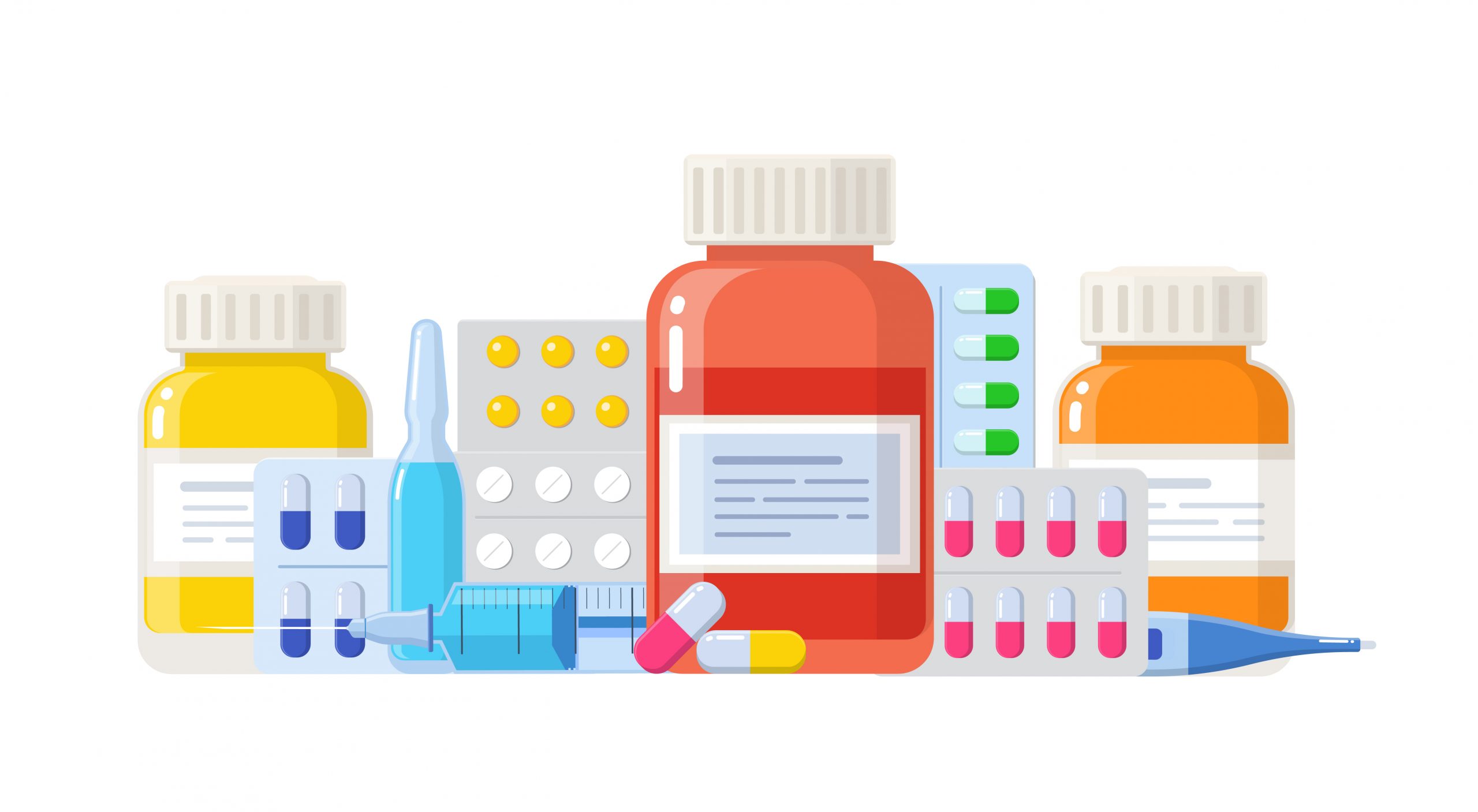
Medical Emergency- Poisoning

In the U.S., there are two ways to get help for a poison emergency. You can either:

  1. Use the web POISONCONTROL® tool to get specific guidance for your case, based on your age, substance, and amount, (and weight, if needed for your specific case) or
  2. Call poison control at 1-800-222-1222.

According to the CDC, unintentional poisoning is the leading cause of injury death in the U.S., comprising nearly 42% of injury fatalities in 2020.

One of the most frightening things for a parent is to walk into a room and find their child ingesting a cleaner from under the sink, or their supernatural ability to scale a 5 ft wall and access the medicine cabinet, ingesting whatever colorful pills in it. Or your 6-year-old, playing in the backyard after a rain discovers mushrooms and decides to sample them, unaware that they most likely are poisonous.

Sometimes, no matter how hard we try, children can find a way to ingest something they shouldn’t. Accidental poisoning can happen to anyone.

Children, especially those under age 6, are more likely to have unintentional poisonings than older children and adults. Their small body size, along with increased metabolism makes them more susceptible to the effects of whatever they ingest, inhale, or come in contact with.  

Most common poisoning in children

The most common poison exposures for children are ingestion of household products such as cosmetics and personal care products, cleaning substances, pain relievers, foreign bodies, and plants.

Most fatal poisoning in children

Fumes, gases, or vapors (including carbon monoxide), followed closely by pain medications, were the most frequent causes of pediatric fatalities reported to Poison Control between 2016 and 2020.

Other sources of poisoning in children (and adults)

Check the warning on fluoridated toothpaste. The label states that if accidentally ingested to call poison control. Mouthwash can also be another source of poisoning.

Art supplies- clays, paints, etc can also be poisonous. Use with supervision or avoid any harmful art products.

The leading cause of unintentional injury death across all ages

Poisoning is the leading cause of unintentional injury death. In 2010, fatalities from unintentional poisoning totaled 33,041.6 Approximately 2.3 million unintentional poisonings or poison exposures (predominately nonfatal) were reported to poison control centers in 2011.

Types of poisoning

Poisons can be swallowed, inhaled, absorbed or injected.

Swallowed or ingested poisonings

  • Prescription medications- opioid analgesics, blood pressure medicine, eye drops, etc.
  • Over the counter medications- pain relievers, liquid forms of meds
  • Street drugs- methamphetamine, fentanyl
  • Alcohol
  • Foreign objects- lithium batteries
  • Household cleaners and laundry detergents, hand sanitizer
  • Garden supplies- fertilizer, pesticides, herbicides
  • Indoor plants- dieffenbachia, philodendron
  • Outdoor plants- wild mushrooms, snowberries, nightshade, water hemlock, oleander
  • Food poisoning-Campylobacter, salmonella, listeria, botulism, e. coli., etc.

Inhaled poisonings

  • Carbon monoxide poisoning from faulty CO detectors in home, fires, car exhaust leaks
  • Ammonia and bleach reaction producing chlorine gas
  • Solvent fumes

Absorbed poisonings

  • Cleaning products
  • Contact plants- poison oak, ivy, sumac

Injected poisonings

  • Bee and wasp stings
  • Venomous snakes
  • Opioids

The most lethal nondrug poisoning

Carbon monoxide causes the most nondrug poisoning deaths (approximately 524 per year), especially among people over 65 years old and male.

CO poisonings, happen mostly in the home (approximately 73%) from improperly maintained and vented sources in or near the home.

HOW CAN WE PREVENT  POISONING? (excerpt from CDC website)

Poisoning is almost always preventable. The following tips can help you, your family, and friends avoid unintentional poisonings.

  • Keep chemical products in their original bottles or containers.
  • Do not use food containers, such as cups, bottles, or jars, to store chemical products, such as cleaning solutions or beauty products.
  • Keep all drugs in medicine cabinets or other childproof cabinets that young children cannot reach.
  • Never leave children alone with household products or drugs.
  • Do not leave household products or drugs out after using them. Return the products to a childproof cabinet as soon as you are done with them.
  • Read and follow directions for application and storage of all household products.

There are also specific steps you can take to prevent carbon monoxide poisoning.

  • Have heating systems, water heaters, and all other gas-, oil-, or coal-burning appliances serviced by a qualified technician every late summer or early fall.
  • Install battery-operated CO detectors in homes, and check or replace batteries when changing the time on clocks each spring and fall. If a detector sounds, leave the home immediately and call 911.
  • Seek medical attention promptly if CO poisoning is suspected and if you feel dizzy, light-headed, or nauseated.
  • Do not use a generator, charcoal grill, camp stove, or other gasoline- or charcoal-burning device inside the home, basement, garage, or outside the home near a window.
  • Never leave a car or truck running inside a garage attached to a house, even if the garage door is left open.
  • Do not use a stove or fireplace that is not vented to the outside.
  • Do not use a gas cooking oven for heat.

What to do if poisoned or suspect poisoning

Keep activated charcoal in your first aid kit for poisonings, however, do not use unless instructed by EMS or poison control.

Do not wait for signs of poisoning before calling Poison Help (1-800-222-1222), which connects you to your local poison center.

If the person is not breathing, call 911.

  • Initiate CPR if not breathing
  • Stay calm. Not all medicines, chemicals, or household products are poisonous. Not all contact with poison results in poisoning.
  • Make sure to have the container of the product you think caused the poisoning nearby. The label has important information.

Be ready (if you can) to tell the expert on the phone:

  • The exposed person’s age and weight
  • Known health conditions or problems
  • The product involved
  • How the product contacted the person (for example, by mouth, by inhaling, through the skin, or through the eyes)
  • How long ago the poison contacted the person
  • What first aid has already been given
  • Whether the person has vomited
  • Your exact location and how long it would take you to get to a hospital

What to do while waiting for help

  • IF unconscious (and breathing)-while you’re waiting for medical help to arrive, lie the person on their side with a cushion behind their back and their upper leg pulled slightly forward, so they do not fall on their face or roll backwards.
  • Wipe any vomit away from their mouth and keep their head pointing down, to allow any vomit to escape
  • If the person inhaled poison, get him or her fresh air right away.
  • If the person has poison on the skin, take off any clothing the poison touched. Rinse skin with running water for 15 to 20 minutes.
  • If the person has poison in the eyes, rinse eyes with running water for 15 to 20 minutes.
  • Do not use activated charcoal when you think someone may have been poisoned unless instructed by EMS/medical personnel or poison control.

- Brooke Lounsbury, RN

Medical Content Writer

Lifesaving Medications

Everyone should be empowered to care for themselves and their loved ones during the unexpected.

Recent Posts

Keeping you informed and safe.

How Should I Store My Jase Case and Add-ons?

How Should I Store My Jase Case and Add-ons?

You recently made the proactive decision to purchase the Jase Case and some add-ons. This investment is a hedge against interrupted medication supplies due to natural disasters, travel to medically underserved regions of the world, and world events leading to extended...

Hidden Dangers of Indoor Air Pollution

Hidden Dangers of Indoor Air Pollution

(Especially in the Winter)People spend at least 90 percent of their time indoors, and this is especially true during winter months in the Northern latitudes. Cooler air, treacherous driving conditions, high winds, rain, ice, and snowstorms force many to stay inside,...

Join Our Newsletter

Our mission is to help you be more medically prepared. Join our newsletter and follow us on social media for health and safety tips each week!

Medical Emergency – Heart Attack

Heart disease, a term used to describe a variety of heart conditions, is the number 1 killer of men and women in the US.

 Examples of heart disease include:

  • High blood pressure
  • Angina
  • Unstable angina
  • Valve disease
  • Arrhythmia
  • Heart failure
  • Congenital and inherited heart conditions
  • Coronary artery disease
  • Sudden cardiac arrest
  • Heart attack (myocardial infarction-MI)

Out of all the above conditions, heart attack leads as the number 1 cause of death in men and women in the US.

 Every 40 seconds, someone in the United States has a heart attack resulting in about 805,000 people in the United States. Of these, 605,000 are a first heart attack.

What is a heart attack?

A heart attack occurs when one of the coronary arteries becomes blocked. The heart muscle is robbed of its vital blood supply and if left untreated, will begin to die because of lack of oxygen.

The more time that passes without treatment to restore blood flow, the greater the damage to the heart muscle.

Causes of heart attack

Coronary artery disease (CAD) is the main cause of heart attacks. Coronary arteries send blood to the heart. It is sometimes called coronary heart disease or ischemic heart disease. CAD is caused by plaque buildup in the walls of the coronary arteries. Plaque is made up of deposits of fatty substances, cholesterol, cellular waste products, calcium, and fibrin. As plaque builds up in the arteries, the artery walls become thickened, hard and narrow over time, which can partially or totally block the blood flow. This process is called atherosclerosis. Atherosclerosis takes about five years to develop.

Another less common cause is coronary spasm during this coronary spasm, your arteries restrict or spasm on and off, cutting off the blood supply to your heart muscle (ischemia). It can happen while you’re at rest and even if you don’t have serious coronary artery disease. Some causes of coronary spasm are extreme cold, smoking, stress, pain. Cocaine, methamphetamine

Most heart attacks occur when the hardened, built-up plaque shell cracks and ruptures. Platelets, a part of the blood that helps blood clot, come to the ruptured area, and form a clot. If the clot is large enough it can block the artery and block oxygen rich blood from reaching the heart. Without adequate oxygen the heart muscle starts to die, resulting in a heart attack. The hearts’ ability to pump declines depending on where and how much scar tissue develops.

Luckily, most heart attacks are survivable, with about a 90 percent survivability rate. These statistics are due to early intervention and prevention awareness.

Symptoms can vary between men and women

Symptoms of an impending heart attack can manifest up to a month to days and even hours before. Symptoms include:

  • Fatigue
  • Dizziness
  • Abdominal pain
  • Sweating
  • Swelling in Legs, Ankles, and Feet
  • Heart Palpitations

Symptoms of heart attack in progress

  • Uncomfortable pressure, squeezing, fullness or pain in the center of your chest. It lasts more than a few minutes or goes away and comes back.
  • Pain or discomfort in one or both arms, the back, neck, jaw or stomach.
  • Shortness of breath with or without chest discomfort.
  • Other signs such as breaking out in a cold sweat, nausea or lightheadedness
  • About 1 in 5 heart attacks are silent—the damage is done, but the person is not aware of it.

What to do if heart attack suspected- ACT QUICKLY

  • Call 911 immediately, quick intervention is key to survival- if in doubt, call. Many people avoid calling until heart attack is well under way.
  • Aspirin or no aspirin? Don’t give aspirin unless directed by emergency personnel or care provider. There are several reasons not to give aspirin, one being the increased risk of bleeding, another is allergy to aspirin and even interaction with other medications.
  • Keep calm, reassure patient, stay with them until help arrives
  • If the person is unconscious, no pulse and/or not breathing, initiate CPR, continue until help arrives. Brain death occurs 10 minutes after 10 minutes with no oxygen
  • If a defibrillator (AED) is available hook up patient and follow prompts- remove patient from liquid, metal surfaces and to a safe area. Know how and when to use the AED through previous training. A heart attack can spiral into a sudden cardiac arrest. If the patient has a pacemaker, do not apply pads directly over the pacemaker. Also do not apply pads over medical patches.

How heart attack diagnosed

  • Blood test- troponin level measures the amount of proteins in the blood. During a heart attack, heart muscle cells die and release proteins in the bloodstream.
  • EKG measures the electrical activity of the heart
  • Heart imaging tests such as cardiac CT scan

Risk factors for heart attacks

Note: Risk factors are the same for silent heart attacks as their symptomatic counterparts

  • Brush your teeth, get regular dental exams-The link between periodontal pathogens and cardiovascular disease (CVD) Recent studies have linked periodontal pathogens with atherosclerotic plaque in 80% of specimens, meaning that periodontal bacteria (among others) were identified in 80% of plaque in carotid artery specimens. (Atherosclerotic plaques leading to atherosclerosis)
  • High blood pressure
  • High cholesterol
  • Diabetic– adults with diabetes are twice as likely to have a heart attack or stroke
  • Smoker
  • Overweight
  • Physical inactivity
  • Genetic predisposition
  • Stress, especially chronic stress
  • Even young and healthy population can experience heart attack

Prevention

Lifestyle

  • Manage and reduce stress- Deep breathing, therapy, talking to friends and loved ones can significantly reduce and manage stress
  • Maintain healthy cholesterol levels through diet, exercise and stress management
  • Exercise regularly- consult your care provider regarding type, how often and how much exercise
  • Healthy diet-eliminate sugar, consult with your provider the ideal diet for you and your preexisting diagnosis and meds.
  • Quit smoking- smoking constricts blood vessels, and chemicals in cigarettes can cause the blood to thicken and form clots.
  • Brush teeth twice a day, replace toothbrushes as needed. Oral bacteria has been found in the fatty deposits of people with atherosclerosis.
  • Drink your water! Dehydration can cause your heart to beat faster, cause an irregular heartbeat or even palpitations. In addition, dehydration makes your blood thicker and constricts blood vessel walls. This can cause high blood pressure and put strain on your heart.

Meds

Along with preventative lifestyle choices it may be necessary to add medication(s). Some of these include:

  • Over the counter meds such as aspirin- consult provider before using
  • Beta blockers-some examples include- atenolol (Tenormin), metoprolol (Lopressor, Toprol XL) propranolol (Inderal). Beta-blockers-block the effects of adrenaline, which comes on in response to stressful situations.
  • Ace inhibitors- some examples include- benazepril (Lotensin), captopril (Capoten), enalapril-(Vasotec), fosinopril (Monopril), lisinopril (Zestril and Prinivil), qinapril (Accupril), ramipril (Altace). ACE (angiotensin-converting enzyme) inhibitors prevent the body from producing the artery-constricting hormone angiotensin. Arteries relax with ACE inhibitors which in turn lowers blood pressure.
  • Prescription blood thinners-examples include warfarin, clopidogrel
  • Statins- some examples include atorvastatin (Lipitor), fluvastatin (Lescol XL), lovastatin (Altoprev), pitavastatin (Livalo), pravastatin (Pravachol- Statins lower LDL cholesterol, reduce inflammation.

- Brooke Lounsbury, RN

Medical Content Writer

Lifesaving Medications

Everyone should be empowered to care for themselves and their loved ones during the unexpected.

Recent Posts

Keeping you informed and safe.

How Should I Store My Jase Case and Add-ons?

How Should I Store My Jase Case and Add-ons?

You recently made the proactive decision to purchase the Jase Case and some add-ons. This investment is a hedge against interrupted medication supplies due to natural disasters, travel to medically underserved regions of the world, and world events leading to extended...

Hidden Dangers of Indoor Air Pollution

Hidden Dangers of Indoor Air Pollution

(Especially in the Winter)People spend at least 90 percent of their time indoors, and this is especially true during winter months in the Northern latitudes. Cooler air, treacherous driving conditions, high winds, rain, ice, and snowstorms force many to stay inside,...

Join Our Newsletter

Our mission is to help you be more medically prepared. Join our newsletter and follow us on social media for health and safety tips each week!

Medical Emergency-Sudden Cardiac Arrest
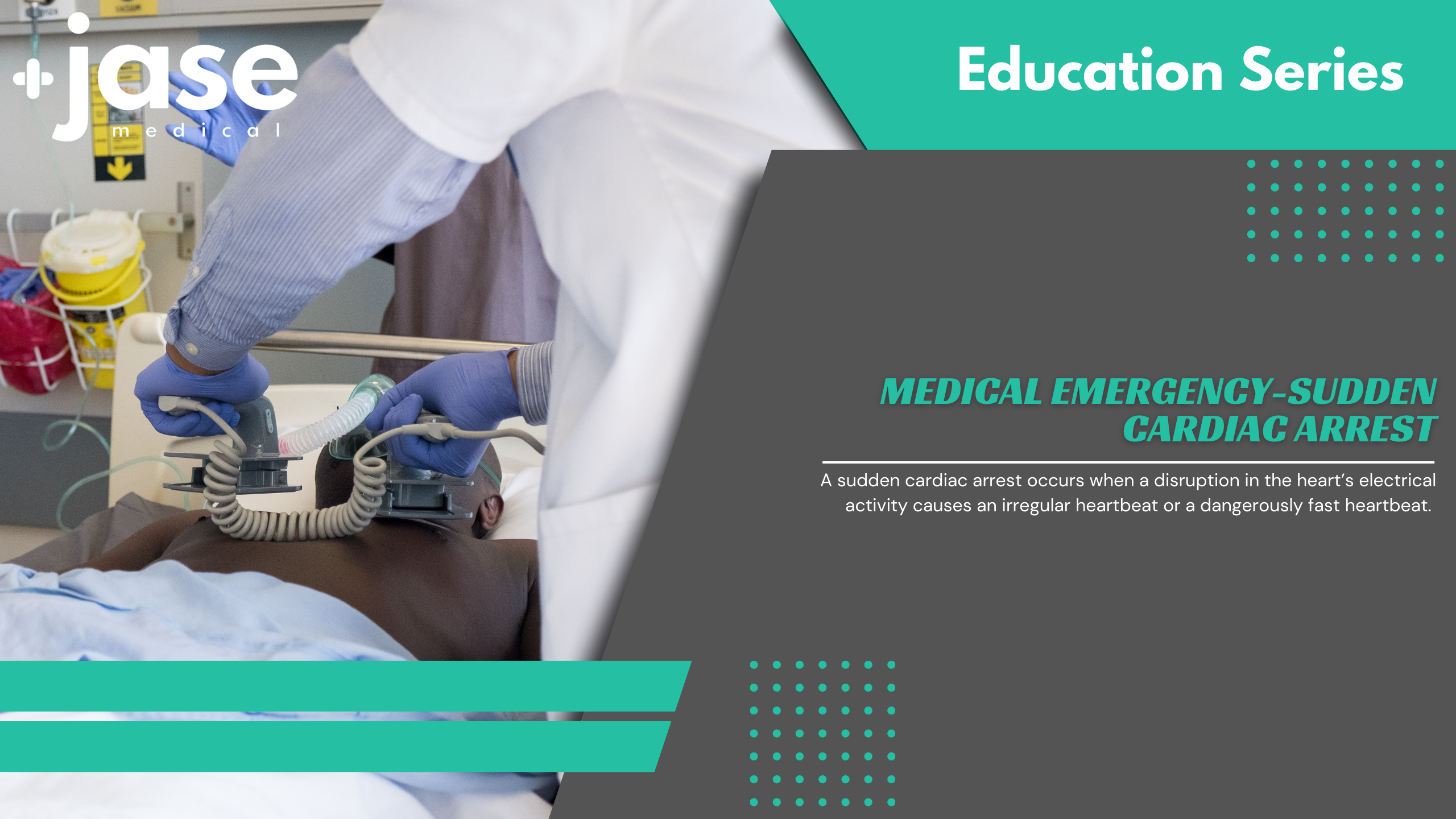
A sudden cardiac arrest occurs when a disruption in the heart’s electrical activity causes an irregular heartbeat (ventricular fibrillation) or a dangerously fast heartbeat (ventricular tachycardia). This is different from a heart attack. A heart attack is caused by a blockage that stops blood flow to a part of the heart. A cardiac arrest can result from the blockage.

Either way, the brain and organs don’t get the blood and oxygen required to sustain life. Initiating immediate treatment by restoring the hearts normal rhythm can prevent organ damage and even death. More than 350,000 sudden cardiac arrest events occur outside the hospital, with 7 in 10 of these occurring in the home every year.

 Less than half of cardiac arrest victims (45.7%) get the immediate help they need before emergency responders arrive.

Lifesaving technology- AED

An automated external defibrillator (AED) is a lightweight, portable device. It delivers an electric shock through the chest to the heart when it detects an abnormal rhythm and changes the rhythm back to normal. It can prompt the user when to administer CPR and when to defibrillate.

The AED uses voice prompts, lights and text to tell the rescuer the steps to take. AEDs may have two sets of pads — adult pads and child pads. For CPR, anyone 1 year or older who hasn’t gone through puberty is considered a child.

According to  American Heart Association , survival rate of AED use from bystanders versus not using AED was dramatic, according to  research in the American Heart Association’s journal “Circulation”.

An international team of researchers looked at 49,555 out-of-hospital cardiac arrests that occurred in major U.S. and Canada cities. They analyzed a key subgroup of these arrests, those that occurred in public.

Findings included:

  • Patients shocked by a bystander were significantly more likely to survive discharge (66.5% versus 43.0%) and be discharged with favorable functional outcome (57.1% versus 32.7%) than patients initially shocked by emergency medical services.
  • Cardiac arrest victims who received a shock from a publicly available AED that was administered by a bystander had 2.62 times higher odds of survival to hospital discharge and 2.73 times more favorable outcomes compared to victims who first received an AED shock after emergency responders arrived.
  • Without a bystander using AED shock therapy, 70% of cardiac arrest patients either died or survived with impaired brain function.

Time is of the essence.

According to the NIH, CPR plus defibrillation within 3–5 min of collapse can produce survival rates as high as 49–75%!

Who is at risk for sudden cardiac arrest?

  • Most cardiac arrests occur in men
  • Coronary artery disease accounts for over 80% of cases
  • Enlarged heart (cardiomyopathy)
  • Heart valve disease
  • Long QT syndrome
  • Diabetic
  • Smoker
  • Genetic- family history of cardiac arrest
  • Obesity
  • Respiratory arrest-pneumonia or seizure disorders can lead to a person stop breathing,
  • Injury such as a hard blow to the chest from sports related activity (hockey, baseball) or accident
  • Sleep apnea
  • Low levels of potassium and/or magnesium
  • Stimulant drugs- methamphetamines
  • Chronic kidney disease
  • And unfortunately, no known risk factors- some suffer cardiac arrest for no apparent reason

Symptoms of sudden cardiac arrest are immediate and severe and include:

  • No pulse.
  • No breathing
  • Loss of consciousness
  • Chest discomfort
  • Shortness of breath
  • Fast-beating, fluttering or pounding heart palpitations
  • Cardiac arrest can occur with no warning

When to use an AED

  • If you see a person faint or if you find a person already unconscious, first confirm that the person cannot respond. The person may not move, or his or her movements may look like a seizure.
  • You can shout at or gently shake the person to make sure he or she is not sleeping.
  • Check the person’s breathing and pulse. If the person is not breathing and has no pulse or has an irregular heartbeat, use the AED as soon as possible.

How to and when to use an AED

Check out our downloadable pdf on the difference between a heart attack and sudden cardiac arrest and steps to take

Get trained in CPR and AED use if you aren’t already

Take a CPR/AED course and rehearse steps. The longer CPR and AED is delayed the more likely the victim will suffer long term disabilities or die. Check with your local health departments, fire stations, Red Cross and emergency preparedness facilities to locate and take the combined CPR/AED class. Be sure that everyone in your family/group knows CPR and AED use.

Choosing a home AED

When looking for a home AED there are a few things to consider.

  • Check with insurance-If you or anyone in your household has risk factors that could justify the purchase of one, contact your insurance provider and see if it would be covered. These devices aren’t cheap, with models starting at $1200.00 and up.
  • Warranty and repair policies-Since these devices are costly, carefully review their warranty and return policies.
  • Make sure they are FDA approved– FDA approval means that the devices have been tested and are safe for public use.
  • Ease of use– This includes clear visual and audio cues. If the user is hearing or vision impaired, it will be important to test the device to make sure they can see/hear/understand the prompts.
  • Cost of maintaining AED– pads, batteries, leads and general maintenance can all add up.
  • Is the AED water, dust, impact resistant? – even though you don’t use it in water, if there is a chance the AED can get wet or be exposed to moisture, dust, dirt or could sustain an impact, you will want to take this feature into consideration.
  • Age ranges– Consider the age the unit will most likely be used on. Different AED devices deliver different shock intensity. If you feel you may need to use the device on a very young child research brands that carry appropriate shock for them.
  • Reliability record– check independent reviews, do your homework before purchase. The worst scenario would be for the AED to malfunction or not work at all during a cardiac emergency.
  • Size and portability– Most AEDs on the market today only weigh a few pounds, ad most come with a carrying case that can hold extra pads and supplies. If you choose one that doesn’t have ample room to store extra supplies, consider buying a pack to store the AED and supplies. Be sure to clearly mark on the outside that it is an AED.

- Brooke Lounsbury, RN

Medical Content Writer

Lifesaving Medications

Everyone should be empowered to care for themselves and their loved ones during the unexpected.

Recent Posts

Keeping you informed and safe.
How Should I Store My Jase Case and Add-ons?

How Should I Store My Jase Case and Add-ons?

You recently made the proactive decision to purchase the Jase Case and some add-ons. This investment is a hedge against interrupted medication supplies due to natural disasters, travel to medically underserved regions of the world, and world events leading to extended...

Hidden Dangers of Indoor Air Pollution

Hidden Dangers of Indoor Air Pollution

(Especially in the Winter)People spend at least 90 percent of their time indoors, and this is especially true during winter months in the Northern latitudes. Cooler air, treacherous driving conditions, high winds, rain, ice, and snowstorms force many to stay inside,...

Join Our Newsletter

Our mission is to help you be more medically prepared. Join our newsletter and follow us on social media for health and safety tips each week!

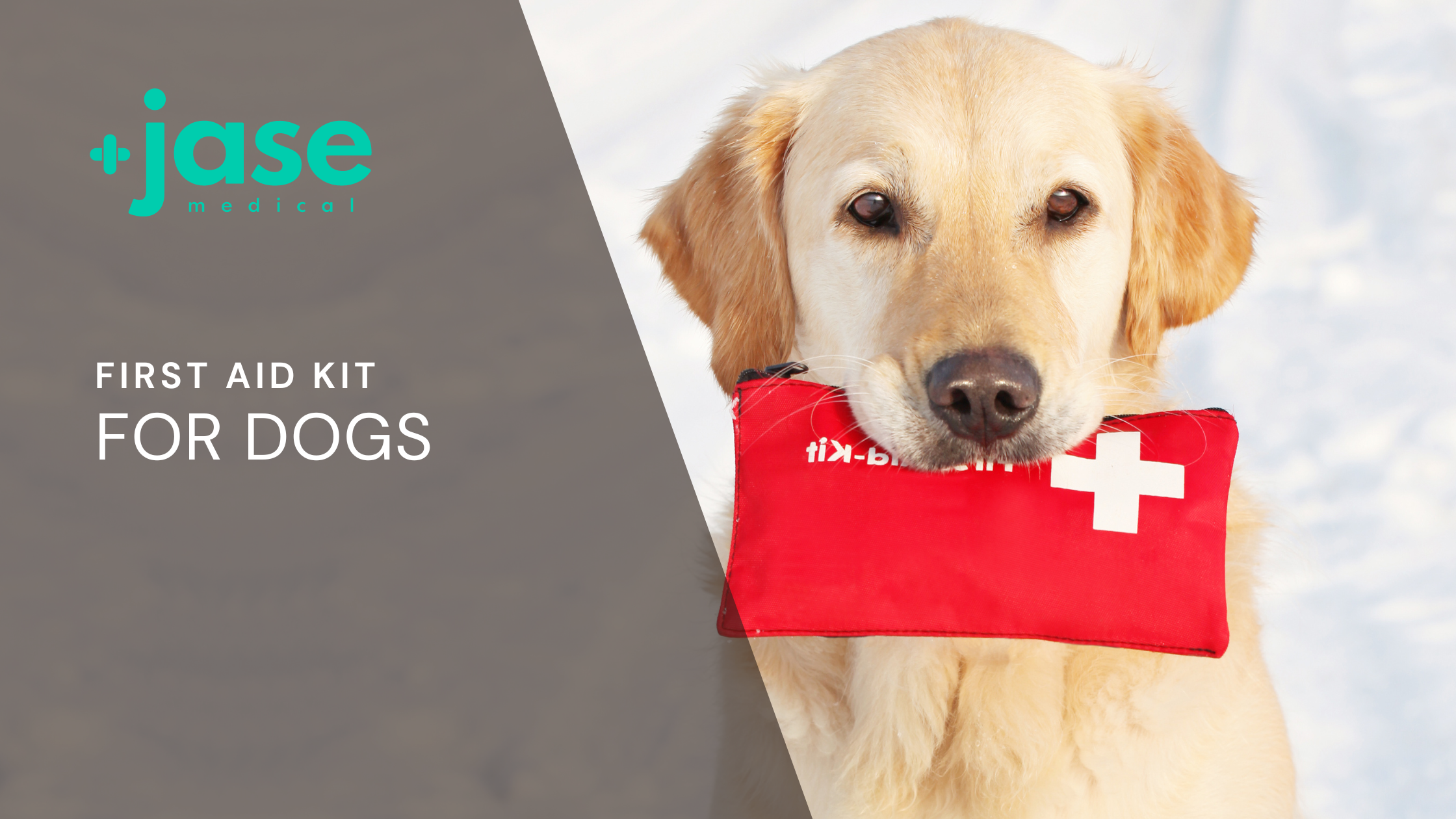
First Aid Kit for Dogs – Be Prepared!

Dogs have historically been called Mans best friend. (In 1789, King Frederick of Prussia once said that a dog is a “man’s best friend” and this phrase has lasted throughout the generations.)

Dogs are the most popular pet

Over 48.3 million households own dogs with cat owners coming in second in popularity at 31.9 million.

Are you the proud owner of the most popular pet in the U.S.? Do you have a first aid kit for your dog?

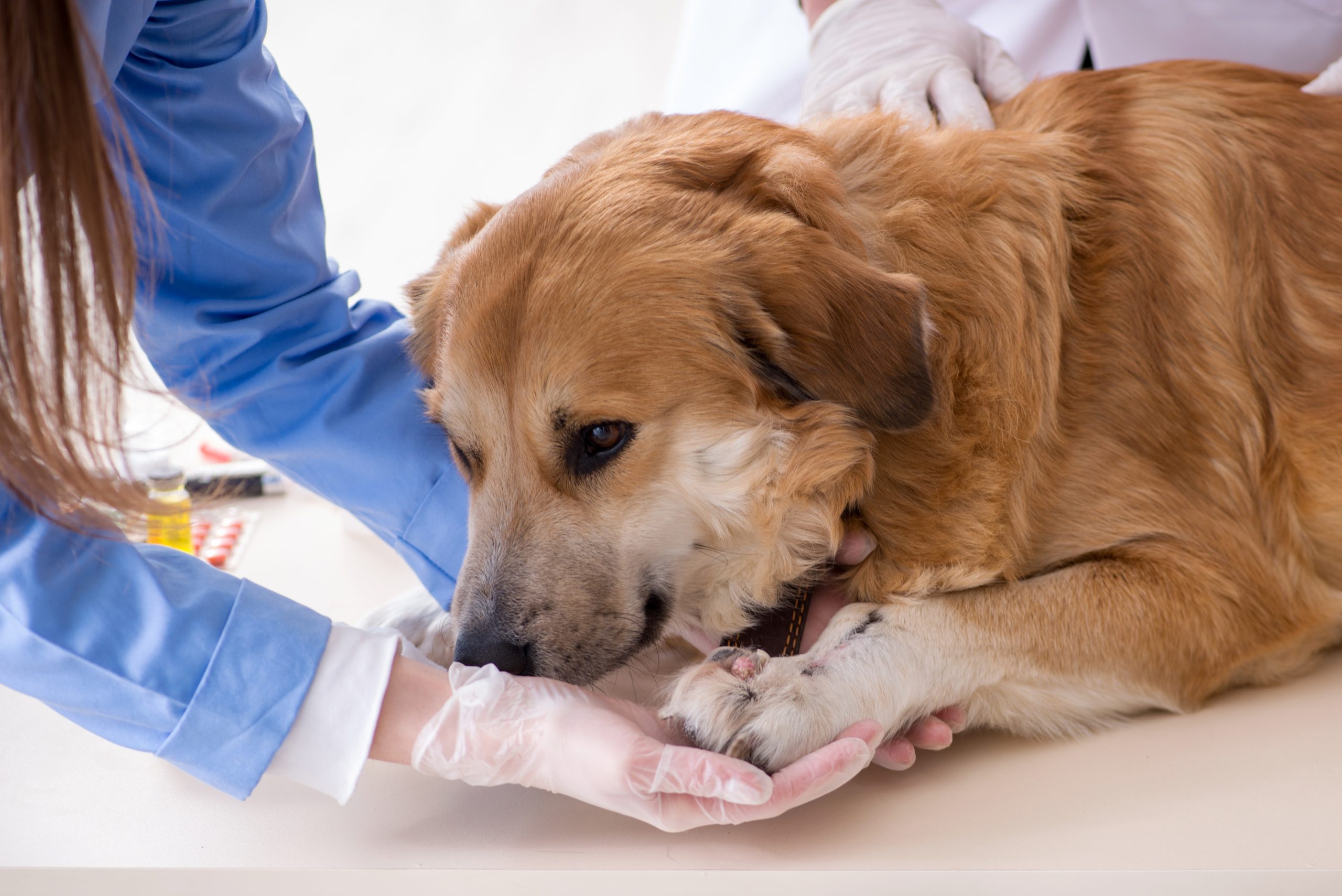
Preventative care is the best care. Keep up to date with exams, vaccinations, and have extra prescribed medications. In addition, a first aid kit and common otc medications can prevent trips to the vet (or if the vet isn’t available) and prevent further injury and even death.

Ask your vet to recommend products specific to your dog as they know your dog’s health condition and are the best ones for this task. However, there are a few items that you can have stocked in a first aid kit for minor injuries and illnesses in the event veterinary care isn’t readily available.

First aid supplies

Find or purchase a rugged box where you can store items. A tackle box, small Rubbermaid tote or a lunchbox with dividers is ideal for setting up a first aid kit. Make sure it is clearly labeled for your pet as a first aid kit on the outside of the container. Inside this container stock:

  • Contact card with your veterinarian phone number and other contact information. In addition to contact information, have your dog’s name, age, health conditions, meds and allergies listed. The Pet Poison Hotline 855-764-7661 should also be on the contact card.

 Laminate this card and place it where this card will be easily seen when the kit is opened.

This card is for anyone taking care of your dog while you are away, or on vacation or traveling and you aren’t available. Add all the contact information to your cellphone also.

  • Nitrile exam gloves to protect both you and the dog
  • Tweezers- for tick, splinter, thorn, or bee stinger removal
  • Bandage scissors. Be sure to stock only bandage scissors since they have the blunt end, which can help avoid injury when rendering care.
  • Nonstick telfa pads. These pads won’t stick to wounds when applied as the first layer in a dressing.
  • Neosporin or other ointment- to help reduce bacteria count and provide a layer of protection to the wound.
  • Hibiclense or generic equivalent wound cleanser to clean wounds before applying dressing.
  • 10 cc and 50 cc syringes to irrigate wounds and clean ears if needed. Have multiples of these.
  • Coban dressing- 4-inch roll is the most useful size. If your dog is smaller you may want to pick up 2 and 3 inch rolls also. Be sure when applying this to an appendage to not wrap too tight (which could create a tourniquet effect)
  • Gauze squares, separated into 5-10 packs, place in individual baggies for easy access.
  • Roll of gauze to hold dressing in place until you can apply Coban.
  • Rectal thermometer made for dogs and pets, along with lubricant. (Know how to use the thermometer)
  • Styptic powder to control bleeding (handy to have if you are trimming nails and cut too close and it causes bleeding) Corn starch works (but not as well) if styptic powder not available.
  • Small flashlight with extra batteries to examine wounds, etc.
  • Extra towels- paper and cloth
  • Bottled water and a small foldable bowl for drinking in case of dehydration.

Over the counter medications

With supply chain disruptions and a multitude of other factors creating instability in our world, having just a few of these meds on hand could be lifesaving.

A fantastic you tube series by a former practicing veterinarian has playlists for emergency care, meds and more:  Veterinary Secrets

Contact your veterinarian for instruction and guidance on the following medications. Make sure written instructions are with each medication.

  • Benadryl (generic name is Diphenhydramine)– for allergic reactions, itching, hives
  • Pepcid – generic name is Famotidine– upset stomach, vomiting, gastric reflux
  • Activated charcoal– in case of ingestion of poisonous substances-DO NOT USE UNTIL YOU TALK TO VETERNARIAN OR HAVE WRITTEN INSTRUCTIONS ON WHEN AND HOW TO USE
  • Eye wash– to remove pollen, irritation or objects in eye
  • Ear wash for irritated ears – ask your vet what they recommend
  • Pain reliever -with instructions from veterinarian on use. One common otc pain reliever is uncoated aspirin, but this needs to be used with caution.

In addition to the above supplies and medicines- do you know the symptoms of and how to treat:

Heat stroke?

Choking?

Perform CPR?

Bloat?

Water toxicity? (when swimming can ingest water to avoid it going to lungs)

How to tell if in pain?

Foods toxic to dogs?

Be ready for your best friend’s emergency needs. Know what to do if your dog has an emergency or ingests something they shouldn’t. They are truly our best friends!

- Brooke Lounsbury, RN

Medical Content Writer

Lifesaving Medications

Everyone should be empowered to care for themselves and their loved ones during the unexpected.

Recent Posts

Keeping you informed and safe.

How Should I Store My Jase Case and Add-ons?

How Should I Store My Jase Case and Add-ons?

You recently made the proactive decision to purchase the Jase Case and some add-ons. This investment is a hedge against interrupted medication supplies due to natural disasters, travel to medically underserved regions of the world, and world events leading to extended...

Hidden Dangers of Indoor Air Pollution

Hidden Dangers of Indoor Air Pollution

(Especially in the Winter)People spend at least 90 percent of their time indoors, and this is especially true during winter months in the Northern latitudes. Cooler air, treacherous driving conditions, high winds, rain, ice, and snowstorms force many to stay inside,...

Join Our Newsletter

Our mission is to help you be more medically prepared. Join our newsletter and follow us on social media for health and safety tips each week!

Medical Preparedness for the Senior and Disabled Population

According to the CDC one in four adults have some type of disability. This includes limited mobility, difficulty concentrating, remembering, or making decisions and hearing or severe eyesight limitations. In addition, the Census Bureau reports that 36% (about 18.2 million people) of seniors, age 65 and older have one or more disabilities.

These numbers represent a large section of our population. How many have a medical emergency plan in place, especially if there is no medical care available for the immediate future?

Putting together a medical preparedness plan

Depending on the disability, being medically prepared will be highly individualized and tailored to the person’s needs and abilities. A few things to consider are:

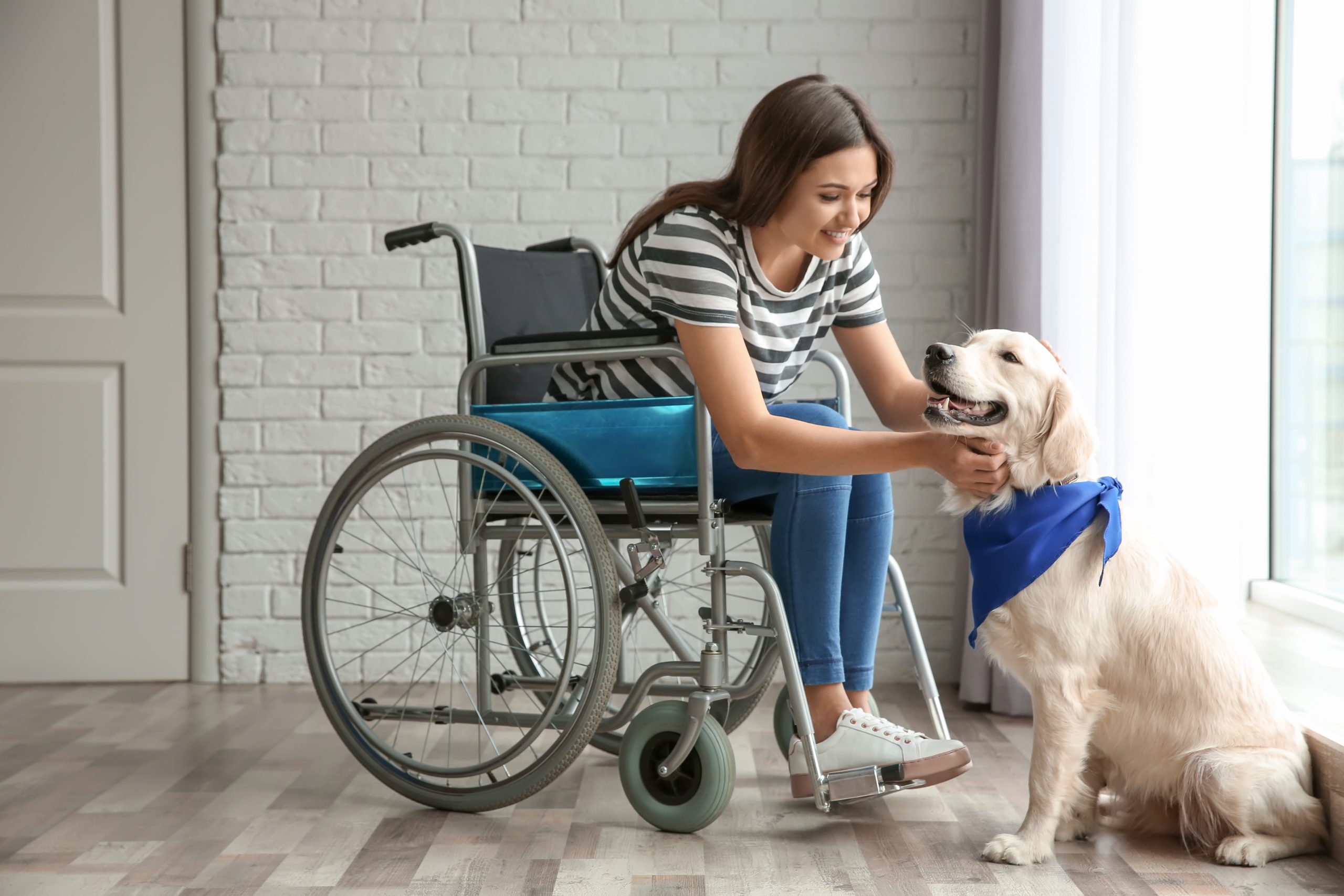
Mobility issues– Mobility issues can make it difficult or impossible to access or provide medical care. Limited mobility includes stroke, arthritis, multiple sclerosis, amputations, post-surgery, and vertigo patients. This also includes persons who are bedbound, or use a wheelchair, cane, or walker.

Cognitive/dementia/autism disabilities– Unable to understand or remember directions, such as when to take meds, remembering their name, address, etc. can lead to further injury and declining health.

Hearing and sight limitations– Patients who are unable to see or hear directions (or both) won’t be able to follow through with emergency plans unless adaptive solutions are in place.

NON-EMERGENT MEDICAL PREPAREDNESS WHEN THERE IS NO MEDICAL CARE AVAILABLE

Medical preparedness for seniors and disabled is much like preparedness in the general population with a few differences. Mobility, cognition, and sensory deficits add an additional layer of complexity. Having systems and supplies in place will enable you and your loved ones to handle non-emergent medical issues.

  • Mobility impaired-If using a wheelchair or mobility device, make sure it receives regular maintenance. Canes usually have tips that need replaced periodically. Have an extra tip on hand. If in a hospital bed, be sure that the bed allows for manual operation in case the electricity goes out.
  • Blind or hearing impaired– There are battery operated medicine dispensers that can dispense the correct meds at the right time. Flashing and audio signals are available to alert when drugs are dispensed. Keep extra batteries for back up.
  • Cognitive decline/ dementia/autism– Routines are very important. Having favorite foods, clothing and schedules will be necessary during a medical grid down scenario.

Suggested list of supplies

The following is not an exhaustive list of supplies. Each situation will be different according to the type of disability and age. Use this as a guide and start your own checklist. Review monthly.

  • Extra portable oxygen tanks with cannulas/masks
  • At least 3 (6 or more is better) month’s supply of meds and supplements
  • Jase case
  • Bottled water
  • Extra bandages, tape, gauze, etc. especially if prone to injury or falls
  • If wheelchair bound, make sure to have extra moleskin, pads, pressure relieving supplies and booties.
  • If incontinent, have several bags of disposable underwear/briefs/pads on hand and a way to dispose of them. Include wipes also.
  • Dry shampoo- this product will conserve water and is easy to use if the patient is bedbound.
  • A personal GPS device (watch, pendant or phone) or alert monitor with 2-way communication. Check batteries monthly. Make sure the patient knows how to use it.
  • Extra eyeglasses and case
  • Extra batteries for hearing aid, and any extra necessary supplies.
  • Make sure areas are well lit and paths clear during the night with nightlights to avoid falls.
  • Consider utilizing a free app, such as the Caring Village app to coordinate care between family and care providers.

EMERGENCY EVACUATION OF HOME

If you are the caregiver for a disabled person have the following in place (depending on the disability):

  • Contact Information: Have an envelope ready with diagnoses, meds, allergies, phone number of primary care provider, special directions regarding disability (limited mobility, hard of hearing or blind, etc.) family or other contact information. Even if medical help is not readily available, this information will help anyone providing care.
  • Documents: Have medical records, living will, etc. included in the envelope with contact information.
  • Grab bag of meds in easy reach- Keep this bag up to date and rotate medications and supplements. Include the Jase case in the bag. If on oxygen, have a portable oxygen tank with tubing and cannula within easy reach. Place contact information in the bag.
  • Emergency Route to exit home: Have a preplanned exit route established and rehearse the route on a periodic basis. Make sure everyone knows where to meet- under a tree, neighbor’s yard, etc. Notify EMS personnel in advance of people in home with disabilities.
  • Ways to leave the building-This will depend on the type of disability. If wheelchair bound or not mobile, keep paths that lead to outside clear. This will enable exit by wheelchair or pulled to safety using a chair with no wheels. If blind or hearing impaired most people can be led outside to safety.

When evacuating a cognitively impaired person it will be necessary to remain as calm as possible, and gently guide them outside while reassuring them.


- Brooke Lounsbury, RN

Medical Content Writer

Lifesaving Medications

Everyone should be empowered to care for themselves and their loved ones during the unexpected.

Recent Posts

Keeping you informed and safe.

How Should I Store My Jase Case and Add-ons?

How Should I Store My Jase Case and Add-ons?

You recently made the proactive decision to purchase the Jase Case and some add-ons. This investment is a hedge against interrupted medication supplies due to natural disasters, travel to medically underserved regions of the world, and world events leading to extended...

Hidden Dangers of Indoor Air Pollution

Hidden Dangers of Indoor Air Pollution

(Especially in the Winter)People spend at least 90 percent of their time indoors, and this is especially true during winter months in the Northern latitudes. Cooler air, treacherous driving conditions, high winds, rain, ice, and snowstorms force many to stay inside,...

Join Our Newsletter

Our mission is to help you be more medically prepared. Join our newsletter and follow us on social media for health and safety tips each week!