What is Discontinuation Syndrome?

You may have heard or been told by your care provider to never stop taking your antidepressant medication abruptly and wondered why. The side effects of suddenly stopping your antidepressant can be severe and last for months or even years.

What are antidepressants?

Antidepressants are prescription drugs used to treat clinical depression. They are one of the most commonly used medications on the market. 11% of Americans over the age of 12 take antidepressant medication.

They also are used to treat:

  • Anxiety disorders
  • Obsessive compulsive disorder (OCD)
  • Panic disorders
  • Serious phobias, such as agoraphobia and social anxiety (social phobia)
  • Bulimia
  • Post-traumatic stress disorder (PTSD)
  • Help ease symptoms associated with nicotine or methamphetamine withdrawal

How antidepressants work

It’s thought that antidepressants work by increasing neurotransmitters. These are chemicals in the brain like serotonin and noradrenaline. They can improve mood and emotion, although this process isn’t fully understood.

Types of antidepressants

Selective serotonin reuptake inhibitors (SSRI)

SSRIs are the most widely prescribed antidepressant. SSRIs work by increasing serotonin levels in the brain. Serotonin is a neurotransmitter (a messenger chemical that carries signals between nerve cells in the brain). It’s thought to have a good influence on mood, emotion and sleep.

After carrying a message, serotonin is usually reabsorbed by the nerve cells (known as “reuptake”). SSRIs work by blocking (“inhibiting”) reuptake, meaning more serotonin is available to pass further messages between nearby nerve cells.

A few examples are:

  • citalopram (Celexa)
  • paroxetine (Paxil)
  • sertraline (Zoloft)
  • fluoxetine (Prozac)

Serotonin and norepinephrine reuptake inhibitors (SNRI)

SNRIs are similar to SSRIs. Evidence suggests that some people respond better to SSRIs, while others respond better to SNRIs. They are sometimes used to treat anxiety disorders and long-term (chronic) pain, especially nerve pain.

Examples of SNRIs include:

  • duloxetine (Cymbalta)
  • venlafaxine (Effexor)
  • desvenlafaxine (Pristiq)

Tricyclic antidepressant (TCA)

TCAs are an older type of antidepressant. They’re no longer usually recommended as a first-line treatment for depression. This is because they can be more dangerous if an overdose is taken. They also cause more unpleasant side effects than SSRIs and SNRIs.

People with severe depression who fail to respond to other treatments may be prescribed TCAs. TCAs may also be recommended for other mental health conditions, like OCD and bipolar disorder.

Examples of TCAs include:

  • amitriptyline
  • imipramine
  • nortriptyline
  • Some types of TCAs, like amitriptyline, can also be used to treat chronic nerve pain.

Atypical antidepressants

Atypical antidepressants work in a manner different than other antidepressants. They change the levels of one or more neurotransmitters, such as dopamine, serotonin or norepinephrine.

Examples of atypical antidepressants include:

  • Bupropion (Wellbutrin SR, Wellbutrin XL, others)
  • Mirtazapine (Remeron)

What is half life?

A half-life is the time it takes for a drug in your body to reduce by half. Half-life does not change depending on the dosage a person is taking or the amount of time they have been on medication. Half-life can vary from person to person according to their overall health and other factors.

Every drug has its own unique half-life. For instance,

SSRIs

 Most SSRIs have a half life or a day or so, except Prozac

  • Prozac (fluoxetine) has a longer half life than many other antidepressants. Depending on individual metabolism and health, it can take 1-4 days to reach half-life, and up to 30 days to be completely removed from the body.
  • Sertraline(Zoloft)-22 to 36 hours
  • Citalopram (Celexa)-36 hours
  • Paroxetine (Paxil)-24 hours

SNRIs

  • Duloxetine (Cymbalta)- 8 to 17 hours
  • Venlafaxine (Effexor)-4 to 7 hours
  • Desvenlafaxine (Pristiq)-about 11 hours

TCAs   

  • Amitriptyline- 9-25 hours
  • Imipramine- 19 hours
  • Nortriptyline-36 hours

Atypical antidepressants

  • Bupropion (Wellbutrin SR, Wellbutrin XL, others)- 33-37 hours
  • Mirtazapine (Remeron)- 20-40 hours

Discontinuation syndrome

Never go off or change the dose of your antidepressant without the guidance of your care provider.

Discontinuation syndrome occurs when an antidepressant is stopped suddenly. Depending on the half life of the drug, the symptoms can be more severe and longer lasting. Withdrawal symptoms usually come on within a few days of stopping the medicine and can last from 1 week to several months or more. Some people have severe withdrawal symptoms that last for years.

Withdrawal symptoms

Neurotransmitters are not only active in the brain but the entire body. Abruptly stopping antidepressants causes changes to neurotransmitter levels that can be felt throughout the body.

There are many mental and physical symptoms when coming off /abruptly stopping antidepressants including:

  • Mood swings, agitation, manic feelings, depression, irritability, confusion, paranoid, suicidal
  • Irritable, anxious, confused
  • Balance: dizziness, light-headedness, vertigo
  • Unusual sensations: numbness, sound hypersensitivity, “brain-zap”, which is a feeling of an electric shock to the head
  • Stomach cramps, loss of appetite, nausea, vomiting
  • Insomnia, vivid dreams or nightmares
  • Restless legs, uneven gait
  • Slurred speech
  • Heat sensitivity, sweating

Given the severity of symptoms from abruptly stopping antidepressants, be sure you have enough in case of supply chain disruption. Review your medications with your care provider and have a plan in place for enough medication in the event your medication is in short supply.

- Brooke Lounsbury, RN

Medical Content Writer

Lifesaving Medications

Everyone should be empowered to care for themselves and their loved ones during the unexpected.

Recent Posts

Keeping you informed and safe.

A Rare Case of the Plague Was Found in Oregon

A Rare Case of the Plague Was Found in Oregon

Could you be next?Early this week an Oregon resident was diagnosed with bubonic plague. This is the first diagnosed case in nearly a decade. It is believed the person contracted the disease from their cat. Cats that hunt rodents can become infected and spread the...

Ivermectin for Scabies- and More

Ivermectin for Scabies- and More

Discovered in the late 1970s and approved as a commercial product for animal health in 1981, ivermectin, an antiparasitic drug was initially used by veterinarians to treat mite and heartworm infections. In 1988, ivermectin was approved to treat Onchocerciasis (known...

Join Our Newsletter

Our mission is to help you be more medically prepared. Join our newsletter and follow us on social media for health and safety tips each week!

Medical Emergency – Stroke

(May is stroke awareness month)

Strokes, also called CVA (cardiovascular accident) affect more than 795,000 people in the United States. About 610,000 of these are first or new strokes. A stroke occurs when a clot or plaque forms and blocks blood supply to a part of the brain, or when a blood vessel in the brain bursts. The lack of oxygen to the brain can cause brain damage or death. Brain damage or death can occur within minutes.

Stroke is the number three cause of death in women; 20% of women will have a stroke in their lifetime. Stroke is the number five cause of death in men; 14-17% of men will have a stroke in their lifetime.

For both sexes stroke is a leading cause of disability. Strokes can occur at any age, however the incidence of stroke rises dramatically over age of 65.  Over 50 percent of stroke sufferers over the age of 65 have impaired mobility after the stroke.

Types of strokes

There are two types of strokes: one that blocks an artery that supplies blood to the brain (ischemic stroke) or when an artery in the brain leaks blood or ruptures (hemorrhagic stroke).

Ischemic Stroke

(About 87% of all strokes are ischemic strokes)

An ischemic stroke is when a blood clot blocks the artery leading to a portion of the brain, or atherosclerosis, which is a buildup in of fats, cholesterol and other substances in and on the artery walls called plaque hardens and narrows the arteries, which limits blood flow to tissues and organs, in this instance, blood flow to the brain.

Hemorrhagic Stroke

A hemorrhagic stroke happens when an artery in the brain leaks blood or ruptures (breaks open). The leaked blood puts too much pressure on brain cells, which damages them.

TIA (Trans ischemic attack)

TIAs are sometimes known as “warning strokes” which is a warning sign of a future stroke. It is a medical emergency, just like a stroke. More than a third of people who have a TIA and don’t get treatment have a stroke within one year. The symptoms are the same as those of an early stroke. (slurred speech, weakness visual disturbances)

Know the signs and what to do if stroke is suspected

Other signs of a stroke

(Excerpt from American Stroke Association)

  • NUMBNESS or weakness of face, arm, or leg, especially on one side of the body
  • CONFUSION, trouble speaking or understanding speech
  • TROUBLE SEEING in one or both eyes
  • TROUBLE WALKING, dizziness, loss of balance or coordination
  • SEVERE HEADACHE with no known cause

What to do and what not to do if stroke suspected:

What TO DO if stroke suspected

  • Call 911 immediately
  • Note when you first saw symptoms of stroke
  • Perform CPR if necessary

What NOT TO DO if stroke suspected

  • Do not let that person go to sleep or talk you out of calling 911- A stroke is a medical emergency, many feel that if they wait it out the symptoms will pass. Many times, a stroke can make a person feel sleepy, and may try to talk you out of calling 911- that they just need to take a nap and will feel better. This could mean the difference between life and death, and even how much the person will recover. It is always better to err on the safe side and seek medical attention asap.
  • Do not give them medication, food, or drinks- Depending on the type of stroke, medication should never be given unless instructed by medical personnel to do so. A patient can aspirate on food or drinks during a stroke.
  • Do not drive yourself or someone else to the emergency room- unless there is no other way and no help is available, stay with the patient and wait for EMS. They are trained and carry life saving equipment with them to handle emergencies.

Stroke Risks

You are at risk of a stroke if you have:

  • High blood pressure (this is the number one cause of a stroke)
  • Diabetes
  • Heart and blood vessel diseases- (carotid artery disease, atrial fibrillation, heart valve disease)
  • Are a smoker
  • High LDL cholesterol
  • Viral infections or conditions that cause inflammation. Rheumatoid arthritis and systemic lupus erythematosus (SLE) showed an excess risk of stroke over the general population.
  • Age: A stroke can happen at any age, but the risk is higher for babies under the age of 1 and for adults. In adults, the risk increases with age.
  • Race and ethnicity: In the United States, stroke occurs more often in African American, Alaska Native, American Indian, and Hispanic adults than in white adults.
  • Family history and genetics
  • Anxiety, depression, and high stress levels, social isolation
  • Medical conditions- bleeding disorders, kidney disease, sleep apnea, sickle cell disease
  • Sedentary lifestyle
  • Poor nutrition
  • Illicit drug use
  • Overweight

Prevention

Talk to a dietician and care provider about ways to prevent stroke. In addition:

  • Maintain a healthy weight
  • Diet- add colorful vegetables, healthy fats to diet
  • Manage stress
  • Stop smoking
  • Manage blood pressure
  • Get enough sleep
  • Add daily physical activity if you aren’t already

Diagnosing a stroke

Depending on the symptoms, the doctor can diagnose a stroke using the following:

  • Physical symptoms (FAST)
  • CT or MRI imaging
  • Carotid ultrasound
  • Cerebral angiogram
  • Echocardiogram

Treatment- ischemic and hemorrhagic stroke

(Excerpt from National Heart, Blood and Lung Institute)

Treating an ischemic stroke

Treatment for an ischemic stroke or transient ischemic (TIA) may include medicines and medical procedures.

Treatment

The main treatment for an ischemic stroke is a medicine called tissue plasminogen activator (tPA). It breaks up the blood clots that block blood flow to your brain. This medication is injected into your vein. If tPA isn’t an option an anticoagulant or blood thinning medication, such as aspirin or clopidogrel may be given.

Do not take aspirin unless directed by your care provider.

Medical procedures

A procedure to open up blocked arteries and restore blood flow to the brain may be needed. This can be done several ways.

Depending on the location, age and overall health the surgeon may perform a thrombectomy. The clot is removed from the blood vessel using a catheter inserted intd the groin and threaded to the blocked artery in the neck or vein. From there, the surgeon will use angioplasty and stenting or a device called a stent retriever to open up the blocked artery.

Angioplasty and stenting procedures use a thin tube to deliver a balloon or small mesh tube into the artery. Inflating the balloon or expanding the mesh tube clears space for blood to flow more easily to the brain.

The stent retriever is a wire mesh inside the catheter that traps the clot. The stent retriever and the blood clot are then pulled out through the tube.

If carotid artery disease caused the stroke, the doctor may perform a carotid endarterectomy, a surgery to remove plaque from the carotid artery in the neck.

Treating a hemorrhagic stroke

(Excerpt from National Heart, Blood and Lung Institute)

Hemorrhagic stroke can happen suddenly and grow worse quickly. Just as with an ischemic stroke, getting treatment as quickly as possible is essential for a full recovery. The type of treatment depends on what part of the brain is bleeding and how severe it is.

Treatment

Sometimes blood pressure medicine is given to lower the pressure and strain on blood vessels in the brain. Anticoagulant medicines are discontinued and sometimes vitamin k is administered to help coagulate the blood.

Medical procedures

Procedures may include:

Aneurysm clipping to block off the aneurysm from the blood vessels in the brain. This surgery helps stop bleeding from an aneurysm. During the procedure, a surgeon places a tiny clamp at the base of the aneurysm.

Coil embolization to block blood flow to or seal an aneurysm. The surgeon will insert a tube called a catheter into an artery in the groin. The doctor will thread the tube to the aneurysm in the brain. A tiny coil will be pushed through the tube and into the aneurysm. The coil will cause a blood clot to form, which will block blood flow through the aneurysm and prevent it from bursting again.

Rehabilitation

Rehabilitation following a stroke can take days, months or even years. The road to recover depends on many factors, such as type of stroke, if diagnosed and treated promptly, overall health, age and sex and race.

After a stroke, you may need rehabilitation to help you recover. Rehabilitation may include working with speech, physical, and occupational therapists. Your care team may also recommend medicines to manage pain, muscle spasms, or other problems as you recover. In addition, recovery can be frustrating and emotionally challenging. Be sure to talk with your care team about your feelings. The sooner you receive care, the better the outcome.

Language, speech and memory:

Language, speech and memory are often affected by a stroke. Many times, you may have words you want to speak but are unable to. Or you may be able to speak but not be able to put words together that make sense. Speech and language specialists can help you adjust and learn how to effectively communicate again.

Muscle and nerve :

A stroke may affect only one side of the body or part of one side. It can cause muscle weakness or paralysis, which can put you at risk for falling. Physical and occupational therapists can help you strengthen and stretch your muscles. They can also help you relearn how to do daily activities, such as dressing, eating, and bathing.

Bladder and bowel:

A stroke can affect the muscles and nerves that control the bladder and bowels. You may not be able to get to the bathroom in time. Medicines and a bladder or bowel specialist can help with these problems.

Swallowing and eating:

 You may have trouble swallowing after a stroke. Signs of this problem are coughing or choking during eating or coughing up food after eating. Working with a speech therapist can help overcome some of these difficulties. In some instances, a modified diet may be prescribed.

Mobility affected:

Canes, braces, grab bars, special eating utensils, wheelchairs, and other devices can make it easier to keep doing your regular activities after a stroke. Working with a physical and occupational therapist can help you achieve the optimum level of recovery you had before the stroke.

Learning how to adjust to life after a stroke can be challenging. Patient support groups provide a valuable resource that can offer not just support but can connect you with services to help you with recovery and adjusting to changes you may experience.

Talk with your doctor about local support groups for both you and any family members or caregivers that will be helping you. In addition, let your care provider know if you are experiencing depression or are having frequent mood changes (both are common). Your care provider may recommend a course of antidepressants, counselling, or other therapies to help you cope with your new way of life.

- Brooke Lounsbury, RN

Medical Content Writer

Lifesaving Medications

Everyone should be empowered to care for themselves and their loved ones during the unexpected.

Recent Posts

Keeping you informed and safe.

A Rare Case of the Plague Was Found in Oregon

A Rare Case of the Plague Was Found in Oregon

Could you be next?Early this week an Oregon resident was diagnosed with bubonic plague. This is the first diagnosed case in nearly a decade. It is believed the person contracted the disease from their cat. Cats that hunt rodents can become infected and spread the...

Ivermectin for Scabies- and More

Ivermectin for Scabies- and More

Discovered in the late 1970s and approved as a commercial product for animal health in 1981, ivermectin, an antiparasitic drug was initially used by veterinarians to treat mite and heartworm infections. In 1988, ivermectin was approved to treat Onchocerciasis (known...

Join Our Newsletter

Our mission is to help you be more medically prepared. Join our newsletter and follow us on social media for health and safety tips each week!

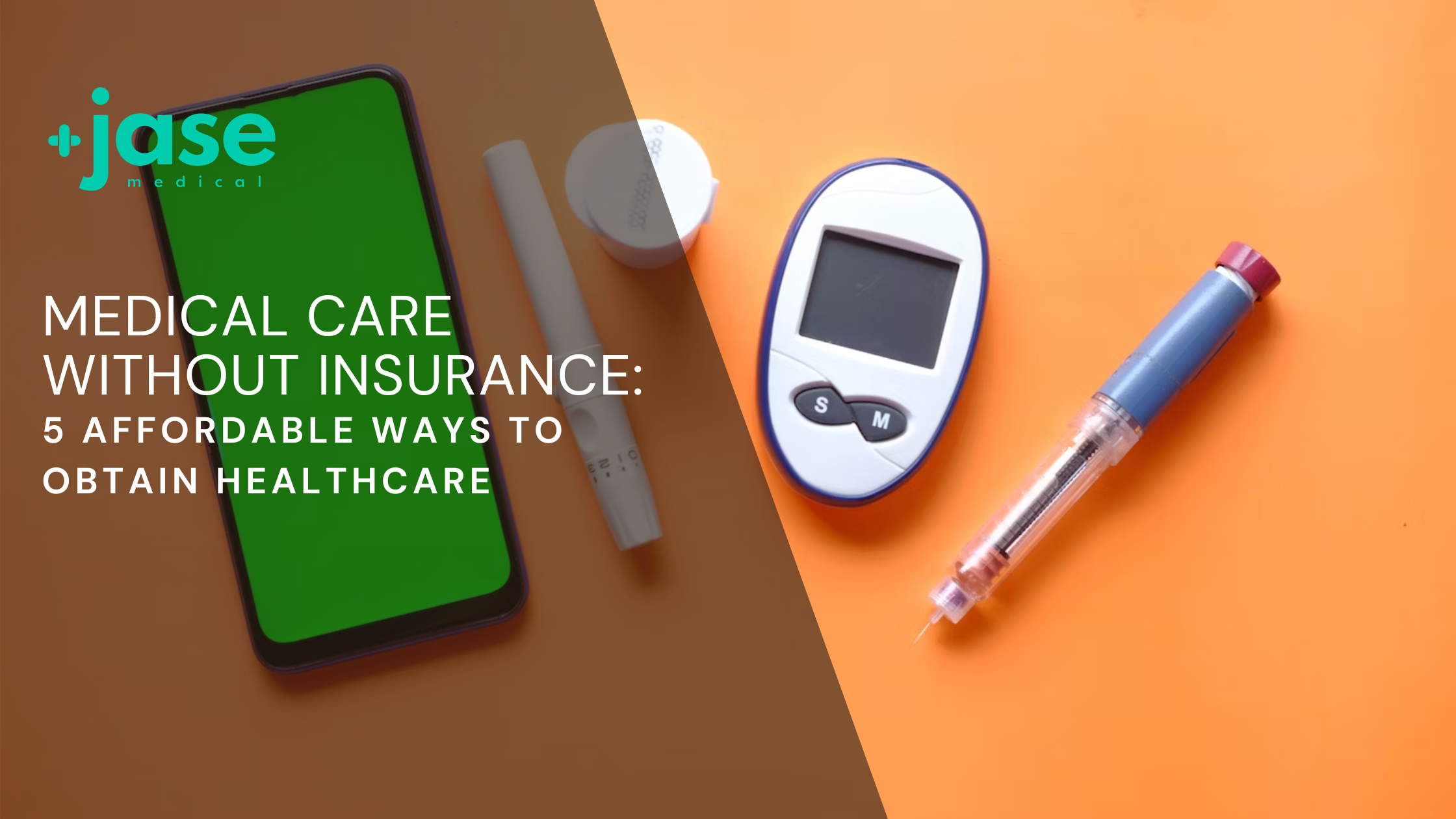
Medical Care Without Insurance: 5 Affordable Ways to Obtain Healthcare
Getting the medical care that you need can be extremely expensive, even prohibitively so  if you do not have any health insurance in place.

However, there are ways you access better medical care even if you don’t have health insurance. Not having insurance doesn’t mean having to skip the healthcare that you need.

These are the five resources that you should be aware of if you’re looking to find medical care without health insurance.

1. Connect With Local Resources

One of the first things you can explore are the local resources for healthcare.

A great place to start is through community programs that focus on medical treatment and healthcare. These can include local community hospitals, emergency centers, and even nonprofits in your community.

These places often feature sliding scale fees, accessible payment methods, and even payment plans that can help you handle the financial cost of medical care.

Do note that these programs often have lengthy wait lists, so it’s better to start your search sooner rather than later.

Try booking an appointment ahead of time rather than waiting till the last minute to get the care that you’re looking for.

2. Opt for Generics Over Brands 

 

Generic prescription medications can save you a lot of money especially if you don’t have medical insurance.

There are a lot of misunderstandings when it comes to what generic medicines actually are. Let’s clear up a few of these misconceptions so that you can buy generic prescriptions with confidence.

According to the FDA, generic prescriptions have to match the brand name alternative when it comes to their strength, efficacy, side effects, and a variety of other factors. In short, generic medications have to be nearly identical to the costly brand alternatives.

Generic prescriptions are also the majority of prescriptions filled in the United States. Many people use generic prescriptions without realizing that they’re not using the brand name pill.

You can use generic medications for your Healthcare without worrying about compromising on quality. This will help you save money as generic medicines are often far cheaper even if you don’t have insurance.

3. Be Prepared for Medical Emergencies

One of the ways to approach your healthcare is by looking at the two different categories of medical situations that will pop up in our lifetime. There are medical conditions that we can anticipate, and medical emergencies that we need to prepare for.

You can likely anticipate some amount of your general wellness and medical needs. This can range from health problems that are common in your family to routine medical care that almost everyone needs such as dental checkups and preventative care.

However, there are medical conditions that can’t be anticipated. Sudden accidents and illnesses have a way of creeping up without ever being detectable.

Being prepared for medical emergencies can help reduce your costs. This is essential if you do not have health insurance.

Medical preparedness can include everything from having some supplies on hand to help you handle an unexpected injury to making sure you have a plan in place if you have to miss work for an extended period of time.

Not having health insurance doesn’t have to mean that a medical emergency also represents a financial emergency. Planning for an emergency can help reduce the financial burden of a sudden healthcare need.

4. Understand How Insurance Works

Understanding how health insurance works can also help you manage your telemedicine costs even if you don’t plan on getting health insurance in the near future.

Health insurance doesn’t cover all of your medical costs. You also have to pay a monthly premium to keep your health insurance going.

Health insurance also may or may not cover your medical condition or the specific medicines you’re looking to purchase.

A good example of this is CBD and medical marijuana. The issue of whether or not medical marijuana and CBD is covered by health insurance is a complicated one.

Health insurance companies that operate within a single state might be able to cover CBD and other cannabis products. However, current law makes it difficult for national insurance companies to cover these healthcare products.

It’s not just cutting edge treatments that insurance struggles to cover. Many people with health insurance find that they lack adequate access to healthcare.

Telemedicine services offer an effective alternative to traditional healthcare. This can become even more useful if you don’t have insurance but you’re still looking for a reliable way to get the medications that you need.

5. Take Advantage of Telemedicine

Telemedicine offers you a way to get access to doctors, medications, and healthcare services without having to go through all of the lengthy wait times for traditional health care.

There are also telemedicine services that allow you to order medications online. These services even come with access to a doctor that can prescribe you with the medication that you’re looking for.

Telemedicine services also feature shorter wait times. They’re especially effective for people who don’t have insurance who also want to skip the lengthy weights that often come with community health care centers.

Telemedicine programs also operate with a much lower overhead which allows them to reduce costs. You can find a telemedicine program that can let you speak to a doctor in no time at all so you can get the medication you need quickly without having to wait.

You’ve now got five resources that can help you access better telemedicine and healthcare even if you don’t currently have health insurance.

These resources can cover everything from long-term treatment to quick trips to the doctor to get medication for an illness that just popped up.

- Grace Wattikan

Content Writer

Lifesaving Medications

Everyone should be empowered to care for themselves and their loved ones during the unexpected.

Recent Posts

Keeping you informed and safe.
A Rare Case of the Plague Was Found in Oregon

A Rare Case of the Plague Was Found in Oregon

Could you be next?Early this week an Oregon resident was diagnosed with bubonic plague. This is the first diagnosed case in nearly a decade. It is believed the person contracted the disease from their cat. Cats that hunt rodents can become infected and spread the...

Ivermectin for Scabies- and More

Ivermectin for Scabies- and More

Discovered in the late 1970s and approved as a commercial product for animal health in 1981, ivermectin, an antiparasitic drug was initially used by veterinarians to treat mite and heartworm infections. In 1988, ivermectin was approved to treat Onchocerciasis (known...

Join Our Newsletter

Our mission is to help you be more medically prepared. Join our newsletter and follow us on social media for health and safety tips each week!

The Number One Reason to Order a Years Worth of Your Medications from Jase Daily – NOW

(And 2 other reasons)

Jase Medical recently launched Jase Daily, a 365-day emergency supply of prescription medicines mailed to your door, just like the Jase Case. Their extensive list of chronic medicines covers heart and blood pressure, cholesterol, diabetes, family planning, mental health and more. I recently placed my order and found the form easy and self-explanatory. It is reviewed by a board-certified doctor before filling the prescription.

 I have a primary doctor, however the assurance and peace of mind of having enough back up meds to weather the coming storms (pick one) allows me to focus on other priorities. With the continued escalation of tensions throughout the world, the last thing you should have to worry about is your prescription medications running out and there is no way to refill them. Check it out, I think you will be pleasantly surprised!

3 reasons to order a years’ worth of medications from Jase Daily-NOW

  1. The UPS Teamsters Union has a pending strike starting August 1, 2023 if an agreement isn’t reached. Their contract expires July 31st.UPS is the world’s largest package delivery company in the world, with more than 495,000 employees in over 200 nations. These drivers carry a whopping 6% of the United States gross domestic product. (GDP).

UPS Healthcare , a division of UPS, delivers lifesaving devices, critical diagnostic tests and medications to hospitals, clinics, laboratories, and pharmacies. Over the past decade, this division has been acquiring health logistic carriers, such Bomi Group Multi-National Healthcare Logistics Firm, which has facilities in 37 countries, 2,000+ daily flights to 220 countries/territories and more than 950 global field stocking locations. This global health network would be severely impacted if this strike took place and will directly impact delivery of pharmaceuticals. Could one of your chronic medications be on that list?

12 weeks and counting

On the UPS Teamsters Union website is a countdown clock boldly displayed on its front page. As it stands of this writing, the ticking clock is at just a little over 12 weeks until the strike if their demands aren’t met. The international union branch of Teamsters is demanding settlement of 28 of 30 open settlements and riders. Various news reports and interviews are pointing to a strike as very likely. Teamsters’ union president, Sean O’Brien has been touring the country and holding rally’s ahead of the strike, instructing workers to save money to weather the coming strike.

In the event of a strike, the domino effect and pressure put on other carriers, such as Fedex will surely result in delays, lost packages and overworked drivers. Not only the pharmaceutical industry will be affected, but all facets of commerce will come to a standstill. How long is unknown.

History repeating itself- The strike of August 4, 1997

The UPS strike in 1997 lasted 15 days and saw 187,000 UPS Teamsters strike. Back then, there were 2 main issues the union was fighting for- to maintain control of the pension fund and to create full-time positions from the part time ones. The Teamster union now represents about 330,000 members. That is nearly double the number compared to over 25 years ago.

That collective action stopped delivery of 80% of UPS shipments, with 7 million packages remaining in backlog and a loss of $780 million. President Clinton encouraged both sides to settle, but he did not seek an injunction under Taft-Hartley to end the strike. 

There has been no public statement from the Whitehouse regarding if President Biden would intervene using the Taft Hartley act if the strike does take place.

  1. Increasing tensions between China and the US could mean supply chain disruption. If the pandemic has taught us anything, it is how fragile the supply chain is, especially with healthcare related supplies and pharmaceuticals.

A step in the right direction- but stalled- A bill authored by the Congressional Research Service and sponsored by  representative Mike Gallagher,  (R-Wi-8)  was introduced in 2022 (HR 7121) – Protecting our Pharmaceutical Supply Chain from China Act of 2022. This bill, which was referred to the Subcommittee on Health, would phase out all Chinese sourced ingredients purchased by the federal healthcare programs by 2024. No further action has been taken.

  1. Imagine a world where you couldn’t get your lifesaving medications for an extended period of time-Imagine what would life be like without your blood pressure, diabetes, or asthma medications-This could be a very real possibility- Or if you run out of your mental health medications? Also, along these same lines, have you ordered your Jase case that contains 5 lifesaving antibiotics yet?

- Brooke Lounsbury, RN

Medical Content Writer

Lifesaving Medications

Everyone should be empowered to care for themselves and their loved ones during the unexpected.

Recent Posts

Keeping you informed and safe.

A Rare Case of the Plague Was Found in Oregon

A Rare Case of the Plague Was Found in Oregon

Could you be next?Early this week an Oregon resident was diagnosed with bubonic plague. This is the first diagnosed case in nearly a decade. It is believed the person contracted the disease from their cat. Cats that hunt rodents can become infected and spread the...

Ivermectin for Scabies- and More

Ivermectin for Scabies- and More

Discovered in the late 1970s and approved as a commercial product for animal health in 1981, ivermectin, an antiparasitic drug was initially used by veterinarians to treat mite and heartworm infections. In 1988, ivermectin was approved to treat Onchocerciasis (known...

Join Our Newsletter

Our mission is to help you be more medically prepared. Join our newsletter and follow us on social media for health and safety tips each week!

Antibiotic Resistance in the Clouds?

French and Canadian researchers discovered antibiotic resistant bacteria in clouds according to last month’s edition of the journal Science of The Total Environment. Between September 2019 and October 2021 high-flow rate impingers (vacuums) were deployed  at the meteorological station of the puy de Dôme summit (elevation 4,806 ft)where they collected samplings of twelve clouds and analyzed total airborne bacterial concentration. What they found out was concerning. 29 antibiotic resistance genes were discovered over marine and continental environments. Analysis of the bacteria revealed an average of  8,000 bacteria per milliliter of cloud water. In addition, the clouds contained, on average, 20,800 copies of antibiotic-resistance genes per milliliter of cloud water. The bacteria analyzed are a normal part of the environment and are found on plants and in soil. The bacteria are picked up by wind or human activity and are carried up to the atmosphere and distributed throughout the clouds, and disseminated back to the environment.

Between 5 and 50 percent of these bacteria could be alive and active, according to researchers.

“This is the first study to show that clouds harbor antibiotic resistance genes of bacterial origin in concentrations comparable to other natural environments,” says Florent Rossi, first author of the study and postdoctoral fellow in the team of Caroline Duchaine, a professor at Université Laval’s Faculty of Science and Engineering and a researcher at the Quebec Heart and Lung Institute-Université Laval.

Widespread use of antibiotics in medicine and farm animals is speculated to contribute to the proliferation of these antibiotic resistant genes. Further research is needed to understand the health implications of this discovery.  

Bacteria resistant genes discovered in the cloud samples

Bacteria resistant genes discovered in clouds and antibiotic examples

  • Quinolone- ciprofloxacin, ofloxacin, enoxacin, perfloxacin, moxifloxacin and levofloxacin
  • Sulfonamide- Bactrim, Bactrim DS, Septra, Septra DS.
  • Tetracycline- lymecycline, methacycline, minocycline, rolitetracycline, and doxycycline
  • Glycopeptide- vancomycin, teicoplanin, and ramoplanin
  • Aminoglycoside- gentamicin, tobramycin, amikacin, plazomicin, streptomycin, neomycin, and paromomycin
  • B-lactamase- oxacillin (IV), nafcillin (IV), dicloxacillin (PO)]
  • Macrolide- Azithromycin, clarithromycin, and erythromycin

How widespread is antibiotic resistance?

Antimicrobial resistance is an urgent global public health threat, killing at least 1.27 million people worldwide and associated with nearly 5 million deaths in 2019. In the U.S., more than 2.8 million antimicrobial-resistant infections occur each year. More than 35,000 people die as a result, according to CDC’s 2019 Antibiotic Resistance (AR) Threats Report.

If antibiotics lose their effectiveness the ability to treat infections is lost.

How to fight antibiotic resistance

Antibiotic resistance spreads in a variety of settings. From hospitals (nosocomial infections) to everyday life, veterinary use of antibiotics, antibiotics in the food supply (poultry, beef, etc) and now, as demonstrated, by soil and water through clouds.

  • Personal hygiene- wash hands after using bathroom and before eating or preparing food. After using bathroom, preparing food or coming home from being in public, immediately wash hands to prevent spread of infectious agents that you may have picked up while out of the house. Wash hands for at least 20-30 seconds.
  • Brush teeth after eating. Streptococcus mutans, a common bacteria found in the mouth, is the main cause of tooth decay. Tooth decay can lead to infections throughout the body.
  • Practice safe sex. Antibiotic resistance to gonorrhea according to the CDC now needs to be treated with two antibiotics at the same time. In addition, there is evidence that chlamydia and syphilis are developing antibiotic resistance.
  • Keep your immune system in top shape. Reduce or eliminate sugar from your diet, exercise daily, reduce stress. Stress makes you more susceptible to infection. Quality sleep also promotes health.
  • Antibiotics kill bacteria and some fungal infections. They are ineffective with viral infections. Only use when needed.
  • Finish the complete course of prescribed antibiotic unless otherwise instructed by your care provider. Use only when needed don’t “save” meds for another round of illness. This practice can cause antibiotic resistance.
  • Avoid/sparingly use antibacterial hand sanitizers. These products have been found to cause antibiotic resistance.


- Brooke Lounsbury, RN

Medical Content Writer

Lifesaving Medications

Everyone should be empowered to care for themselves and their loved ones during the unexpected.

Recent Posts

Keeping you informed and safe.

A Rare Case of the Plague Was Found in Oregon

A Rare Case of the Plague Was Found in Oregon

Could you be next?Early this week an Oregon resident was diagnosed with bubonic plague. This is the first diagnosed case in nearly a decade. It is believed the person contracted the disease from their cat. Cats that hunt rodents can become infected and spread the...

Ivermectin for Scabies- and More

Ivermectin for Scabies- and More

Discovered in the late 1970s and approved as a commercial product for animal health in 1981, ivermectin, an antiparasitic drug was initially used by veterinarians to treat mite and heartworm infections. In 1988, ivermectin was approved to treat Onchocerciasis (known...

Join Our Newsletter

Our mission is to help you be more medically prepared. Join our newsletter and follow us on social media for health and safety tips each week!