
Consumer Notice: A note on expiration dates. This article discusses published research on drug stability, including the FDA and Department of Defense Shelf Life Extension Program (SLEP). SLEP applies to federal stockpiles held under controlled, monitored storage and tested lot by lot. It does not apply to medications stored at home, and its findings do not extend the expiration date of any medication you own. FDA’s guidance to consumers is that expired medications should not be used. Jase Medical follows the manufacturer’s printed expiration date on every medication we dispense. Replace medications when they expire, and dispose of the expired supply following FDA’s disposal guidance.
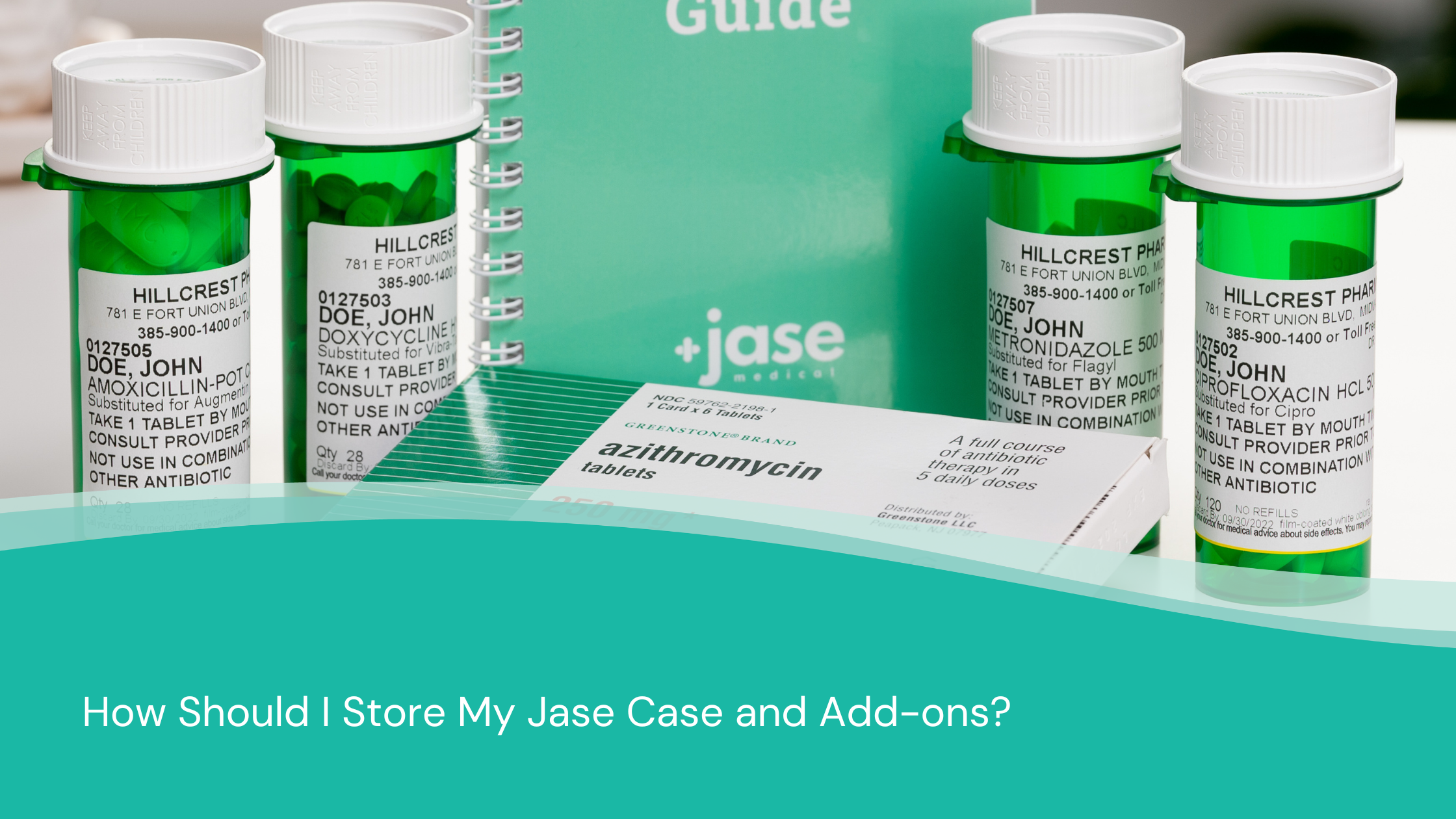
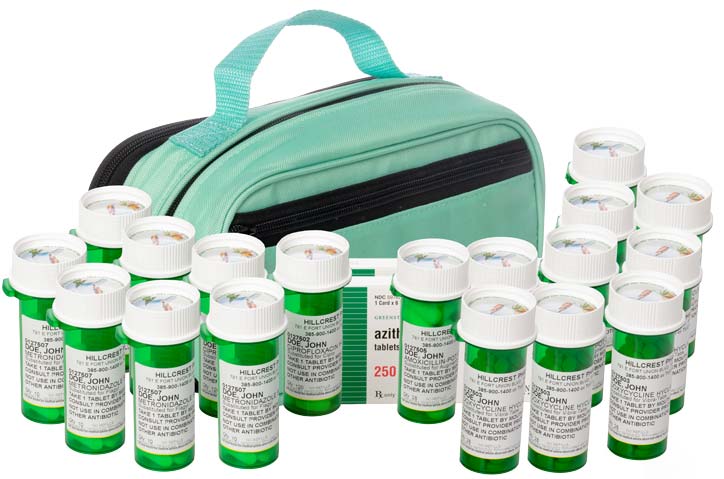
You recently made the proactive decision to purchase the Jase Case and some add-ons. This investment is a hedge against interrupted medication supplies due to natural disasters, travel to medically underserved regions of the world, and world events leading to extended drug shortages.
You want to protect your investment and the most important step is to store them properly.
Understanding shelf life and expiration dates.
Shelf life is the period a drug product stays within its approved specifications when stored under the conditions on its label. The expiration date is the last day the manufacturer guarantees full potency and safety under those conditions, and it is the date to replace your medication.
Storage protects your medication up to that date. Heat, humidity, and light speed degradation, and a poorly stored medication can lose potency before its printed date. The guidelines below keep each medication within specification for its full labeled life.
Below are the storage guidelines for most medications:
- Don’t store your medicine in the bathroom or an area of the home of high humidity. Humidity can break down your medication and even change the medication’s chemistry. Packing your medication in a pouch with silica gel desiccants can help prevent moisture from ruining your medication.
- Avoid extreme heat and cold. Both extremes can alter the chemistry or degrade the medication’s effectiveness. When traveling, keep medication on you or in your carry on. Don’t store it in your car for extended period of time.
- Keep unused portions of medication in its original packaging. Whether that is the bottle or foil pouch it came in or was provided, doing this avoids contamination and excessive moisture build up.
- Ideal places to store medications at home include dresser drawer, closet shelf or anywhere dark, dry and stays at room temperature. Always store with original label and out of reach of children and vulnerable adults (Alzheimer’s, dementia patients, etc.)
Jase Case and Jase add-ons storage guidelines
Jase Case
Store between 15°C and 30°C (59°F and 86°F)., and follow guidelines above (avoid excessive heat, cold, moisture and light).
Store your Jase Case within this range, keep it out of the bathroom and away from heat, and replace medications at their labeled expiration dates. Jase offers refills for expired kit medications.
Jase Case add-ons
Below are the storage requirements/guidelines for Jase Case add ons:
| Medication | Use | Don’t Freeze | Ideal storage temperature/avoid excessive heat | Notes |
| Acetaminophen | Antipyretic (fever reducer), analgesic (pain reliever) | X | X | Protect from light |
| Acetazolamide | Acute altitude sickness, glaucoma (acute angle-closure) | X | Protect from light | |
| Albuterol HFA | Bonchospasm, COPD exacerbation | Room temp or refrigerate | Keep unused vials in foil pouch | |
| Atovaquone-Proguanil | Anti-malarial | X | ||
| Celecoxib | Acute pain (general, menstrual, gout) | X | ||
| CiproDex Otic | Otitis externa (swimmers ear) | X | X | Protect from light |
| Dexamethasone | Acute altitude/mountain sickness (moderate to severe), high altitude cerebral edema, asthma | X | ||
| Diphenhydramine | Allergic reaction, hives, insomnia, motion sickness, nausea/vomiting | X | ||
| EpiPen Auto Injector | Alpha/beta agonist | X | X | Keep in plastic carrying tube,avoid excessive heat and protect from light |
| Famotidine | Histamine H2 blocker | X (liquid form) | x | Dispose of unused liquid form after 30 days |
| Fluconazole | Vaginal candidiasis | X | ||
| Hydroxyzine | Insomnia, itching, hives | X | Avoid excessive light | |
| Ibuprofen | Fever reduction, pain relief | X | ||
| Ivermectin | Antiparasitic, scabies | X | ||
| Loperamide | Acute and chronic diarrhea | X | ||
| Methylprednisolone | Corticosteroid | X | ||
| Naloxone HCL nasal spray | Opioid overdose | X | X | Protect from light (remains chemically stable even after 28 day extreme heat/thaw cycle) |
| Ofloxacin ophthalmic suspension | Conjunctivitis (bacterial) |
X | Protect from light | |
| Ondansetron | Nausea/vomiting | X | Can store in refrigerator | |
| Oseltamivir | Influenza | X (don’t freeze suspension) | x | Suspension at room temp up to 5 days, in refrigerator up to 35 days |
| Permethrin | Antiparasitic | X | ||
| Salbutamol inhaler | Increases air flow to lungs | X | Store unused vials in foil pouch or refrigerator | |
| Scopolamine patch | Motion sickness | X | Do not bend or roll patches | |
| Silver Sulfadiazine Cream | Topical antibiotic | X | ||
| Triamcinolone cream | Dermatitis, psoriasis | X | X | |
| Valacyclovir | Herpes simplex | X |
Closing note: When a medication reaches its expiration date, replace it. Dispose of the expired supply following FDA’s guidance on expired medicines.
- Brooke Lounsbury, RN
Medical Content Writer
Lifesaving Medications
Recent Posts
Keeping you informed and safe.
For Clinicians | Burn First Aid Without Running Water
For Clinicians | Burn First Aid Without Running Water By Dr. Jamie Wilkey, PharmD, Director of Clinical EducationMedically reviewed and edited by Aaron Asay, PA-C, DMSc, FIBODM, FAWM Every burn first-aid guide starts the same way: cool it under running water. That's...

What to Do If You’re Bitten by a Snake?
What to Do If You're Bitten by a Snake: Forget What the Movies Taught You By the Jase Medical Team If you're bitten by a venomous snake, forget almost everything the movies taught you about snakebite first aid. Don't cut an X over the fang marks. Don't suck out the...

For Clinicians | Should You Suck Out Snake Venom?
For Clinicians | Should You Suck Out Snake Venom? The Snakebite Myths Your Patients Still Believe By Dr. Jamie Wilkey, PharmD, Director of Clinical EducationMedically reviewed and edited by Aaron Asay, PA-C, DMSc, FIBODM, FAWM I really love gathering my little boys...

How to Rehydrate Someone Properly When There Is No IV
How to Rehydrate Someone Properly When There Is No IV By the Jase Medical Team When someone is losing fluid from vomiting or diarrhea, rehydration isn't simply a matter of getting them to drink something. The type of fluid matters. The amount matters. And especially...