
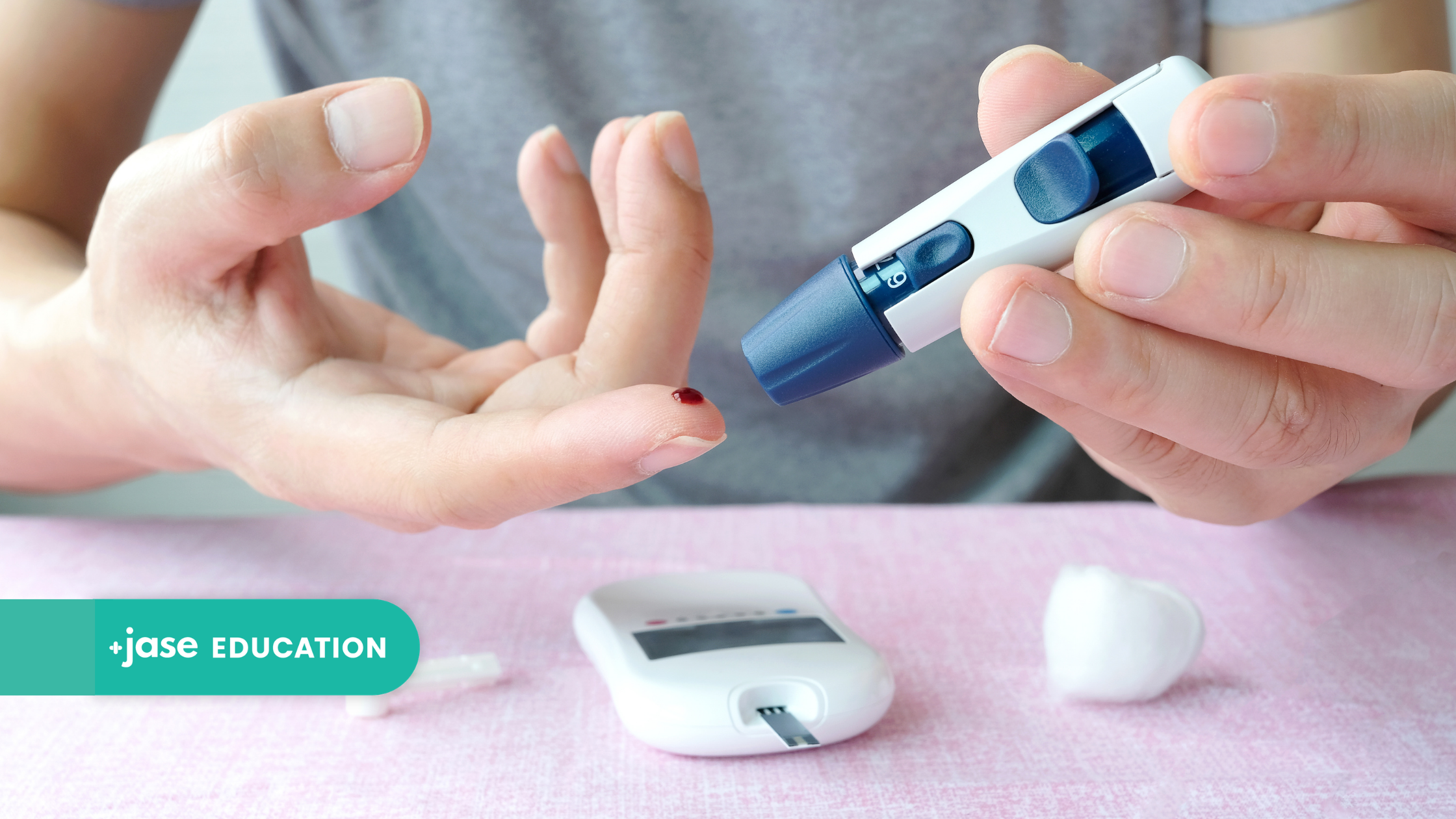
Diabetes Sick-Day Rules in a Disaster
By the Jase Medical Team
Diabetes sick-day rules are usually written for an ordinary week.
You get the flu. Your stomach is upset. You check your blood sugar more often, keep drinking fluids, follow your medication plan, and call your healthcare provider if certain symptoms or numbers appear.
But what happens when the phone doesn’t work?
A hurricane, prolonged power outage, wildfire, flood, or boil-water advisory can make diabetes harder to manage at exactly the same time healthcare becomes harder to reach. Vomiting and diarrhea can cause dehydration. Heat can affect hydration and blood sugar. Missed meals can complicate medication management. Other illnesses, infections, or medications prescribed for an acute condition can affect glucose, too.
That’s why diabetes sick-day rules should be written down before the disaster, not explained for the first time during it.
First: Don’t Stop Insulin on Your Own
If you use insulin, one of the most important sick-day principles is that becoming sick does not mean you should simply stop taking it.
Illness can actually increase blood sugar even when you’re eating less than usual. Your body releases stress hormones while fighting an infection or other illness, and those hormones can push glucose higher.
Exactly how much insulin you need may depend on your diabetes type, glucose readings, ketones, food intake, hydration, and the individualized instructions you’ve received from your healthcare team.
So the rule isn’t to improvise.
Do not stop or change your insulin without following your prescribed sick-day plan or receiving guidance from a qualified healthcare professional.
We’ve covered the importance of maintaining access to insulin and other time-sensitive medications separately in our guide to which medications cannot wait during an emergency.
The Harder Question: What About Your Other Medications?
This is where diabetes sick-day planning gets more complicated.
Many adults with type 2 diabetes aren’t managing one medication. You may take several medications for diabetes along with medications for blood pressure, heart disease, kidney protection, or other chronic conditions.
During an illness involving dehydration, vomiting, diarrhea, or significantly reduced food and fluid intake, a healthcare provider may want certain medications temporarily held. The concern can include dehydration, kidney function, low blood sugar, or other complications depending on the medication and your health history.
In the UK, clinicians sometimes teach this concept using the acronym SADMANS, which refers to several medication classes that may require special consideration during a dehydrating illness.
The acronym is less important than the problem it reveals: your sick-day medication plan may involve prescriptions from more than one clinician, and nobody should be trying to sort that out for the first time while sick during a power outage.
Should You Stop Metformin or Jardiance When You’re Sick?
These are exactly the kinds of questions to answer with your prescriber or pharmacist before you need the answer.
People searching for “metformin sick-day rules” or “Jardiance sick-day rules” will find general recommendations online. But whether a medication should be held, when it should be restarted, and what monitoring is appropriate depends on the medication, the illness, your hydration, kidney function, glucose control, and your individual medical history.
Don’t create your own stop-and-restart schedule from a generic internet list.
Instead, ask your healthcare provider or pharmacist to review all of your regular medications and identify which, if any, require different instructions when you’re dehydrated, vomiting, having diarrhea, or unable to eat and drink normally.
Then write those instructions down.
Any decision to hold, restart, or change a prescription medication should follow instructions from your licensed healthcare provider. If you cannot reach your regular provider during an emergency, try to reach another qualified healthcare professional whenever possible before changing your medication regimen.
Your Sick-Day Plan Should Live With Your Medication List
A medication list tells someone what you take.
A sick-day plan tells you what your prescriber wants you to do when normal conditions change.
Ideally, the two should stay together.
Your written plan should make it easy to find your usual diabetes medications and doses, how often your healthcare team wants you checking glucose when you’re sick, whether and when they want you checking ketones, what they want you to do if you cannot eat or drink normally, and which symptoms or readings mean you need medical care.
If any of your medications have special sick-day instructions, those should be written beside the medication rather than left to memory.
This is especially useful for people whose medication list spans multiple conditions or prescribers.
Ketones Aren’t Only a Type 1 Diabetes Conversation
Ketones are most strongly associated with type 1 diabetes, but some people with type 2 diabetes may also need ketone monitoring during illness, particularly depending on their medications and individual risk factors.
Your healthcare provider should tell you whether you need ketone testing as part of your sick-day plan, when they want you to test, and what results require action.
This matters because diabetic ketoacidosis, or DKA, is a medical emergency. It can develop when the body does not have enough effective insulin and begins producing high levels of ketones.
Symptoms can include nausea, vomiting, abdominal pain, excessive thirst, frequent urination, unusual fatigue, confusion, and rapid or deep breathing.
If your diabetes plan includes ketone testing, make sure you understand it before you’re sick.
Know the Numbers That Mean It’s Time to Go
A written plan should also make clear where home management ends.
The American Diabetes Association advises contacting a healthcare provider or seeking emergency care for concerning sick-day situations, including persistent vomiting or diarrhea, moderate to large ketones, and very high glucose readings that aren’t responding as expected.
For example, ADA sick-day guidance identifies vomiting or diarrhea lasting more than four hours and glucose above 300 mg/dL on two readings despite correction as reasons to contact your provider or go to the emergency room. Moderate to large ketones are another warning sign requiring prompt attention.
Your own healthcare team may give you different or additional thresholds based on your diabetes and medical history.
The important part during a disaster is that you already know those thresholds.
If you cannot keep fluids down, are becoming severely dehydrated, have significant ketones, are confused or unusually drowsy, have difficulty breathing, or have another severe or rapidly worsening symptom, don’t wait for normal clinic operations to resume.
A disaster can change how difficult it is to reach care. It doesn’t make a diabetes emergency less urgent.
Illness Isn’t the Only Thing That Can Push Blood Sugar Around
Disasters tend to stack problems on top of one another.
Maybe you’re eating differently because the refrigerator lost power. Maybe extreme heat is affecting your hydration. Maybe a stomach illness is making it difficult to keep fluids down. Maybe wildfire smoke triggered a COPD or asthma exacerbation, and you’ve been prescribed a corticosteroid as part of your respiratory treatment.
Corticosteroids can raise blood glucose, sometimes significantly.
That doesn’t mean you should avoid a medication your healthcare provider has determined you need. It means your diabetes plan should account for the possibility that another illness or treatment could change your glucose management.
If you have diabetes alongside asthma, COPD, or another chronic condition that may require acute treatment, ask your healthcare team how those plans interact before an emergency.
The Best Time to Write Your Diabetes Sick-Day Rules Is When You’re Well
You don’t need to create a complicated disaster protocol.
Start with one question at your next appointment or pharmacy consultation:
“If I’m sick, dehydrated, and can’t reach you, what do you want me to do with each of these medications?”
Bring your complete medication list.
Ask how often you should check glucose when sick. Ask whether you should check ketones and under what circumstances. Ask which medications, if any, have special sick-day instructions. Ask exactly what conditions need to be met before a medication that was held can be restarted. And ask which numbers or symptoms mean you should stop trying to manage the situation at home and seek care.
Then put those instructions on paper and keep them with your medication list.
At Jase Medical, our family team of medical doctors, PAs, and pharmacists focuses on appropriate medical preparation held to high clinical standards. JaseCase provides physician-prescribed contingency medications for specific medical situations after review by a licensed provider. These medications are intended for emergency use after first trying to reach a qualified healthcare provider and should be used only according to the instructions provided.
JaseCase doesn’t replace your diabetes medications or your individualized diabetes care plan. But the same principle behind appropriate medical preparation applies here: make the decision with the right healthcare professional before the moment when reaching them becomes difficult.
Because diabetes sick-day rules shouldn’t depend on the phone working.
The plan should already be in your hands.
The Jase Medical Team is a family team of medical doctors, PAs, and pharmacists focused on appropriate medical preparation that complements, rather than replaces, the healthcare professionals you already trust.
This article is for informational purposes only and does not constitute individualized medical advice. Do not stop, restart, or change prescription medications based solely on this article. Work with your healthcare provider or pharmacist to develop an individualized diabetes sick-day plan, and seek prompt medical care for severe or rapidly worsening symptoms.
The Jase Medical Team is a family team of medical doctors, PAs, and pharmacists focused on appropriate medical preparation: clinically grounded readiness that complements, rather than replaces, the healthcare professionals you already trust.
This article was prepared by the Jase Medical content team for informational purposes only and does not constitute medical advice. Prescription requirements, emergency dispensing rules, insurance coverage, and controlled-substance regulations vary by medication, jurisdiction, and individual circumstances. Consult a licensed healthcare provider or pharmacist regarding your specific medications.
Lifesaving Solutions
Recent Posts
Keeping you informed and safe.

Burns in a Blackout
Burns in a Blackout: First Aid When the Tap Doesn't Run By the Jase Medical Team Almost every burn first aid guide starts with the same instruction: cool the burn under clean, cool running water. But what happens when the tap doesn't run? For households that rely on a...
For Clinicians | Burn First Aid Without Running Water
For Clinicians | Burn First Aid Without Running Water By Dr. Jamie Wilkey, PharmD, Director of Clinical EducationMedically reviewed and edited by Aaron Asay, PA-C, DMSc, FIBODM, FAWM Every burn first-aid guide starts the same way: cool it under running water. That's...

What to Do If You’re Bitten by a Snake?
What to Do If You're Bitten by a Snake: Forget What the Movies Taught You By the Jase Medical Team If you're bitten by a venomous snake, forget almost everything the movies taught you about snakebite first aid. Don't cut an X over the fang marks. Don't suck out the...

For Clinicians | Should You Suck Out Snake Venom?
For Clinicians | Should You Suck Out Snake Venom? The Snakebite Myths Your Patients Still Believe By Dr. Jamie Wilkey, PharmD, Director of Clinical EducationMedically reviewed and edited by Aaron Asay, PA-C, DMSc, FIBODM, FAWM I really love gathering my little boys...