Measles Cases On The Rise In The U.S.

Why a conquered disease is back, and what we can do. 

.
 

The Measles Resurgence: A Call For Health Preparedness

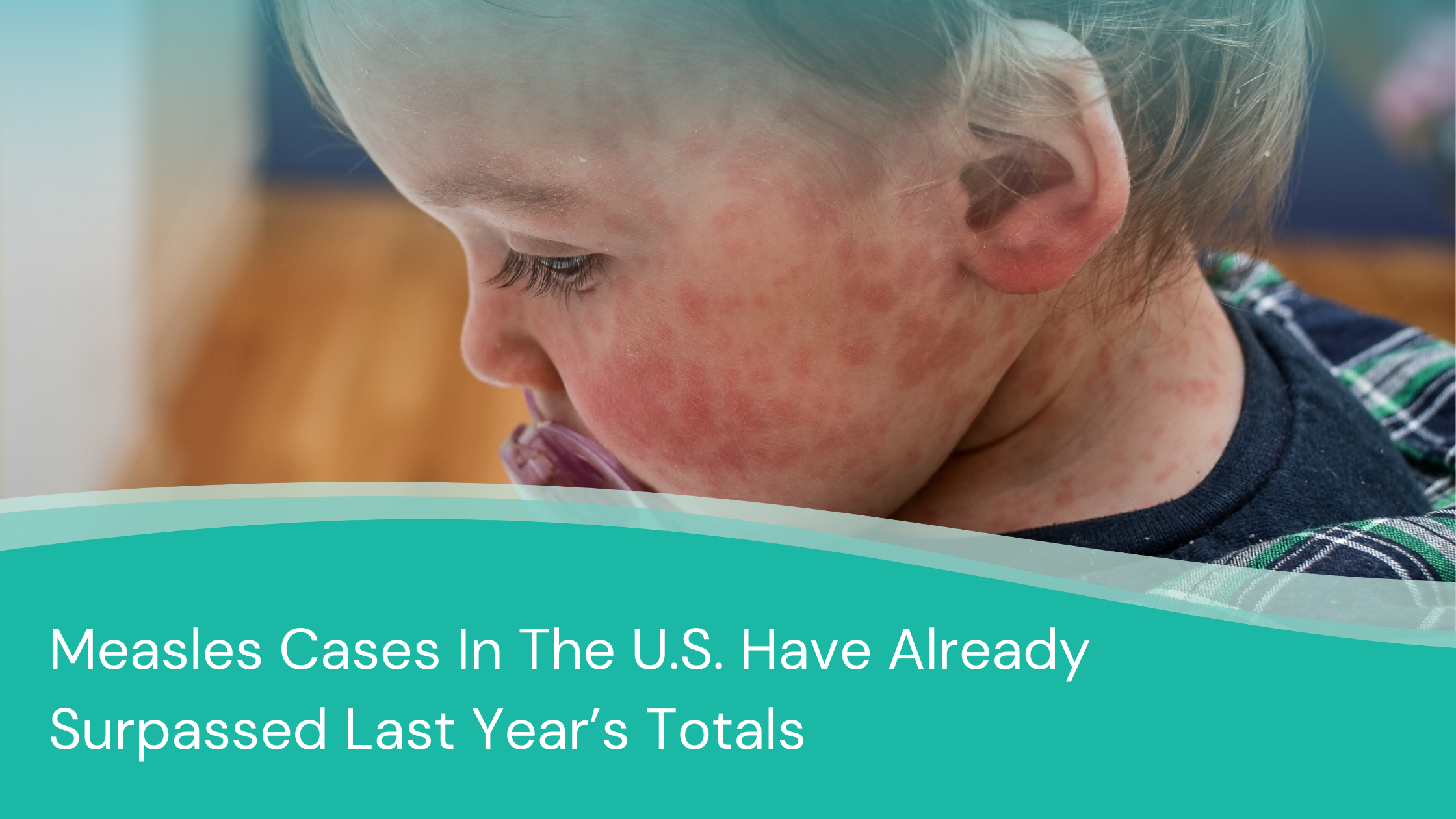
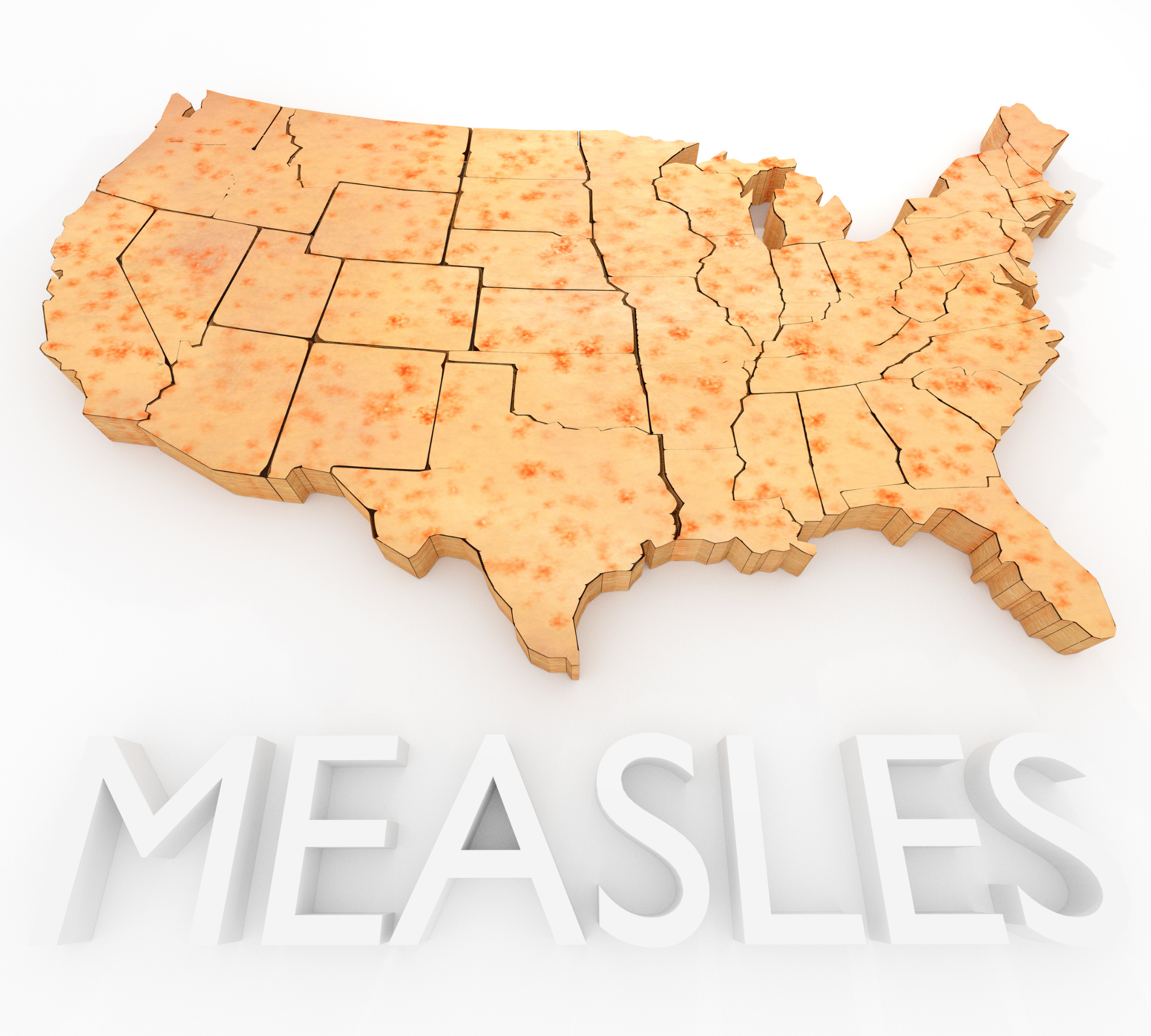
Measles, a highly contagious and potentially deadly disease – once relegated to history books – is making a disturbing comeback in the United States. According to a recent report by the Centers for Disease Control and Prevention (CDC): the number of measles cases in the U.S. has already surpassed the total for all of 2023.

This surge highlights the need for prioritizing preventive measures to safeguard our health, especially in the face of unexpected outbreaks. About 20% of cases result in the need for hospitalization, and 1 out of 20 children with measles also gets Pneumonia – highlighting the critical need to have antibiotics for Pneumonia on hand should your child become affected.


The Contagious Nature of Measles

The highly contagious nature of measles further complicates the situation.The virus can linger in the air for hours after an infected person coughs or sneezes, making transmission incredibly easy. This means people can contract measles by breathing in the virus or by touching a contaminated surface, and then touching their face.

Measles is one of the most contagious viruses known to humans. Approximately 90% of people who are not immune and are in close contact with an infected person will contract the virus. This high level of transmission is a main reason why measles can spread so quickly in communities.

Understanding just how contagious measles is makes it important for individuals to take steps to protect themselves and others. Practicing good hygiene, such as washing your hands frequently and thoroughly, and covering coughs and sneezes can help mitigate the spread of measles and other diseases.


Real-World Consequences: The Chicago Outbreak

The recent measles outbreak in Chicago, exemplifies the real-world consequences of this phenomenon. Public health officials are scrambling to contain the outbreak, highlighting the potential for widespread illness and the strain such outbreaks place on healthcare systems.


Beyond Measles: Preparing for the Unexpected

The measles resurgence is just one example of how unexpected health threats can emerge. As we navigate a globalized world with increased travel and interconnectedness, the potential for new and unforeseen outbreaks becomes more likely. By prioritizing prevention, strengthening public health infrastructure, and promoting a culture of awareness and preparedness, we can better face these challenges and protect our collective well-being.


Action before illness

 With the never-ending nature of unexpected health threats, you can take certain measures into your own hands. One way to take control of your health today is by having an array of emergency medications on hand at home, should the need arise.

Lifesaving Medications

Everyone should be empowered to care for themselves and their loved ones during the unexpected.

Recent Posts

Keeping you informed and safe.
Mpox: Unpacking the Facts That Matter

Mpox: Unpacking the Facts That Matter

Global health warnings are being issued, but you likely aren't at risk.    Mpox: What You Need To Know The Centers for Disease Control (CDC) and the World Health Organization (WHO) have both recently released warnings declaring mpox a global health emergency....

read more
Drug Shortages: Causes & Solutions

Drug Shortages: Causes & Solutions

While things are being done at the national level to combat global shortages, there's more individuals can do at home. The Complexities of Prescription Drug Shortages Prescription drug shortages have reached unprecedented levels in recent years, disrupting the supply...

read more
Common Back to School Illnesses

Common Back to School Illnesses

Diligent hygiene is key to preventing most illnesses kids get, but when that's not enough, medication intervention is common and recommended.10 Most Common Back to School Illnesses & Physician Recommended Medications As kids go back to school for the year, most...

read more

Join Our Newsletter

Our mission is to help you be more medically prepared. Join our newsletter and follow us on social media for health and safety tips each week!

5 Ways to Prepare For Medical Emergencies

With relentlessly busy lives, in a world as volatile as ours, you never quite know what may happen tomorrow.

.


Being as prepared as possible is the only way to safeguard your family against preventable mishaps during an unpreventable emergency. Remember, emergencies come in all shapes and sizes, so the more diverse ways in which you prepare, the better.


Here are 5 things every family should do to medically prepare for the unknowns ahead:

  1. Create a Family Emergency Plan – and not just have a plan in place, but regularly go through and practice that plan, and amend it as needed. Ready.GOV has a thorough page on making an effective plan here. Remember your family may not be together when the emergency takes place, so the immediate priority in that plan should be instructions for establishing communication, and convening with all members of your family. However, it should also be addressed in that plan whether to shelter in place, or rendezvous at a predetermined location. Only about 40% of American households have a plan in place, be sure to count yourselves among them. 
  2. Keep Up-To-Date and Accurate Medical Records For All Members of The Family – this includes a list of daily medications each member is on, and other special requirements such as dietary restrictions, known allergies, conditions, disabilities or mental health needs, and any necessary treatments for those conditions. Our Jase Daily prescription supply can ensure you are never without the medications you need. Order your Jase Daily here!
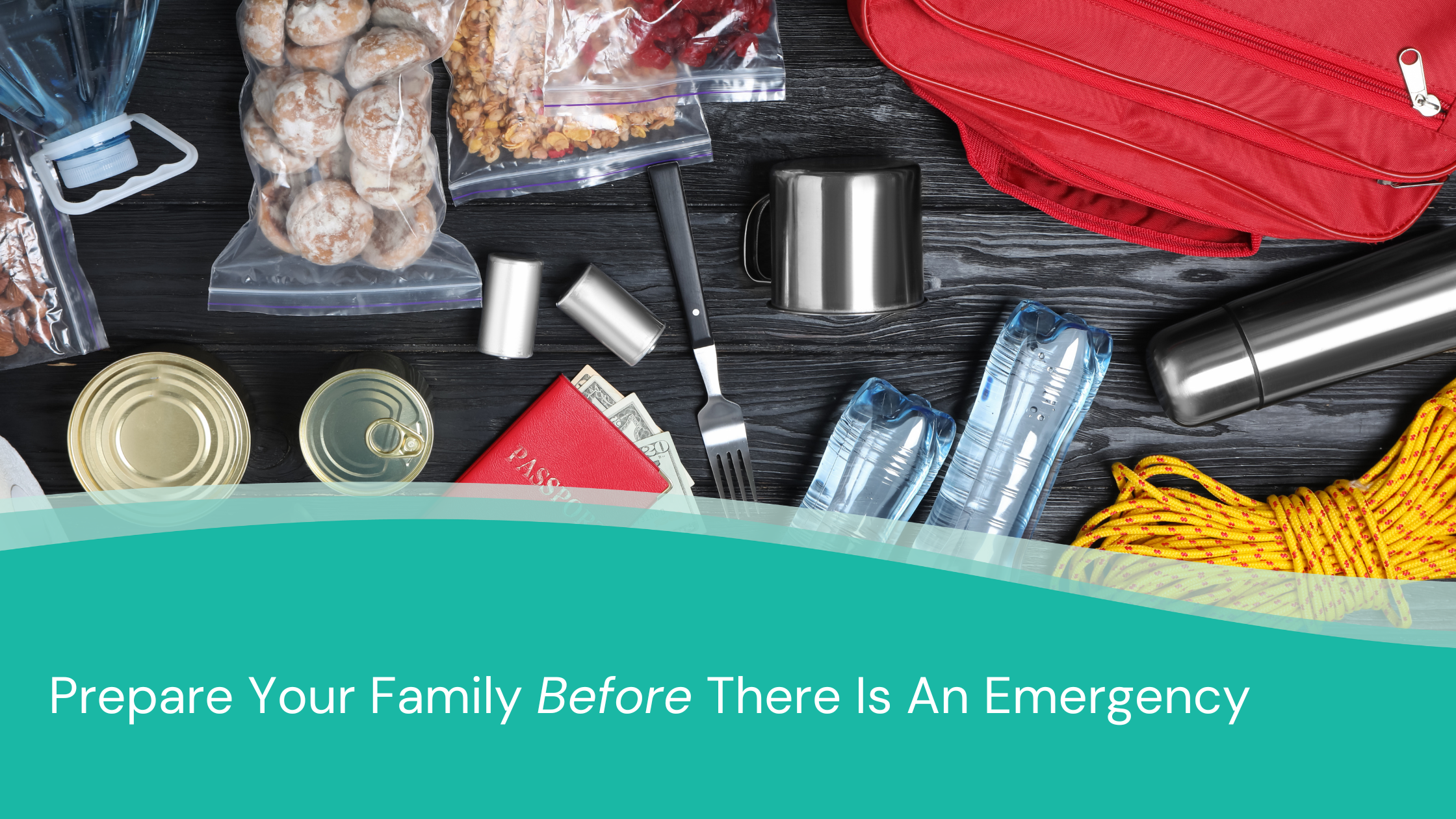
  3. Put Together an Emergency Kit – A comprehensive emergency kit should go beyond just having a first aid kit and a cellphone. Your emergency kit should – at a minimum – include basic things such as: 
    • Water
    • Food
    • Flashlight (with extra batteries)
    • Dust/Contaminant Masks
    • Soap, Hand Sanitizer, and Disinfectant Wipes
    • Cash or Travelers Checks
    • Copies of Important Documents
    • Cell Phone and Chargers/Cables
    • A thorough First Aid Kit including Over-The-Counter Drugs
    • Extra Supplies of Prescriptions for all members of the Family

Emergencies are traumatic and stressful even when your family is prepared and rehearsed, but they can become deadly if you are without access to life-dependent medications. Get our free 72hr kit guide below:

4. Education – Learn basic first aid, CPR, symptom identification for medical conditions within the family, various survival skills, alternate methods of local travel, alternate methods of communication and staying informed on local, and national events. Follow your local news outlets and local law enforcement on social media as this will usually be the most up to the minute source of information, and instruction. Knowledge is your most powerful tool in an emergency. Having a plan and having a kit are great, but only if you know how to utilize them. Consider taking classes as a family unit. There are both local and online classes tailored to Family Preparedness that you can all complete together so no one has any knowledge gaps and everyone knows what to do, and who will do what.

5. Build A Community Beyond Your Immediate Family – there’s a reason they say there’s strength in numbers. Allocating tasks, and having additional people can help make a common goal more easily achievable. Everyone can be a resource in some capacity. Join local groups online, reach out to neighbors, attend community meetings, and have discussions. If these local meetings or groups don’t exist, create them and foster collaboration! The CDC has some great tips on building community here. If everyone works together, everyone can get through the emergency together.


Tomorrow may be too late

Emergency Preparedness is an ongoing, dynamic task of planning, organizing, training, equipping, and evaluating. It may sound daunting, but the payoff of knowing your family is ready, is well worth the price of admission. Many aspects of an emergency can be life threatening, but the only one you can assuredly combat is making sure you have access to your prescription medications. Order your Jase Case today!

Lifesaving Medications

Everyone should be empowered to care for themselves and their loved ones during the unexpected.

Recent Posts

Keeping you informed and safe.

Mpox: Unpacking the Facts That Matter

Mpox: Unpacking the Facts That Matter

Global health warnings are being issued, but you likely aren't at risk.    Mpox: What You Need To Know The Centers for Disease Control (CDC) and the World Health Organization (WHO) have both recently released warnings declaring mpox a global health emergency....

read more
Drug Shortages: Causes & Solutions

Drug Shortages: Causes & Solutions

While things are being done at the national level to combat global shortages, there's more individuals can do at home. The Complexities of Prescription Drug Shortages Prescription drug shortages have reached unprecedented levels in recent years, disrupting the supply...

read more
Common Back to School Illnesses

Common Back to School Illnesses

Diligent hygiene is key to preventing most illnesses kids get, but when that's not enough, medication intervention is common and recommended.10 Most Common Back to School Illnesses & Physician Recommended Medications As kids go back to school for the year, most...

read more

Join Our Newsletter

Our mission is to help you be more medically prepared. Join our newsletter and follow us on social media for health and safety tips each week!

Drugs That Affect Blood Sugar and Hypoglycemia- A Medical Emergency

Medications can be lifesaving; however, many have unwanted effects. Almost every drug class has medications that can affect blood sugars and even mask high and low glucose levels. From blood pressure meds to inhalers, steroids, antibiotics, antifungals and diuretics, the likelihood of you or someone you know using a drug that affects glucose levels.  There are too many to list. Below are just a few examples:

A few of the many drugs that increase blood sugar (hyperglycemia): (NIH database)

  • Alcohol (decreases blood sugar after several hours of excessive intake)
  • Antibiotics (Dapsone, Rifampin)
  • Antidepressants (Zyprexa, risperdal, Clozaril, Seroquel, Abilify, Geodon, lithium)
  • Beta-2 stimulators (Proventil, Alupent, Serevent, Foradil, Brethine, Theo-Dur)
  • Corticosteroids (Prednisone, Decadron, DepoMedrol)
  • Dilantin (phenytoin)
  • Estrogens (Premarin, hormone replacement therapy)
  • Fluconazole
  • Heart and blood pressure medications (amiodarone, beta blockers(non insulin dependent diabetics), calcium channel blockers, catapress, diuretics)
  • Oral contraceptives (Birth control pills)
  • Niacin or nicotinic acid
  • Thiazide diuretics
  • Thyroid hormones (Synthroid, Levothroid)

If on a continuous glucose monitor acetaminophen (Tylenol) interferes with sensors resulting in a false low glucose reading and should be avoided.

A few of the drugs that decrease blood sugar (hypoglycemia): (NIH database)

  • Alcohol (acute excess amounts)
  • Aspirin and other salicylates in larger doses
  • Cibenzoline and quinidine (heart arrhythmia drugs)
  • Indomethacin (Indocin)
  • Levofloxacin
  • Trimethoprim-sulfamethoxazole
  • Metformin when used with sulfonylureas
  • Heart and blood pressure medications (ACE inhibitors, beta blockers, Norpace, Quinidine)

One common drug that masks low blood sugar

If diabetic (especially insulin dependent) and taking beta blockers the symptoms of low blood sugar may not be apparent. Beta blockers block the effects of norepinephrine. Norepinephrine, along with epinephrine are released into the bloodstream during hypoglycemic episode. In turn the release of these hormones causes the early symptoms of hypoglycemia such as tremor, sweating, rapid heartbeat, and anxiety. If diabetic and taking beta blockers monitor glucose levels closely even when you don’t have signs of low blood sugar.

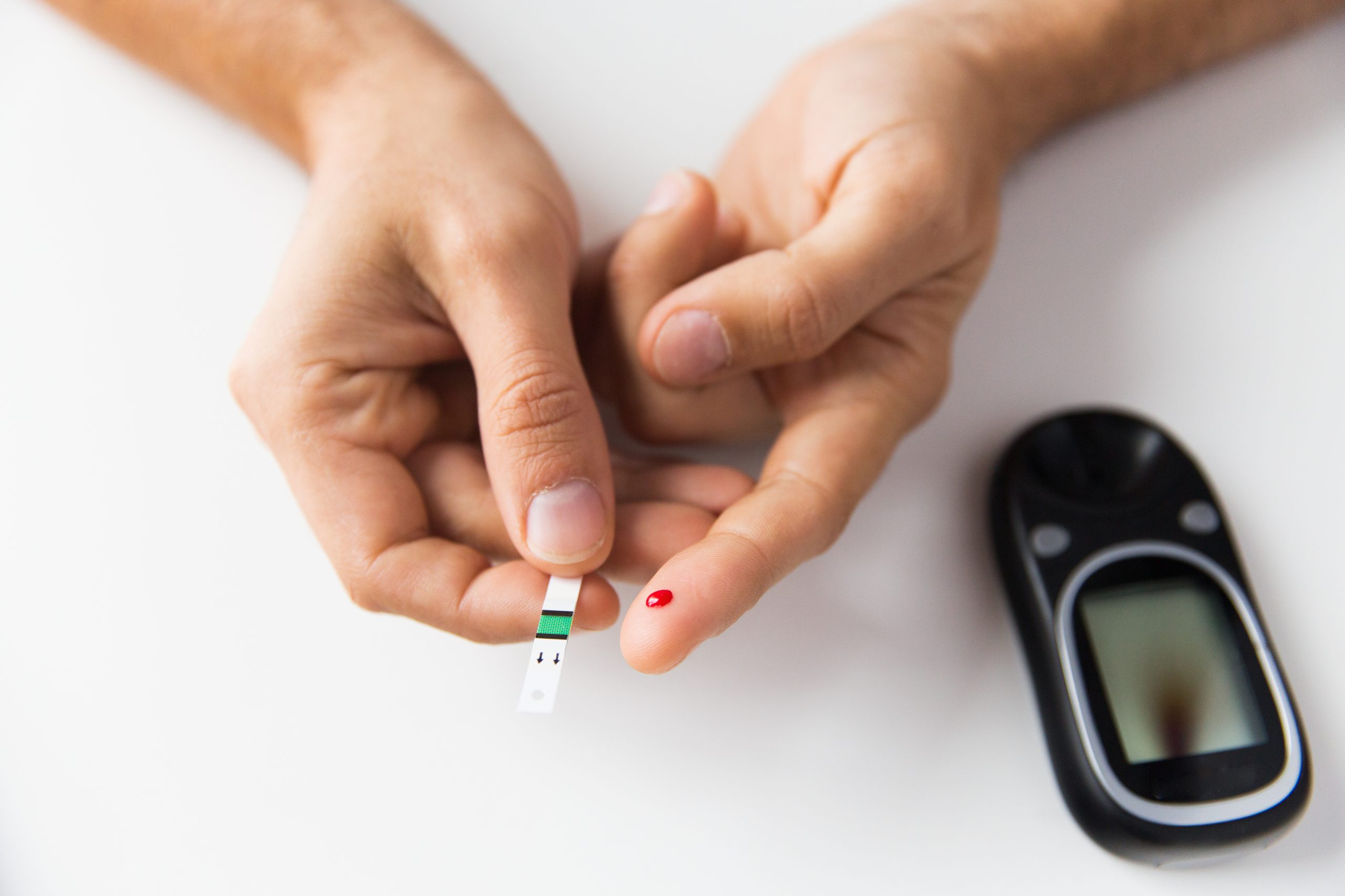
Signs of low blood sugar (below 70 mg/dL or less)

Low blood sugar, especially in a diabetic, can be more dangerous and even a medical emergency if not treated in time.

Common signs of low blood sugar are:

  • Fast heartbeat
  • Shaking
  • Sweating
  • Nervousness or anxiety
  • Irritability, anger or confusion
  • Dizziness
  • Hunger

During sleep, low blood sugar symptoms may include sweaty sheets and sometimes nightmares

Signs of severe low blood sugar (below 54 mg/dL or by symptoms listed below)- Medical emergency

  • Loss of coordination
  • Difficulty speaking or slurred speech
  • Blurry or tunnel vision
  • Inability to eat or drink
  • Muscle weakness
  • Drowsiness

If left untreated hypoglycemia can result in coma, seizures and in rare cases, death

Causes of Low Blood Sugar

There are many reasons why for low blood sugar, including:

  • Taking too much insulin and/or not taking it on time
  • Not eating enough carbs after taking insulin
  • Poor diet- not eating a balanced protein, carbs and fat diet
  • The amount and timing of physical activity.
  • Drinking alcohol.
  • Hot and humid weather.
  • Unexpected changes in your schedule.
  • Spending time at a high altitude.
  • Going through puberty
  • Menstruation
  • On medication that causes low blood sugar
  • Severe liver or kidney disease
  • Severe infection
  • Advanced heart disease
  • Pancreatic or adrenal tumors
  • Drinking alcohol at night

What to do if you or someone you know has low blood sugar. The CDC website has tips on managing and treating hypoglycemia:

The 15-15 Rule

For low blood sugar between 55-69 mg/dL, raise it by following the 15-15 rule:

Have 15 grams of carbs and check your blood sugar after 15 minutes. If it’s still below your target range, have another serving. Repeat these steps until it’s in your target range. Once it’s in range, eat a nutritious meal or snack to ensure it doesn’t get too low again.

These items have about 15 grams of carbs:

  • 4 ounces (½ cup) of juice or regular soda.
  • 1 tablespoon of sugar, honey, or syrup.
  • Hard candies, jellybeans, or gumdrops (see food label for how much to eat).
  • 3-4 glucose tablets (follow instructions).
  • 1 dose of glucose gel (usually 1 tube; follow instructions).

Tips to keep in mind:

  • It takes time for blood sugar to rise after eating. Give some time for treatment to work. Following the 15-15 rule helps.
  • Young children usually need less than 15 grams of carbs, especially infants and toddlers. Ask your doctor how much your child needs.
  • You should avoid eating a carbohydrate with lots of fiber, such as beans or lentils, or a carb that also has fat, such as chocolate. Fiber and fat slow down how fast you absorb sugar.
  • Check your blood sugar often when lows are more likely, such as when the weather is hot or when you travel.

Treating Severely Low Blood Sugar- (below 55mg/dL)

Not treatable by 15-15-15 rule

Make sure your family members, friends, and caregivers know your signs of low blood sugar so they can help treat it if needed.

You also may not be able to check your own blood sugar or treat it by yourself, depending on your symptoms.

Injectable glucagon is the best way to treat severely low blood sugar. A glucagon kit is available by prescription. Speak with your doctor to see if you should have a kit. Be sure to learn how and when to use it. Let family members and others close to you know where you keep the glucagon kit and make sure they’ve been trained in how to use it too.

It’s important to contact a doctor for emergency medical treatment immediately after receiving a glucagon injection. If a person faints (passes out) due to severely low blood sugar, they’ll usually wake up within 15 minutes after a glucagon injection. If they don’t wake up within 15 minutes after the injection, they should receive one more dose.

When the person is awake and able to swallow:

  • Feed the person a fast-acting source of sugar (regular soft drink or fruit juice).
  • Then, have them eat a long-acting source of sugar (crackers and cheese or a sandwich with meat).
  • It’s also important that friends, family, co-workers, teachers, coaches, and other people you may be around often know how to test your blood sugar and treat severely low blood sugar before it happens.

A medical ID, usually a bracelet or necklace, can be critical in keeping you safe and healthy. Emergency medical technicians are trained to look for a medical ID when caring for someone who can’t speak for themselves.

When To Call 911

If any of the following happens, your friend, relative, or helper should call 911:

  • You pass out and no glucagon is available.
  • You need a second dose of glucagon.
  • You had glucagon but are still confused.
  • Your blood sugar stays too low 20 minutes after treatment or doesn’t respond to your usual treatments.
  • Or call 911 anytime you are concerned about your severely low blood sugar.

After You Have Low Blood Sugar

If your low blood sugar was mild (between 55-69 mg/dL), you can return to your normal activities once your blood sugar is back in its target range.

After you have low blood sugar, your early symptoms for low blood sugar are less noticeable for 48 to 72 hours. Be sure to check your blood sugar more often to keep it from getting too low again, especially before eating, physical activity, or driving a car.


If you used glucagon because of a severe low (54 mg/dL or below), immediately call your doctor for emergency medical treatment. If you have had lows several times close together (even if they’re not severe), you should also tell you doctor. They may want to change your diabetes plan.

- Brooke Lounsbury, RN

Medical Content Writer

Lifesaving Medications

Everyone should be empowered to care for themselves and their loved ones during the unexpected.

Recent Posts

Keeping you informed and safe.

Join Our Newsletter

Our mission is to help you be more medically prepared. Join our newsletter and follow us on social media for health and safety tips each week!

Popular Pesticide That Was Recently Banned Associated With Type 2 Diabetes

(This is part 1 of a series on diabetes, other parts will delve into labs, testing, prevention and management of diabetes)

A recent study revealed that Thai farmers exposed to different pesticides found an association between 3 different pesticides and onset of type 2 diabetes.

According to the study, a population-based case-controlled study was conducted among residents in the Bang Rakam district of Phitsanulok Province in Thailand. Lifetime pesticide exposure and other relevant data were collected from 866 participating cases with diabetes mellitus and 1021 healthy controls. Among 35 individual brand-named pesticides investigated, they found statistically significant occurrences of type 2 diabetes with three insecticides.

3 Pesticides

A popular insecticide, trade name Sevin, (carbaryl) recently banned for homeowner use but still available for commercial application was found to have a casual association to the onset of type 2 diabetes, along with other health issues. This insecticide was pulled from consumer shelves mid 2020 but is still used on industrial crops. Another insecticide, mevinphos has been on the EPA restricted use list, but is banned in the EU, and endosulfin whiles still being used on U.S. crops is being phased out globally.

In addition, another popular pesticide, Roundup (glyphosate) may also contribute to type 2 diabetes according to a 2022 study titled “Impact of Glyphosate on the Development of Insulin Resistance in Experimental Diabetic Rats: Role of NFκB Signalling Pathways”.

What is diabetes?

Diabetes is a chronic, serious health issue facing over 10 percent of the U.S. population, and one in five people with diabetes don’t even know they have it. It is a leading cause of death due to complications, such as heart disease, stroke, blindness, kidney failure and lower limb amputation. Depending on the type of diabetes, insulin and glucose metabolism are involved.  While the link between pesticide use is a contributing factor, many other life choices and genetics play into the development of diabetes.

All diabetes is diagnosed through bloodwork, by checking glucose readings- either fasting, after meals or both. A urine dip can show high glucose levels, indicating the need for further testing via bloodwork.

Types of Diabetes

Prediabetes

Prediabetes is a serious health condition where blood sugar levels are higher than normal, but not high enough yet to be diagnosed as type 2 diabetes. Approximately 96 million American adults—more than 1 in 3—have prediabetes. Of those with prediabetes, more than 80% don’t know they have it. Prediabetes puts you at increased risk of developing type 2 diabetes, heart disease, and stroke.

Insulin is key factor

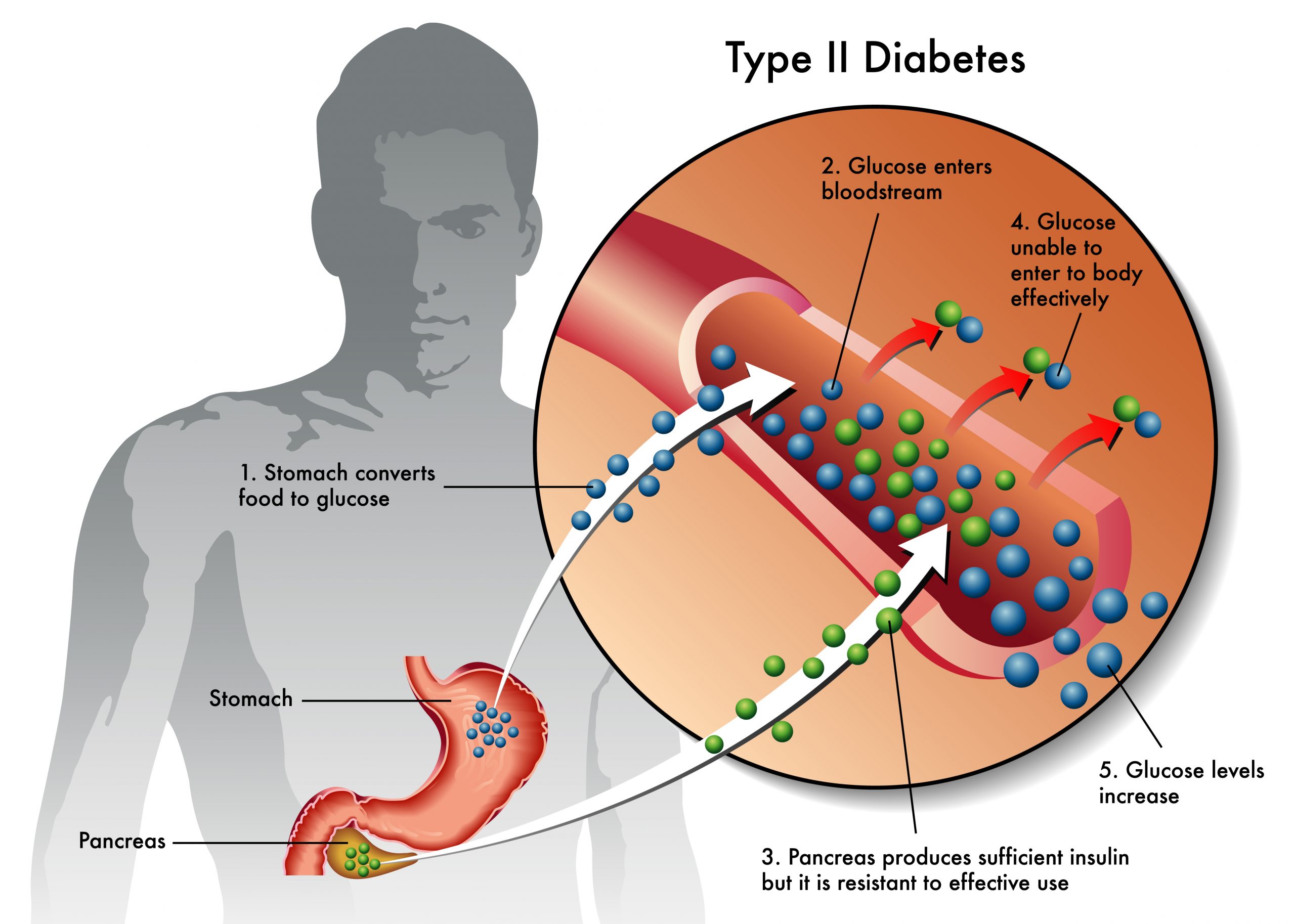
 Insulin is a hormone made by your pancreas that acts like a key to let blood sugar into cells for use as energy. If you have prediabetes, the cells in your body don’t respond normally to insulin. Your pancreas makes more insulin to try to get cells to respond. Eventually your pancreas can’t keep up, and your blood sugar rises, setting the stage for prediabetes—and type 2 diabetes down the road.

Insulin, Blood Sugar, and Type 2 Diabetes

  • Insulin is a key player in developing type 2 diabetes. This vital hormone—you can’t survive without it—regulates blood sugar (glucose) in the body, a very complicated process. Here are the high points:
  • The food you eat is broken down into blood sugar.
  • Blood sugar enters your bloodstream, which signals the pancreas to release insulin.
  • Insulin helps blood sugar enter the body’s cells so it can be used for energy.
  • Insulin also signals the liver to store blood sugar for later use.
  • Blood sugar enters cells, and levels in the bloodstream decrease, signaling insulin to decrease too.
  • Lower insulin levels alert the liver to release stored blood sugar so energy is always available, even if you haven’t eaten for a while.
  • That’s when everything works smoothly. But this finely tuned system can quickly get out of whack, as follows:
  • A lot of blood sugar enters the bloodstream.
  • The pancreas pumps out more insulin to get blood sugar into cells.
  • Over time, cells stop responding to all that insulin—they’ve become insulin resistant.
  • The pancreas keeps making more insulin to try to make cells respond.
  • Eventually, the pancreas can’t keep up, and blood sugar keeps rising.
  • Lots of blood sugar in the bloodstream is very damaging to the body and needs to be moved into cells as soon as possible. There’s lots of insulin, too, telling the liver and muscles to store blood sugar. When they’re full, the liver sends the excess blood sugar to fat cells to be stored as body fat. Yep, weight gain. And what’s more serious, the stage is set for prediabetes and type 2 diabetes.

NOTE: Type 1 diabetes is different; it’s thought to be caused by an autoimmune reaction (the body attacks itself by mistake). People with type 1 diabetes don’t make enough insulin and need to take it to survive.

Symptoms

(Type 2 diabetics)

  • Urinate (pee) a lot, often at night
  • Are very thirsty
  • Lose weight without trying
  • Always hungry
  • Blurred vision
  • Have numb or tingling hands or feet
  • Fatigue
  • Dry skin
  • Slow healing sores or injuries
  • Have more infections than usual

You’re at risk for type 2 diabetes if you:

  • Have prediabetes.
  • Are overweight.
  • Are 45 years or older.
  • Have a parent, brother, or sister with type 2 diabetes.
  • Are physically active less than 3 times a week.

Treatment

Treatment consists of leading a healthy lifestyle, diet, and sometimes oral medications.

Type One Diabetes

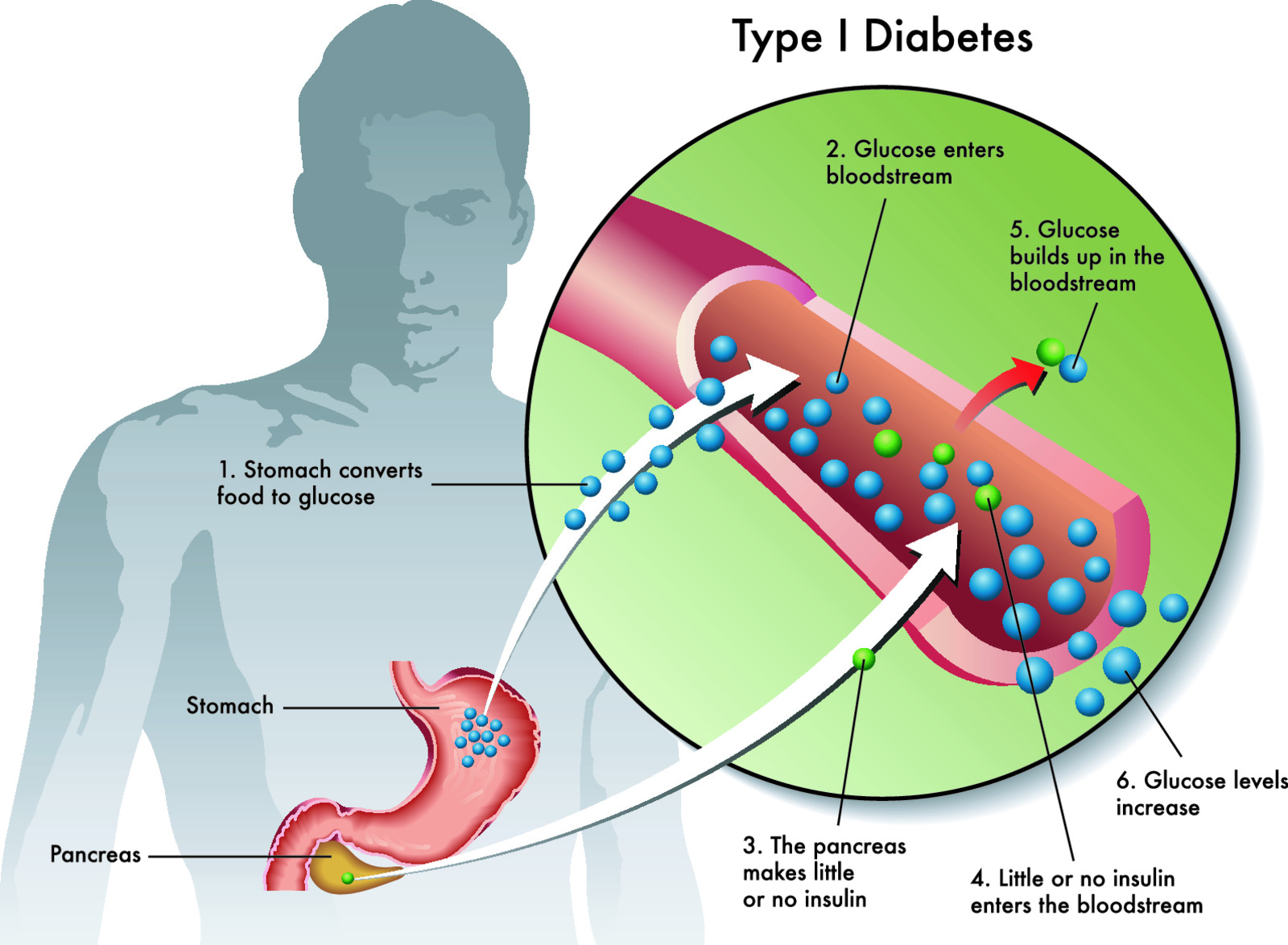
Type 1 diabetes is a disease in which autoimmune destruction of pancreatic β-cells leads to insulin deficiency.

If you have type 1 diabetes, your pancreas doesn’t make insulin or makes very little insulin. Insulin helps blood sugar enter the cells in your body for use as energy. Without insulin, blood sugar can’t get into cells and builds up in the bloodstream. High blood sugar is damaging to the body and causes many of the symptoms and complications of diabetes.

Type 1 diabetes was once called insulin-dependent or juvenile diabetes. It usually develops in children, teens, and young adults, but it can happen at any age.

Only 5-10% of people with diabetes have type 1. Currently, no one knows how to prevent type 1 diabetes, but it can be treated successfully by:

  • Following your doctor’s recommendations for living a healthy lifestyle.
  • Managing your blood sugar.
  • Getting regular health checkups.
  • Getting diabetes self-management education and support.

Symptoms

In addition to the above symptoms listed for type 2 diabetes, type 1 diabetics may also have nausea, vomiting, or stomach pains. Type 1 diabetes symptoms can develop in just a few weeks or months and can be severe.

Treatment

Treatment consists of insulin therapy and sometimes oral medication in addition to leading a healthy lifestyle.

Gestational diabetes

Gestational diabetes is a type of diabetes that can develop during pregnancy in women who don’t already have diabetes. Every year, 2% to 10% of pregnancies in the United States are affected by gestational diabetes. Managing gestational diabetes will help make sure you have a healthy pregnancy and a healthy baby.

What Causes Gestational Diabetes?

Gestational diabetes occurs when your body can’t make enough insulin during your pregnancy. Insulin is a hormone made by your pancreas that acts like a key to let blood sugar into the cells in your body for use as energy.

During pregnancy, your body makes more hormones and goes through other changes, such as weight gain. These changes cause your body’s cells to use insulin less effectively, a condition called insulin resistance. Insulin resistance increases your body’s need for insulin.

All pregnant women have some insulin resistance during late pregnancy. However, some women have insulin resistance even before they get pregnant. They start pregnancy with an increased need for insulin and are more likely to have gestational diabetes.

  • Having gestational diabetes can increase your risk of high blood pressure during pregnancy. It can also increase your risk of having a large baby that needs to be delivered by cesarean section (C-section).
  • If you have gestational diabetes, your baby is at higher risk of:
  • Being very large (9 pounds or more), which can make delivery more difficult
  • Being born early, which can cause breathing and other problems
  • Having low blood sugar
  • Developing type 2 diabetes later in life
  • Your blood sugar levels will usually return to normal after your baby is born.
  • About 50% of women with gestational diabetes go on to develop type 2 diabetes. You can lower your risk by reaching a healthy body weight after delivery.

Who is at risk

  • Have ever had gestational diabetes (diabetes during pregnancy) or given birth to a baby who weighed over 9 pounds
  • Overweight
  • Over age of 25
  • Not physically active

Symptoms

Unlike type 1 and 2 diabetes, there usually aren’t symptoms, it is usually diagnosed by urine and bloodwork.

Treatment

Depending on the severity of the diabetes, medication, lifestyle, and diet changes may be implemented.

- Brooke Lounsbury, RN

Medical Content Writer

Lifesaving Medications

Everyone should be empowered to care for themselves and their loved ones during the unexpected.

Recent Posts

Keeping you informed and safe.

Join Our Newsletter

Our mission is to help you be more medically prepared. Join our newsletter and follow us on social media for health and safety tips each week!

My Reasons for ordering Jase Daily

I recently went through the process of ordering my yearly supply of prescription medicine through Jase Daily. I received my medication over the weekend and am impressed. From the ordering process to communication, every step of the way the process was streamlined and efficient. In addition, I pay out of pocket for my medication (I use a Health share program) and found the price for a whole years’ worth of medicine to be very competitive compared to my usual 90-day supply. In fact, it cost less over the year.

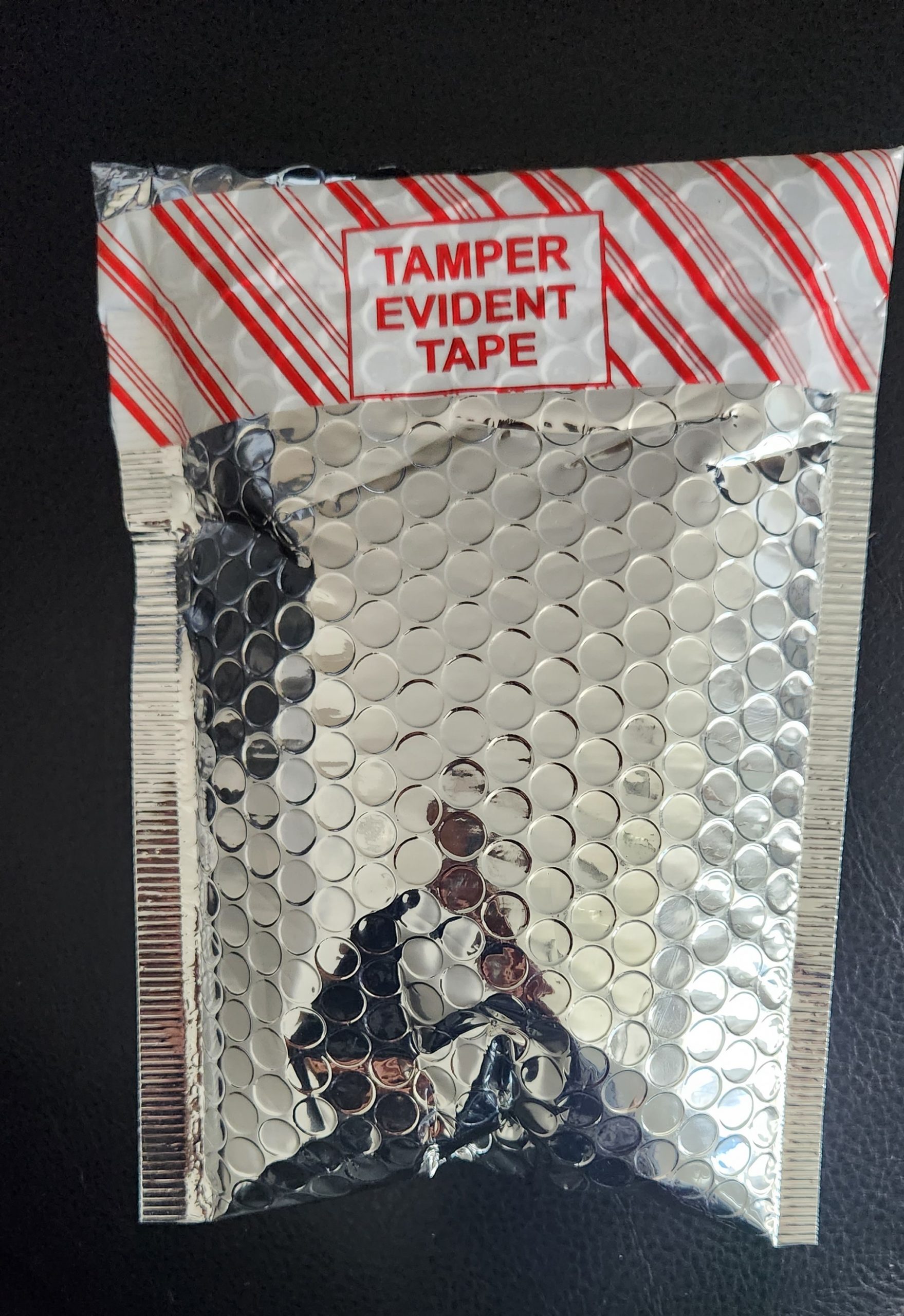
The packaging was secure and tamper resistant.

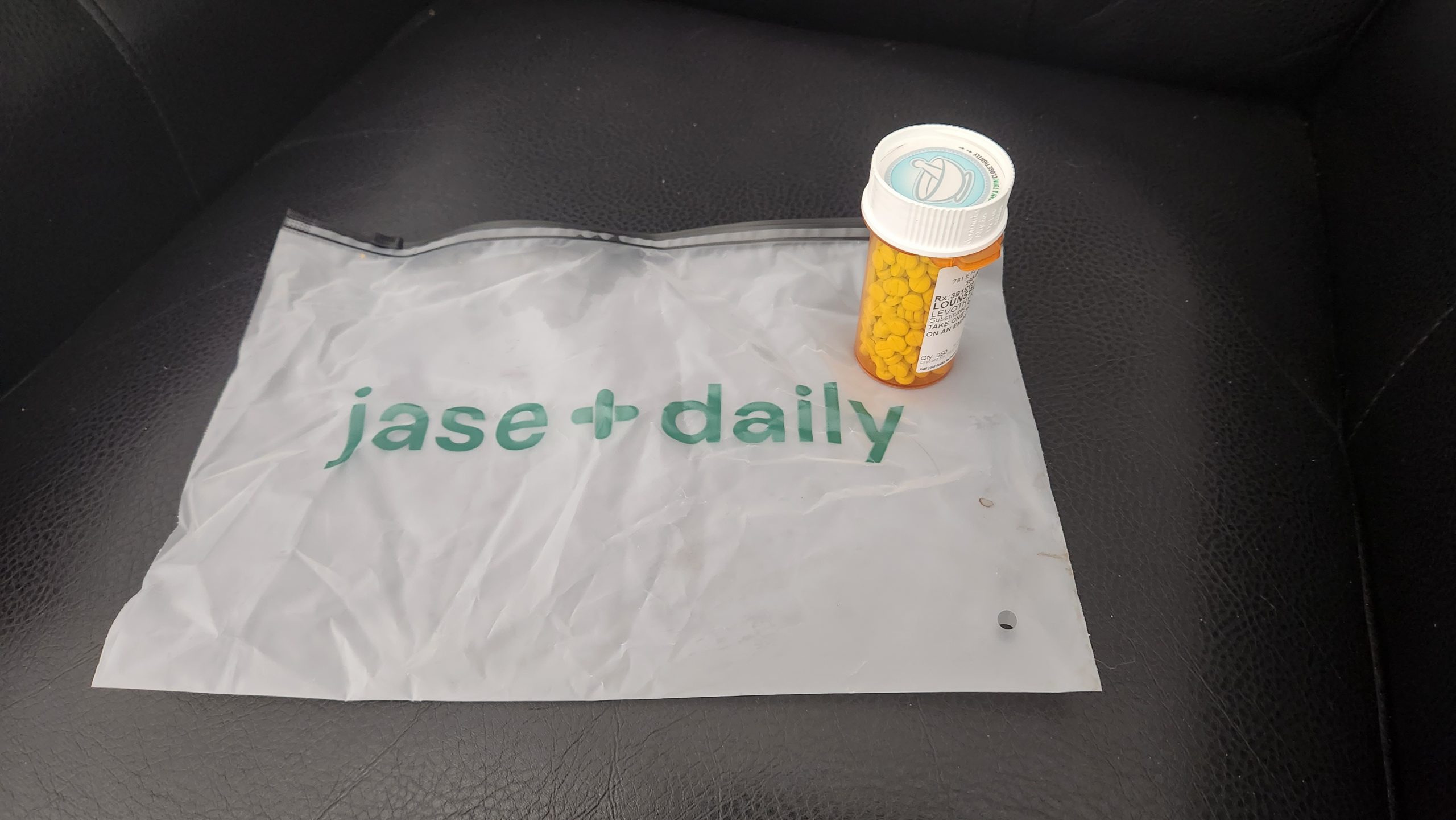
Once opened, I found the bottle of medication in a waterproof pouch which held the medicine and details of the transaction and prescription.

My medicine came in a clearly labeled, tamperproof bottle.

Why did I feel I needed to get an entire years’ worth of my prescription medicine?

The pandemic is over, so what’s the emergency?

If the pandemic has taught us anything is to not take anything for granted. Disrupted supply chains, medical supplies and medicines were held up in ports, diesel shortages prevented transport from the ports to pharmacies, clinics and hospitals, illness overloaded the hospitals and clinics, and on and on. Hopefully we learned to not take any part of our modern, just in time delivery for granted.

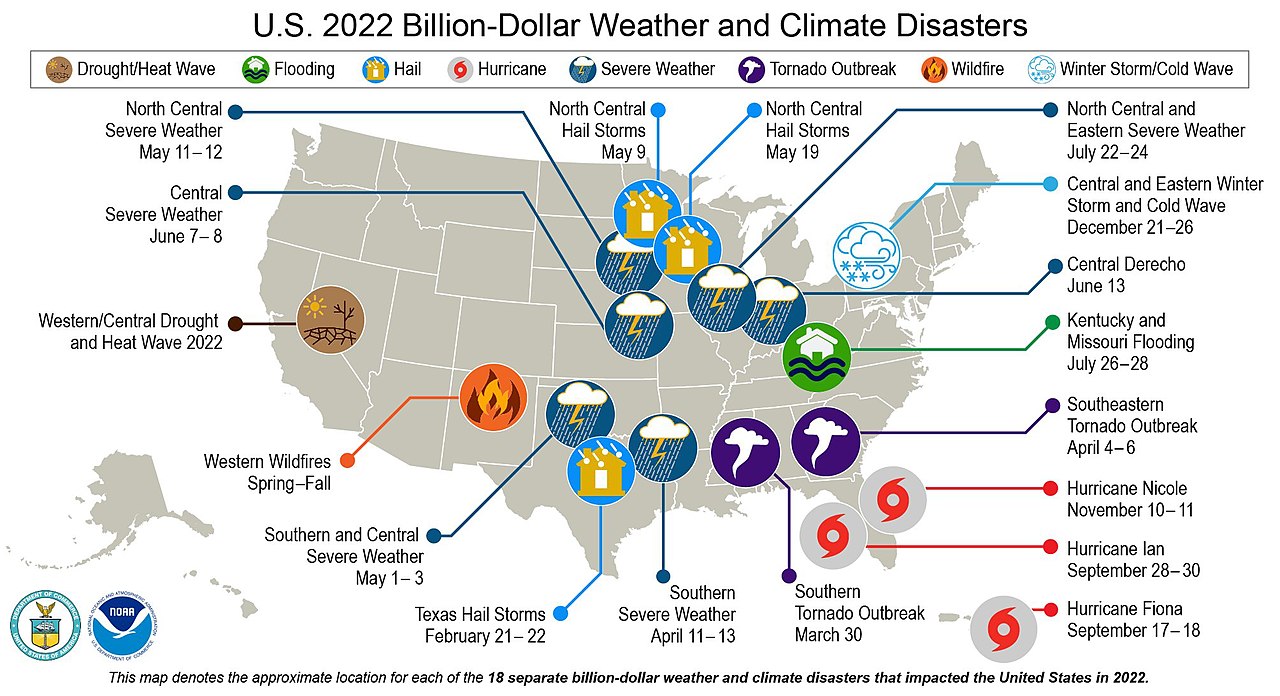
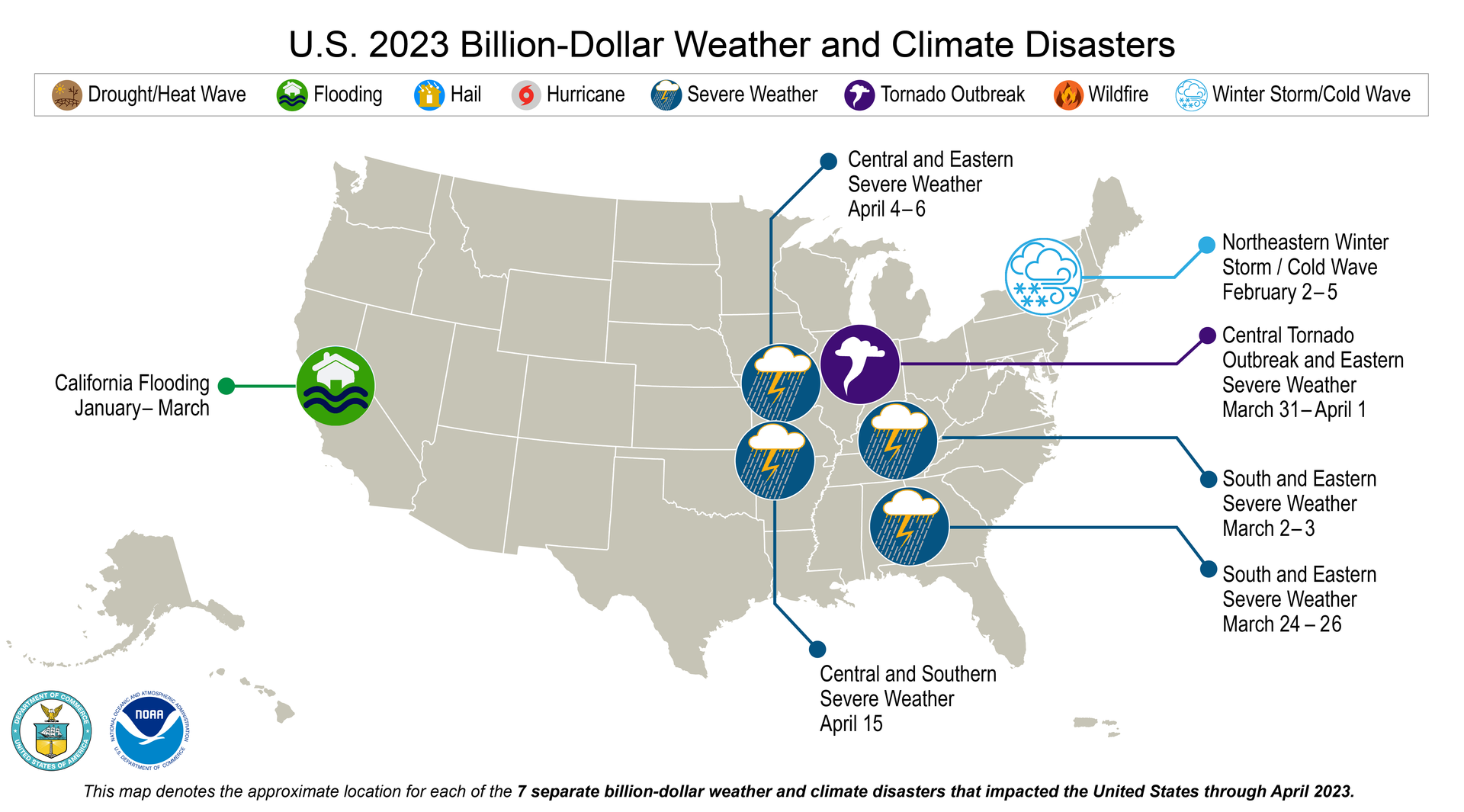
I have been a medical content writer for Jase over the past year and have researched and documented how fragile our healthcare system is. The gradual deterioration of our relationships with countries (China, and India and the threat of the dollar losing world currency status) that supply the overwhelming stock of our medications and medical supplies prompted me to act. This, along with reporting on the historic weather events of the past year-2022 and 2023 so far: record-breaking snows in Sierras, tornadoes, hurricanes, flooding in California, wildfires added to my concern.

It only takes one event, nothing even national or worldwide, to cause your supply of medicine (or even water or food for that matter) to dry up for an extended period. Having a year’s supply of my prescription gives me peace of mind and I can focus on other preparedness projects.

Our world is entering a time of massive uncertainty. Severe weather, layoffs, the pending USP strike(hopefully they will come to an agreement before the deadline of July 31st), the ongoing threat of war, civil unrest, escalating gas prices, food insecurity ( the baby formula shortage is still ongoing) and on are more than enough reasons to be proactive and stock up.

Who is eligible to order a Jase Daily Supply?

To qualify for your years’ worth of medicine, you must meet certain requirements.

  • Must be a preexisting prescription.
  • Must be stable on current medications for at least 6 months.
  • If hospitalized in the last 6 months, you’ll be required to explain during the order process.
  • A Jase physician will determine if your Jase Daily supply will be appropriate for you.
  • To safely prescribe Jase Daily medication, we require that you have been seen by a health care provider within the past 6 months.

Any day, any time even local events can cause shortages. Be proactive, not reactive. If you or your family are on long term medicines, it makes sense to stock up. Get your Jase Daily for you and your loved ones today.

- Brooke Lounsbury, RN

Medical Content Writer

Lifesaving Medications

Everyone should be empowered to care for themselves and their loved ones during the unexpected.

Recent Posts

Keeping you informed and safe.

Join Our Newsletter

Our mission is to help you be more medically prepared. Join our newsletter and follow us on social media for health and safety tips each week!