The Drug Interactions You Create in an Emergency By the Jase Medical Team Most of the time, you don't have to think very hard about drug interactions. Your doctor has your medication list. Your pharmacy has it too. When a new prescription comes through, software...
The Power of Probiotics
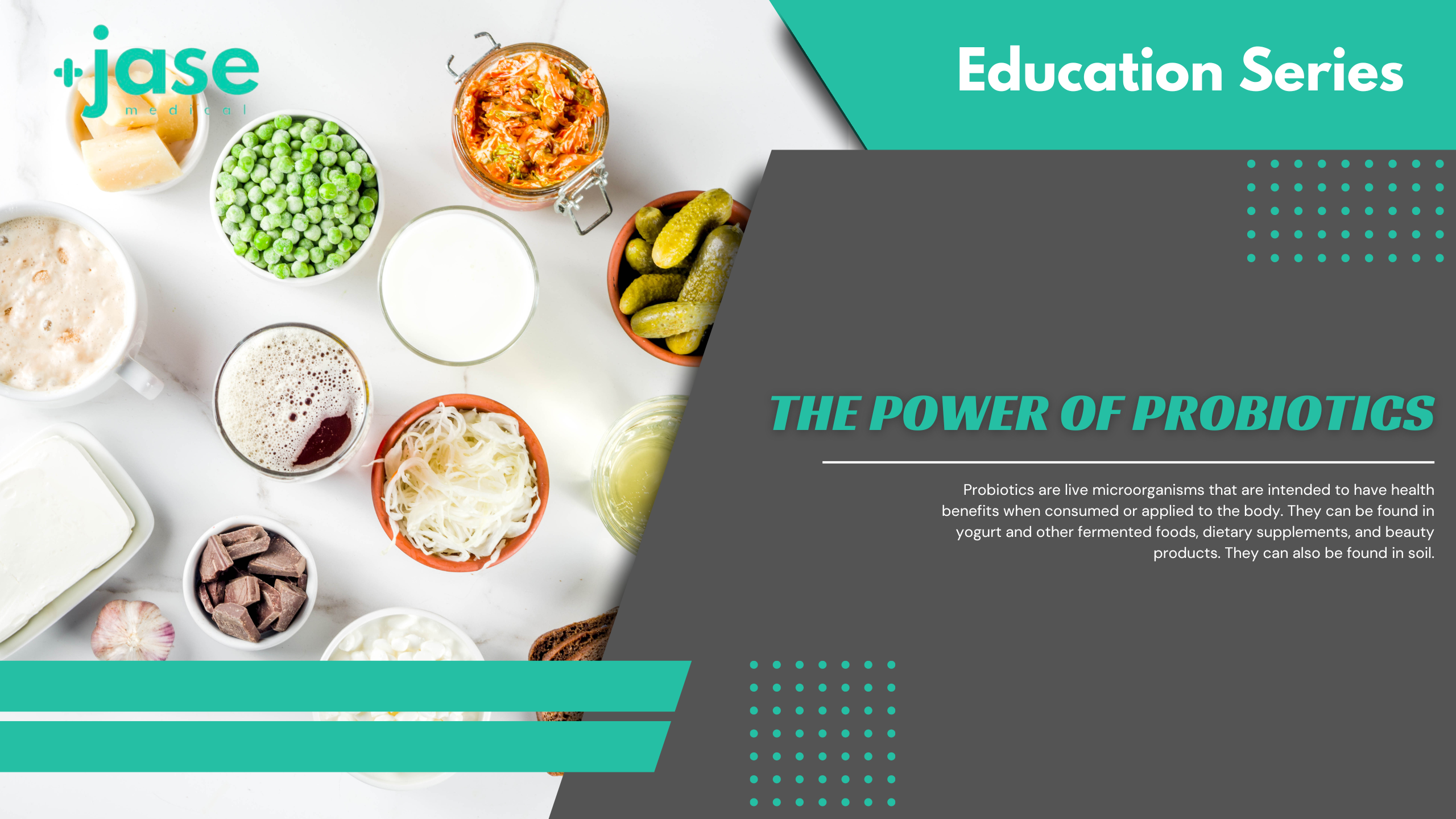
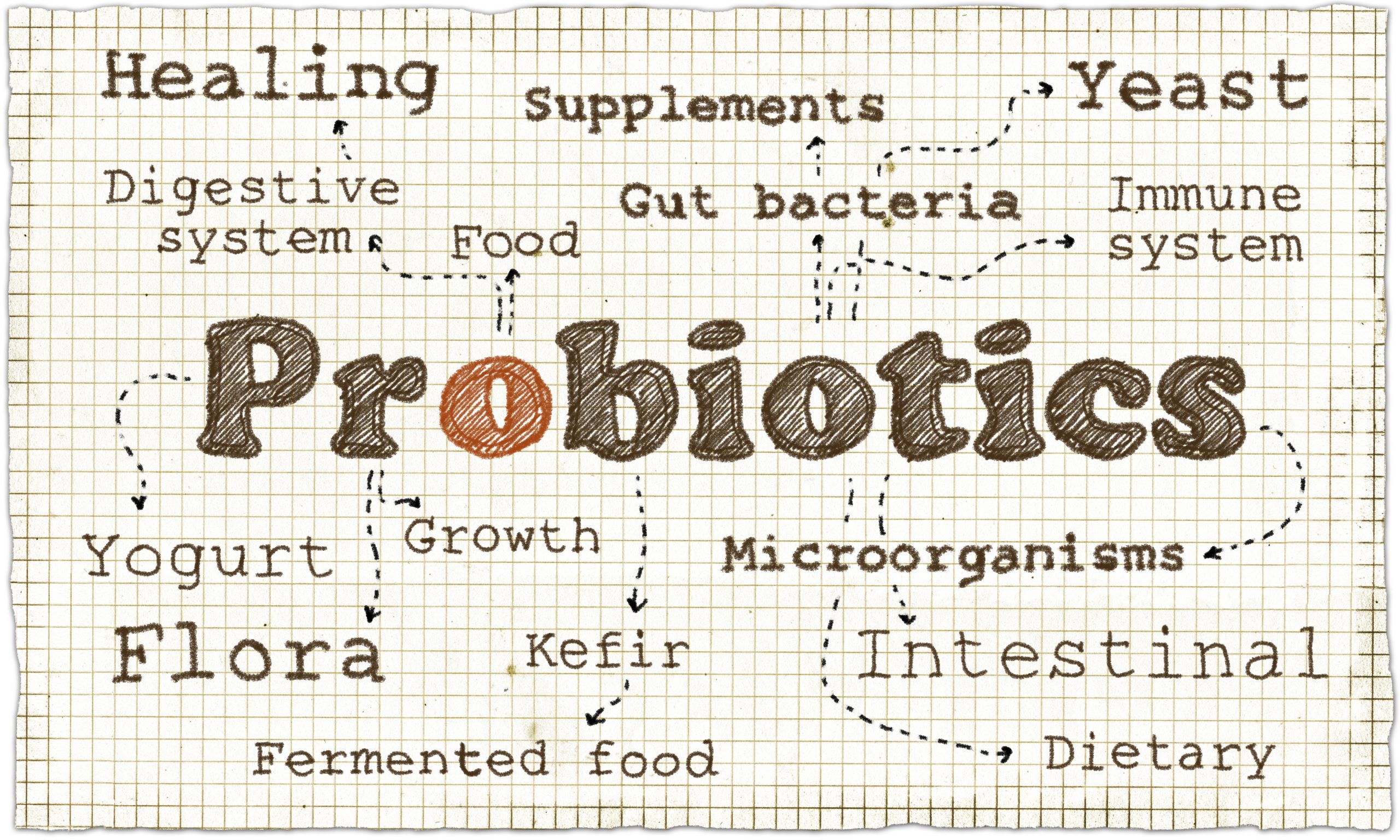
Probiotics are live microorganisms that are intended to have health benefits when consumed or applied to the body. They can be found in yogurt and other fermented foods, dietary supplements, and beauty products. They can also be found in soil.
Probiotics may contain a variety of microorganisms. The most common are bacteria that belong to groups called Lactobacillus and Bifidobacterium. Other bacteria may also be used as probiotics, as are some yeasts such as Saccharomyces boulardii.
It is estimated our bodies house an estimated 100 trillion “good” bacteria, many of which reside in our gut. These bacteria are essential for our survival. They play an enormous role in our overall health.
A review of the many documented health benefits include:
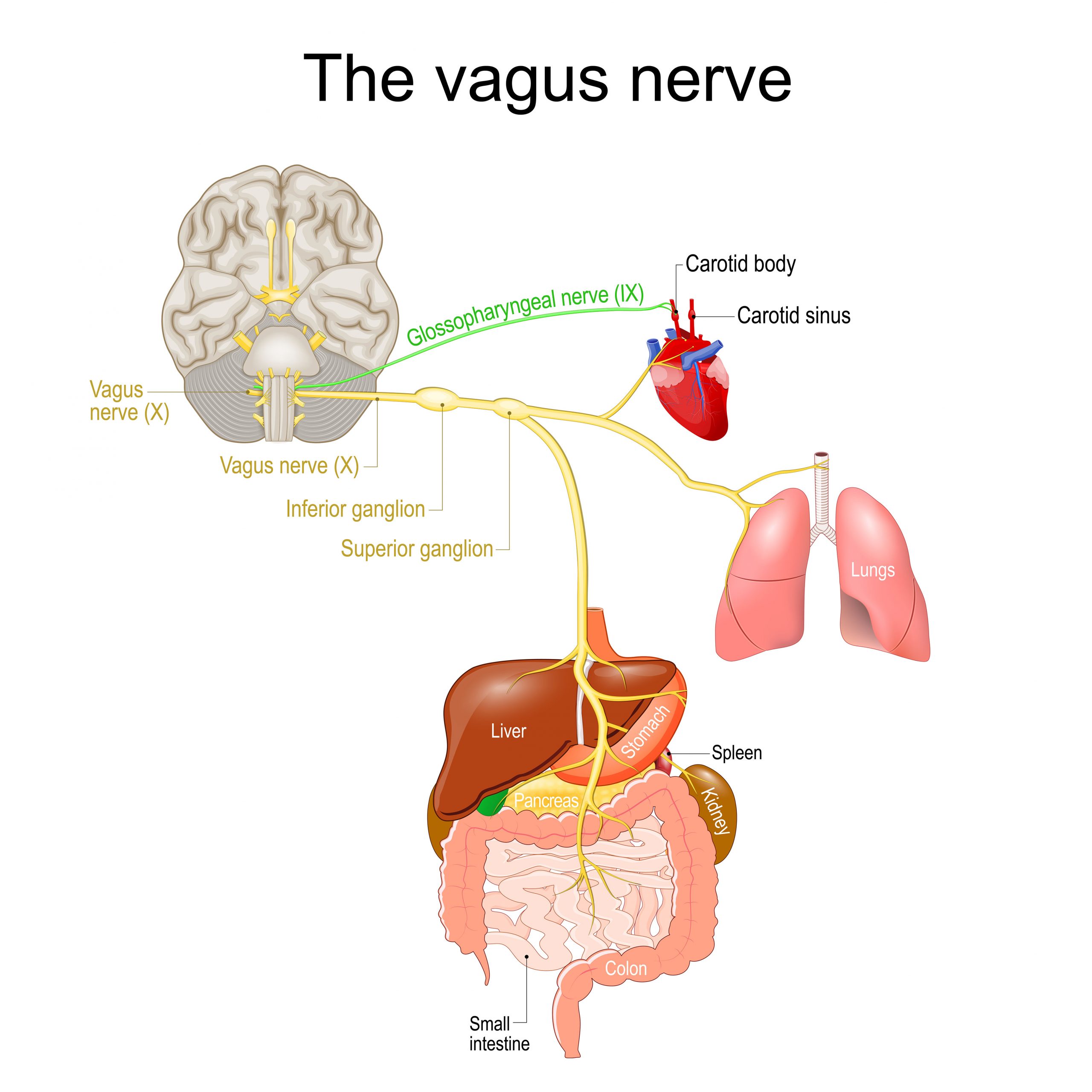
- A review titled “Effect of Probiotics on Central Nervous System Functions in Animals and Humans: A Systematic Review” concluded that common strains of probiotic bacteria found in some fermented foods “showed efficacy in improving psychiatric disorder-related behaviors including anxiety, depression, autism spectrum disorder (ASD), obsessive-compulsive disorder, and memory abilities, including spatial and non-spatial memory.” They also concluded that certain probiotics could affect the gut brain interaction, from the vagus nerve, aka as the “traveling nerve”. This nerve originates at the brainstem and travels to almost every organ of your body. It is a part of the autonomic nervous system. Many of the strains of probiotic bacteria used in the research can be found in active culture yogurt and lacto fermented vegetables. There are probiotic supplements on the market, however the most concentrated form is in foods.
- Improves glycemic control
- Lowers inflammation
- Improves immune function
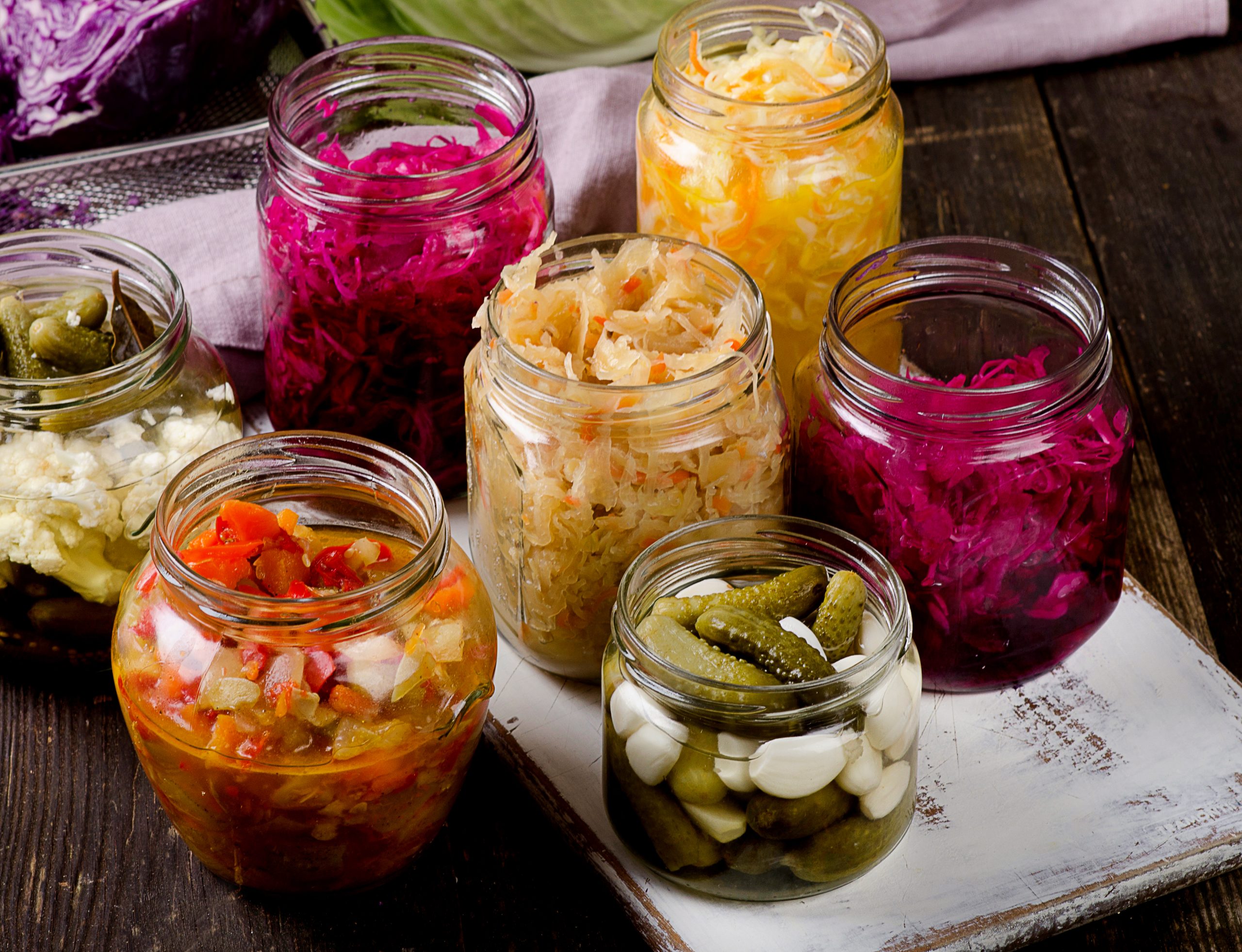
- Manufacture of vitamin K2- This vitamin, not to be confused with vitamin K1 which is responsible for blood to clot, k2 is a powerful transporter of calcium from the bloodstream and into the bones and teeth and prevents calcification of arteries and in kidneys. It is found most abundantly in natto, a fermented product. Other sources include cheese, beef liver, chicken, butter, sauerkraut.
- Butyrate is a naturally occurring short chain fatty acid found in the lower intestine and is used by the lining of the intestine as an energy source. It is found in kefir, yogurt, sauerkraut, breast milk, apple cider vinegar and resistant starches- cooked and cooled rice, potatoes, oats, etc. Butyrate also:
- Helps stabilize blood sugar levels
- Protects brain from diseases like Alzheimer’s and Parkinson’s
- Protects against cancer
- Can help prevent obesity
- Saccharomyces boulardii, a probiotic found in supplement form and in fermented foods is commonly used in treatment of childhood rotaviral diarrhea and diarrhea resulting from antibiotic use. The brand Florastor is the most common probiotic used.
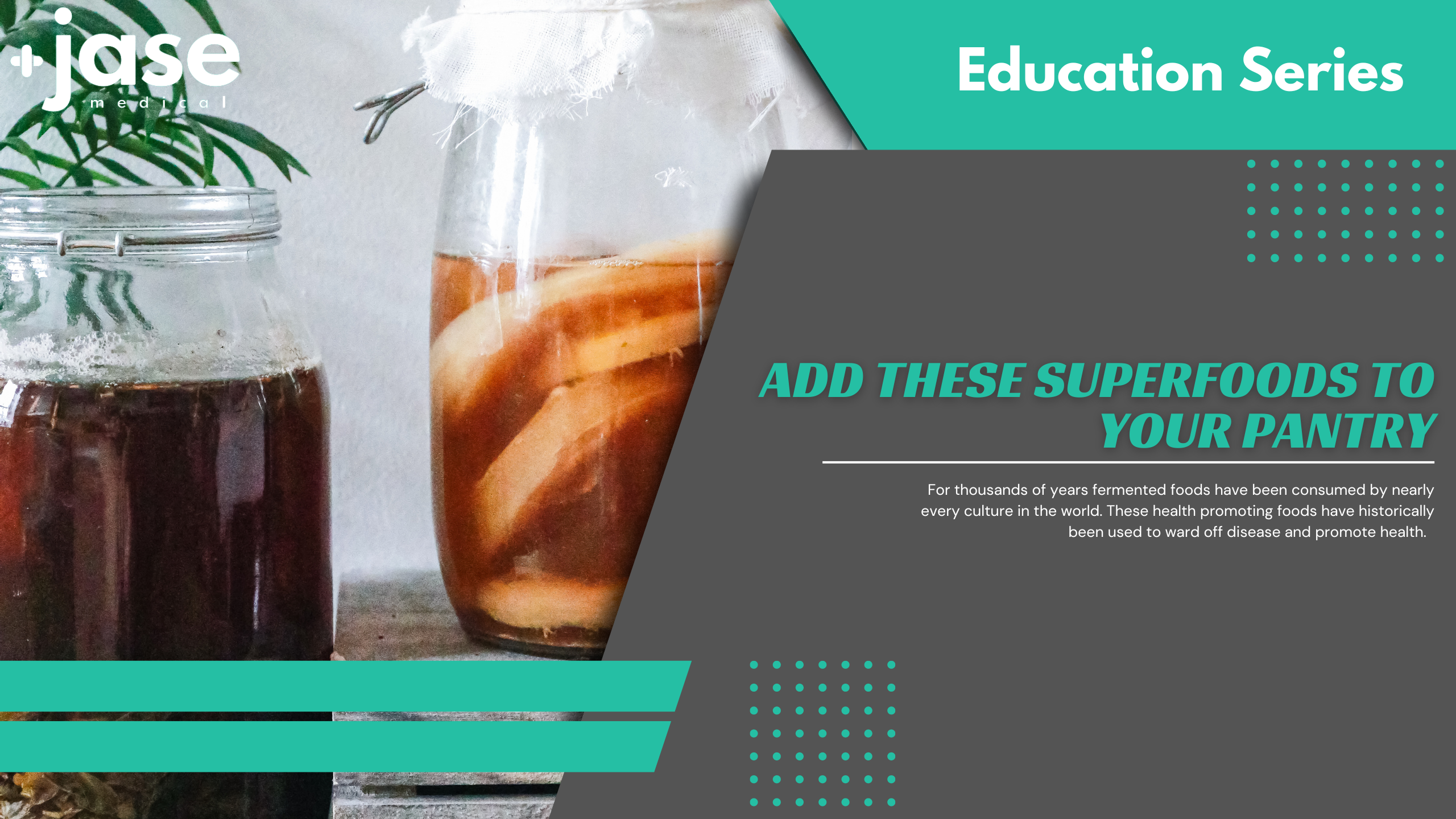
- Kombucha, a fizzy drink made from tea, sugar and a scoby (symbiotic culture of bacteria and yeast) provides B vitamins and acetic acid, which kills pathogenic bacteria.
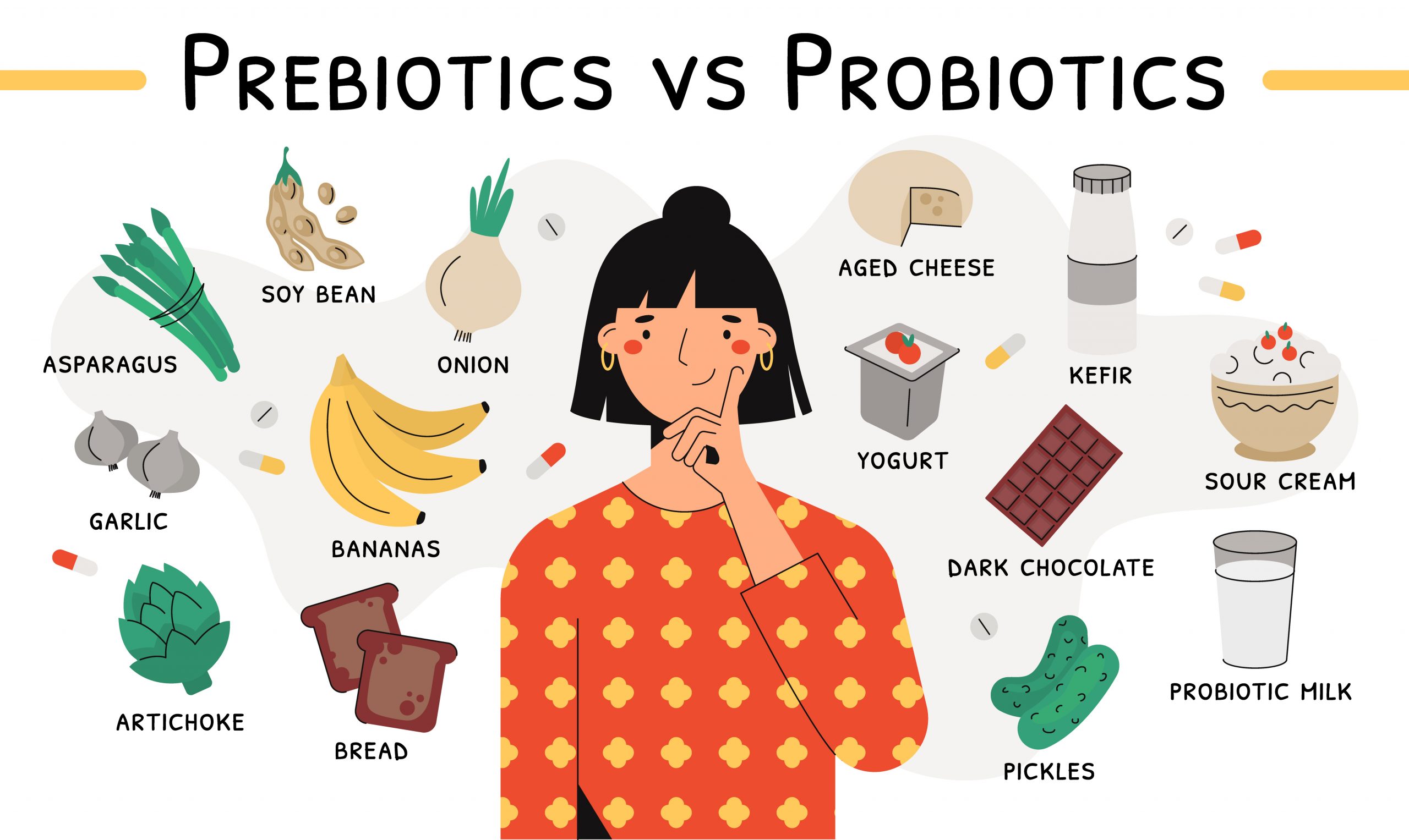
A word about prebiotics
Prebiotics are a type of dietary fiber that promote the growth of healthy bacteria in your gut. While probiotics are live bacteria that provide health benefits, prebiotics act as food for probiotics and help them survive and thrive. Examples are fiber from fermented foods, whole grains, bananas, greens, onions, garlic, avocados and artichokes.
Foods highest in prebiotic fiber are chicory root, garlic and dandelion.
- Brooke Lounsbury
Medical Content Writer
Lifesaving Medications
Everyone should be empowered to care for themselves and their loved ones during the unexpected.
Recent Posts
Keeping you informed and safe.

The Drug Interactions You Create in an Emergency

For Clinicians | Drug Interactions in a Disaster
For Clinicians | Drug Interactions in a Disaster: The Combinations a Bad Week Creates By Dr. Jamie Wilkey, PharmD, Director of Clinical EducationMedically reviewed and edited by Kristen Carpenter, PA-C When we think about prescription medicine in a disaster, we most...
Stings in a Disaster: The Antibiotic You Don’t Need and the Epinephrine You Do
Stings in a Disaster: The Antibiotic You Don't Need and the Epinephrine You Do Animals in a Disaster Series: Part 2 of 2By the Jase Medical Team The sting happens quickly. Maybe you're clearing branches after a storm. Maybe you're walking through a flooded yard. Maybe...