Measles Cases On The Rise In The U.S.

Why a conquered disease is back, and what we can do. 

.
 

The Measles Resurgence: A Call For Health Preparedness

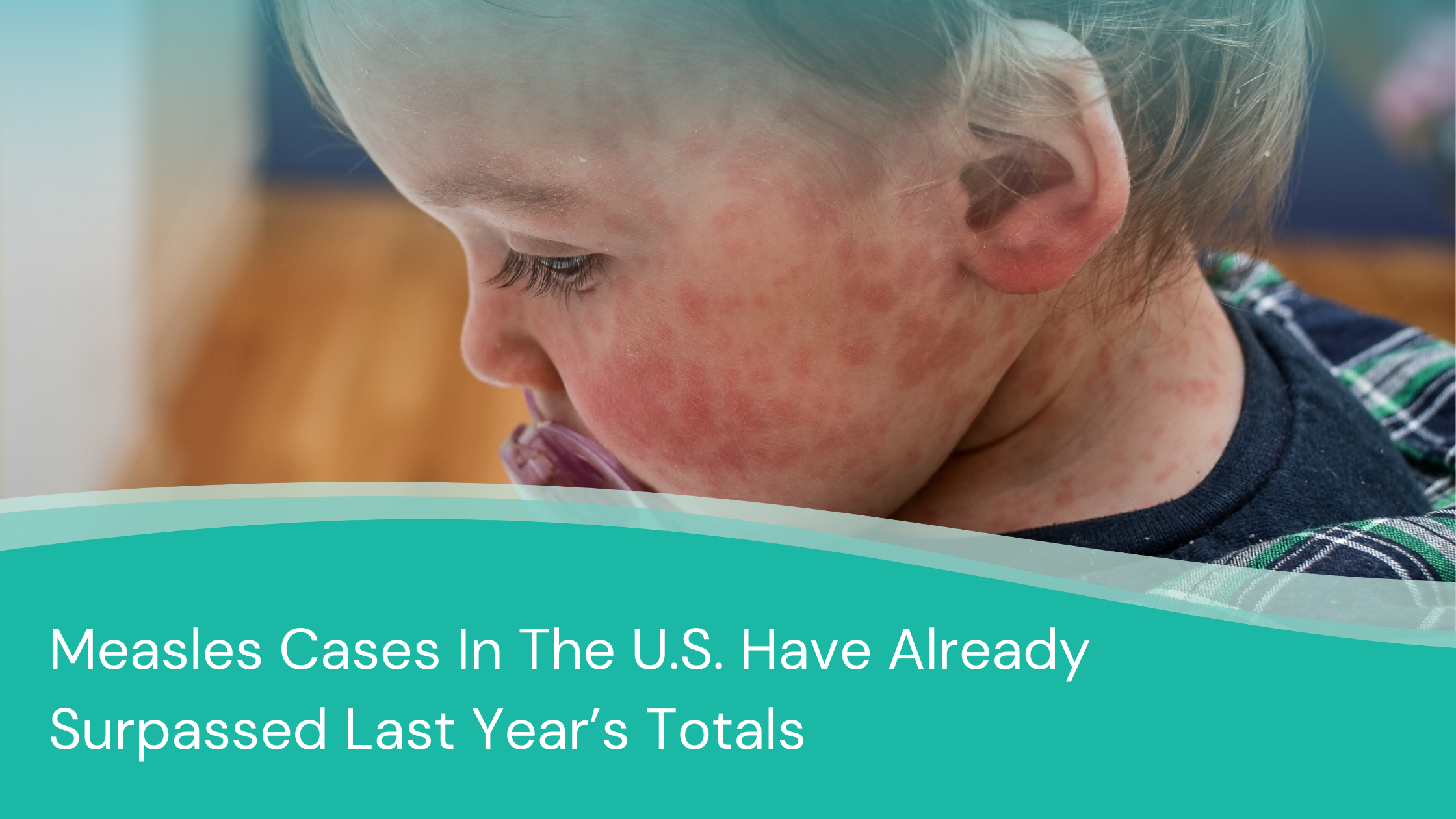
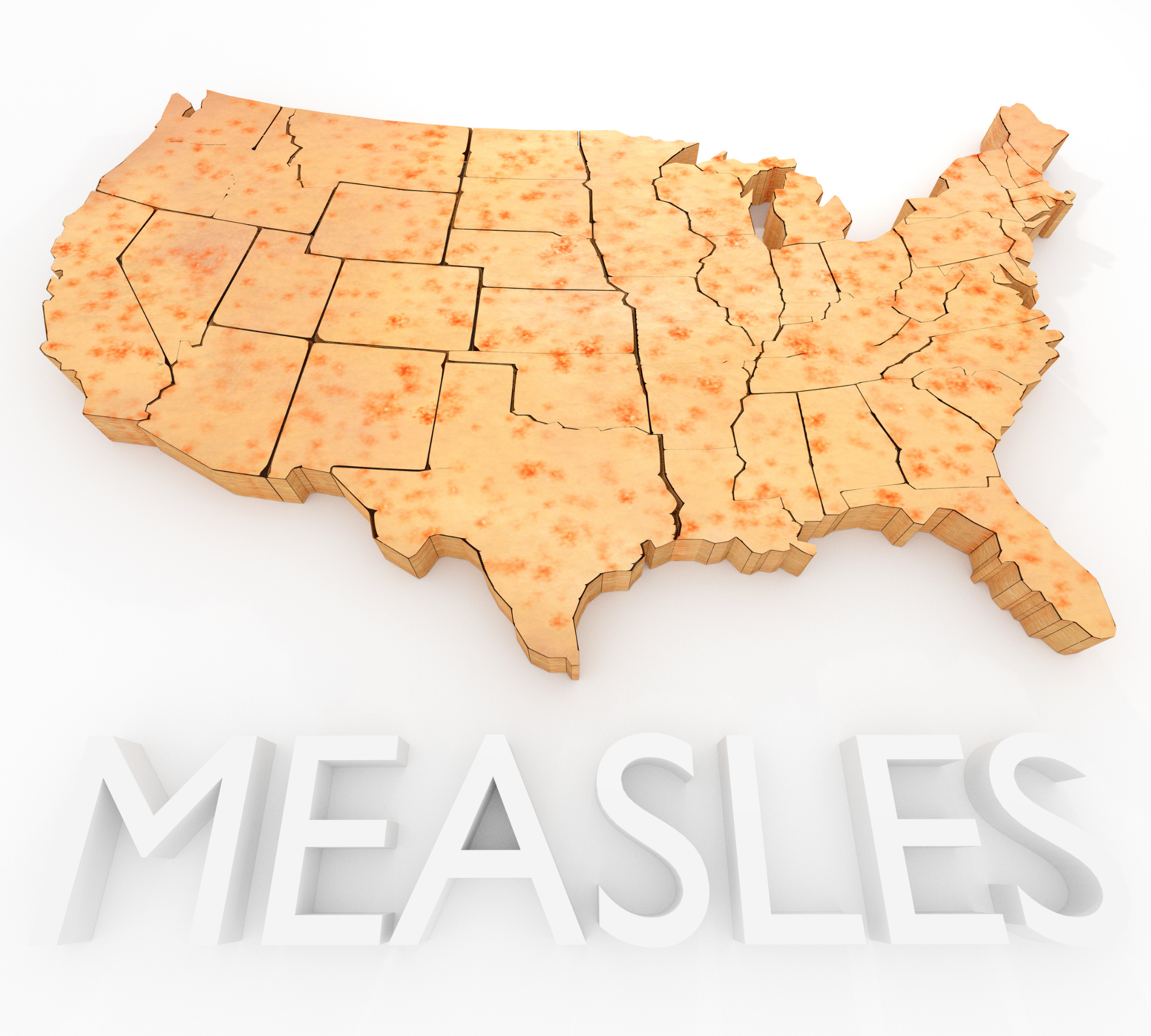
Measles, a highly contagious and potentially deadly disease – once relegated to history books – is making a disturbing comeback in the United States. According to a recent report by the Centers for Disease Control and Prevention (CDC): the number of measles cases in the U.S. has already surpassed the total for all of 2023.

This surge highlights the need for prioritizing preventive measures to safeguard our health, especially in the face of unexpected outbreaks. About 20% of cases result in the need for hospitalization, and 1 out of 20 children with measles also gets Pneumonia – highlighting the critical need to have antibiotics for Pneumonia on hand should your child become affected.


The Contagious Nature of Measles

The highly contagious nature of measles further complicates the situation.The virus can linger in the air for hours after an infected person coughs or sneezes, making transmission incredibly easy. This means people can contract measles by breathing in the virus or by touching a contaminated surface, and then touching their face.

Measles is one of the most contagious viruses known to humans. Approximately 90% of people who are not immune and are in close contact with an infected person will contract the virus. This high level of transmission is a main reason why measles can spread so quickly in communities.

Understanding just how contagious measles is makes it important for individuals to take steps to protect themselves and others. Practicing good hygiene, such as washing your hands frequently and thoroughly, and covering coughs and sneezes can help mitigate the spread of measles and other diseases.


Real-World Consequences: The Chicago Outbreak

The recent measles outbreak in Chicago, exemplifies the real-world consequences of this phenomenon. Public health officials are scrambling to contain the outbreak, highlighting the potential for widespread illness and the strain such outbreaks place on healthcare systems.


Beyond Measles: Preparing for the Unexpected

The measles resurgence is just one example of how unexpected health threats can emerge. As we navigate a globalized world with increased travel and interconnectedness, the potential for new and unforeseen outbreaks becomes more likely. By prioritizing prevention, strengthening public health infrastructure, and promoting a culture of awareness and preparedness, we can better face these challenges and protect our collective well-being.


Action before illness

 With the never-ending nature of unexpected health threats, you can take certain measures into your own hands. One way to take control of your health today is by having an array of emergency medications on hand at home, should the need arise.

Lifesaving Medications

Everyone should be empowered to care for themselves and their loved ones during the unexpected.

Recent Posts

Keeping you informed and safe.

Drug Shortages: Causes & Solutions

Drug Shortages: Causes & Solutions

While things are being done at the national level to combat global shortages, there's more individuals can do at home. The Complexities of Prescription Drug Shortages Prescription drug shortages have reached unprecedented levels in recent years, disrupting the supply...

read more
Common Back to School Illnesses

Common Back to School Illnesses

Diligent hygiene is key to preventing most illnesses kids get, but when that's not enough, medication intervention is common and recommended.10 Most Common Back to School Illnesses & Physician Recommended Medications As kids go back to school for the year, most...

read more

Join Our Newsletter

Our mission is to help you be more medically prepared. Join our newsletter and follow us on social media for health and safety tips each week!

5 Ways to Prepare For Medical Emergencies

With relentlessly busy lives, in a world as volatile as ours, you never quite know what may happen tomorrow.

.


Being as prepared as possible is the only way to safeguard your family against preventable mishaps during an unpreventable emergency. Remember, emergencies come in all shapes and sizes, so the more diverse ways in which you prepare, the better.


Here are 5 things every family should do to medically prepare for the unknowns ahead:

  1. Create a Family Emergency Plan – and not just have a plan in place, but regularly go through and practice that plan, and amend it as needed. Ready.GOV has a thorough page on making an effective plan here. Remember your family may not be together when the emergency takes place, so the immediate priority in that plan should be instructions for establishing communication, and convening with all members of your family. However, it should also be addressed in that plan whether to shelter in place, or rendezvous at a predetermined location. Only about 40% of American households have a plan in place, be sure to count yourselves among them. 
  2. Keep Up-To-Date and Accurate Medical Records For All Members of The Family – this includes a list of daily medications each member is on, and other special requirements such as dietary restrictions, known allergies, conditions, disabilities or mental health needs, and any necessary treatments for those conditions. Our Jase Daily prescription supply can ensure you are never without the medications you need. Order your Jase Daily here!
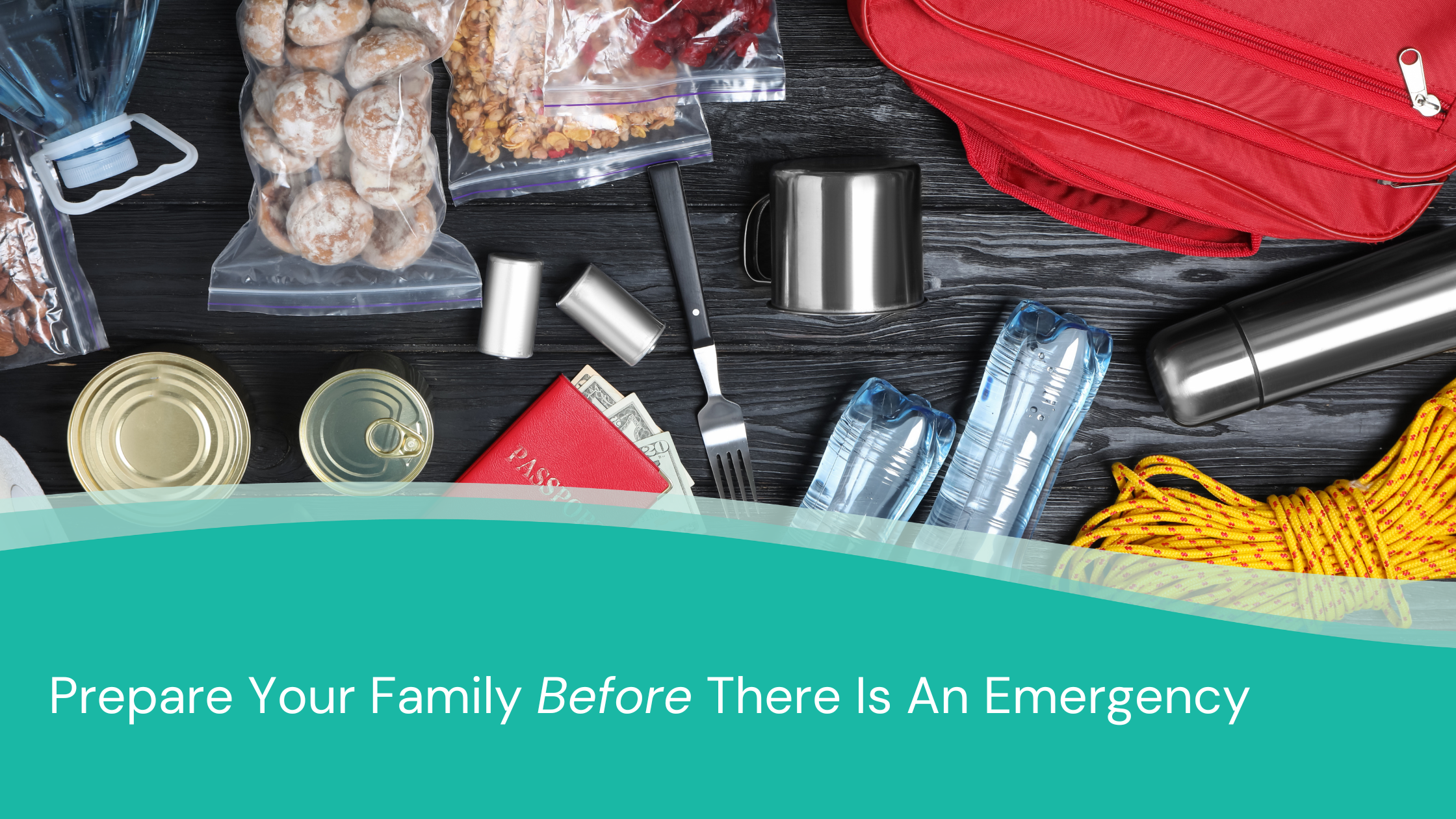
  3. Put Together an Emergency Kit – A comprehensive emergency kit should go beyond just having a first aid kit and a cellphone. Your emergency kit should – at a minimum – include basic things such as: 
    • Water
    • Food
    • Flashlight (with extra batteries)
    • Dust/Contaminant Masks
    • Soap, Hand Sanitizer, and Disinfectant Wipes
    • Cash or Travelers Checks
    • Copies of Important Documents
    • Cell Phone and Chargers/Cables
    • A thorough First Aid Kit including Over-The-Counter Drugs
    • Extra Supplies of Prescriptions for all members of the Family

Emergencies are traumatic and stressful even when your family is prepared and rehearsed, but they can become deadly if you are without access to life-dependent medications. Get our free 72hr kit guide below:

4. Education – Learn basic first aid, CPR, symptom identification for medical conditions within the family, various survival skills, alternate methods of local travel, alternate methods of communication and staying informed on local, and national events. Follow your local news outlets and local law enforcement on social media as this will usually be the most up to the minute source of information, and instruction. Knowledge is your most powerful tool in an emergency. Having a plan and having a kit are great, but only if you know how to utilize them. Consider taking classes as a family unit. There are both local and online classes tailored to Family Preparedness that you can all complete together so no one has any knowledge gaps and everyone knows what to do, and who will do what.

5. Build A Community Beyond Your Immediate Family – there’s a reason they say there’s strength in numbers. Allocating tasks, and having additional people can help make a common goal more easily achievable. Everyone can be a resource in some capacity. Join local groups online, reach out to neighbors, attend community meetings, and have discussions. If these local meetings or groups don’t exist, create them and foster collaboration! The CDC has some great tips on building community here. If everyone works together, everyone can get through the emergency together.


Tomorrow may be too late

Emergency Preparedness is an ongoing, dynamic task of planning, organizing, training, equipping, and evaluating. It may sound daunting, but the payoff of knowing your family is ready, is well worth the price of admission. Many aspects of an emergency can be life threatening, but the only one you can assuredly combat is making sure you have access to your prescription medications. Order your Jase Case today!

Lifesaving Medications

Everyone should be empowered to care for themselves and their loved ones during the unexpected.

Recent Posts

Keeping you informed and safe.

Drug Shortages: Causes & Solutions

Drug Shortages: Causes & Solutions

While things are being done at the national level to combat global shortages, there's more individuals can do at home. The Complexities of Prescription Drug Shortages Prescription drug shortages have reached unprecedented levels in recent years, disrupting the supply...

read more
Common Back to School Illnesses

Common Back to School Illnesses

Diligent hygiene is key to preventing most illnesses kids get, but when that's not enough, medication intervention is common and recommended.10 Most Common Back to School Illnesses & Physician Recommended Medications As kids go back to school for the year, most...

read more

Join Our Newsletter

Our mission is to help you be more medically prepared. Join our newsletter and follow us on social media for health and safety tips each week!

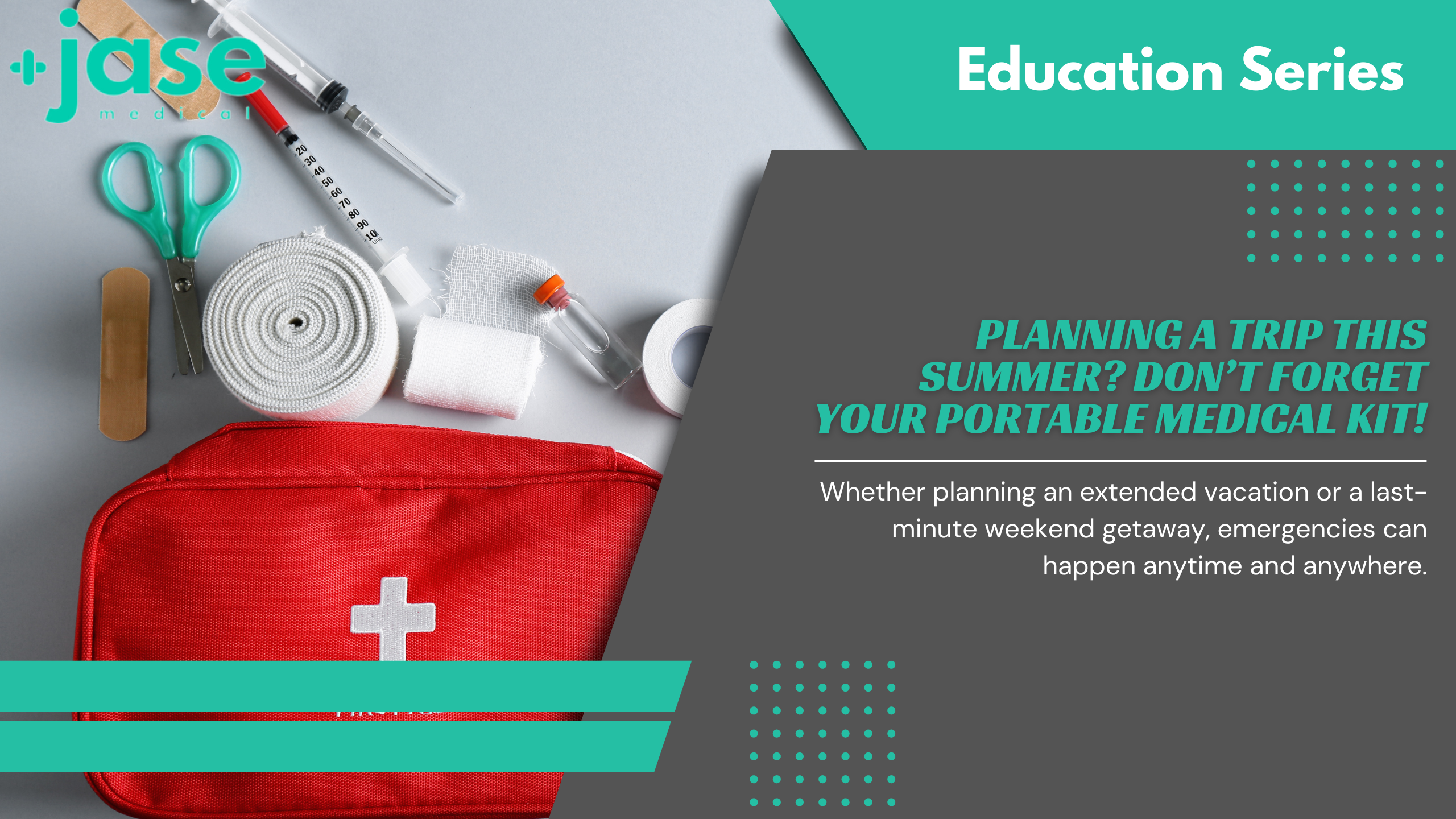
Planning a Trip This Summer? Don’t forget your Portable Medical Kit!

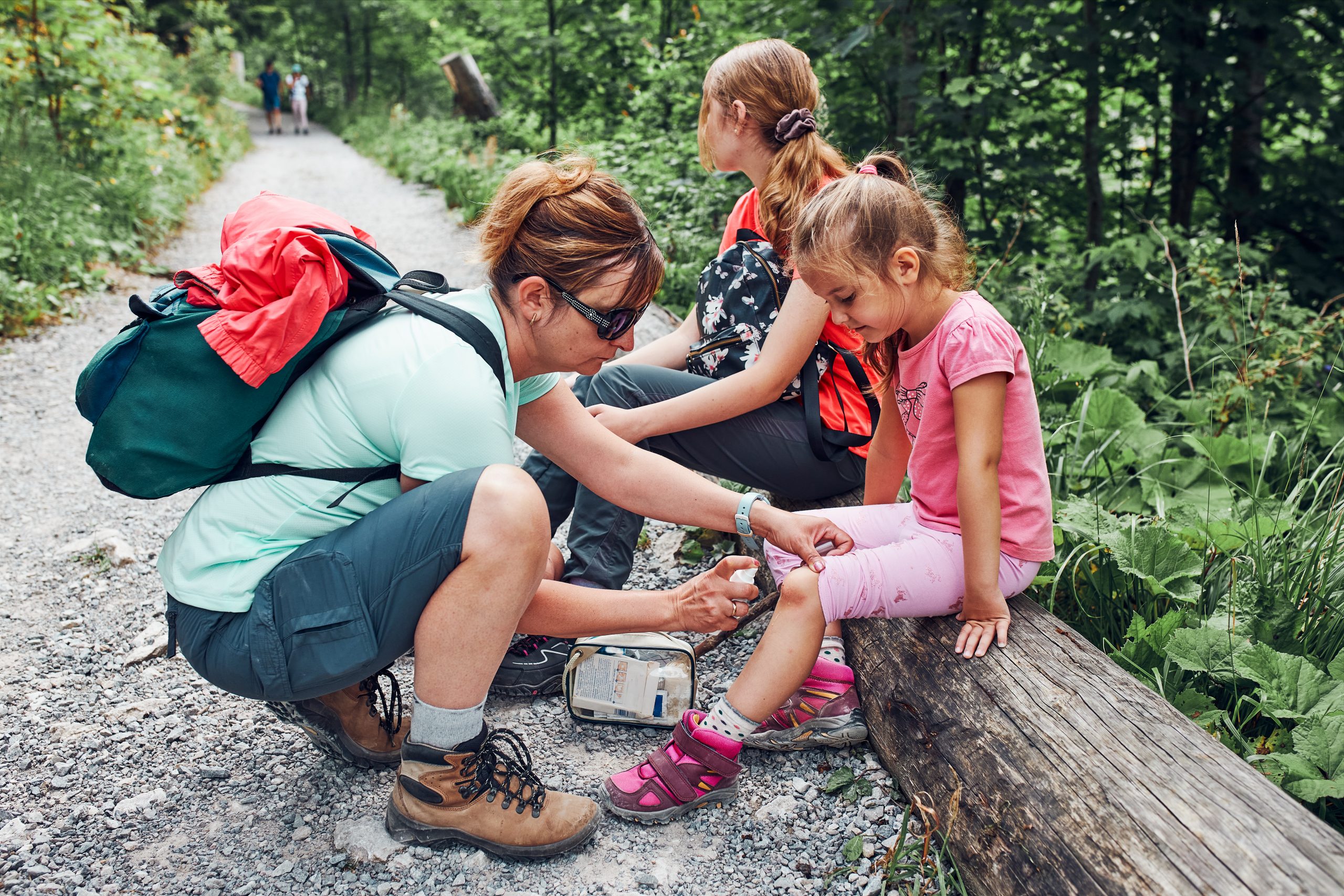
Whether planning an extended vacation or a last-minute weekend getaway, emergencies can happen anytime and anywhere. A portable, grab and go kit that carries not just basic first aid supplies but things you may need to prevent or manage minor illnesses can keep you and your family from having to interrupt your plans by seeking medical attention.

Depending on where you are headed- the great outdoors or jetting out of town, there are always a few things that traveling anywhere has in common.

  1. Your schedule is different, so your immunity is lower. Even if you plan your trip around your awake/asleep cycle, the very fact you are traveling makes life stressful. Stress doesn’t necessarily have to be a negative event. Even “good” stress can compromise health- Negotiating travel- whether by car or plane can be stressful. The end goal may be geared toward a fun filled vacation, but getting there may not be. Our immune system isn’t too happy with us when we are stressed and tends to not be as strong. Strange water, food, schedules and new areas traveled can set us up for illnesses we normally would shake off. For instance, you pull into a roadside restaurant (or airport food court) for a quick bite. You eat and leave, not knowing that the food wasn’t thoroughly cooked (rush hour). Several hours later, diarrhea, vomiting and low grade fever hit. These are classic signs of salmonella poisoning (from contaminated food). When functioning properly, the stomach has natural defenses against salmonella poisoning. The high acid content kills the bacteria. However, when our regular diet and routine are interrupted, we can succumb to illnesses that normally wouldn’t affect us.

 If able, have a cooler full of foods you normally eat to snack on your trip. Try not to eat out if possible. If traveling by plane, purchase bottled water, avoid drinking faucets (dangerous bacteria has been found in drinking fountain water) Bring extra food in case plane is delayed.

2. Heat and travel don’t mix- Be sure to keep plenty of water and electrolyte mix on hand . Dehydration is a very serious condition, leading to kidney failure and death. If you are traveling in an area known to be hot (even if it isn’t) be sure to pack electrolyte powder in your portable medical kit. If possible, travel early in the morning before the heat of the day. Keep a water bottle filled with water for each passenger in the car. Don’t forget about pets; remember a water dish and extra food for them also. Have at least an extra gallon of water stored in addition to each person’s water bottles.

3. Take frequent breaks- if traveling by car, trade drivers. Highway hypnosis is real. The monotonous job of driving for hours can lead to falling asleep at the wheel even though you don’t realize it. Take advantage of travel rest areas. Get out and stretch your legs. If you are the sole driver and are feeling fatigued be sure to pull over and take a nap or find a hotel if it is getting late.

In addition to a standard first aid kit, a travel medical kit should be added for extended trips away from home.

This type of kit should include:

  • Extra prescription medication and any otc supplements or vitamins- at least several days more than you think you may need in case your trip home is delayed.
  • Anti diarrheal medication (Imodium or Pepto-Bismol)
  • Age appropriate fever and pain reliever for all in group) Tylenol, ibuprofen, naproxen, etc.)
  • Antihistamine for allergic reactions and seasonal allergies
  • Sunscreen (with UVA and UVB protection, SPF 15 or higher)
  • Sunburn cream or Aloe gel
  • Moist towelettes to wipe hands in case there is no clean water at rest stations or airport restrooms.
  • Electrolyte powder packs
  • Travelers’ diarrhea antibiotic (check out Jase case antibiotics if you haven’t already)
  • Diarrhea medicine (Imodium or Pepto-Bismol)
  • Antacid (Tums)
  • Motion sickness medicine (Dramamine)
  • Cough drops, cough suppressant, or expectorant
  • Mild laxative
  • Hand sanitizer (containing at least 60% alcohol) or antibacterial hand wipes
  • Water purification tablets
  • Insect repellent (with an active ingredient like DEET or picaridin) Some essential oils have proven insect repellant properties. Check out this research paper for more information.
  • Insect bite anti-itch gel or cream (calamine lotion, hydrocortisone cream)
  • Cotton swabs (Q-Tips)
  • Tweezers
  • Paper cups

- Brooke Lounsbury, RN

Medical Content Writer

Lifesaving Medications

Everyone should be empowered to care for themselves and their loved ones during the unexpected.

Recent Posts

Keeping you informed and safe.

Join Our Newsletter

Our mission is to help you be more medically prepared. Join our newsletter and follow us on social media for health and safety tips each week!

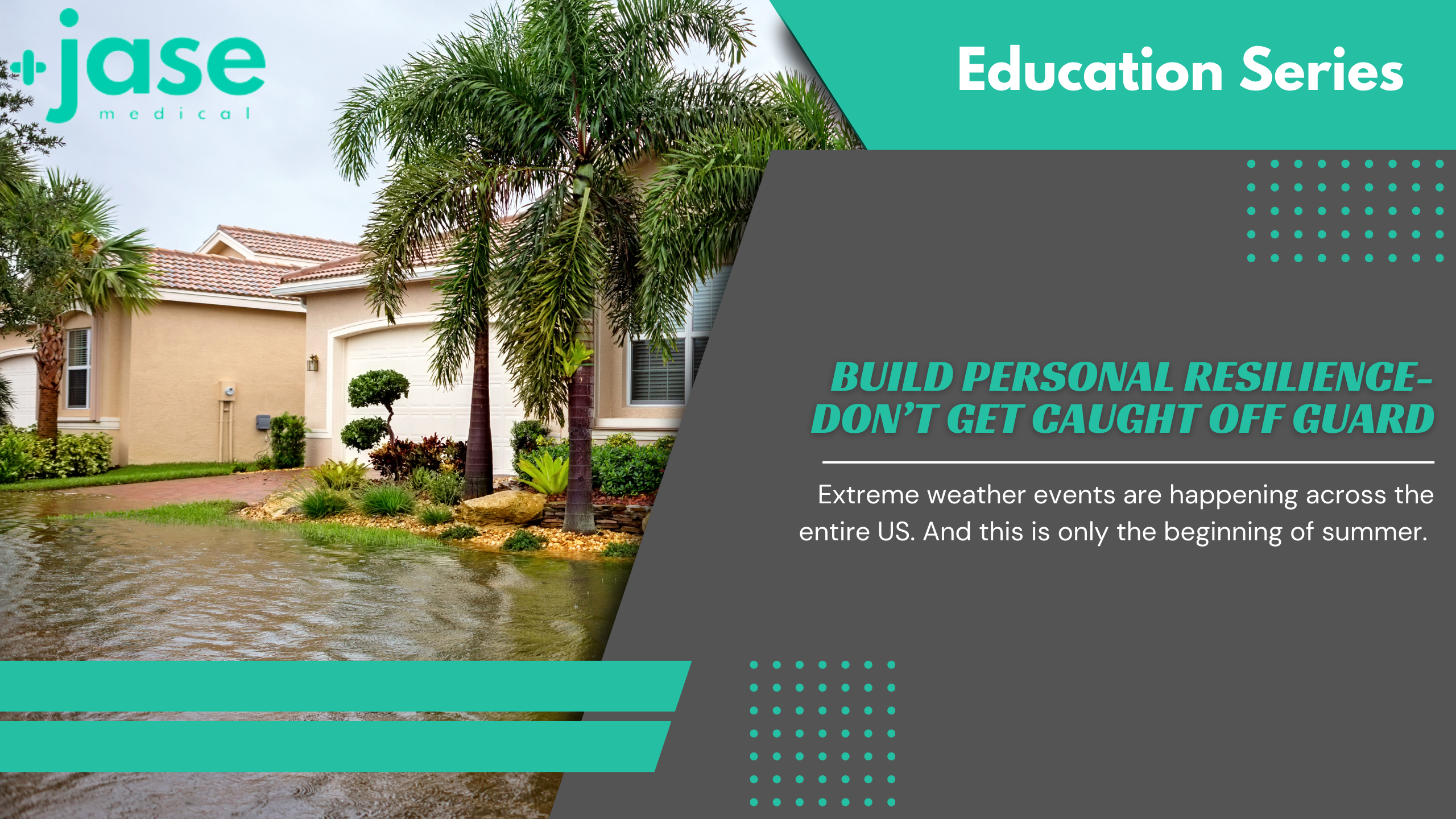
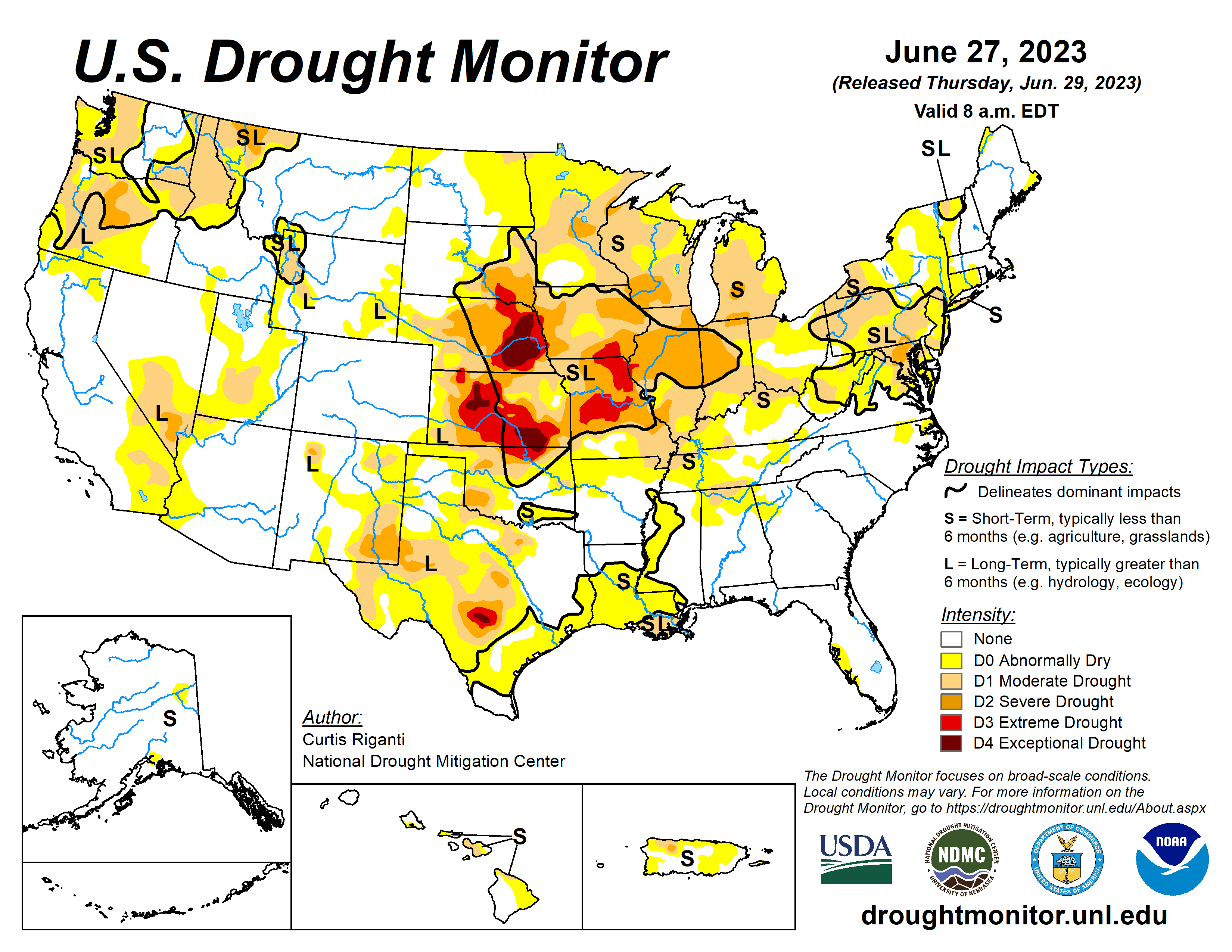
Build Personal Resilience- Don’t Get Caught Off Guard

Extreme weather events are happening across the entire US. And this is only the beginning of summer.

The massive amounts of weather-related events already happening is setting the stage for a severe supply chain disruption. Tornados and hurricanes knocking out infrastructure- warehouses holding medications, food, and basic needs are already feeling the pinch. Along with supply disruption, workers at these warehouse unable to get to their jobs adds to the chaos.  Supplychain24/7, a supply chain solutions company actively seeks and researches solutions to supply chain issues. They are working towards resiliency in the supply chain. They study logistics trends, weather related disruptions, and continue to work towards solutions that help close the gap in disruptions.

Build your own personal resiliency plan. The government isn’t going to save you

Over and over we see how limited our EMS and infrastructure services are when it comes to widespread natural disasters. Basic services, such as restoring the electric grid, sewer and garbage services keeping roads cleared, transporting patients to working hospitals, Answering calls for weather related injuries, rescue operations, and more stress the emergency workers beyond capacity.

These weather-related shortages can be mitigated by implementing a plan- and following through on it. The lives of you and your loved ones depend on a well-executed plan when, not if disaster strikes.

Build your emergency medical kit

Along with first aid supplies, consider all the people you are responsible for medical needs. Does anyone use inhalers for asthma? A clear airway is the highest priority when it comes to survival.  If an asthma exacerbation occurs from wildfire smoke, do you have a nebulizer (Amazon carries inexpensive portable nebulizers) along with extra tubing and masks? Contact your care provider for extra solution for the nebulizer. By the way, fo you have a way to use the nebulizer if the power goes out? A portable generator, solar unit or battery?

Insulin dependent diabetics require not only the insulin but blood testing supplies and glucometer. If you or anyone in your household is insulin dependent, do you have a way to store extra insulin, have extra testing supplies and insulin? A small refrigerator that plugs into the car or outlet on a generator would be a wise investment to store insulin and other temperature sensitive medications.

Do you have an adequate supply of medications? If you weren’t able to get to a pharmacy or clinic for an extended period, say 3 months, would you and your family have enough medication and first aid supplies until the supply chain was restored? If not, check out Jase Daily for a year’s supply of prescription meds. It’s an easy and affordable way to ensure an uninterrupted supply of lifesaving medications in the event of a drug shortage.

How does your supply of over-the-counter drugs and supplies add up?

Along with your medical kit, over the counter drugs and medical supplies can be lifesaving.

  • Bottled water and water filter if water runs out (check out Membrane Solutions for portable water filters)
  • Electrolyte powder or solution
  • Antihistamines (Benadryl or other antihistamine)
  • Antipyretics, anti-inflammatories, pain relievers,
  • GI meds- anti diarrheal stool softeners, laxatives, heartburn meds,
  • Burn cream, eye wash solution, sunburn cream, calamine lotion, aloe gel, ice packs
  • Thermometer- age appropriate
  • Blood pressure cuff if using a digital cuff, make sure you have adequate batteries)
  • Penlight and batteries
  • Bandages, gauze, tape, mole skin for foot sores, tweezers, bandage scissors, otoscope
  • For infants- bulb syringes, thermometer diaper rash cream, fever reducer meds, extra formula, electrolyte replacement (such as Pedialyte)

- Brooke Lounsbury, RN

Medical Content Writer

Lifesaving Medications

Everyone should be empowered to care for themselves and their loved ones during the unexpected.

Recent Posts

Keeping you informed and safe.

Join Our Newsletter

Our mission is to help you be more medically prepared. Join our newsletter and follow us on social media for health and safety tips each week!

Hurricane Season is Here!

Prepare now so you aren’t sorry later

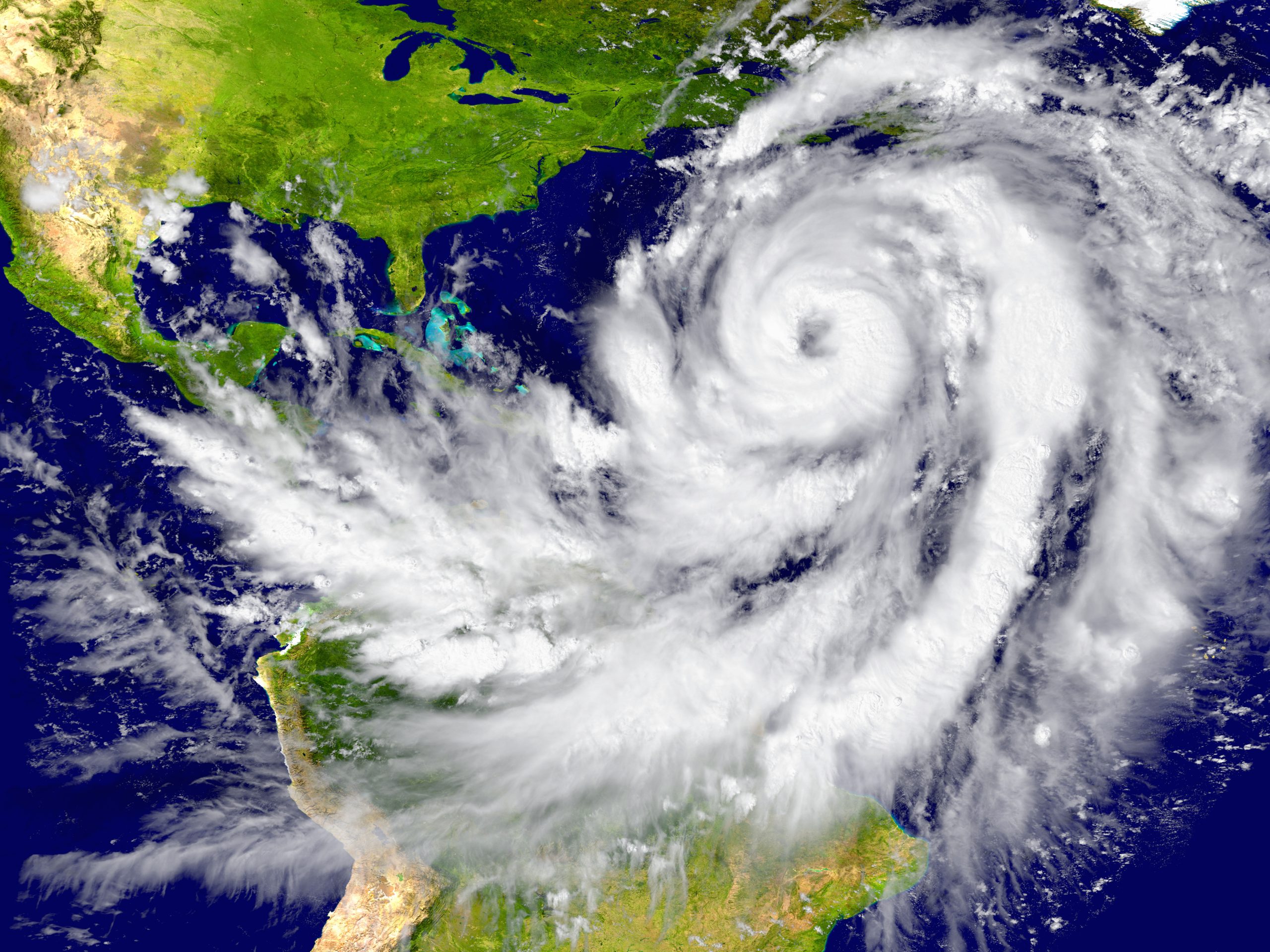
June 1st marks the beginning of hurricane season, and predictions are that it will be a “near normal” season. According to the National Oceanic and Atmospheric Association (NOAA) the 2023 Atlantic hurricane season, which runs from June 1 to November 30, predicts a 40% chance of a near-normal season, a 30% chance of an above-normal season and a 30% chance of a below-normal season. What does that mean in terms of how many hurricanes there will be, and if you live along the Atlantic seaboard or gulf coast, how will that impact you?

NOAA is forecasting a range of 12 to 17 total named storms (winds of 39 mph or higher). Of those, 5 to 9 could become hurricanes (winds of 74 mph or higher), including 1 to 4 major hurricanes (category 3, 4 or 5; with winds of 111 mph or higher). NOAA has 70% confidence in these ranges

Hurricane destruction is just the tip of the iceberg

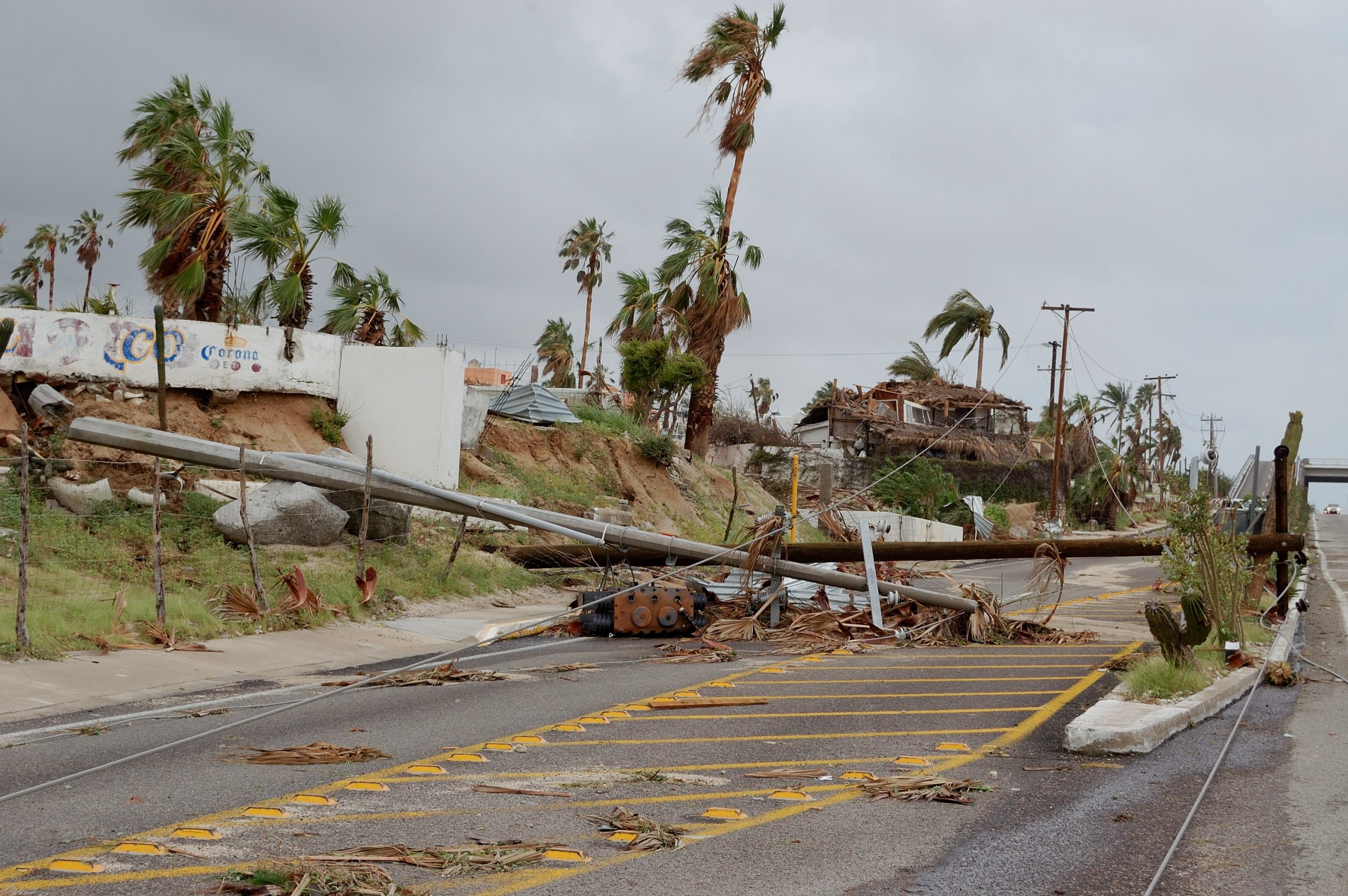
Hurricanes and their aftermath cause devastation to homes, businesses hospitals and disrupt emergency infrastructure that can last for months.

Hurricanes start as extreme winds. From there storm surges and flooding result.

Extreme winds

When the National Weather Service issues an extreme wind warning, a hurricane is imminent. Extreme winds are sustained winds of 115 mph or more. These winds can tear roofs off buildings, uproot trees and take lives. Take shelter immediately.

Storm surge

While hurricanes cause devastating loss to buildings, structures and loss of life, storm surges, are just as, if not more dangerous. A storm surge is caused by a storm’s winds pushing water onshore- above the tide level. The greatest threat to life comes from the water – in the form of storm surge. Water rushes through streets and towns, pushing debris, outdoor furniture and even cars further inland. This creates a dangerous situation.

There are storm surge watches or storm surge warnings. A surge warning  is a life-threatening inundation of rising waters within 36 hours, a surge watch a life-threatening inundation of rising waters within 48 hours.

During a surge, large areas of land may be covered with flooding, roads may be washed out, dwellings uninhabitable for an extended period of time, and marinas, piers and docks may be washed away. Follow local officials’ instructions and don’t ignore warnings.

Inland flooding

Inland flooding following a hurricane can last for days, and in some cases even weeks. This type of flooding can go hundreds of miles inland. These can start as surges, paving the way for floods. However, relentless downpours from tropical storms- usually after a hurricane hits landfall- play a major role in inland flooding.

When you live in a hurricane designated area

Before storm season

  • Have adequate supplies whether you shelter in place or evacuate. Keep enough bottled water on hand for several days. In addition, have a portable water filter (Sawyer mini water filter has a proven track record of reliability) ready. FEMA has put together a basic emergency supply list In addition to the supplies listed in this document, consider having a supply of antibiotics (check out the Jase Case) ready after the storm has passed. The aftermath of hurricanes- storm surge, flooding, displaced sewage, and garbage create conditions that facilitate the spread of infections- namely hepatitis A, norovirus, poliovirus and tetanus. This is especially true when residents have to flee their homes and are in emergency shelters or forced to relocate out of area. Hospital infrastructure is overwhelmed, medical supplies quickly diminish or become altogether unavailable. Along with your everyday medications, have your Jase case easily ready to grab and go.
  • In addition, keep your gas tank topped off. Gas pumps quickly dry up during a storm.

For those that do stay or return to their homes after a hurricane, carbon monoxide poisoning is the number one killer. In 2008 hurricane Ike, a category 2 storm with sustained winds of 110 mph, injuries-carbon monoxide and drowning led the list.  Firing up gas grills without adequate ventilation, generators too close to the home carry carbon monoxide into the house. Be especially careful when dealing with propane or gas in the aftermath of a natural disaster of any sort. Plan for your grill or generator to be adequately ventilated.

  • Be alert to news reports. Many storms start as tropical storms. Have a battery-operated radio, along with extra batteries ready. Phones and televisions have EMS warnings transmitted. Be sure that your phone has that capability turned on. Advisories and instructions will be transmitted as they are available.
  • Know your evacuation zone. If you are unsure which zone you live in, check this link here. Have an evacuation plan. If you don’t have a vehicle, arrange with a neighbor, or check with local emergency officials to locate transportation before a storm hits.
  • If you have time and are able, board up windows and secure patio furniture.
  • Don’t forget to document- with pictures, videos and receipts your possessions for file with insurance in case disaster hits your home.

During storm

  • Listen to and follow EMS instructions via radio, phone and televised reports
  • Make sure your car is packed with adequate supplies and water for an extended time frame
  • If you need to evacuate, be very careful driving on flooded roadways. Even 6 inches of water on the road can sweep a car away.
  • Make sure everyone in your party understands what to do and follows instructions.
  • Check on elderly and disabled neighbors. If able, help them to evacuate. If unable to assist, contact local officials and let them know the location and name of persons needing assistance.

After the storm

  • Follow EMS instructions – make sure it is safe to return home
  • If your home has been flooded, enter with caution. Make sure gas and electric lines are shut off. or check with local utilities if there has been storm damage.
  • Mold can be a real health risk. If you suspect any mold, consult a local mold remediation company to clear it up. If you must enter your home after flood wear a well-fitting N95 mask and eye protection.

- Brooke Lounsbury, RN

Medical Content Writer

Lifesaving Medications

Everyone should be empowered to care for themselves and their loved ones during the unexpected.

Recent Posts

Keeping you informed and safe.

Join Our Newsletter

Our mission is to help you be more medically prepared. Join our newsletter and follow us on social media for health and safety tips each week!