Five Halloween Hazards That Look Harmless By the Jase Medical Team The scariest things this Halloween might not look scary at all. A bag of black licorice. A pair of costume contacts. A medication you take every night. A mushroom growing in the yard. A bat that...
Are You Prepared For A Cyber Security Attack?
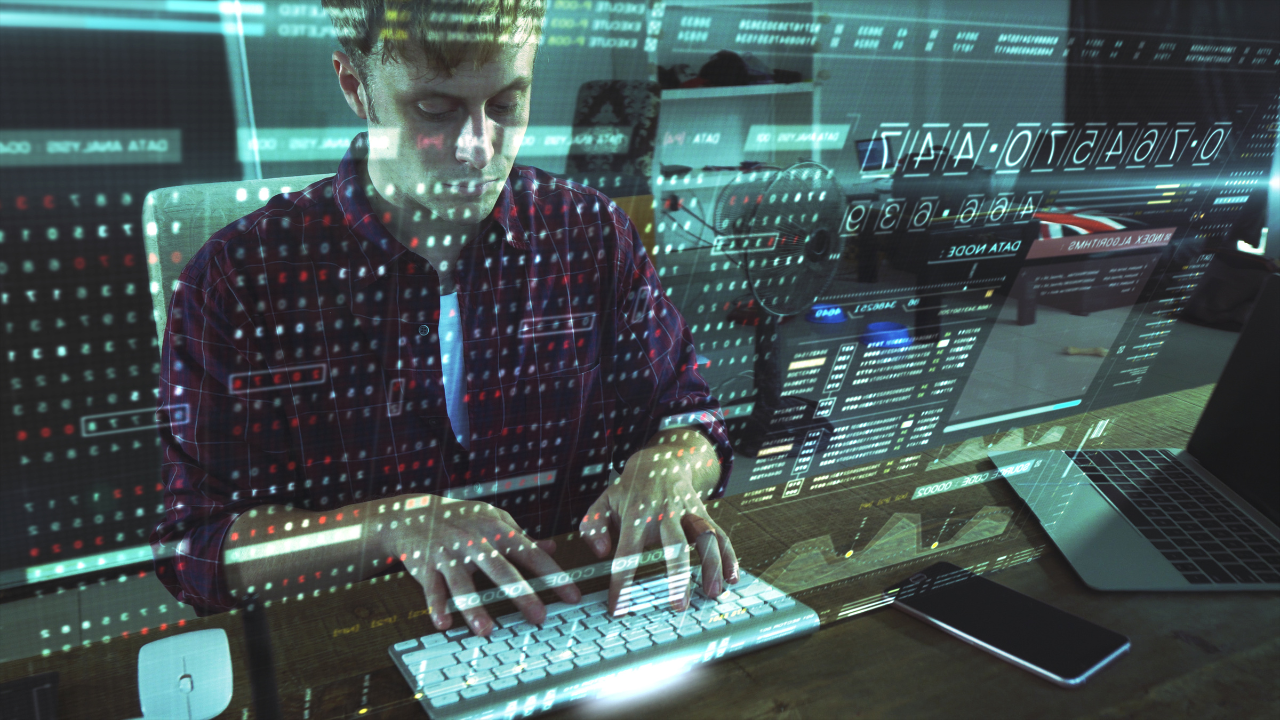
Cyber security is more important than ever as more and more personal information is available online.
Cyberattacks are malicious attempts to access information or damage a computer or network system. Cyberattacks can lead to information leaks, money loss or theft of sensitive information. On a larger scale, it can affect organizations, communities and the nation.
Cybersecurity involves preventing, detecting and responding to cyberattacks. Taking a few small steps can make your information more secure and can prevent loss of finances and valuable information.
Here are a list of steps to take to protect yourself and your information:
- Limit the amount of information you share online and change privacy settings to not use location services.
- Make sure to update software, applications, and operating systems up to date.
- Create strong passwords. Use Upper and lower case letters, numbers, and special characters.
- Do not use the same password for multiple accounts.
- Use a password manager and two methods of verification whenever possible.
- When in doubt do NOT click on unknown links, especially if they ask for personal information. More than 90% of successful cyber attacks start with a phishing email.
- Protect your home or business by using a secure internet connection and Wi-Fi network.
- Change passwords frequently
- Don’t share PINs or passwords.
- Use devices with biometric scans when possible.
- Check your account summaries and credit reports regularly.
- If you do have to share personal or financial information online, make sure it is a secure site that begins with https://. Using a virtual private network (VPN) can also provide a secure connection.
- Use antivirus (ex: Norton), antimalware (ex: Malwarebytes), and firewalls to block threats.
- Back up your files regularly in encrypted files.
- The government will NOT call, text, or contact you via social media about owing money.
- Brooke Lounsbury
Medical Content Writer
Lifesaving Medications
Everyone should be empowered to care for themselves and their loved ones during the unexpected.
Recent Posts
Keeping you informed and safe.

Five Halloween Hazards That Look Harmless

For Clinicians | Trick or Treatment? 5 Halloween Health Facts From a Pharmacist
For Clinicians | Trick or Treatment? 5 Halloween Health Facts From a Pharmacist By Dr. Jamie Wilkey, PharmD, Director of Clinical EducationMedically reviewed and edited by Kristen Carpenter, PA-C Halloween is this week, so we’re taking a break from our in-depth...
After a Tick Bite: Why the Lyme Disease Rash Doesn’t Always Look Like a Bull’s-Eye
After a Tick Bite: Why the Lyme Disease Rash Doesn't Always Look Like a Bull's-Eye By the Jase Medical Team You found a tick attached to your skin. You removed it. Now what? Most people know to watch for signs of Lyme disease after a tick bite. But there's a problem...