
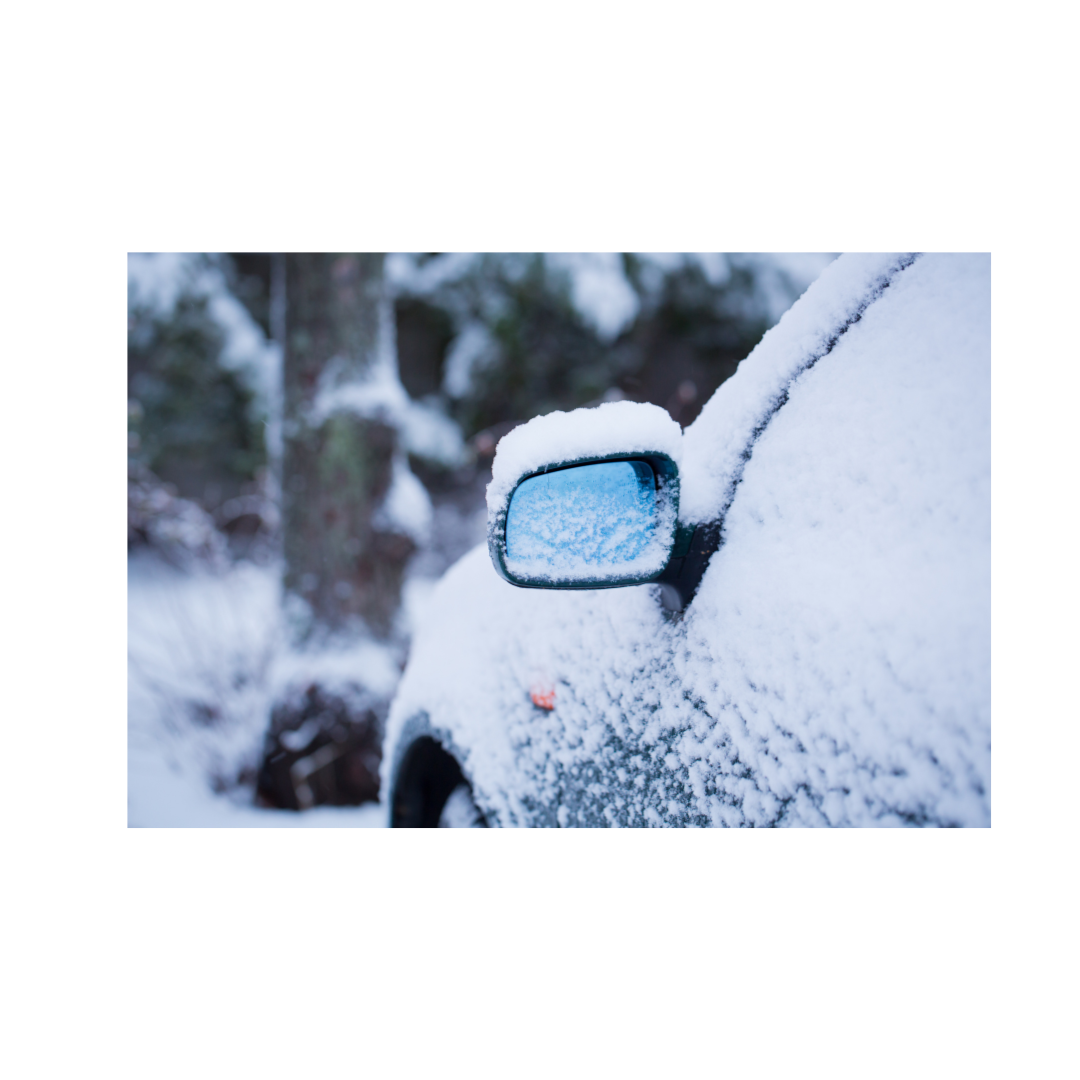
Winter is a great time to snuggle up by the fire, have a mug of hot chocolate, or make a snowman, but colder temperatures can also create a higher risk for car accidents, hypothermia, and frostbite. Winter storms and inclement weather can last for days and leave you without power, heat, or communication services which can leave older people, children, or sick people at greater risk.
There are some easy steps to take now to prepare yourself, family, and your home for the upcoming winter weather so you are best protected.
It is important to be prepared for winter weather at your home, work, and in your car.
HOME/WORK
Prepare your home and/or work space to keep out cold weather with proper insulation, caulking, weather stripping, etc. Make sure you know how to keep pipes from freezing and install smoke alarms and carbon monoxide detectors with battery back-ups. Make sure you have supplies in case you get stranded or need to stay in one place for several days without power. Consider extra water, non perishable snacks, extra batteries, flashlights and a radio, but also consider the needs of each person and pet in your family and what they may need, like certain medications or specific supplies. Limit your time outside if possible. If you need to go outside, make sure you are prepared with appropriate clothing and monitor for signs of hypothermia and frostbite.
CAR
In your car it is important to have some emergency supplies which might include:
- Jumper cables
- Sand or cat litter
- Flashlight
- Warm clothes
- Blankets
- Bottled water
- Non-perishable snacks
Try and avoid traveling if possible when inclement weather is approaching. If you need to travel, make sure you have a full tank of gas just in case you get stranded. If you do get stranded in your car, avoid going outside if possible.
- Brooke Lounsbury
Medical Content Writer
Lifesaving Medications
Recent Posts
Keeping you informed and safe.
Burns in a Blackout
Burns in a Blackout: First Aid When the Tap Doesn't Run By the Jase Medical Team Almost every burn first aid guide starts with the same instruction: cool the burn under clean, cool running water. But what happens when the tap doesn't run? For households that rely on a...
For Clinicians | Burn First Aid Without Running Water
For Clinicians | Burn First Aid Without Running Water By Dr. Jamie Wilkey, PharmD, Director of Clinical EducationMedically reviewed and edited by Aaron Asay, PA-C, DMSc, FIBODM, FAWM Every burn first-aid guide starts the same way: cool it under running water. That's...

What to Do If You’re Bitten by a Snake?
What to Do If You're Bitten by a Snake: Forget What the Movies Taught You By the Jase Medical Team If you're bitten by a venomous snake, forget almost everything the movies taught you about snakebite first aid. Don't cut an X over the fang marks. Don't suck out the...