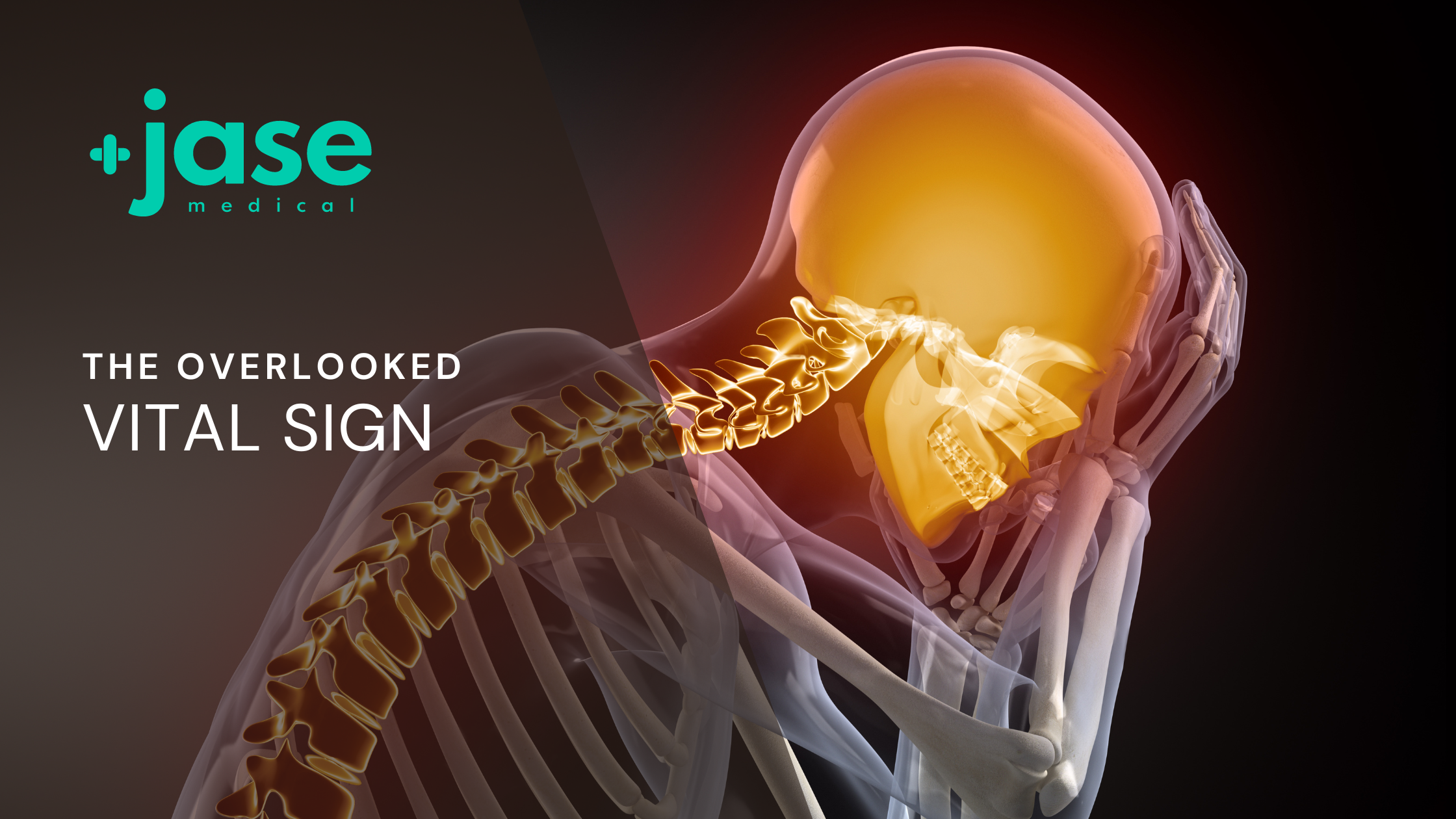
The Overlooked Vital Sign

As long as man has walked the earth, pain has been part of life.

Pain is defined as a localized or generalized unpleasant bodily sensation or complex of sensations that causes mild to severe physical discomfort and emotional distress and typically results from injury or disease. It is a complex mechanism that alerts us to injury or illness. Pain isn’t a pleasant experience; however, it can save your life.

Why is pain called the 5th vital sign?

In 1995, Dr. James Campbell addressed the American Pain Society urging that health care providers treat pain as the “fifth vital sign” (The other vital signs are blood pressure, heart rate, temperature, and respiratory rate.) highlighting the need for improved pain care. The tide has turned for the better. Historically, care providers hadn’t adequately managed pain. It is now considered a very important part of a patients assessment and well-being.

Pain can be both physical and psychological. In fact,  physical and psychological pain share the same neuro mechanisms and the same regions of the brain where these processes take place. In addition, both physical and psychological pain stems from inflammation and the inflammatory response.

Physical pain-acute and chronic

Acute pain- Acute pain comes suddenly, can be severe and resolves over a short period of time (within a month or so). Injuries, illnesses (such as sore throat), labor and childbirth, dental work, are classified as acute pain.

Chronic pain- Chronic pain is pain that lasts a sustained period, usually lasting 3 or more months. Examples are arthritis, bone healing after break, cancer, back pain, fibromyalgia, autoimmune diseases. Chronic pain can cause tense muscles, lack of energy, depression, and anger, which can lead to psychological pain. An estimated 35-45% of chronic pain sufferers experience depression.

Psychological pain- Rejection, loss of a loved one, loss of job or health and chronic pain are a few ways psychological pain can manifest. These emotions (anger, depression, rejection, loss) can trigger inflammation, which in turn can cause psychological pain. Which then manifests as physical pain.

Assessing pain-verbal and nonverbal/physical cues

Seek medical attention if experiencing abdominal pain, pain from an injury, trauma, pain for unknown causes or a fever for unknown reasons.

Depending on the age and mental capacity of the patient, pain can be expressed in either verbal, nonverbal/physical. Young children, infants, and patients with cognitive deficits (Alzheimer, autistic) won’t be able to adequately report pain. It is important to assess the person’s ability to accurately express their pain. Dementia patients may state they aren’t hurting; however, their body language may reveal otherwise. The same goes for young children. Nonverbal cues should be relied on in these groups. Observe and evaluate.

Verbal expressions- Yelling, crying, tears, hyperventilating, stating they are in pain, moaning, calling out for help are examples of verbal expressions of pain.

Ask:( Verbal patients with no age related (young children and infants) or cognitive impairment)

  • Type of pain? Stabbing, burning, aching, dull, throbbing sharp, cramping?
  • Location (is there more than one place)
  • Duration/activity- How long has it hurt? Does the pain come and go? Is there pain with specific activity- are there activities that make the pain worse? Are there any activities or postures that provide pain relief?

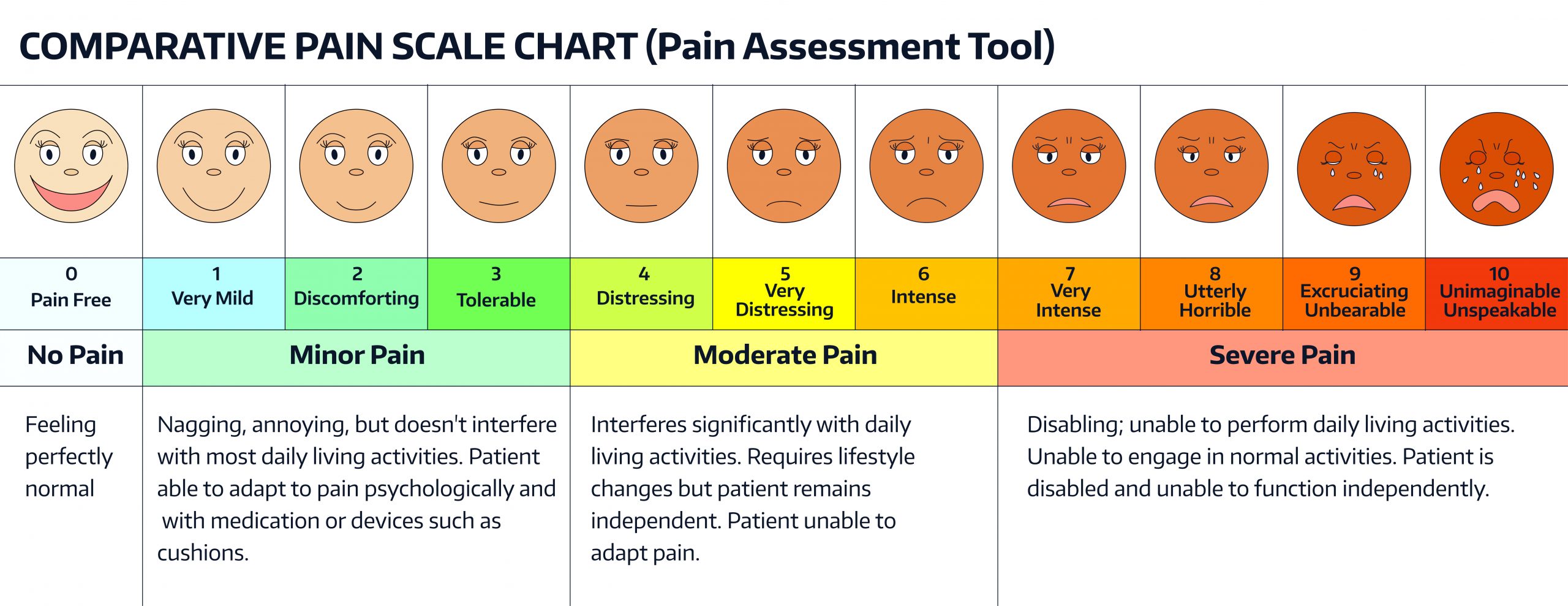
Use the pain scale assessment to determine severity of pain

Nonverbal/physical- Some nonverbal expressions of pain include facial expression of pain, altered gait/limping, rubbing a body area, tense tone/rigidity, decreased movement, guarding a part of the body that is hurting, pacing, rocking, fidgeting, increased heart rate and blood pressure, sweating. This type of assessment will be necessary when working with nonverbal patients and very young children.

Infants pain communication

Infants- Since infants can’t tell you when they are in pain, it is very important to know the signs of distress/pain.

  • They may cry or whimper and be unable to settle.
  • They may be tense, with clenched fists and may keep their arms and legs close to their chest.
  • They may be fidgety, agitated or have a disturbed wake / sleep schedule.
  • They may be pale, flushed or sweaty.
  • They may shut their eyes tightly, furrowing their eyebrows or have larger than normal pupils.

The NIH has developed a neonatal/ infant pain scale, which can be accessed here. This is a handy tool to help determine your child’s level of distress/pain.

Interventions

(Always check with your care provider if the pain is excessive, unknown in origin and before taking any over the counter medications)

Pain scale

Utilize the pain scale assessment tool. Have them point to which face they feel best describes how they are feeling or use the 1-10 severity of pain level tool.

Medication

Since pain causes inflammation, anti-inflammatory drugs such as ibuprofen and naproxen can help. Pain can cause muscles to tense (guarding) which can make the pain worse. Talk to your care provider about therapies or drugs that may help with this.

Nonpharmacological interventions to relieve pain

Both acute and chronic pain sufferers can benefit from several therapies to relieve pain.

Some of these therapies/interventions are:

  • Accupuncture– involves the insertion of extremely fine needles into the skin at specific “acupoints.” This may relieve pain by releasing endorphins, the body’s natural pain-killing chemicals, and by affecting the part of the brain that governs serotonin, a brain chemical involved with mood.
  • Companionship can relieve anxiety and take the focus off the pain.
  • Positioning to relieve pain.
  • Hot/cold therapy Depending on the type of pain (injury or cramp, for instance) heat or cold can be a powerful tool to alleviate pain.
  • Massage therapy- Especially effective if tense from pain.
  • Meditation/prayer can calm the mind and body.
  • Relaxation/guided imagery positive, guided imagery is beneficial by allowing the body to relax-check out this video on guided imagery
  • Deep breathing exercises- check out this video on deep breathing to reduce pain.
  • Transcutaneous Electrical Nerve Stimulation (TENS) is a procedure in which electrodes, placed on a person’s back, give off an electric signal that stimulates nerve cells through the skin. The numb-like feeling that results. It can help some people overcome pain. TENS blocks pain messages to the brain and modifies pain perception.

- Brooke Lounsbury, RN

Medical Content Writer

Lifesaving Medications

Everyone should be empowered to care for themselves and their loved ones during the unexpected.

Recent Posts

Keeping you informed and safe.
Join Our Newsletter

Our mission is to help you be more medically prepared. Join our newsletter and follow us on social media for health and safety tips each week!

April 4th is National Vitamin C Day!

Each year this powerhouse vitamin is celebrated for all the ways it benefits our health

What is vitamin C?

Vitamin C, also known as L-ascorbic acid, is a water-soluble vitamin, meaning that it dissolves in water and does not get stored in the body. Since we are unable to produce these vitamins, they must be consumed daily.

Sources- Food and supplements

(Source from NIH fact sheet on vitamin C)

Vitamin C is found in many food sources. Probably the most well known is the citrus family. While citrus fruit contain vitamin C, there are many other sources.

Food Milligrams (mg) per serving Percent (%) DV*
Red pepper, sweet, raw, ½ cup 95 106
Orange juice, ¾ cup 93 103
Orange, 1 medium 70 78
Grapefruit juice, ¾ cup 70 78
Kiwifruit, 1 medium 64 71
Green pepper, sweet, raw, ½ cup 60 67
Broccoli, cooked, ½ cup 51 57
Strawberries, fresh, sliced, ½ cup 49 54
Brussels sprouts, cooked, ½ cup 48 53
Grapefruit, ½ medium 39 43
Broccoli, raw, ½ cup 39 43
Tomato juice, ¾ cup 33 37
Cantaloupe, ½ cup 29 32
Cabbage, cooked, ½ cup 28 31
Cauliflower, raw, ½ cup 26 29
Potato, baked, 1 medium 17 19
Tomato, raw, 1 medium 17 19
Spinach, cooked, ½ cup 9 10


Other sources include rose hips (made into tea), sauerkraut, and supplements such as sodium ascorbate; calcium ascorbate; other mineral ascorbates; ascorbic acid with bioflavonoids.

A study revealed Liposomal vitamin C  is more bioavailable for the body. Liposomes are tiny, nano-sized bubbles normally made out of sunflower lecithin that mimic the body’s own cell membranes. It is absorbed directly into the cells compared to the bloodstream with supplemental vitamin C.

Health benefits

Increases iron absorption in foods

A recent study concluded that taking supplemental vitamin C with an iron supplement did not increase iron absorption.

Taking supplemental vitamin C along with iron rich non heme (not animal source) foods, such as  dried beans, nuts, grain products increased iron absorption.

However, when food sources of both vitamin C and iron are consumed iron absorption increased.

Vitamin C also:

  • Helps activate B vitamins
  • Is an antioxidant, neutralizing free radicals
  • Modulates natural killer (NK) cells
  • and stimulates immune system,
  • Provides protection against oxidative stress
  • Reduce heavy metal toxicity
  • Production of collagen
  • Aids in wound healing
  • Natural antihistamine
  • Lessens duration of colds
  • Improve insulin resistance and stabilize glucose levels

Dosage

Supplementation should be considered only if you are not able to consume enough vitamin C rich foods. Since there are so many versions of vitamin C on the market the following table, obtained from the NIH should be used as a guide only. Most supplements contain ascorbic acid which as been found to be the purest form.

Age     Male   Female Pregnancy     Lactation

0–6 months   40 mg*         40 mg*                  

7–12 months  50 mg*         50 mg*                  

1–3 years       15 mg 15 mg          

4–8 years       25 mg 25 mg          

9–13 years     45 mg 45 mg          

14–18 years   75 mg 65 mg 80 mg 115 mg

19+ years       90 mg 75 mg 85 mg 120 mg

Smokers        Individuals who smoke require 35 mg/day more vitamin C than nonsmokers.

If taken as a supplement, vitamin C should be taken in the morning or during the day, not at night, especially in people with GERD as this can make symptoms worse.

Vitamin C deficiency

Symptoms of vitamin C deficiency include:

Fatigue, inflammation and/or bleeding of the gums, brittle nails and hair, bruising easily, iron deficient anemia, and joint pain.

Vitamin C deficiency is unusual in developed countries; however some diseases can deplete vitamin C stores and lead to deficiency. Individuals with irritable bowel disease, celiac or other forms of intestinal inflammation are at risk for vitamin C deficiency.

Side effects of vitamin C supplementation

It is almost impossible to get too much vitamin C from diet alone. There are several side effects from taking vitamin C in supplement form. In most cases, excess vitamin C is excreted in urine within 24 hours. Some side effects are:

  • Nausea, vomiting and diarrhea
  • Heartburn
  • Stomach cramps or bloating
  • Headache
  • Skin flushing
  • Insomnia
  • Fatigue

Who should not supplement with vitamin C?

Consult with your primary care provider about vitamin C supplementation if:

  • Kidney disease or a history of kidney stones
  • Hereditary iron overload disorder (hematochromatosis)
  • Smoker (may need more than stated dose)

- Brooke Lounsbury, RN

Medical Content Writer

Lifesaving Medications

Everyone should be empowered to care for themselves and their loved ones during the unexpected.

Recent Posts

Keeping you informed and safe.

Join Our Newsletter

Our mission is to help you be more medically prepared. Join our newsletter and follow us on social media for health and safety tips each week!

Don’t Get Complacent- Avoid Burnout

5 Tips to get back on track to self-sufficiency.

Its that time of year again. Tax time, Spring break, plans for summer vacation, getting your garden started,playing and working outdoors are all forefront in our minds.

Oh yes, and pending war, famine, next pandemic, social unrest, solar flares, record breaking weather patterns (tornados in the South, epic rainfall and snow in the West), food and gas prices spiraling out of control, bank failures, supply chain disruptions. In fact, probably the most disturbing news so far came from the World Economic Forums’ Global Cybersecurity Outlook 2023 report where 86% Business and 93% of cyber leaders believe global geopolitical instability is moderately or very likely to lead to a catastrophic cyber event in the next two years. A mass cyber event would have far-reaching and untold hardship in ways we can’t even comprehend.

Let us not forget our medical system

Our medical system is now at tipping point leading to total collapse.  Hospitals closing, staff shortage, medical device shortage,( Cardiac diagnostic, and monitoring products, Specimen collection – testing supplies and equipment, Radiological devices, General ICU/ hospital products) the inability to perform procedures due to shortages of medications and instruments.

Overwhelmed? Now is NOT the time to shut down

As the war drums continually beat, as high food, energy and gas prices steadily climb to new highs, and as we face the reality that our medical system is in crisis, this isn’t the time to be complacent.

Breaks and vacations are important but don’t live there

Take a break from the noise of all the crises but don’t let this become your “new normal”. In fact, short vacations, hobbies, time with family and friends are vital to overall health and wellbeing. Schedule time away from screens and technology. Information overload causes us to feel we are powerless. This leads to complacency and the inability to think clearly. The survival of our families is dependent on our ability to navigate this unchartered territory.

We are entering a time never seen before in the history of the world.

Our global economy and trade have positioned us in a very precarious position; one where we may feel powerless. This couldn’t be further from the truth. We have amazing, untapped talents and abilities we never knew we had until we decide to get back in the game.

5 tips to get back on the track to preparedness and self-sufficiency

  1. Attitude is everything

Everything we believe we can or can’t do starts with attitude. Attitude can move mountains. By focusing on solutions instead of allowing the media and others to pull you down, step away from the negativity and work out ways to overcome obstacles. If the obstacle is too big, shelve it and revisit at a later date.

Start your day off on the right foot, and continue.

  • The first hour upon awakening sets the tone for the rest of your day. Stay off your phone that first hour. Instead, meditate, pray, reflect on what you are grateful for and if able get some natural first morning sunlight.
  1. Prioritize your day, week, month and year. Set realistic goals.

Set aside uninterrupted time to prioritize goals. Start by writing down the goals, then prioritizing them. Which are the most pressing and important? Number them, starting with #1 as the most important and pressing. Do you have a goal of paying off debt? Weight loss? Finishing a project or starting a hobby? Do you want to eat better within an already strained budget?

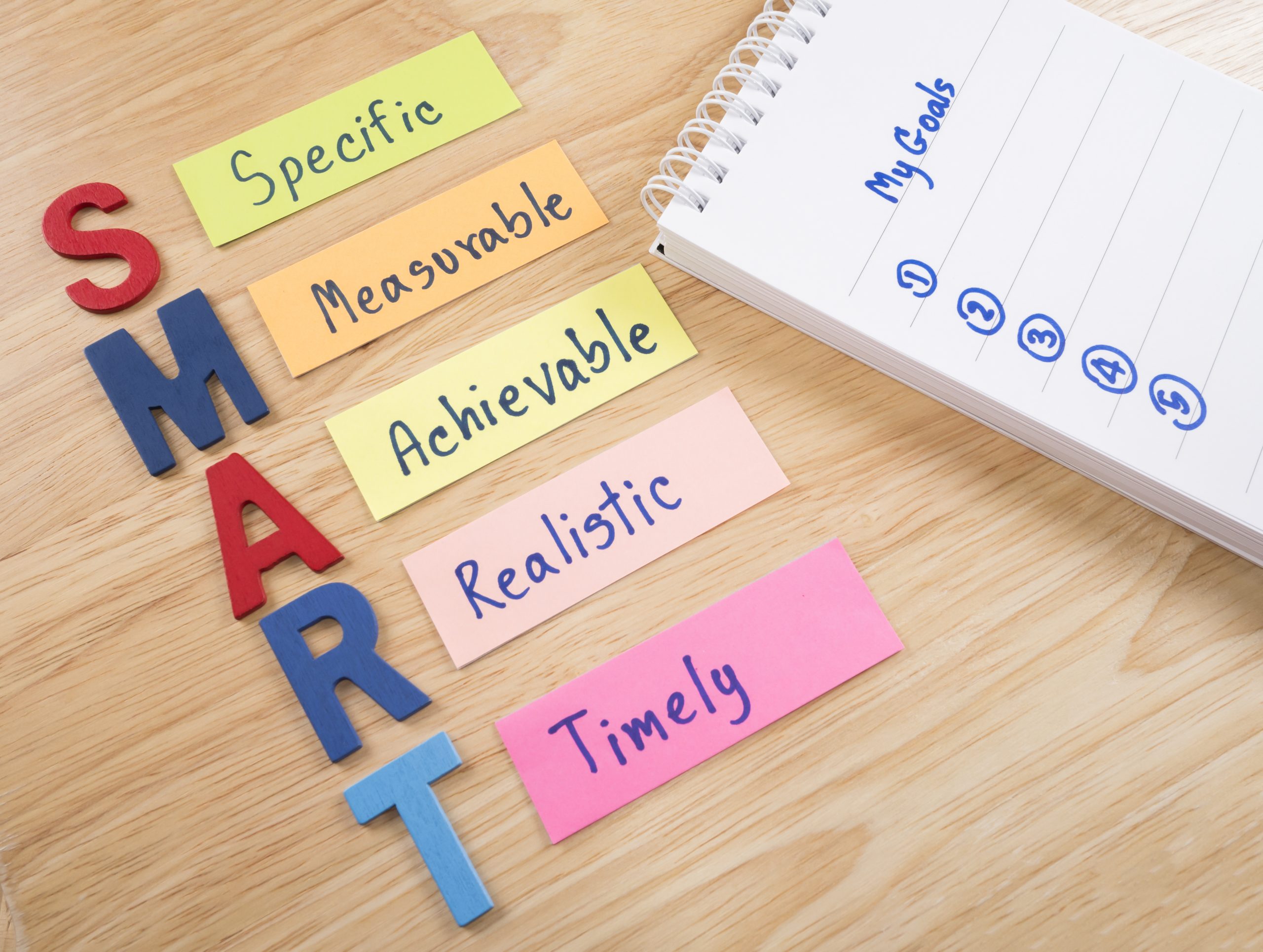
The SMART acronym

A very popular tool for goal setting.

Specific- Narrow down what goal you wish to achieve, take time evaluating the goal.

Measurable- Is the goal measurable? For instance, if you want to lose weight, how much?

Achievable- Is the goal realistic and achievable. Some of this is based on your attitude and ability to achieve the goal. Do you feel you can achieve the goal and do you have the resources and tools needed?

Relevant- Is your goal relevant in your life? For instance, would losing 10 pounds add value to your quality of life?

Time-bound- Make sure your goal has a completion date. This can be modified as needed as you work towards achieving your goal.

  1. Be flexible but stay the course

Life happens, roll with the punches, but always go back and reflect on your reasons for why you are preparing. If you need to step away for a time, go ahead, but don’t make this a permanent way of life. It you have experienced major life changes it is time to refocus and reevaluate your goals and get back on track as soon as you are able.

  1. If it was easy, everyone would do it

The discipline, focus, drive and determination needed to prepare for our uncertain future isn’t an easy road but it will be rewarding and bring peace of mind. You can’t possibly do everything. Find others that are like minded that can help fill in the gaps for you and reciprocate. Check with local emergency responder groups, gardening and livestock communities along with family friends and neighbors for support. We aren’t an island. We need each other now more than ever before.

  1. Be an example. Be a leader

People are watching us even if we don’t realize it. We will inspire others more through our actions than any other way. As more people come together to solve local and regional problems facing all of us, we will all not just survive but thrive while navigating the waters of the unknown,

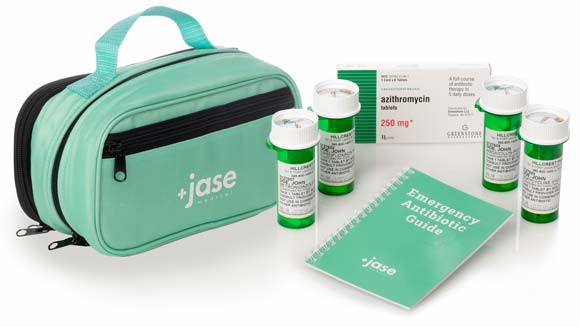
By the way, have you ordered your Jase Case for each member of your family yet?

- Brooke Lounsbury, RN

Medical Content Writer

Lifesaving Medications

Everyone should be empowered to care for themselves and their loved ones during the unexpected.

Recent Posts

Keeping you informed and safe.

Join Our Newsletter

Our mission is to help you be more medically prepared. Join our newsletter and follow us on social media for health and safety tips each week!

Over 600 Rural Hospitals at Risk of Closing

Throughout the nation many rural hospitals are on the brink of closure, citing physician shortages and lack of adequate funding to keep their doors open.  A report from the Center for Healthcare Quality and Payment Reform (CHQPR) revealed that more than 600 rural hospitals – nearly 30% of all rural hospitals in the country – are at risk of closing in the near future.

These hospitals are not just emergency rooms, many are the anchor for primary care, rehabilitative therapies, labs and x ray departments and maternity care. If the hospital closes many , if not all, other rural healthcare services in the area will also disappear.

Lack of adequate revenue

Rural hospitals and clinics are forced to operate many times at a loss- not because they are inefficient but because they have the same overhead as their urban counterparts.

 ER staffing 24/7- Urban hospitals have more patients coming through their doors than their rural counterparts. Even though both require adequate round the clock staffing, the volume of patients in urban areas offsets the overhead.

There are over 1,000 small rural hospitals, representing more than 25% of all the short-term general hospitals in the country, but they receive only 2% of total national hospital spending.

Insurance reimbursement disparity

A recent report by Center for Healthcare Quality and Payment Reform (www.CHQPR.org):

“A common myth about rural hospitals is that most of their patients are on Medicare and Medicaid. In fact, about half of the services at the average rural hospital are delivered to patients with private insurance (including both employer-sponsored insurance and Medicare Advantage plans). Low margins or losses on patients with private insurance, combined with losses on Medicaid and uninsured patients, can force small rural hospitals to close.”

Physician shortage

According to NHRA (National Rural Health Association)

“Ease of access to a physician is greater in urban areas. The patient-to- primary care physician ratio in rural areas is only 39.8 physicians per 100,000 people, compared to 53.3 physicians per 100,000 in urban areas. This uneven distribution of physicians has an impact on the health of the population.”

Some reasons cited for the rural physician shortage are long hours, lower reimbursement of insurance compared to urban areas, aging population of physicians that are nearing retirement, managing patients with higher proportion of chronic illnesses (diabetes, coronary heart disease) and lifestyle of rural living.

Rural hospitals and clinics serve farmers, ranchers, and others that provide food and services for the entire nation. Many of the nation’s natural resources- coal mines, oil and natural gas production are in these areas. Rural hospitals and clinics also provide care for visiting tourists to national parks and outdoor recreation if an emergency arises. If this population can’t continue to live and work in rural areas because of lack of medical services, the entire nation will suffer.

Solutions

  • Match reimbursement with cost of doing medicine

Current insurance reimbursements are below cost of delivering care. Saving Rural Hospitals states that increasing spending to meet cost of services (total would be 4 billion annually) could help offset the financial losses. This sounds like a lot of money, however this amounts to only 1/10 of 1% of total national healthcare spending, which is more than $1.3 trillion spent on all urban and rural hospitals in the country.

  • Telemedicine

 Rural communities could benefit from telemedicine, which solves the problem of rural patients having to drive long distances (sometimes over 70 miles) to see a doctor or consult with a specialist. Telemedicine can treat chronic conditions and provide a preventative approach to healthcare not usually found in rural areas.

  • Establish more rural residency programs and mentoring opportunities. As more rural physicians enter retirement age they are ideally positioned to mentor and support new physicians in rural medicine.
  • Utilize midlevel providers to offset the long hours the physician faces along with providing care more economically. Midlevel providers- nurse practitioners and physician assistants- are a more economical way to support the physician and can provide relief from long hours faced by rural physicians.

Until such a time that above solutions can be implemented, anyone living in rural areas should consider the very real possibility that their local hospital could be shut down in the near future. Are you prepared for such an event?

- Brooke Lounsbury, RN

Medical Content Writer

Lifesaving Medications

Everyone should be empowered to care for themselves and their loved ones during the unexpected.

Recent Posts

Keeping you informed and safe.

Join Our Newsletter

Our mission is to help you be more medically prepared. Join our newsletter and follow us on social media for health and safety tips each week!

Silent Pandemic – Antibiotic Resistance

A dire warning from health leaders across the world are calling the silent pandemic- antimicrobial resistant (AMR) infections. According to the World Health Organization AMR is one of the top ten leading global threats to health facing humanity in the world.

CDC estimates about 47 million antibiotic courses are prescribed for infections that don’t need antibiotics, like colds and the flu, each year. That adds up to approximately 28% of all antibiotics prescribed. In addition, A study published in the Lancet found that antimicrobial resistance was the direct cause of 1.27 million deaths worldwide.

An ever-increasing number of bacteria, fungi and parasites are becoming resistant to commonly prescribed antibiotics, with some resistant to many different antibiotics.  In some cases, antibiotics are not effective, leading to impossible to treat infections. This is a chilling scenario we are facing.

Antibiotic resistance (AMR) occurs through either genetic mutation or by acquiring resistance genes- where the antibiotic resistance genes are transferred to the next generation.

Some of the most widespread and common examples include:

  • methicillin-resistant Staphylococcus aureus (MRSA) (The most common)
  • vancomycin-resistant Enterococcus (VRE)
  • multi-drug-resistant Mycobacterium tuberculosis (MDR-TB)
  • carbapenem-resistant Enterobacteriaceae (CRE) gut bacteria

Broad spectrum antibiotics- The good and the bad

Broad spectrum antibiotics are being used in more and more AMR cases. These are antibiotics that act on the two major bacterial groups, gram-positive and gram-negative or any antibiotic that acts against a wide range of disease-causing bacteria. They are lifesaving when no other antibiotic therapy is working.

 They do come, however with their own set of whole set of detrimental, long lasting health effects. Some of these include resistance to pathogens, altered gut microbiota and immune system dysfunction. This is especially detrimental in young children. Broad spectrum antibiotics can alter gut microbiota which in turn will disrupt and affect immune function and growth of the child.

Promising research to fight antibiotic resistance

A protein in antibiotic resistant bacteria called DsbA helps fold resistance proteins into the right shapes to neutralize antibiotics. This was discovered by researchers, including experts from Imperial College London, led by Dr Despoina Mavridou assistant professor in Molecular Biosciences at the University of Texas at Austin. By disrupting the DBsA protein the team was successful in neutralizing the antibiotic resistant protein. In addition the pathogen was more sensitive to common antibiotics. As of this writing, research has been limited to outside the human body. The team now plans on finding an inhibitor that can be safely used in humans providing the same effect.

How to prevent AMR

Until research can successfully develop therapies for AMR, staying healthy and using antibiotics only when necessary are our options. Also, avoid crowds during outbreaks. And if sick, stay home!

The most effective way to prevent AMR is to boost immune system through:

  • Quality sleep- Sleep is when the body actively heals and restores health. Practice sleep hygiene
  • Exercise- At least 30 minutes several times a week of active walking or other form of exercise can help boost immune system, regulate mood and decrease appetite
  • Avoid sugar-Sugar and refined carbohydrates help feed pathogenic bacteria
  • Vitamin D (with k2)- Vitamin D supports a strong immune system. Talk with your healthcare provider about vitamin D supplementation and checking vitamin D levels to make sure you are reaching optimum vitamin D levels
  • Avoid and manage stress- Deep breathing exercises can help when unable to avoid stressful situations.
  • Practice personal hygiene- wash hands after going to store, before eating, and any time your are exposed to anyone who is ill.

- Brooke Lounsbury, RN

Medical Content Writer

Lifesaving Medications

Everyone should be empowered to care for themselves and their loved ones during the unexpected.

Recent Posts

Keeping you informed and safe.

Join Our Newsletter

Our mission is to help you be more medically prepared. Join our newsletter and follow us on social media for health and safety tips each week!

After the Floodwaters Recede-Be Aware of Post-Flood Diseases

(Don’t be caught without your Jase Case)

California is again being slammed with record rainfall, mud and rockslides are forcing road closures. Widespread evacuations are still in place across the state. Snowfall is continuing to plague the Sierra mountains leaving many stranded without available help due to the amount of snow making roads impassable.

 In addition:

  • Water restrictions have ended for the 7 million residents in the Metropolitan Water District of Southern California. These residents had endured one of the most long and fierce droughts in recent history.
  • As of Tuesday, March 15, Santa Barbara County cancelled evacuation orders and issued warnings for residents to remain vigilant with some areas still flooding, rock and mudslide hazards and potential for more storm related damage.
  • However, evacuation orders remained in place for Monterey County after a 400-foot levee burst on the Pajaro River flooding communities and farms due to runoff after last week’s 10th atmospheric river. Crews are working diligently to repair the levee. Residents have been forced to seek shelter in local motels and evacuation centers.
  • Snowfall in the Sierra mountains near Donner Pass has totaled over 54 feet, along with another incoming storm expected to dump up to another 10 feet of snow in the mountains. This will result in the risk of further roof collapses, impassable roads and gas leaks and explosions.
  • Warm air in the mountains has triggered multiple avalanche and flash flood warnings.
  • Not to be outdone by the snow, rain, flooding and avalanches, an EF-1 tornado carrying with it 90 mph winds touched down in Tuolumne County on Saturday, uprooting trees, and producing 1 inch hail along with flash flooding.

The floodwaters will eventually recede, bringing with it post-flood disease outbreaks

Note: Follow your local health department and authorities’ instruction and guidance before reentering your flooded home or other buildings. Be sure to have gloves, mask (properly fitting N95 at the very least) and goggles along with protective boots or shoes when venturing into any post flood areas.

Receding floodwaters along with warmer air create an ideal breeding ground for disease outbreaks.

Sewage spills, contaminated waste floating in waters, livestock feces along with harmful chemicals settle in buildings, cars, and surrounding landscapes, polluting everything it touches. It will be almost impossible to not be exposed to some sort of health hazard post flood.

Local health departments, clinics and hospitals will have a high likelihood of being overrun with flood related disease outbreaks.

The following is a list of common disease outbreaks following a flood

Jase case antibiotics are listed in parenthesis- note that the antibiotics in the Jase Case can treat many of these diseases:

Viruses and bacteria– transmitted through contaminated water (ingestion or contact), food, items that hold food or water, or rodents.

C difficile- (Metronidazole)

Giardia-(Metronidazole)

Salmonella (Ciprofloxacin if symptoms are severe)

Skin infection (staph)- (Doxycycline)

Tetanus- (Doxycycline or metronidazole)

Tularemia- (Doxycycline or ciprofloxacin)

Typhoid fever- (Ciprofloxacin)

Hepatitis A- no known treatment, it usually runs its course

Vector borne diseases (mosquitos)

West Nile Virus- Supportive treatment only

Rotavirus- Supportive treatment only

Mold

Mold is a major health concern following a flood. It can be invisible and spread within a matter of days. If you have a weakened immune system, you can become seriously ill from mold.

At risk populations include

  • Those receiving chemotherapy
  • Have had an organ transplant
  • Using corticosteroids

In addition, if you have any respiratory issues such as asthma, don’t enter any building after a flood without proper safety equipment (this goes for everyone including at risk persons)

  • Properly fitting N-95 mask or higher level protection
  • Gloves
  • Goggles

- Brooke Lounsbury, RN

Medical Content Writer

Lifesaving Medications

Everyone should be empowered to care for themselves and their loved ones during the unexpected.

Recent Posts

Keeping you informed and safe.

Join Our Newsletter

Our mission is to help you be more medically prepared. Join our newsletter and follow us on social media for health and safety tips each week!