More Deadly than Driving a Car

I recently had an interesting conversation with my hair stylist. She had just enrolled in college to become a licensed addiction counsellor. I asked her what why she chose that career. She said she was a former drug addict and was homeless for a short period of time and understood  lifestyle of those addicted to drugs. She has been clean for 2 plus years. During that time she received her license to cut hair and landed a job at the hair salon I frequent.

She was a wealth of information. After telling her I had ordered and recently received in the mail naloxone (Narcan) from the state (I live in Washington state, where you can order online here- it is free) and that I had been writing about the fentanyl crisis she piped up and informed me that more people died of fentanyl overdoses than motor vehicle crashes in 2021.

Intrigued, I looked up the statistics. She was correct. But the one glaring statistic was how many more perished from fentanyl overdoses compared to motor vehicle crashes.

According to USA Facts: “In 2021, 70,601 people died from a fentanyl overdose in the US. That figure is up 25% from 2020 and is nearly double the amount of fentanyl overdose deaths in 2019.”

And the USDOT reports  “NHTSA projects that an estimated 42,915 people died in motor vehicle traffic crashes last year, a 10.5% increase from the 38,824 fatalities in 2020.”

If my math is correct, 60 percent more people died from fentanyl overdose than in car crashes.

Fentanyl, a synthetic opioid analgesic was originally developed for pain management for cancer patients. It is 50-100 times stronger than morphine.

In recent times it has become a deadly street drug manufactured in the States and Mexico.

Not just illegal drug users are at risk for fentanyl overdose. The recent episode of a 10 month old baby who turned blue and limp from accidental fentanyl exposure after playing in the grass at a local park drives home the point of how widespread this epidemic has become. EMS was called and naloxone was administered. The child survived.

The toddlers’ parents warn parents to closely watch their children playing at any public park or playground. Foil packets and even spilled fentanyl in the form of powder on the grass may have been the way the toddler was exposed.

My naloxone/Narcan order arrived

I received my naloxone in the mail last week. The directions to administer were clear.

In the state I reside I had the choice of either injectable or nasal spray doses. I chose injectable because I felt there are many more sites to choose from to administer than just nasal passages (nasal spray).

As of August 2020, all 50 states and the District of Columbia have some form of a naloxone access law. The laws vary significantly by state.

To obtain naloxone, state by state resources website and information can be found here.

A few facts about Naloxone/Narcan:

Healthline has an excellent explanation and more detailed instructions on naloxone.

  • Naloxone is safe, if you administer and the patient isn’t experiencing a drug overdose there are no side effects.
  • Naloxone, blocks the effects of opioids in your body. This drug works to reverse the life-threatening symptoms that happen during an overdose. More than one dose may be necessary because there may be more opioid in the body than the naloxone can block.
  • Naloxone is only active in the body for 20 to 90 minutes, the effects of most opioids last longer. This means that the effects of naloxone are likely to wear off before the opioids are gone from the body.
  • Narcan comes in one dose, for any age- from toddler to adult
  • It’s important to note that Narcan is not a substitute for medical treatment. After giving Narcan to someone, call 911 right away, even if the person wakes up after getting Narcan.

- Brooke Lounsbury, RN

Medical Content Writer

Lifesaving Medications

Everyone should be empowered to care for themselves and their loved ones during the unexpected.

Recent Posts

Keeping you informed and safe.

Surviving a Nuclear Fallout: Vital Medications

Surviving a Nuclear Fallout: Vital Medications

As if the Russia Ukraine conflict wasn’t enough, all eyes and nations are focused on the escalating tensions between Israel and Palestine. Even before the October 7th Hamas attack on Israel, experts were warning of nuclear escalation, and recently Russia revoked a ban...

Are You Ready for What is Already Here?

Are You Ready for What is Already Here?

(5 tips to build resilience) Every day that we turn on the news we are hit with something new that could not only destabilize countries across the seas, but can  have serious implications  for our lives in the states. World War 3 is trying to kick off (Some people...

Join Our Newsletter

Our mission is to help you be more medically prepared. Join our newsletter and follow us on social media for health and safety tips each week!

Hashimotos Thyroiditis Part 1

Part 1 will cover

  • Hashimoto’s description
  • Prevalence of Hashimoto’s
  • Symptoms of low thyroid (Is it Hashimotos?)
  • Other not as common hypothyroid conditions
  • Lab tests to diagnose Hashimoto’s
  • Medications to treat low thyroid/Hashimotos

Part 2 will cover:

Tips to manage Hashimoto’s along with medications such as

  • Health risks of not treating Hashimoto’s adequately
  • Lifestyle/stress reduction tips to manage energy and emotional ups and downs
  • How to naturally increase biologically active T3
  • Diet strategies to help heal
  • Nutritional supplements that can aid in recovery and optimal health
  • How to advocate for yourself in the healthcare field when dealing with Hashimoto’s

Description

Hashimoto’s thyroiditis is an autoimmune disease that affects the thyroid. An autoimmune disease is a condition in which the body’s immune system mistakes its own healthy tissues as foreign and attacks them. Most autoimmune diseases cause inflammation of the affected tissue. In the case of Hashimoto’s thyroiditis, the thyroid gland is inflamed and attacked by the body’s immune system.

Note: any word with “itis” at the end indicates inflammation. (Arthritis, bursitis, conjunctivitis for example)

Over 90% of hypothyroid cases are Hashimoto’s.

Other causes of low thyroid are:

 (Excerpt from American Thyroid Association)

  • Pituitary gland disorder/damage-The pituitary, the “master gland,” tells the thyroid how much hormone to make. When the pituitary is damaged by a tumor, radiation, or surgery, it may no longer be able to give the thyroid instructions, and the thyroid may stop making enough hormone.
  • Medicines-Medicines such as amiodarone, lithium, interferon alpha, and interleukin-2 can prevent the thyroid gland from being able to make hormone normally. These drugs are most likely to trigger hypothyroidism in patients who have a genetic tendency to autoimmune thyroid disease.
  • Too much or too little iodine. The thyroid gland must have iodine to make thyroid hormone. Iodine comes into the body in food and travels through the blood to the thyroid. Keeping thyroid hormone production in balance requires the right amount of iodine. Taking in too much iodine can cause or worsen hypothyroidism.
  • Surgical removal of part or all of the thyroid gland due to nodules or cancer
  • Radiation treatment-Patients with Hodgkin’s disease, lymphoma, or cancers of the head or neck are treated with radiation. All these patients can lose part or all of their thyroid function.
  • Congenital hypothyroidism (hypothyroidism that a baby is born with). A few babies are born without a thyroid or with only a partly formed one. A few have part or all their thyroid in the wrong place (ectopic thyroid). In some babies, the thyroid cells or their enzymes don’t work right.
  • Rare disorders that infiltrate the thyroid. In a few people, diseases deposit abnormal substances in the thyroid and impair its ability to function. For example, amyloidosis can deposit amyloid protein, sarcoidosis can deposit granulomas, and hemochromatosis can deposit iron.

Prevalence of Hashimoto’s

  • Most common in women– The American Thyroid Association (ATA) estimates that five to eight women are affected with Hashimoto’s for every one man. The ATA also estimates that one in eight women will be affected with Hashimoto’s or another thyroid disorder at some point in their lives.
  • Runs in families (genetic predisposition)
  • Affects about 5 percent of the US population
  • It is suspected that it is underdiagnosed

Symptoms

The onset of Hashimoto’s disease can be difficult to diagnose. As thyroid hormones are released in the bloodstream from  antibodies attacking the thyroid, transitory (temporary)hyperthyroidism (high thyroid) results.

Early symptoms can mimic hyperthyroid. This condition presents as an elevated T3 (the biologically active form of thyroid) and elevated T4, along with suppressed TSH. This condition is called thyrotoxicosis (Hashitoxicosis). This phase can last for 1-2 months, however in rare cases this phase can last for 2 or more years.

 Early-temporary symptoms can include

  • Anxiety
  • Nervousness
  • Diarrhea
  • Sleeplessness
  • Mood swings and muscle weakness.

 As the disease progresses (the autoimmune attack continues) thyroid production decreases, resulting in hypothyroidism (Hashimoto’s thyroiditis).

Symptoms of low thyroid are:

  • Dry skin,
  • Hair loss,
  • Constipation,
  • Depression,
  • Intolerance to cold,
  • Low energy
  • Brain fog,
  • Heavy menstruation,
  • Unexplained weight gain.
  • Muscle aches and cramps

Your care provider will take a thorough physical history (which includes checking for enlarged thyroid gland) and medical history along with a family history and your symptoms.

Lab tests for Hashimoto’s

TSH – The pituitary gland produces this hormone which stimulates the thyroid gland to produce thyroid hormone

Free T4– Free T4 is thyroid hormone not bound to protein, it is freely flowing in bloodstream.

Thyroid peroxidase antibodies (TPOAb) – Thyroid peroxidase (TPO) antibodies are a type of thyroid antibody. Thyroid peroxidase is an enzyme which helps to make thyroid hormones (T3, T4 and TSH). The body’s immune system makes antibodies in response to non-self proteins. These non-self proteins are called antigens.

Thyroglobulin antibodies (TGAb) Thyroglobulin antibodies (Tg Ab) are another type of thyroid antibody. Thyroglobulin is a protein made by thyroid cells. It helps to make thyroid hormones. Thyroglobulin antibodies (Tg Ab) are made when the body attacks it’s own thyroglobulin. Thyroglobulin antibodies can be raised in Hashimoto’s thyroiditis  They are also raised in 10-15% of the general population.

You may be diagnosed with Hashimoto’s disease if your TSH is high, your free T4 is low, and your TPO Ab is elevated. High TPO Ab is the key marker because it is present in over 90% of those with Hashimoto’s. TG Ab is present in about 60-80% of cases.

Total T3- as symptoms dictate

  • Low T3 levels may mean you have hypothyroidism,
  • T3 test results are often compared with T4 and TSH test results to help diagnose thyroid disease.

Reverse T3-as symptoms dictate

Reverse T3 is created by the body from T4. Your body can convert T4 into the ACTIVE thyroid hormone T3 or the inactive thyroid called reverse T3.  Reverse T3 slows metabolism to conserve energy during times of extreme stress and inflammation.

Treatment

Hashimoto’s requires a multi prong approach. Along with medication, and lifestyle/stress management, diet and supplements can go a long way to achieve optimum health.  Diet, lifestyle and supplements will be covered in part 2.

Medications

Note: A word about generic and label medications- Though the names are different, generic and brand-name drugs work the same. According to the FDA, generic drugs are just as effective as their branded counterparts. Drug makers must prove that generic medications can be substituted for brand-name drugs and offer the same benefits as their brand-name counterparts

Levothyroxine – also known as Synthroid Euthyrox, Unithroid,  Tirosint. and Levoxyl– These medications use only T4 hormone as primary ingredient.

One advantage to generic levothyroxine, unlike Synthroid is it does not contain corn. This is invaluable for anyone with an allergy or sensitivity to corn.

Armour thyroid- Desiccated thyroid- made from bovine thyroid hormone- contains both T4 and T3

  Cytomel – (generic name is liothyronine) – A manmade T3 hormone

There are many other brands of thyroid medications, however the above represents the majority of medications.

- Brooke Lounsbury, RN

Medical Content Writer

Lifesaving Medications

Everyone should be empowered to care for themselves and their loved ones during the unexpected.

Recent Posts

Keeping you informed and safe.

Surviving a Nuclear Fallout: Vital Medications

Surviving a Nuclear Fallout: Vital Medications

As if the Russia Ukraine conflict wasn’t enough, all eyes and nations are focused on the escalating tensions between Israel and Palestine. Even before the October 7th Hamas attack on Israel, experts were warning of nuclear escalation, and recently Russia revoked a ban...

Are You Ready for What is Already Here?

Are You Ready for What is Already Here?

(5 tips to build resilience) Every day that we turn on the news we are hit with something new that could not only destabilize countries across the seas, but can  have serious implications  for our lives in the states. World War 3 is trying to kick off (Some people...

Join Our Newsletter

Our mission is to help you be more medically prepared. Join our newsletter and follow us on social media for health and safety tips each week!

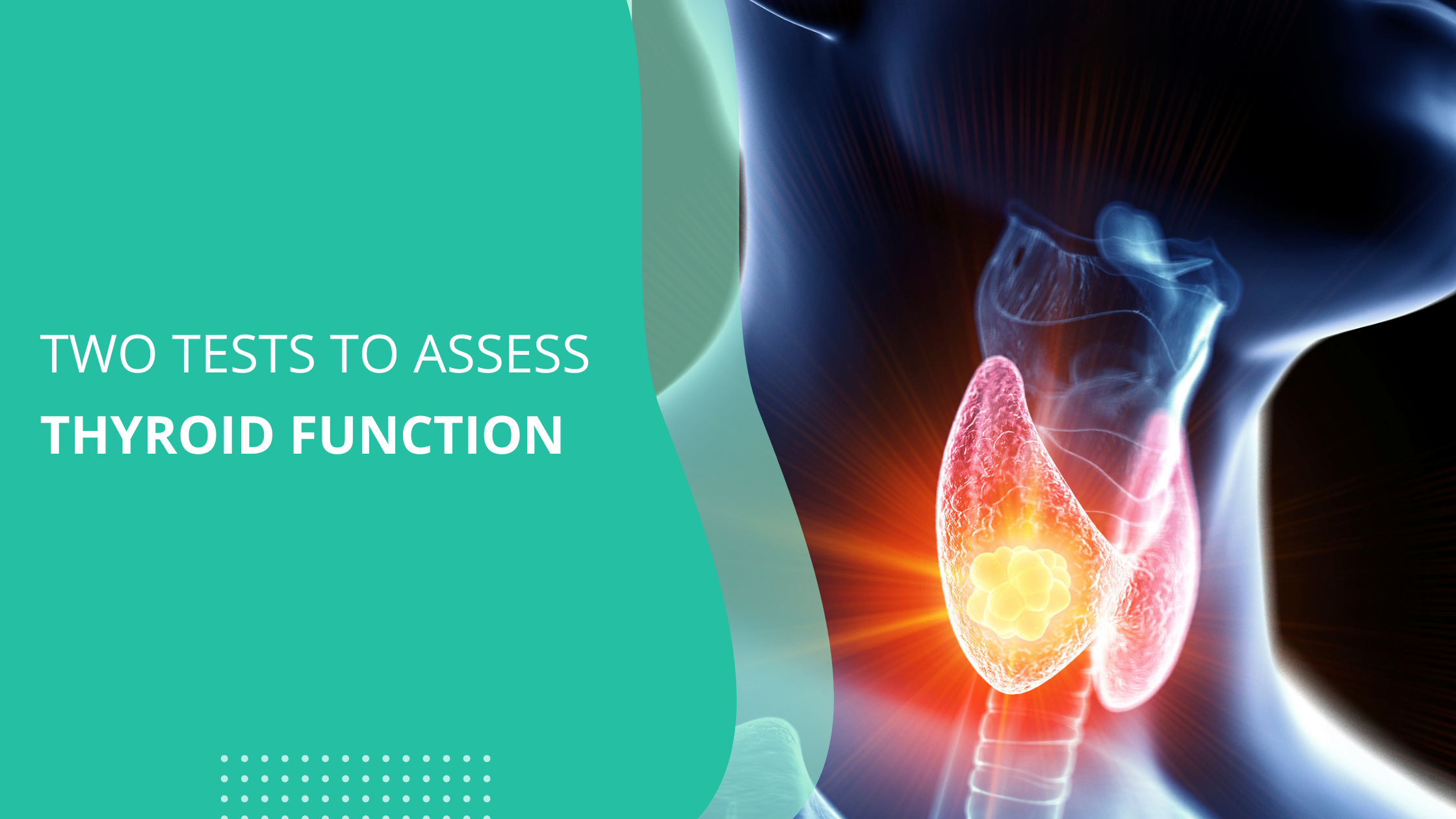
Two Tests to Assess Thyroid Function

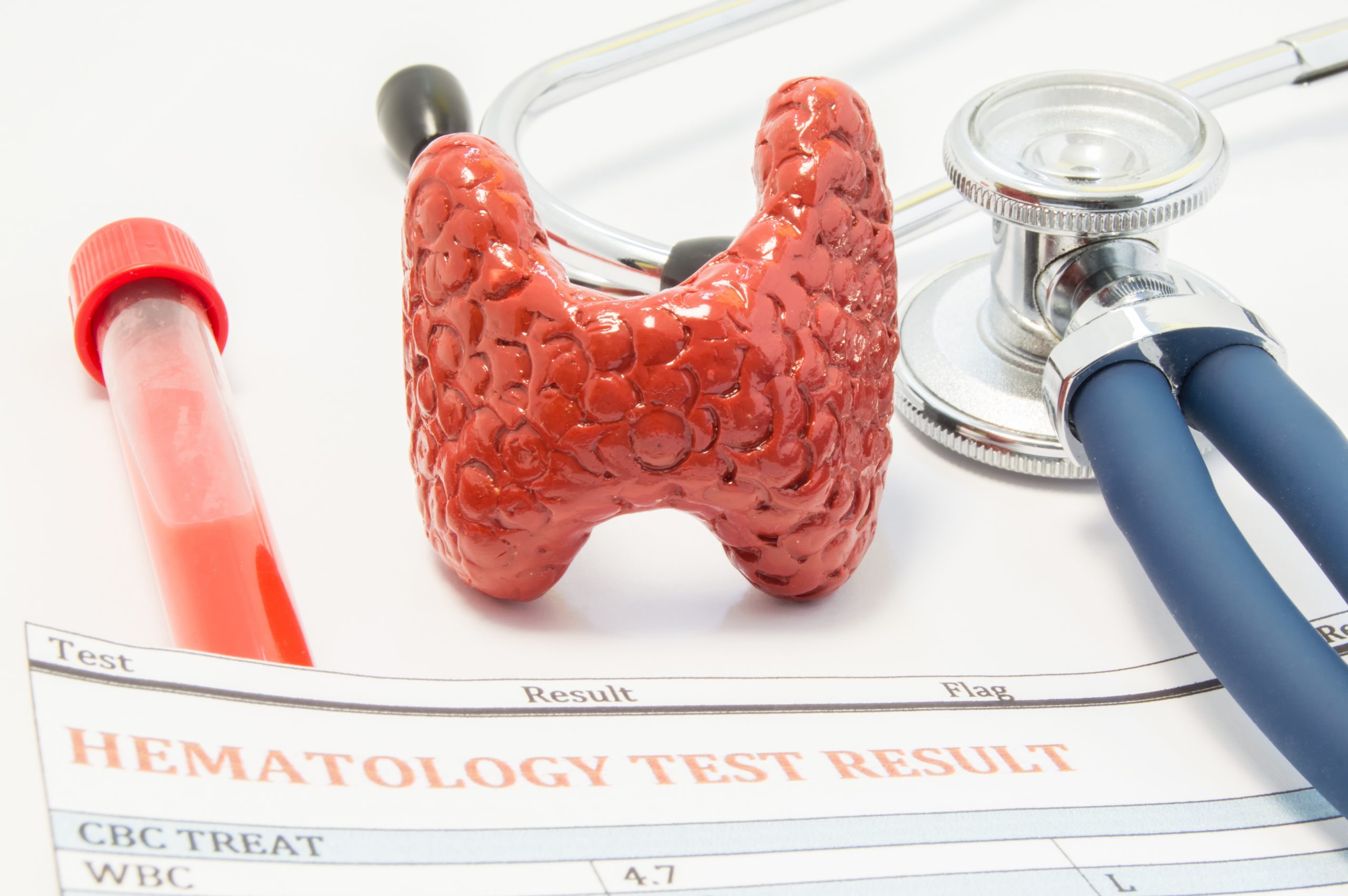
Nearly 5 out of every 100 Americans ages 12 years and older have hypothyroidism, and about 1 out of every 100 have hyperthyroidism. Every year about 12,000 men and 33,000 women are diagnosed with thyroid cancer, and about 900 men and 1,000 women die from the disease. Thyroid diseases can have major, lasting effects on health if left untreated. Thyroid diseases are easily detected and effectively treated with the help of thyroid function tests. The following two tests are used to assess thyroid function. If these lab results come back abnormal your care provider will order more tests, some lab, ultrasound, biopsy, and others.

The most frequently used laboratory tests to assess baseline thyroid function in the U.S. are thyroid stimulating hormone (TSH) and free thyroxine.

TSH (Thyroid stimulating hormone)

TSH is the hormone produced by the pituitary gland that stimulates the thyroid gland to produce more thyroid hormone.

A normal TSH result, which is a blood test, falls between 0.4 and 4.0 milliunits per liter (mU/L), according to the American Thyroid Association. Ranges between laboratories will vary with the upper limit generally being between 4 to 5.

Higher levels of TSH can be indicative of:

  • Hypothyroid (low thyroid)- The most common form of hypothyroidism is Hashimoto’s thyroiditis, an autoimmune condition. Other hypothyroid conditions can be brought on by medications, thyroid cancer, and iodine deficiency to name a few.
  • Stress, such as exposure to cold, emotional stress, not sleeping well, hospitalization and any other types of stress. These all can raise cortisol levels, which in turn can cause a temporary high TSH level.

Lower Levels of TSH can be indicative of:

  • This is also known as an overactive thyroid. If a person’s thyroid gland is secreting levels of hormones that are too high, the pituitary gland produces less TSH.
  • A variety of conditions lead to hyperthyroidism, including Graves’ disease and thyroid nodules.
  • Pituitary gland tumor can stimulate the pituitary gland to release too much thyroid stimulating hormone

Thyroxine (T4)

Thyroxine, also known as T4, is the major type of hormone your thyroid releases. Too much or too little T4 can indicate thyroid disease.

Thyroxine (T4) is found in two forms:

  1. Bound T4: This form attaches to proteins, which prevents it from entering your body’s tissues.
  2. Free T4: This form “freely” enters your body’s tissues where it’s needed. The normal range for free T 4 in adults is 0.8 to 1.8 nanograms per deciliter (ng/dL)

There are a few different tests that measure T4 levels. A blood test that measures both free and bound T4 is called a total T4 test. Another test measures just free T4. Healthcare providers most often use a free T4 test to assess thyroid function because it’s more accurate than a total T4 test.

In conclusion, information from the TSH and free T4 tests help your cre provider assess if your thyroid gland is functioning properly. The thyroid gland is a complex gland, and there are many factors your care provider takes into consideration before making a diagnosis.

Next posts will delve into specific thyroid diseases and associated tests, starting with the most common form of hypothyroid- Hashimotos thyroiditis.
- Brooke Lounsbury

Medical Content Writer

Lifesaving Medications

Everyone should be empowered to care for themselves and their loved ones during the unexpected.

Recent Posts

Keeping you informed and safe.
Surviving a Nuclear Fallout: Vital Medications

Surviving a Nuclear Fallout: Vital Medications

As if the Russia Ukraine conflict wasn’t enough, all eyes and nations are focused on the escalating tensions between Israel and Palestine. Even before the October 7th Hamas attack on Israel, experts were warning of nuclear escalation, and recently Russia revoked a ban...

Are You Ready for What is Already Here?

Are You Ready for What is Already Here?

(5 tips to build resilience) Every day that we turn on the news we are hit with something new that could not only destabilize countries across the seas, but can  have serious implications  for our lives in the states. World War 3 is trying to kick off (Some people...

Join Our Newsletter

Our mission is to help you be more medically prepared. Join our newsletter and follow us on social media for health and safety tips each week!

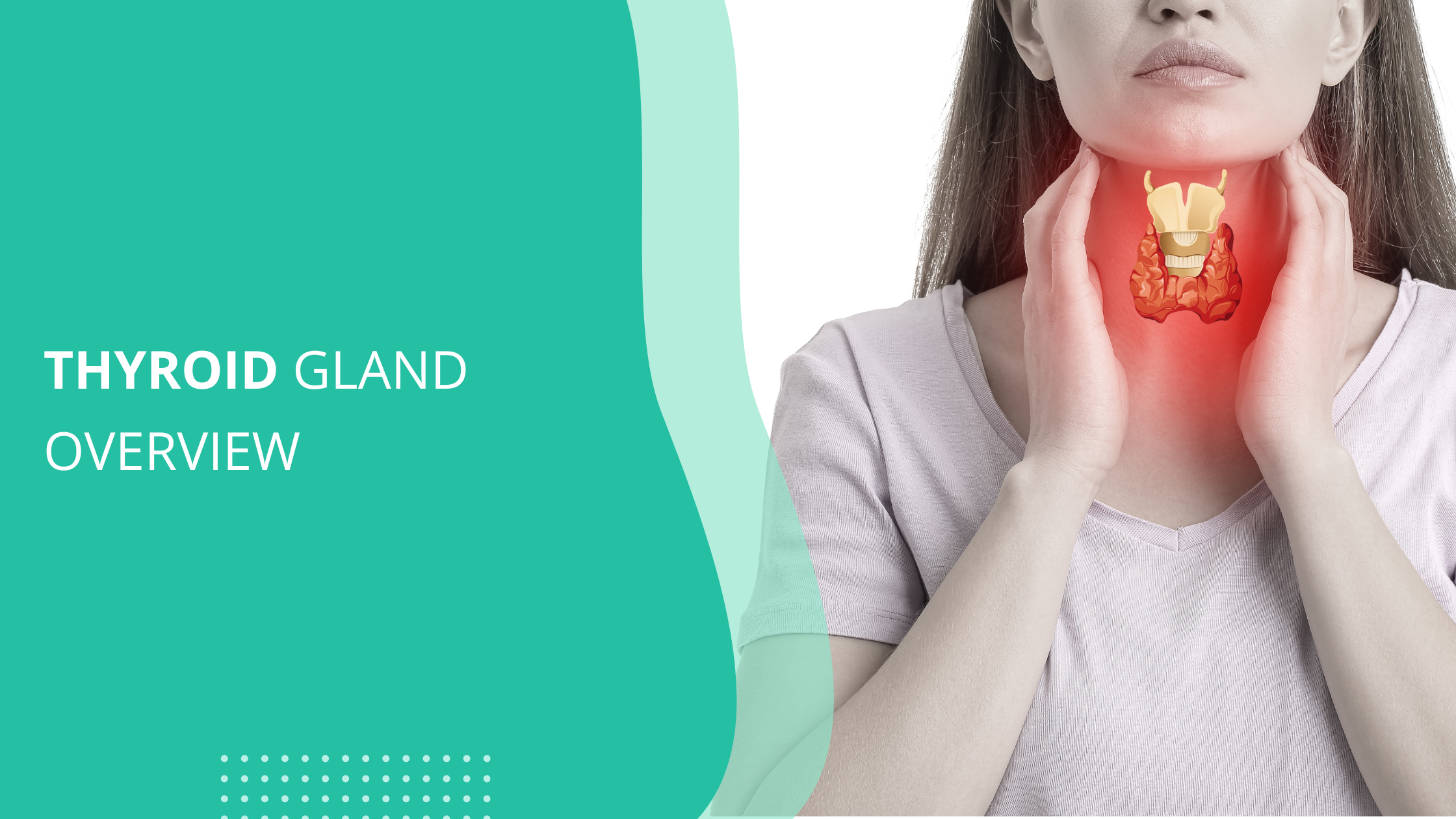
Thyroid Gland Overview

The process which the body manufactures, and processes thyroid hormones is very complex. The following is an overview of the thyroid glands anatomy, function, hormones, and nutrients needed for proper function of the thyroid gland. Given this is a very complex gland, take your time reading and going through the video links.

Next post we will delve into thyroid tests and thyroid dysfunction- specifically low and high thyroid.

Thyroid gland and its function

  • Anatomy of the thyroid gland
  • Function of the thyroid gland
  • Hormones produced by the thyroid gland
  • Nutrients needed for proper functioning of the thyroid gland

Anatomy of the thyroid gland:

Every cell in the body has thyroid hormone receptors. These receptors control transcription and effect gene expression.

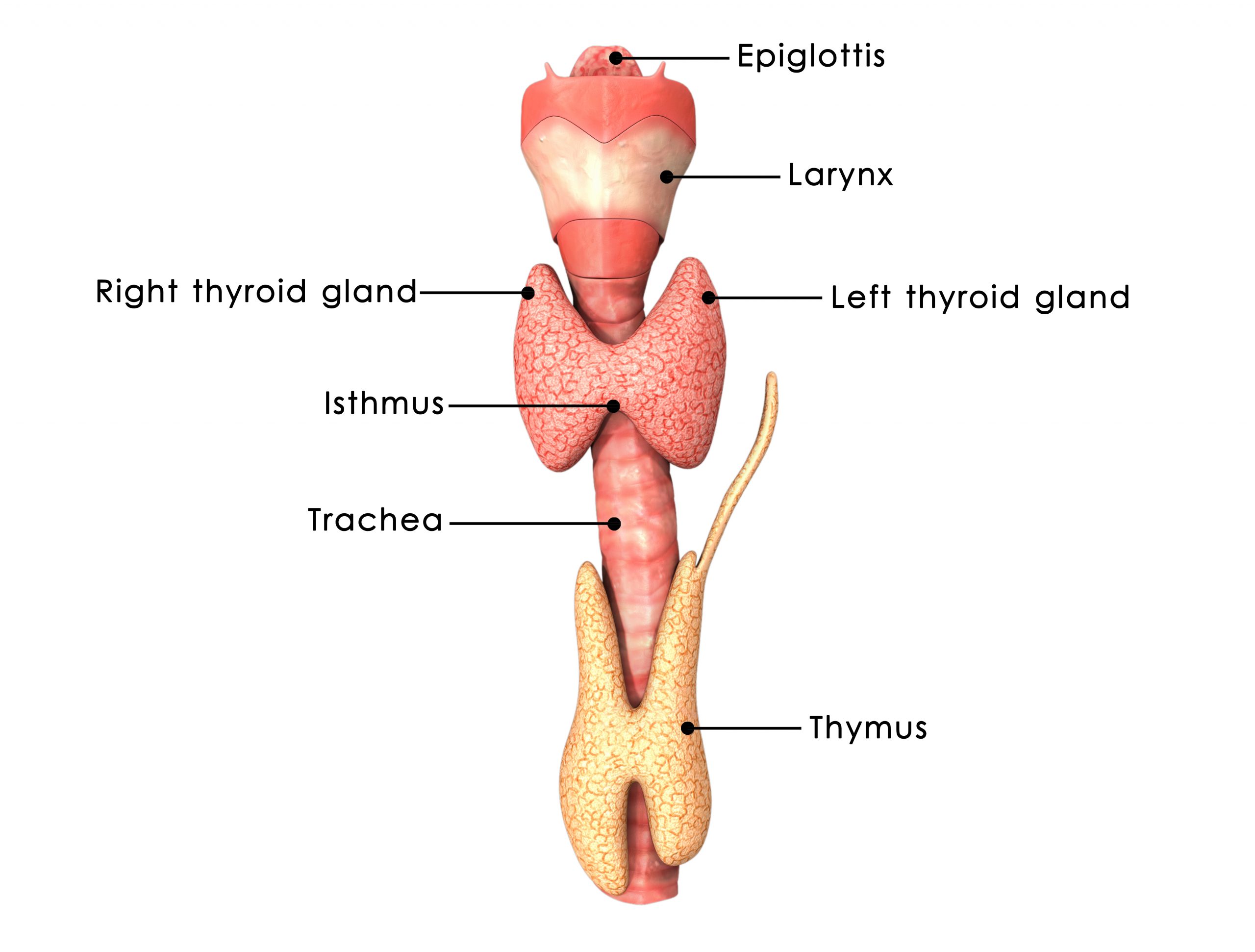
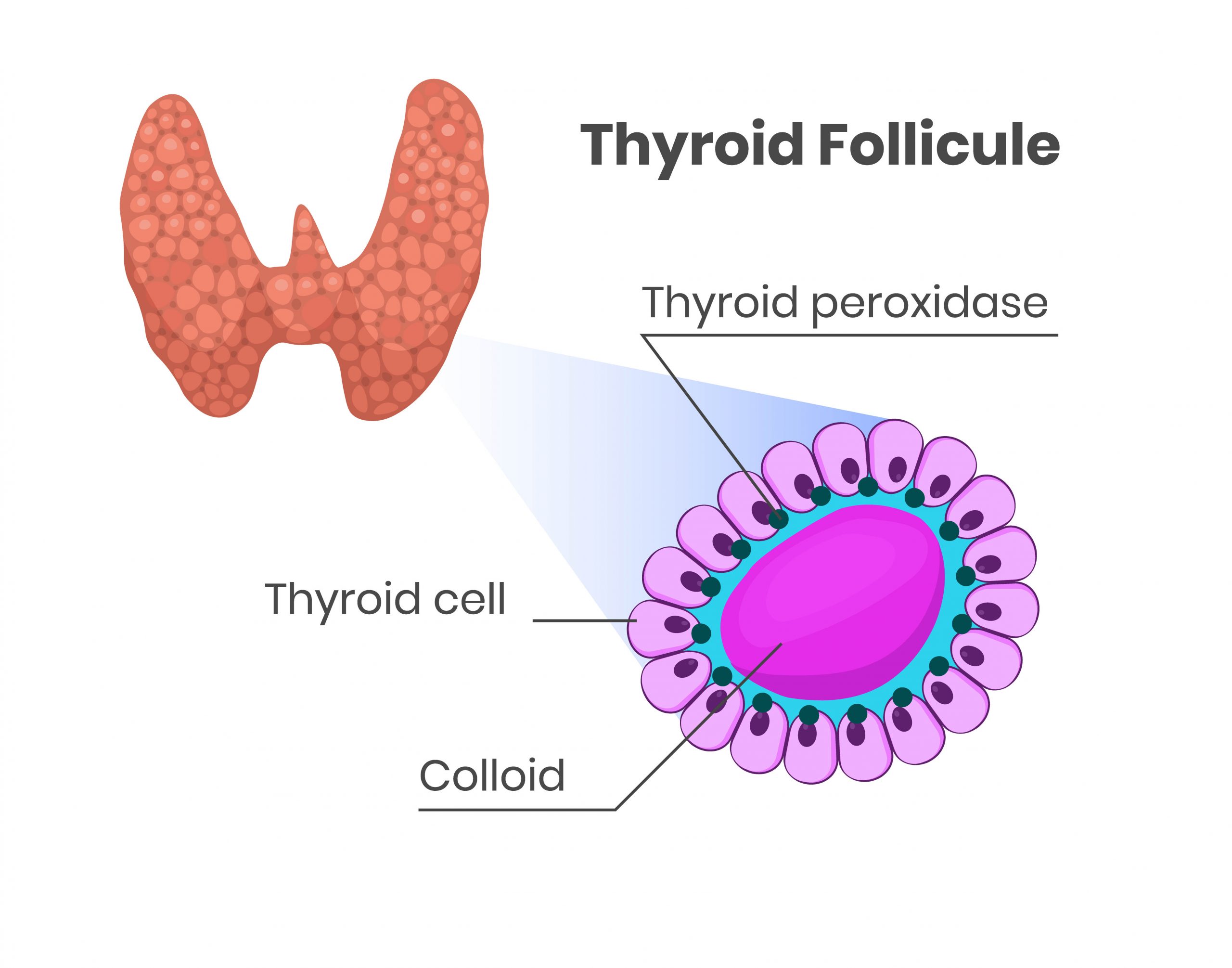
The thyroid gland is one of the largest endocrine glands and consists of two connected lobes. It is found in the neck, below the thyroid cartilage which forms the laryngeal prominence, or “Adam’s apple”. It is a butterfly-shaped organ and is composed of two cone-like lobes or wings, lobus dexter (right lobe) and lobus sinister (left lobe), connected via the isthmus. The thyroid is one of the larger endocrine glands, weighing 2-3 grams in neonates and 18-60 grams in adults, and is increased in pregnancy. The thyroid gland is covered by a thin fibrous sheath, composed of an internal and external layer. The thyroid tissue itself consists of a lot of small individual lobules joined together by thin sheaths of connective tissue. These lobules contain a great number of small vesicles, called follicles, which store thyroid hormones in the form of little droplets. These spherical follicles selectively absorb iodine from the blood for production of thyroid hormones and for storage of iodine in thyroglobulin (a protein present in the thyroid gland, from which thyroid hormones are synthesized). Thyroglobulin is also called colloid. Twenty-five percent of the body’s iodide ions are in the thyroid gland. Inside the follicles, in a region called the follicular lumen, colloid serves as a reservoir of materials for thyroid hormone production and, to a lesser extent, acts as a reservoir for the hormones themselves. The follicles are surrounded by a single layer of thyroid epithelial cells, which secrete T3 and T4. T3, also called triiodothyronine and T4, also called thyroxin are thyroid hormones.

Function of the thyroid gland

The thyroid plays an important role in regulating the body’s metabolism and calcium balance.  T4 and T3 hormones stimulate every tissue in the body to produce proteins and increase the amount of oxygen used by cells. The harder the cells work, the harder the organs work. The calcitonin hormone calcitonin works together with the parathyroid hormone to regulate calcium levels in the body. Some of the organ systems thyroid hormones regulate are:

  • Respiratory system– regulation of respiratory rate and ventilatory response to hypercapnia and hypoxia
  • Renal (kidney)– glomerular filtration rate and blood flow to the kidneys
  • Cardiovascular– regulates heart rate, force of cardiac contractions, stroke volume, cardiac output, catecholamine receptors
  • Metabolism- regulates glucose absorption in the gastrointestinal track, regulates insulin receptors
  • Growth and tissue development– regulates growth and maturation of bones and teeth, also regulates growth and maturation of epidermis, hair follicles and nails. Regulates force and rate of skeletal muscle contractions.
  • Nervous system-thyroid hormones are critical for neuronal development, Enhances memory and alertness.


Hormones produced by the thyroid gland

Check out this video on thyroid gland synthesis

What are the thyroid hormones and what substances do they contain? The thyroid hormones T3 (triiodothyronine) and T4 (thyroxine) are made of an amino acid, tyrosine, and an iodine molecule. For the hormone to be synthesized it must complete the following steps:

  1. Tyrosine, an amino acid that is provided by thyroid epithelial cells and secreted into the lumen of the follicle by a large glycoprotein scaffold called thyroglobulin. Thyroglobulin, as noted above is also called colloid.
  2. Iodine (or more accurately iodide) is taken up from blood by

thyroid epithelial cells which has an outer plasma membrane called a sodium-iodide symporter, or more commonly known as an “iodine trap”. Once inside the cell, iodide is transported into the lumen of the follicle along with thyroglobulin.


3. The thyroid hormone requires an enzyme called thyroid peroxidase to join the tyrosine with the iodine. The tyrosine will receive either one or two iodine. The term T1 represents one tyrosine and one iodine molecule. T2 represents one tyrosine and two iodine molecules.                                   

4. These, meaning T1 and T2, further combine through the enzyme thyroid peroxidase (TPO) to make the final thyroid hormones: T1+T2=T3 and T2+T2=T4. The byproduct from both reactions is hydrogen peroxide.

5. The thyroid hormone is bound to thyroglobulin and is liberated by hydrolytic enzymes that digest thyroglobulin.

6. The thyroid hormone diffuses out of the lysosomes and into the blood where they bind to carrier proteins and are transported to target cells in the body.

In other words,

T1+T2=T3+ hydrogen peroxide, and

T2+T2=T4+ hydrogen peroxide

Note:

T3 is up to four times more biologically active than T4. Only twenty percent of the body’s T3 is made by the combination of the T1 and T2 molecules. The additional eighty percent is made by T4 losing an iodine molecule in a process carried out in the organs such as the liver.

How is thyroid hormone regulated?

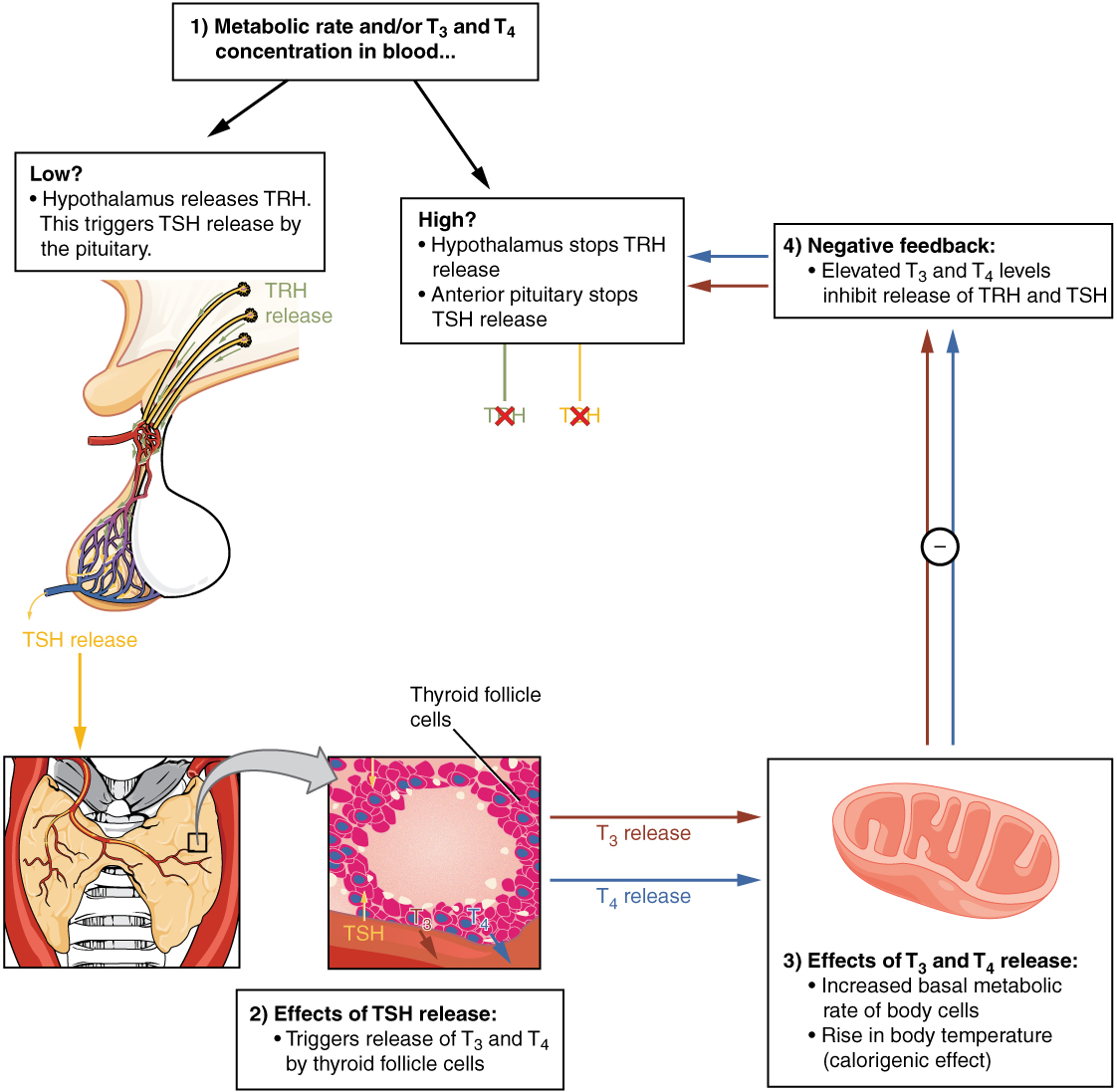
Hormonal output from the thyroid is regulated by thyroid-stimulating hormone (TSH) produced by the anterior pituitary, which itself is regulated by thyrotropin-releasing hormone (TRH) produced by the hypothalamus in a negative feedback loop.

This is described as follows:

HYPOTHALMUS-Signaled by low thyroid hormones the hypothalamus releases TRH (thyrotropin releasing hormone) which stimulates the pituitary gland, *Illustration depicts both high and low thyroid hormone events.

 ANTERIOR PITUITARY GLAND– Releases TSH (thyroid stimulating hormone) into the bloodstream, which reaches the thyroid gland

 THYROID GLAND –TSH (Thyroid stimulating hormone) causes thyroid gland to release thyroid hormones (T4 and T3 )

When enough T4 and T3 are in the bloodstream it signals the hypothalamus to stop releasing TRH (thyrotropin releasing hormone)

Nutrients needed by the thyroid gland

For the thyroid gland to function properly it requires a supply of nutrients

Selenium– Selenium content in the thyroid is higher than any part of the body. It is  a naturally occurring  trace mineral found in our foods and soil. One of the challenges with obtaining selenium from our food sources is that the levels can vary dramatically. Brazil nuts are known to be a rich source of selenium, but their selenium content varies according to the region they are grown in. 

Selenium is converted into three types of selenoproteins or seleno-enzymes, both terms are interchangeable.  The three types of selenoproteins are:

  1. GPx (glutathione peroxidase) are antioxidants and best known of the selenoproteins
  2. TRx- (thioredoxin reductases) are involved in cell growth and structure
  3. Dis (iodothyronine deiodinases) are involved in the conversion of T4 to T3 and other metabolic functions.

A selenium deficiency along with an iodine deficiency is implicated in goiters.

Iodine- Iodine is an essential element that is also needed from our environment. It is one of the building blocks of the thyroid molecule. For the body to be able to utilize iodine, it must be converted to iodide. This is accomplished through the thyroid peroxidase (TPO) reaction. Once this occurs, the free iodine joins with tyrosine to make the thyroid molecule, with hydrogen peroxide as the byproduct.

The group of molecules called the halogens; fluorine, bromine and chlorine mimic iodine and attach to tyrosine thereby rendering the tyrosine molecule useless. This means that your body is not getting the T4 or T3 it needs.  Sources of iodine include kelp, sea vegetables, cow’s milk, eggs, tuna, and navy beans. There are several over the counter iodine supplements. Caution should be exercised when using supplemental iodine. When there is an excess of iodine along with a deficiency of selenium, an autoimmune condition called Hashimotos thyroiditis may occur.

Tyrosine– Tyrosine is a nonessential amino acid the body makes from another amino acid called phenylalanine. It combines with iodine to form thyroid hormones. Tyrosine is also the precursor to neurotransmitters dopamine, epinephrine and norepinephrine. It is rare to have a deficiency in tyrosine and supplements are usually not recommended. Dietary sources of tyrosine are chicken, turkey, fish, peanuts, almonds, avocados, bananas, milk, cheese, yogurt, cottage cheese, lima beans, pumpkin seeds, and sesame seeds.

Zinc– Zinc is required to transform the inactive thyroid hormone T4 into the active form T3.  It plays an important role in immune function, wound healing, blood clotting, reproduction, growth and smell. Zinc supplementation should be approached carefully. If too much zinc is taken, a copper and iron deficiency can result. Also, taking too much zinc intake can contribute to hyperthyroidism and copper deficiency. Foods rich in zinc are raw pumpkin seeds, oysters, wheat germ, and lamb.

Iron (Ferritin) – Iron requires a high stomach acid for transport into the cells. Many people take iron tablets, and their iron levels stay the same due to low stomach acid.   Having low iron levels decreases deiodinase activity. It slows down the conversion of T4 to T3.  Insufficient iron levels may affect thyroid hormone synthesis by reducing the activity of the enzyme thyroid peroxidase (TPO) which is dependent on iron.  Thyroid peroxidase (TPO) brings about the chemical reactions of adding iodine to tyrosine (amino acid), which then produces T4 and T3. Insufficient iron levels alter and reduce the conversion of T4 to T3. Low iron levels can also increase circulating concentrations of TSH (thyroid stimulating hormone).

Apple cider vinegar or Betaine, a supplement which enhances stomach acidity, promotes protein breakdown and iron absorption.  The most bioavailable form of iron is called heme and is found in liver and meats

- Brooke Lounsbury

Medical Content Writer

Lifesaving Medications

Everyone should be empowered to care for themselves and their loved ones during the unexpected.

Recent Posts

Keeping you informed and safe.

Surviving a Nuclear Fallout: Vital Medications

Surviving a Nuclear Fallout: Vital Medications

As if the Russia Ukraine conflict wasn’t enough, all eyes and nations are focused on the escalating tensions between Israel and Palestine. Even before the October 7th Hamas attack on Israel, experts were warning of nuclear escalation, and recently Russia revoked a ban...

Are You Ready for What is Already Here?

Are You Ready for What is Already Here?

(5 tips to build resilience) Every day that we turn on the news we are hit with something new that could not only destabilize countries across the seas, but can  have serious implications  for our lives in the states. World War 3 is trying to kick off (Some people...

Join Our Newsletter

Our mission is to help you be more medically prepared. Join our newsletter and follow us on social media for health and safety tips each week!

The Power of Probiotics

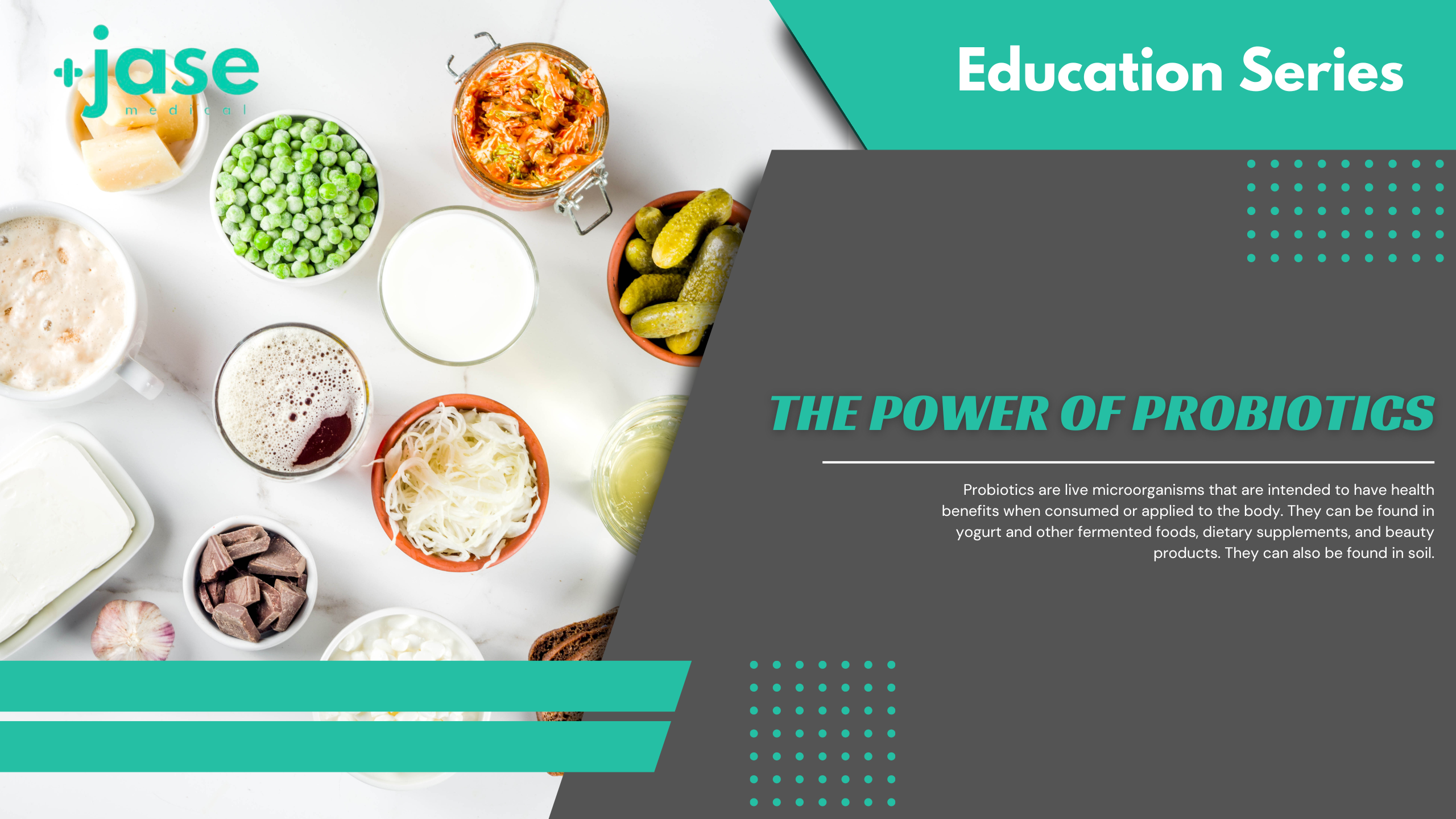
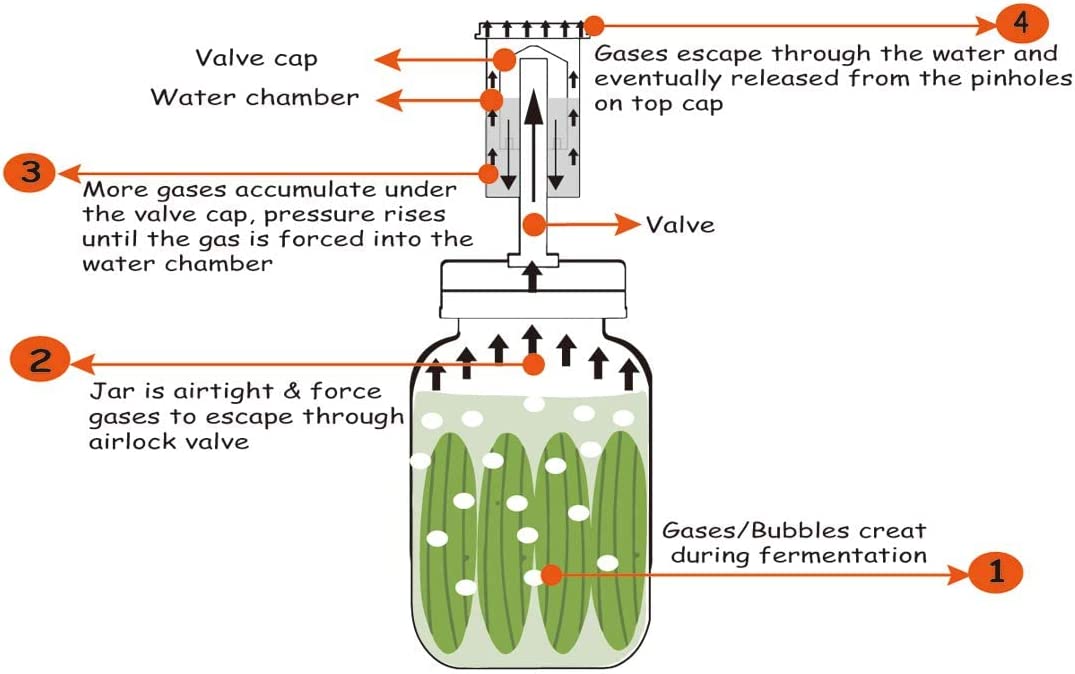
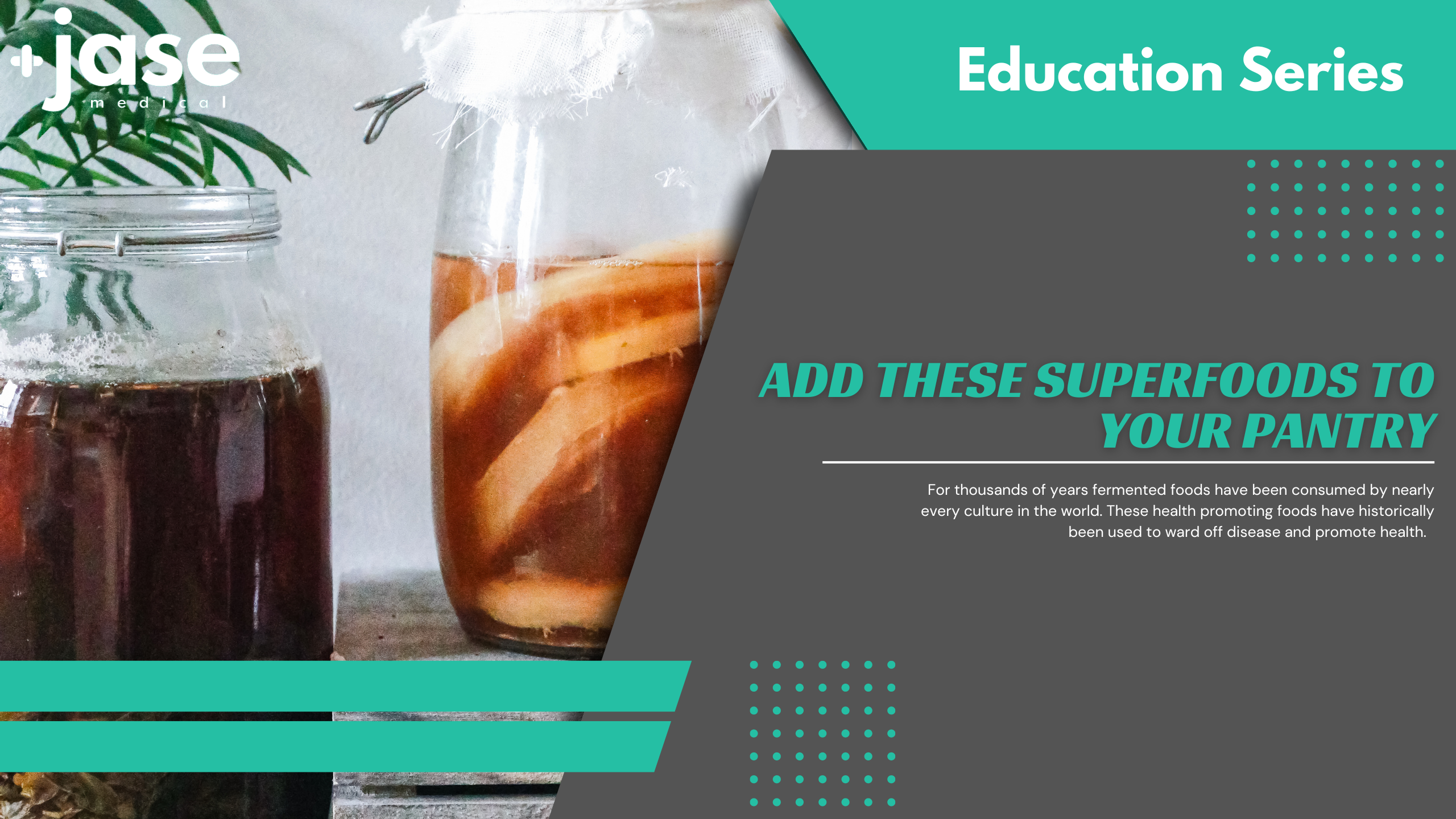
Probiotics are live microorganisms that are intended to have health benefits when consumed or applied to the body. They can be found in yogurt and other fermented foods, dietary supplements, and beauty products. They can also be found in soil.

Probiotics may contain a variety of microorganisms. The most common are bacteria that belong to groups called Lactobacillus and Bifidobacterium. Other bacteria may also be used as probiotics, as are some yeasts such as Saccharomyces boulardii.

It is estimated our bodies house an estimated 100 trillion “good” bacteria, many of which reside in our gut. These bacteria are essential for our survival. They play an enormous role in our overall health.

A review of the many documented health benefits include:

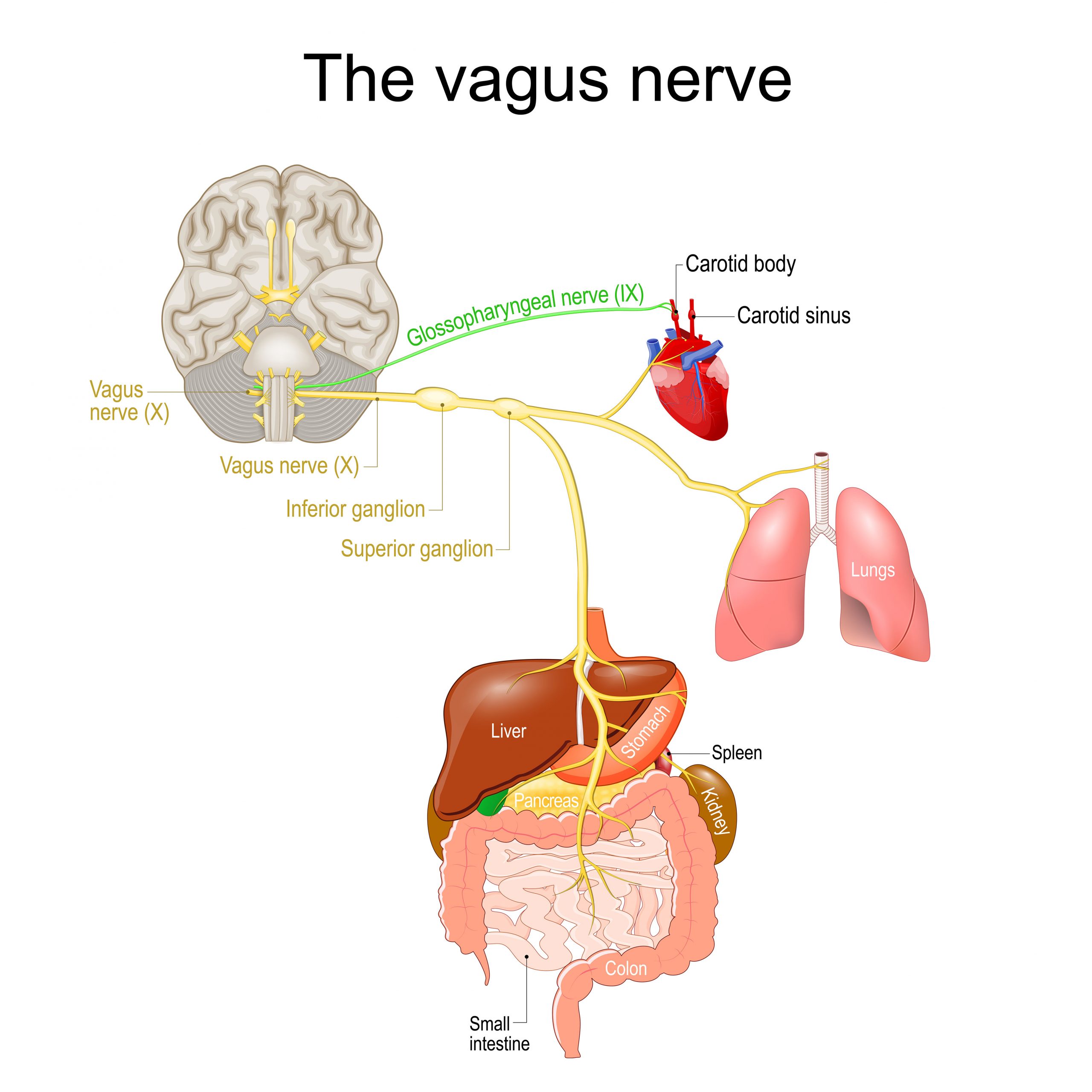
  • A review titled “Effect of Probiotics on Central Nervous System Functions in Animals and Humans: A Systematic Review” concluded that common strains of probiotic bacteria found in some fermented foods “showed efficacy in improving psychiatric disorder-related behaviors including anxiety, depression, autism spectrum disorder (ASD), obsessive-compulsive disorder, and memory abilities, including spatial and non-spatial memory.” They also concluded that certain probiotics could affect the gut brain interaction, from the vagus nerve, aka as the “traveling nerve”. This nerve originates at the brainstem and travels to almost every organ of your body. It is a part of the autonomic nervous system. Many of the strains of probiotic bacteria used in the research can be found in active culture yogurt and lacto fermented vegetables. There are probiotic supplements on the market, however the most concentrated form is in foods.
  • Improves glycemic control
  • Lowers inflammation
  • Improves immune function
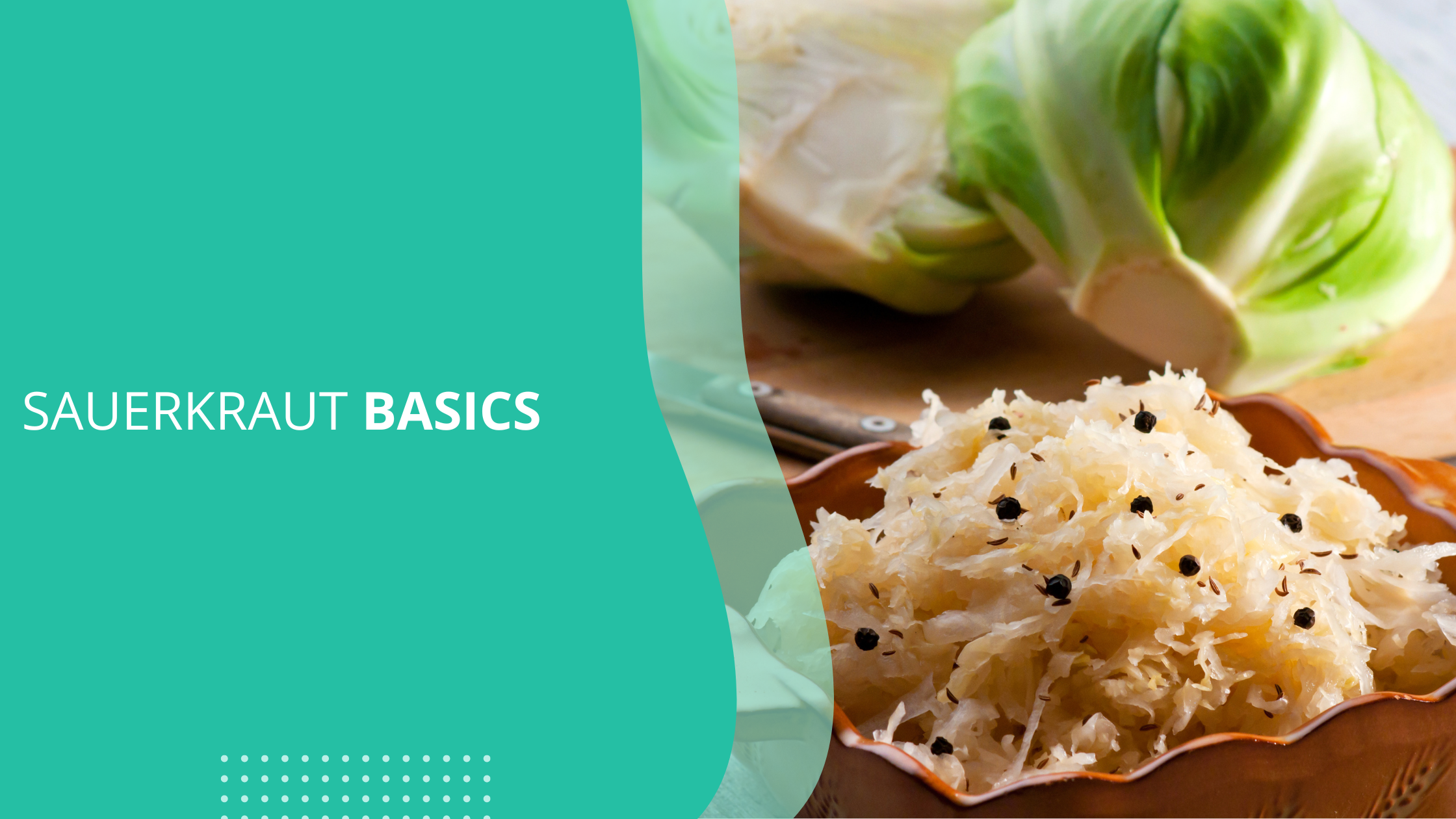
  • Manufacture of vitamin K2- This vitamin, not to be confused with vitamin K1 which is responsible for blood to clot, k2 is a powerful transporter of calcium from the bloodstream and into the bones and teeth and prevents calcification of arteries and in kidneys. It is found most abundantly in natto, a fermented product. Other sources include cheese, beef liver, chicken, butter, sauerkraut.
  • Butyrate is a naturally occurring short chain fatty acid found in the lower intestine and is used by the lining of the intestine as an energy source. It is found in kefir, yogurt, sauerkraut, breast milk, apple cider vinegar and resistant starches- cooked and cooled rice, potatoes, oats, etc. Butyrate also:
  1. Helps stabilize blood sugar levels
  2. Protects brain from diseases like Alzheimer’s and Parkinson’s
  3. Protects against cancer
  4. Can help prevent obesity
  • Saccharomyces boulardii, a probiotic found in supplement form and in fermented foods is commonly used in treatment of childhood rotaviral diarrhea and diarrhea resulting from antibiotic use. The brand Florastor is the most common probiotic used.
  • Kombucha, a fizzy drink made from tea, sugar and a scoby (symbiotic culture of bacteria and yeast) provides B vitamins and acetic acid, which kills pathogenic bacteria.

A word about prebiotics

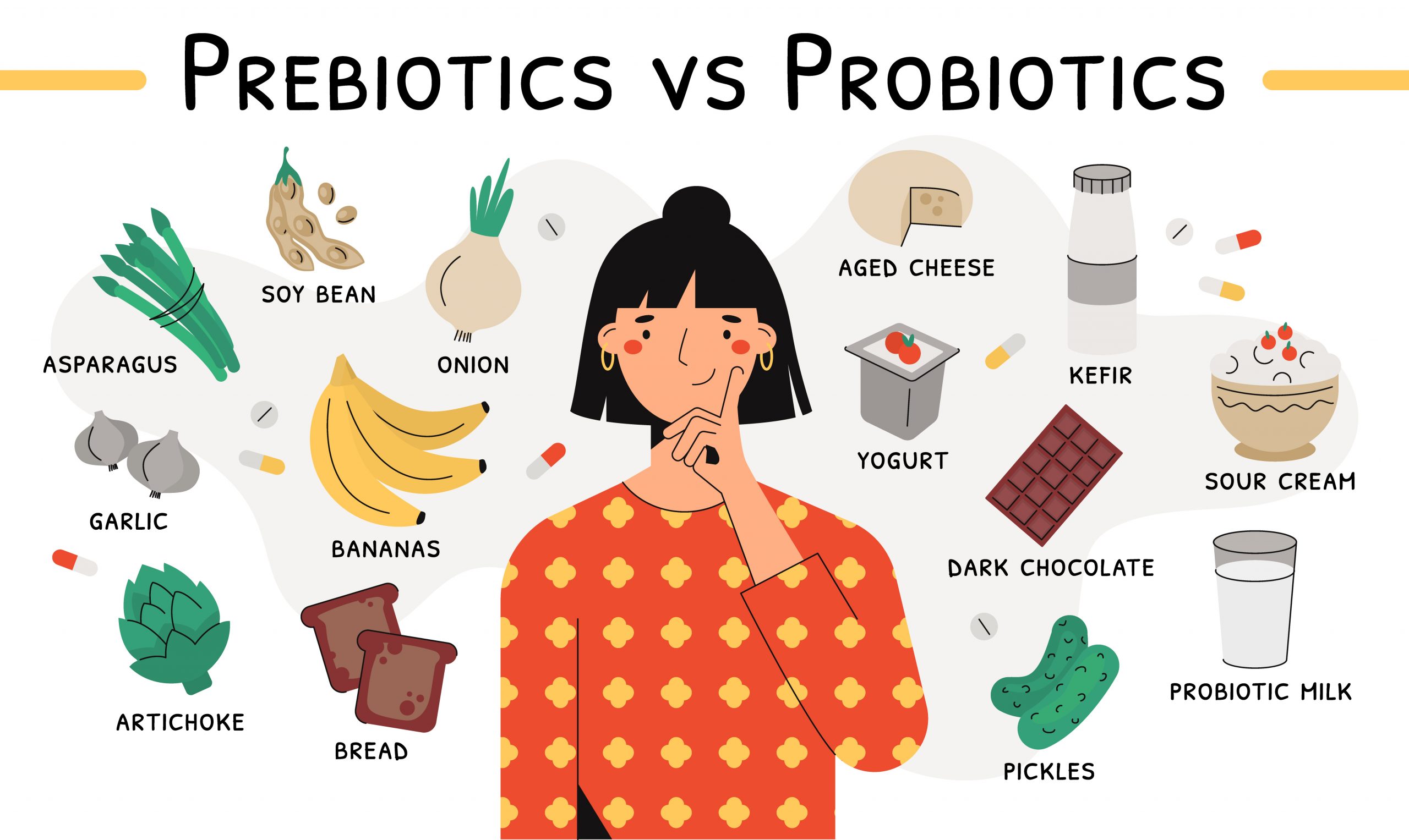
Prebiotics are a type of dietary fiber that promote the growth of healthy bacteria in your gut. While probiotics are live bacteria that provide health benefits, prebiotics act as food for probiotics and help them survive and thrive. Examples are fiber from fermented foods, whole grains, bananas, greens, onions, garlic, avocados and artichokes.

Foods highest in prebiotic fiber are chicory root, garlic and dandelion.

- Brooke Lounsbury

Medical Content Writer

Lifesaving Medications

Everyone should be empowered to care for themselves and their loved ones during the unexpected.

Recent Posts

Keeping you informed and safe.

Surviving a Nuclear Fallout: Vital Medications

Surviving a Nuclear Fallout: Vital Medications

As if the Russia Ukraine conflict wasn’t enough, all eyes and nations are focused on the escalating tensions between Israel and Palestine. Even before the October 7th Hamas attack on Israel, experts were warning of nuclear escalation, and recently Russia revoked a ban...

Are You Ready for What is Already Here?

Are You Ready for What is Already Here?

(5 tips to build resilience) Every day that we turn on the news we are hit with something new that could not only destabilize countries across the seas, but can  have serious implications  for our lives in the states. World War 3 is trying to kick off (Some people...

Join Our Newsletter

Our mission is to help you be more medically prepared. Join our newsletter and follow us on social media for health and safety tips each week!