
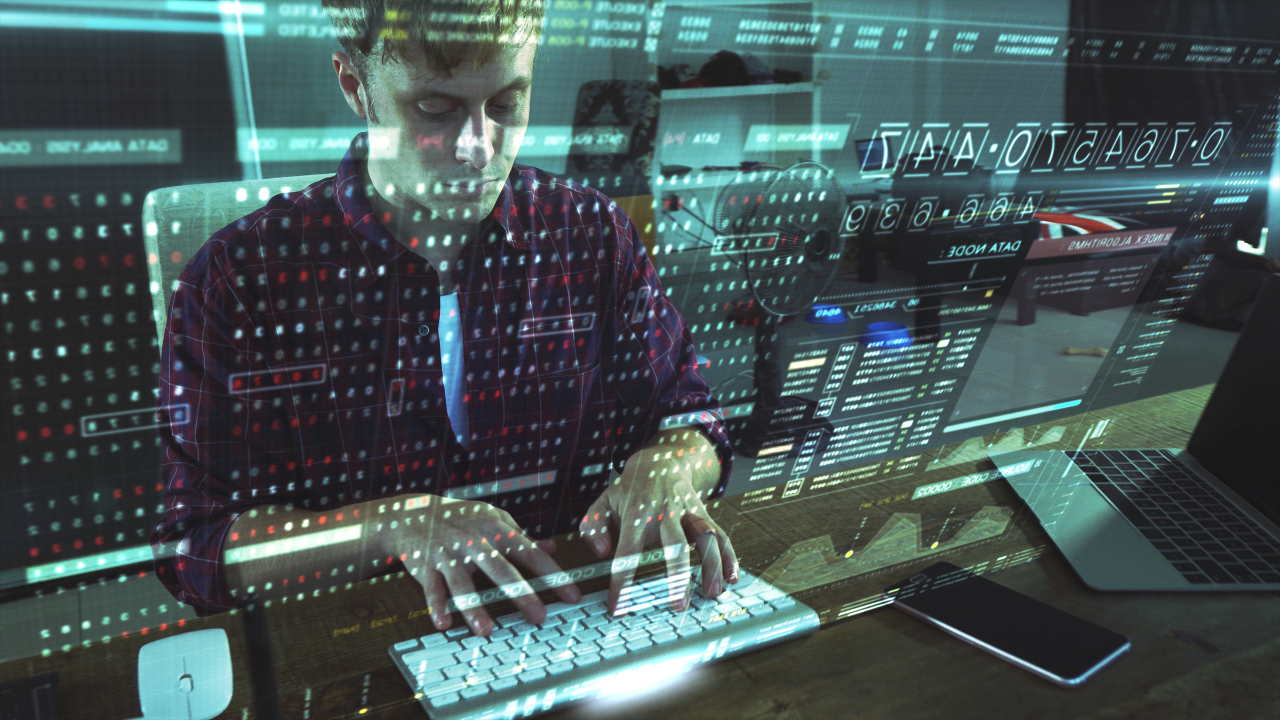
Cyber security is more important than ever as more and more personal information is available online.
Cyberattacks are malicious attempts to access information or damage a computer or network system. Cyberattacks can lead to information leaks, money loss or theft of sensitive information. On a larger scale, it can affect organizations, communities and the nation.
Cybersecurity involves preventing, detecting and responding to cyberattacks. Taking a few small steps can make your information more secure and can prevent loss of finances and valuable information.
Here are a list of steps to take to protect yourself and your information:
- Limit the amount of information you share online and change privacy settings to not use location services.
- Make sure to update software, applications, and operating systems up to date.
- Create strong passwords. Use Upper and lower case letters, numbers, and special characters.
- Do not use the same password for multiple accounts.
- Use a password manager and two methods of verification whenever possible.
- When in doubt do NOT click on unknown links, especially if they ask for personal information. More than 90% of successful cyber attacks start with a phishing email.
- Protect your home or business by using a secure internet connection and Wi-Fi network.
- Change passwords frequently
- Don’t share PINs or passwords.
- Use devices with biometric scans when possible.
- Check your account summaries and credit reports regularly.
- If you do have to share personal or financial information online, make sure it is a secure site that begins with https://. Using a virtual private network (VPN) can also provide a secure connection.
- Use antivirus (ex: Norton), antimalware (ex: Malwarebytes), and firewalls to block threats.
- Back up your files regularly in encrypted files.
- The government will NOT call, text, or contact you via social media about owing money.
- Brooke Lounsbury
Medical Content Writer
Lifesaving Medications
Recent Posts
Keeping you informed and safe.

Is It Safe to Help? What to Check First in an Emergency
Is It Safe to Help? What to Check First in an Emergency By the Jase Medical Team You see someone fall from a ladder. Or you're the first person to stop at a roadside accident. Maybe a family member suddenly collapses during a holiday gathering. Your first instinct is...
For Clinicians | Seeing the Emergency: Scene Safety and Triage
For Clinicians | Seeing the Emergency: Scene Safety and Triage Off Duty Series: Part 3 of 6 By Aaron Asay, PA-C, DMSc, FIBODM, FAWMMedically reviewed and edited by Dr. Jamie Wilkey, PharmD Off Duty is a six-part series on the emergencies clinicians end up handling...
What to Do Before the Ambulance Arrives: Four First Aid Skills That Could Save a Life
What to Do Before the Ambulance Arrives: Four First Aid Skills That Could Save a Life By the Jase Medical Team The first few minutes of a medical emergency can change everything. And the person who makes the biggest difference before an ambulance arrives might not be...