
Is It Safe to Help? What to Check First in an Emergency
By the Jase Medical Team
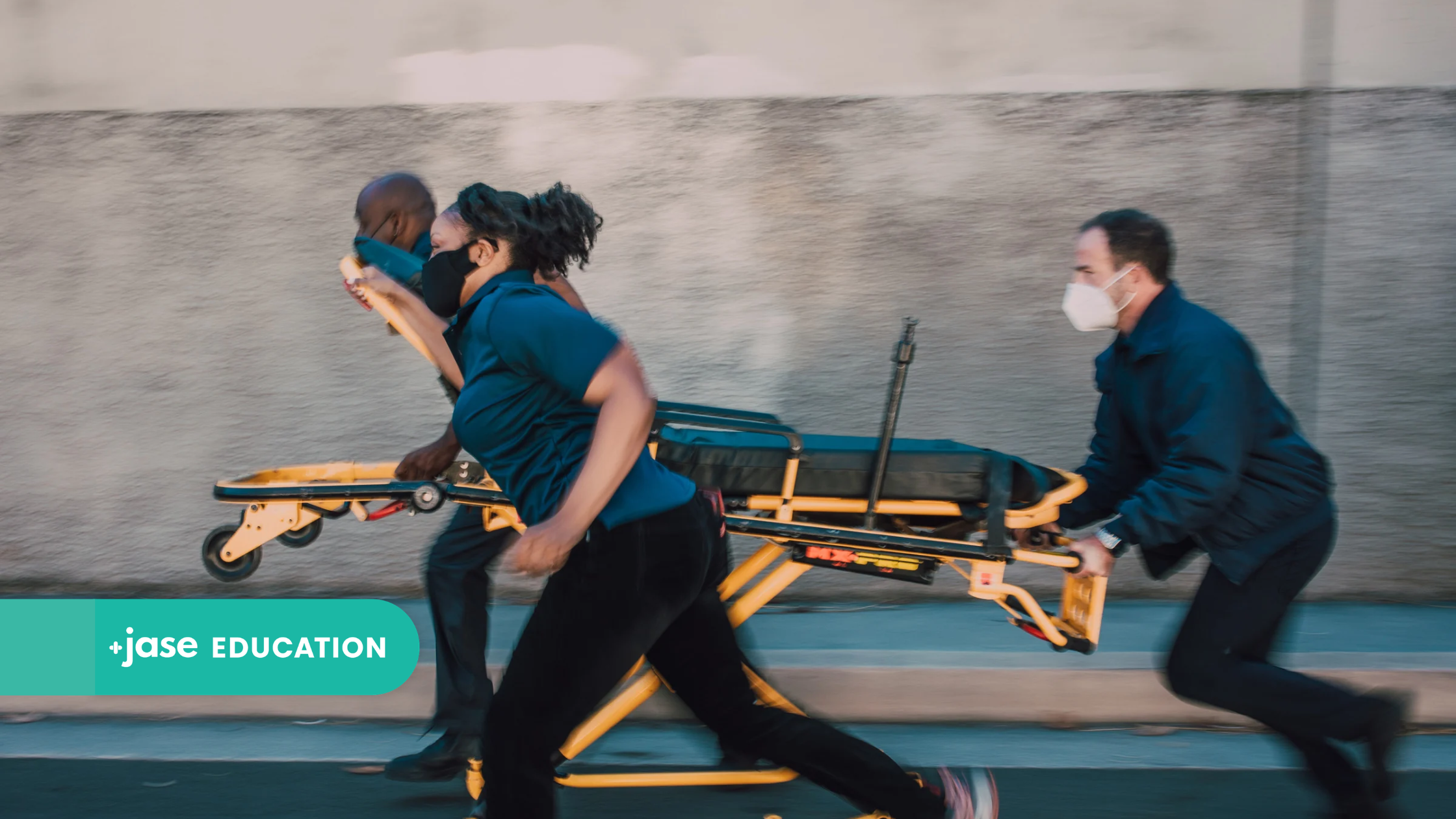
You see someone fall from a ladder. Or you’re the first person to stop at a roadside accident. Maybe a family member suddenly collapses during a holiday gathering. Your first instinct is probably to rush over and help. But before you take another step, ask yourself one important question:
Is it safe for me to help?
The first rule of emergency response is to make sure you won’t become another person who needs rescuing. Once the scene is safe, your next priority is recognizing who needs help most urgently. Those first 30 seconds can make a significant difference, even if you have no medical training.
Rule #1: Look Before You Step In
When someone is hurt, it’s natural to focus entirely on the injured person. But the danger that caused the emergency may still be present. Imagine approaching someone who has fallen near a damaged power line. Or rushing toward a car accident without noticing leaking fuel or approaching traffic.
Before you approach, stop and ask: “What could hurt me if I try to help?”
Look for hazards such as:
- Electricity: Downed power lines, exposed wiring, or water that may be electrically charged.
- Traffic: Moving vehicles, poor visibility, or an accident scene that’s not protected from oncoming cars.
- Fire or fuel: Smoke, flames, leaking gasoline, or other hazardous materials.
- Unstable surroundings: Damaged structures, falling debris, or objects that could collapse.
- Animals: A frightened or aggressive dog that may bite someone approaching.
If the scene isn’t safe, stay back and call 911. Give the dispatcher your location, describe the hazards, and follow their instructions.
Don’t attempt to move a downed power line, enter electrified water, or approach a dangerous scene without the proper training and equipment.
You can’t help someone if you become the next victim.
A Lesson From the Fireground
Aaron Asay, a longtime firefighter and disaster responder, learned this lesson firsthand. Early in his firefighting career, Aaron was moving toward a person lying in a pool of water when his captain stopped him.
The water was electrified.
What looked like a straightforward rescue could have seriously injured or killed another person. That experience reinforced a lesson that professional responders carry into every emergency: assess the scene before taking action. In his companion article, Off Duty Part III: Seeing the Emergency, Aaron shares how that principle shapes the way responders recognize danger and decide what to do next.
The same thinking applies whether you’re responding to a disaster or helping someone who has fallen in your own backyard.
Rule #2: Don’t Assume the Loudest Person Needs Help First
Once you’ve determined that it’s safe to approach, the next question is: Who needs help most urgently? Imagine arriving at an accident involving two people. One is yelling loudly because they’ve broken an arm. The other is sitting quietly, struggling to breathe. Your attention may naturally go toward the person shouting for help. But the quieter person may be facing a much more serious emergency.
Emergency responders use a process called triage, from a French word meaning “to sort.” Triage helps responders prioritize care based on the severity of injuries and the urgency of treatment. You don’t need to be a medical professional to recognize some of the warning signs. The key is to look beyond the most obvious injury and notice what’s happening with the person’s breathing, bleeding, and ability to respond.
Your First 30 Seconds: What to Look For
After confirming the scene is safe, call 911 or direct someone else to call. Then take a quick look at the injured person or people.
Here’s a simple first aid assessment checklist:
- Can they respond? Are they awake, able to talk, and able to follow simple directions? New confusion or unresponsiveness is a serious warning sign.
- Are they breathing normally? Look for struggling, gasping, gurgling, or unusually slow or absent breathing. Gasping is not normal breathing.
- Is there severe bleeding? Look for blood pooling on the ground, spurting from a wound, or rapidly soaking through clothing.
- Can they move? If there are multiple injured people, notice who can walk and who cannot. Don’t ask someone to move if you suspect a serious head, neck, or spinal injury.
- Are they getting worse? Pale or clammy skin, increasing confusion, severe weakness, or deteriorating breathing can signal a serious problem.
These observations aren’t meant to replace medical training. They help you recognize immediate threats and communicate useful information to emergency dispatchers.
A broken finger can usually wait. A blocked airway or life-threatening bleeding cannot.
If someone is unresponsive and not breathing normally, follow the dispatcher’s instructions and begin CPR and use an AED if available and appropriate. If someone has life-threatening external bleeding, apply firm direct pressure and follow emergency instructions for bleeding control.
What If More Than One Person Is Injured?
When several people need help, it can be difficult to know where to begin. Professional responders have specialized triage systems for these situations, but as a bystander, your role is simpler.
First, make sure the scene is safe and emergency services have been contacted. Then look for immediate life threats, particularly someone who isn’t breathing normally or has severe bleeding.
A person who can walk, talk, and follow directions may still need medical attention, but someone who is unconscious, struggling for air, or bleeding heavily may need immediate intervention. Don’t attempt to move injured people unnecessarily, especially if a spinal injury is possible, unless remaining where they are presents an immediate danger.
And remember that you don’t have to manage the situation alone. A 911 dispatcher can help guide your next steps while responders are on their way.
Preparation Starts Before the Emergency
Most people think of first aid preparedness as having bandages, medications, and emergency supplies available. Those tools matter, but they’re only useful when you know how to assess the situation in front of you. Knowing when to approach, what dangers to avoid, and which symptoms demand immediate attention can help you make better decisions under pressure.
Taking a basic CPR, AED, and first aid course is one of the most practical ways to build those skills. Training gives you an opportunity to practice recognizing emergencies and responding safely before you’re faced with a real one.
For more on what to do during the earliest moments of a medical emergency, read our Jase Medical article, The First Hour.
The Right First Step Can Save Two Lives
Emergencies rarely happen at convenient times. They happen at family gatherings, on the road, in the yard, and in places where professional help may take time to arrive.
You don’t need to be a firefighter or medical professional to make a meaningful difference. But you do need to know where to begin. At Jase Medical, our family team of doctors, PAs, and pharmacists believes appropriate medical preparation starts with understanding what to do before reaching for a medical supply.
First, look for what could hurt you. Then, look for who needs help most.
Those two habits can help you stay safe, recognize a life-threatening emergency, and take the right next step while professional help is on the way.
Medical disclaimer: This article provides general educational information and does not replace professional first aid training or emergency medical guidance. Call 911 for serious injuries, unresponsiveness, abnormal breathing, or life-threatening bleeding. Follow emergency dispatch instructions and do not enter an unsafe scene.
Lifesaving Solutions
Recent Posts
Keeping you informed and safe.
What to Do Before the Ambulance Arrives: Four First Aid Skills That Could Save a Life
What to Do Before the Ambulance Arrives: Four First Aid Skills That Could Save a Life By the Jase Medical Team The first few minutes of a medical emergency can change everything. And the person who makes the biggest difference before an ambulance arrives might not be...
For Clinicians | The First Hour: An Introduction to Community Crisis First Aid
For Clinicians | The First Hour: An Introduction to Community Crisis First Aid Off Duty Series: Part 2 of 6 By Aaron Asay, PA-C, DMSc, FIBODM, FAWMMedically reviewed and edited by Dr. Jamie Wilkey, PharmD Off Duty is a six-part series on the emergencies clinicians end...
Can You Get Rabies From a Dog Lick? What Travelers Need to Know
Can You Get Rabies From a Dog Lick? What Travelers Need to Know By the Jase Medical Team Can you get rabies from a dog licking you? Yes, if the animal's saliva comes into contact with broken skin or the moist membranes of your eyes, nose, or mouth. Most people...
For Clinicians | It Was Only a Lick: A Rabies Exposure Case Study Part 1
For Clinicians | It Was Only a Lick: A Rabies Exposure Case Study Off Duty Series: Part 1 of 6 By Aaron Asay, PA-C, DMSc, FIBODM, FAWMMedically reviewed and edited by Dr. Jamie Wilkey, PharmD, Director of Clinical Education Off Duty is a six-part series on the...