
Can You Get Rabies From a Dog Lick? What Travelers Need to Know
By the Jase Medical Team
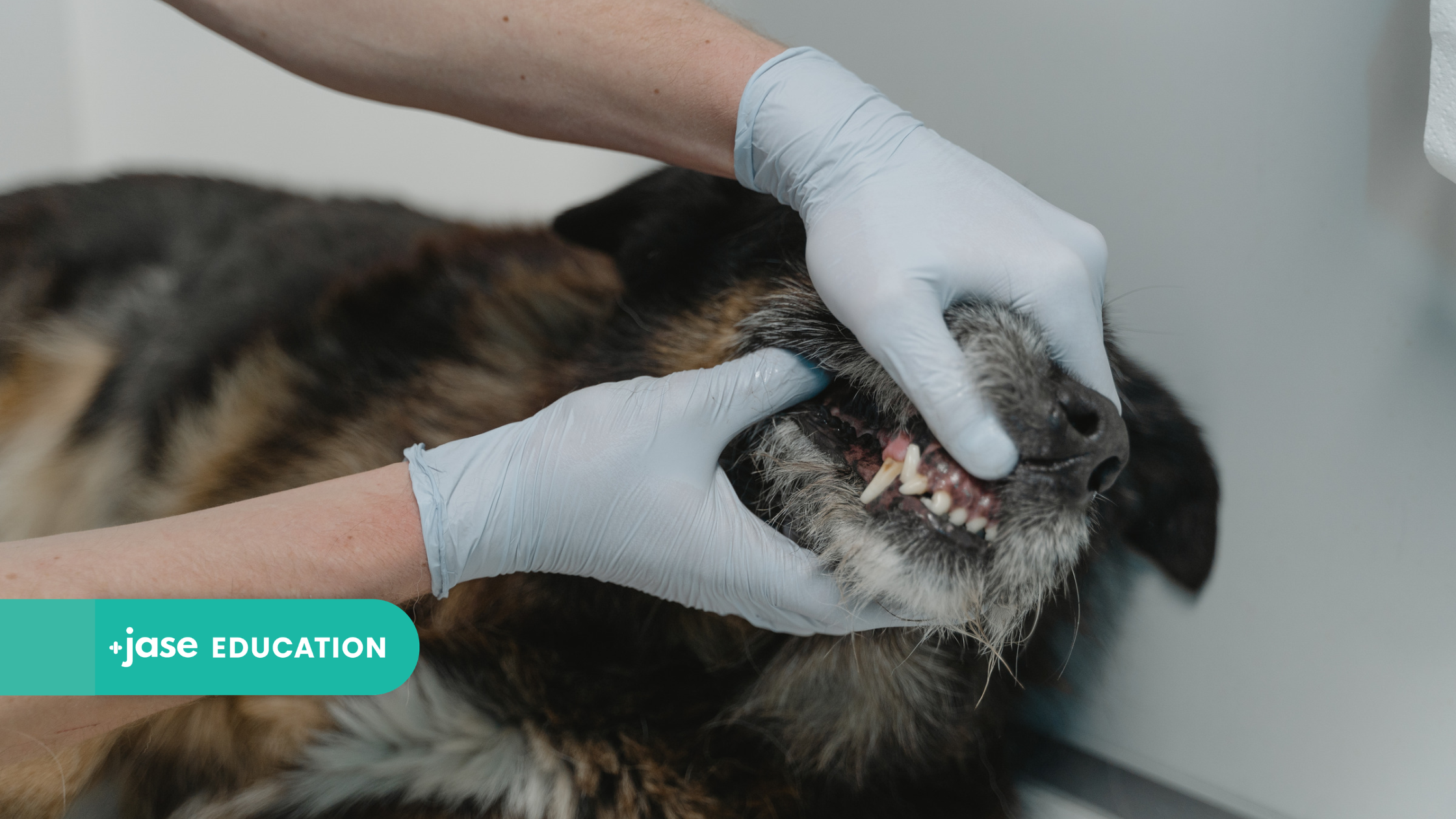
Can you get rabies from a dog licking you? Yes, if the animal’s saliva comes into contact with broken skin or the moist membranes of your eyes, nose, or mouth.
Most people associate rabies with an animal bite. But a bite isn’t the only way the virus can enter your body.
Imagine you’re traveling abroad when a friendly stray dog approaches and licks your ankle. You think nothing of it until you remember the mosquito bite you’ve been scratching all morning.
If that bite has broken the skin, the encounter could count as a rabies exposure.
It’s an easy detail to overlook, especially when you’re traveling somewhere unfamiliar.
And while rabies is rare in the United States, it’s still a serious public health concern in many parts of the world.
The good news? Rabies is preventable when the right treatment is given promptly after exposure.
Why a Dog Lick Can Be Dangerous
Rabies is a viral infection that attacks the central nervous system. It’s transmitted through the saliva of an infected animal, most commonly through bites.
But saliva doesn’t need a bite wound to enter your body.
According to the World Health Organization (WHO), saliva from a potentially rabid animal contacting broken skin or mucous membranes is considered a Category III exposure, the highest exposure category.
That includes:
- A dog licking a cut, scrape, or open blister.
- Saliva contacting a mosquito bite you’ve scratched until it bleeds or breaks the skin.
- An animal licking your eyes, mouth, or other mucous membranes.
- A bite or scratch that penetrates the skin.
A lick on completely intact, healthy skin is not considered a rabies exposure.
The distinction matters because an interaction that seems harmless can require urgent medical attention if the skin barrier has been broken.
Why Travelers Should Pay Attention
In the United States, human rabies cases are uncommon, thanks in part to widespread animal vaccination and public health programs.
But the situation is different in many other countries.
According to the WHO, dogs are responsible for up to 99% of human rabies cases worldwide.
Travelers visiting rural communities, volunteering abroad, or spending time around free-roaming animals may encounter dogs whose vaccination status is unknown.
And you don’t have to be doing anything adventurous to experience a potential exposure.
It could happen while walking through a market, waiting at a bus stop, or visiting a neighborhood during a mission trip.
The challenge isn’t always recognizing an aggressive animal. Sometimes it’s recognizing that a friendly interaction still carries risk.
When “It Was Only a Lick” Became a Medical Emergency
For Aaron Asay, a longtime disaster responder and member of the Jase Medical family, this lesson became personal during a family trip to Peru.
His daughter was licked by a dog that appeared sick.
What might have seemed like a minor encounter quickly became a serious medical concern. Getting the appropriate rabies post-exposure treatment required the family to travel to Miami.
Their experience highlights an important reality of international travel: the medical treatment you need may not always be readily available where you are.
Rabies vaccines and rabies immune globulin are not equally accessible in every country or medical facility.
That’s why knowing what qualifies as an exposure, and what treatment may be required, matters before you leave home.
Aaron shares more about his family’s experience in his companion article, Off Duty Part I: It Was Only a Lick, part of Jase Medical’s For Clinicians series.
What to Do Immediately After a Possible Rabies Exposure
If you’re bitten, scratched, or licked on broken skin by an animal that could have rabies, don’t wait for symptoms.
Take these steps immediately:
1. Wash the area for at least 15 minutes.
Use soap and running water to thoroughly wash the affected area. This is one of the most important first steps because it helps remove and inactivate virus particles at the exposure site.
2. Seek medical care the same day.
Contact a healthcare professional or visit an appropriate medical facility as soon as possible. Tell them where the exposure occurred, what type of animal was involved, and whether the animal’s vaccination status is known.
3. Ask whether you need rabies post-exposure prophylaxis (PEP).
A healthcare professional or public health authority will evaluate your exposure and determine whether preventive treatment is necessary.
4. Don’t wait to see if you feel sick.
Rabies is almost always fatal once clinical symptoms appear. Fortunately, post-exposure treatment is highly effective when administered correctly before symptoms develop.
The priority is to act promptly, even if the wound is small or the animal seemed friendly.
What Is Rabies Post-Exposure Treatment?
Rabies post-exposure prophylaxis, often called PEP, is designed to prevent the virus from causing illness after a potential exposure.
For someone who has never received rabies vaccination, treatment generally includes two components.
Rabies vaccine: A series of vaccine doses helps your immune system develop protection against the virus. For most previously unvaccinated, immunocompetent people, the standard U.S. schedule includes doses on days 0, 3, 7, and 14. Some people, including those with certain immune conditions, require additional doses and follow-up testing.
Rabies immune globulin (HRIG): This provides immediate antibodies while your body develops its own immune response to the vaccine.
When indicated, immune globulin is administered into and around the wound as much as anatomically feasible, with any remaining dose given at a separate injection site.
Ideally, it’s given when the vaccine series begins. Under U.S. guidance, it can be administered up to and including day seven after the first vaccine dose, but not afterward.
This is why seeking care promptly matters. In some countries, rabies vaccine may be available while immune globulin is difficult to obtain.
If you’re traveling internationally, a healthcare professional may need to coordinate treatment or refer you to another facility.
Keep a Record of Every Rabies Treatment
If you receive rabies treatment while traveling, document everything.
Take photographs of the vaccine packaging and record:
- The medication or vaccine name and manufacturer.
- The date each dose was administered.
- The clinic or hospital where you received treatment.
- Whether rabies immune globulin was given.
- Any written instructions for completing the remaining doses.
These details can help healthcare professionals determine how to continue your treatment if you return home or travel to another country.
Don’t assume that all rabies vaccine products or treatment schedules are interchangeable without medical review.
Should You Get the Rabies Vaccine Before Traveling?
If you’re planning an extended international trip, especially to a rural area or a destination where rabies is common, ask your healthcare provider or travel clinic about pre-exposure rabies vaccination.
This may be particularly helpful for people who will spend time around animals or in locations where prompt medical treatment could be difficult to access.
Under current U.S. recommendations, the standard pre-exposure series consists of two vaccine doses given on days 0 and 7. Some travelers may need additional long-term protection based on their ongoing risk.
Pre-exposure vaccination doesn’t eliminate the need for medical care after a possible rabies exposure.
However, it simplifies treatment.
For someone who has been appropriately vaccinated before exposure, post-exposure treatment generally requires two additional vaccine doses, given three days apart, without rabies immune globulin.
That distinction can be especially important when traveling somewhere with limited medical resources.
A travel medicine appointment before departure can help you determine whether vaccination makes sense for your itinerary.
Medical Preparedness Means Knowing When to Act
When preparing for international travel, it’s easy to focus on packing medications, first aid supplies, and other essentials.
But some medical emergencies require treatments that can’t be carried in an ordinary travel kit.
Rabies is one of them.
At Jase Medical, our family team of doctors, PAs, and pharmacists believes appropriate medical preparation includes understanding the risks you may encounter and knowing how to respond before a situation becomes urgent.
For rabies, that preparation is straightforward:
Know what counts as an exposure. Wash the area immediately. Seek medical care the same day.
If you’re planning a cruise, mission trip, extended vacation, or international adventure, ask your healthcare provider whether rabies vaccination should be part of your travel preparations.
Because sometimes the most important medical decision you’ll make on a trip begins with recognizing that “it was only a lick” doesn’t always mean there was no risk.
Medical disclaimer: This article is for educational purposes only and does not replace individualized medical advice. Possible rabies exposures require prompt evaluation by a qualified healthcare professional or public health authority. Do not delay seeking medical care while attempting to determine an animal’s rabies status on your own. Rabies vaccination and post-exposure treatment should be administered under appropriate medical supervision.
Lifesaving Solutions
Recent Posts
Keeping you informed and safe.
Flu and COVID Prevention for the Holidays: Why Timing Matters
Flu and COVID Prevention for the Holidays: Why Timing Matters By the Jase Medical Team The holidays are a time for gathering around the table, catching up with family, and making memories with the people we love. They're also a time when respiratory viruses can spread...
For Clinicians | How Long Does the Flu Shot Take to Work? Holiday Flu Prevention
For Clinicians | How Long Does the Flu Shot Take to Work? Holiday Flu Prevention By Dr. Jamie Wilkey, PharmD, Director of Clinical EducationMedically reviewed and edited by Kristen Carpenter, PA-C Hi again, everyone. Last week I had a lot of fun writing about flu...
Flu vs. COVID Antivirals: Is It Too Late to Take Tamiflu or Paxlovid?
Flu vs. COVID Antivirals: Is It Too Late to Take Tamiflu or Paxlovid? By the Jase Medical Team You've been sick for three days. The fever isn't improving, you're exhausted, and you're wondering whether an antiviral medication could help. But you've heard that...
For Clinicians | Tamiflu After 48 Hours, Paxlovid After 5 Days
For Clinicians | Tamiflu After 48 Hours, Paxlovid After 5 Days: Antiviral Timing for Flu and COVID By Dr. Jamie Wilkey, PharmD, Director of Clinical EducationMedically reviewed and edited by Kristen Carpenter, PA-C As the weather turns colder, every retail pharmacist...