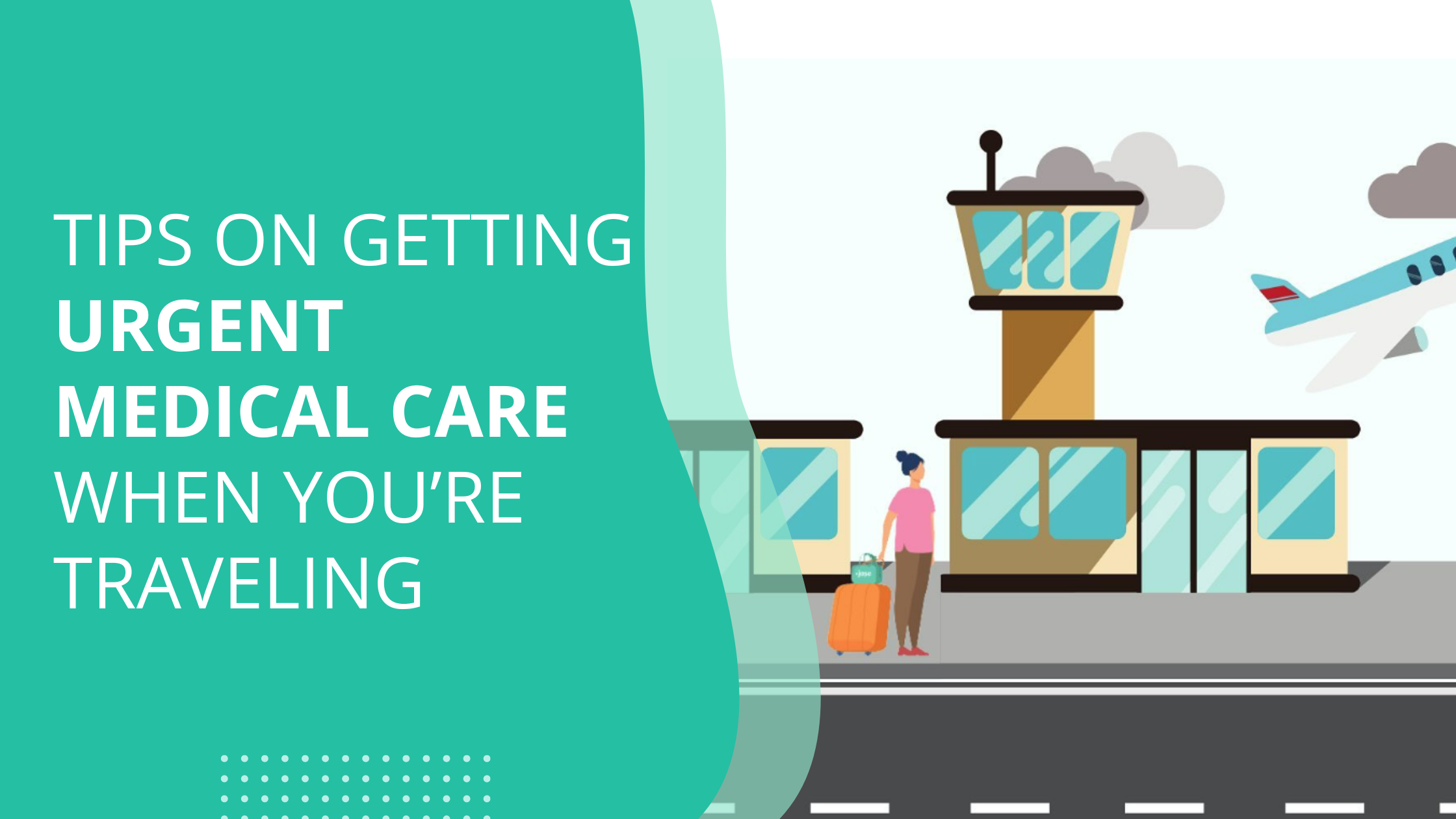
Tips on Getting Urgent Medical Care When You’re Traveling
Vacations are supposed to be fun and relaxing. Unfortunately, they can also expose you to multiple risks that can lead to illnesses and accidents.
Data from GeoSentinel highlights that about 8% of international travelers have become ill to the point of needing immediate medical intervention during or after their trips. The most common travel-related condition that people experience is gastrointestinal disease. This is followed by febrile illnesses like malaria, which affects around 250 million travelers every year.

Health risks are present no matter where you’re traveling to, so it’s always important to stay prepared for any situation. If you’re facing an emergency case during your trip, here’s what you’ll need to do:

Perform the Appropriate First Aid Steps

Preparation is the key because anything can happen during these trips. So before you go, arm yourself with first aid supplies and skills.

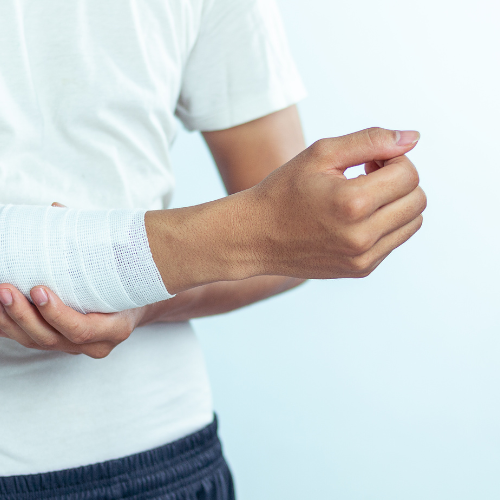
For instance, our article entitled Are You Prepared for a Head or Brain Injury reports that brain injuries impact more than 2.8 million people every year. These are usually caused by vehicle accidents and falls, which can be quite common during trips. If you’re dealing with lacerations, we recommend cleaning the wound before applying a first aid ointment and covering it up with a bandage. Additionally, your first aid knowledge will come in handy when dealing with falls because you’ll need to conduct tests to evaluate the gravity of the injury.

Use Telehealth for an Immediate Response

People usually perceive telehealth as a service that’s limited to online consultations, even when these services have so much to offer.

In fact, a look at an article on the future of telehealth by Maryville University shows that these online services are becoming more comprehensive due to the creation of specific software programs and the integration of remote monitoring technologies. These specialty-specific software programs can give people 24/7 access to orthopedic, surgical, and emergency providers, which can be advantageous when encountering accidents or emergencies during your trip. Time is of the essence during these incidents, and telehealth ensures that you’re just one call away from a medical provider.

Get in Touch With Your Medical Insurance Provider

Hospital services can get expensive in certain countries, and your medical bill can shoot up even further when you’re dealing with emergency injuries or illnesses.

So before you head to the hospital, Insurance Business recommends calling your travel insurance provider’s emergency assistance line. Doing so can help you navigate language barrier issues and find the nearest doctor available in the area. Your travel medical insurance provider can also help you find transportation to an appropriate medical facility. If necessary, insurance can cover the costs for the medical procedures and the evacuation process, unless the injuries were caused by extreme sports activities or alcohol and drug use.

Contact the Nearest US Embassy or Consulate

Accidents and illnesses are unexpected, which is why not all tourists are equipped with first aid kits, telehealth access, or travel insurance.

In this situation, the CDC suggests calling the nearest US embassy or consulate, which is available for emergency calls 24/7. These US officials can help you locate medical services near your area, so that you can get medical assistance as soon as possible. On top of that, these officials can also notify your family, friends, and employers about any emergencies that have occurred during your trip.

No one ever wants to encounter accidents or illnesses during their trip. However, these crises can happen, so make sure to prepare first aid kits beforehand and know which authorities to contact in case of emergencies. 

Nyla Bryce

Lifesaving Medications

Everyone should be empowered to care for themselves and their loved ones during the unexpected.

Recent Posts

Keeping you informed and safe.
How Should I Store My Jase Case and Add-ons?

How Should I Store My Jase Case and Add-ons?

You recently made the proactive decision to purchase the Jase Case and some add-ons. This investment is a hedge against interrupted medication supplies due to natural disasters, travel to medically underserved regions of the world, and world events leading to extended...

Hidden Dangers of Indoor Air Pollution

Hidden Dangers of Indoor Air Pollution

(Especially in the Winter)People spend at least 90 percent of their time indoors, and this is especially true during winter months in the Northern latitudes. Cooler air, treacherous driving conditions, high winds, rain, ice, and snowstorms force many to stay inside,...

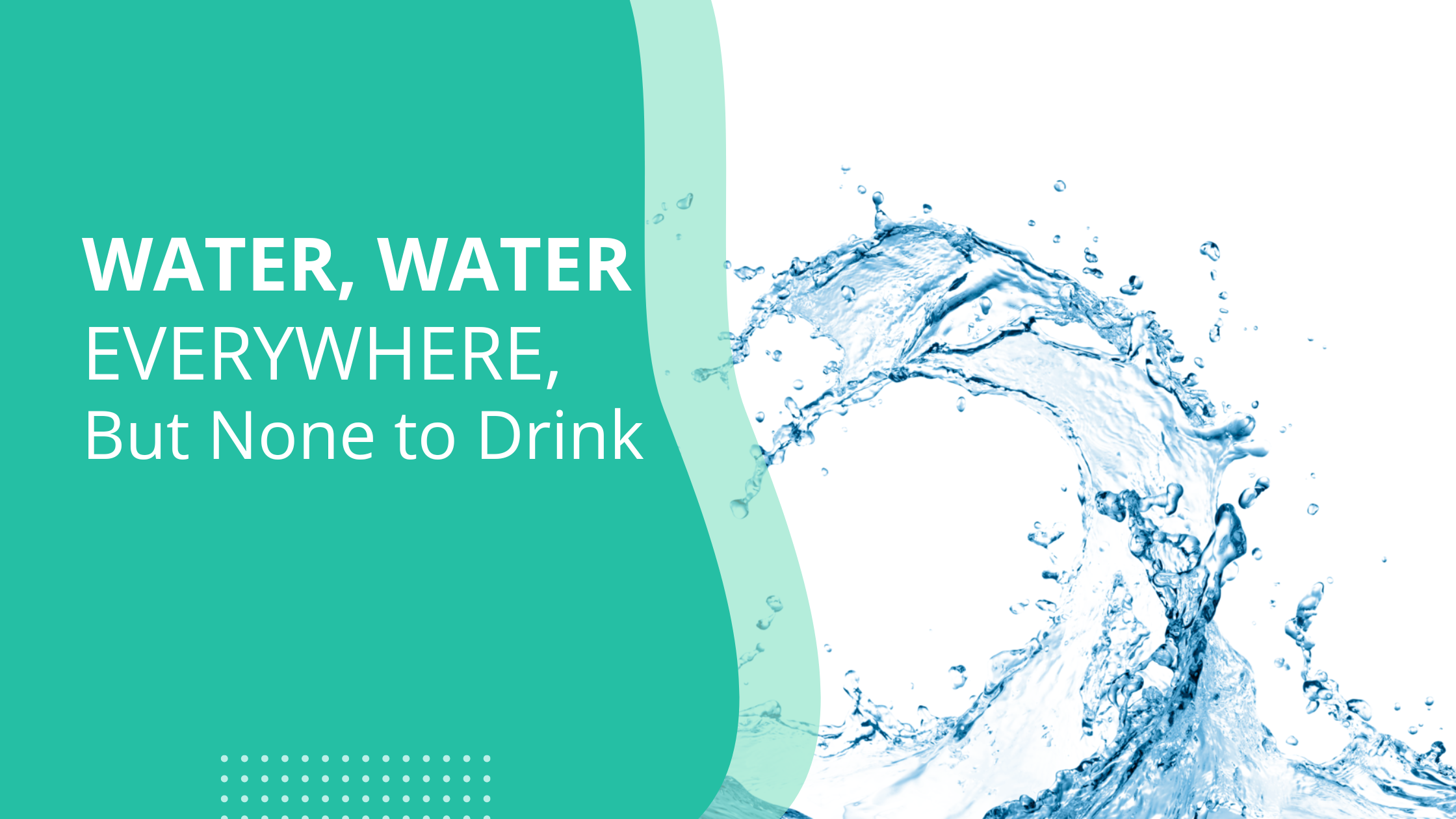
Water, Water Everywhere, But None to Drink

The devastation hurricane Ian, a category 4 hurricane, caused over the past week and weekend cannot be overstated.

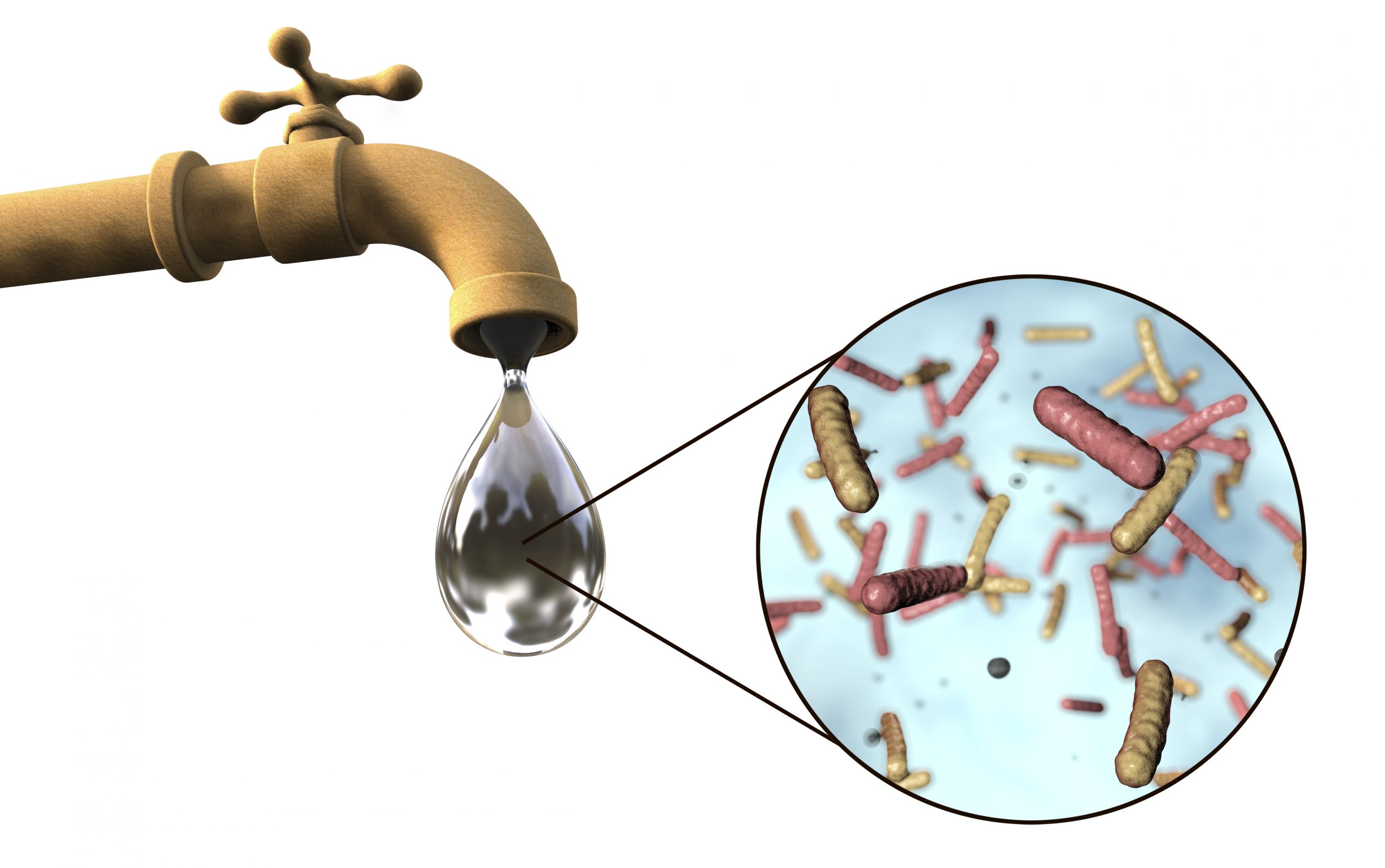
 As of Monday, the death toll has risen to over 100. Over 2.7 million people lost electric power and as of Monday afternoon more than 600,000 were still without power. Widespread flooding has caused sewers to overflow, and authorities are advising people to treat floodwaters as contaminated. Florida hospitals in the Ft. Myers area, along with nursing homes have been forced to evacuate thousands of patients because of lack of sanitary water due to power outages; electricity powers the water pumps. In one Ft Myer hospital, workers and patients were forced to defecate into bags and stack them up in the overflowing biohazard bin. With the inability to even wash their hands, diseases will rapidly spread.  

This is just the beginning of a massive health crisis in the making. Hepatitis, infectious diarrhea, e coli, and a host of other bacterial, viral and fungal diseases will soon emerge from this natural disaster.  It is not known when or where power will be restored. Boil orders for tap water are widespread throughout Florida. The entire medical infrastructure is under severe strain or has collapsed. It is going to take months for life to return to some semblance of normal for the residents of Florida and many coastal areas up the Eastern seaboard. 

The following are some information sites for residents of Florida:

 Education series

Our education series continues with common school age illnesses

- Brooke Lounsbury

Medical Content Writer

Sinusitis (Sinus infection)

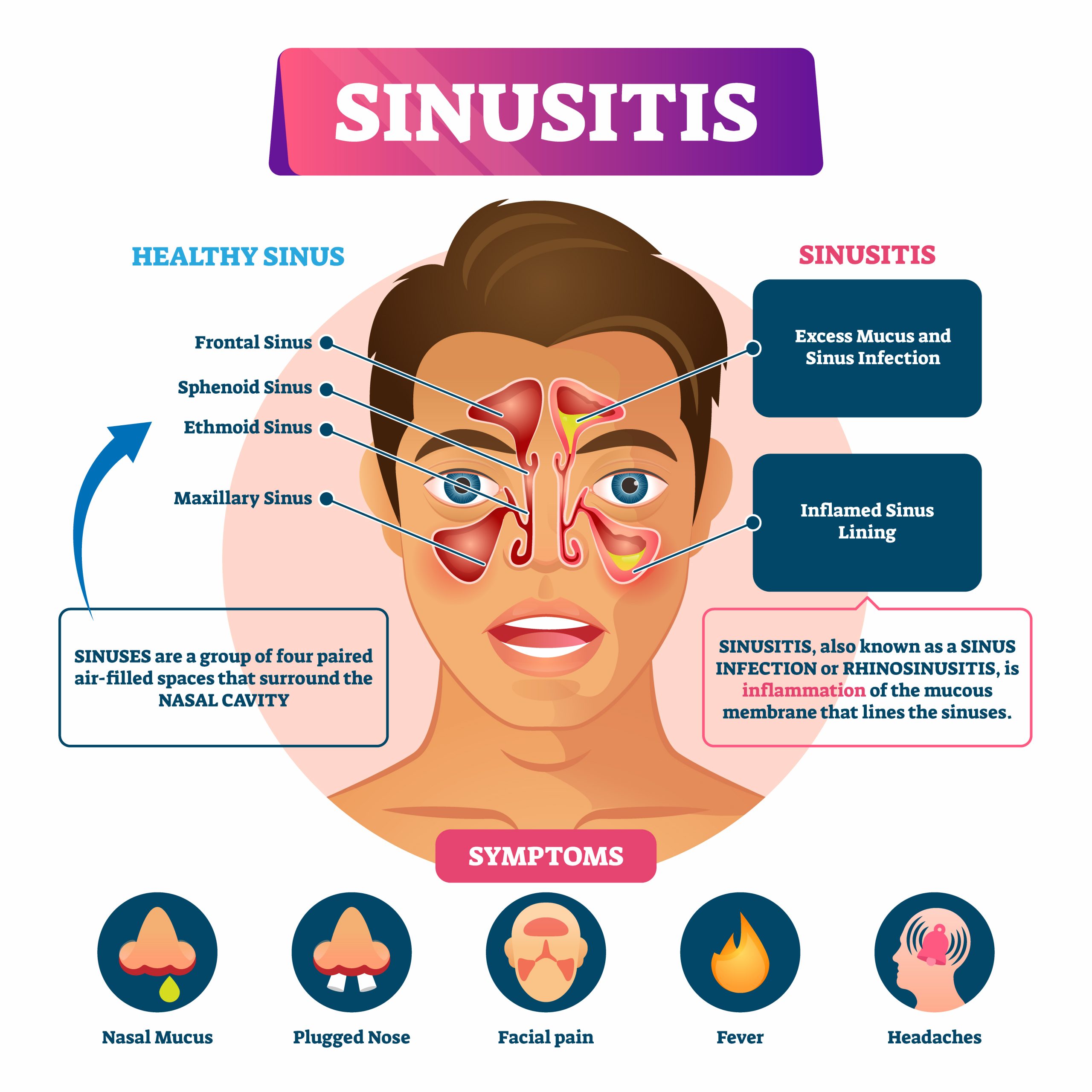
Sinus infections, also called sinusitis, happen when fluid builds up in the air-filled pockets in the face (sinuses). This fluid buildup allows germs to grow. Viruses cause most sinus infections, but bacteria and mold can also cause sinus infections.

3 types of sinusitis:

Acute bacterial sinusitis- This term refers to a sudden onset of cold symptoms such as runny nose, stuffy nose, and facial pain that does not go away after 10 days, or symptoms that seem to improve but then return and are worse.

Chronic sinusitis- Refers to symptoms such as increased facial pressure, headache, runny or stuffy nose that lasts for more than 12 weeks

Subacute sinusitis- Symptoms that last for 4-12 weeks

Recurrent acute sinusitis- Symptoms that come back four or more times in one year and last less than two weeks each time.

Causes of Sinusitis

  • Nasal and seasonal allergies, including allergy to mold
  • Common cold
  • Polyps
  • Deviated septum
  • Weakened immune system from previous illness

Common signs and symptoms:

  • Nasal discharge, can be clear, light colored, yellow or green
  • Facial pain or pressure
  • Headache- especially around nose, eyes and forehead
  • Mucus dripping down the throat (post-nasal drip)
  • Sore throat
  • Cough
  • Bad breath

How is it spread:

For infants and young children:

    • Sharing pacifiers, toys or drinking cups
    • Not covering mouth when coughing
  • Sneezing without covering face

Adults:

    • Smokers are at higher risk for nasal infections than the nonsmoking population
    • Not washing hands
  • Not covering face when coughing or sneezing

How to treat:

If symptoms are mild over the counter decongestants, saline sprays, nasal irrigations and increasing fluids can help relieve symptoms of sinusitis.

If symptoms don’t improve after 10 days, contact your healthcare provider. You may be prescribed an antibiotic if it is determined to be bacterial in origin.

If sinusitis is recurring a visit to the ENT may be in order. Polyps or deviated septum may be the cause of recurrent infections. 

When to seek medical care:

If symptoms don’t go away after 10 days your healthcare provider may prescribe antibiotics if the infection is bacterial, along with prescription steroid sprays. Seek medical attention if facial pain or headache are severe, there is swelling around the eyes, or if symptoms seem to improve then get worse. 

Healthcare tip of the week 

Did you know that rinsing your sinuses out (called nasal lavage) with salt water was demonstrated to have an 8.5-fold reduction in Covid related hospitalizations and no fatalities compared to controls, according to a study released September 14,2022

Nasal lavage also works wonders for those suffering seasonal allergies by rinsing the irritant out of the nasal cavity. Many report symptom relief by performing the nasal lavage in the evening and upon awakening. 

Neti pots (see link for more information)are inexpensive and widely available and are a handy item to accomplish nasal lavage with. Caution: Use only purified water, not tap water in the neti pot. There have been rare cases of infection from water supply when tap water was used in the neti pot.

Gargling with salt water has similar benefits:

“A study released in September 2020 indicated that gargling with a saline-based solution can reduce viral load in COVID-19, and another released in 2021 suggested that saline works multiple ways to reduce cold symptoms related to infection with other coronaviruses and might work as well as a first-line intervention for COVID-19.“ (News Medical Life Sciences)

Pick up your Jase case now if you haven’t done so:

The Jase case contains several different antibiotics that can treat infectious diarrhea.

Infectious diarrhea is one of the most common waterborne illnesses facing the victims of Hurricane Ian in its aftermath. 

Lifesaving Medications

Everyone should be empowered to care for themselves and their loved ones during the unexpected.

Recent Posts

Keeping you informed and safe.

How Should I Store My Jase Case and Add-ons?

How Should I Store My Jase Case and Add-ons?

You recently made the proactive decision to purchase the Jase Case and some add-ons. This investment is a hedge against interrupted medication supplies due to natural disasters, travel to medically underserved regions of the world, and world events leading to extended...

Hidden Dangers of Indoor Air Pollution

Hidden Dangers of Indoor Air Pollution

(Especially in the Winter)People spend at least 90 percent of their time indoors, and this is especially true during winter months in the Northern latitudes. Cooler air, treacherous driving conditions, high winds, rain, ice, and snowstorms force many to stay inside,...