
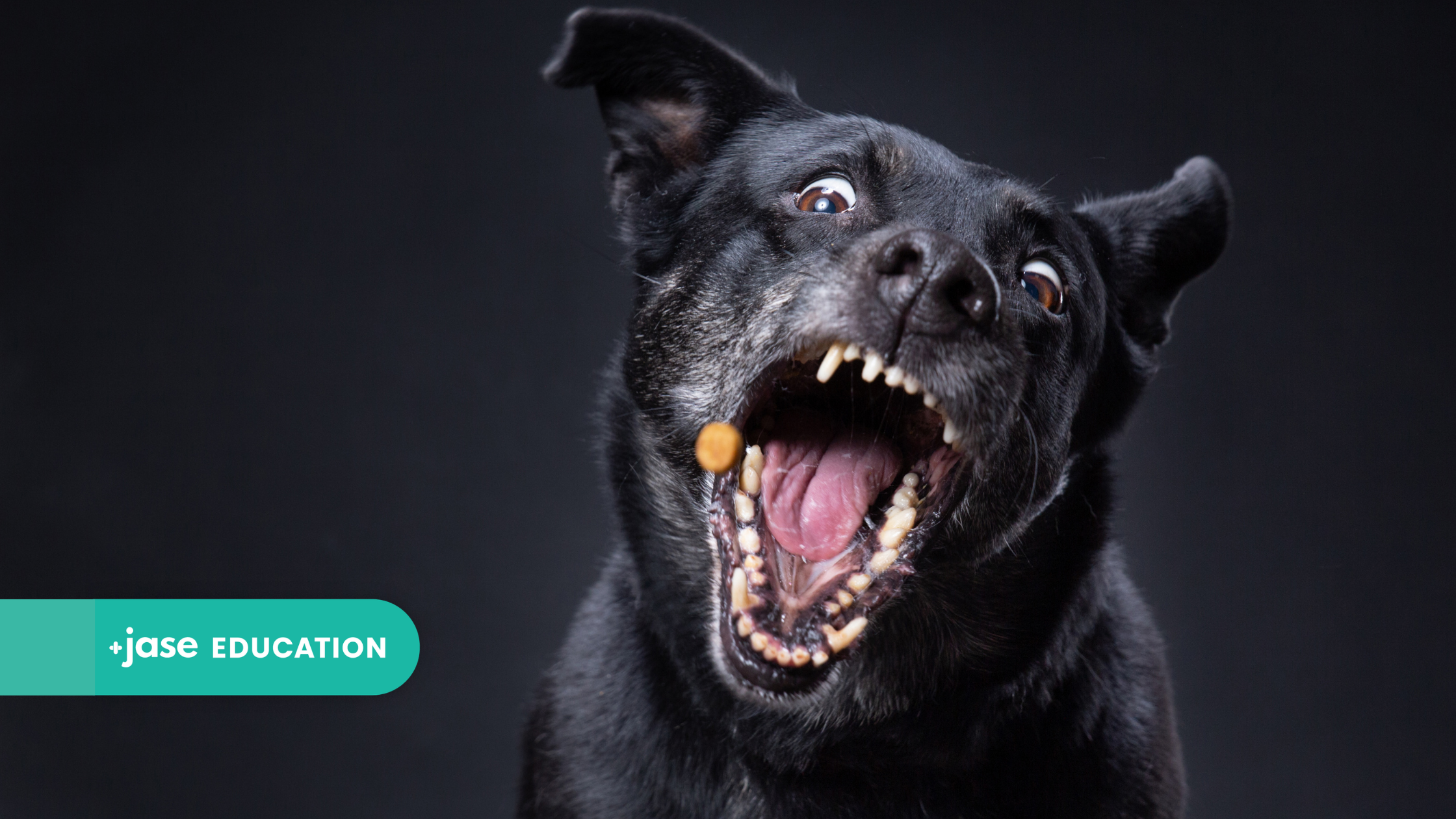
Bites and Scratches in a Disaster: Which Ones Need Antibiotics
Animals in a Disaster Series: Part 1 of 2
By the Jase Medical Team
Three days after the storm, the animal injuries start showing up.
A cat got loose during the evacuation and bit someone’s hand when they tried to grab it. A neighbor’s dog, frightened by the noise and crowded shelter, snapped when someone cornered it. Someone else scraped their palm while clearing debris from standing water.
When normal healthcare is available, the next steps are fairly straightforward: clean the wound, decide whether it needs additional treatment, and watch it closely.
After a disaster, that last part can get complicated.
The clinic may be closed. Roads may be blocked. Cell service may be unreliable. Getting a wound checked again tomorrow or the next day may not be as easy as it normally would be.
That’s why a bite is one of those injuries where what you do in the first hour can matter more than what you have in the medicine cabinet.
And the first step isn’t an antibiotic.
It’s water.
First: Wash the Bite or Scratch Thoroughly
If an animal bites or scratches you, clean the wound right away.
Use soap and plenty of running water. If you’re dealing with disrupted utilities after a disaster, use clean, potable water.
Don’t give it a quick rinse and move on. Thoroughly washing the area helps physically remove saliva, dirt, and bacteria introduced into the wound.
This matters especially with animal bites because what looks small on the surface may not tell you much about what happened underneath.
Cat bites are a good example. Their teeth can create narrow punctures that push bacteria deeper into tissue even when the wound itself doesn’t look dramatic.
So whether you’re at home, evacuating, or staying in a shelter:
Wash first. Wash thoroughly. Wash right away.
Which Animal Bites Need Medical Attention?
Not every scratch requires an antibiotic.
But certain wounds deserve a lower threshold for getting medical care—especially when you know it may be difficult to have the wound rechecked later.
Pay particular attention to:
- Bites to the hand
- Deep puncture wounds
- Wounds near a joint
- Wounds exposed to floodwater
- Increasing redness, warmth, swelling, or pain
- Pus or cloudy drainage
- Redness spreading away from the wound
- Red streaking up an arm or leg
- Fever or feeling increasingly unwell
If those signs appear, the best next step isn’t guessing which medication in your emergency supplies might work.
It’s reaching a qualified medical professional as soon as you can.
That’s especially important after a disaster, when the ability to simply “check it again in 48 hours” may not exist.
Why the Hand Deserves Extra Attention
A bite on your hand may look relatively minor.
Its location makes it more concerning.
Your hands pack tendons, joints, bones, and other important structures into a small space. A puncture that introduces bacteria into those deeper structures can become more complicated than a similar-looking wound elsewhere.
That doesn’t mean every hand bite is an emergency.
It does mean a bite to the hand is worth getting evaluated rather than assuming a small wound means a small problem.
And if you know access to healthcare may become more difficult over the next several days, mention that when you speak with the clinician evaluating you.
The wound hasn’t necessarily changed.
The safety net has.
Floodwater Changes the Wound
Maybe an animal wasn’t involved at all.
You’re clearing branches after a hurricane, catch your hand on a piece of debris, and the open wound goes straight into standing floodwater.
That’s useful information for a clinician.
Floodwater can contain sewage, bacteria, chemicals, debris, and other contaminants. A wound exposed to it isn’t necessarily the same clinical situation as a clean cut that happened inside your house.
If you’re evaluated, tell the clinician specifically that the wound was exposed to floodwater.
Don’t just say, “I cut my hand.”
The environment surrounding the injury matters.
Every Animal Bite Comes With Two More Questions
Whether or not the wound eventually needs antibiotics, there are two other questions you shouldn’t forget:
What about rabies?
What about tetanus?
1. Does This Animal Raise a Rabies Concern?
Rabies decisions depend heavily on what animal caused the exposure and whether that animal can be located.
That’s why, after cleaning the wound, write down what you know.
Was it your neighbor’s dog? A stray cat? A raccoon? A fox? Was there a bat in the room? Can the animal be found again?
Don’t try to determine on your own whether you need rabies post-exposure treatment. Contact a healthcare professional or public health authority who can evaluate the specific exposure.
And here’s an especially important point after a disaster:
Don’t assume you’re “too late” to ask about rabies because several days have passed.
If roads were blocked and you couldn’t reach care immediately, still bring it up when you can. Rabies post-exposure decisions should be made with medical or public health professionals rather than abandoned because you think you’ve missed a window.
2. Are You Up to Date on Tetanus?
Tetanus is another reason the circumstances of the wound matter.
After a storm, people are moving branches, handling damaged metal, clearing wreckage, walking through debris, and sustaining punctures and dirty wounds they wouldn’t normally encounter.
If you have a bite, puncture, or contaminated wound, tell the clinician when you last received a tetanus-containing vaccine—or tell them if you don’t know.
Don’t assume the risk comes specifically from floodwater or from something being “rusty.”
The wound itself and how it happened are what matter.
Don’t Let the Medicine Cabinet Make the Decision
It can be tempting after a disaster to look at an animal bite, see an antibiotic in your emergency supplies, and think:
I have this. Maybe I should take it just in case.
That’s not the decision we want you making on your own.
Whether a bite needs antibiotics depends on factors including where it is, how deep it is, whether infection is already developing, your health history, and what contaminated the wound.
And antibiotics aren’t the only decision.
A wound may need professional cleaning or evaluation of deeper structures. A bite may raise a rabies question. A dirty wound may change the tetanus conversation.
Having medication available doesn’t answer any of those questions.
Clinical judgment does.
The First-Hour Plan Is Simple
You don’t need to memorize every organism associated with animal bites or every guideline for antibiotic prophylaxis.
Remember this instead:
Clean it. Look at where it is and how deep it went. Ask about rabies. Ask about tetanus.
And if it’s a hand bite, a deep puncture, a wound that entered floodwater, or a wound developing spreading redness, drainage, fever, or increasing pain, make getting medical guidance a priority.
At Jase Medical, we’re a family team of medical doctors, PAs, and pharmacists focused on appropriate medical preparation: helping people think through the medical layer of emergencies before normal systems become difficult to reach.
We’re not a replacement for primary care.
We’re the clinicians who would rather you know what matters before the road is closed, the clinic is unavailable, and you’re staring at a wound wondering whether it can wait.
Because with an animal bite, what you do in the first hour may matter more than what you have in the cabinet.
Next in the Animals in a Disaster Series: Stings After a Disaster: When It’s an Allergic Reaction—and When You Need Epinephrine.
This article was prepared by the Jase Medical content team for informational purposes only and does not constitute medical advice. Prescription requirements, emergency dispensing rules, insurance coverage, and controlled-substance regulations vary by medication, jurisdiction, and individual circumstances. Consult a licensed healthcare provider or pharmacist regarding your specific medications.
Lifesaving Solutions
Recent Posts
Keeping you informed and safe.

For Clinicians | Pediatric Dosing 101: What Parents Need From You Before They’re Dosing Alone
For Clinicians | Pediatric Dosing 101: What Parents Need From You Before They're Dosing Alone By Dr. Jamie Wilkey, PharmD, Director of Clinical EducationMedically reviewed and edited by Aaron Asay, PA-C, DMSc, FIBODM, FAWM Pharmacy school drills one line into you over...
What is Plague?
What Is Plague? By the Jase Medical Team Plague is back in the headlines, and people are suddenly Googling a disease they may not have thought about since history class. A 28-year-old laboratory worker at an anti-plague research institute in Siberia recently died...
For Clinicians | What Is Plague? One Bacterium, Three Diseases
For Clinicians | What Is Plague? One Bacterium, Three Diseases By Dr. Jamie Wilkey, PharmD, Director of Clinical EducationMedically reviewed and edited by Aaron Asay, PA-C, DMSc, FIBODM, FAWM Well, the plague is back in the news. Reports out of Russia in early October...

Nobody Has Your Medication List, Including Your Doctor and Your Pharmacy
Nobody Has Your Medication List, Including Your Doctor and Your Pharmacy By the Jase Medical Team Most of us assume that somewhere in the healthcare system, there is one correct list of every medication we take. Your primary care doctor has a list. Your pharmacy has a...