Grocery Store Shelves Empty, What Will be Next?

A few weeks ago, I went on a weekend trip to an upscale mountain resort town not too far from home. Since hiking was on our itinerary, we headed to the local grocery store for some snacks to take on our hike. Arriving at the grocery store, what I saw shocked me.

Bare shelves. Everywhere. From canned food to meat and dairy the shelves looked like the food truck had missed this store on its route.

I asked the salesclerk if the store was going out of business. She stared at me and after a spell, asked me what I meant. I replied that most of the shelves were void of product- and being the beginning of summer season in a resort town, I was surprised to see the shelves so empty. She continued to look at me with a blank stare.

What is the rest of the nation experiencing? What has been going on with medication shortages? It has been very quiet on the domestic front- I see this as the calm before the storm.

Unfortunately, I believe many, just like this clerk, have been lulled into a false sense of security and that life has returned “back to normal”. This couldn’t be further from the truth.  It has been very quiet on the domestic front- But the storm will soon be here.

  • The national UPS strike is likely to happen despite several agreements reached. As of this writing, the Teamsters union, representing 340.000 UPS drivers and workers is holding a vote this week to strike. They aren’t just holding a vote; they are urging a “yes” vote to strike. The strike is expected to take place when their contract ends July 31st. This would devastate the entire economy, not just your delivery of Amazon purchases. Medication supplies, car parts, food and many everyday items would be delayed, sent to another carrier to be delivered, or not delivered.
  • Frank Yiannas, former FDA deputy commissioner for food policy and response summed up how fragile our system is.  In 2022 he appeared to the House Subcommittee on Health Care and Financial Services to discuss the causes of the infant formula shortage. “In other words, the nation remains one outbreak, one tornado, flood or cyberattack away from finding itself in a similar place to that of February 17, 2022. These reasons apply to all supplies- from groceries to clothing and everyday necessities. When the supply chain is disrupted for any reason, the entire economy is affected.
  • Medication shortage and supplies- are an ongoing problem. Lifesaving medications such as injectable epinephrine used to treat ventricular fibrillation- are on the current medication shortage list. Amoxicillin suspension, a common antibiotic, continues to be in short supply.
  • Hurricane season is underway. This season lasts from June 1 to November 30. Along with hurricanes, storm surges, which occur right after a hurricane cause devastating damage and cripple ports and surrounding infrastructure. In 2012, Hurricane Sandy produced a 14 foot storm surge into the Port of New York and New Jersey and surrounding communities. It caused oil and other hazardous materials to carry into shipping channels, severely damaging 180 commercial waterfront facilities. In addition, this hurricane destroyed over 300 homes leaving thousands displaced and many more without power. Are you prepared to evacuate your home? Wildfires, floods, and other emergencies could force you out of your home.
  • Rising tensions across the world, with World War 3 a real possibility. The dystopian effect a world war would have is so overwhelming it cant be overstated.
  • Cyber attacks are probably our most devastating and crippling of our economy and way of life. Attacks on our aging electrical grid would take our power down for an extended period. In fact, U.S. energy grid critical infrastructure components operate in a digital environment that is internet accessible and vulnerable to attacks. The General Accounting Office (GAO) states that everything from our electrical grid , GPS, banking systems, local water supplies, EMS systems and more could be down in a cyberattack. The threat continues to grow daily.

Do what you can now- before it’s too late

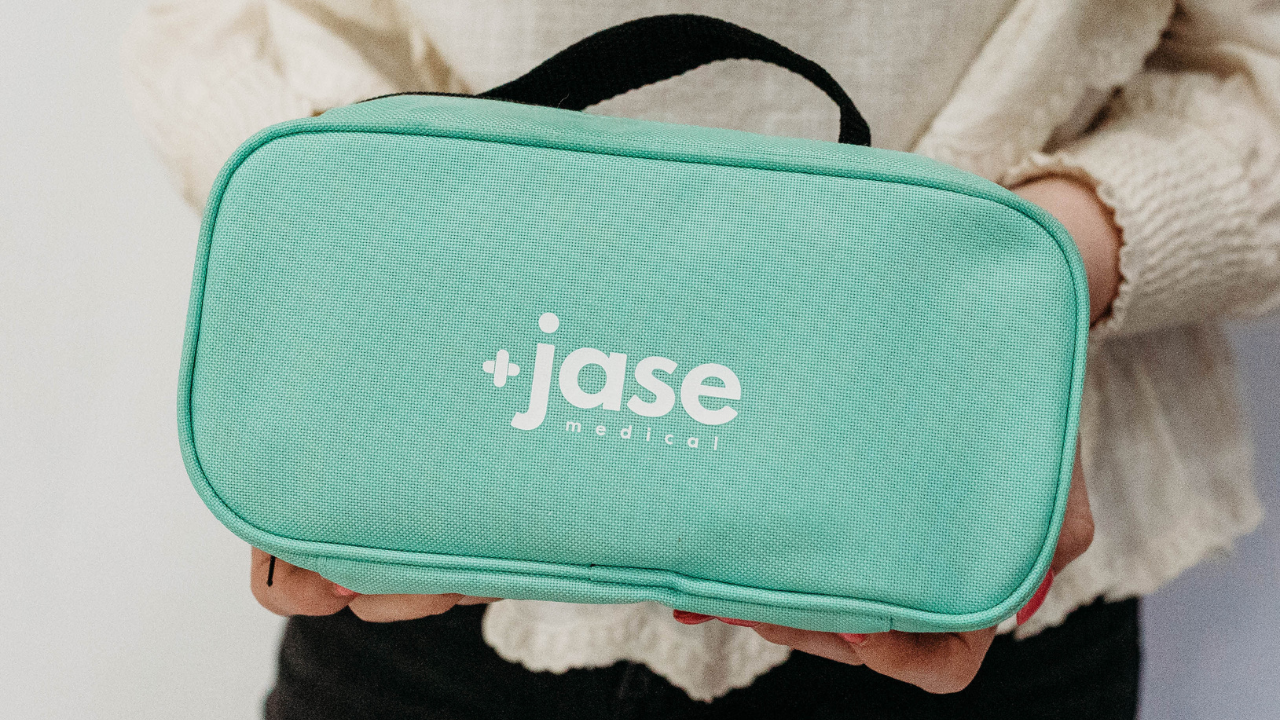
  • Have an emergency medical kit well stocked and ready to go at a moment’s notice. You may not be in a hurricane prone area; however, any number of natural disasters could require you to leave your home. A supply of your and your family’s medications along with ample shelf stable food, water and extra clothing (don’t forget pets needs) in a to go bag could be life saving if you ever need to evacuate. Remember to pack your Jase cases, also.
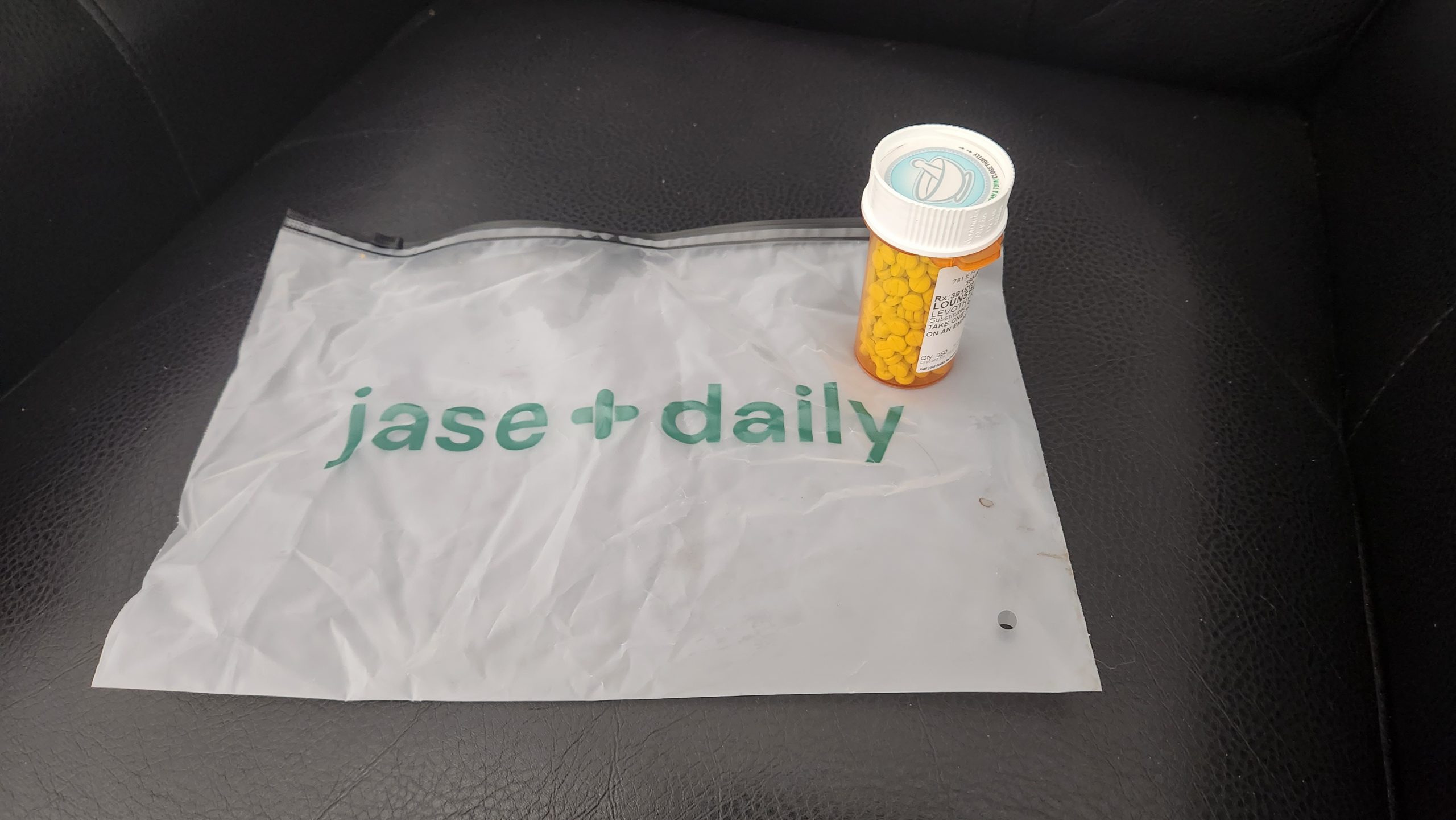
  • Review your supplies. Can you make it a month or more if supply chains are down? What if there were no more groceries being delivered? How about medication and medical emergency supplies? Stock up now, while you still can. Buy quality, nutritious food and rotate the stock, eating the oldest food first. Get your years supply of medications at Jase Daily if you haven’t already.

Be prepared. Don’t find yourself without the necessities to sustain life. It is a matter of when- not if-disaster in the form of a job loss, natural disaster, supply chain disruptions, or health crisis will come knocking at your door.

- Brooke Lounsbury, RN

Medical Content Writer

Lifesaving Medications

Everyone should be empowered to care for themselves and their loved ones during the unexpected.

Recent Posts

Keeping you informed and safe.

National Doctor’s Day: A Celebration Of Care

National Doctor’s Day: A Celebration Of Care

On this day we recognize the contributions of doctors to our health, our lives, and our communities.  .  National Doctor's Day: A Day We Acknowledge The Vital Roles Doctors Play In Our Lives National Doctor’s Day is a day dedicated to recognizing the...

Measles Cases On The Rise In The U.S.

Measles Cases On The Rise In The U.S.

Why a conquered disease is back, and what we can do.  .  The Measles Resurgence: A Call For Health Preparedness Measles, a highly contagious and potentially deadly disease - once relegated to history books - is making a disturbing comeback in the United States....

Join Our Newsletter

Our mission is to help you be more medically prepared. Join our newsletter and follow us on social media for health and safety tips each week!

June is Mens Health Month – Men, Take Charge of Your Health!

In 1994 legislation was passed to observe, Men’s Health Week, which starts the week before and includes Fathers Day. The purpose of Men’s Health Week is to heighten the awareness of preventable health problems and encourage early detection and treatment of disease among men and boys. Soon after Mens Health Week was passed, legislation to observe the month of June as International Mens Health Month was passed.

Why a Mens Health Week/Month?

Men are less likely than women to follow through with preventative screenings that could be lifesaving. The two leading causes of death in men across all races and origins are heart disease and cancer, according to a 2021 CDC report. Nearly one quarter of deaths in men are due to heart disease, and one in 5 is due to cancer. Other leading causes of death are Covid 19, accidents, stroke, chronic lower respiratory disease, Alzheimer’s disease, diabetes, chronic liver disease and cirrhosis, Nephritis, nephrotic syndrome, and nephrosis.

Men: (CDC statistics)

  • 2% of men aged 18 and over in fair or poor health (2021)
  • 9% of men aged 18 and over who had five or more drinks in 1 day at least once in the past year.
  • 3% of men aged 18 and over who met the 2018 federal physical activity guidelines for aerobic and muscle-strengthening activity.
  • 9% (2015-2018) of men aged 20 and over with hypertension (measured high blood pressure and/or taking antihypertensive medication)

Reasons men don’t have regular checkups

A 2019 Cleveland Clinic survey highlights reasons that men don’t seek medical care. In addition to traditional masculine roles (just tough it out), only 50% of men surveyed consider having regular checkups as a part of taking care of themselves. Over half- 61% would be more likely to see a healthcare provider if it was more convenient. –  virtual visits, scheduling appointments outside of work hours. In addition, 46% of men are most uncomfortable talking to their doctors about sex-related concerns.

Early intervention saves lives-

Check out this downloadable PDF of checkup and screening guidelines for men.

Even if you don’t feel sick, it is important to have regular checkups. Play an active role in your health.

  • High blood pressure, dubbed “the silent killer”, is a precursor to many heart related diseases. High blood pressure can present with no symptoms until a heart attack or stroke reveals the underlying cause. Not having regular checkups can put a man at risk.
  • In addition, cancer screenings, especially prostate cancer is easily treatable when caught early.
  • Along with early intervention, maintaining strong relationships with family, friends and social networks provides a buffer from the stressors of life. Stress, especially chronic stress has been linked to a rising incidence in cancer (reduces NK-natural killer cells in immune system), hardening of the arteries leading to atherosclerosis, diabetes, and psychiatric illnesses.
  • Adopt a healthy lifestyle. If you smoke and are having a hard time stopping, talk with your doctor about strategies and medications that may help.
  • Regular exercise= 30 minutes daily, along with a healthy diet can dramatically reduce many chronic diseases, especially heart disease.
  • Avoid alcohol
  • Maintain or if overweight get to a healthy weight. Talk with your healthcare provider for guidance if you are overweight.
  • Don’t let your medication supply run out. Keep well stocked up on lifesaving medications and consider Jase Daily for a year’s supply of chronic medications. The recent drug shortages and supply chain disruptions we are currently experiencing aren’t going away anytime soon.

- Brooke Lounsbury, RN

Medical Content Writer

Lifesaving Medications

Everyone should be empowered to care for themselves and their loved ones during the unexpected.

Recent Posts

Keeping you informed and safe.

National Doctor’s Day: A Celebration Of Care

National Doctor’s Day: A Celebration Of Care

On this day we recognize the contributions of doctors to our health, our lives, and our communities.  .  National Doctor's Day: A Day We Acknowledge The Vital Roles Doctors Play In Our Lives National Doctor’s Day is a day dedicated to recognizing the...

Measles Cases On The Rise In The U.S.

Measles Cases On The Rise In The U.S.

Why a conquered disease is back, and what we can do.  .  The Measles Resurgence: A Call For Health Preparedness Measles, a highly contagious and potentially deadly disease - once relegated to history books - is making a disturbing comeback in the United States....

Join Our Newsletter

Our mission is to help you be more medically prepared. Join our newsletter and follow us on social media for health and safety tips each week!

Is intermittent Fasting Good for Weight Loss?

Over the past decade, intermittent fasting, also known as time restricted fasting, has gained popularity as a way to lose weight and mitigate health risks. Some of this is true, however as with all things that seem too good to be true there are a few things that intermittent fasting can do and a few things it can’t do.

Before you jump on the intermittent fasting bandwagon for either health or weight loss related reasons there are a few things to consider. It is true that intermittent fasting can help lower insulin levels and regulate blood sugar. It can help with appetite suppression and accelerate healing and lower inflammation. However, intermittent fasting isn’t for everyone. As far as weight loss is concerned, consistent lifestyle changes over a period of time, along with time restricted eating schedule has proven to help with weight reduction.
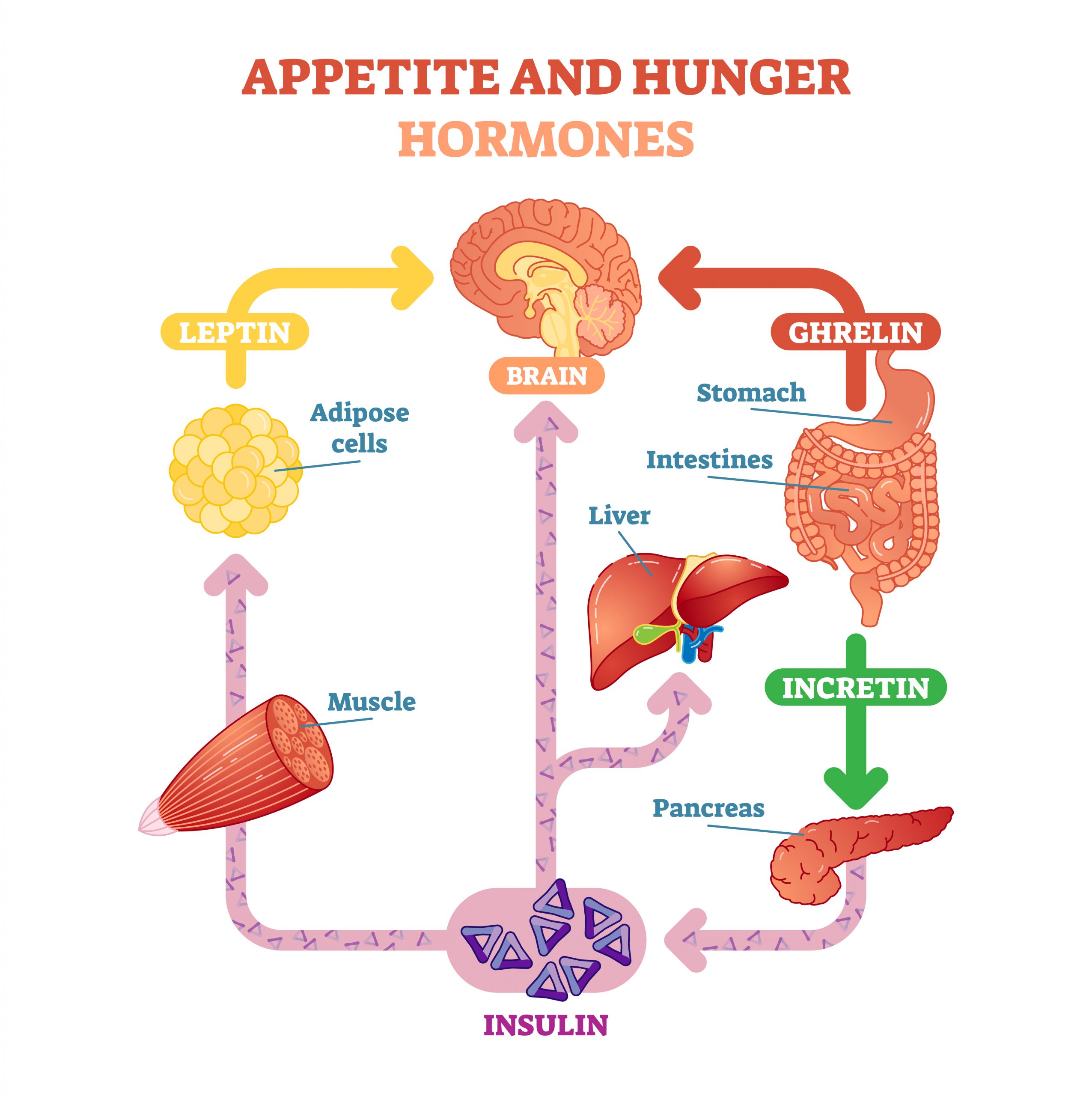
Terms

Leptin– Leptin is known as the appetite suppressant hormone. It is secreted by fat cells in response to an increase in insulin. In a healthy feedback loop, leptin decreases hunger.

InsulinInsulin is released by beta cells in the pancreas in response to increased blood glucose levels. In a healthy feedback loop, insulin acts like a gatekeeper by attaching to cells and allowing glucose into the cell, thereby providing energy to the cell.

GhrelinGhrelin, also known as the hunger hormone, is primarily secreted in the stomach and gastrointestinal when your stomach is empty. It tells your brain you are hungry. It also regulates insulin secretion and has a role in reducing energy expenditure. Research continues to discover many other roles that ghrelin plays in the body.

Incretin- Incretin hormones are gut peptides that are secreted after nutrient intake and stimulate insulin secretion together with hyperglycemia. GIP (glucose-dependent insulinotropic polypeptide) und GLP-1 (glucagon-like peptide-1) are the known incretin hormones from the upper (GIP, K cells) and lower (GLP-1, L cells) gut.

The healthy leptin insulin feedback loop

In a healthy feedback loop, insulin levels rise due to food intake (which increases blood glucose), triggering fat cells to release leptin. Leptin reduces appetite. In turn, less or no food is eaten, resulting in lower blood glucose, which stabilizes insulin levels.

The unhealthy feedback loop

Persistent high levels of leptin cause cells to not be receptive to the effects of leptin. You continue to be hungry. The leptin, which is stored in your fat cells, doesn’t respond to feelings of satiety and you continue to be hungry. Insulin resistance is caused by persistent high levels of insulin. Cells don’t have gatekeepers(insulin)that allow glucose(energy) into the cell. This results in high circulating blood glucose levels.


Understanding the body weight thermostat

In a healthy feedback loop, the body weight thermostat sets the metabolism by the balance of the insulin-leptin feedback loop. Leptin goes up (reduce hunger) in response to rising insulin levels. This in turn lowers insulin levels because you aren’t eating. In this example, healthy body weight is maintained.

However, the body weight thermostat can malfunction. This happens when increased insulin levels- insulin levels that are increased over a period of months or years, cause insulin resistance. This results in weight gain.
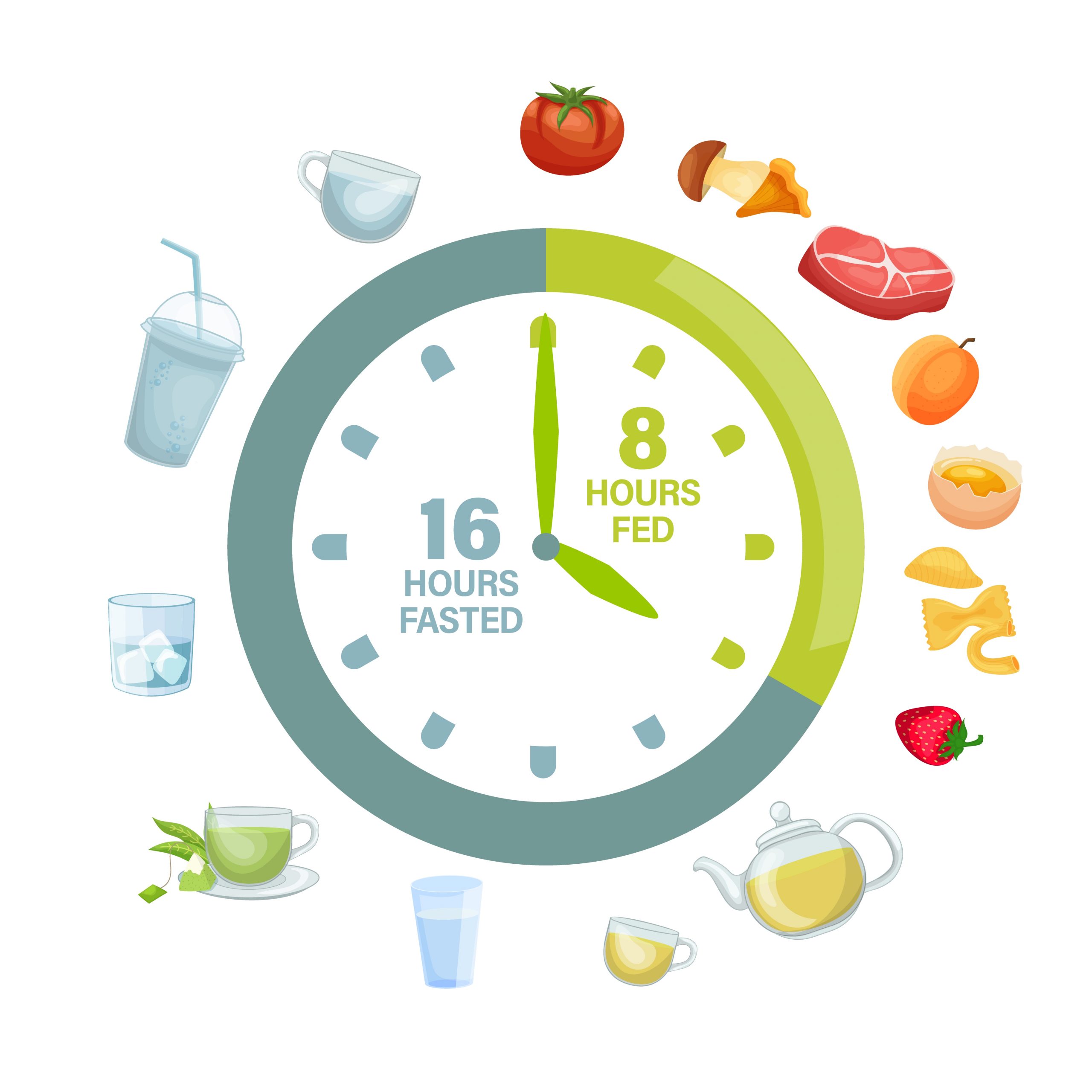
Intermittent fasting/time restricted eating can balance insulin and blood sugar levels- if done right

Insulin is a primary driver of weight gain in many individuals. Correcting the imbalance through diet, exercise, reduced stress, and good quality sleep can reverse insulin and leptin resistance. It takes time, perseverance, education and planning to achieve optimum health and weight.

Talk with your healthcare provider before starting any time restricted fasting. Children, endurance athletes, underweight people, and women who are trying to conceive, pregnant, or breastfeeding should avoid intermittent fasting.

Fasting benefits and considerations

How and when to fast

Research shows that a 16 hour fast with 8 hour eating schedule provides the body with enough time to reset insulin levels, reduce inflammation and help the body turn fat into energy in a process called ketosis. However, it can take a while to get to that eating window. Many people start with a 10 hour fast and gradually work up to the 16/8 schedule. However, there are many ways to do intermittent fasting. Some do alternate days fasting, others have a more time restrictive fasting window. It all depends on your schedule and health status.

There are many benefits to intermittent fasting. During a state of fasting the body has energy to repair since energy isn’t being used for digestion. In addition, human growth hormone (HGH) increases dramatically, which can facilitate fat burning. Inflammatory markers, which cause many health-related problems, such as heart disease and diabetes. Increases levels of BDNF, a brain hormone called brain-derived neurotrophic factor, in which a deficiency has been implicated in depression and other psychiatric illnesses.

Fasting increases OGT enzyme

New research out of Yale University discovered an enzyme (OGT) produced in the hypothalamic region of the brain regulates the body’s homeostatic set point body weight and lipid metabolism. The enzyme, OGT, significantly increased after 24 hour fasting period in mice, leading researchers to speculate this enzyme may have use in obesity prevention.

Intermittent fasting, cortisol, and stress

Any type of stress the body experiences- whether emotional or physical increases cortisol levels.

Cortisol prepares your body to deal with stressful situations by diverting resources, such as blood sugar or glucose, to give your body the energy it needs to respond to a stressor or crisis. Cortisol raises blood sugar levels, even during periods of fasting. This can lead to storing more fat, Once the body adjusts to time restricted eating, many of these stressors will more than likely start to disappear.

Intermittent fasting and thyroid hormones

The thyroid gland, releases several hormones that regulate metabolism. Intermittent fasting can lower T3 and T4 levels, which can actually lead to weight gain. This is usually solved by a gradual lengthening of the fasting period. Since the thyroid hormone needs glucose to convert from inactive to active hormones (T4 to T3) the transition to using ketones as fuel (which form after extended time of fasting) can be a challenge. Seek professional guidance when dealing with thyroid dysfunction, either hypo or hyperthroid.

Effects of Intermittent Fasting on reproductive hormones

Hypothalamic Kisspeptin neurons and their receptors are involved with puberty and reproductive hormone regulation. During fasting, these hormones are decreased and can affect fertility.

- Brooke Lounsbury, RN

Medical Content Writer

Lifesaving Medications

Everyone should be empowered to care for themselves and their loved ones during the unexpected.

Recent Posts

Keeping you informed and safe.

National Doctor’s Day: A Celebration Of Care

National Doctor’s Day: A Celebration Of Care

On this day we recognize the contributions of doctors to our health, our lives, and our communities.  .  National Doctor's Day: A Day We Acknowledge The Vital Roles Doctors Play In Our Lives National Doctor’s Day is a day dedicated to recognizing the...

Measles Cases On The Rise In The U.S.

Measles Cases On The Rise In The U.S.

Why a conquered disease is back, and what we can do.  .  The Measles Resurgence: A Call For Health Preparedness Measles, a highly contagious and potentially deadly disease - once relegated to history books - is making a disturbing comeback in the United States....

Join Our Newsletter

Our mission is to help you be more medically prepared. Join our newsletter and follow us on social media for health and safety tips each week!

What is Insulin Resistance?

To understand what insulin resistance is, we first need to look at what insulin is and what it does.

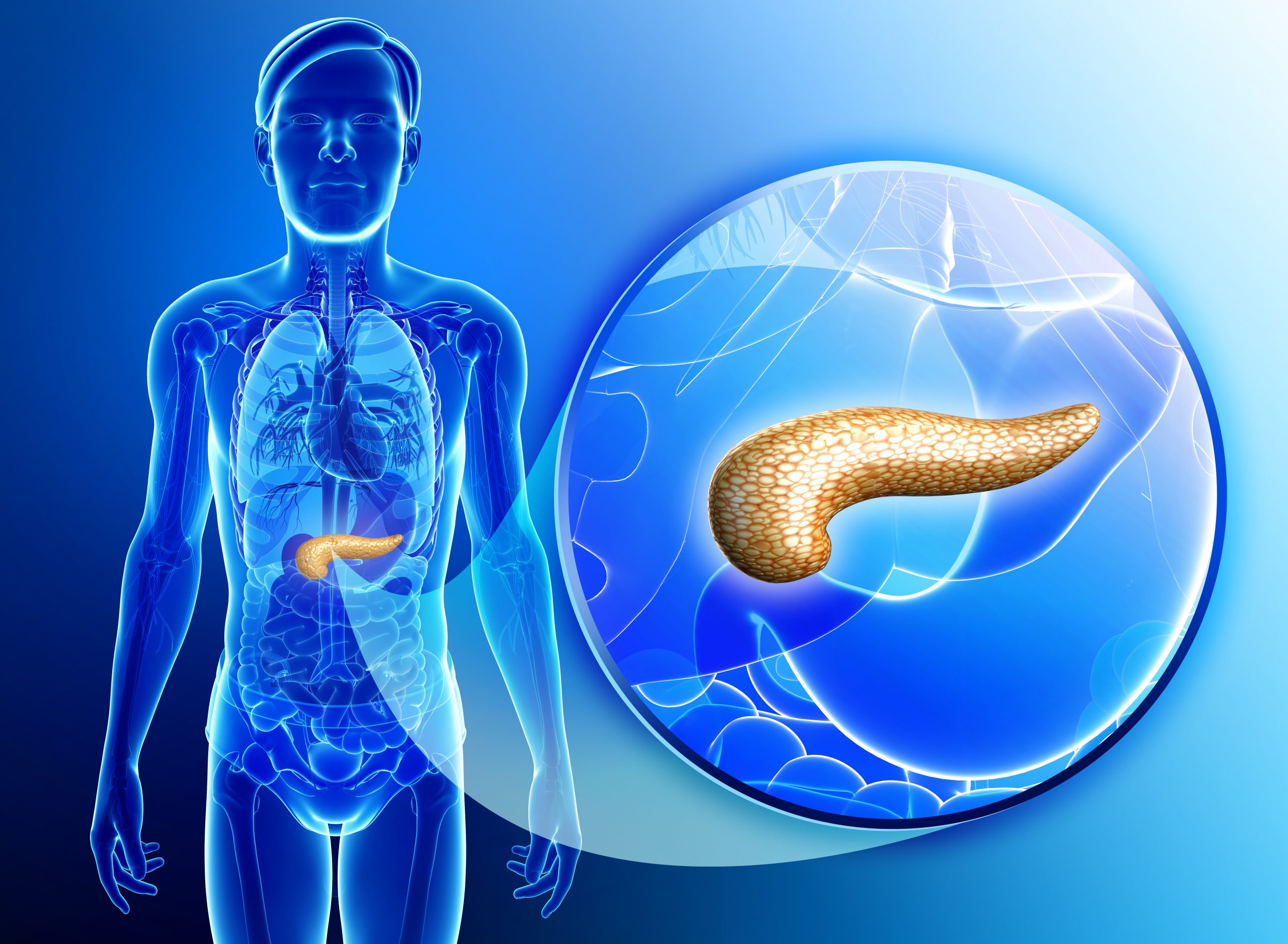
Insulin is a hormone that is secreted by beta cells of the pancreas. The pancreas is located under the left rib cage and extends slightly to the right. The pancreas releases insulin in response to consuming carbohydrate rich foods, especially when high in simple sugars.

The lock and key gatekeeping loop

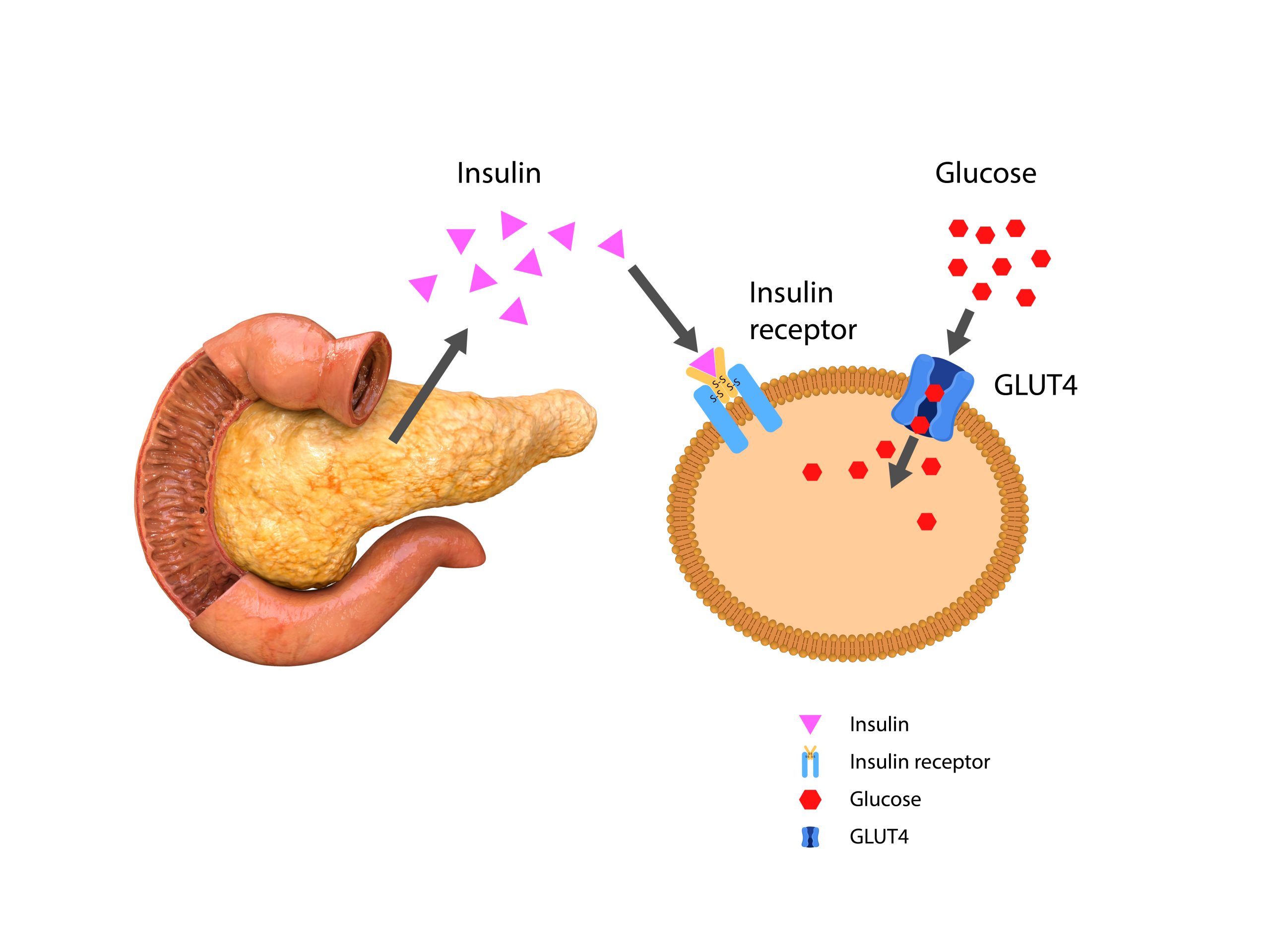
Once insulin is released into the bloodstream, it travels to cells throughout the body where it binds to special cell receptors called glucose transporters. These cell receptors act as the gatekeeper for glucose to enter the cells. Once insulin binds to these receptors it “unlocks” the cell, allowing glucose to enter the cell, providing energy for the cell. Depending on what part of the body they are located in, there are 14 different glucose transporters that have been identified. These transporters are responsible for signaling the pancreas to stop releasing insulin when no longer needed. This is called a feedback loop.

The image below shows how one of the receptors does its job- GLUT4 transport receptor

Defective or decreased insulin receptors causes insulin resistance (AKA impaired insulin sensitivity).

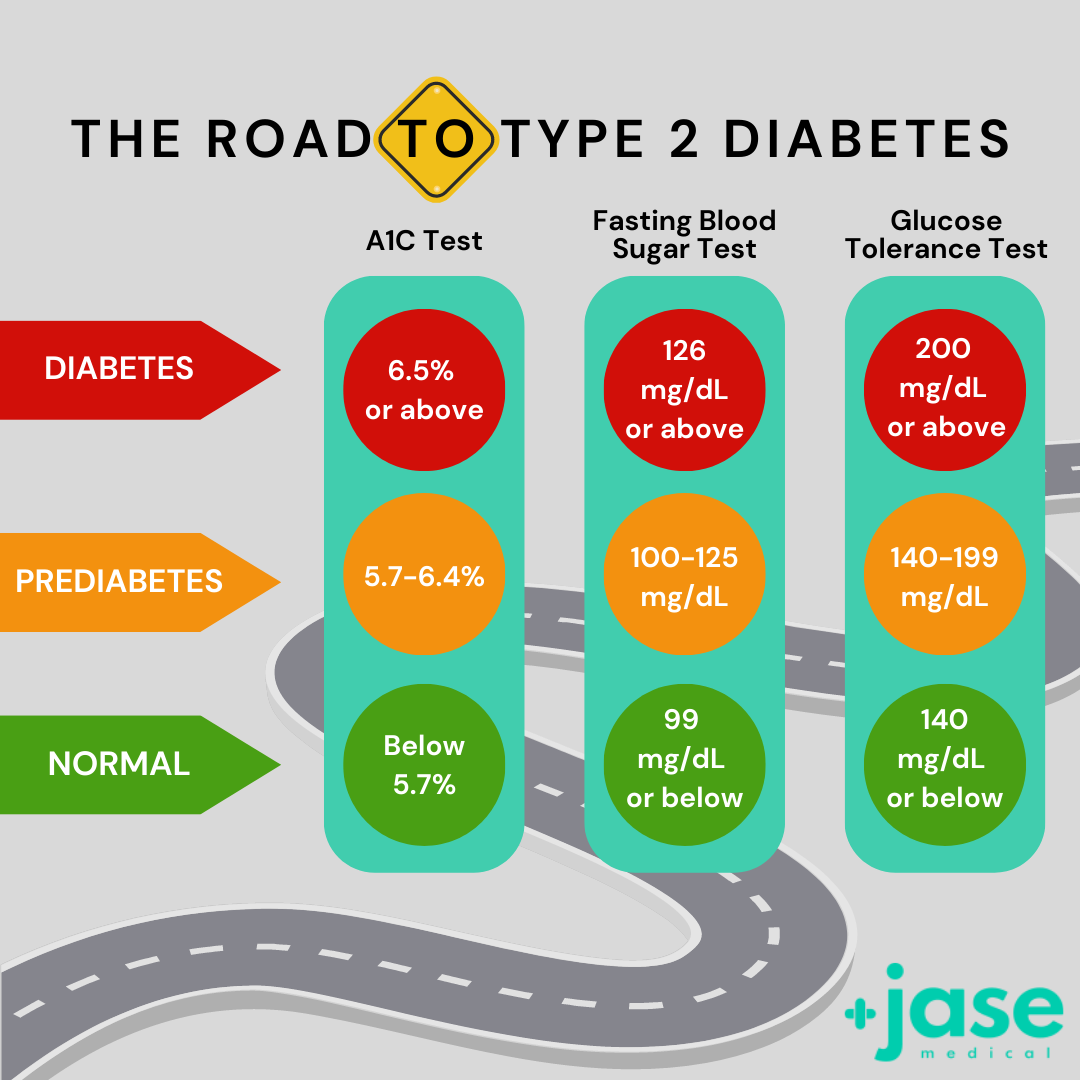
Mild insulin resistance (fasting glucose of 100–125 milligrams per deciliter and/or an A1C of 5.7% to 6.4%) is usually caused by decreased insulin receptors. This is also called prediabetes. About 34% of middle-aged adults in the U.S. fall in this category.

Severe insulin resistance, also known as type 2 diabetes, (fasting insulin levels above 50–70 μU/mL or levels that exceed 350 μU/mL after an oral glucose tolerance test) is caused by both decreased insulin receptors and defective receptors.  

The development of insulin resistance typically increases insulin production (hyperinsulinemia) so your body can maintain healthy blood sugar levels. Elevated levels of insulin can result in weight gain, which, in turn, makes insulin resistance worse.

When blood glucose is excessive, the body converts it into glycogen where it is stored mostly in muscle and liver for energy when glucose isn’t readily available. When the glycogen stores are needed, enzymes release and convert the glycogen back to readily available glucose for the cells to use.

Signs of insulin resistance

(In addition to high insulin levels, and elevated blood glucose testing levels)

There is no definite test for insulin resistance that is affordable and easy to test– most testing is done in research facilities. Instead, practitioners rely on a series of labs to determine insulin resistance.

  • High triglyceride levels.
  • High LDL (bad cholesterol)
  • Low HDL (good cholesterol)
  • Hardening of the arteries (atherosclerosis)
  • High blood pressure (hypertension)
  • Metabolic syndrome or insulin resistance syndrome is a group of conditions- obesity, high blood pressure, high blood triglycerides, low levels of HDL cholesterol and insulin resistance that raise your risk of coronary heart disease, stroke, and other serious complications.

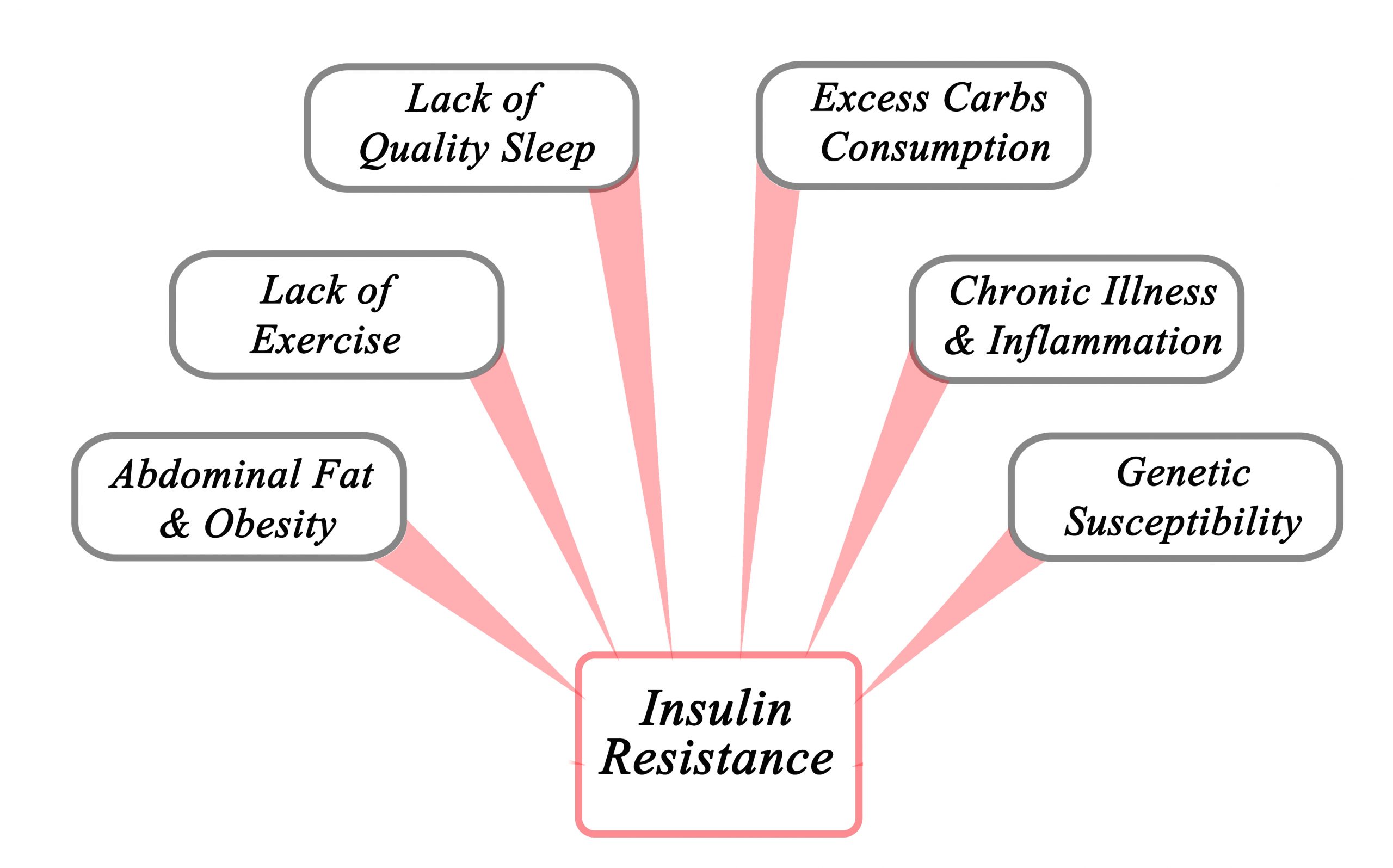
Causes of insulin resistance

Insulin resistance can affect anyone, and it can be temporary especially if you are under stress or taking corticosteroid medication.

Other risk factors include: (taken from CDC website)

  • overweight or obesity
  • age 45 or older
  • a parent, brother, or sister with diabetes
  • African American, Alaska Native, American Indian, Asian American, Hispanic/Latino, Native Hawaiian, or Pacific Islander American ethnicity
  • physical inactivity
  • health conditions such as high blood pressure and abnormal cholesterol levels
  • a history of gestational diabetes
  • a history of heart disease or stroke
  • polycystic ovary syndrome, also called PCOS
  • certain medicines, such as glucocorticoids NIH external link, some antipsychotics, and some medicines for HIV
  • hormonal disorders, such as Cushing’s syndrome and acromegaly
  • sleep problems, especially sleep apnea

How to reverse insulin resistance

Check with your care provider before starting any lifestyle or dietary changes

  • Increase physical activity- any activity that gets heart rate up increases insulin sensitivity.
  • Consider intermittent fasting– In conjunction with a healthy diet, stress reduction, and physical activity, intermittent fasting has proven to increase insulin sensitivity and regulate glucose metabolism
  • Lower carbohydrate intake- Talk with your care provider or a dietician about ways to lower carbohydrate intake. Work with them to put together a workable, realistic meal plan
  • Reduce stress-In addition to avoiding stressful situations, and media that may prove upsetting try deep breathing exercises– proven to reduce stress and anxiety.
  • Get good quality sleep- Practice sleep hygiene– shut off blue light emitting screens, turn off wifi (known to decrease melatonin production and increase norepinephrine- the fight or flight hormone- production)

- Brooke Lounsbury, RN

Medical Content Writer

Lifesaving Medications

Everyone should be empowered to care for themselves and their loved ones during the unexpected.

Recent Posts

Keeping you informed and safe.

National Doctor’s Day: A Celebration Of Care

National Doctor’s Day: A Celebration Of Care

On this day we recognize the contributions of doctors to our health, our lives, and our communities.  .  National Doctor's Day: A Day We Acknowledge The Vital Roles Doctors Play In Our Lives National Doctor’s Day is a day dedicated to recognizing the...

Measles Cases On The Rise In The U.S.

Measles Cases On The Rise In The U.S.

Why a conquered disease is back, and what we can do.  .  The Measles Resurgence: A Call For Health Preparedness Measles, a highly contagious and potentially deadly disease - once relegated to history books - is making a disturbing comeback in the United States....

Join Our Newsletter

Our mission is to help you be more medically prepared. Join our newsletter and follow us on social media for health and safety tips each week!

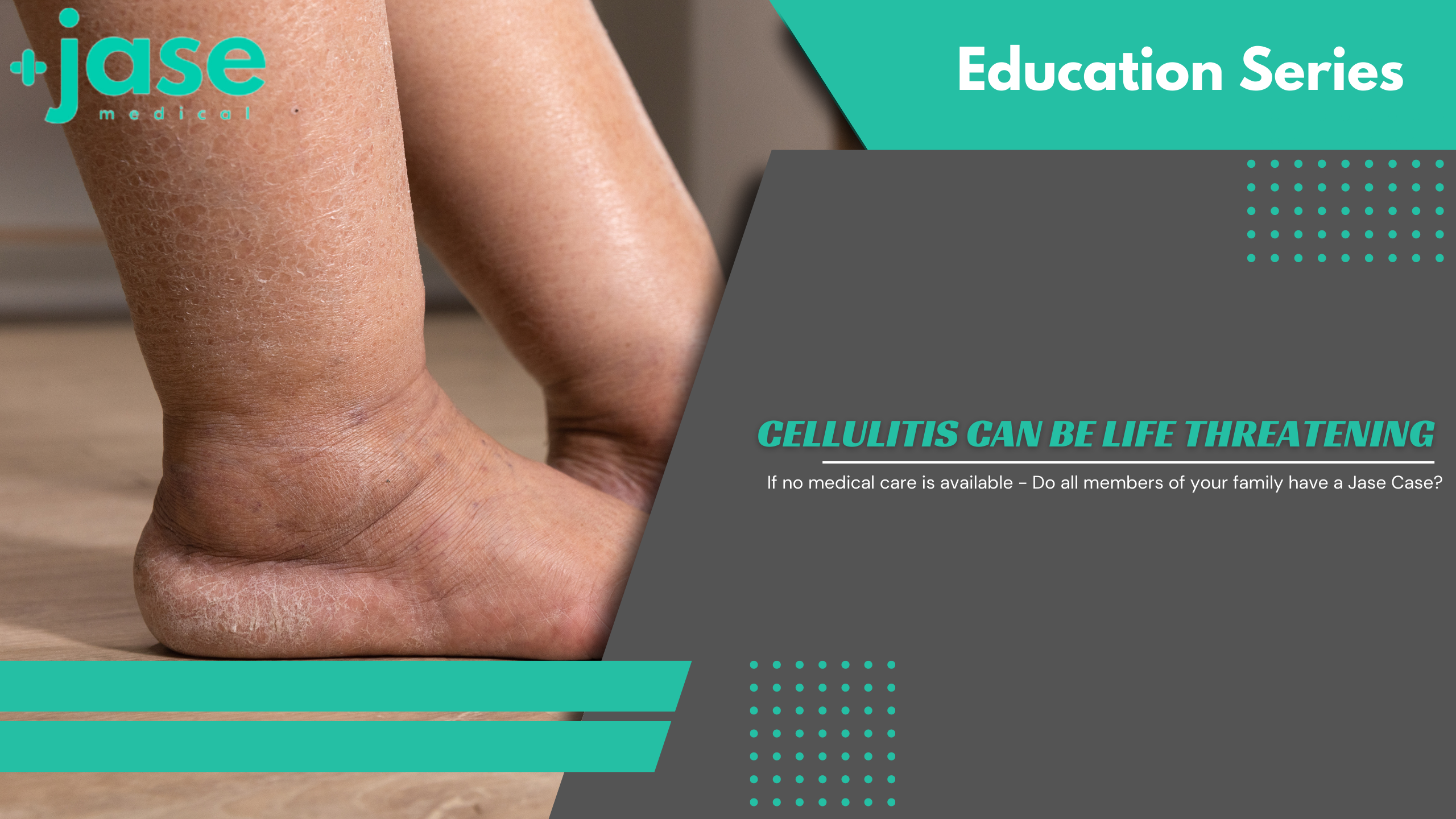
Cellulitis can be Life Threatening

If no medical care is available-Do all members of your family have a Jase Case?

Melissa Gilbert of Little House on the Prairie, recently posted on Instagram that she had to go to the hospital. 2 days prior, an insect bit her arm. The bite had turned red, swollen, and hot to touch. Her doctor told her to go to the ER, where she was diagnosed with cellulitis. She was put on a IV of antibiotics, Benadryl and Acetaminophen.

Years back, when I worked in a family practice clinic, I received a phone call from one of our patients, a single mom, who was camping with her 4 children outside of Disneyland. (Back then they had camping, more affordable than the hotels.) She had just spent the last 3 days going to the local walk-in clinic where she received IV antibiotics for cellulitis. She went on to tell me that she had saved for years to go on this vacation with her kids by selling Avon to finance the trip. The last Avon order had come in right before her trip. In her excitement to get orders to her customers she ripped open the box, and in doing so cardboard fibers lodged under her thumb. She removed the fibers, but the area had remained very red and swollen. She ignored the injury and went on the planned vacation, where she ended up seeking medical attention for what seemed at the time like a minor injury.

What is cellulitis and what to do if medical attention isn’t readily available?

Cellulitis is a serious infection that spreads to surrounding tissue from a break in the skin. It usually occurs around the arms and legs but can be found in other areas of the body as well. Group A Streptococcus (S. pyogenes), is the most common bacteria that causes cellulitis; however, staphylococcus bacteria can also cause cellulitis.

The bacteria enter through breaks in the skin through:

  • Cuts, bites (insect, spider animal)
  • Tattoos, piercings
  • Chronic skin conditions that compromise skin integrity and the protective barrier- eczema, athletes foot
  • Chickenpox, shingles-blisters pop which leaves skin vulnerable to infection
  • Chronic edema in lower extremities resulting in skin breakdown
  • Injection drug use and
  • Puncture wounds

Symptoms include

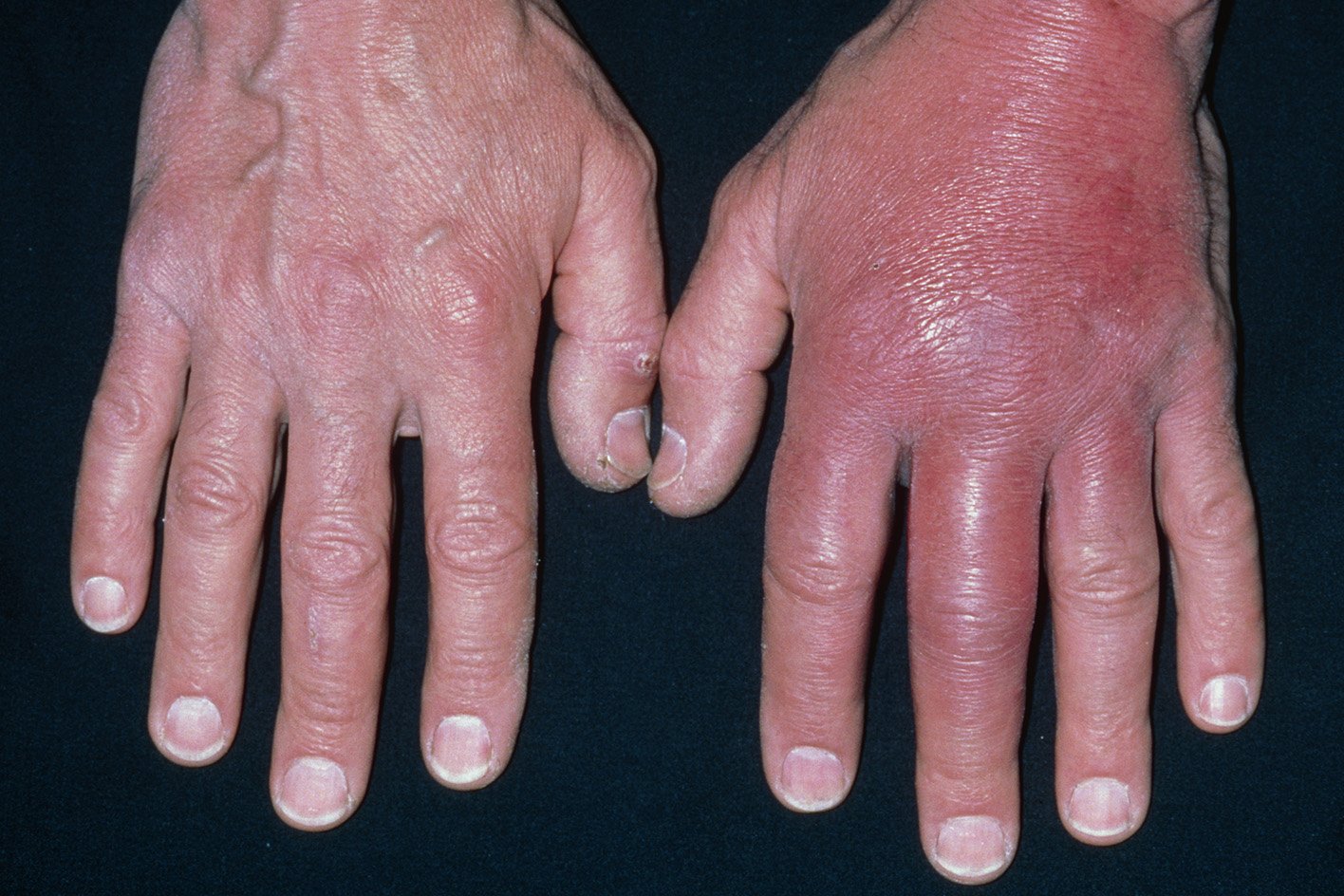
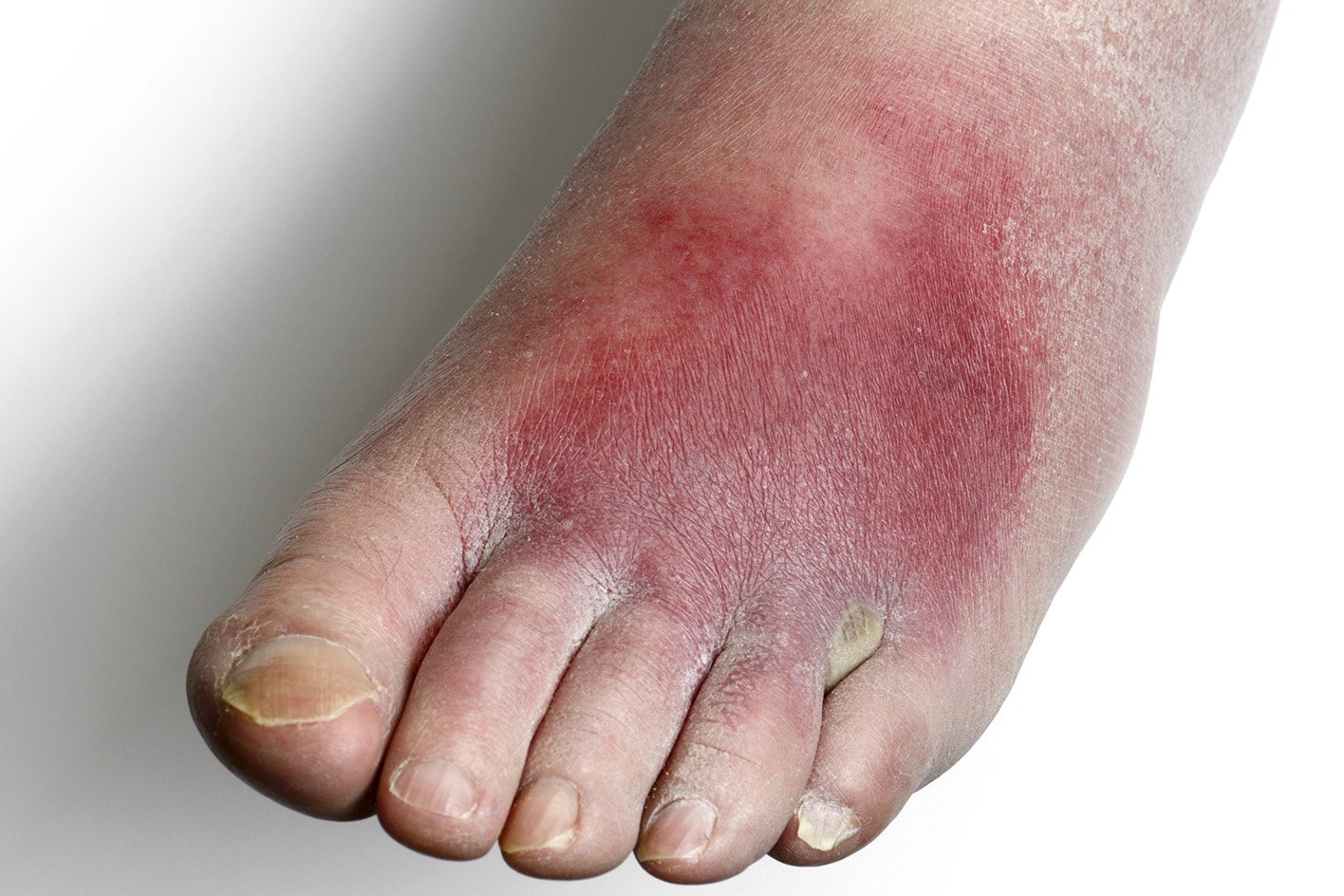
  • Area surrounding the wound – redness, swelling, pain and areas are warm to touch
  • Malaise, fatigue
  • In more advanced cases fever, swollen lymph glands, and elevated white blood cell count
  • If untreated it can lead to sepsis, amputation and even death.
  • Redness and swelling usually spreads rapidly-within hours

How diagnosed

Diagnosis is usually through patient history and inspection of the affected area. Wound cultures, etc. are not indicated unless unusual pathogens are suspected.

What if you suspect cellulitis?

Cellulitis can spread rapidly, within a matter of hours. If medical care is available, don’t delay. If caught in time, oral antibiotics can stop the spread in most cases. Warm compresses can help bring infection fighting cells to the area. Apply moist, warm compresses for 20 minutes up to 5 times a day along with seeking medical care.

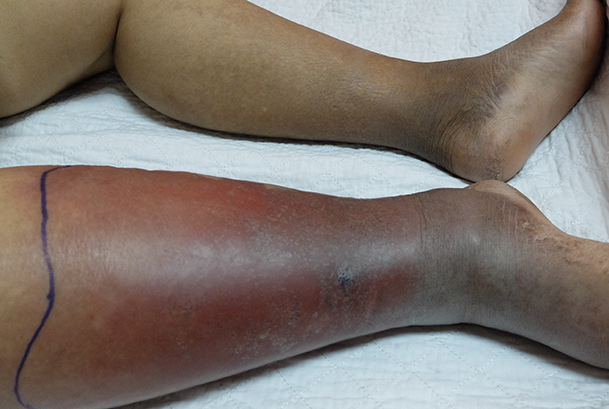
If in doubt if cellulitis and symptoms (pain, swelling, redness) are mild: Take a marker and draw a line around the edge of the red, swollen area. Check every hour. If the redness spreads outside the boundary, seek immediate medical attention. In addition, if there is any change, necrosis (dead tissue, sometimes black) or any other types of skin breakdown, fever, chills, confusion, dizziness, seek immediate medical attention.

The following images are courtesy of NHS

TESTIf no medical care is available-Do all members of your family have a Jase Case?

Melissa Gilbert of Little House on the Prairie, recently posted on Instagram that she had to go to the hospital. 2 days prior, an insect bit her arm. The bite had turned red, swollen, and hot to touch. Her doctor told her to go to the ER, where she was diagnosed with cellulitis. She was put on a IV of antibiotics, Benadryl and Acetaminophen.

Years back, when I worked in a family practice clinic, I received a phone call from one of our patients, a single mom, who was camping with her 4 children outside of Disneyland. (Back then they had camping, more affordable than the hotels.) She had just spent the last 3 days going to the local walk-in clinic where she received IV antibiotics for cellulitis. She went on to tell me that she had saved for years to go on this vacation with her kids by selling Avon to finance the trip. The last Avon order had come in right before her trip. In her excitement to get orders to her customers she ripped open the box, and in doing so cardboard fibers lodged under her thumb. She removed the fibers, but the area had remained very red and swollen. She ignored the injury and went on the planned vacation, where she ended up seeking medical attention for what seemed at the time like a minor injury.

What is cellulitis and what to do if medical attention isn’t readily available?

Cellulitis is a serious infection that spreads to surrounding tissue from a break in the skin. It usually occurs around the arms and legs but can be found in other areas of the body as well. Group A Streptococcus (S. pyogenes), is the most common bacteria that causes cellulitis; however, staphylococcus bacteria can also cause cellulitis.

The bacteria enter through breaks in the skin through:

  • Cuts, bites (insect, spider animal)
  • Tattoos, piercings
  • Chronic skin conditions that compromise skin integrity and the protective barrier- eczema, athletes foot
  • Chickenpox, shingles-blisters pop which leaves skin vulnerable to infection
  • Chronic edema in lower extremities resulting in skin breakdown
  • Injection drug use and
  • Puncture wounds

Symptoms include

  • Area surrounding the wound – redness, swelling, pain and areas are warm to touch
  • Malaise, fatigue
  • In more advanced cases fever, swollen lymph glands, and elevated white blood cell count
  • If untreated it can lead to sepsis, amputation and even death.
  • Redness and swelling usually spreads rapidly-within hours

How diagnosed

Diagnosis is usually through patient history and inspection of the affected area. Wound cultures, etc. are not indicated unless unusual pathogens are suspected.

What if you suspect cellulitis?

Cellulitis can spread rapidly, within a matter of hours. If medical care is available, don’t delay. If caught in time, oral antibiotics can stop the spread in most cases. Warm compresses can help bring infection fighting cells to the area. Apply moist, warm compresses for 20 minutes up to 5 times a day along with seeking medical care.

If in doubt if cellulitis and symptoms (pain, swelling, redness) are mild: Take a marker and draw a line around the edge of the red, swollen area. Check every hour. If the redness spreads outside the boundary, seek immediate medical attention. In addition, if there is any change, necrosis (dead tissue, sometimes black) or any other types of skin breakdown, fever, chills, confusion, dizziness, seek immediate medical attention.

The following images are courtesy of NHS

If no medical care is available-TESTDo all members of your family have a Jase Case?

Melissa Gilbert of Little House on the Prairie, recently posted on Instagram that she had to go to the hospital. 2 days prior, an insect bit her arm. The bite had turned red, swollen, and hot to touch. Her doctor told her to go to the ER, where she was diagnosed with cellulitis. She was put on a IV of antibiotics, Benadryl and Acetaminophen.

Years back, when I worked in a family practice clinic, I received a phone call from one of our patients, a single mom, who was camping with her 4 children outside of Disneyland. (Back then they had camping, more affordable than the hotels.) She had just spent the last 3 days going to the local walk-in clinic where she received IV antibiotics for cellulitis. She went on to tell me that she had saved for years to go on this vacation with her kids by selling Avon to finance the trip. The last Avon order had come in right before her trip. In her excitement to get orders to her customers she ripped open the box, and in doing so cardboard fibers lodged under her thumb. She removed the fibers, but the area had remained very red and swollen. She ignored the injury and went on the planned vacation, where she ended up seeking medical attention for what seemed at the time like a minor injury.

What is cellulitis and what to do if medical attention isn’t readily available?

Cellulitis is a serious infection that spreads to surrounding tissue from a break in the skin. It usually occurs around the arms and legs but can be found in other areas of the body as well. Group A Streptococcus (S. pyogenes), is the most common bacteria that causes cellulitis; however, staphylococcus bacteria can also cause cellulitis.

The bacteria enter through breaks in the skin through:

  • Cuts, bites (insect, spider animal)
  • Tattoos, piercings
  • Chronic skin conditions that compromise skin integrity and the protective barrier- eczema, athletes foot
  • Chickenpox, shingles-blisters pop which leaves skin vulnerable to infection
  • Chronic edema in lower extremities resulting in skin breakdown
  • Injection drug use and
  • Puncture wounds

Symptoms include

  • Area surrounding the wound – redness, swelling, pain and areas are warm to touch
  • Malaise, fatigue
  • In more advanced cases fever, swollen lymph glands, and elevated white blood cell count
  • If untreated it can lead to sepsis, amputation and even death.
  • Redness and swelling usually spreads rapidly-within hours

How diagnosed

Diagnosis is usually through patient history and inspection of the affected area. Wound cultures, etc. are not indicated unless unusual pathogens are suspected.

What if you suspect cellulitis?

Cellulitis can spread rapidly, within a matter of hours. If medical care is available, don’t delay. If caught in time, oral antibiotics can stop the spread in most cases. Warm compresses can help bring infection fighting cells to the area. Apply moist, warm compresses for 20 minutes up to 5 times a day along with seeking medical care.

If in doubt if cellulitis and symptoms (pain, swelling, redness) are mild: Take a marker and draw a line around the edge of the red, swollen area. Check every hour. If the redness spreads outside the boundary, seek immediate medical attention. In addition, if there is any change, necrosis (dead tissue, sometimes black) or any other types of skin breakdown, fever, chills, confusion, dizziness, seek immediate medical attention.

The following images are courtesy of NHS

If no medical care is available-TESTDo all members of your family have a Jase Case?

Melissa Gilbert of Little House on the Prairie, recently posted on Instagram that she had to go to the hospital. 2 days prior, an insect bit her arm. The bite had turned red, swollen, and hot to touch. Her doctor told her to go to the ER, where she was diagnosed with cellulitis. She was put on a IV of antibiotics, Benadryl and Acetaminophen.

Years back, when I worked in a family practice clinic, I received a phone call from one of our patients, a single mom, who was camping with her 4 children outside of Disneyland. (Back then they had camping, more affordable than the hotels.) She had just spent the last 3 days going to the local walk-in clinic where she received IV antibiotics for cellulitis. She went on to tell me that she had saved for years to go on this vacation with her kids by selling Avon to finance the trip. The last Avon order had come in right before her trip. In her excitement to get orders to her customers she ripped open the box, and in doing so cardboard fibers lodged under her thumb. She removed the fibers, but the area had remained very red and swollen. She ignored the injury and went on the planned vacation, where she ended up seeking medical attention for what seemed at the time like a minor injury.

What is cellulitis and what to do if medical attention isn’t readily available?

Cellulitis is a serious infection that spreads to surrounding tissue from a break in the skin. It usually occurs around the arms and legs but can be found in other areas of the body as well. Group A Streptococcus (S. pyogenes), is the most common bacteria that causes cellulitis; however, staphylococcus bacteria can also cause cellulitis.

The bacteria enter through breaks in the skin through:

  • Cuts, bites (insect, spider animal)
  • Tattoos, piercings
  • Chronic skin conditions that compromise skin integrity and the protective barrier- eczema, athletes foot
  • Chickenpox, shingles-blisters pop which leaves skin vulnerable to infection
  • Chronic edema in lower extremities resulting in skin breakdown
  • Injection drug use and
  • Puncture wounds

Symptoms include

  • Area surrounding the wound – redness, swelling, pain and areas are warm to touch
  • Malaise, fatigue
  • In more advanced cases fever, swollen lymph glands, and elevated white blood cell count
  • If untreated it can lead to sepsis, amputation and even death.
  • Redness and swelling usually spreads rapidly-within hours

How diagnosed

Diagnosis is usually through patient history and inspection of the affected area. Wound cultures, etc. are not indicated unless unusual pathogens are suspected.

What if you suspect cellulitis?

Cellulitis can spread rapidly, within a matter of hours. If medical care is available, don’t delay. If caught in time, oral antibiotics can stop the spread in most cases. Warm compresses can help bring infection fighting cells to the area. Apply moist, warm compresses for 20 minutes up to 5 times a day along with seeking medical care.

If in doubt if cellulitis and symptoms (pain, swelling, redness) are mild: Take a marker and draw a line around the edge of the red, swollen area. Check every hour. If the redness spreads outside the boundary, seek immediate medical attention. In addition, if there is any change, necrosis (dead tissue, sometimes black) or any other types of skin breakdown, fever, chills, confusion, dizziness, seek immediate medical attention.

The following images are courtesy of NHS

What if no immediate medical care is available?

Cellulitis can quickly become life threatening. Early intervention can mean the difference between life and death.

  • Monitor all skin breaks including scrapes, cuts, insect bites – If you have young children be sure to inspect their skin on a regular basis. Look for the signs of skin infections that may possibly lead to cellulitis.
  • Maintain hygienic practices – Group A streptococcus is spread through direct contact with infected fluid/material or droplets or when coughing. Wear disposable gloves when cleansing wound, double bag all dressings and dispose of in garbage. Avoid contact with wound drainage or other fluids from area. Wash your hands thoroughly using soap and water. There is some discussion that cellulitis isn’t contagious, however always err on the side of caution and use gloves and wash hands .
  • Draw an outline with a marker around any area you have doubts about. Check hourly for redness, swelling, change in appearance of skin, blisters, necrosis (blackened skin in and surrounding skin break).
  • If redness or swelling is noted outside the marked area, contact your care provider for instructions.
  • If a care provider is not available for consult, follow the instructions in your Jase Case for skin infections/cellulitis. Doxycycline, included in the Jase Case is one of the most effective antibiotics for cellulitis.

Given all the instability in the world, while the infrastructure is still in place, prioritize and consider what would happen if the medical system went down, even for a week. Take advantage of Jase Daily and get your year supply of prescriptions and order Jase Case for every member of your family if you haven’t done so yet.

- Brooke Lounsbury, RN

Medical Content Writer

Lifesaving Medications

Everyone should be empowered to care for themselves and their loved ones during the unexpected.

Recent Posts

Keeping you informed and safe.

National Doctor’s Day: A Celebration Of Care

National Doctor’s Day: A Celebration Of Care

On this day we recognize the contributions of doctors to our health, our lives, and our communities.  .  National Doctor's Day: A Day We Acknowledge The Vital Roles Doctors Play In Our Lives National Doctor’s Day is a day dedicated to recognizing the...

Measles Cases On The Rise In The U.S.

Measles Cases On The Rise In The U.S.

Why a conquered disease is back, and what we can do.  .  The Measles Resurgence: A Call For Health Preparedness Measles, a highly contagious and potentially deadly disease - once relegated to history books - is making a disturbing comeback in the United States....

Join Our Newsletter

Our mission is to help you be more medically prepared. Join our newsletter and follow us on social media for health and safety tips each week!