Does Your Sore Throat Need an Antibiotic?

Antibiotics don’t kill viruses; they kill bacteria, mold, or parasites.

They are lifesaving drugs when the need arises. However, overuse has led to antibiotic-resistant strains of bacteria that used to be effective with an appropriate antibiotic. Nowadays, we are facing a crisis of antibiotic resistance, leading many healthcare providers to use caution when prescribing antibiotics.

Some bacteria and mold have mutated and developed immunity to common antibiotics, leaving healthcare providers with fewer options. However, with judicious use, there are still several effective antibiotics available. Knowing when to use them and when to treat symptoms is essential.

This is especially true when dealing with a sore throat. While nothing can replace a healthcare provider visit and lab testing, some telltale signs can help determine if you need an antibiotic to treat your sore throat.

There may be a time soon, given all the worldwide unrest you won’t be able to visit your healthcare provider- staff shortage, cyber-attacks on their laboratory and computer systems, medical supply shortage (throat swabs, etc.).

Example of a viral infection leading to a bacterial infection

A viral infection can weaken the immune system and allow pathogenic, opportunistic bacteria to grow. This is called a secondary or coinfection infection. For example, a case of influenza (viral) can lead to mycoplasma pneumonia (bacterial) or even strep throat.

How can you tell the difference if you are without medical care? If medical systems and testing are not available, you must rely on exposure, symptoms, and susceptibility to infection to guide you.

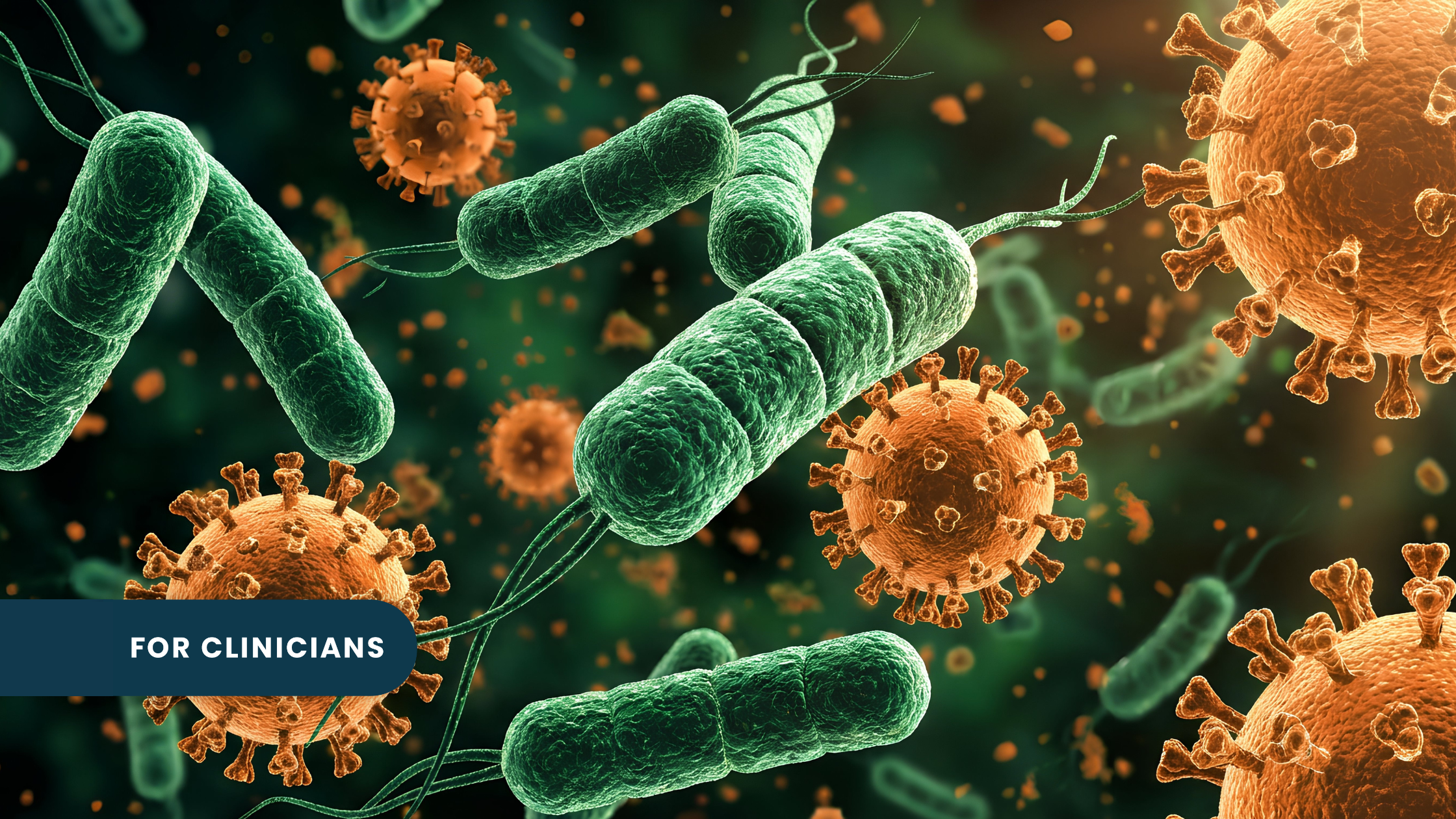
To begin with, let’s look at the difference between a bacterial, fungal, and viral infection.

Bacterial Infection

Bacteria are single-cell organisms that can live in diverse (many different) environments- in soil, air, almost anywhere. (see below) Most are not disease-causing.

Disease-causing bacteria are called pathogenic bacteria. Pathogenic bacteria invade and reside in the host (human or animal) and can cause illness.

Common bacterial infections include:

  • Strep throat (causes sore throat)
  • Cellulitis (commonly caused by group B strep)
  • Lyme disease (transmitted via tick bite)
  • Urinary tract infections
  • Bacterial meningitis (caused by Streptococcus pneumoniae, Group B Streptococcus, Neisseria meningitis, Haemophilus influenzae, Listeria monocytogenes, Escherichia coli)
  • Staphylococcus aureus – the most common form of healthcare facility-related infections

Less common but a public health threat is Mycobacterium tuberculosis (tuberculosis or TB).

Fungal Infection

Fungus are eukaryotic (with a nucleus) organisms that are either single cells, such as yeast, or molds, which are a collection of cells that form long, thin, hairlike threads called hyphae. Just like bacterial infections, they can live almost anywhere: air, surfaces, etc.(see below)

Symptoms of strep throat

(need antibiotics)

  • Fever
  • Pain when swallowing
  • Sore throat that can start very quickly and may look red
  • Red and swollen tonsils
  • White patches or streaks of pus on the tonsils
  • Tiny, red spots on the roof of the mouth, called petechiae
  • Swollen lymph nodes in the front of the neck
  • Strep throat can lead to rheumatic fever

Note: It is crucial to take an entire course of antibiotics, stay home from work or school until you no longer have a fever, AND have taken antibiotics for at least 12 hours.

The following symptoms suggest a virus is causing the illness instead of strep throat:

  • Cough
  • Runny nose
  • Hoarseness (changes in your voice that make it sound breathy, raspy, or strained)
  • Conjunctivitis (also called pink eye)

If a virus is the cause of a sore throat, antibiotics will not help.

(need antibiotics)

Candidiasis is an infection caused by a yeast (a type of fungus) called Candida. Candida usually lives on the skin and inside the body, in places such as the mouth, throat, gut, and vagina, without causing any problems. Candida can multiply and cause an infection if the environment inside the mouth, throat, or esophagus changes in a way that encourages fungal growth.

Candidiasis in the mouth and throat:

  • White patches on the inner cheeks, tongue, roof of the mouth, and throat 
  • Redness or soreness
  • Pain while eating or swallowing
  • Cracking and redness at the corners of the mouth

You are at risk for developing Candida if you:

  • Wear dentures
  • Have diabetes
  • Have cancer
  • Have HIV/AIDS
  • Take antibiotics or corticosteroids, including inhaled corticosteroids
  • Take medications that cause dry mouth
  • Smoke

Treatment

Candidiasis in the mouth, throat, or esophagus is treated with antifungal medicine. The treatment for mild to moderate infections in the mouth or throat is usually an antifungal medicine applied to the inside of the mouth for 7 to 14 days. These medications include clotrimazole, miconazole, or nystatin. The most common treatment for severe infections is fluconazole (an antifungal medication) taken by mouth or vein.

  • Candidiasis- throat, mouth (causes sore throat)
  • Candidiasis-vaginal can lead to urinary tract infection
  • Nail fungus
  • Ringworm
  • Aspergillosis
  • Blastomycosis
  • Candida Aureus (C.aureus)

Viral Infection

Viruses are tiny (much smaller than bacteria) parasitic microorganisms that feed off living cells or tissue in the body. Viruses can quickly spread from one person to another through the same routes as bacteria and fungi. (see below)

Common viral infections include:

  • Influenza (can cause sore throat)
  • Common cold (can cause sore throat)
  • Covid 19 (can cause sore throat)
  • RSV (respiratory syncytial virus) (can cause sore throat)
  • Hepatitis
  • Viral pneumonia (can impair the immune system, leading to bacterial infection)
  • Viral meningitis
  • Chickenpox

How bacteria, mold, and viruses are transmitted (how they infect the body)

  • Droplets or aerosol (cough or sneeze)
  • Body fluids (infected wound -bacterial or sexual contact- both bacterial and viral)
  • Tick bites
  • Bug bites
  • Contact with contaminated surfaces (faucets, sharing utensils or cups, towels or personal items)
  • Eating or drinking contaminated food or water
  • Dust or decaying matter
  • Nosocomial (hospital origin)

A robust immune system can prevent bacterial, fungal, and viral infections. Susceptible people are those being treated for cancer, the very young, the elderly, diabetics, and anyone with impaired immune function.

How to tell if your sore throat needs an antibiotic.

Most sore throats are caused by a virus, such as a cold or flu, and do not require an antibiotic—other common causes of a sore throat- strep throat and oral candidiasis (thrush), require antibiotics.

Symptoms and Treatment of Sore Throats

The following is only a guideline in the event there is no medical care available. In addition, consult your healthcare provider for guidance and advice.

According to the CDC, most sore throats, except strep throat and candidiasis, do not need antibiotics.

Sore throat pain relief 

  • Suck on ice chips, popsicles, or lozenges (do not give lozenges to children younger than 4 years).
  • Use a clean humidifier or cool mist vaporizer.
  • Gargle with salt water.
  • Drink warm beverages and plenty of fluids.
  • Use honey to relieve cough for adults and children at least 1 year or older.
  • Over-the-counter symptom and pain relievers.

Warm/hot water with honey, ginger, and lemon drink can reduce phlegm and soothe the throat lining. In addition, ginger has proven antibacterial, antiviral, and anti-inflammatory properties.

jase case open

The Jase Case with add-ons have you covered, with antibiotics and pain relievers for sore throats and many other types of infections.

- Brooke Lounsbury, RN

Medical Content Writer

Lifesaving Medications

Everyone should be empowered to care for themselves and their loved ones during the unexpected.

Recent Posts

Keeping you informed and safe.
Tips for Getting Our Kids to Live Their Healthiest Lives

Tips for Getting Our Kids to Live Their Healthiest Lives

Kids are superb little copycats; let's give them some positive things to mimic. .Healthy kids, Happy Families: Empowering Children for Lifelong Wellness  Before they start making their own decisions, kids will begin copying ours. So the more health conscious examples...

read more
Disasters and Disease: An Increased Risk of Pneumonia

Disasters and Disease: An Increased Risk of Pneumonia

Natural events are unpredictable, preparedness is not. .You can’t know what may happen next, but you can know your family is prepared. With disasters and disease on the rise globally, there is no time like today, to prepare for tomorrow. From recent supply chain...

read more
National Doctor’s Day: A Celebration Of Care

National Doctor’s Day: A Celebration Of Care

On this day we recognize the contributions of doctors to our health, our lives, and our communities.  .  National Doctor's Day: A Day We Acknowledge The Vital Roles Doctors Play In Our Lives National Doctor’s Day is a day dedicated to recognizing the...

read more
Measles Cases On The Rise In The U.S.

Measles Cases On The Rise In The U.S.

Why a conquered disease is back, and what we can do.  .  The Measles Resurgence: A Call For Health Preparedness Measles, a highly contagious and potentially deadly disease - once relegated to history books - is making a disturbing comeback in the United States....

read more

Join Our Newsletter

Our mission is to help you be more medically prepared. Join our newsletter and follow us on social media for health and safety tips each week!

Founder’s Perspective: A Year In Review

I have been reflecting on the past year’s progress and lessons learned. We have made significant strides in our company and continue to expand. As we enter 2024, I am confident that Jase Medical staff are of the highest caliber. Their commitment, integrity, and hard work at Jase Medical have made us the premier medical preparedness website that we are today. We look forward to serving you with new and innovative approaches to healthcare that will strengthen the resilience of the Jase community.

2023 in retrospect

2023 was a landmark year for Jase Medical. Expanding the Jase Case from 7 to 33 possible add-on medications is a testament to the company’s commitment to comprehensive healthcare solutions.

May 24, 2023, our offerings expand.

Following the overwhelming success of our Jase Case emergency medication pack, Jase Daily was introduced. Patients can now receive a year’s supply of daily prescription medications, acting as a buffer against supply chain disruptions and extended drug shortages. 2023 also saw a fourfold increase across departments, including marketing, programming, and customer service, solidifying Jase’s position as a leader in medical preparedness. Our commitment to innovation, resilience, and world-class service reflects Jase Medical’s position as the leader in medical preparedness.

Lessons from Maui: A Testament to Medical Preparedness

The experience in Maui following the devastating fires was a profound and defining moment for Jase Medical. Amidst the ashes and uncertainty, our team witnessed firsthand the critical role of medical preparedness in a crisis. This experience served as a reminder of the importance of Jase Medical’s mission and was a vivid illustration of the real-world impact of our work. Jase Medical emerged not just as a medical preparedness company but as a crucial lifeline emphasizing the need for emergency preparedness in healthcare. We saw firsthand the importance of medical preparedness in times of crisis and uncertainty- and this solidified our volunteers’ resolve to continue making Jase Medical the number one resource for medical preparedness.

Resilience in a year of uncertainty

Our team of dedicated professionals successfully secured new partnerships, including extensive networks of physicians and pharmacies. This expansion enriched Jase’s resources and cemented its position as a trailblazer in the field. The ability to navigate complex challenges, such as supply chain disruptions and medication shortages, is a testament to Jase’s commitment to reliability and excellence.

Pioneering Medical Preparedness on the Web

Jase Medical has firmly established itself as the premier online medical preparedness company. Its unique position stems from an unparalleled combination of comprehensive services and products and exceptional customer service. The depth and breadth of Jase’s offerings are unrivaled, setting a high bar in the industry and offering peace of mind to those we serve.

Anticipating the Future: Preparing for 2024

Looking ahead to 2024, Jase Medical is poised to tackle the increasingly pressing challenges in the healthcare sector. The fragile supply chain, coupled with escalating geopolitical tensions leading to pharmaceutical shortages and an increasingly limited supply of healthcare providers, is why Jase Medical exists. Looking ahead to 2024, Jase Medical is poised to address the increasingly pressing challenges in the healthcare sector. The world is likely to continue experiencing pharmaceutical shortages, limited access to healthcare providers, and escalating geopolitical tensions. We plan to offer even more new services and expand access to medications like insulin and others. In these times of uncertainty, Jase’s role becomes ever more crucial. Preparing for the worst while hoping for the best, Jase is geared up to be at the forefront of combating these global healthcare challenges.

Reflecting on a World in Flux

Jase Medical stands as a mirror to the world we inhabit – a world grappling with fragile supply chains, burgeoning populations, and growing uncertainties. It emphasizes the importance of individual empowerment in healthcare. By providing access to medical professionals, essential medications, and educational resources, Jase empowers individuals to take charge of their health and safety. This philosophy is at the heart of Jase Medical’s mission, reflecting its commitment to being more than just a company – a vital lifeline in times of need.

Conclusion

As Jase Medical continues to grow and evolve, it remains a beacon of hope and preparedness in an unpredictable world. The company’s journey thus far is a story of resilience, innovation, and an unwavering commitment to serving the community. With its eyes set on the future, Jase Medical is not just responding to the challenges of today but is actively shaping the landscape of healthcare preparedness for tomorrow. And we are just getting started!

- Dr. Shawn Rowland

Founder & CEO of JASE Medical

Lifesaving Medications

Everyone should be empowered to care for themselves and their loved ones during the unexpected.

Recent Posts

Keeping you informed and safe.

Tips for Getting Our Kids to Live Their Healthiest Lives

Tips for Getting Our Kids to Live Their Healthiest Lives

Kids are superb little copycats; let's give them some positive things to mimic. .Healthy kids, Happy Families: Empowering Children for Lifelong Wellness  Before they start making their own decisions, kids will begin copying ours. So the more health conscious examples...

read more
Disasters and Disease: An Increased Risk of Pneumonia

Disasters and Disease: An Increased Risk of Pneumonia

Natural events are unpredictable, preparedness is not. .You can’t know what may happen next, but you can know your family is prepared. With disasters and disease on the rise globally, there is no time like today, to prepare for tomorrow. From recent supply chain...

read more
National Doctor’s Day: A Celebration Of Care

National Doctor’s Day: A Celebration Of Care

On this day we recognize the contributions of doctors to our health, our lives, and our communities.  .  National Doctor's Day: A Day We Acknowledge The Vital Roles Doctors Play In Our Lives National Doctor’s Day is a day dedicated to recognizing the...

read more
Measles Cases On The Rise In The U.S.

Measles Cases On The Rise In The U.S.

Why a conquered disease is back, and what we can do.  .  The Measles Resurgence: A Call For Health Preparedness Measles, a highly contagious and potentially deadly disease - once relegated to history books - is making a disturbing comeback in the United States....

read more

Join Our Newsletter

Our mission is to help you be more medically prepared. Join our newsletter and follow us on social media for health and safety tips each week!

Keep Those New Years Resolutions by Doing This

The 6 Ps to Success

According to a October 2023 Forbes Health survey of New Years resolutions that 62% of the general population felt pressured to make New Years resolutions. Fitness (48%), finances (38%), improved mental health (36%) and losing weight (34%) were the top resolutions cited for 2024.

Many of these resolutions are thrown by the wayside by the end of January. In fact, January 17th is designated as the unofficial “Ditch New Years resolution day”, a day that many people give up on their resolutions, with the average resolution lasting just 3.74 months. The Forbes survey further revealed that only 8% stick with their goals for one month, 22% last two months and 13% last four months.

New Years resolutions are easy to make, but harder to keep.

Old patterns of life can sneak back into our lives without us realizing it.

Good intentions aren’t enough.

We start with a resolute heart, that this year will be different. However, as we resume our daily lives post holidays, we haven’t established habits that motivate us to push forward and accomplish our goals.

Let’s make this year different.

We have put together a downloadable pdf that will kickstart and motivate you to stay on course. 

Download and print this pdf and lets get started. Give yourself at least 30 minutes to prioritize, plan and prepare for your goal.

Prioritize

Under prioritize, write down your 5 most pressing or important goals you want to achieve this year.

Assign them a number- 1-5, 1 being the most important or pressing goal.

As you do this, state why these goals are important and what your desired outcome is.

Example:

Goal-I want to lose 20 pounds by the beginning of summer.

Reason- I will have more energy, fit into summer clothes, and feel better about my appearance.

Number of importance- 1

Do this for each of your goals.

Once you have assigned numbers, it is time to move to:

Plan

Most goals that aren’t met are because of lack of proper planning.

There are 3 parts to planning your goal. The goal must be specific, measurable, and most importantly, realistic.

Take the above example of losing weight:

Specific- lose 20 pounds

Measurable- by beginning of summer

Realistic- Losing 20 pounds over 6 months (by June) is a reasonable and realistic goal

Make as detailed of a plan as possible as to how you wish to accomplish this goal. Leave room for changing tactics but keep the outcome fresh in your mind. Imagine how you will feel reaching this goal. Do this exercise several times during the day. Especially upon arising and right before bed.

If losing weight is your objective, you will need to:

Plan meals- either home cooked or from a restaurant menu.

Home cooked meals will be healthier but require menu planning, grocery shopping and food preparation.

Eating out requires careful planning and deciding beforehand what you are going to order. Otherwise, the smells and atmosphere can cause you to skip your resolution “just this one time”.

Prepare

Planning and preparation go hand in hand. Whether your goal is weight loss, travel, or exercise goals-, proper preparation will set you up for success.

Weight loss could involve weekly weigh-ins and tracking. If your goal is to run a half marathon, proper footwear and setting distance goals to run leading up to the half marathon could be part of your preparation. If travel abroad is your goal, obtaining or renewing your passport well before your trip is necessary.

Position

Positioning yourself for success means having all the tools and systems in place. Go back to reviewing your goals and preparations. Are there any obstacles you see that could keep you from achieving success? If so, how can you mitigate these obstacles?

There will always be obstacles, some we can anticipate and others that we cannot. The most important thing is to have an action plan if your goals go wayside. Being flexible and staying focused on your goal(s) is important. If you go off your diet, are unable to meet your exercise goal, unable to take the trip when you wanted are just a few examples of plans going wayside (which in most likelihood they will at some point).

Persistence

Of all the P’s, persistence is the key to success. If your plans don’t work out the way you want them to, re-evaluate and focus on how you can meet your goal(s). Go back to the plan and preparation exercise and rework your activities until you are able to position yourself for success. Remember, failure is giving up! Discipline and persistence wins the race. Remember the story of the tortoise and the hare? The hare started out far ahead, got distracted and the slow, consistent turtle eventually won. Stay the course. If you get diverted, get back on track. Don’t beat yourself up, use this as a learning experience to help you revise and stay the course.

Progress

Each day, or at the very least, each week reserve time- at least 15 minutes- to review your progress. Focus on what worked, how you could do better and revise as necessary. Keep your goal(s) front and center and remember why you made them in the first place. Spend time visualizing how you will feel once you have reached your goal.

By working through these 6Ps, you will achieve our goals.

Make 2024 your year for positive change. Here is to a healthy and prosperous New Year!

- Brooke Lounsbury, RN

Medical Content Writer

Lifesaving Medications

Everyone should be empowered to care for themselves and their loved ones during the unexpected.

Recent Posts

Keeping you informed and safe.

Tips for Getting Our Kids to Live Their Healthiest Lives

Tips for Getting Our Kids to Live Their Healthiest Lives

Kids are superb little copycats; let's give them some positive things to mimic. .Healthy kids, Happy Families: Empowering Children for Lifelong Wellness  Before they start making their own decisions, kids will begin copying ours. So the more health conscious examples...

read more
Disasters and Disease: An Increased Risk of Pneumonia

Disasters and Disease: An Increased Risk of Pneumonia

Natural events are unpredictable, preparedness is not. .You can’t know what may happen next, but you can know your family is prepared. With disasters and disease on the rise globally, there is no time like today, to prepare for tomorrow. From recent supply chain...

read more
National Doctor’s Day: A Celebration Of Care

National Doctor’s Day: A Celebration Of Care

On this day we recognize the contributions of doctors to our health, our lives, and our communities.  .  National Doctor's Day: A Day We Acknowledge The Vital Roles Doctors Play In Our Lives National Doctor’s Day is a day dedicated to recognizing the...

read more
Measles Cases On The Rise In The U.S.

Measles Cases On The Rise In The U.S.

Why a conquered disease is back, and what we can do.  .  The Measles Resurgence: A Call For Health Preparedness Measles, a highly contagious and potentially deadly disease - once relegated to history books - is making a disturbing comeback in the United States....

read more

Join Our Newsletter

Our mission is to help you be more medically prepared. Join our newsletter and follow us on social media for health and safety tips each week!

Avoid A Holiday Heart Attack By doing This

Heart attacks are highest December 25th, avoid being a statistic.

Holidays can be a time of connecting with loved ones that you don’t normally connect with. It is also the time when strained relationships magnify because of family get togethers. Either way, holidays have a way of bringing on intense feelings and expectations that are rarely met in real life. Changes in health, loss of or additions of family members (passing of a loved one, marriage, birth, adoption, etc.) job loss, (or new job) and even pressure to show up at holiday gatherings when you may not be able to afford presents change the family dynamics and add additional stress to the holiday season.

Our activities and stress levels

Filling our lives with activities we really don’t want to do or have little meaning sets you up for depression and a downward spiral of emotions. Manage stress through eliminating meaningless chores and responsibilities taken on during past years. This will free you to experience a fulfilling life rooted in meaning and purpose.

Set Realistic Expectations and Priorities

Remember, you are in control

Hallmark movies, retailers and clever marketing have played on our emotions and can lead us to feel inadequate. Decide what is truly important and makes the holiday season special If you now have additional responsibilities, life changes or just don’t care for the holiday season. Don’t overextend yourself by accepting invites to parties and get togethers unless it fits into a realistic schedule.

Streamline your schedule and commitments

Let all involved know this year will be different (if it is) and why.

  • If travel is difficult, set up zoom calls to connect with family and loved ones. Zoom calls are an ideal way to connect if you or your family are dealing with a major health challenge. By doing this, you avoid extended travel, exposure to viruses and disruption to your daily schedule.
  • Invite people to your home around your schedule. Ask anyone who is sick or has been exposed to anyone ill to stay home.

Prioritize your health

Communicate your needs and what you can do that won’t stretch your limits. Overextending yourself, along with poor diet and lack of sleep can set you on a downward spiral of depressive thoughts and emotions. These emotions lower your immune system and can set you up for increased risk of heart attacks and other cardiovascular events.

  • Have your prescriptions refilled in advance. You avoid lengthy waiting times in lines, exposure to seasonal viruses, and you won’t run out at the most inopportune time. It is also a great time to use your HSA (before years end) and buy a Jase Case or refill chronic medications with Jase Daily if you haven’t already.
  • Maximize your vitamin D level, either by spending time in the sun or using supplements. Vitamin D is a powerful immune booster.
  • Avoid sugar and alcohol. Both can bring on depressive moods (which, in turn, lowers immunity).
  • Take time for yourself – go for a walk, take a hot bath, shut off the phone and read – whatever you can do to energize. Your heart and immune system will thank you for it!
  • Prioritize your mental and physical health. Eat a healthy meal before you head to festivities or get togethers. If you struggle with alcohol addiction, either avoid the activity or bring an accountability partner to support and encourage abstinence.
  • Get good quality sleep. Keep your sleep schedule as close to normal as possible. Our bodies repair and rejuvenate more during our sleep cycles than at any other time of day.
  • Cold weather puts stress on the heart. Layer clothing, and pace yourself when engaging in outdoor activities.

Men and women can have a different set of symptoms during a heart attack. Download and print this pdf. Hang it in a highly visible spot of your home. Don’t ignore symptoms by wishing them away. The sooner you seek help the higher your chances of survival.

- Brooke Lounsbury, RN

Medical Content Writer

Lifesaving Medications

Everyone should be empowered to care for themselves and their loved ones during the unexpected.

Recent Posts

Keeping you informed and safe.

Tips for Getting Our Kids to Live Their Healthiest Lives

Tips for Getting Our Kids to Live Their Healthiest Lives

Kids are superb little copycats; let's give them some positive things to mimic. .Healthy kids, Happy Families: Empowering Children for Lifelong Wellness  Before they start making their own decisions, kids will begin copying ours. So the more health conscious examples...

read more
Disasters and Disease: An Increased Risk of Pneumonia

Disasters and Disease: An Increased Risk of Pneumonia

Natural events are unpredictable, preparedness is not. .You can’t know what may happen next, but you can know your family is prepared. With disasters and disease on the rise globally, there is no time like today, to prepare for tomorrow. From recent supply chain...

read more
National Doctor’s Day: A Celebration Of Care

National Doctor’s Day: A Celebration Of Care

On this day we recognize the contributions of doctors to our health, our lives, and our communities.  .  National Doctor's Day: A Day We Acknowledge The Vital Roles Doctors Play In Our Lives National Doctor’s Day is a day dedicated to recognizing the...

read more
Measles Cases On The Rise In The U.S.

Measles Cases On The Rise In The U.S.

Why a conquered disease is back, and what we can do.  .  The Measles Resurgence: A Call For Health Preparedness Measles, a highly contagious and potentially deadly disease - once relegated to history books - is making a disturbing comeback in the United States....

read more

Join Our Newsletter

Our mission is to help you be more medically prepared. Join our newsletter and follow us on social media for health and safety tips each week!

Want to live longer? Change your thoughts

The holidays are meant to be a joyous time shared with friends, family, and coworkers. However, many things can take a toll on your emotional health. Job loss or job insecurity, financial woes, loss of health or a loved one can cause depression, anxiety, and feelings of hopelessness. Holidays of years past may bring back memories filled with past friends and family get togethers and traditions. If you have had a significant life change over the past year, you may be dreading the holiday season. Focusing on what you have and not what you don’t have is the start to successfully finding your way towards a healthy outlook this holiday season.

Hopefulness, enthusiasm and emotional balance are associated with a substantially reduced risk of heart attack and stroke.

As Dr Caroline Leaf, neuropsychiatrist  points out: thoughts occupy mental real estate in our brains.

Inflammation, brought on by emotional stressors and negative thoughts, triggers the release of hormones and chemicals in the body-namely cortisol and adrenaline. These hormones and chemicals can also cause the body to produce inflammatory molecules, such as cytokines leading to production of more inflammatory molecules, such as C-reactive protein, a marker of inflammation.

Inflammation and how it relates to heart disease

Inflammation can cause heart attacks by damaging the inner lining of the arteries. This can lead to the formation of plaque. Plaque is made up of cholesterol, fat, calcium, and other substances can build up in the arteries and cause them to narrow. This narrowing of the arteries can reduce or block the flow of blood to the heart, leading to a heart attack.

Start With Gratitude

Studies show that gratitude, meditation, and prayer enhance immune system function and lowers inflammatory markers. Inflammation, along with smoking and poor lifestyle habits are some of the primary drivers of heart disease. Gratitude journals, where you list 5 things you are grateful for each day, is a powerful tool to combat negativity and increase feelings of well-being.

Decrease Inflammation by Increasing the Levels of These 4 Chemicals

The following are powerful feel-good, stress relieving messengers that can aid in reducing your risk of heart disease. You may note that many of the same activities overlap. For instance, you can increase serotonin, endorphins and dopamine by exercise.

Serotonin

Promotes feelings of belonging and well-being. Up to 95 percent of serotonin is synthesized from tryptophan in the mucosal lining of the gut. Serotonin plays a valuable role in not only mental health but is the precursor to melatonin, and plays a role in digestion, wound healing and even sleep (as the precursor to melatonin).

Loneliness and depressive moods are linked to an altered and limited diversity of the gut microbiome. Inflammation caused by stress can lower levels of serotonin. Taking care of the gut can result in decreased inflammation.

Enhance serotonin levels by:

  • Consuming mega 3 rich foods – decrease inflammation, probiotics and fermented foods can help maintain gut integrity.
  • Connect with loved ones
  • Practice self-care everyday
  • Exercise Spend time outdoors
  • Practice gratitude

Endorphins – Natural pain killers, AKA as the “runners high”

Released by the pituitary gland, endorphins are the body’s natural pain killers. They are released when you are under stress, experiencing pain, eating or exercising. 

Enhance endorphin levels by:

Dopamine

Dopamine is a neurotransmitter that is mostly manufactured in the brain. However other organs, such as the adrenal glands also manufacture some dopamine. Dubbed the “feel good” chemical, dopamine also plays a role in blood pressure regulation, cardiac output, and blood flow to organs.

Enhance dopamine levels by:

  • Getting plenty of sleep
  • Exercise
  • Meditation or prayer
  • Avoid stressful situations.
  • Listening to music
  • Singing

Oxytocin

Oxytocin is nicknamed the “cuddle” or “love” hormone. It is produced in the hypothalamus region of the brain. It promotes social interaction which can lead to feeling of well-being, cuddling, sex and even petting your dog or cat can produce oxytocin.

Enhance oxycontin levels by  

  • Physical affection
  • Showing love and affection
  • Spending time with loved ones and friends
  • Petting your dog or cat or favorite animal

- Brooke Lounsbury, RN

Medical Content Writer

Lifesaving Medications

Everyone should be empowered to care for themselves and their loved ones during the unexpected.

Recent Posts

Keeping you informed and safe.

Tips for Getting Our Kids to Live Their Healthiest Lives

Tips for Getting Our Kids to Live Their Healthiest Lives

Kids are superb little copycats; let's give them some positive things to mimic. .Healthy kids, Happy Families: Empowering Children for Lifelong Wellness  Before they start making their own decisions, kids will begin copying ours. So the more health conscious examples...

read more
Disasters and Disease: An Increased Risk of Pneumonia

Disasters and Disease: An Increased Risk of Pneumonia

Natural events are unpredictable, preparedness is not. .You can’t know what may happen next, but you can know your family is prepared. With disasters and disease on the rise globally, there is no time like today, to prepare for tomorrow. From recent supply chain...

read more
National Doctor’s Day: A Celebration Of Care

National Doctor’s Day: A Celebration Of Care

On this day we recognize the contributions of doctors to our health, our lives, and our communities.  .  National Doctor's Day: A Day We Acknowledge The Vital Roles Doctors Play In Our Lives National Doctor’s Day is a day dedicated to recognizing the...

read more
Measles Cases On The Rise In The U.S.

Measles Cases On The Rise In The U.S.

Why a conquered disease is back, and what we can do.  .  The Measles Resurgence: A Call For Health Preparedness Measles, a highly contagious and potentially deadly disease - once relegated to history books - is making a disturbing comeback in the United States....

read more

Join Our Newsletter

Our mission is to help you be more medically prepared. Join our newsletter and follow us on social media for health and safety tips each week!

Are They Telling Us Everything? Probably Not

If it weren’t for the fact there was so much conflicting information before the Covid-19 pandemic, it would be easier to believe the CDC, WHO, Chinese health authorities and other health professionals that White Lung Syndrome is really nothing to worry about. It wasn’t too long ago that a few months before Covid 19 was declared a pandemic we were told the same thing. And who can forget the infamous 2 weeks to flatten the curve?

The information on where, what, and how these outbreaks of M. pneumonia are occurring has been limited. We will continue to monitor this outbreak and bring reports periodically.

Be prepared, not scared

For now, we can get medically prepared. Check and refill (as needed) your stock of pain and fever relievers, nebulizer treatments and other supplies. One valuable supplement that can help keep your immune system in top shape are probiotics. Probiotics are even beneficial if you do get sick. For instance, they can treat antibiotic associated diarrhea.

Probiotics to curb antibiotic associated diarrhea.

Mycoplasma pneumonia is a bacterial pneumonia, and azithromycin is one of the antibiotics used to treat M. pneumoniae. Whether you or a member of your family are given an antibiotic, one common side effect is antibiotic associated diarrhea.

Probiotics are sometimes prescribed at the same time as antibiotic therapy are initiated to treat antibiotic associated diarrhea. Young children are more at risk for dehydration because of their smaller body size than teens and adults. Dehydration can be life threatening and lead to further complications.

A study titled “Role of Probiotics in Mycoplasma pneumoniae Pneumonia in Children: A Short-Term Pilot Project”  concluded M. pneumoniae can be successfully treated with azithromycin; however, antibiotic-associated diarrhea (AAD) is a common adverse effect. This study determined the effects of probiotics (live Clostridium butyricum plus Bifidobacterium infantis) prevented AAD in children with mycoplasma pneumonia when co-administered with intravenous azithromycin. The probiotics also helped reconstruct the gut microbiota, especially the restoration of bacterial diversity, which is important to overall health.

Use probiotics with caution and under the guidance of your care provider

While it has been well documented that probiotics and probiotic rich foods enhance immune system function, there can be some drawback to their use. In the immune compromise population, beneficial bacteria can take over and turn pathogenic. Young children especially need to be monitored if given any probiotics. In addition to probiotics in supplement form, adding probiotic rich foods offer powerful immune boosting benefits to your diet.

Probiotics are powerful immune modulators. The gut-lung axis is poorly understood at this point, however there is undeniable evidence that probiotics, especially Lactobacilli modulate immune response via gut lung pathways. Even though the exact mechanism of action is still being researched, the following are some known benefits of probiotic supplementation.

  • Viral respiratory tract infection (RTI) is the most frequent cause of infectious illnesses including the common cold. Antibiotics don’t work on viral illnesses and there are limited medications available to treat viral respiratory infections.
  • Supplements with L. paracasei MCC1849 can provide protection against influenza virus.
  • Lactobacillus strains have a beneficial role in respiratory diseases including respiratory tract infections (RTIs), asthma, lung cancer, cystic fibrosis (CF) and COPD.
  • The combination of oral L. paracase, L. casei CRL 431 and L. fermentium PCC also reduces rhinovirus-induced common and influenza-like infection. (mainly Lactobacilli) can decrease the risk of respiratory failure in COVID-19 patients by 8-fold.
  • Rhamnosus GG, L. gasseri TMC0356, L. plantarum IM76, L. plantarum CJLP133 and CJLP243 can effectively improve the symptoms of allergic rhinitis. In clinical trials. L. gasseri KS-13, L. casei Shirota and L. acidophilus L-92 have been used to effectively prevent seasonal allergic rhinitis.
  • Common fermented foods, such as live culture yogurt, sauerkraut, miso and other foods are naturally probiotic rich. Check labels for the strain of probiotics the food carries.

Keep your immune system in top shape. Wash hands. Avoid being around sick people. Stay home and keep your child at home if you or your child are sick. In other words, use common sense.

This time of year is historically cold/flu season. Stock up on supplies you may need for all members of the family. Do you own a reliable thermometer? I am surprised how many people overlook thermometers as part of medical preparation!

- Brooke Lounsbury, RN

Medical Content Writer

Lifesaving Medications

Everyone should be empowered to care for themselves and their loved ones during the unexpected.

Recent Posts

Keeping you informed and safe.

Tips for Getting Our Kids to Live Their Healthiest Lives

Tips for Getting Our Kids to Live Their Healthiest Lives

Kids are superb little copycats; let's give them some positive things to mimic. .Healthy kids, Happy Families: Empowering Children for Lifelong Wellness  Before they start making their own decisions, kids will begin copying ours. So the more health conscious examples...

read more
Disasters and Disease: An Increased Risk of Pneumonia

Disasters and Disease: An Increased Risk of Pneumonia

Natural events are unpredictable, preparedness is not. .You can’t know what may happen next, but you can know your family is prepared. With disasters and disease on the rise globally, there is no time like today, to prepare for tomorrow. From recent supply chain...

read more
National Doctor’s Day: A Celebration Of Care

National Doctor’s Day: A Celebration Of Care

On this day we recognize the contributions of doctors to our health, our lives, and our communities.  .  National Doctor's Day: A Day We Acknowledge The Vital Roles Doctors Play In Our Lives National Doctor’s Day is a day dedicated to recognizing the...

read more
Measles Cases On The Rise In The U.S.

Measles Cases On The Rise In The U.S.

Why a conquered disease is back, and what we can do.  .  The Measles Resurgence: A Call For Health Preparedness Measles, a highly contagious and potentially deadly disease - once relegated to history books - is making a disturbing comeback in the United States....

read more

Join Our Newsletter

Our mission is to help you be more medically prepared. Join our newsletter and follow us on social media for health and safety tips each week!