
Who Do You Help First in an Emergency? How to Prioritize Injuries When Every Second Counts
By the Jase Medical Team
When two people are injured in an emergency, who should you help first? Start by checking the person who is quiet, unresponsive, or struggling to breathe, rather than automatically rushing to the person making the most noise.
Imagine driving home when you come across a serious car accident. One driver is standing outside the vehicle, screaming and holding a bloody arm. Another is slumped over the steering wheel, completely silent. Your first instinct might be to help the person who’s yelling. But the person who isn’t making any noise could be in far greater danger.
Knowing how to recognize the most urgent injuries can help you make better decisions in the critical minutes before emergency responders arrive.
Why Our Instincts Can Get Emergency Priorities Wrong
When something frightening happens, our brains naturally focus on whatever demands the most attention. A person screaming in pain. Blood on the pavement. A crowd gathering around an accident. Emergency responders call this tunnel vision, when stress narrows our attention and makes it harder to notice other important details. But the most dramatic injury isn’t always the most life-threatening.
Someone who is standing, walking, and yelling is demonstrating that they’re conscious, breathing, and circulating enough blood to remain active, at least for the moment. Meanwhile, someone who is silent and unresponsive may have stopped breathing, suffered a serious head injury, or be experiencing another life-threatening emergency.
The goal isn’t to ignore the person who’s crying out. It’s to recognize who needs immediate lifesaving help.
First, Make Sure It’s Safe to Help
Before approaching anyone, look for hazards that could put you in danger. At a car accident, that might mean moving traffic, leaking fuel, or downed power lines. On a farm, it could be running machinery. During a winter storm, it might be an icy road where another vehicle could lose control.
Call 911 immediately and describe the situation, including how many people appear to be injured.
If other bystanders are present, ask someone to call for help while you assess the scene. Never enter an unsafe area or attempt a dangerous rescue. If you cannot safely reach someone, tell the emergency dispatcher what you see and follow their instructions. Once the scene is safe, you can begin identifying who needs help most urgently.
Four First Aid Priorities to Remember
Military and emergency medical professionals use structured systems to prioritize life-threatening injuries. One example is MARCH, a military trauma assessment acronym that addresses massive hemorrhage, airway, respiration, circulation, and hypothermia. You don’t need to memorize a military protocol to help someone in an emergency. For everyday bystanders, the most useful approach is to remember a simple order of priorities.
1. Identify the Most Immediate Life Threat
Before focusing on a visible injury, ask yourself:
What could kill this person first?
Someone who is underwater needs to be brought to safety by trained rescuers or through a safe rescue method before anyone can address a cut. Someone who is unresponsive and not breathing normally needs CPR immediately. Someone experiencing life-threatening bleeding needs that bleeding controlled as quickly as possible.
Look for the problem that threatens life right now, not simply the injury that looks the worst.
2. Stop Severe Bleeding
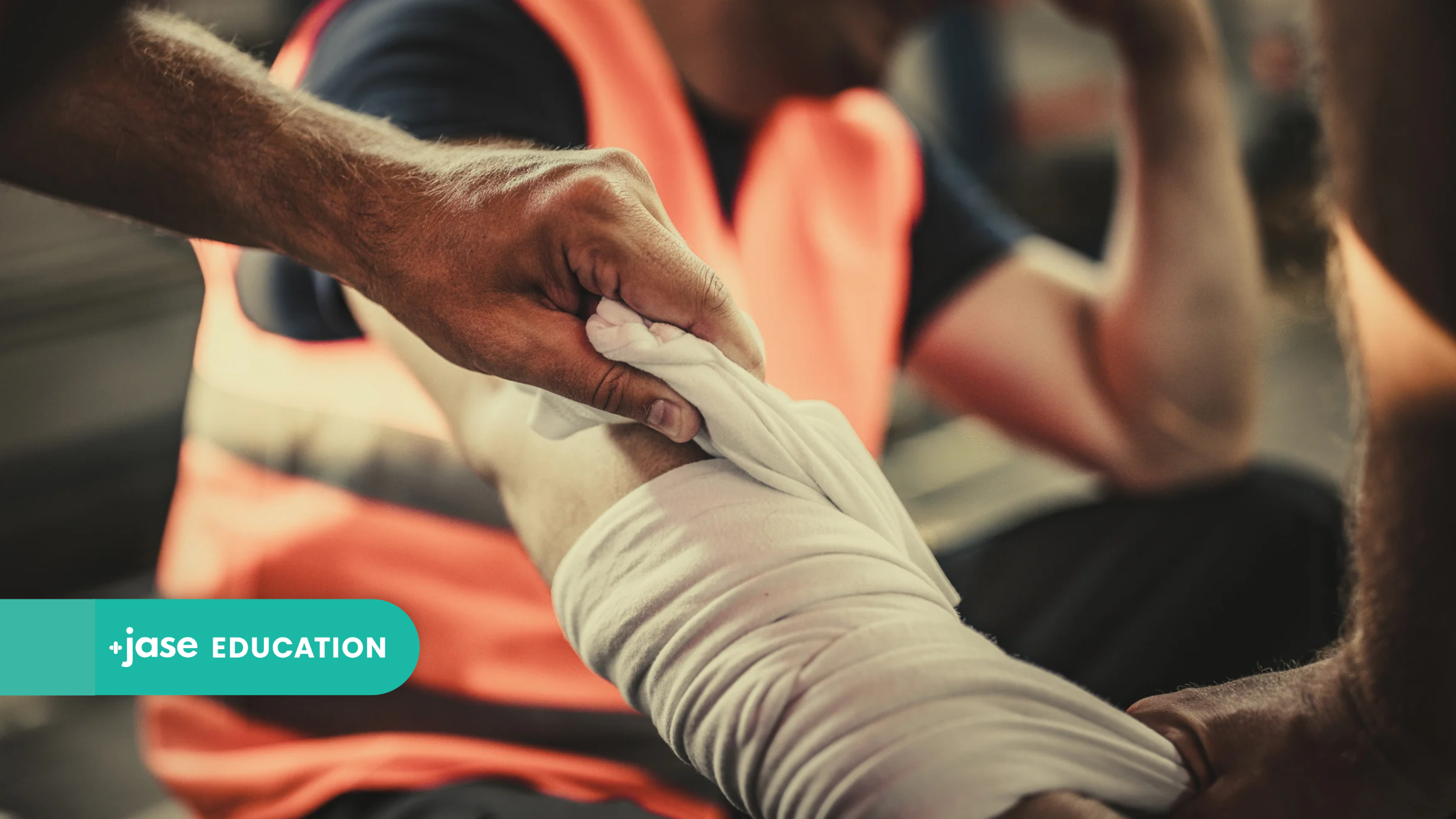
Heavy bleeding can become life-threatening within minutes. If someone is bleeding severely, apply firm, continuous pressure directly to the wound.
For life-threatening bleeding from an arm or leg, a tourniquet may be necessary. Training through a Stop the Bleed course can help you learn when and how to use one. Don’t become distracted by minor cuts or scrapes while someone else has uncontrolled bleeding.
Prioritize bleeding that is heavy, continuous, or rapidly pooling.
3. Check Breathing and Responsiveness
Next, determine whether the person responds when you speak to them and whether they’re breathing normally. If someone is unresponsive and not breathing normally, including only gasping, begin CPR and have someone retrieve an AED if one is available. Follow the emergency dispatcher’s instructions. If someone is unconscious but breathing normally, keep monitoring them. Placing them in the recovery position may help protect their airway, unless a suspected spinal injury makes movement unsafe. Follow dispatcher guidance in those situations. Difficulty breathing, choking, or unusual breathing patterns can signal an immediate emergency, even when there is little visible injury.
Remember: A quiet person may need help more urgently than someone shouting in pain.
4. Watch for Shock and Prevent Heat Loss
Serious injuries can cause shock, a dangerous condition in which the body’s tissues aren’t receiving enough blood flow and oxygen.
Warning signs may include:
- Pale, cool, or clammy skin
- Confusion or unusual drowsiness
- Rapid breathing
- Weakness, dizziness, or fainting
Shock requires emergency medical care.
While waiting for responders, keep the injured person as still and comfortable as possible. Protect them from cold ground, wind, and rain, and cover them to help prevent heat loss. Don’t give food or drinks to someone with a serious injury or possible shock. Even on a relatively warm day, an injured person can lose body heat, particularly after significant blood loss.
What If Two People Need Help at the Same Time?
Return to the car accident.
One person is outside the vehicle, yelling about an injured arm. Another is silent behind the steering wheel. After making sure the scene is safe and calling 911, check whether the silent person is responsive and breathing normally.
They may have a life-threatening problem that requires immediate attention. The person who’s yelling still needs care, but their ability to speak and move provides useful information about their immediate condition. The same principle applies to a farm accident involving two injured workers or a fall on an icy walkway where one person is calling for help and another isn’t responding.
Don’t automatically help the loudest person first. Check for immediate threats to life.
You aren’t expected to perform professional medical triage. Your role is to recognize obvious dangers, communicate what you see to emergency dispatchers, and provide appropriate first aid within your abilities. If someone is trapped in a vehicle or moving them could worsen a serious injury, don’t attempt to extract them unless remaining in place presents an immediate danger and you can act safely.
The Best Way to Prepare Is to Practice Before an Emergency
In his Off Duty Part IV: Emergency Priorities article, Aaron Asay draws on his years of emergency and disaster response experience to explain why having a consistent order of priorities matters.
When adrenaline rises, even simple decisions can become difficult. But a familiar sequence gives your mind something to return to:
Find the immediate life threat. Control severe bleeding. Check breathing. Watch for shock and keep the person warm.
These steps are a memory aid, not a substitute for professional assessment or emergency dispatcher instructions. Some emergencies require actions to happen simultaneously or in a different order, particularly when someone needs immediate CPR. Taking a first aid and CPR course is one of the best ways to build the confidence to recognize these situations and respond appropriately.
Consider training through the American Red Cross, American Heart Association, or Stop the Bleed.
Medical Preparedness Starts With Knowing What Matters Most
At Jase Medical, our family team of doctors, physician assistants, and pharmacists believes appropriate medical preparation is about more than having access to medications and supplies. It’s also about developing the knowledge to make good decisions when something unexpected happens.
You can’t predict when you’ll come across a car accident, witness a medical emergency at a family gathering, or need to help someone injured during an outdoor adventure. But you can prepare your mind to recognize what matters most.
The loudest person isn’t always in the greatest danger. The most visible injury isn’t always the most serious.
When multiple people need help, don’t let panic decide where your attention goes. Look for the immediate threats to life, call for professional help, and act within your training.
Because knowing who to check first could make all the difference.
Medical disclaimer: This article is intended for general educational purposes and does not replace professional first aid training or medical advice. Always assess scene safety, call 911 or your local emergency number, and follow dispatcher instructions. Do not attempt unsafe rescues or move seriously injured people unnecessarily. Seek immediate medical assistance for severe injuries, abnormal breathing, uncontrolled bleeding, or altered consciousness.
Lifesaving Solutions
Recent Posts
Keeping you informed and safe.
For Clinicians | Emergency Priorities: How First Responders Decide What Injuries to Manage First
For Clinicians | Emergency Priorities: How First Responders Decide What Injuries to Manage First Off Duty Series: Part 4 of 6 By Aaron Asay, PA-C, DMSc, FIBODM, FAWMMedically reviewed and edited by Dr. Jamie Wilkey, PharmD Off Duty is a six-part series on the...
Is It Safe to Help? What to Check First in an Emergency
Is It Safe to Help? What to Check First in an Emergency By the Jase Medical Team You see someone fall from a ladder. Or you're the first person to stop at a roadside accident. Maybe a family member suddenly collapses during a holiday gathering. Your first instinct is...
For Clinicians | Seeing the Emergency: Scene Safety and Triage
For Clinicians | Seeing the Emergency: Scene Safety and Triage Off Duty Series: Part 3 of 6 By Aaron Asay, PA-C, DMSc, FIBODM, FAWMMedically reviewed and edited by Dr. Jamie Wilkey, PharmD Off Duty is a six-part series on the emergencies clinicians end up handling...
What to Do Before the Ambulance Arrives: Four First Aid Skills That Could Save a Life
What to Do Before the Ambulance Arrives: Four First Aid Skills That Could Save a Life By the Jase Medical Team The first few minutes of a medical emergency can change everything. And the person who makes the biggest difference before an ambulance arrives might not be...