
What to Do Before the Ambulance Arrives: Four First Aid Skills That Could Save a Life
By the Jase Medical Team
The first few minutes of a medical emergency can change everything. And the person who makes the biggest difference before an ambulance arrives might not be a medical professional. It might be you. Imagine watching your grandson’s baseball game when someone suddenly collapses in the bleachers. Or driving along a rural highway when you come across a serious accident. You call 911. Help is coming.
But what do you do in the minutes before it arrives?
You don’t need a medical degree to make a difference. Some of the most important actions you can take are surprisingly simple, and knowing them ahead of time could help save someone’s life.
The First Hour: Why Bystanders Matter
Most medical emergencies don’t begin in hospitals. They happen in homes, on highways, at community events, and in places where professional help may take time to arrive.
Aaron Asay, a longtime firefighter and disaster responder with Jase Response, has spent years witnessing what happens during those critical first moments.
In his Off Duty Part II: The First Hour article, Aaron emphasizes that several of the most immediate threats to life can be addressed by ordinary people before emergency responders arrive.
Four problems deserve particular attention:
- Severe bleeding
- An obstructed airway
- Cardiac arrest
- Dangerous loss of body heat
Each has a practical first aid action that can make a difference.
And while formal training is always best, understanding these basics is a valuable starting point.
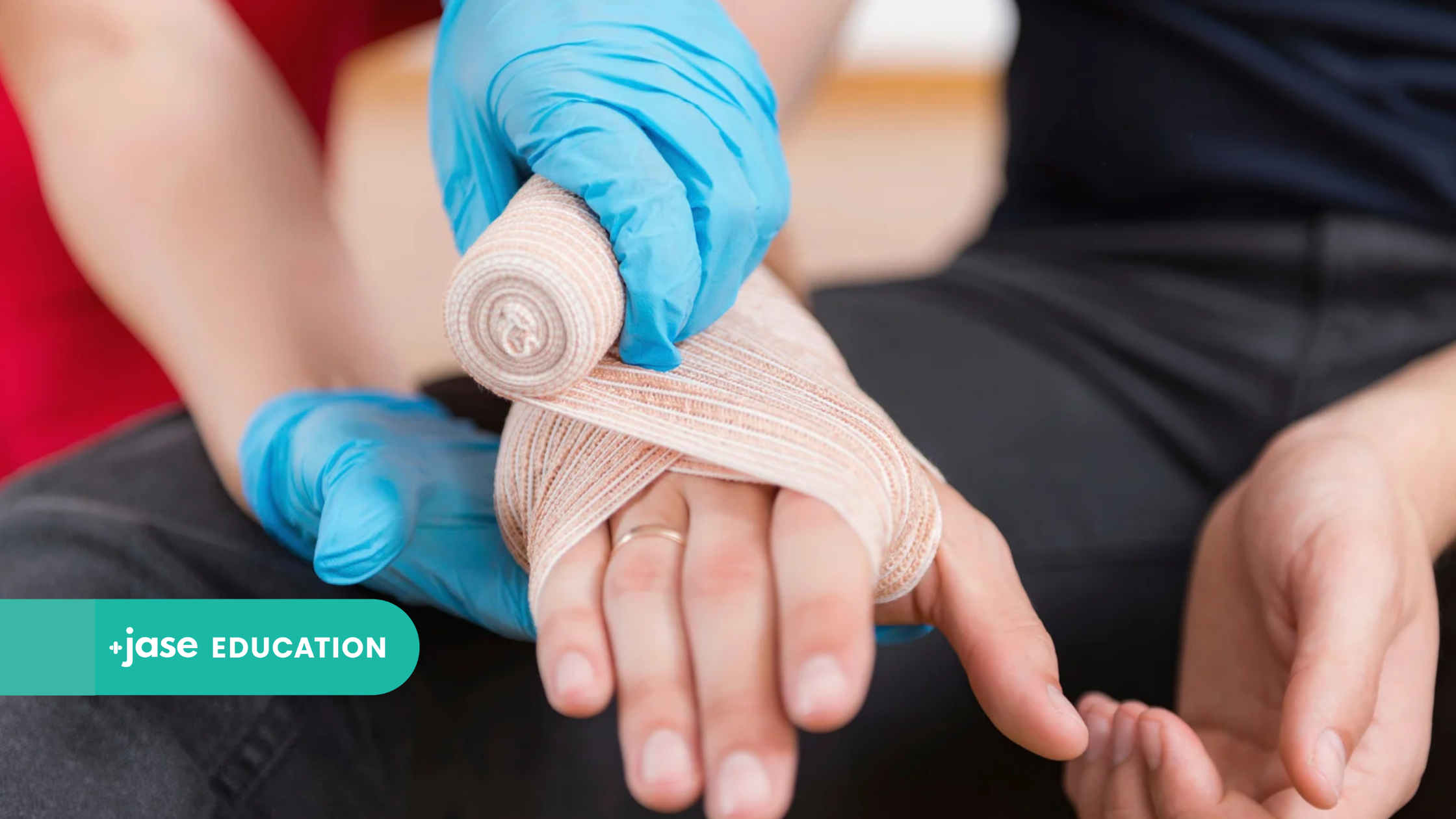
1. Severe Bleeding: Apply Firm, Direct Pressure
Imagine someone working on a rural property when a chainsaw slips, causing a serious injury. The ambulance is on its way, but the person is losing blood quickly.
What should you do?
Call 911, then apply firm, continuous pressure directly over the bleeding wound using your hands and a cloth or dressing if available. Don’t repeatedly lift the cloth to check whether the bleeding has stopped. Maintain steady pressure until help arrives or a trained responder takes over.
For life-threatening bleeding from an arm or leg, a properly applied tourniquet can be lifesaving. A Stop the Bleed course can teach you when and how to use one. Severe blood loss can become fatal within minutes. Your ability to recognize dangerous bleeding and act immediately matters.
Remember: Press hard. Keep pressing.
2. Unconscious but Breathing: Help Keep the Airway Open
Someone collapses during a family gathering. They aren’t responding when you speak to them, but they’re still breathing normally. One immediate concern is that their airway could become obstructed, particularly if they vomit.
What should you do?
Call 911 and follow the dispatcher’s instructions. If the person is unresponsive but breathing normally, placing them on their side in the recovery position can help keep the airway clear.
However, if you suspect a serious head, neck, or spinal injury, avoid unnecessary movement and follow emergency dispatcher guidance. Maintaining an open airway takes priority if the person cannot breathe safely in their current position. Continue monitoring their breathing until help arrives. If their breathing stops or becomes abnormal, including occasional gasping, begin CPR and follow the dispatcher’s instructions.
Remember: Unconscious but breathing normally? Protect the airway and keep watching.
3. Cardiac Arrest: Start CPR and Find an AED
You’re sitting in the bleachers at your grandson’s ballgame when another spectator suddenly collapses. They’re unresponsive and aren’t breathing normally. This could be cardiac arrest, and every minute without intervention reduces their chance of survival.
What should you do?
Call 911 or direct someone else to call. If the person is unresponsive and not breathing normally, start CPR immediately.
For an adult, hands-only CPR involves pushing hard and fast in the center of the chest at a rate of approximately 100 to 120 compressions per minute. If someone else is nearby, ask them to find an automated external defibrillator (AED).
An AED is designed to guide ordinary people through its use with clear voice instructions. Turn it on and follow the prompts. You don’t need to determine whether the person’s heart needs a shock. The AED analyzes the heart rhythm and advises whether a shock is appropriate. Continue CPR and follow the AED’s instructions until emergency responders take over or the person shows clear signs of life.
Remember: Call 911. Push hard and fast. Use an AED as soon as possible.
4. Dangerous Cold: Keep the Injured Person Warm
A couple is hiking when one person falls and suffers a serious injury. They can’t safely walk back to the trailhead, and help is still some distance away.
Even when the weather doesn’t seem especially cold, an injured person can lose body heat, particularly if they’re lying on the ground, wet, or experiencing significant blood loss. Dangerous cooling can complicate serious injuries.
What should you do?
After addressing immediate threats such as severe bleeding, help prevent further heat loss. If it’s safe to do so, insulate the person from the cold ground, cover them with dry clothing or blankets, and protect them from wind and rain. Avoid unnecessary movement, especially if a spinal injury is possible. Don’t assume that someone is warm enough simply because the weather is mild.
Remember: Keep them insulated, dry, and covered while waiting for help.
What If You’re Afraid of Doing Something Wrong?
It’s a common concern.
Many people hesitate during emergencies because they’re afraid they’ll make the situation worse. But you don’t have to solve every medical problem. Your role as a bystander is to recognize immediate danger, call for professional help, and take appropriate actions within your training and ability.
Start by making sure the scene is safe. Don’t enter traffic, approach downed power lines, or put yourself in danger to reach someone. Then focus on what you can do. You might be the person who applies pressure to a bleeding wound, starts chest compressions, or helps someone stay warm until paramedics arrive. Those actions can give an injured person a better chance of surviving until professional care is available.
The Best Emergency Preparation Doesn’t Fit in a Bag
We often think of medical preparedness as something we can purchase, pack, or store. But some of the most valuable preparation doesn’t require any equipment.
Knowledge weighs nothing.
You can carry it on a road trip, to your grandchild’s ballgame, on a hiking trail, or into an unexpected emergency. That’s why one of the best steps you can take is to complete a first aid and CPR course.
Organizations such as the American Red Cross and American Heart Association offer training that can help you recognize emergencies, practice lifesaving skills, and become more confident responding under pressure.
For severe bleeding, consider a Stop the Bleed course. Reading about first aid is a beginning. Practicing those skills with a qualified instructor is what helps prepare you to use them when they matter most.
Prepared People Help Build Resilient Communities
At Jase Medical, our family team of doctors, physician assistants, and pharmacists believes that appropriate medical preparation is about more than having access to medications.
It’s also about knowing how to respond when someone needs help. And at Jase Response, that same commitment extends to communities facing disasters and humanitarian crises.
When hurricanes, wildfires, floods, and other emergencies disrupt access to healthcare, rapid medical response can help bring essential medications, supplies, and medical professionals to people in crisis. While you prepare to care for the people around you, you can also help make that care possible for families facing emergencies on a much larger scale.
Support Jase Response’s mission to deliver essential medical services and help communities build resilience in times of crisis.
Learn More and Support Jase Response
The next time you encounter an emergency, you may not be able to control how quickly the ambulance arrives.
But you can control how prepared you are to help.
Because sometimes the most important care begins before the professionals get there.
Medical disclaimer: This article is intended for general educational purposes and does not replace certified first aid training or professional medical advice. Always ensure your own safety, call 911 or your local emergency number promptly, and follow emergency dispatcher instructions. First aid techniques may vary depending on the circumstances, the person’s age, and the nature of the injury.
Lifesaving Solutions
Recent Posts
Keeping you informed and safe.
Can You Get Rabies From a Dog Lick? What Travelers Need to Know
Can You Get Rabies From a Dog Lick? What Travelers Need to Know By the Jase Medical Team Can you get rabies from a dog licking you? Yes, if the animal's saliva comes into contact with broken skin or the moist membranes of your eyes, nose, or mouth. Most people...
For Clinicians | It Was Only a Lick: A Rabies Exposure Case Study Part 1
For Clinicians | It Was Only a Lick: A Rabies Exposure Case Study Off Duty Series: Part 1 of 6 By Aaron Asay, PA-C, DMSc, FIBODM, FAWMMedically reviewed and edited by Dr. Jamie Wilkey, PharmD, Director of Clinical Education Off Duty is a six-part series on the...
Flu and COVID Prevention for the Holidays: Why Timing Matters
Flu and COVID Prevention for the Holidays: Why Timing Matters By the Jase Medical Team The holidays are a time for gathering around the table, catching up with family, and making memories with the people we love. They're also a time when respiratory viruses can spread...
For Clinicians | How Long Does the Flu Shot Take to Work? Holiday Flu Prevention
For Clinicians | How Long Does the Flu Shot Take to Work? Holiday Flu Prevention By Dr. Jamie Wilkey, PharmD, Director of Clinical EducationMedically reviewed and edited by Kristen Carpenter, PA-C Hi again, everyone. Last week I had a lot of fun writing about flu...