
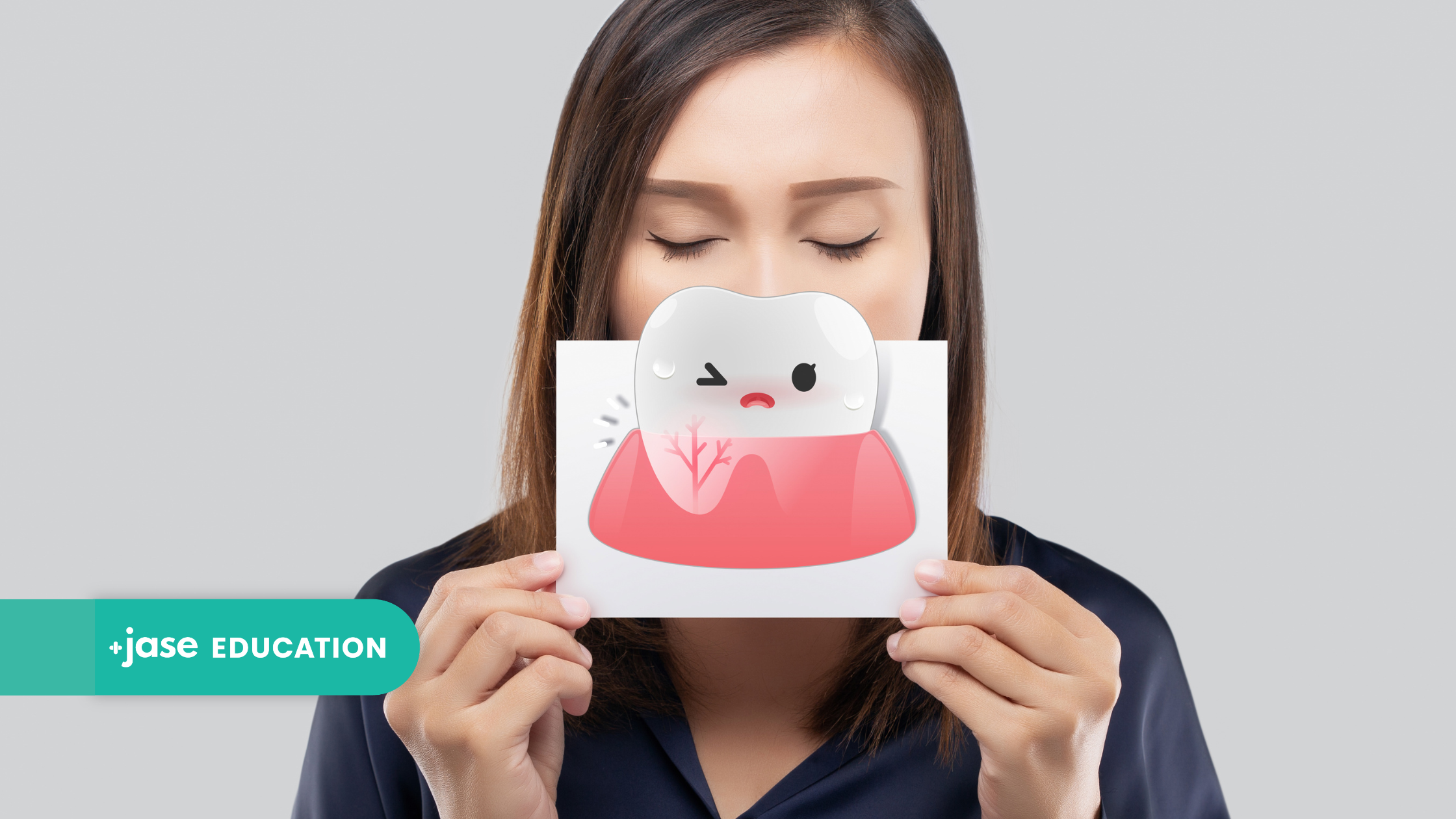
Antibiotics Won’t Cure Your Tooth Infection. Here’s What They Actually Do
By Cayla McGrath
A molar starts throbbing on day two of a ten-day cruise. A crown cracks Friday night and your dentist can’t see you until Wednesday. A tooth flares in a rural area where the nearest dentist accepting new patients is two hours away.
In every one of these scenarios, most people end up doing the same thing: they go to urgent care or an ER, they wait for however long that takes, and they leave with antibiotics. Here’s what most of them learn — or should learn — from that visit: the ER can’t fix a tooth. They gave you antibiotics and sent you to a dentist anyway.
Nearly two million Americans visit an emergency room every year for a dental problem. That statistic has one clear clinical meaning: the gap between when a tooth goes bad and when a dentist can see you is a real and common problem.
Here’s the fact that should anchor everything else: antibiotics do not cure a tooth infection. A dentist does. Understanding why changes how you make decisions when you’re sitting with a throbbing molar and a five-day wait.
Why antibiotics can’t reach the problem
A tooth infection — a dental abscess — usually involves dead tissue. The pulp inside the tooth has died, whether from decay, trauma, or a crack. Dead tissue has no blood supply. Antibiotics circulate through the bloodstream to reach infection sites, but a site with no blood supply is a site antibiotics cannot reach. The bacteria walled off inside an abscess are effectively inaccessible to any oral medication.
This is why the American Dental Association’s 2019 clinical guidelines explicitly recommend against prescribing antibiotics for most dental pain. The evidence shows that ibuprofen plus acetaminophen taken together actually outperforms antibiotics for managing the pain component of a dental infection. Antibiotics alone leave the source of the problem untouched.
What antibiotics do — and why they’re still sometimes appropriate — is control a spreading infection. If bacteria are moving into surrounding tissue, antibiotics can help contain that spread while you get to definitive care. That’s a real and meaningful role. It’s just not the role of curing the infection. Source control means the dentist.
Three red flags that mean: go now
Most toothaches are not dental emergencies. A severe ache, even a very bad one, is not the same thing as a serious, spreading infection. Knowing the difference is genuinely useful.
Fever. A fever accompanying a dental problem suggests the infection has moved beyond the tooth itself. This warrants evaluation — not waiting until Monday.
Swelling spreading toward the eye or neck. Dental infections can track through the tissue spaces of the face and jaw toward the airway. Swelling below the jaw, spreading toward the neck, or moving up toward the cheekbone or eye is not a situation to observe at home.
Trouble swallowing or breathing. This is the emergency. Any airway involvement — difficulty swallowing saliva, any sensation of throat tightening, breathing changes — means emergency services, immediately.
These three red flags are rare relative to how many people experience a bad toothache. Most people will never encounter them. But knowing what they look like is the triage skill that keeps a manageable dental problem from becoming something much worse.
The gap the Jase dental kit covers
The Jase dental kit is built for the window between the tooth going bad and the dentist’s chair. It includes the antibiotic that clinicians use for dental infections, a prescription anti-inflammatory for the pain, and a topical numbing agent — all prescribed by a licensed provider before you need them. It’s not the cure. It’s the bridge. The dentist stays in the story every time.
To learn more about the Jase dental kit and what’s in it, visit jasemedical.com.
Cayla McGrath is a content strategist with Jase Medical. This post is for informational purposes only and does not constitute medical advice. Always consult a licensed healthcare provider before using any prescription medication.
Lifesaving Solutions
Recent Posts
Keeping you informed and safe.
For Clinicians | Animal Sting Reactions
For Clinicians | Animal Sting Reactions: Large Local Reaction vs Cellulitis, and When It's Anaphylaxis By Dr. Jamie Wilkey, PharmD, Director of Clinical EducationMedically reviewed and edited by Kristen Carpenter, PA-C This is part two of our Animals + Disaster...

Bites and Scratches in a Disaster: Which Ones Need Antibiotics
Bites and Scratches in a Disaster: Which Ones Need Antibiotics Animals in a Disaster Series: Part 1 of 2By the Jase Medical Team Three days after the storm, the animal injuries start showing up. A cat got loose during the evacuation and bit someone's hand when they...

For Clinicians | Bite and Scratch Wound Antibiotic Prophylaxis Without a 48-Hour Recheck
Bite and Scratch Wound Antibiotic Prophylaxis Without a 48-Hour Recheck By Dr. Jamie Wilkey, PharmD, Director of Clinical Education Medically reviewed and edited by Kristen Carpenter, PA-C September is National Preparedness Month, and at Jase we love this month. I’d...

Psychiatric Medications Need a Different Emergency Plan
Psychiatric Medications Need a Different Emergency Plan Part 2 of a two-part series on medication readiness during a disruption By the Jase Medical Team In Part 1 of this series, we asked a question most people have never considered: If you suddenly couldn't access...