
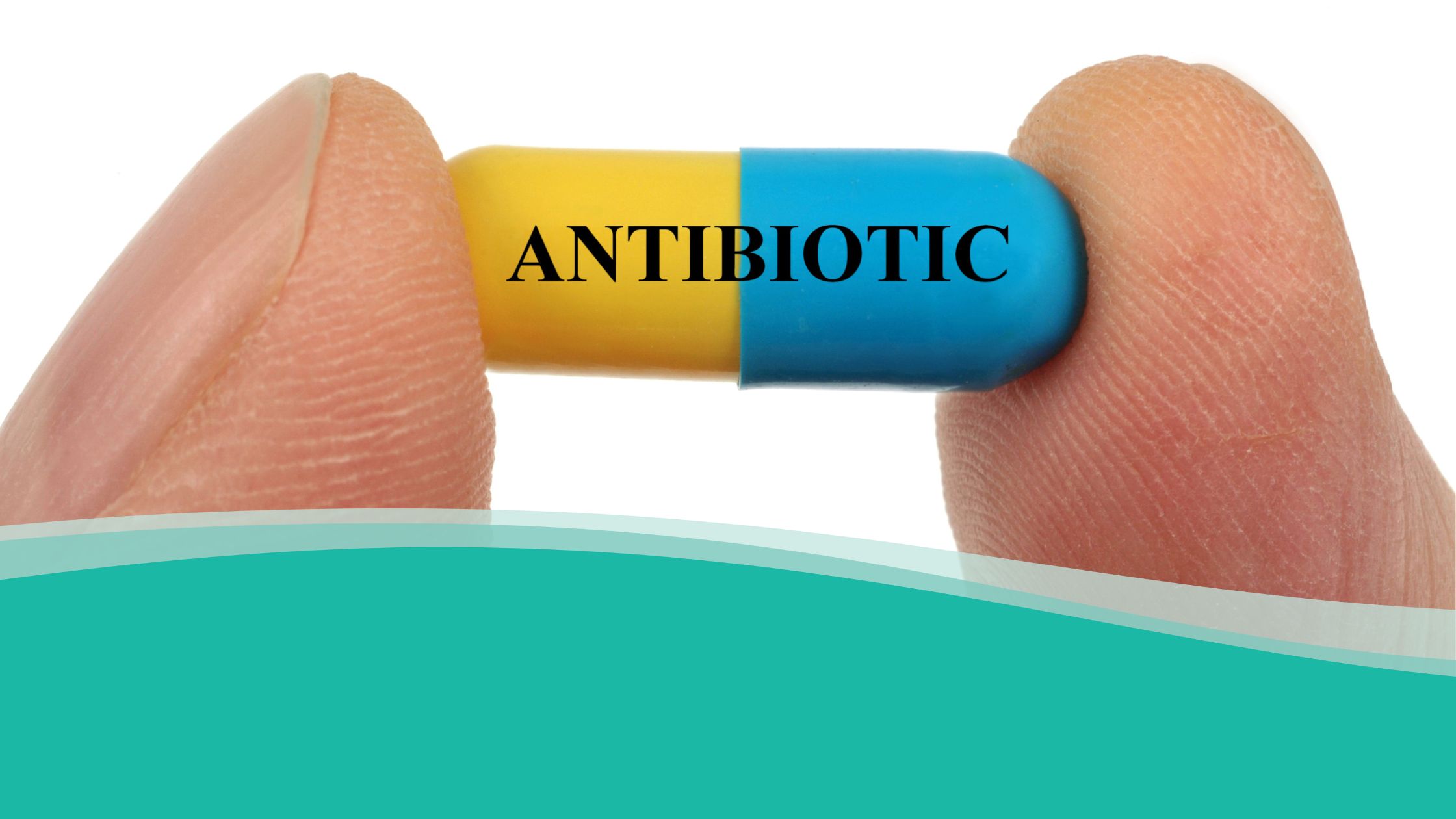
Can You Get Antibiotics Over the Counter? What the Law Actually Says
By Cayla McGrath
Edited and approved by Kristen Carpenter, PA-C — Clinical Advisory Board Member
If you’ve ever searched “can you get antibiotics over the counter?” you’re not alone.
In fact, most people asking that question aren’t looking for a shortcut. They’re trying to solve a practical problem. Maybe you’re planning an international trip and wondering what would happen if you developed a urinary tract infection halfway around the world. Maybe you live in a rural community where urgent care closes early and the nearest emergency room is an hour away. Maybe you’ve experienced a hurricane, wildfire, or winter storm and know how quickly normal access to healthcare can disappear.
Whatever brought you here, the concern is understandable. Life doesn’t always happen during business hours, and healthcare isn’t always available exactly when we need it.
The challenge is that while many people are asking this question, the healthcare system hasn’t always done a great job of answering it. Patients are often told what not to do, but they’re rarely given a clear explanation of what responsible preparation actually looks like.
Let’s Start With The Law
In the United States, all systemic antibiotics—including oral antibiotics, injectable antibiotics, and IV antibiotics—require a prescription from a licensed healthcare provider. Federal law does not allow these medications to be sold over the counter. While a few topical antibiotic products such as bacitracin and triple-antibiotic ointments can be purchased without a prescription, they aren’t intended to treat the infections most people have in mind when they’re searching for antibiotics online.
The legal answer, then, is straightforward: you cannot legally purchase oral antibiotics over the counter in the United States.
What is less straightforward is what people are supposed to do with the concern that led them to ask the question in the first place.
What About Travel?
When someone is worried about getting sick while traveling, being far from medical care, or losing access to a pharmacy during a disaster, simply hearing “you can’t do that” doesn’t make the concern disappear. It often sends people looking for alternatives, and that’s where things become more complicated.
A quick online search will uncover countless workarounds. Some websites advertise antibiotics without requiring a meaningful clinical evaluation. Others point people toward foreign pharmacies willing to ship medications across borders. Some preparedness forums even discuss aquarium antibiotics sold through pet supply channels.
The problem with these options isn’t simply that they exist. It’s that they often remove the very safeguards that help keep patients safe.
For example, aquarium antibiotics are not manufactured, tested, or regulated as medications intended for human use. Foreign pharmacies can vary widely in quality and oversight, and the FDA’s BeSafeRx program was created specifically because counterfeit and unsafe online pharmacies became a significant enough concern to warrant consumer education efforts.
Even when the medication itself appears legitimate, many of these channels share the same weakness: there is no real clinical relationship behind the purchase. There is no provider who knows your medical history, no pharmacist who can answer questions about appropriate use, and no established process for follow-up if something doesn’t go according to plan.
What’s Safe?
For many people, that’s the piece that’s missing. The real goal isn’t simply obtaining antibiotics. The goal is having confidence that if a predictable healthcare challenge arises, there is a safe, legal, and medically responsible plan already in place.
That’s where appropriate medical preparation comes in.
Rather than leaving people to navigate the grey market on their own, appropriate medical preparation creates a legitimate pathway. A licensed U.S. clinician evaluates your health history and preparedness needs. If appropriate, medications are prescribed through a licensed U.S. pharmacy and accompanied by clear clinical guidance for when and how they should be used.
At Jase, that’s the framework we’ve spent years building. Our team of physicians, physician assistants, and pharmacists believes patients deserve better options than choosing between doing nothing and navigating questionable sources online. We aren’t replacing primary care, and we aren’t encouraging unnecessary antibiotic use. We’re helping people prepare responsibly for situations where access to care may be delayed by travel, geography, natural disasters, or other real-world disruptions.
The reality is that people have always prepared for emergencies. They keep spare batteries before a storm. They carry first aid kits in their vehicles. They pack extra supplies before traveling somewhere remote.
Medical preparedness deserves the same thoughtful approach.
That’s why we’re working to define a category we call Appropriate Medical Preparation: practical, evidence-based planning that helps people navigate predictable disruptions with the support of real clinicians, real pharmacies, and real medical guidance.
Because the question was never really about buying antibiotics over the counter.
It was about wanting a plan. And there is a right way to have one.
Lifesaving Solutions
Everyone should be empowered to care for themselves and their loved ones during the unexpected. Check out our recent lifesaving products today.
Recent Posts
Keeping you informed and safe.

Which of Your Medications Actually Cannot Wait?
Which of Your Medications Actually Cannot Wait? Part 1 of a two-part series on medication readiness during a disruption By the Jase Medical Team There are five prescription bottles sitting on your counter. You take all five regularly, you have some medication left in...
Wound Infection Signs: When to Use Antibiotics and When to See a Doctor
Wound Infection Signs: When to Use Antibiotics and When to See a Doctor By the Jase Medical Team It’s day three after you cut your forearm. Yesterday, the area around the cut was a little pink. Today, it looks angrier. Maybe it feels warmer, too. So you start...
For Clinicians | Carbon Monoxide Poisoning Recognition
September is National Preparedness Month, so we're spending it on the disasters that actually turn up in your patients' lives. One of them arrives with no smell, no color, and no symptom you can trust: carbon monoxide (CO). A family can be getting hurt for days...

The Most Common Infections You Can Get in an Emergency or Disaster
The Most Common Infections You Can Get in an Emergency or Disaster By the Jase Medical Team When most people picture getting an infection after a hurricane or flood, they imagine contaminated floodwater, a cut on the leg, and some unusual bacteria they've been warned...