For Clinicians | Pediatric Dosing 101: What Parents Need From You Before They're Dosing Alone By Dr. Jamie Wilkey, PharmD, Director of Clinical EducationMedically reviewed and edited by Aaron Asay, PA-C, DMSc, FIBODM, FAWM Pharmacy school drills one line into you over...
What is Plague?
What Is Plague?
By the Jase Medical Team
Plague is back in the headlines, and people are suddenly Googling a disease they may not have thought about since history class.
A 28-year-old laboratory worker at an anti-plague research institute in Siberia recently died after developing pneumonia of unknown origin. Unofficial reports raised the possibility of pneumonic plague, but Russian health authorities say testing has not identified plague or another dangerous pathogen associated with her work. The World Health Organization has assessed the broader public health risk as low while continuing to seek information.
In other words, we don’t know that this was plague, and we’re not going to guess.
But the headlines offer a good reason to answer a more useful question:
What actually is plague?
The simplest explanation is this: one bacterium can cause three major forms of disease, depending largely on where the infection takes hold in the body.
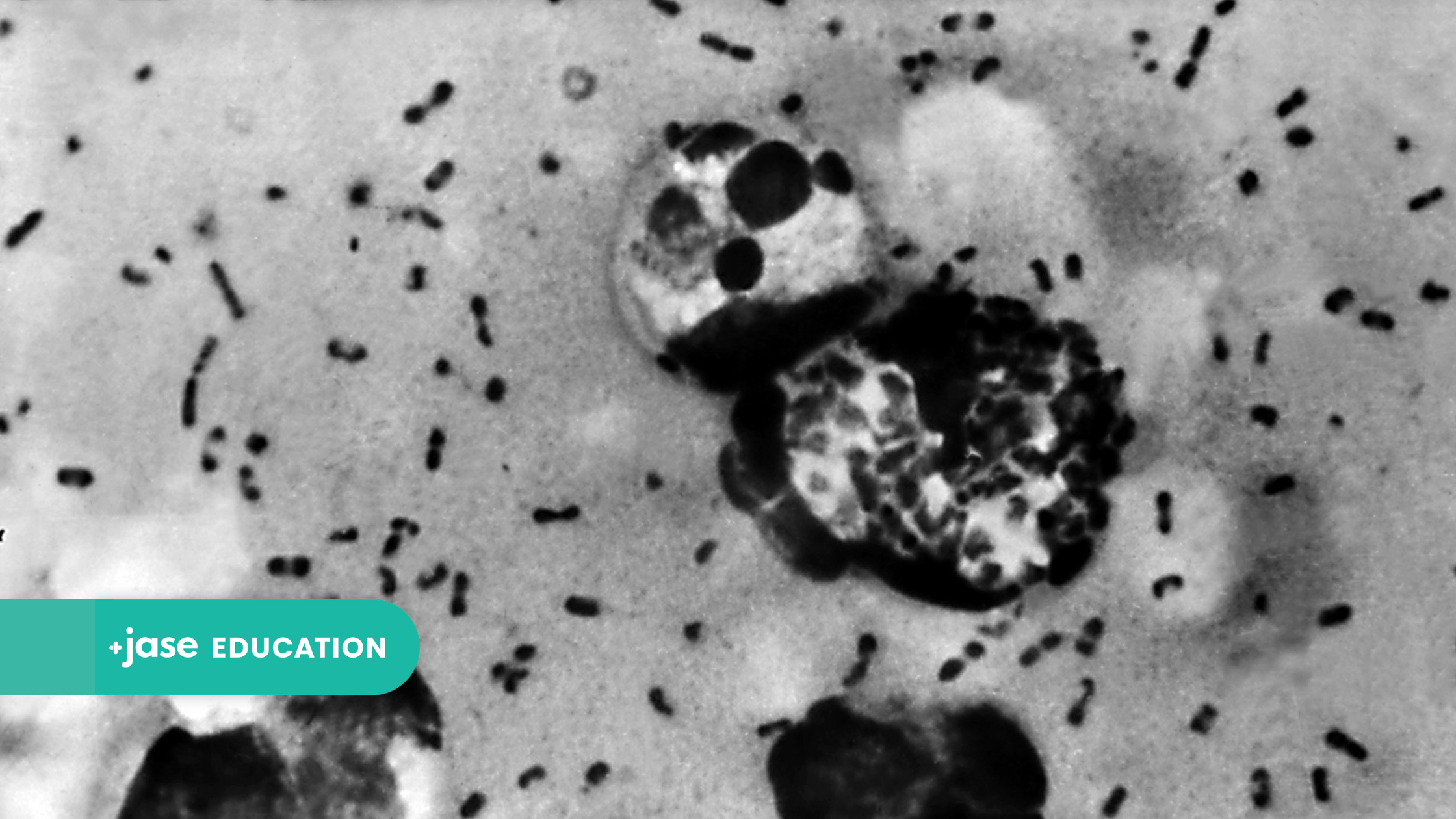
That bacterium is Yersinia pestis.
And despite its medieval reputation, plague still exists today.
First Myth: Plague Is Not a Virus
Plague is a bacterial infection.
That’s an important distinction because bacterial plague can be treated with antibiotics. Prompt diagnosis and treatment dramatically improve the odds of survival.
Before effective antibiotics became available, about two out of every three documented U.S. plague cases with known outcomes were fatal. After antibiotics were introduced, that fell to roughly one in six.
Treatment matters, and timing matters.
Untreated plague can progress rapidly, particularly when the bacteria reach the bloodstream or lungs.
One Bacterium, Three Diseases
The three forms you’ve probably heard about are bubonic, septicemic, and pneumonic plague.
They’re not three unrelated diseases. They’re different manifestations of infection with the same bacterium.
Think of it as a question of location.
Bubonic Plague: The Lymph Nodes
This is the classic form associated with the Black Death, and it’s still the most common form seen in the United States.
An infected flea bites a person and introduces Yersinia pestis through the skin. The bacteria can then travel through the lymphatic system to a nearby lymph node, where they multiply.
The result can be a dramatically swollen and painful lymph node called a bubo.
People may also develop sudden fever, chills, headache, weakness, and other signs of serious infection.
More than 8 in 10 U.S. plague cases have been bubonic.
Without prompt treatment, however, the bacteria don’t necessarily stay in the lymph node. They can spread elsewhere in the body.
Septicemic Plague: The Bloodstream
When Yersinia pestis infects the bloodstream, the result is septicemic plague.
It can develop as a complication of bubonic plague, or infection can sometimes present primarily in the bloodstream without an obvious bubo.
People can develop fever, severe weakness, abdominal symptoms, shock, bleeding, and tissue damage as the infection progresses.
This is one reason plague isn’t always as visually obvious as the history-book version. Someone doesn’t necessarily develop a giant swollen lymph node first.
Pneumonic Plague: The Lungs
When plague infects the lungs, it’s called pneumonic plague.
This is the fastest-moving and most dangerous major form. It can develop when untreated infection elsewhere in the body spreads to the lungs, or someone can develop primary pneumonic plague after inhaling infectious respiratory droplets.
Pneumonic plague is also the form that can spread from one person to another through respiratory droplets during close contact.
That doesn’t mean plague spreads casually through a community like a common cold. Person-to-person transmission requires exposure to someone with pneumonic plague, and public health officials can use antibiotics, isolation, and monitoring of close contacts to interrupt transmission.
But suspected pneumonic plague is treated seriously because illness can progress rapidly.
Is Plague Contagious?
Sometimes.
Bubonic plague is usually acquired from an infected flea or through contact with an infected animal. It doesn’t ordinarily spread from person to person.
Pneumonic plague is different because infection in the lungs can produce infectious respiratory droplets.
So when someone asks, “Is plague contagious?” the better answer is:
It depends on the form.
That’s one of the reasons understanding the three forms matters.
Is Plague Curable?
Plague is treatable with antibiotics, and treatment should begin as quickly as possible when plague is suspected.
That fact completely changed the disease’s prognosis.
Historical U.S. data show that about 66% of documented plague cases were fatal before antibiotics became available. After their introduction, overall mortality fell dramatically.
But modern treatment doesn’t make plague harmless. Pneumonic and septicemic disease can progress particularly quickly, and delays in treatment increase the danger.
This is not an infection to watch at home and see how you feel tomorrow.
Is Plague Still in the United States?
Yes, but it’s rare.
The United States averages about seven human plague cases per year, and most occur in rural areas of the West.
Cases are concentrated particularly in parts of New Mexico, Arizona, Colorado, California, Oregon, and Nevada, where Yersinia pestis circulates among wild rodents and their fleas.
That means the person who should actually know a little about plague isn’t necessarily someone worried about an international headline.
It may be someone who hikes, camps, hunts, works outdoors, or lives around wildlife in the rural West.
Fleas, Rodents, and Yes, Your Cat
Plague is fundamentally a zoonotic disease, meaning it can move between animals and humans.
Rodents and their fleas play an important role in maintaining the bacteria in the environment. When an infected animal becomes sick or dies, fleas can seek another host.
That can include humans.
People can also become infected through direct contact with tissues or fluids from an infected animal.
And domestic animals aren’t automatically outside that equation.
Cats can become infected after encountering infected rodents or fleas, and human plague cases have been associated with contact with infected cats. If you live in or travel through an area where plague occurs, flea control for pets isn’t simply about keeping them comfortable.
It’s part of reducing exposure.
What Should You Actually Do About Plague?
For most Americans, plague doesn’t require a new preparedness protocol.
If you’re spending time outdoors in areas where plague occurs, use insect repellent as appropriate, keep fleas off pets, avoid handling sick or dead wild animals with bare hands, and don’t encourage rodents to live around your home or campsite.
If you need to handle a potentially infected animal, use appropriate protection rather than direct bare-hand contact.
And pay attention to symptoms after a plausible exposure.
A sudden fever accompanied by an unusually painful, swollen lymph node deserves prompt medical evaluation, particularly after time in an area where plague occurs or after contact with rodents, fleas, or a sick animal.
Tell the healthcare professional where you’ve been and what you’ve been around.
Those details can make a rare diagnosis easier to recognize.
A Scary Headline Becomes Less Scary When You Understand the Disease
The current situation in Siberia is still being investigated. Russian authorities have not confirmed plague as the cause of the laboratory worker’s death, and international health officials continue to seek information.
That’s where the facts stop.
We don’t need to fill the gap with speculation.
At Jase Medical, we’re a family team of medical doctors, PAs, and pharmacists, and we’d rather explain a scary medical word than simply repeat it.
Plague is not a mysterious medieval force. It’s a bacterial infection caused by Yersinia pestis. It can take three major forms depending on where the infection develops. Bubonic plague affects the lymphatic system. Septicemic plague involves the bloodstream. Pneumonic plague affects the lungs and can spread between people through respiratory droplets.
It still occurs in the United States, but it’s rare. And unlike during the Black Death, we have effective antibiotics to treat it when it’s recognized and treated promptly.
So if plague appears in your news feed, remember the framework:
One bacterium. Three major forms. Early treatment matters.
And if you’re one of the Americans who actually lives, works, hikes, hunts, or camps where plague occurs, the practical advice is much less dramatic than the headline:
Avoid fleas. Be careful around wild animals. And if sudden fever and a painful swollen lymph node appear after a possible exposure, get seen quickly and tell them where you’ve been.
The Jase Medical Team is a family team of medical doctors, PAs, and pharmacists focused on appropriate medical preparation: clinically grounded readiness that complements, rather than replaces, the healthcare professionals you already trust.
This article was prepared by the Jase Medical content team for informational purposes only and does not constitute medical advice. Prescription requirements, emergency dispensing rules, insurance coverage, and controlled-substance regulations vary by medication, jurisdiction, and individual circumstances. Consult a licensed healthcare provider or pharmacist regarding your specific medications.
Lifesaving Solutions
Everyone should be empowered to care for themselves and their loved ones during the unexpected. Check out our recent lifesaving products today.
Recent Posts
Keeping you informed and safe.

For Clinicians | Pediatric Dosing 101: What Parents Need From You Before They’re Dosing Alone
read more
What is Plague?
What Is Plague? By the Jase Medical Team Plague is back in the headlines, and people are suddenly Googling a disease they may not have thought about since history class. A 28-year-old laboratory worker at an anti-plague research institute in Siberia recently died...
For Clinicians | What Is Plague? One Bacterium, Three Diseases
For Clinicians | What Is Plague? One Bacterium, Three Diseases By Dr. Jamie Wilkey, PharmD, Director of Clinical EducationMedically reviewed and edited by Aaron Asay, PA-C, DMSc, FIBODM, FAWM Well, the plague is back in the news. Reports out of Russia in early October...

Nobody Has Your Medication List, Including Your Doctor and Your Pharmacy
Nobody Has Your Medication List, Including Your Doctor and Your Pharmacy By the Jase Medical Team Most of us assume that somewhere in the healthcare system, there is one correct list of every medication we take. Your primary care doctor has a list. Your pharmacy has a...