Your Immune System Can Fight Cancer

*By the Jase Medical Clinical team*

For decades, the dream in oncology has been simple and audacious: teach your own immune system to hunt cancer. Not poison it with chemotherapy. Not burn it with radiation. Train your body’s existing defenses to do what they were arguably designed to do — identify and destroy abnormal cells.

That dream is moving from the lab bench to clinical reality faster than most people realize. And what’s emerging isn’t just exciting for cancer patients — it’s a fundamental rethinking of how we relate to our own biology.


The Tumor That Vanished

In March 2026, researchers published results that stopped the oncology world in its tracks. A redesigned immunotherapy approach — injecting a modified CD40 agonist antibody directly into a single tumor — triggered immune responses that eliminated cancer throughout the body.

One injection site. Cancer vanishing elsewhere.

This isn’t the first time researchers have attempted localized immunotherapy. What’s different now is the engineering. Scientists redesigned the antibody structure for greater potency and changed its delivery to maximize the immune cascade effect. Early results describe the response as “striking” — after years of disappointing outcomes with predecessor compounds.

The implications are profound. Rather than flooding the entire body with systemic immunotherapy and its significant toxicities, you prime the immune system at one location — and let it do the rest. Less collateral damage. Potentially far greater precision.


Your Diet May Be a Cancer-Fighting Tool

Just last week, another study added a quieter but equally important piece to the puzzle. Researchers found that zeaxanthin — a carotenoid found naturally in eggs, leafy greens, and orange peppers — slowed tumor growth in mouse models. More importantly, the effect became dramatically more pronounced when combined with immune checkpoint inhibitors, the same class of drugs that has already transformed treatment for melanoma and lung cancer.

In other words: a common dietary nutrient appears to amplify one of the most powerful classes of cancer therapy we currently have.

This is not a cure. Mouse studies don’t always translate directly to humans. But this is exactly the kind of signal that deserves serious attention — particularly because zeaxanthin is safe, inexpensive, and widely available. For health-conscious families, it’s a compelling reminder that what’s on your plate is not neutral. Diet is medicine.


Reprogramming Immune Cells — Inside the Body

Perhaps the most technically remarkable development comes from scientists who have found a way to reprogram cancer-fighting immune cells directly inside the body — no extraction, no lab, no weeks of manufacturing.

Current CAR-T cell therapy — one of the most promising cancer treatments in existence — requires exactly that laborious process: extract T-cells from the patient, genetically modify them over weeks in specialized facilities, then reinfuse them. It’s effective for certain blood cancers. It’s also extraordinarily expensive and logistically out of reach for most of the world.

The new in-body reprogramming approach uses targeted delivery mechanisms to trigger immune cell modification *in vivo* — inside you, in real time. Early results show rapid tumor clearance. If this technology scales, it could fundamentally democratize access to immunotherapy beyond major cancer centers.


What This Means for You — Right Now

You don’t need to wait for phase three trials to take these signals seriously. Here’s what the evidence already supports.

Eat your carotenoids. Eggs, kale, corn, orange peppers, and spinach are all rich in zeaxanthin and lutein. If immune checkpoint inhibitors are part of your treatment picture, talk to your oncologist about the emerging dietary synergy research.

Know your immune baseline. Chronic inflammation, metabolic dysfunction, and nutrient deficiencies all blunt immune response. The same immune system these researchers are working to harness is the one protecting you every day.

Don’t dismiss early-stage research. The CD40 agonist approach looked impossible a decade ago. In-body CAR-T reprogramming sounded like science fiction five years ago. The pace of translation from bench to bedside is accelerating.


The Preparedness Angle

At Jase Medical, we often talk about preparedness in the context of acute emergencies — the antibiotic kit for when a pharmacy isn’t available, the medical supplies for when healthcare infrastructure fails. But genuine preparedness extends to your long-term health resilience.

The families we serve ask hard questions: What if I or someone I love faces a serious diagnosis in a disrupted healthcare environment? What does it mean to be truly healthy — not just symptom-free? These immunotherapy breakthroughs belong in that conversation. Understanding your immune system is foundational — and it’s exactly the kind of physician-graded intelligence we’re committed to delivering.


Take the Next Step

If this kind of health intelligence matters to your family, subscribe to the Jase Medical newsletter at Jase.com for regular updates at the intersection of cutting-edge medicine and practical preparedness.

And if you haven’t yet built your family’s medical foundation, explore the JaseCase — because the best time to prepare is always before you need it.


This article is for educational purposes and does not constitute medical advice. Consult a physician for diagnosis and treatment of any illness.


Learn more about Jase Medical’s emergency preparedness kits and other medication solutions at jase.com

*Sources: ScienceDaily (March 15, 2026 — CD40 agonist localized immunotherapy); ScienceDaily (April 10, 2026 — zeaxanthin + immune checkpoint inhibitors); SciTechDaily (in-body immune cell reprogramming, 2026)*

Lifesaving Solutions

Everyone should be empowered to care for themselves and their loved ones during the unexpected. Check out our recent lifesaving products today.

Recent Posts

Keeping you informed and safe.

FAQ: Our most commonly asked questions about Jase

FAQ: Our most commonly asked questions about Jase

If you’re considering Jase, chances are you’ve paused and thought, “This makes sense, but I still have a few questions.”You’re not alone. Here are the most common ones we hear, answered plainly. Is this really doctor-prescribed? Yes. Every Jase order is reviewed by a...

read more

Join Our Newsletter

Our mission is to help you be more medically prepared. Join our newsletter and follow us on social media for health and safety tips each week!

The 2026 Tick Surge Is Already Here. And It’s Worse Than Doctors Predicted.

*By the Jase Medical Clinical team*

I want to tell you something that caught my attention as a physician before it caught my attention as a CEO.

A few weeks ago I was reading through case reports from colleagues in the Northeast. Family docs, internists, infectious disease specialists. The pattern was impossible to ignore. They’re seeing tick-borne illness earlier in the year, in places they’ve never seen it, in patients who had no idea they were at risk. One physician in Vermont told me he treated his first Lyme case of the year in February.

February.

That’s not a talking point. That’s a clinical data point. And it tells you everything you need to know about where we are headed this spring and summer.


What’s Actually Happening

Tick populations have been expanding geographically for over a decade. Milder winters. Shifting wildlife corridors. More human activity in tick-dense areas. None of that is new. What is new — what makes 2026 different — is that the species carrying the most dangerous pathogens have now established permanent populations in regions that were considered safe as recently as five years ago.

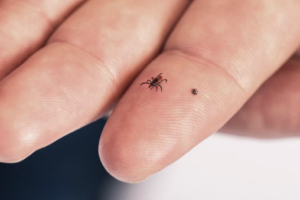
The black-legged tick, Ixodes scapularis — the one responsible for Lyme disease — is not a visitor anymore in places like the upper Midwest and northern New England. It lives there now. And it’s active earlier in the spring and later into the fall, which means the old “May through August” tick season guidance is increasingly meaningless.

Physicians in northern states are treating tick-borne illness before the snow is off the ground.


Four Diseases, One Vulnerability

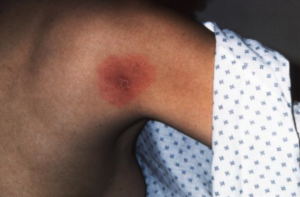
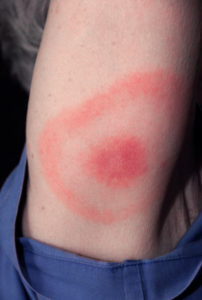
Most people hear “tick bite” and think Lyme disease. That’s understandable. Lyme is the most common tick-borne illness in the US, with over 476,000 cases diagnosed annually. The classic bullseye rash, the flu-like onset, the joint pain and neurological complications that follow when treatment is delayed — it’s serious. But it’s not the whole picture.

A single tick bite can transmit any of four major bacterial infections. Each one carries real consequences.

Lyme Disease (Borrelia burgdorferi). First-stage symptoms can look like a bad flu. Left untreated, it becomes something far worse — joint destruction, neurological damage, cardiac involvement. Early treatment changes the trajectory completely.

Anaplasmosis (Anaplasma phagocytophilum). Spread by the same tick as Lyme. Sudden fever, crushing headache, muscle pain. Gets misdiagnosed as flu constantly. In immunocompromised patients, it can progress to respiratory failure and organ damage.

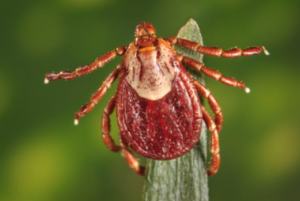
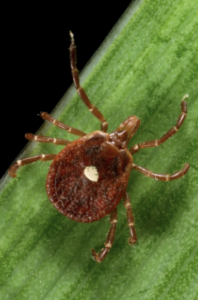
Ehrlichiosis (Ehrlichia chaffeensis). Spread primarily by the lone star tick, whose range has pushed significantly into the Northeast. Fever, fatigue, dangerously low platelet and white blood cell counts. The mortality rate for untreated ehrlichiosis is meaningfully higher than Lyme.

Rocky Mountain Spotted Fever (Rickettsia rickettsii). The name is misleading — RMSF now occurs across much of the continental US. It is the deadliest tick-borne disease in North America. It can kill within days of symptom onset, and the classic spotted rash often shows up late, after the treatment window has already narrowed.


Here’s the Part That Matters

All four of those infections respond to the same antibiotic: doxycycline.

Doxycycline is a broad-spectrum tetracycline with exceptional activity against the intracellular bacteria behind all four diseases. For Lyme, it’s first-line treatment in adults and children over eight. For anaplasmosis, ehrlichiosis, and RMSF, it’s not just first-line — it’s the only reliably effective option.  We supply it in the base JaseCase for a reason. Everyone should have this on hand, just in case.

The CDC and the Infectious Diseases Society of America both recommend initiating doxycycline empirically — based on clinical suspicion alone, before lab results come back — when tick-borne illness is suspected. That recommendation exists because the organisms causing these diseases don’t wait for a confirmation number from the lab. And in the case of RMSF, delaying treatment while waiting on results is directly associated with higher mortality.

As a physician, that’s the piece I need you to understand. The science here is not ambiguous. Early doxycycline changes outcomes.


The Gap That Keeps Me Up at Night

Think about where most people encounter ticks. Hiking trails. Campgrounds. The backyard of a cabin two hours from the nearest urgent care. Even in suburban settings, the timeline from tick bite to symptom onset to physician visit to filled prescription can stretch across days. In serious tick-borne illness — particularly RMSF — those days are the difference between an outpatient course of antibiotics and a hospital bed.

This is the problem I built Jase Medical to solve. Not the theoretical version. The real one. The version where a family on a camping trip pulls a tick off their kid and has no way to act on what they know until Monday morning.

A supply of physician-prescribed doxycycline in your emergency medical kit means you’re not waiting on the system to catch up with the biology. You’re prepared to act when it matters.


What to Do Right Now

Start with prevention. Use EPA-registered repellents — DEET at 20% or higher, picaridin, or permethrin-treated clothing. Do full-body tick checks after any time spent outdoors. Shower within two hours of coming inside. Check your pets; they carry ticks into the home more often than people realize.

Know the warning signs. Unexplained fever with headache and muscle aches after outdoor activity. Any rash, especially one that’s spreading or has a bullseye pattern. If you see those, mention tick exposure to your physician immediately — don’t wait for someone to ask.

Close the gap. Talk to a Jase Medical physician about whether doxycycline and other emergency antibiotics belong in your family’s kit. Don’t wait for a tick-borne illness to find out you weren’t ready.


The 2026 tick surge is not hypothetical. It’s already underway. The physicians sounding the alarm are watching their patient panels and seeing the numbers climb in real time.

The good news is that the single most important medication for treating all four major tick-borne diseases is well understood, widely available, and something you can have on hand before you ever need it.

Be ready before you need to be.

Build Your Emergency Medical Kit with Jase Medical →


This article is for educational purposes and does not constitute medical advice. Consult a physician for diagnosis and treatment of any illness.


Learn more about Jase Medical’s emergency preparedness kits and other medication solutions at jase.com

Lifesaving Solutions

Everyone should be empowered to care for themselves and their loved ones during the unexpected. Check out our recent lifesaving products today.

Recent Posts

Keeping you informed and safe.

FAQ: Our most commonly asked questions about Jase

FAQ: Our most commonly asked questions about Jase

If you’re considering Jase, chances are you’ve paused and thought, “This makes sense, but I still have a few questions.”You’re not alone. Here are the most common ones we hear, answered plainly. Is this really doctor-prescribed? Yes. Every Jase order is reviewed by a...

read more

Join Our Newsletter

Our mission is to help you be more medically prepared. Join our newsletter and follow us on social media for health and safety tips each week!

Beyond Chemo: 10 Compounds Researchers Are Studying to Complement Cancer Care

Cancer treatment has always been a moving target. Chemotherapy, radiation, and surgery remain the pillars of oncology — but for decades, researchers have been quietly building a parallel body of literature around compounds that may support, enhance, or complement those conventional approaches. Some are repurposed drugs that have been in clinical use for years. Others are natural compounds with centuries of traditional use now being examined under rigorous scientific methodology.

This is not a list of cancer cures. It is a survey of what the current research shows about compounds generating legitimate scientific interest — and why physicians, researchers, and informed patients are paying closer attention to them.

1. Ivermectin

Best known as an antiparasitic, ivermectin has accumulated a substantial body of preclinical research suggesting anticancer properties. Studies indicate it may disrupt tumor blood supply by inhibiting angiogenesis — effectively starving cancer cells of the oxygen and nutrients they need to grow. It has also shown activity in reversing multidrug resistance, potentially restoring the effectiveness of chemotherapy agents, and promoting cancer cell death via autophagy (programmed cellular self-destruction).

2. Mebendazole

Another antiparasitic with a growing oncology research profile. Mebendazole disrupts microtubule formation — the cellular scaffolding cancer cells depend on to divide. It inhibits new blood vessel formation to tumors, down-regulates proteins that shield cancer cells from apoptosis, and has shown synergistic effects with conventional chemotherapy and radiation in multiple cancer models. A 2019 review in Cancers characterized it as a serious candidate for drug repurposing in oncology.2

3. Medicinal Mushrooms: Reishi and Turkey Tail

Both Reishi (Ganoderma lucidum) and Turkey Tail (Trametes versicolor) have been used in traditional East Asian medicine for centuries. The underlying mechanisms are now better understood. Bioactive compounds in these mushrooms bind to receptors on immune cells — activating natural killer cells, T cells, and macrophages — and enhance cytokine production, improving the immune system’s ability to identify and clear abnormal cells. Reishi compounds have additionally shown anti-angiogenic and anti-metastatic activity in research models.3

4. Olive Leaf Extract

Rich in polyphenols — particularly oleuropein — olive leaf extract has demonstrated potent anti-inflammatory activity and antioxidant properties relevant to cancer biology. Free radical damage contributes to both the initiation and progression of many cancers; the extract’s ability to neutralize oxidative stress makes it an area of ongoing interest, particularly in hormone-related malignancies.4

5. Green Tea Extract (EGCG)

Epigallocatechin gallate (EGCG), the primary active catechin in green tea, has been one of the most extensively studied natural compounds in cancer research. It selectively induces apoptosis in cancer cells while leaving healthy cells relatively unaffected, blocks pro-cancer signaling pathways that drive cell replication, and inhibits angiogenesis in tumors. The selectivity profile — affecting malignant cells preferentially — is what makes EGCG particularly interesting to researchers.5

6. Methylene Blue

Originally developed as an antimalarial, methylene blue is now being studied in the context of photodynamic therapy — a treatment modality that uses light activation to destroy cancer cells. Its mechanism involves flooding cells with oxygen (cancer cells frequently exploit low-oxygen microenvironments), reducing oxidative stress, protecting mitochondrial function, and supporting healthy cell survival signaling. Current research is focused on optimizing its use as a photosensitizing agent in oncology.6

7. Berberine

Found in goldenseal, barberry, and Oregon grape, berberine is often discussed for its metabolic effects — it’s sometimes called “nature’s metformin” for its insulin-sensitizing properties. That metabolic activity is directly relevant to cancer: berberine modulates proliferation signaling pathways, induces cancer cell death, inhibits tumor blood supply, and regulates gut microbiota in ways that may support immune function. It has also shown enhancement of other anti-tumor agents in combination studies.7

8. Curcumin (Turmeric)

Curcumin, the active compound in turmeric, requires co-administration with piperine (black pepper) to achieve meaningful bioavailability — a critical practical point. With adequate absorption, curcumin has demonstrated the ability to downregulate cancer-promoting signaling cascades, reduce chronic inflammation (a recognized driver of malignancy), modulate immune and oxidative stress markers, and mitigate DNA damage caused by radiation — making it relevant to patients undergoing radiotherapy.8

9. Metformin

The most widely prescribed antidiabetic drug in the world has a compelling parallel research profile in oncology. Metformin lowers circulating insulin levels (elevated insulin is a tumor growth promoter), inhibits mTOR and AMPK pathways central to cancer cell proliferation, suppresses cancer stem cells — a population associated with treatment resistance and metastasis — and reduces tumor blood supply. Multiple large observational studies have shown reduced cancer incidence and improved outcomes in diabetic patients on metformin.9

10. Dandelion Root

An unlikely entry, but one with emerging data. Dandelion root extract has demonstrated the ability to activate multiple apoptotic signaling pathways in colorectal cancer cells and suppress gastric cancer cell proliferation and migration in laboratory studies. Its profile as a non-toxic agent with low side effect burden makes it a candidate for integration into broader cancer support protocols, particularly where drug-resistant disease is a concern.10


A Physician’s Note on Context

Most of the compounds above have robust preclinical data; human clinical trial evidence ranges from preliminary to moderate. None should be used as a substitute for oncology care. The appropriate framework is integration — working with a physician who understands both conventional treatment and this emerging research landscape to identify what, if anything, might be appropriate for a given patient’s situation.

For patients who want that kind of informed, physician-guided conversation — without waiting months for an appointment — Jase Medical’s telemedicine platform connects you with licensed physicians who take the full picture seriously.


Learn more about Jase Medical’s emergency preparedness kits and other medication solutions at jase.com

References

  1. Tang M, et al. Ivermectin, a potential anticancer drug derived from an antiparasitic drug. Pharmacol Res. 2021;163:105207.
  2. Guerini AE, et al. Mebendazole as a candidate for drug repurposing in oncology. Cancers. 2019;11(9):1284.
  3. Guggenheim AG, Wright KM, Zwickey HL. Immune modulation from five major mushrooms: application to integrative oncology. Integr Med. 2014;13(1):32–44.
  4. Boss A, et al. Evidence to support the anti-cancer effect of olive leaf extract. Nutrients. 2016;8(8):513.
  5. Farhan M. Green tea catechins: nature’s way of preventing and treating cancer. Int J Mol Sci. 2022;23(18):10713.
  6. Garcia-Padilla C, et al. Methylene blue increases active mitochondria and cellular survival through modulation of miR16–UPR signaling axis. J Mol Pathol. 2025;6(3):16.
  7. Almatroodi SA, Alsahli MA, Rahmani AH. Berberine: anticancer effects through modulation of cell signaling pathways. Molecules. 2022;27(18):5889.
  8. Cozmin M, et al. Turmeric: from spice to cure. Front Nutr. 2024;11:1399888.
  9. Munzenmayer C. Metformin’s anticancer odyssey: multifaceted mechanisms. Biochimie. 2025;233:1–15.
  10. Ovadje P, et al. Dandelion root extract affects colorectal cancer proliferation and survival through the activation of multiple death signalling pathways. Oncotarget. 2016;7(45):73080–73100.

Lifesaving Solutions

Everyone should be empowered to care for themselves and their loved ones during the unexpected. Check out our recent lifesaving products today.

Recent Posts

Keeping you informed and safe.

FAQ: Our most commonly asked questions about Jase

FAQ: Our most commonly asked questions about Jase

If you’re considering Jase, chances are you’ve paused and thought, “This makes sense, but I still have a few questions.”You’re not alone. Here are the most common ones we hear, answered plainly. Is this really doctor-prescribed? Yes. Every Jase order is reviewed by a...

read more

Join Our Newsletter

Our mission is to help you be more medically prepared. Join our newsletter and follow us on social media for health and safety tips each week!

Your Medicine May Be Running Out — And the War in Iran Is Why

Most Americans assume the pharmacy shelf will always be stocked. They assume their blood pressure medication will be there on Tuesday. That ibuprofen will be waiting when they need it. That the cancer drug their spouse depends on won’t suddenly be unavailable.

That assumption is being tested right now.

As the US-Israel military campaign against Iran enters its fourth week, what started as a geopolitical event is quietly becoming a public health emergency. The Strait of Hormuz — the narrow waterway through which roughly 17 million barrels of oil pass every day — remains effectively closed. Shipping routes are disrupted. Air freight costs have surged. And the global pharmaceutical supply chain, already fragile from COVID-era stress fractures, is beginning to crack.

Here’s what most people don’t realize: **your medicine is made from oil.** Acetaminophen, ibuprofen, aspirin, and thousands of other common drugs rely on petrochemical precursors — chemical building blocks derived from crude oil and natural gas. The UK’s pharmaceutical experts are already warning that Britain is “a few weeks away” from shortages of everything from painkillers to cancer drugs *(The Guardian, March 28, 2026)*. CNBC reported that the Strait of Hormuz closure puts America’s generic drug supply directly at risk. Healthbeat confirmed that even MRI machines — which require helium transported via the same disrupted shipping lanes — are affected.

This isn’t a theoretical risk. This is happening now.

What Gets Disrupted First — and What That Means for You

Generic drugs are the most vulnerable. They account for roughly 90% of prescriptions filled in the US and are predominantly manufactured in India and China using chemical precursors that flow through disrupted supply chains. When logistics costs rise and routes get rerouted or shut down, generic manufacturers — already operating on thin margins — delay shipments, allocate inventory to larger buyers, and in some cases halt production entirely.


The categories most at risk:

– Common pain relievers and fever reducers (acetaminophen, ibuprofen)
– Antibiotics — already in chronic short supply in many regions
– Cancer chemotherapy agents that depend on petrochemical synthesis
– Cardiovascular medications
– Diabetes drugs, including some insulin formulations

The lesson of COVID was stark: by the time the shortage hits the news, the shelf is already empty. The families who were prepared — who had stocked essential medications through legitimate channels — were the ones who made it through without a crisis.


The Case for Personal Medical Preparedness

Emergency preparedness has always meant food, water, and shelter. But medical preparedness is increasingly the missing piece — and the hardest one to address after the fact.

You cannot stockpile medications the same way you stockpile rice. Most prescriptions are dispensed 30 days at a time. Insurance often won’t cover early refills. And in a shortage, your physician may have limited ability to help even if they want to.

This is exactly why Jase Medical exists. Jase’s model — providing physician-prescribed emergency medication supplies directly to families — was built for precisely this scenario. The ability to have a 12-month supply of your critical antibiotics, or a travel emergency kit stocked with medications you actually need, isn’t a luxury. Right now, it’s foresight.


What You Can Do Today

The window to act is narrowing. Shortages follow a predictable pattern: disruption happens, supply tightens, distribution systems prioritize hospitals and large buyers, and retail pharmacy shelves thin out over a period of weeks to months.

Here’s a practical checklist:
1. Audit your medicine cabinet. What medications does your family depend on regularly? What would happen if you couldn’t refill for 60 or 90 days? Get an extended supply with JaseDaily.

2. Talk to your doctor now — not when the shortage hits. Ask about early refills, therapeutic alternatives, or emergency supply options.

3. Build a travel/emergency kit with the basics: antibiotics covering common infections, antiparasitics, anti-inflammatories, and any condition-specific medications your family requires. The JaseCase is purpose-built exactly for this scenario.

4. Don’t wait for the news to tell you there’s a problem. By then, it’s too late.

The families who come through crises intact aren’t the ones who responded fastest — they’re the ones who prepared earliest.

If you’ve been thinking about building a medical emergency kit for your family, there is no better time than right now.


Learn more about Jase Medical’s emergency preparedness kits at jase.com

Lifesaving Solutions

Everyone should be empowered to care for themselves and their loved ones during the unexpected. Check out our recent lifesaving products today.

Recent Posts

Keeping you informed and safe.

FAQ: Our most commonly asked questions about Jase

FAQ: Our most commonly asked questions about Jase

If you’re considering Jase, chances are you’ve paused and thought, “This makes sense, but I still have a few questions.”You’re not alone. Here are the most common ones we hear, answered plainly. Is this really doctor-prescribed? Yes. Every Jase order is reviewed by a...

read more

Join Our Newsletter

Our mission is to help you be more medically prepared. Join our newsletter and follow us on social media for health and safety tips each week!

FAQ: Our most commonly asked questions about Jase

If you’re considering Jase, chances are you’ve paused and thought, “This makes sense, but I still have a few questions.”You’re not alone. Here are the most common ones we hear, answered plainly.

Is this really doctor-prescribed?

Yes. Every Jase order is reviewed by a licensed physician. When approved, medications are prescribed specifically for you and dispensed by a licensed pharmacy. It’s proper medical care, delivered differently.


When would I actually use these medications?

Jase is designed for moments when care is hard to access. Travel, weekends, holidays, natural disasters, pharmacy closures, insurance issues, or being far from your usual provider. Most people hope they never need them, but are relieved when they do.


How long do the medications last? Are antibiotics safe to keep on hand?

Most medications in the JaseCase have shelf lives measured in years, not months. When prescribed by a physician and used appropriately, antibiotics are safe to keep on hand. Each medication includes clear guidance on when and how to use it. Medication expiration dates do not indicate a time when they become dangerous, but instead when they become less potent.

  1. Check expiration dates every six months.
  2. Store in a cool, dry place, heat and moisture degrade medicines.
  3. Keep backup doses for chronic conditions. Check out JaseDaily to get a backup supply today.
  4. Log your medications: what you have, when to reorder, and who they’re for.

Remember: expired medications may lose potency but rarely become toxic. Having something is better than nothing when supply chains fail.


Do I have to be a “prepper” to need this?

Not at all. Jase is about having a backup. Just like a spare tire or a first aid kit, it is there for peace of mind, not panic. If you keep extra batteries, shelf-stable food items, or toilet paper, then you know how important it is to prepare.


What if I don’t know which medication to use or take the wrong one?

Every JaseCase includes the MedDeck, a simple plain language instruction manual for each medication, explaining what it is for and how to take it. Because everything is prescribed specifically for you, there is no sorting through unsafe or unfamiliar options. We also encourage, whenever possible, to work with your doctor before taking any medications.


Is this worth the money if I already have insurance?

Insurance works well until it is unavailable when you need it. Jase does not replace insurance. It fills the gaps insurance cannot. Many customers see Jase as an investment in peace of mind, not a recurring expense.

Prepared does not mean paranoid. It means ready.

That is what Jase is here for.

Lifesaving Solutions

Everyone should be empowered to care for themselves and their loved ones during the unexpected. Check out our recent lifesaving products today.

Recent Posts

Keeping you informed and safe.

FAQ: Our most commonly asked questions about Jase

FAQ: Our most commonly asked questions about Jase

If you’re considering Jase, chances are you’ve paused and thought, “This makes sense, but I still have a few questions.”You’re not alone. Here are the most common ones we hear, answered plainly. Is this really doctor-prescribed? Yes. Every Jase order is reviewed by a...

read more

Join Our Newsletter

Our mission is to help you be more medically prepared. Join our newsletter and follow us on social media for health and safety tips each week!