First Aid Kit Essentials: What Every Home and Family Needs The First Aid Guidelines Changed in 2024. Your Kit Probably Didn't. By Aaron Asay, PA-C, DMSc This is not a shopping trip. It's a fifteen-minute audit of what's already in the box under your sink — and for...
Winter Weather Is Coming… Are You Prepared?
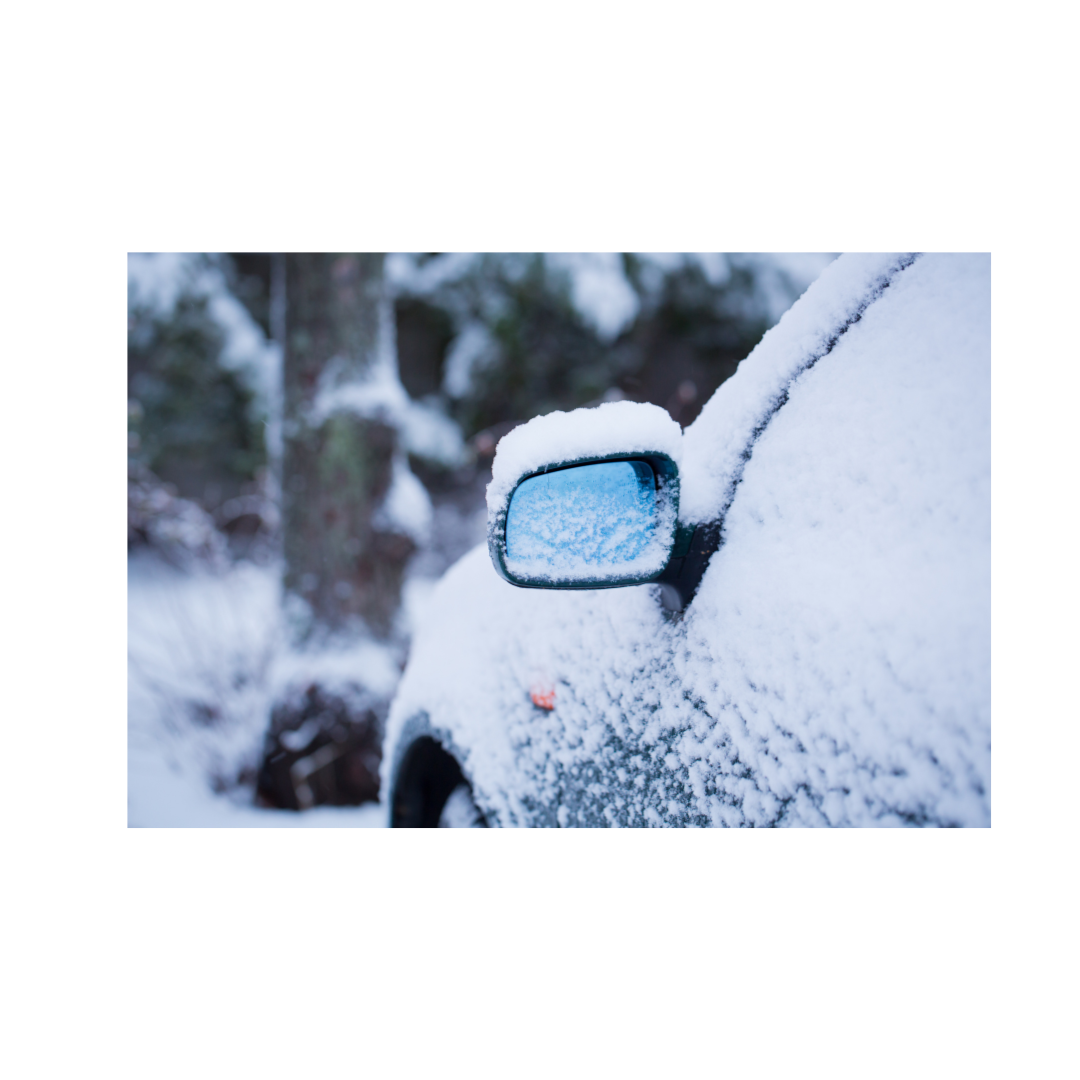
Winter is a great time to snuggle up by the fire, have a mug of hot chocolate, or make a snowman, but colder temperatures can also create a higher risk for car accidents, hypothermia, and frostbite. Winter storms and inclement weather can last for days and leave you without power, heat, or communication services which can leave older people, children, or sick people at greater risk.
There are some easy steps to take now to prepare yourself, family, and your home for the upcoming winter weather so you are best protected.
It is important to be prepared for winter weather at your home, work, and in your car.
HOME/WORK
Prepare your home and/or work space to keep out cold weather with proper insulation, caulking, weather stripping, etc. Make sure you know how to keep pipes from freezing and install smoke alarms and carbon monoxide detectors with battery back-ups. Make sure you have supplies in case you get stranded or need to stay in one place for several days without power. Consider extra water, non perishable snacks, extra batteries, flashlights and a radio, but also consider the needs of each person and pet in your family and what they may need, like certain medications or specific supplies. Limit your time outside if possible. If you need to go outside, make sure you are prepared with appropriate clothing and monitor for signs of hypothermia and frostbite.
CAR
In your car it is important to have some emergency supplies which might include:
- Jumper cables
- Sand or cat litter
- Flashlight
- Warm clothes
- Blankets
- Bottled water
- Non-perishable snacks
Try and avoid traveling if possible when inclement weather is approaching. If you need to travel, make sure you have a full tank of gas just in case you get stranded. If you do get stranded in your car, avoid going outside if possible.
- Brooke Lounsbury
Medical Content Writer
Lifesaving Medications
Everyone should be empowered to care for themselves and their loved ones during the unexpected.
Recent Posts
Keeping you informed and safe.
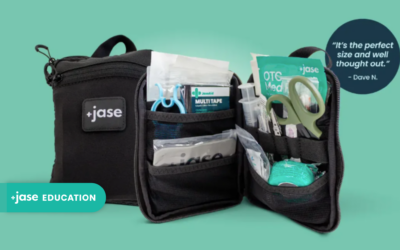
First Aid Kit Essentials: What Every Home and Family Needs

For Clinicians | Antibiotic Eye Drops for Pink Eye
For Clinicians | Antibiotic Eye Drops for Pink Eye What the Evidence Says and What Schools Still Require By Dr. Jamie Wilkey, PharmD — Director of Clinical Strategy, JaseMedically reviewed and edited by Kristen Carpenter, PA-C "But the school won't take him back...
Epinephrine & Inhaler Refill (Back to School)
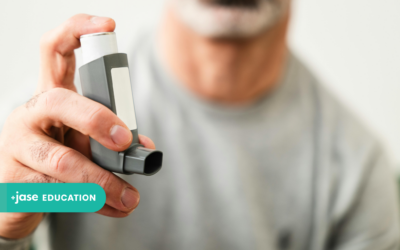
Epinephrine & Inhaler Refill (Back to School) The September Asthma Surge Is Real. Here's Why You Need to Act in July. By Cayla McGrath This is one of the few pieces we write that has an actual deadline. Every September, pediatric asthma hospitalizations spike. The...