
For Clinicians | Burn First Aid Without Running Water By Dr. Jamie Wilkey, PharmD, Director of Clinical EducationMedically reviewed and edited by Aaron Asay, PA-C, DMSc, FIBODM, FAWM Every burn first-aid guide starts the same way: cool it under running water. That's...
Mpox: Unpacking the Facts That Matter

Global health warnings are being issued, but you likely aren’t at risk.

Mpox: What You Need To Know
The Centers for Disease Control (CDC) and the World Health Organization (WHO) have both recently released warnings declaring mpox a global health emergency.
Mpox, formerly known as monkeypox, is a viral disease that is in the same family as the smallpox virus (although names are similar, this virus is not related to chickenpox). Mpox is endemic in parts of Central and West Africa, where it is evident in wild animals like monkeys, rodents, and prairie dogs. Humans can contract this virus through direct contact with infected animals while eating, hunting, trapping or otherwise interacting with them. Mpox has been around for decades, but in the past few years it has made headlines during increased outbreaks.
There are two different types, or “clades”, of mpox. Clade II was responsible for the global outbreak in 2022 and is generally transmitted from animals to humans, usually by eating bushmeat of an infected animal or other prolonged animal contact. The current global health warning refers to a Clade I variant which is a newer strain that causes more severe disease with a higher death rate. It also appears to have a mutation which can be transmitted from human to human. Clade I is often spread person-to-person via sexual contact, face-to-face contact (or prolonged close contact like cuddling, kissing, or hugging), or via contaminated bedding, clothes, or towels.
Mpox causes an illness that causes flu-like symptoms, fever, chills, body aches, headache, and exhaustion accompanied by a rash. The rash initially looks like pimples or blisters and can be itchy or painful. Most people who contract this disease will recover with supportive care, but certain groups of people with weakened immune systems, like infants, pregnant women, etc. are more likely to have severe disease.
Because this is a viral disease, there is no “cure”, but there is a vaccine for prevention and one oral medication available for treatment. The mpox vaccine is a two-dose series for people at high risk of contracting the disease or for people who have had close contact with someone suspected of having mpox. Oral TPOXX (tecovirimat) is an experimental medication that is still being tested in humans with mpox to see if it is safe and effective. TPOXX is the only FDA-approved medication available for smallpox treatment and animal studies show promise in treated mpox. This is a prescription medication, but is not available at regular pharmacies at this point. Check with your medical provider to determine if you meet criteria for the vaccination.
While it is still important to be aware of any global health warning, at this point, the risk of the clade I mpox variant to the United States is considered to be low. Due in part to the limited number of travelers and direct flights from Central and West Africa to the US, but also because the US has access to extensive testing and medical interventions compared to the rural African countries most affected at this time.
As always, stay safe, stay healthy, and stay prepared.
– Your partners in preparedness: Jase.com
Lifesaving Medications
Everyone should be empowered to care for themselves and their loved ones during the unexpected.
Recent Posts
Keeping you informed and safe.

For Clinicians | Burn First Aid Without Running Water
read more
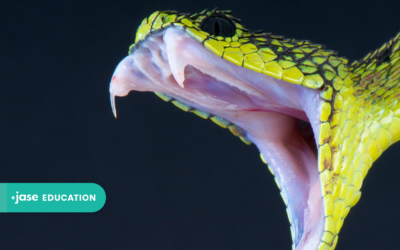
What to Do If You’re Bitten by a Snake?
What to Do If You're Bitten by a Snake: Forget What the Movies Taught You By the Jase Medical Team If you're bitten by a venomous snake, forget almost everything the movies taught you about snakebite first aid. Don't cut an X over the fang marks. Don't suck out the...
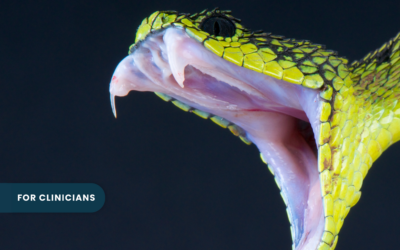
For Clinicians | Should You Suck Out Snake Venom?
For Clinicians | Should You Suck Out Snake Venom? The Snakebite Myths Your Patients Still Believe By Dr. Jamie Wilkey, PharmD, Director of Clinical EducationMedically reviewed and edited by Aaron Asay, PA-C, DMSc, FIBODM, FAWM I really love gathering my little boys...

How to Rehydrate Someone Properly When There Is No IV
How to Rehydrate Someone Properly When There Is No IV By the Jase Medical Team When someone is losing fluid from vomiting or diarrhea, rehydration isn't simply a matter of getting them to drink something. The type of fluid matters. The amount matters. And especially...