Don’t Get Complacent- Avoid Burnout

5 Tips to get back on track to self-sufficiency.

Its that time of year again. Tax time, Spring break, plans for summer vacation, getting your garden started,playing and working outdoors are all forefront in our minds.

Oh yes, and pending war, famine, next pandemic, social unrest, solar flares, record breaking weather patterns (tornados in the South, epic rainfall and snow in the West), food and gas prices spiraling out of control, bank failures, supply chain disruptions. In fact, probably the most disturbing news so far came from the World Economic Forums’ Global Cybersecurity Outlook 2023 report where 86% Business and 93% of cyber leaders believe global geopolitical instability is moderately or very likely to lead to a catastrophic cyber event in the next two years. A mass cyber event would have far-reaching and untold hardship in ways we can’t even comprehend.

Let us not forget our medical system

Our medical system is now at tipping point leading to total collapse.  Hospitals closing, staff shortage, medical device shortage,( Cardiac diagnostic, and monitoring products, Specimen collection – testing supplies and equipment, Radiological devices, General ICU/ hospital products) the inability to perform procedures due to shortages of medications and instruments.

Overwhelmed? Now is NOT the time to shut down

As the war drums continually beat, as high food, energy and gas prices steadily climb to new highs, and as we face the reality that our medical system is in crisis, this isn’t the time to be complacent.

Breaks and vacations are important but don’t live there

Take a break from the noise of all the crises but don’t let this become your “new normal”. In fact, short vacations, hobbies, time with family and friends are vital to overall health and wellbeing. Schedule time away from screens and technology. Information overload causes us to feel we are powerless. This leads to complacency and the inability to think clearly. The survival of our families is dependent on our ability to navigate this unchartered territory.

We are entering a time never seen before in the history of the world.

Our global economy and trade have positioned us in a very precarious position; one where we may feel powerless. This couldn’t be further from the truth. We have amazing, untapped talents and abilities we never knew we had until we decide to get back in the game.

5 tips to get back on the track to preparedness and self-sufficiency

  1. Attitude is everything

Everything we believe we can or can’t do starts with attitude. Attitude can move mountains. By focusing on solutions instead of allowing the media and others to pull you down, step away from the negativity and work out ways to overcome obstacles. If the obstacle is too big, shelve it and revisit at a later date.

Start your day off on the right foot, and continue.

  • The first hour upon awakening sets the tone for the rest of your day. Stay off your phone that first hour. Instead, meditate, pray, reflect on what you are grateful for and if able get some natural first morning sunlight.
  1. Prioritize your day, week, month and year. Set realistic goals.

Set aside uninterrupted time to prioritize goals. Start by writing down the goals, then prioritizing them. Which are the most pressing and important? Number them, starting with #1 as the most important and pressing. Do you have a goal of paying off debt? Weight loss? Finishing a project or starting a hobby? Do you want to eat better within an already strained budget?

The SMART acronym

A very popular tool for goal setting.

Specific- Narrow down what goal you wish to achieve, take time evaluating the goal.

Measurable- Is the goal measurable? For instance, if you want to lose weight, how much?

Achievable- Is the goal realistic and achievable. Some of this is based on your attitude and ability to achieve the goal. Do you feel you can achieve the goal and do you have the resources and tools needed?

Relevant- Is your goal relevant in your life? For instance, would losing 10 pounds add value to your quality of life?

Time-bound- Make sure your goal has a completion date. This can be modified as needed as you work towards achieving your goal.

  1. Be flexible but stay the course

Life happens, roll with the punches, but always go back and reflect on your reasons for why you are preparing. If you need to step away for a time, go ahead, but don’t make this a permanent way of life. It you have experienced major life changes it is time to refocus and reevaluate your goals and get back on track as soon as you are able.

  1. If it was easy, everyone would do it

The discipline, focus, drive and determination needed to prepare for our uncertain future isn’t an easy road but it will be rewarding and bring peace of mind. You can’t possibly do everything. Find others that are like minded that can help fill in the gaps for you and reciprocate. Check with local emergency responder groups, gardening and livestock communities along with family friends and neighbors for support. We aren’t an island. We need each other now more than ever before.

  1. Be an example. Be a leader

People are watching us even if we don’t realize it. We will inspire others more through our actions than any other way. As more people come together to solve local and regional problems facing all of us, we will all not just survive but thrive while navigating the waters of the unknown,

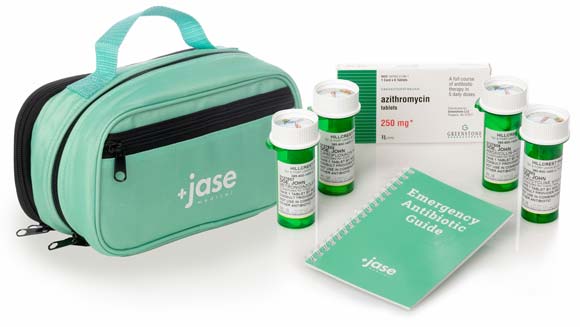
By the way, have you ordered your Jase Case for each member of your family yet?
- Brooke Lounsbury, RN

Medical Content Writer

Lifesaving Medications

Everyone should be empowered to care for themselves and their loved ones during the unexpected.

Recent Posts

Keeping you informed and safe.

What is a Z-Pack?

What is a Z-Pack?

What is a Z-Pack? You've heard of a Z-Pack. Maybe your doctor prescribed one when a respiratory infection dragged on too long. Maybe you've watched a family member take it when a sinus infection turned serious. Maybe you can picture the blister pack — six pills, five...

Why You Can’t Count on the Pharmacy in a Crisis

Why You Can’t Count on the Pharmacy in a Crisis

Why You Can't Count on the Pharmacy in a Crisis By Aaron Asay, PA-C, DMSc — Executive Director, JaseResponse Most of the time, the pharmacy works exactly the way we expect it to. Your child develops strep throat, the pediatrician sends in amoxicillin, and you pick it...
Join Our Newsletter

Our mission is to help you be more medically prepared. Join our newsletter and follow us on social media for health and safety tips each week!

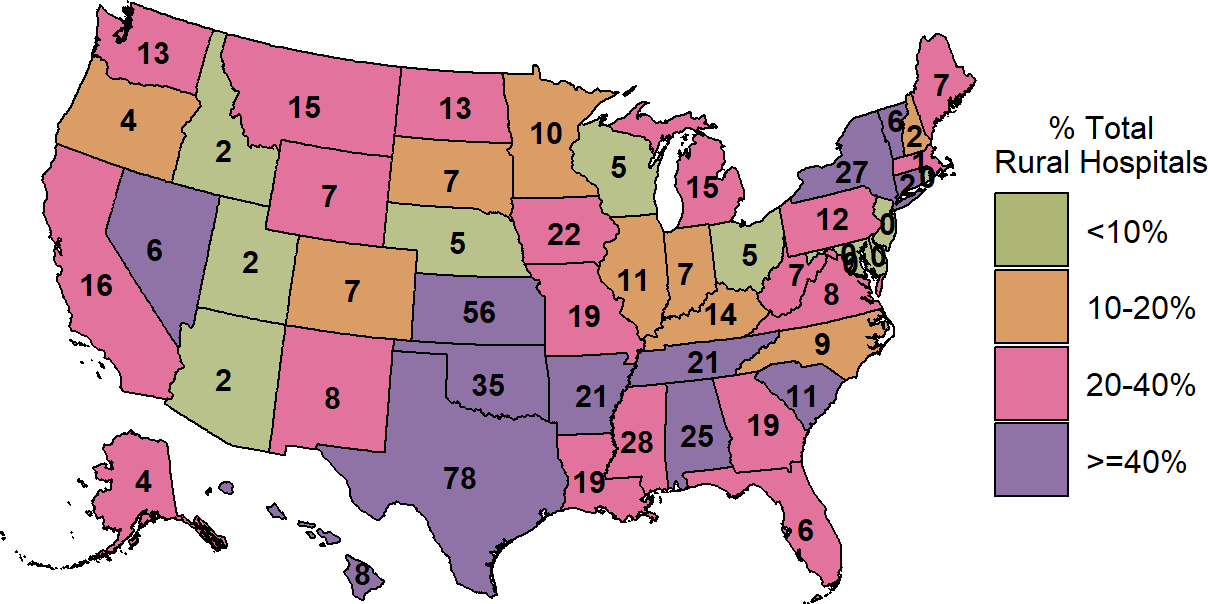
Over 600 Rural Hospitals at Risk of Closing

Throughout the nation many rural hospitals are on the brink of closure, citing physician shortages and lack of adequate funding to keep their doors open.  A report from the Center for Healthcare Quality and Payment Reform (CHQPR) revealed that more than 600 rural hospitals – nearly 30% of all rural hospitals in the country – are at risk of closing in the near future.

These hospitals are not just emergency rooms, many are the anchor for primary care, rehabilitative therapies, labs and x ray departments and maternity care. If the hospital closes many , if not all, other rural healthcare services in the area will also disappear.

Lack of adequate revenue

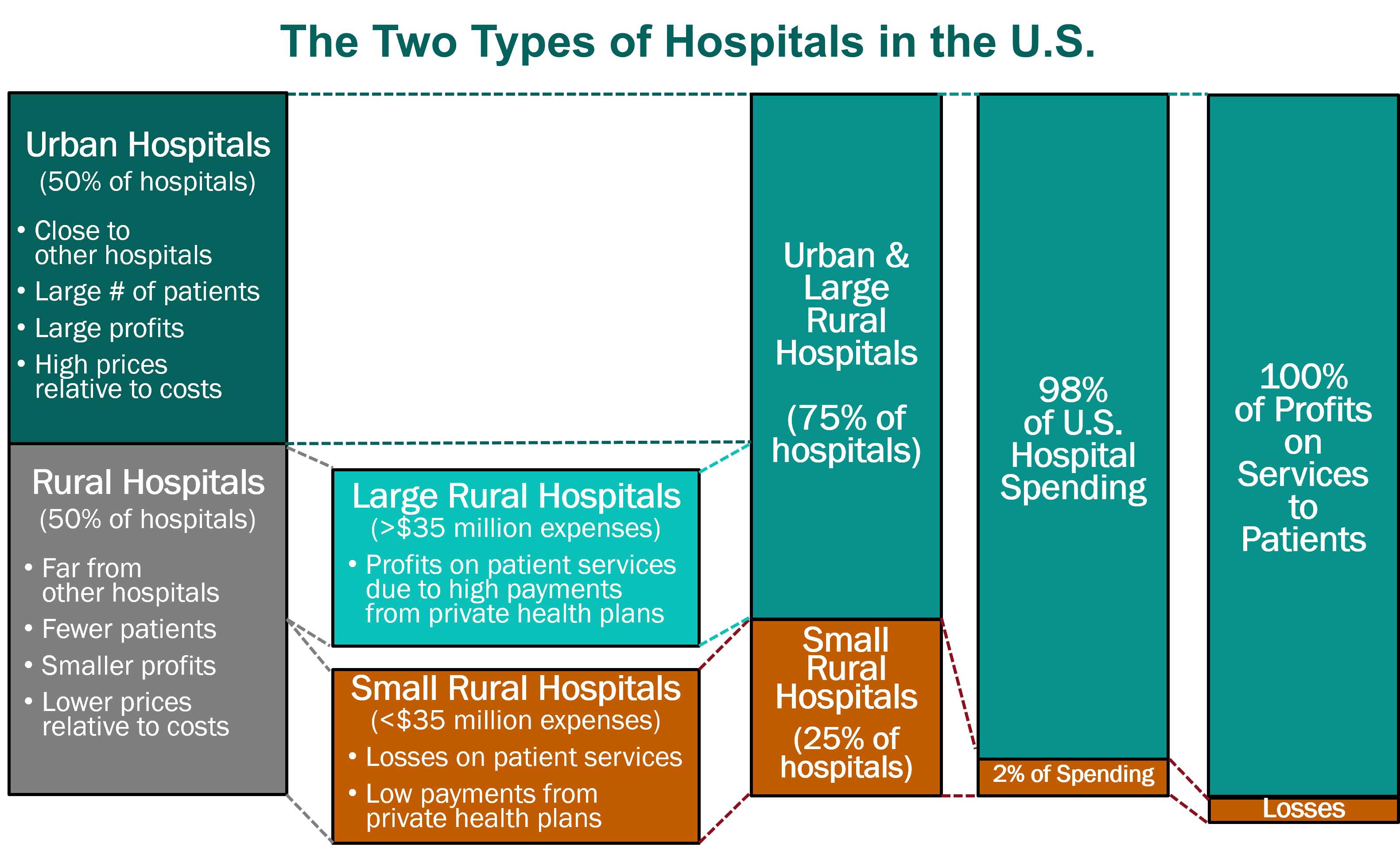
Rural hospitals and clinics are forced to operate many times at a loss- not because they are inefficient but because they have the same overhead as their urban counterparts.

 ER staffing 24/7- Urban hospitals have more patients coming through their doors than their rural counterparts. Even though both require adequate round the clock staffing, the volume of patients in urban areas offsets the overhead.

There are over 1,000 small rural hospitals, representing more than 25% of all the short-term general hospitals in the country, but they receive only 2% of total national hospital spending.

Insurance reimbursement disparity

A recent report by Center for Healthcare Quality and Payment Reform (www.CHQPR.org):

“A common myth about rural hospitals is that most of their patients are on Medicare and Medicaid. In fact, about half of the services at the average rural hospital are delivered to patients with private insurance (including both employer-sponsored insurance and Medicare Advantage plans). Low margins or losses on patients with private insurance, combined with losses on Medicaid and uninsured patients, can force small rural hospitals to close.”

Physician shortage

According to NHRA (National Rural Health Association)

“Ease of access to a physician is greater in urban areas. The patient-to- primary care physician ratio in rural areas is only 39.8 physicians per 100,000 people, compared to 53.3 physicians per 100,000 in urban areas. This uneven distribution of physicians has an impact on the health of the population.”

Some reasons cited for the rural physician shortage are long hours, lower reimbursement of insurance compared to urban areas, aging population of physicians that are nearing retirement, managing patients with higher proportion of chronic illnesses (diabetes, coronary heart disease) and lifestyle of rural living.

Rural hospitals and clinics serve farmers, ranchers, and others that provide food and services for the entire nation. Many of the nation’s natural resources- coal mines, oil and natural gas production are in these areas. Rural hospitals and clinics also provide care for visiting tourists to national parks and outdoor recreation if an emergency arises. If this population can’t continue to live and work in rural areas because of lack of medical services, the entire nation will suffer.

Solutions

  • Match reimbursement with cost of doing medicine

Current insurance reimbursements are below cost of delivering care. Saving Rural Hospitals states that increasing spending to meet cost of services (total would be 4 billion annually) could help offset the financial losses. This sounds like a lot of money, however this amounts to only 1/10 of 1% of total national healthcare spending, which is more than $1.3 trillion spent on all urban and rural hospitals in the country.

  • Telemedicine

 Rural communities could benefit from telemedicine, which solves the problem of rural patients having to drive long distances (sometimes over 70 miles) to see a doctor or consult with a specialist. Telemedicine can treat chronic conditions and provide a preventative approach to healthcare not usually found in rural areas.

  • Establish more rural residency programs and mentoring opportunities. As more rural physicians enter retirement age they are ideally positioned to mentor and support new physicians in rural medicine.
  • Utilize midlevel providers to offset the long hours the physician faces along with providing care more economically. Midlevel providers- nurse practitioners and physician assistants- are a more economical way to support the physician and can provide relief from long hours faced by rural physicians.

Until such a time that above solutions can be implemented, anyone living in rural areas should consider the very real possibility that their local hospital could be shut down in the near future. Are you prepared for such an event?

- Brooke Lounsbury, RN

Medical Content Writer

Lifesaving Medications

Everyone should be empowered to care for themselves and their loved ones during the unexpected.

Recent Posts

Keeping you informed and safe.

What is a Z-Pack?

What is a Z-Pack?

What is a Z-Pack? You've heard of a Z-Pack. Maybe your doctor prescribed one when a respiratory infection dragged on too long. Maybe you've watched a family member take it when a sinus infection turned serious. Maybe you can picture the blister pack — six pills, five...

Why You Can’t Count on the Pharmacy in a Crisis

Why You Can’t Count on the Pharmacy in a Crisis

Why You Can't Count on the Pharmacy in a Crisis By Aaron Asay, PA-C, DMSc — Executive Director, JaseResponse Most of the time, the pharmacy works exactly the way we expect it to. Your child develops strep throat, the pediatrician sends in amoxicillin, and you pick it...
Join Our Newsletter

Our mission is to help you be more medically prepared. Join our newsletter and follow us on social media for health and safety tips each week!

Silent Pandemic – Antibiotic Resistance

A dire warning from health leaders across the world are calling the silent pandemic- antimicrobial resistant (AMR) infections. According to the World Health Organization AMR is one of the top ten leading global threats to health facing humanity in the world.

CDC estimates about 47 million antibiotic courses are prescribed for infections that don’t need antibiotics, like colds and the flu, each year. That adds up to approximately 28% of all antibiotics prescribed. In addition, A study published in the Lancet found that antimicrobial resistance was the direct cause of 1.27 million deaths worldwide.

An ever-increasing number of bacteria, fungi and parasites are becoming resistant to commonly prescribed antibiotics, with some resistant to many different antibiotics.  In some cases, antibiotics are not effective, leading to impossible to treat infections. This is a chilling scenario we are facing.

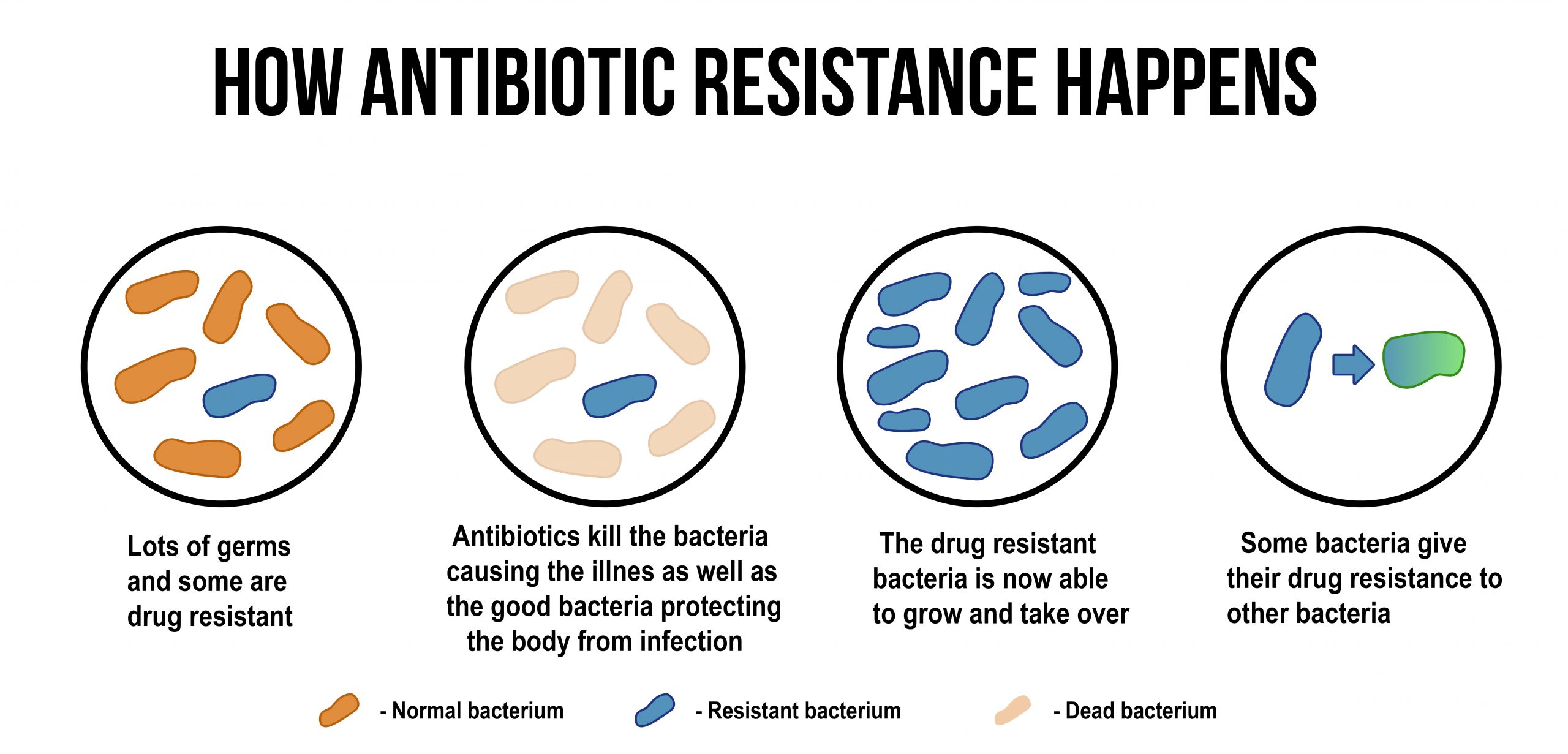
Antibiotic resistance (AMR) occurs through either genetic mutation or by acquiring resistance genes- where the antibiotic resistance genes are transferred to the next generation.

Some of the most widespread and common examples include:

  • methicillin-resistant Staphylococcus aureus (MRSA) (The most common)
  • vancomycin-resistant Enterococcus (VRE)
  • multi-drug-resistant Mycobacterium tuberculosis (MDR-TB)
  • carbapenem-resistant Enterobacteriaceae (CRE) gut bacteria

Broad spectrum antibiotics- The good and the bad

Broad spectrum antibiotics are being used in more and more AMR cases. These are antibiotics that act on the two major bacterial groups, gram-positive and gram-negative or any antibiotic that acts against a wide range of disease-causing bacteria. They are lifesaving when no other antibiotic therapy is working.

 They do come, however with their own set of whole set of detrimental, long lasting health effects. Some of these include resistance to pathogens, altered gut microbiota and immune system dysfunction. This is especially detrimental in young children. Broad spectrum antibiotics can alter gut microbiota which in turn will disrupt and affect immune function and growth of the child.

Promising research to fight antibiotic resistance

A protein in antibiotic resistant bacteria called DsbA helps fold resistance proteins into the right shapes to neutralize antibiotics. This was discovered by researchers, including experts from Imperial College London, led by Dr Despoina Mavridou assistant professor in Molecular Biosciences at the University of Texas at Austin. By disrupting the DBsA protein the team was successful in neutralizing the antibiotic resistant protein. In addition the pathogen was more sensitive to common antibiotics. As of this writing, research has been limited to outside the human body. The team now plans on finding an inhibitor that can be safely used in humans providing the same effect.

How to prevent AMR

Until research can successfully develop therapies for AMR, staying healthy and using antibiotics only when necessary are our options. Also, avoid crowds during outbreaks. And if sick, stay home!

The most effective way to prevent AMR is to boost immune system through:

  • Quality sleep- Sleep is when the body actively heals and restores health. Practice sleep hygiene
  • Exercise- At least 30 minutes several times a week of active walking or other form of exercise can help boost immune system, regulate mood and decrease appetite
  • Avoid sugar-Sugar and refined carbohydrates help feed pathogenic bacteria
  • Vitamin D (with k2)- Vitamin D supports a strong immune system. Talk with your healthcare provider about vitamin D supplementation and checking vitamin D levels to make sure you are reaching optimum vitamin D levels
  • Avoid and manage stress- Deep breathing exercises can help when unable to avoid stressful situations.
  • Practice personal hygiene- wash hands after going to store, before eating, and any time your are exposed to anyone who is ill.

- Brooke Lounsbury, RN

Medical Content Writer

Lifesaving Medications

Everyone should be empowered to care for themselves and their loved ones during the unexpected.

Recent Posts

Keeping you informed and safe.

What is a Z-Pack?

What is a Z-Pack?

What is a Z-Pack? You've heard of a Z-Pack. Maybe your doctor prescribed one when a respiratory infection dragged on too long. Maybe you've watched a family member take it when a sinus infection turned serious. Maybe you can picture the blister pack — six pills, five...

Why You Can’t Count on the Pharmacy in a Crisis

Why You Can’t Count on the Pharmacy in a Crisis

Why You Can't Count on the Pharmacy in a Crisis By Aaron Asay, PA-C, DMSc — Executive Director, JaseResponse Most of the time, the pharmacy works exactly the way we expect it to. Your child develops strep throat, the pediatrician sends in amoxicillin, and you pick it...
Join Our Newsletter

Our mission is to help you be more medically prepared. Join our newsletter and follow us on social media for health and safety tips each week!

Maintain or Attain a Healthy Weight

When you maintain a healthy weight, your overall health and ability to care for the sick and injured is enhanced. Preparedness isn’t just first aid and readiness during adverse weather events and home safety. 

According to the CDC:

  • The US obesity prevalence was 41.9% in 2017 – March 2020. (NHANES, 2021)
  • From 1999 –2000 through 2017 –March 2020, US obesity prevalence increased from 30.5% to 41.9%. During the same time, the prevalence of severe obesity increased from 4.7% to 9.2%. (NHANES, 2021)
  • Obesity-related conditions include heart disease, stroke, type 2 diabetes and certain types of cancer. These are among the leading causes of preventable, premature death.
  • The estimated annual medical cost of obesity in the United States was nearly $173 billion in 2019 dollars. Medical costs for adults who had obesity were $1,861 higher than medical costs for people with healthy weight.

It is my belief that post covid the above rate of obesity will reveal a much higher rate.

Diseases linked to obesity:

  • Diabetes
  • Fatty liver disease
  • Sleep apnea
  • Premature death
  • Certain types of cancer (breast, colon, prostate, and esophageal cancers)

Obesity, and even being overweight puts a severe strain on the body. Plantar fasciitis, excess wear on hip and knee joints, low back pain and even sleep apnea can be a result of excess adipose tissue. 

A vicious cycle can set up in the body, where the hormones ghrelin and leptin are out of balance.

At least that is what happens in an ideal world.

Ghrelin is called the hunger hormone and is secreted by the stomach when the stomach is empty. It regulates:

  • Blood glucose levels through reduced insulin secretion and regulates the synthesis and breakdown of glucose and glycogen.
  • It reduces heat production to conserve energy.
  • It reduces sympathetic activity.
  • It plays a role in regulating bone growth 
  • It is also highly expressed in metastatic cancer cells

Leptin is called an appetite suppressant hormone and is secreted by adipose tissue and balances the ghrelin hunger hormone. Leptin regulates:

  • Satiety
  • Metabolism- energy regulation
  • Immune function
  • Stable mood
  • Mental sharpness

Leptin deficiency can lead to:

  • Recurrent bacterial infections
  • Severe obesity
  • A condition called leptin resistance

What is leptin resistance?

During a normal feedback loop:

High levels of leptin signal your body that there are adequate stores of fat so you eat less and burn more fat. When leptin levels are low, this signals your body (brain)that you need to eat more and hold on to fat reserves in the body.

Leptin resistance happens when leptin which is stored in fat cells isn’t acknowledged by the brain. This results in increased appetite and slower metabolism.

There are many reasons believed for leptin resistance. Genetics, poor sleep habits, processed food, insulin resistance and lack of exercise are believed to contribute to this.

There are no easy solutions.

Anyone who has struggled with weight has already heard the following-

  • Eat more vegetables,
  • Increase activity
  • Avoid processed foods
  • Stabilize blood sugar
  • Etc. etc. etc.

However. There is much more physiology and psychology involved to this than previously thought. If it was that easy, we would all be able to easily lose weight. Emotional eating, when bored, snacking between meals and lack of meal planning can contribute to weight gain. 

Solutions

Check with your primary care provider before initiating any lifestyle changes

- Brooke Lounsbury

Medical Content Writer

Lifesaving Medications

Everyone should be empowered to care for themselves and their loved ones during the unexpected.

Recent Posts

Keeping you informed and safe.

What is a Z-Pack?

What is a Z-Pack?

What is a Z-Pack? You've heard of a Z-Pack. Maybe your doctor prescribed one when a respiratory infection dragged on too long. Maybe you've watched a family member take it when a sinus infection turned serious. Maybe you can picture the blister pack — six pills, five...

Why You Can’t Count on the Pharmacy in a Crisis

Why You Can’t Count on the Pharmacy in a Crisis

Why You Can't Count on the Pharmacy in a Crisis By Aaron Asay, PA-C, DMSc — Executive Director, JaseResponse Most of the time, the pharmacy works exactly the way we expect it to. Your child develops strep throat, the pediatrician sends in amoxicillin, and you pick it...
Join Our Newsletter

Our mission is to help you be more medically prepared. Join our newsletter and follow us on social media for health and safety tips each week!

Other Types of Accidental Poisonings and Exposures

Other Types of Accidental Poisonings and Exposures

Accidental poisonings cover a broad spectrum of populations and exposures. From the toddler ingesting something they found in the yard to medication errors to insect bites, the routes and exposure to toxic are almost endless. Some types of poisonings may not be apparent, and can cause irreparable damage if not caught in time.

As stated in the previous post on household chemical emergencies, poison control center is the fastest way to find out about what to do if you suspect any sort of exposure. Their online tool can help identify if there is a poison emergency and what to do They even have an app you can download for your phone to expedite the process.

According to The National Poison Control Center:

In 2020, the 55 U.S. poison control centers provided telephone guidance for over 2.1 million human poison exposures.

 That’s about: 

  • 6.4 poison exposures/1000 population,
  • 37.9 poison exposures in children younger than 6 years/1000 children,
  • 1 poison exposure reported to U.S. poison control centers every 15 seconds

Adults comprised almost half of all exposures (47%), followed by children younger than 6 (39%), then teens (8%).

Types of exposures

Our previous post on household chemical exposures details what to do if you or your loved one is exposed to common household chemicals. Below are some other types of accidental poisonings:

The most common types of poisonings in children:

  • cosmetics and personal care products
  • cleaning substances and laundry products
  • pain medications, both prescription and over-the-counter (OTC)
  • foreign bodies such as toys and toy parts, coins, and thermometers
  • topical preparations like rash creams
  • vitamins and supplements
  • antihistamines
  • pesticides
  • plants
  • antimicrobials like antibiotics

Most dangerous types of poisonings for children:

  • Medications– Over the counter and prescription medications- Remember, there is no such thing as a child proof container. Store all medications out of the reach of children. Do not store medicine in any container other than its original packaging. 
    • Carbon monoxide poisoning Not all poisons are swallowed; some are inhaled, or breathed in. Carbon monoxide gas is in fact an invisible killer. It has no color or odor. Take it seriously. Make sure there’s a carbon monoxide alarm in every sleeping area of your home.
    • Button batteries (sometimes called disc batteries) can be found in musical greeting cards, remote controls, key fobs, and other small electronic devices. Be especially mindful of the 20 mm lithium coin cell battery. When swallowed by a child, especially one younger than 4 years, it often lodges in the esophagus causing burns within just 2 hours. A hole in the esophagus may develop and the burn can extend into the trachea or aorta. More than 60 children have died from ingesting button batteries.
  • Iron pills  are very dangerous for children to ingest. A child can start throwing up blood or have bloody diarrhea within an hour of ingestion
  • Cleaning products (covered in previous post)
  • Nail glue and primer (used in artificial nails, etc)
  • Hydrocarbons: This is a broad category that includes gasoline, kerosene, lamp oil, motor oil, lighter fluid, furniture polish, and paint thinner.
  • Wild mushrooms: Many types of mushrooms grow in many areas of the country. Some are deadly to eat.
  • Alcohol: When children swallow alcohol, they can have seizures, go into a coma, or even die. This is true no matter where the alcohol comes from. Mouthwash, facial cleaners, and hair tonics can have as much alcohol in them as alcoholic beverages.
  • Drain cleaners and toilet bowl cleaners: These caustics cause devastating burns to the mouth, throat and stomach. Drain cleaners may be strongly alkaline and toilet bowl cleaners may be strong acids. If swallowed, they must be diluted immediately to limit the damage that rapidly occurs.
  • Topical anesthetics: These medicines can cause seizures or a condition called methemoglobinemia which keeps the blood from carrying oxygen to the tissues. Be especially careful with teething gels, hemorrhoid preparations, anti-itch creams, and sunburn relief agents.

The most common types of poison exposures in adults:

  • pain medicines, both prescription and over-the-counter (OTC)
  • sedatives, hypnotics, antipsychotics
  • antidepressants
  • cardiovascular drugs
  • cleaning substances (household)
  • alcohols
  • pesticides
  • bites -ticks, spiders, bees, snakes)
  • anticonvulsants
  • cosmetics and personal care products

What to do if suspected poisoning:

If unconscious, vomiting, seizures, or other signs of distress immediately call 911, then contact via phone, app or online tool the poison control center for guidance. Do not immediately try to induce vomiting until you contact them. Some chemicals are caustic and can cause damage to the esophagus if vomited. 

Action Plan:

On the refrigerator or other conspicuous place:

  • Keep an envelope with a list of medications and allergies for each family member
  • Keep a list of medications and allergies on refrigerator for each family member
  • Post poison control center phone number 1-800-222-1222
  • Post primary care provider name and number
  • Speak with primary care provider about keeping syrup of Ipecac on hand to induce vomiting.


- Brooke Lounsbury

Medical Content Writer

Lifesaving Medications

Everyone should be empowered to care for themselves and their loved ones during the unexpected.

Recent Posts

Keeping you informed and safe.

What is a Z-Pack?

What is a Z-Pack?

What is a Z-Pack? You've heard of a Z-Pack. Maybe your doctor prescribed one when a respiratory infection dragged on too long. Maybe you've watched a family member take it when a sinus infection turned serious. Maybe you can picture the blister pack — six pills, five...

Why You Can’t Count on the Pharmacy in a Crisis

Why You Can’t Count on the Pharmacy in a Crisis

Why You Can't Count on the Pharmacy in a Crisis By Aaron Asay, PA-C, DMSc — Executive Director, JaseResponse Most of the time, the pharmacy works exactly the way we expect it to. Your child develops strep throat, the pediatrician sends in amoxicillin, and you pick it...
Join Our Newsletter

Our mission is to help you be more medically prepared. Join our newsletter and follow us on social media for health and safety tips each week!