
For Clinicians | Diabetes Sick-Day Rules in a Disaster By Dr. Jamie Wilkey, PharmD, Director of Clinical EducationMedically reviewed and edited by Kristen Carpenter, PA-C Diabetes is already hard to manage. Sick days just make everything worse. And a sick day in a...
Ivermectin for Scabies- and More
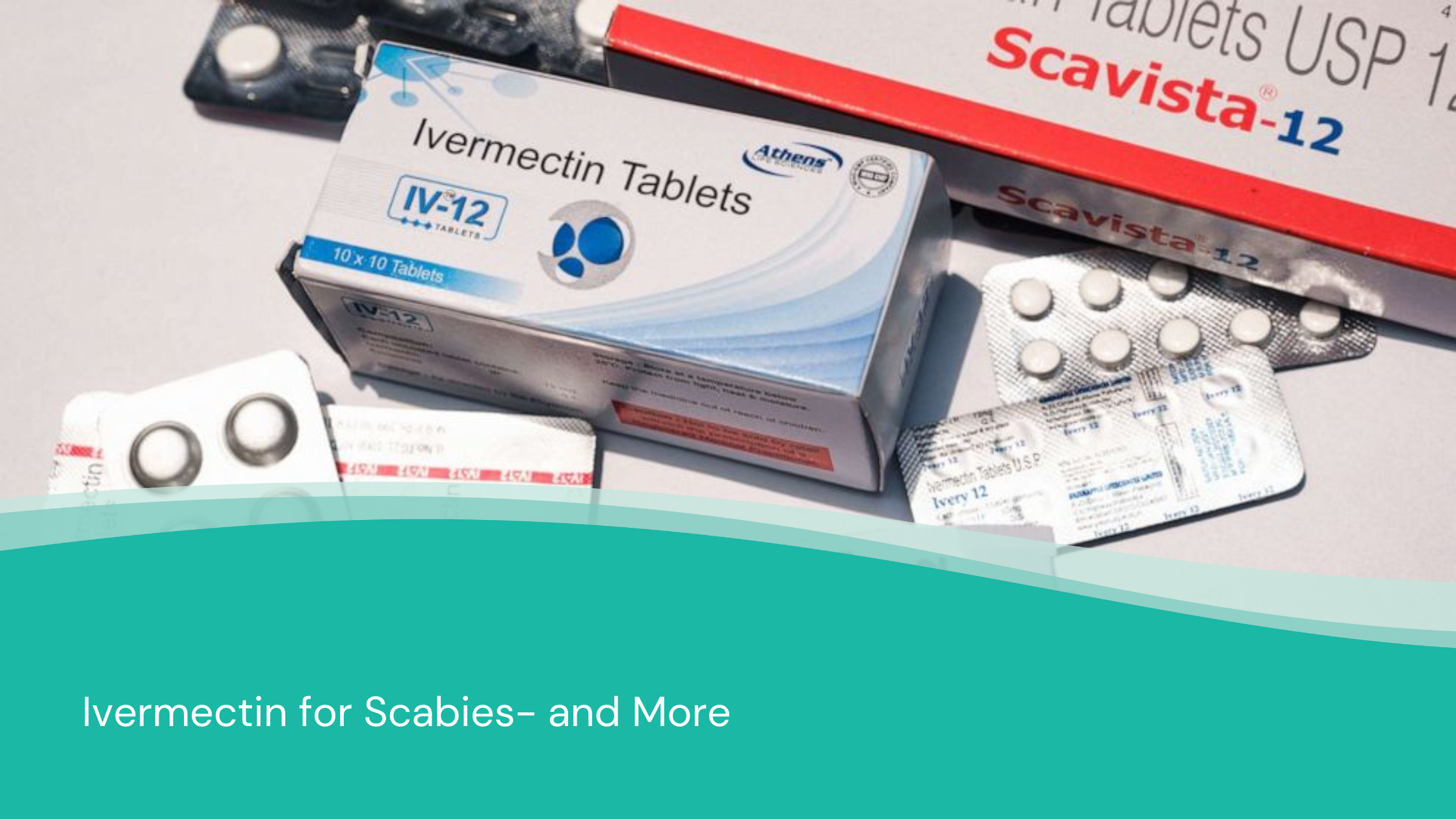
Discovered in the late 1970s and approved as a commercial product for animal health in 1981, ivermectin, an antiparasitic drug was initially used by veterinarians to treat mite and heartworm infections.
In 1988, ivermectin was approved to treat Onchocerciasis (known as river blindness) in humans.
Origins in Japanese Soil
Under the guidance of Satoshi Omura (former head of the Antibiotics Research Groupof Kitasato University) his team isolated a strain of Streptomyces avermitilis from a fermented a sample of Japanese soil. Merck Research Labs parasitology specialist, Willima C. Campbell began testing samples as a potential treatment for parasitic worms. The Streptomyces avermitilis strain was isolated. The group of drugs isolated is called a avermectins. From this group, eight different structures, including ivermectin, were isolated, and modified. It was discovered that ivermectin was 25 times more potent than existing treatments for parasitic worms.
Avermectins possess anticancer, anti-diabetic, antiviral, antifungal, and are used for treatment of several metabolic disorders.
Nobel Prize Awarded
Omura, along with Merck Research Labs parasitology specialist, William C. Campbell were awarded the 2015 Nobel Prize in medicine for developing ivermectin. As part of two global disease elimination campaigns, Ivermectin was responsible for lowering the incidence of river blindness and lymphatic filariasis, both caused by parasitic worms. Dubbed a “Wonder drug”, Ivermectin proved to be a safe, effective, and well tolerated drug. It is now being distributed and used free of charge in campaigns to eliminate both diseases globally which have devastated the world’s poor. It quickly became used to treat other parasitic conditions, from hookworms, roundworms, ear mites and scabies.
The Many Uses For Ivermectin
As a broad spectrum antiparasitic medication, ivermectin is included in the World Health Organizations Essential Medicines List.
Scabies– are microscopic mites that can live on your skin for months. It is a highly contagious condition that is spread through direct skin contact. The distinctive, raised rash may be skin color, red, brown or violet depending on skin tone.
Initial exposure can take 2-5 weeks to manifest symptoms. If prior exposure to scabies, symptoms can manifest in as little as 4 days.
Symptoms include intense itching, rash, hives or bumps under the skin. The burrow tracks can be seen on the skin as thin, raised discolored lines.
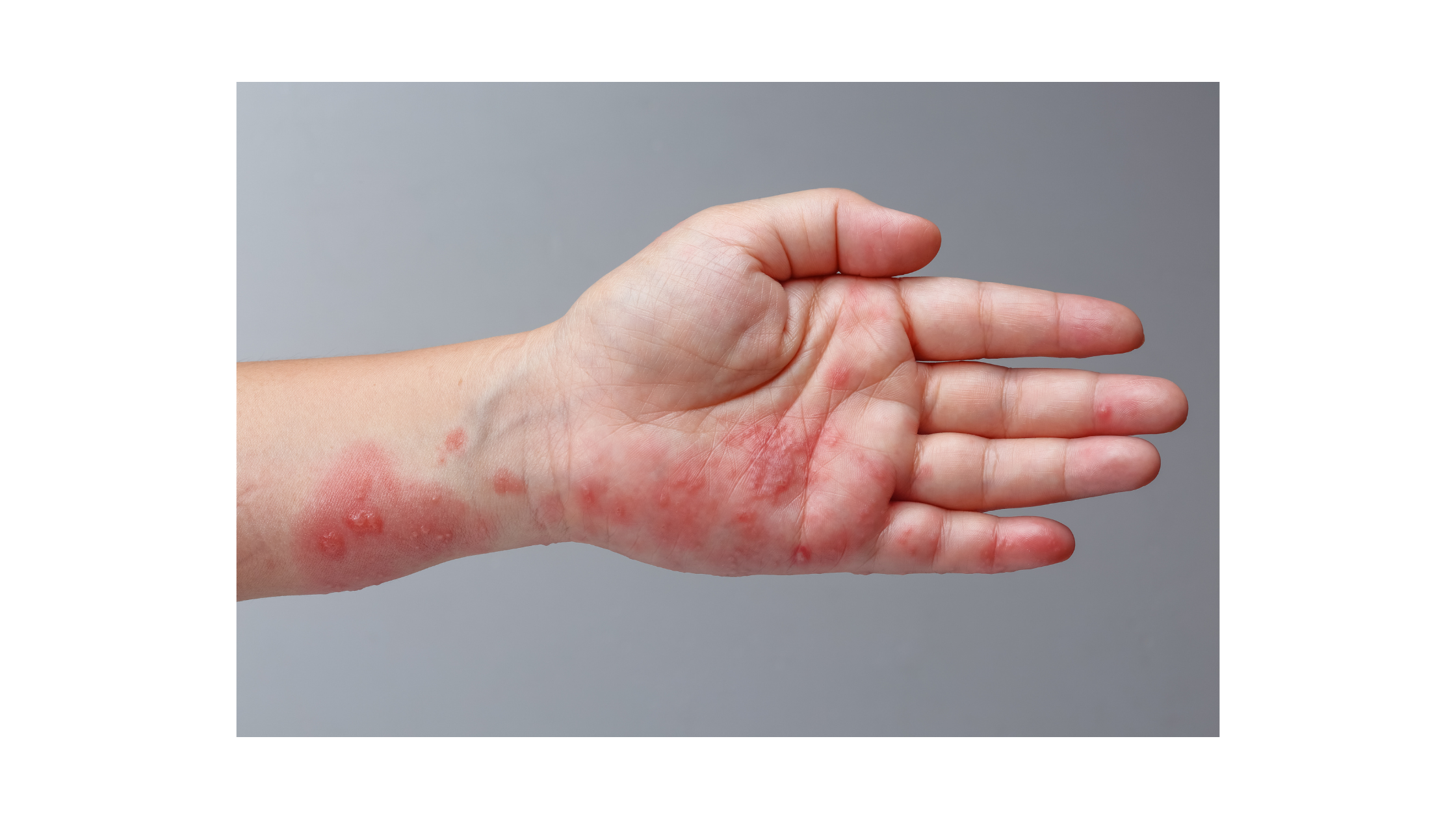
Common sites for scabies rash to appear include the wrist, elbow, armpit, nipple, penis, buttocks, waist and area between the fingers.
Side effects of ivermectin, although uncommon, include fever, itching, and skin rash.
There are several drugs that interact with ivermectin. Check out these drug interactions here.
Pregnant women are told not to take ivermectin due to its potential effect on the fetus.
Ivermectin is one of the medications found in the Jase add on list that you may add to your Jase Case.
Powerful Antiviral Against Many Viruses
In addition, the antiviral activity of Ivermectin has been shown to be effective against a wide range of RNA and DNA viruses, for example, dengue, Zika, yellow fever, and others.
Off Label Use- Covid 19
The CDC, FDA and World Health organization do not recommend ivermectin as a treatment for Covid-19 unless ivermectin is used in a research setting, as part of a clinical trial.
However, a meta-analysis published in the American Journal of Therapeutics (July/August2021 edition) titled, “Ivermectin for Prevention and Treatment of COVID-19 Infection: A Systematic Review, Meta-analysis, and Trial Sequential Analysis to Inform Clinical Guidelines” reviewed and analyzed 15 trials found that ivermectin reduced the risk of death compared with no ivermectin. (See paper here).
Ivermectin is considered to be one of the world’s most valuable and lifesaving drugs and has earned a place alongside penicillin for its impact on saving lives.
- Brooke Lounsbury, RN
Medical Content Writer
Lifesaving Medications
Everyone should be empowered to care for themselves and their loved ones during the unexpected.
Recent Posts
Keeping you informed and safe.
For Clinicians | Diabetes Sick-Day Rules in a Disaster
read more
Burns in a Blackout
Burns in a Blackout: First Aid When the Tap Doesn't Run By the Jase Medical Team Almost every burn first aid guide starts with the same instruction: cool the burn under clean, cool running water. But what happens when the tap doesn't run? For households that rely on a...
For Clinicians | Burn First Aid Without Running Water
For Clinicians | Burn First Aid Without Running Water By Dr. Jamie Wilkey, PharmD, Director of Clinical EducationMedically reviewed and edited by Aaron Asay, PA-C, DMSc, FIBODM, FAWM Every burn first-aid guide starts the same way: cool it under running water. That's...
What to Do If You’re Bitten by a Snake?
What to Do If You're Bitten by a Snake: Forget What the Movies Taught You By the Jase Medical Team If you're bitten by a venomous snake, forget almost everything the movies taught you about snakebite first aid. Don't cut an X over the fang marks. Don't suck out the...