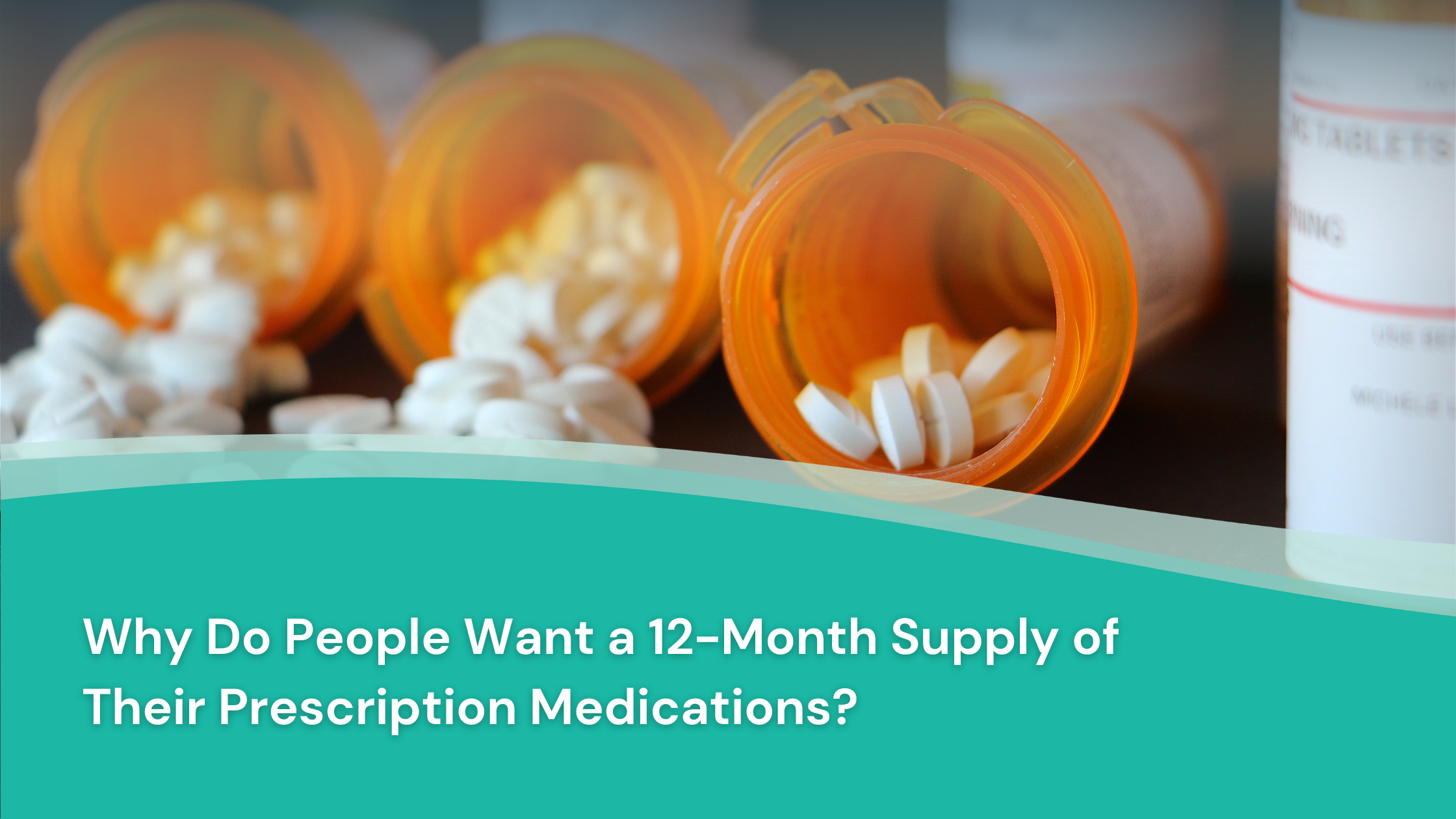
Why Do People Want a 12-Month Supply of Their Prescription Medications?

The Importance of Timely Antibiotic Intervention

There are a lot of things we like to stock up on: pressure-canned fruits and vegetables, canned goods at the grocery store. (“Two for a dollar?! I need another cart!”), soaps and cleaners . . .

Antibiotic Intervention Secondary Image

And toilet paper! Oh yes!

But stock up on prescription medicines for months on end?

Well, that’s what some people are doing. A lot of you who are reading this are doing it. In fact, at the risk of bragging, we are proud to state that we have over 900 five-star Google reviews.

That’s not bad at all for a prescription supply service that helps those in need to get up to a 12-month supply of their prescription medication. If you haven’t already check out Jase Daily.

jase daily learn

But if you are new here – why are people doing this?

It may seem odd to you that some people do this, but it makes perfect sense in a not so perfect world. The need to have emergency prescription medicines on hand, for example, is a permanent item on their worry list.

That’s for a good reason. There has been, and still are, shortages of some medicines. There are 309 ongoing drug shortages in the US. The highest in nearly a decade. (References marked 1 and 2 at the end of the article.)

It’s not just worrisome, it’s downright scary.

The other reasons listed below are probably what you have been thinking about:

Living in Hurricane-Prone States

  • There are over 60 million people living in hurricane-prone states. If you are one of them, you’ve probably seen the empty shelves in the grocery stores. Although it is frustrating, there is an instinct in us to gather all the resources we can for survival. That includes prescription medicines.

Extended Travel

  • Traveling for weeks on end is another reason for wanting more of their medicines at hand. It’s having that peace of mind when traveling outside our country.

The Possibility of Another Virus Coming Into Our Homes Uninvited

  • We just never know. One day we wake up, turn on the news, and …
    But there has been so, so, so much talk on the coronavirus that it’s like beating a dead horse, so let’s just leave it at that, and move on.

No Explanation. They Just Want to Be Prepared

  • Then there are those who can’t explain why they want a reserve. It’s just having that peace of mind in knowing that they have extra at their reach.

If you think about it, under certain circumstances, it is reasonable to want to have the right meds the moment you need them. Because we don’t know what tomorrow holds. 

It can be discouraging when a doctor gives you that look, the roll of the eyes, when you tell them you would like to have a bigger supply of your meds.

You know what we mean?

You might have felt like walking on eggshells when asking. The atmosphere in the office changed. You felt like an addict asking for more medicine. It can be downright stressful.

Although some doctors will give up to a sixty-day supply, many, many more will not. It can be discouraging when a doctor gives you that look, the roll of the eyes, when you tell them that you would like more of your meds for reserve. It can be a bit of a sticky situation asking them for more. Quite often it’s just a matter of being straightforward and honest with the doctors, along with knowing and understanding what they can and cannot do.

Whatever reason you may have for wanting up to a 12-month supply, we can help.

“Should I feel shame or guilt for wanting to do this?”

Absolutely, positively no! Many of you are on multiple prescriptions due to heredity alone. You can’t help it. That’s just the way it is. You take it one day at a time, the best way you can.

We’d like you to take those days with us, one day at a time.

If you have questions, we’ll try to have the answers for you.

Appropriately named: answers@jasemedical.com

Or you can send us a few rings at (888) 522-6912

7-7 MT M-F
10-6 MT Sat
12-6 MT Sun

We’ll be here.

Lifesaving Medications

Everyone should be empowered to care for themselves and their loved ones during the unexpected.

Recent Posts

Keeping you informed and safe.

Food Poisoning: Causes, Prevention, and Treatment

Food Poisoning: Causes, Prevention, and Treatment

With the right measures taken, this very common illness can also be very preventable.With Father's Day fast approaching and family meals being planned, food poisoning may be the last thing you want to think about. Following the food safety tips below will ensure...

read more
Medication Spotlight: Dexamethasone

Medication Spotlight: Dexamethasone

2.5 Million adults in the U.S. take corticosteroids (such as Dexamethasone)What is Dexamethasone? Dexamethasone is a corticosteroid medication widely used for its anti-inflammatory and immunosuppressant properties. It helps reduce inflammation and modify the body’s...

read more
Men’s Health Awareness Month

Men’s Health Awareness Month

Don't overlook regular checkups or mental health!June is Men's Health Month, a time to shed light on the importance of prioritizing well-being, and implement habits for a healthier lifestyle. We all know the basics of how to live a healthier life: eat healthy natural...

read more
Allergy Season and the Risk of Respiratory Infections

Allergy Season and the Risk of Respiratory Infections

Don't let allergies turn into something more serious!It’s that time of year. The weather is lovely, the flowers are in bloom, the birds are chirping, and the tissues are flying? Summer’s around the corner, and Spring is certainly in the air, but so are the allergens....

read more

Join Our Newsletter

Our mission is to help you be more medically prepared. Join our newsletter and follow us on social media for health and safety tips each week!

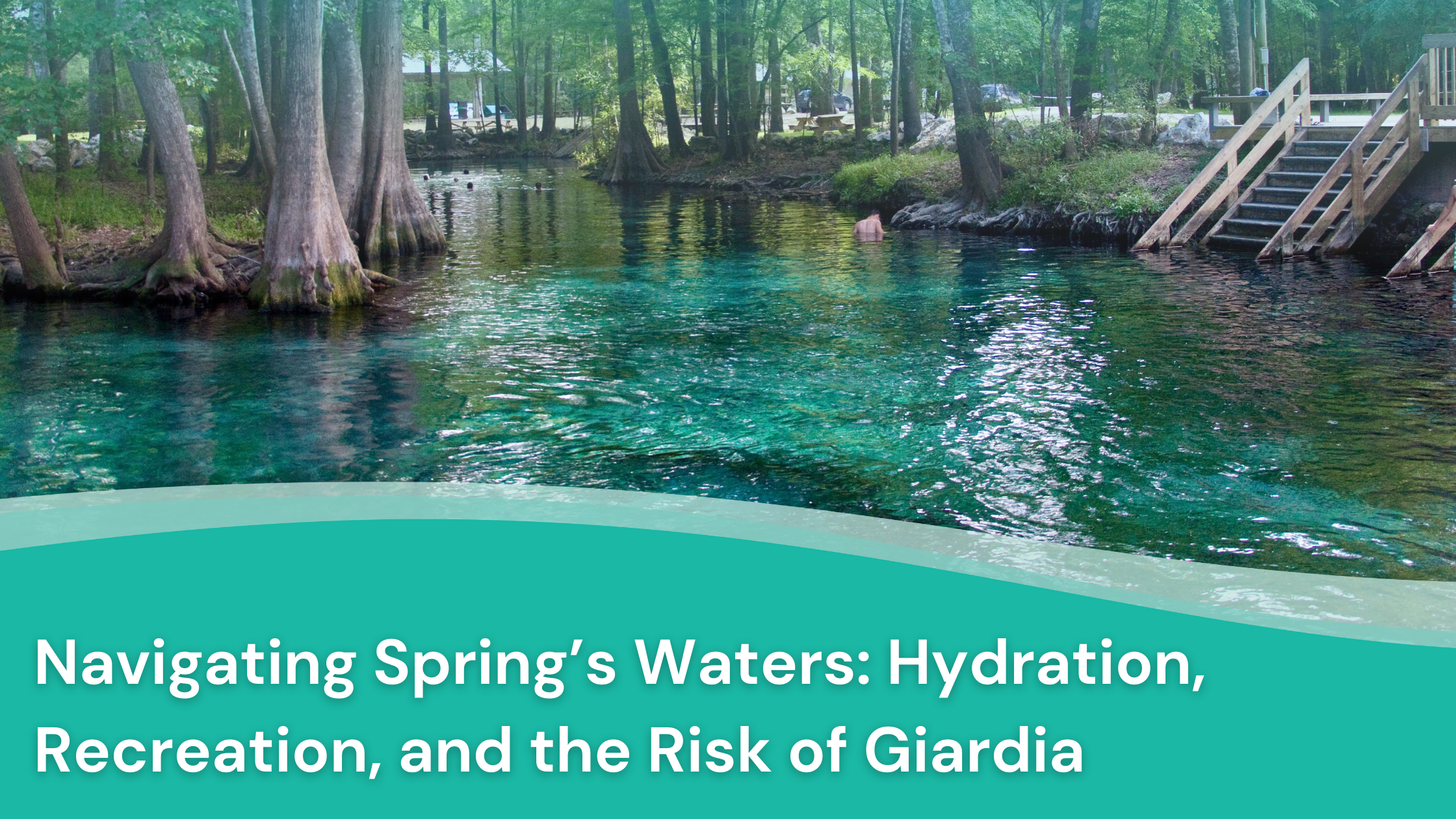
Navigating Spring’s Waters: Hydration, Recreation, and the Risk of Giardia

The Importance of Timely Antibiotic Intervention

Even crystal clear water can conceal hidden hazards.

.

Antibiotic Intervention Secondary Image

Spring Brings water, water brings risks. 

With spring in full swing and temperatures rising, our thirst (pun intended) for water grows as well. This applies to both the need to stay hydrated and the desire to cool off in our pools, lakes and rivers. As we welcome this wave of water in our lives, it’s important to remember that exposure to hidden perils, such as water-borne illnesses like Giardia, also rises.


Giardia is the most common intestinal parasitic disease in the U.S. and affects about 1 million people a year.


Just how easy is it to get infected?

Giardia spreads very easily. While most commonly contracted through exposure to contaminated water, it can also be spread through contaminated food, surfaces, objects, and even exposure to a person infected with the parasite.

It’s not only potentially contaminated drinking water sources you have to worry about when camping or spending time in the outdoors, but also natural and man-made bodies of water you may use for swimming or water sports (lakes, ponds rivers, streams, public water supplies, wells, cisterns, swimming pools, water parks and spas).

Faucets can provide a false sense of security. Also of high concern is questionable tap water in certain areas you may travel to. Even if you don’t drink it, you may still likely use it for brushing your teeth or showering – which can potentially expose you to Giardia just the same.

What can you do? The best thing you can do to mitigate exposure is be cautious of the sources of the water you consume, and be aware of the potential animals in the surroundings of the water you swim and play in – as they likely use that water too.

Bring your own drinking water or only consume bottled water in places you travel to. If you must use tap water for drinking in a location you are unsure of, then boil the water, use a water filter, or purification tablets.

What if I get exposed to Giardia? Fortunately Giardia infection is not fatal, but can lead to complications in certain individuals if not treated. Reactive arthritis, irritable bowel syndrome, and recurring diarrhea that can last for years are among the worst prognoses one can be diagnosed with.


Exposure Rates are High, Effective Treatment is Available

Metronidazole for Treatment of Giardia Infections:

The good news is treatment for Giardiasis exists and is very effective. Metronidazole is the most common and potent medication for Giardia infection, but is not available over the counter. A 5-7 day course of Metronidazole tablets is usually enough to eliminate the infection and its symptoms in over 90% of patients.

Why you should have Metronidazole on hand:

In addition to treating parasitic Giardia infections, Metronidazole is also used to treat certain skin infections, rosacea, oral infections including infected gums or dental abscesses, and bacterial vaginosis and pelvic inflammatory infections.

While you can’t pick up Metronidazole at the store on your family weekend getaway, you can have it with you in our Jase Case, as one of the standard medications our kits come with.

Each standard Jase Case also comes with medications for other infections and illnesses including pneumonia, sinus infection, urinary tract infections, traveller’s diarrhea, Lyme disease, skin, infections and more.

And you can customize your Jase Case with over 30 available add on medications from EpiPens (anaphylaxis), to Ivermectin (parasitic infections), to treat just about anything you may encounter from Influenza (Oseltamivir) to Malaria (Atovaquone-Proguanil).

If there were a prescription for peace of mind, it would be a Jase Case.

Lifesaving Medications

Everyone should be empowered to care for themselves and their loved ones during the unexpected.

Recent Posts

Keeping you informed and safe.

Food Poisoning: Causes, Prevention, and Treatment

Food Poisoning: Causes, Prevention, and Treatment

With the right measures taken, this very common illness can also be very preventable.With Father's Day fast approaching and family meals being planned, food poisoning may be the last thing you want to think about. Following the food safety tips below will ensure...

read more
Medication Spotlight: Dexamethasone

Medication Spotlight: Dexamethasone

2.5 Million adults in the U.S. take corticosteroids (such as Dexamethasone)What is Dexamethasone? Dexamethasone is a corticosteroid medication widely used for its anti-inflammatory and immunosuppressant properties. It helps reduce inflammation and modify the body’s...

read more
Men’s Health Awareness Month

Men’s Health Awareness Month

Don't overlook regular checkups or mental health!June is Men's Health Month, a time to shed light on the importance of prioritizing well-being, and implement habits for a healthier lifestyle. We all know the basics of how to live a healthier life: eat healthy natural...

read more
Allergy Season and the Risk of Respiratory Infections

Allergy Season and the Risk of Respiratory Infections

Don't let allergies turn into something more serious!It’s that time of year. The weather is lovely, the flowers are in bloom, the birds are chirping, and the tissues are flying? Summer’s around the corner, and Spring is certainly in the air, but so are the allergens....

read more

Join Our Newsletter

Our mission is to help you be more medically prepared. Join our newsletter and follow us on social media for health and safety tips each week!

The Importance of Timely Antibiotic Intervention

The Importance of Timely Antibiotic Intervention

Accelerate healing through early treatment.

.

Antibiotic Intervention Secondary Image

The Key to Effective Infection Management: Early antibiotic intervention and at the right dose.

While aggressive antibiotic treatment with high dosages has been the go-to methodology of treatment historically, research by the National Institute of Health is challenging that assumption. This article published by the NIH states that the timing of antibiotics being administered, relative to the dosages, also plays a critical role in the duration of an infection.

Antibiotics are a cornerstone of modern medicine, a powerful tool in our fight against bacterial infections. But when it comes to their effectiveness, timing is everything – almost. Administering appropriate dose of antibiotics promptly can significantly improve a patient’s outcome, while delays can have serious consequences.


The Power of Precise Timing and Dosing:

Boosting Survival Rates: Studies consistently show a strong link between delays in antibiotic treatment and higher mortality rates, particularly in life-threatening infections like sepsis. Each hour of delay can significantly decrease a patient’s chances of survival. Early antibiotics give the body a fighting chance to overcome the infection before it becomes overwhelming.

Targeting the Enemy Effectively: Antibiotics work best when bacteria are actively multiplying. Early administration at the correct dosage targets them during this vulnerable stage, stopping their spread and allowing the immune system to clear them more effectively. An incorrect dose, whether too low or too high, can allow the bacteria to survive and potentially develop resistance to the antibiotics, making treatment more challenging.

Protecting Vital Organs: Severe infections can cause significant damage to organs like the lungs, kidneys, and heart. Prompt antibiotic treatment at the recommended dose helps control the infection and minimize this damage, leading to a better overall outcome for the patient. Early intervention and proper dosing can prevent complications and the need for additional, potentially more intensive treatments.


The Dangers of Delay and Incorrect Dosage:

A Race Against Time and Strength: Delays in antibiotic treatment or taking incorrect dosages can significantly worsen a patient’s prognosis. The longer the bacteria have to multiply and potentially develop resistance, the harder it is to eradicate the infection.

Breeding Resistance: Incorrect doses, particularly under-dosing, create an environment where some bacteria can survive and potentially develop resistance to the antibiotic. This can have serious consequences for future treatment of that particular infection, not just for the individual patient but also for the wider community.

Increased Healthcare Costs: Complications arising from delayed or incorrect antibiotic use can lead to additional procedures, hospital stays, and other interventions, significantly increasing healthcare costs.

A Longer Road to Recovery: Delayed treatment or incorrect antibiotic dosages extend the infection’s course, leading to a longer recovery time with ongoing discomfort and disability for the patient.


Continue to Take the Full Regimen of Antibiotics:

It’s essential to complete the full course of antibiotics, even if symptoms begin to improve. This ensures all bacteria are eliminated, preventing relapse and the development of antibiotic resistance. Whenever taking medications, adhere strictly to your physician’s instructions.

Antibiotic resistance can occur when the infection is only partially treated. It is crucial to continue taking the entire regimen of antibiotics according to the instructions, even if you begin to feel better. If the infection has been allowed to become antibiotic-resistant from not taking the full schedule of antibiotics, the worsened illness can lead to serious complications.


Ensuring Access to Antibiotics

Administering antibiotics quickly is a prudent theory, but sometimes not a practical reality. CBS News recently reported on the widening gaps of mortality rates between city and rural residents due to difficult access to healthcare in rural communities. A local PBS Station in Washington said that rural patients often have to travel several hours from home to seek medical attention, which can lead to far worse patient outcomes. The difficulty in accessing treatment while on a trip can be so burdensome that the CDC has entire page devoted to getting healthcare while traveling.

Considering the timely need to administer antibiotics and the sometimes prolonged access to healthcare, the only way to ensure that you don’t fall in the gap is by having your own emergency antibiotics on hand at home. This is why we made the Jase Case – to give you access to treatment when healthcare is inaccessible.

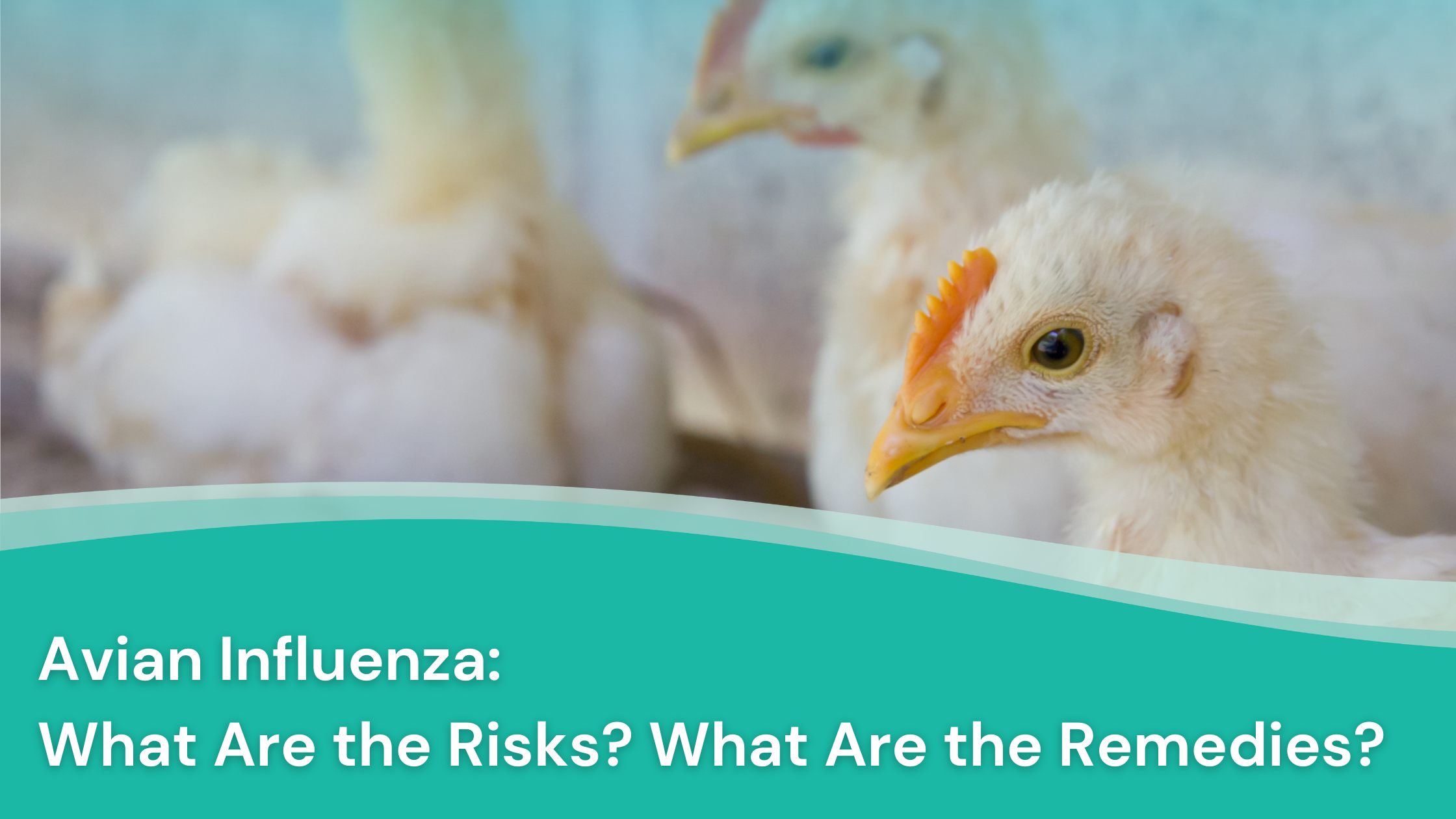
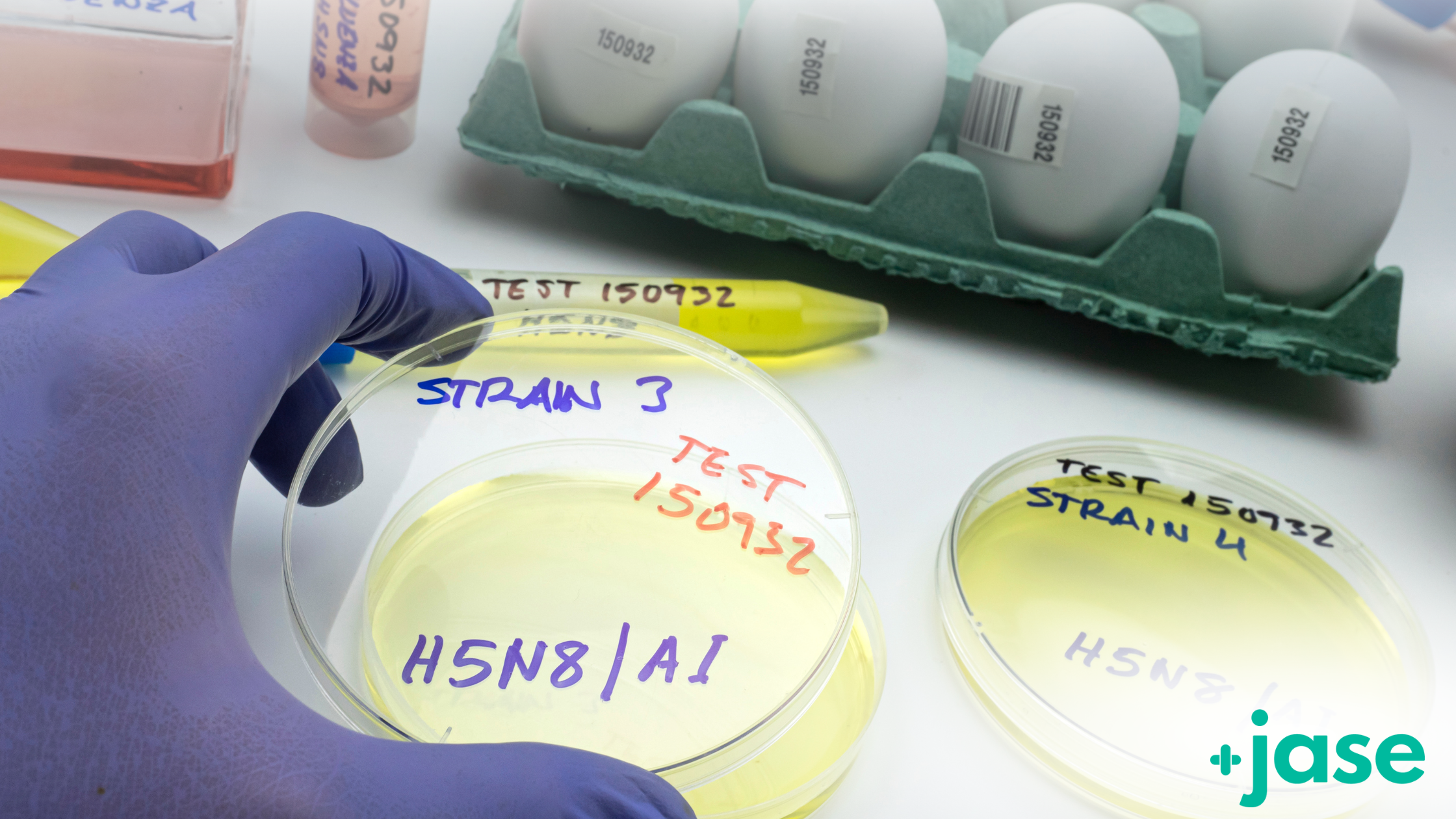
Antibiotics are the preferred treatment for bacterial infections, but do not help treat viral infections like the Avian Influenza (Bird Flu) – which has seen a recent resurgence and is now infecting humans (CDC). Anti-viral drugs such as Oseltamivir (TamiFlu) are necessary for Influenza strains including Bird Flu. Oseltamivir 75mg (10 pack) is just one of the many available add-on medications we offer to add to your Jase Case to increase its usable scenarios.

Lifesaving Medications

Everyone should be empowered to care for themselves and their loved ones during the unexpected.

Recent Posts

Keeping you informed and safe.

Food Poisoning: Causes, Prevention, and Treatment

Food Poisoning: Causes, Prevention, and Treatment

With the right measures taken, this very common illness can also be very preventable.With Father's Day fast approaching and family meals being planned, food poisoning may be the last thing you want to think about. Following the food safety tips below will ensure...

read more
Medication Spotlight: Dexamethasone

Medication Spotlight: Dexamethasone

2.5 Million adults in the U.S. take corticosteroids (such as Dexamethasone)What is Dexamethasone? Dexamethasone is a corticosteroid medication widely used for its anti-inflammatory and immunosuppressant properties. It helps reduce inflammation and modify the body’s...

read more
Men’s Health Awareness Month

Men’s Health Awareness Month

Don't overlook regular checkups or mental health!June is Men's Health Month, a time to shed light on the importance of prioritizing well-being, and implement habits for a healthier lifestyle. We all know the basics of how to live a healthier life: eat healthy natural...

read more
Allergy Season and the Risk of Respiratory Infections

Allergy Season and the Risk of Respiratory Infections

Don't let allergies turn into something more serious!It’s that time of year. The weather is lovely, the flowers are in bloom, the birds are chirping, and the tissues are flying? Summer’s around the corner, and Spring is certainly in the air, but so are the allergens....

read more

Join Our Newsletter

Our mission is to help you be more medically prepared. Join our newsletter and follow us on social media for health and safety tips each week!

Tips for Getting Our Kids to Live Their Healthiest Lives

Kids are superb little copycats; let’s give them some positive things to mimic.

.

Healthy kids, Happy Families: Empowering Children for Lifelong Wellness 

Before they start making their own decisions, kids will begin copying ours. So the more health conscious examples we set, the happier and healthier we’ll both be. But, in a world of sugary treats and screen time, getting them on board with healthy habits can at times feel like a battle.

It’s also important to educate them about health. Teach your child about the importance of good nutrition, physical activity, hygiene, and other aspects of health. Help them understand how their choices will impact their well-being.

Here are some tips to help your little ones embrace a super healthy lifestyle, all while having fun!


Fueling Your Little Superheros:


  • Lead by example. If they see you making healthy choices, they’re more likely to follow suit. Fill your pantry with fruits, veggies, and whole and natural foods – cut out the sugary snacks.
  • Make mealtime a family adventure. Get your kids involved in grocery shopping and preparing meals. Let them pick out colorful fruits and veggies, and encourage them to help with age-appropriate tasks like washing produce or stirring ingredients.
  • Spice it up! Don’t be afraid to experiment with new recipes. Involve your kids in the process and let them choose healthy ingredients they’re curious about.
  • Presentation is key! Make healthy food fun and visually appealing. Cut sandwiches into fun shapes, arrange fruit kebabs, or create “power plate” dinners with different colored sections.
  • Limit (or eliminate) sugary drinks. Instead encourage hydration. Water should be the go-to beverage. Invest in a fun reusable water bottle and make staying hydrated a game.

Unleashing the Inner Athlete:


  • Find the fun! Focus on activities your child enjoys, whether it’s dancing, playing tag, swimming, or riding a bike. Explore local parks, playgrounds, or join a recreational sports team.
  • Make it a family affair! Go for walks, hikes, or bike rides together. Active family time creates lasting memories and sets a great example.
  • Limit screen time. Set clear guidelines for screen time and encourage active alternatives.
  • Get creative! Turn household chores into mini-workouts. Time yourselves doing chores like cleaning their room or raking leaves. The winner gets bragging rights (or an extra bedtime story!).

Resting Up for Adventure:


  • Establish a bedtime routine. This could include a warm bath, reading a book, or quiet cuddle time. Keep electronics off for at least an hour before bed to promote quality sleep.
  • Create a sleep-conducive environment. Make sure their room is dark, quiet, and cool.
  • Set the example in your house. Put them to bed, and go to bed early too. Practice good sleep hygiene yourself, by avoiding screens before bed and establishing a consistent sleep schedule for the whole family.

Remember:


  • Be patient and positive. Building healthy habits takes time and encouragement. Celebrate small victories and focus on progress, not perfection.
  • Make it a team effort. Work with your partner, caregivers, and even your child’s school to reinforce healthy habits.
  • Encourage Positive Body Image. Help your child develop a healthy body image by emphasizing the importance of being healthy and strong, rather than focusing on appearance.
  • Celebrate Progress. Praise your Childs efforts toward healthier choices. Celebrate small victories and encourage them to keep going.
  • Focus on the fun! Keep things positive and lighthearted.


Healthy Routines = Healthy Results

When healthy living feels like an adventure, your child is more likely to stick with it.

By implementing these tips, you can help your child develop a love for healthy living that sets them on the path to a happy and healthy life!

Just as our children will mimic our daily behaviors – both good and bad – they will want to partake in healthy activities if they see us living our best lives too. Just as we care for them, we should care for ourselves.

Sometimes life will go ways we haven’t intended, and the volatility of children’s lives and their penchant for the unpredictable will mean they increase these chances. Having emergency medications on hand for ourselves and for our kids is a key point in any plan for whole family.

Lifesaving Medications

Everyone should be empowered to care for themselves and their loved ones during the unexpected.

Recent Posts

Keeping you informed and safe.

Food Poisoning: Causes, Prevention, and Treatment

Food Poisoning: Causes, Prevention, and Treatment

With the right measures taken, this very common illness can also be very preventable.With Father's Day fast approaching and family meals being planned, food poisoning may be the last thing you want to think about. Following the food safety tips below will ensure...

read more
Medication Spotlight: Dexamethasone

Medication Spotlight: Dexamethasone

2.5 Million adults in the U.S. take corticosteroids (such as Dexamethasone)What is Dexamethasone? Dexamethasone is a corticosteroid medication widely used for its anti-inflammatory and immunosuppressant properties. It helps reduce inflammation and modify the body’s...

read more
Men’s Health Awareness Month

Men’s Health Awareness Month

Don't overlook regular checkups or mental health!June is Men's Health Month, a time to shed light on the importance of prioritizing well-being, and implement habits for a healthier lifestyle. We all know the basics of how to live a healthier life: eat healthy natural...

read more
Allergy Season and the Risk of Respiratory Infections

Allergy Season and the Risk of Respiratory Infections

Don't let allergies turn into something more serious!It’s that time of year. The weather is lovely, the flowers are in bloom, the birds are chirping, and the tissues are flying? Summer’s around the corner, and Spring is certainly in the air, but so are the allergens....

read more

Join Our Newsletter

Our mission is to help you be more medically prepared. Join our newsletter and follow us on social media for health and safety tips each week!

Disasters and Disease: An Increased Risk of Pneumonia

Natural events are unpredictable, preparedness is not.

.

You can’t know what may happen next, but you can know your family is prepared.

With disasters and disease on the rise globally, there is no time like today, to prepare for tomorrow. From recent supply chain disruptions and prescription drug shortages, to natural disasters and human caused catastrophes, this has been a record year already. Are you prepared for what may happen next?


Just in the past few months:


  • A cargo ship took out a bridge in Baltimore, causing a ripple effect of supply chain disruptions.
  • Cases of measles – once thought to be eradicated – are steadily rising at a rate greater than last year.
  • The bird flu is back and is now infecting humans.
  • The FDA has been forced to backpedal on claims it made about Ivermectin in recent years.
  • Just yesterday the CDC issued a warning about an alarming growth in cases of a rare bacterial infection that is also now more deadly than previously thought.
  • A tragic earthquake in Taiwan that took the lives of 10 people, trapped hundreds more, also damaged 7 area hospitals.
  • And according DOD and NIH reports, upwards of 90% of our prescription drugs or their active ingredients come from foreign suppliers.

The cause for concern:

Both natural and man-made disasters can cause changes in your immediate environment and/or your daily routine significant enough to make you susceptible to an infection that could cause any number of illnesses, including a likelihood of contagious pneumonia.

Cases of Pneumonia can be caused by either a bacterial, viral or fungal infection. They can be easily spread though close proximity to an infected individual, who may be coughing or sneezing, or through contact with a contaminated surface such as a door handle or countertop.  However to mitigate this, antibiotics are usually prescribed when bacterial pneumonia is suspected. Fortunately, once an infected person begins an antibiotic regimen their contagiousness decreases. So the sooner you get on antibiotics for pneumonia, the better.


Here are just some of the ways disasters can cause an increase in susceptibility to Pneumonia:


  • Increased Exposure to Germs: Disasters can damage sewage systems and contaminate water supplies with floodwater or debris. This contaminated water can harbor bacteria, viruses, and even fungi that cause pneumonia. People may unknowingly ingest these germs while drinking contaminated water or inhaling aerosolized droplets during clean-up activities.
  • Weakened Immune Systems: Disasters can lead to crowded living conditions in shelters, which can increase the spread of respiratory illnesses like the flu or common cold. These viral infections can irritate and weaken the lungs, making them more susceptible to secondary bacterial infections that turn into pneumonia.
  • Poor Air Quality: Dust from collapsed buildings, smoke from fires, and mold growth in damp environments after floods can all contribute to air pollution. Inhaling these irritants damages the lining of the lungs, making them more vulnerable to infection.
  • Difficulties with Hygiene and Sanitation:  Disruptions to basic services after a disaster can make it difficult to maintain proper hygiene practices like handwashing. This can increase the spread of germs that cause pneumonia.
  • Underlying Health Conditions:  The stress and physical strain of a disaster can worsen existing chronic health conditions like asthma or heart disease. People with these conditions are already more susceptible to pneumonia, and disasters can exacerbate these vulnerabilities.


Conclusion and Solution:

Azithromycin (Z-Pack) is the most commonly prescribed and effective medication for most cases of Pneumonia. Just last year there was a shortage of Azithromycin due to increased global demand, inadequate production and geopolitical tensions which resulted in price increases. It is also used in the treatment of bronchitis, and other infections of the ears, lungs skin and throat. This is why Z-Pack is one of our core included medications in our Jase Case.

Through either a surge in demand or physical damage to facilities, both local events outside of our control, and natural disasters can affect critical infrastructure and cause interruptions in our access to healthcare facilities and pharmacies. The only way to have the peace of mind of knowing you are protected from medical emergencies is by having your own stock of emergency prescriptions.

Lifesaving Medications

Everyone should be empowered to care for themselves and their loved ones during the unexpected.

Recent Posts

Keeping you informed and safe.

Food Poisoning: Causes, Prevention, and Treatment

Food Poisoning: Causes, Prevention, and Treatment

With the right measures taken, this very common illness can also be very preventable.With Father's Day fast approaching and family meals being planned, food poisoning may be the last thing you want to think about. Following the food safety tips below will ensure...

read more
Medication Spotlight: Dexamethasone

Medication Spotlight: Dexamethasone

2.5 Million adults in the U.S. take corticosteroids (such as Dexamethasone)What is Dexamethasone? Dexamethasone is a corticosteroid medication widely used for its anti-inflammatory and immunosuppressant properties. It helps reduce inflammation and modify the body’s...

read more
Men’s Health Awareness Month

Men’s Health Awareness Month

Don't overlook regular checkups or mental health!June is Men's Health Month, a time to shed light on the importance of prioritizing well-being, and implement habits for a healthier lifestyle. We all know the basics of how to live a healthier life: eat healthy natural...

read more
Allergy Season and the Risk of Respiratory Infections

Allergy Season and the Risk of Respiratory Infections

Don't let allergies turn into something more serious!It’s that time of year. The weather is lovely, the flowers are in bloom, the birds are chirping, and the tissues are flying? Summer’s around the corner, and Spring is certainly in the air, but so are the allergens....

read more

Join Our Newsletter

Our mission is to help you be more medically prepared. Join our newsletter and follow us on social media for health and safety tips each week!

Are You Ready for What is Already Here?

(5 tips to build resilience)

Every day that we turn on the news we are hit with something new that could not only destabilize countries across the seas, but can  have serious implications  for our lives in the states.

  • World War 3 is trying to kick off (Some people believe it is already here), food, drug and medical supply shortages are continuing to make headlines.
  • Healthcare workers, transportation and auto makers are striking, have already striked or threatening to strike.
  • Add to this, Rite Aid has filed for bankruptcy, citing slumping sales, opioid litigation, and rising shoplifting in stores. Founded in 1962, this longstanding pharmacy chain has 2,000 stores across the country. They plan to restructure the business and close underperforming stores, affecting 47,000 employees. ( This isn’t the only pharmacy chain experiencing trouble- Pharmacy staff from Walgreens, other chains could stage nationwide walkout and rallies in coming weeks).
  • From 2018 to 2022, the all-food Consumer Price Index (CPI) rose by a total of 20.4 percent. Food prices increased faster in 2022 than any year since 1979, due in part to a highly pathogenic avian influenza outbreak and the conflict in Ukraine.

 The top price increases were felt in transportation, food, housing, and medical care.

The following graphs are an eye-opening account of where consumer dollars were spent from 2018-2022:

jase case product

One-third of the U.S. food dollar spent on eating-out services in 2021

jase case product

Food expenditures for 2022 were an astounding 56 percent of total food dollars spent.

jase case product

What you can do about it

Where inflation is hitting the pocketbook the most and where consumers are spending their money are in necessary purchases.

  1. Learn to cook- you will save money and eat healthier

Eating out isn’t good for you- for both your pocketbook and your overall health. Many restaurants serve prepackaged food that is loaded with salt, fats, and flavor enhancers (I have family in the restaurant industry). Meal planning can be the biggest obstacle to eating at home. Cooking at home revives traditions and recipes handed down through generations. It can be a bonding experience with your children or spouse.

  1. Eating healthier leads to a lesser chance of developing chronic diseases

Research points to a reduced risk of cardiovascular diseases, type 2 diabetes, colorectal and breast cancer when following a healthy diet. (Low sugar, high fiber and adequate healthy fats and protein. ( Check out the Mediterranean diet) Healthy eating also can help decrease depression and other mental health symptoms. A healthy diet also improves your immune system. Up to 80 percent of our immune system is housed in our gastrointestinal tract.

  1. Living a healthier lifestyle saves money-and frees up cash for other necessities

Money that would go to chronic disease management could be put towards preparing for our uncertain future. Housing and transportation were among the top price increases. Freeing up cash for upcoming increases in gas and home heating (oil could go to $150 a barrel if conflicts across the globe escalate) will put you that much further ahead.

One way to beat the upcoming transportation costs is to walk, cycle (check out e-bikes- they are coming down in price and are gaining popularity) carpooling to grocers and appointments and finding close to home activities.

Audit your present medical supplies and prescriptions. Get them refilled as far in advance as possible. As a reminder, Jase Daily provides a years’ worth of chronic prescription medications if you are unable to obtain an extended supply locally. Given the escalating tensions across the globe and pharmacies experiencing unrest and shortages, this should be a priority.

  1. Set a budget and stick to it.

 Taking control of your finances and budgeting for necessities is necessary in navigating this uncertain world. Start a journal and record all your expenditures for a month. This exercise will reveal a tremendous amount of information as to where your money goes. At the end of the month, analyze your expenditures. You may see a pattern or discover ways of trimming the budget with little effort. There are classes and apps for budgeting you can take from the comfort of your home, if you need guidance.

  1. Reward yourself and family when you have met your goals

Focus on solutions. There is plenty of drama in the media and news reports pulling all of us into the problems (which are real) of the world. Most of what is going on we have no control over. Take a vacation from the computer and phone on a regular basis. Your mental health will thank you for it.

Plan for the future by investing in yourself and those you love. Overcoming obstacles brings families, friends and communities together, creating a more resilient life for all.

- Brooke Lounsbury, RN

Medical Content Writer

Lifesaving Medications

Everyone should be empowered to care for themselves and their loved ones during the unexpected.

Recent Posts

Keeping you informed and safe.

Join Our Newsletter

Our mission is to help you be more medically prepared. Join our newsletter and follow us on social media for health and safety tips each week!