For Clinicians | Drug Interactions in a Disaster: The Combinations a Bad Week Creates By Dr. Jamie Wilkey, PharmD, Director of Clinical EducationMedically reviewed and edited by Kristen Carpenter, PA-C When we think about prescription medicine in a disaster, we most...
Medication Spotlight: Methylprednisolone
From asthma to allergic reactions, to arthritis, Methylprednisolone is a highly effective corticosteroid.
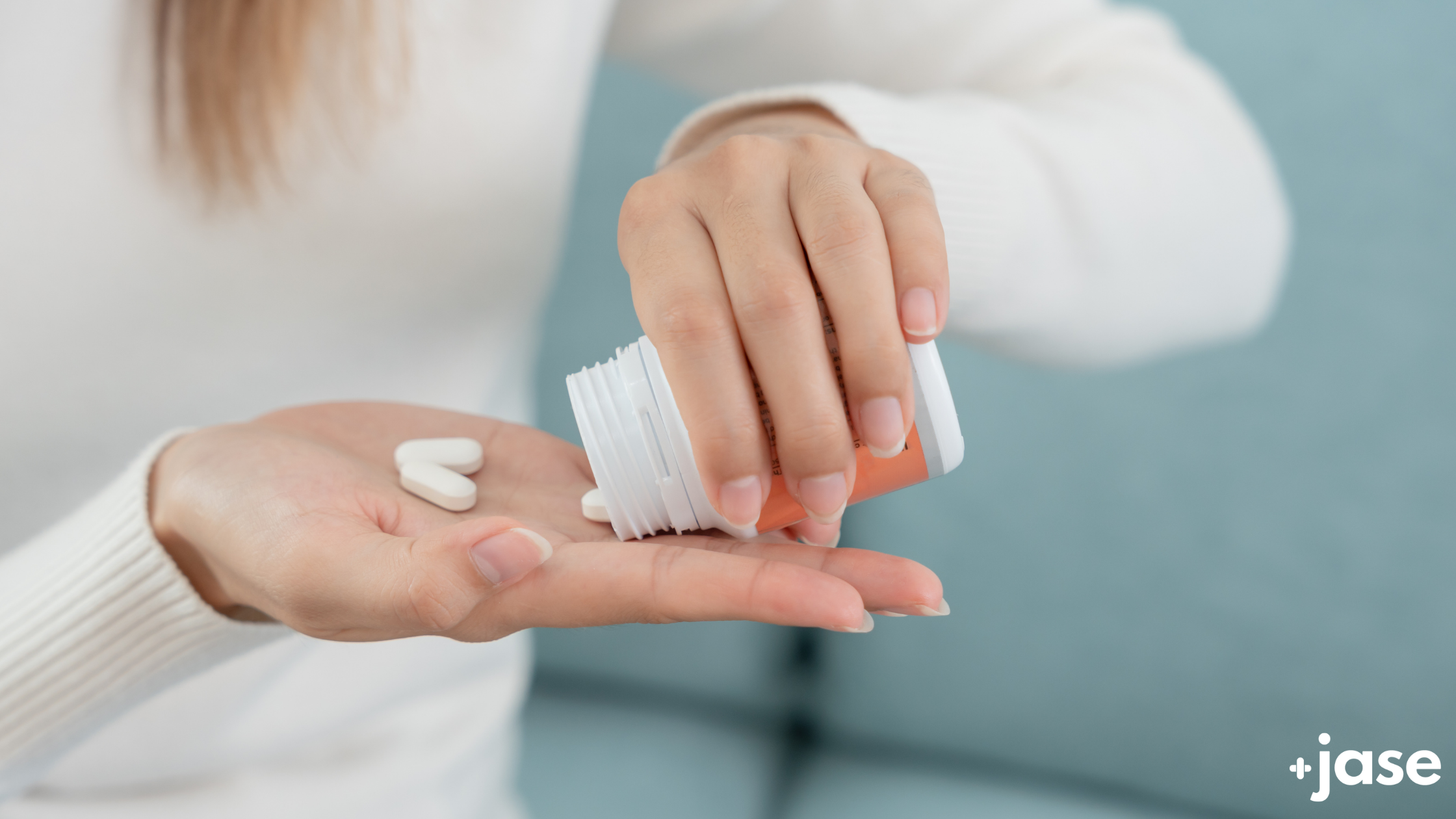
What is Methylprednisolone?
Methylprednisolone (Medrol Dosepak™) is a versatile corticosteroid medication widely used to treat a variety of inflammatory and autoimmune conditions, including asthma, arthritis, severe allergic reactions, and skin disorders. Its effectiveness comes from its ability to reduce inflammation and suppress the immune system, providing quick relief from symptoms like swelling, redness, itching and pain.
This medication has been a cornerstone in medical treatment for decades, trusted by healthcare professionals for its potent anti-inflammatory properties. By mimicking cortisol, a hormone naturally produced by the adrenal glands, methylprednisolone helps regulate inflammation and immune response, making it invaluable in managing acute conditions.
| There are over 3 million prescriptions for Methylprednisolone in the U.S. annually |
However, it’s important to note that methylprednisolone can suppress the body’s immune system, potentially reducing its ability to fight infections. Patients should avoid exposure to infections and promptly report any signs of illness to their healthcare provider. Additionally, methylprednisolone should never be taken concurrently with other anti-inflammatory drugs unless specifically directed by a healthcare professional, as this can increase the risk of side effects and complications.
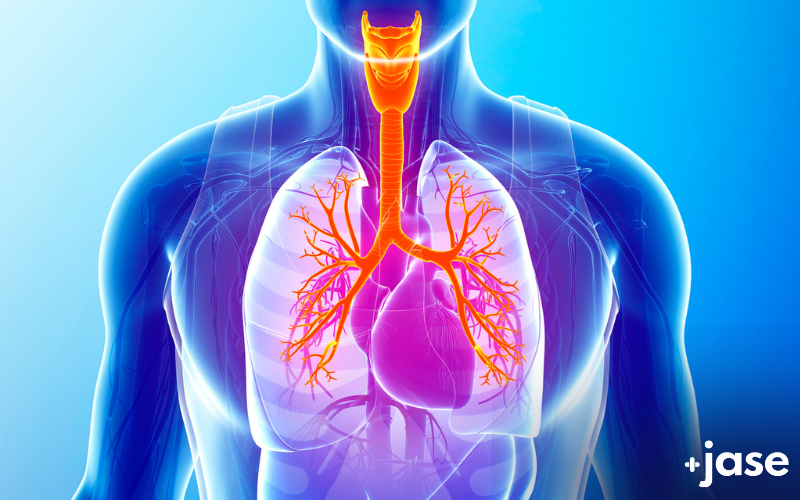
Methylprednisolone is particularly effective in treating asthma, where it reduces airway inflammation, and in autoimmune diseases like lupus and multiple sclerosis, where it helps control overactive immune responses. It is also commonly used in managing severe allergic reactions and skin conditions like eczema and psoriasis, offering significant relief from discomfort and improving the quality of life for patients.
While highly effective, methylprednisolone can cause side effects, particularly with long-term use. Common short-term side effects include increased appetite, weight gain, and mood swings, while prolonged use may lead to osteoporosis, muscle weakness, and an increased risk of infections. Despite these potential drawbacks, its benefits in managing chronic and acute conditions make it a valuable option for many patients.
Overall, methylprednisolone remains a trusted and essential medication in the management of a wide range of health issues, providing substantial therapeutic benefits and improving the lives of those affected by inflammatory and autoimmune diseases.
Methylprednisolone is one of over 25 different medications available as add-ons in our Jase Case.
Check here for a full list of available medications.
Lifesaving Medications
Everyone should be empowered to care for themselves and their loved ones during the unexpected.
Recent Posts
Keeping you informed and safe.

For Clinicians | Drug Interactions in a Disaster
read more
Stings in a Disaster: The Antibiotic You Don’t Need and the Epinephrine You Do
Stings in a Disaster: The Antibiotic You Don't Need and the Epinephrine You Do Animals in a Disaster Series: Part 2 of 2By the Jase Medical Team The sting happens quickly. Maybe you're clearing branches after a storm. Maybe you're walking through a flooded yard. Maybe...
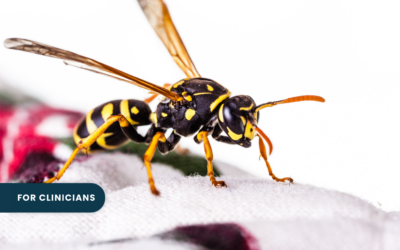
For Clinicians | Animal Sting Reactions
For Clinicians | Animal Sting Reactions: Large Local Reaction vs Cellulitis, and When It's Anaphylaxis By Dr. Jamie Wilkey, PharmD, Director of Clinical EducationMedically reviewed and edited by Kristen Carpenter, PA-C This is part two of our Animals + Disaster...

Bites and Scratches in a Disaster: Which Ones Need Antibiotics
Bites and Scratches in a Disaster: Which Ones Need Antibiotics Animals in a Disaster Series: Part 1 of 2By the Jase Medical Team Three days after the storm, the animal injuries start showing up. A cat got loose during the evacuation and bit someone's hand when they...