Measles Cases On The Rise In The U.S.

Why a conquered disease is back, and what we can do. 

.
 

The Measles Resurgence: A Call For Health Preparedness

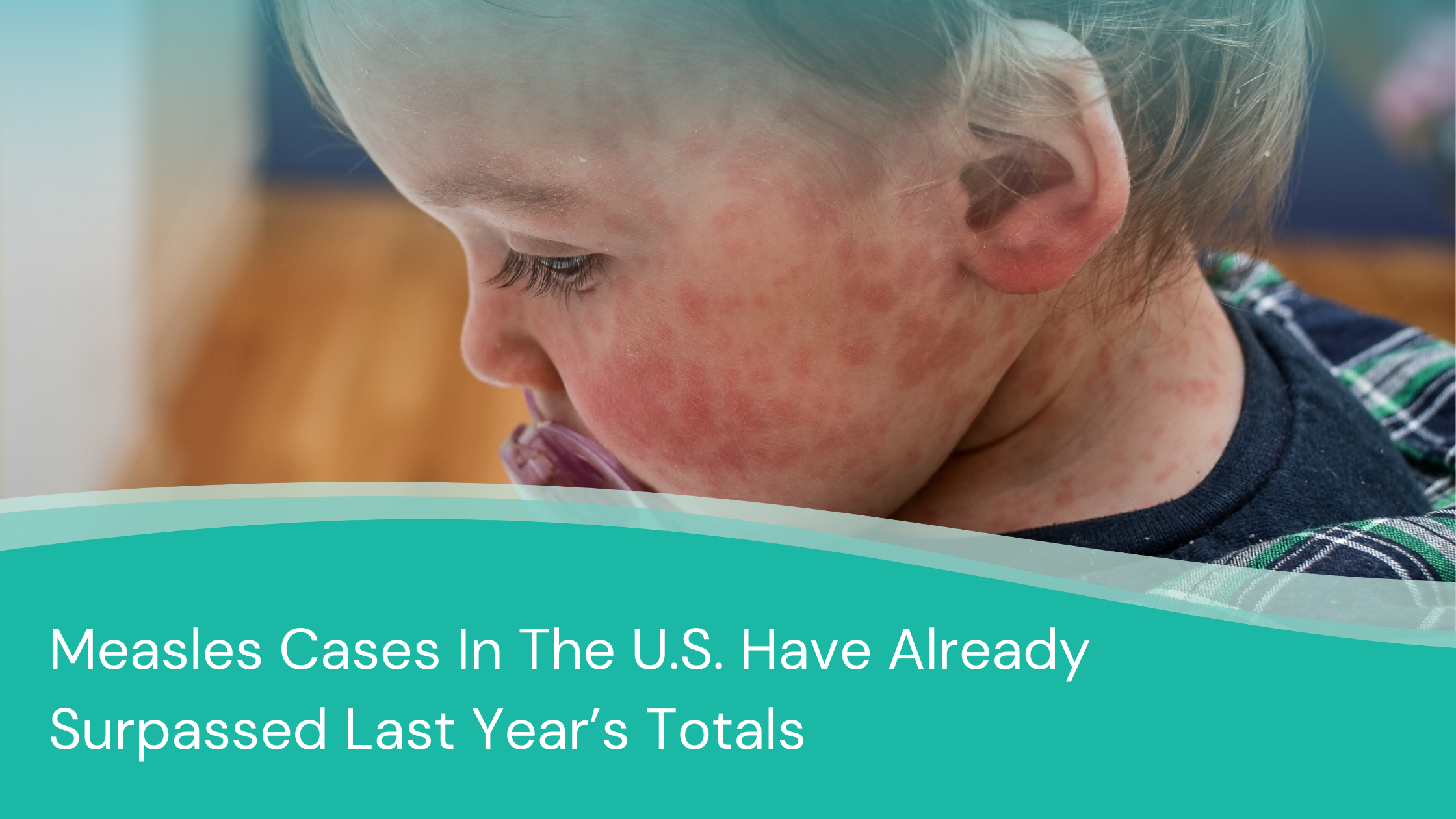
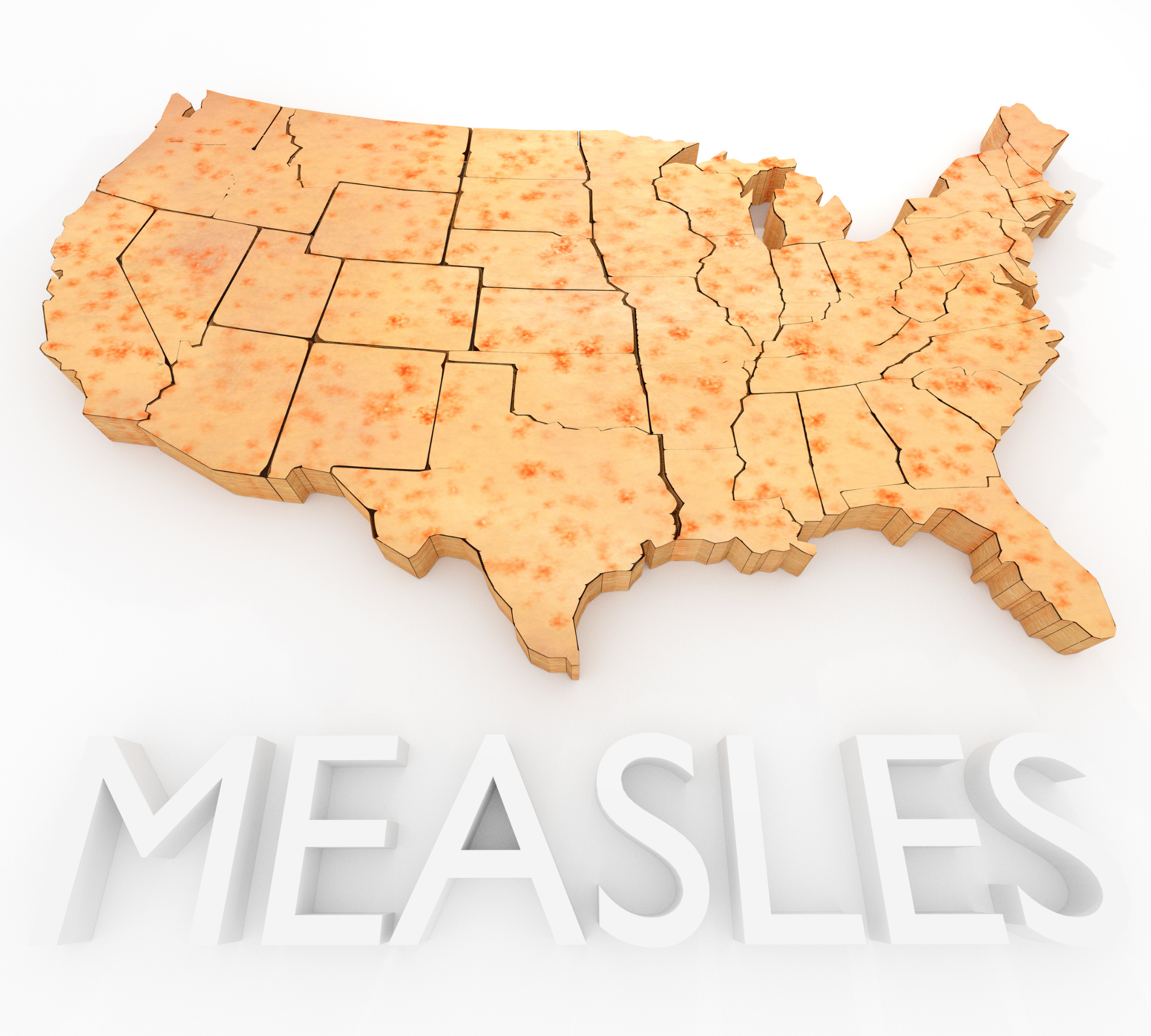
Measles, a highly contagious and potentially deadly disease – once relegated to history books – is making a disturbing comeback in the United States. According to a recent report by the Centers for Disease Control and Prevention (CDC): the number of measles cases in the U.S. has already surpassed the total for all of 2023.

This surge highlights the need for prioritizing preventive measures to safeguard our health, especially in the face of unexpected outbreaks. About 20% of cases result in the need for hospitalization, and 1 out of 20 children with measles also gets Pneumonia – highlighting the critical need to have antibiotics for Pneumonia on hand should your child become affected.


The Contagious Nature of Measles

The highly contagious nature of measles further complicates the situation.The virus can linger in the air for hours after an infected person coughs or sneezes, making transmission incredibly easy. This means people can contract measles by breathing in the virus or by touching a contaminated surface, and then touching their face.

Measles is one of the most contagious viruses known to humans. Approximately 90% of people who are not immune and are in close contact with an infected person will contract the virus. This high level of transmission is a main reason why measles can spread so quickly in communities.

Understanding just how contagious measles is makes it important for individuals to take steps to protect themselves and others. Practicing good hygiene, such as washing your hands frequently and thoroughly, and covering coughs and sneezes can help mitigate the spread of measles and other diseases.


Real-World Consequences: The Chicago Outbreak

The recent measles outbreak in Chicago, exemplifies the real-world consequences of this phenomenon. Public health officials are scrambling to contain the outbreak, highlighting the potential for widespread illness and the strain such outbreaks place on healthcare systems.


Beyond Measles: Preparing for the Unexpected

The measles resurgence is just one example of how unexpected health threats can emerge. As we navigate a globalized world with increased travel and interconnectedness, the potential for new and unforeseen outbreaks becomes more likely. By prioritizing prevention, strengthening public health infrastructure, and promoting a culture of awareness and preparedness, we can better face these challenges and protect our collective well-being.


Action before illness

 With the never-ending nature of unexpected health threats, you can take certain measures into your own hands. One way to take control of your health today is by having an array of emergency medications on hand at home, should the need arise.

Lifesaving Medications

Everyone should be empowered to care for themselves and their loved ones during the unexpected.

Recent Posts

Keeping you informed and safe.

What to Do if Your Medication is Out of Stock?

What to Do if Your Medication is Out of Stock?

You depend on your medications, but what if you can't get them?   Navigating Prescription Stockouts Being prepared could save your life. In recent years, prescription drug shortages have become an increasingly common and distressing problem for patients across...

read more
Mpox: Unpacking the Facts That Matter

Mpox: Unpacking the Facts That Matter

Global health warnings are being issued, but you likely aren't at risk.    Mpox: What You Need To Know The Centers for Disease Control (CDC) and the World Health Organization (WHO) have both recently released warnings declaring mpox a global health emergency....

read more
Drug Shortages: Causes & Solutions

Drug Shortages: Causes & Solutions

While things are being done at the national level to combat global shortages, there's more individuals can do at home. The Complexities of Prescription Drug Shortages Prescription drug shortages have reached unprecedented levels in recent years, disrupting the supply...

read more
Common Back to School Illnesses

Common Back to School Illnesses

Diligent hygiene is key to preventing most illnesses kids get, but when that's not enough, medication intervention is common and recommended.10 Most Common Back to School Illnesses & Physician Recommended Medications As kids go back to school for the year, most...
read more

Join Our Newsletter

Our mission is to help you be more medically prepared. Join our newsletter and follow us on social media for health and safety tips each week!

5 Ways to Prepare For Medical Emergencies

With relentlessly busy lives, in a world as volatile as ours, you never quite know what may happen tomorrow.

.


Being as prepared as possible is the only way to safeguard your family against preventable mishaps during an unpreventable emergency. Remember, emergencies come in all shapes and sizes, so the more diverse ways in which you prepare, the better.


Here are 5 things every family should do to medically prepare for the unknowns ahead:

  1. Create a Family Emergency Plan – and not just have a plan in place, but regularly go through and practice that plan, and amend it as needed. Ready.GOV has a thorough page on making an effective plan here. Remember your family may not be together when the emergency takes place, so the immediate priority in that plan should be instructions for establishing communication, and convening with all members of your family. However, it should also be addressed in that plan whether to shelter in place, or rendezvous at a predetermined location. Only about 40% of American households have a plan in place, be sure to count yourselves among them. 
  2. Keep Up-To-Date and Accurate Medical Records For All Members of The Family – this includes a list of daily medications each member is on, and other special requirements such as dietary restrictions, known allergies, conditions, disabilities or mental health needs, and any necessary treatments for those conditions. Our Jase Daily prescription supply can ensure you are never without the medications you need. Order your Jase Daily here!
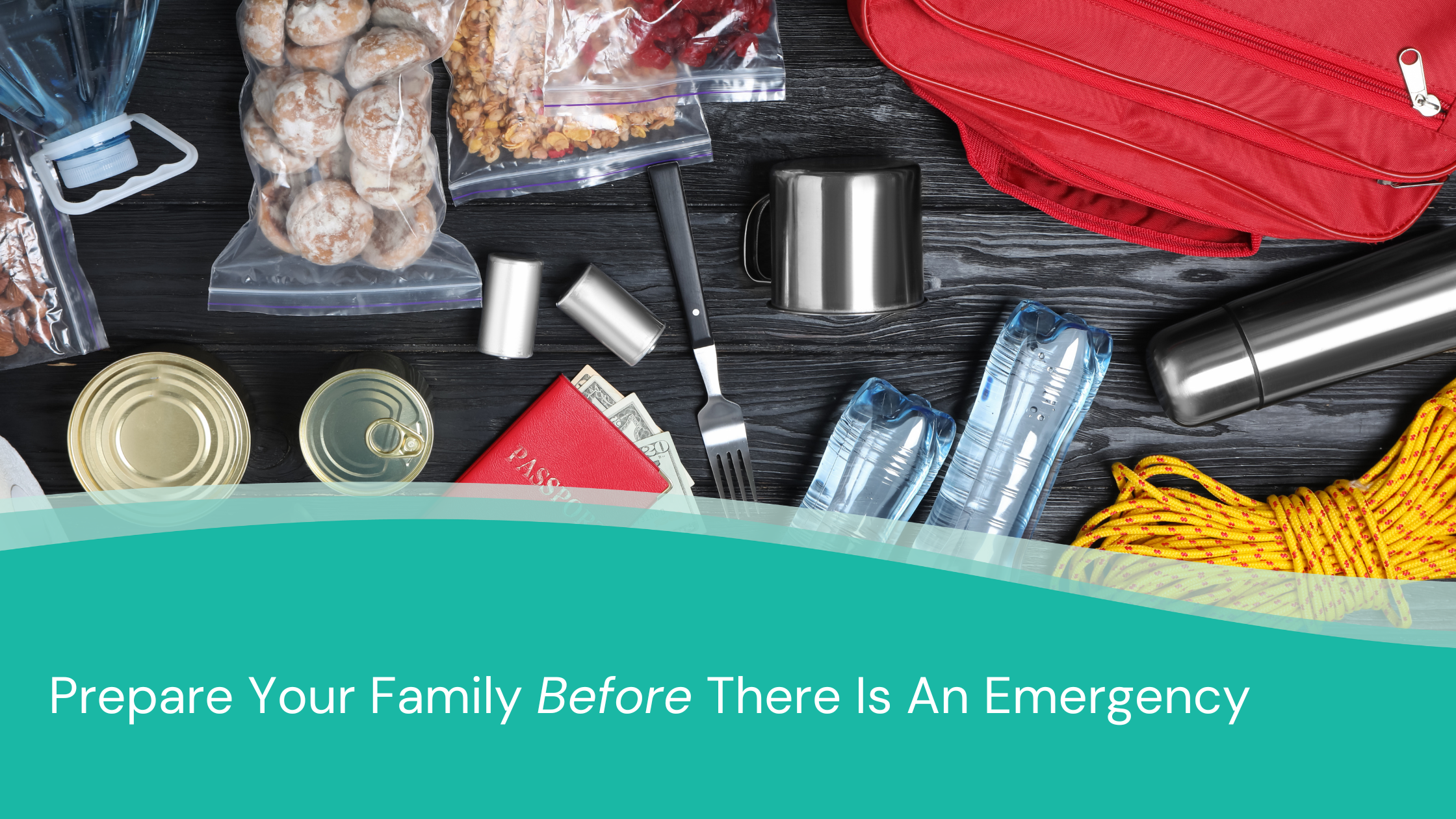
  3. Put Together an Emergency Kit – A comprehensive emergency kit should go beyond just having a first aid kit and a cellphone. Your emergency kit should – at a minimum – include basic things such as: 
    • Water
    • Food
    • Flashlight (with extra batteries)
    • Dust/Contaminant Masks
    • Soap, Hand Sanitizer, and Disinfectant Wipes
    • Cash or Travelers Checks
    • Copies of Important Documents
    • Cell Phone and Chargers/Cables
    • A thorough First Aid Kit including Over-The-Counter Drugs
    • Extra Supplies of Prescriptions for all members of the Family

Emergencies are traumatic and stressful even when your family is prepared and rehearsed, but they can become deadly if you are without access to life-dependent medications. Get our free 72hr kit guide below:

4. Education – Learn basic first aid, CPR, symptom identification for medical conditions within the family, various survival skills, alternate methods of local travel, alternate methods of communication and staying informed on local, and national events. Follow your local news outlets and local law enforcement on social media as this will usually be the most up to the minute source of information, and instruction. Knowledge is your most powerful tool in an emergency. Having a plan and having a kit are great, but only if you know how to utilize them. Consider taking classes as a family unit. There are both local and online classes tailored to Family Preparedness that you can all complete together so no one has any knowledge gaps and everyone knows what to do, and who will do what.

5. Build A Community Beyond Your Immediate Family – there’s a reason they say there’s strength in numbers. Allocating tasks, and having additional people can help make a common goal more easily achievable. Everyone can be a resource in some capacity. Join local groups online, reach out to neighbors, attend community meetings, and have discussions. If these local meetings or groups don’t exist, create them and foster collaboration! The CDC has some great tips on building community here. If everyone works together, everyone can get through the emergency together.


Tomorrow may be too late

Emergency Preparedness is an ongoing, dynamic task of planning, organizing, training, equipping, and evaluating. It may sound daunting, but the payoff of knowing your family is ready, is well worth the price of admission. Many aspects of an emergency can be life threatening, but the only one you can assuredly combat is making sure you have access to your prescription medications. Order your Jase Case today!

Lifesaving Medications

Everyone should be empowered to care for themselves and their loved ones during the unexpected.

Recent Posts

Keeping you informed and safe.

What to Do if Your Medication is Out of Stock?

What to Do if Your Medication is Out of Stock?

You depend on your medications, but what if you can't get them?   Navigating Prescription Stockouts Being prepared could save your life. In recent years, prescription drug shortages have become an increasingly common and distressing problem for patients across...

read more
Mpox: Unpacking the Facts That Matter

Mpox: Unpacking the Facts That Matter

Global health warnings are being issued, but you likely aren't at risk.    Mpox: What You Need To Know The Centers for Disease Control (CDC) and the World Health Organization (WHO) have both recently released warnings declaring mpox a global health emergency....

read more
Drug Shortages: Causes & Solutions

Drug Shortages: Causes & Solutions

While things are being done at the national level to combat global shortages, there's more individuals can do at home. The Complexities of Prescription Drug Shortages Prescription drug shortages have reached unprecedented levels in recent years, disrupting the supply...

read more
Common Back to School Illnesses

Common Back to School Illnesses

Diligent hygiene is key to preventing most illnesses kids get, but when that's not enough, medication intervention is common and recommended.10 Most Common Back to School Illnesses & Physician Recommended Medications As kids go back to school for the year, most...

read more

Join Our Newsletter

Our mission is to help you be more medically prepared. Join our newsletter and follow us on social media for health and safety tips each week!

Are You Ready for What is Already Here?

(5 tips to build resilience)

Every day that we turn on the news we are hit with something new that could not only destabilize countries across the seas, but can  have serious implications  for our lives in the states.

  • World War 3 is trying to kick off (Some people believe it is already here), food, drug and medical supply shortages are continuing to make headlines.
  • Healthcare workers, transportation and auto makers are striking, have already striked or threatening to strike.
  • Add to this, Rite Aid has filed for bankruptcy, citing slumping sales, opioid litigation, and rising shoplifting in stores. Founded in 1962, this longstanding pharmacy chain has 2,000 stores across the country. They plan to restructure the business and close underperforming stores, affecting 47,000 employees. ( This isn’t the only pharmacy chain experiencing trouble- Pharmacy staff from Walgreens, other chains could stage nationwide walkout and rallies in coming weeks).
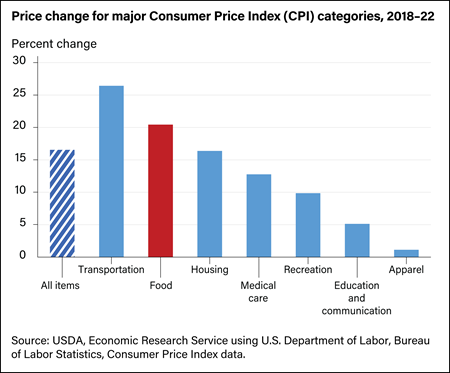
  • From 2018 to 2022, the all-food Consumer Price Index (CPI) rose by a total of 20.4 percent. Food prices increased faster in 2022 than any year since 1979, due in part to a highly pathogenic avian influenza outbreak and the conflict in Ukraine.

 The top price increases were felt in transportation, food, housing, and medical care.

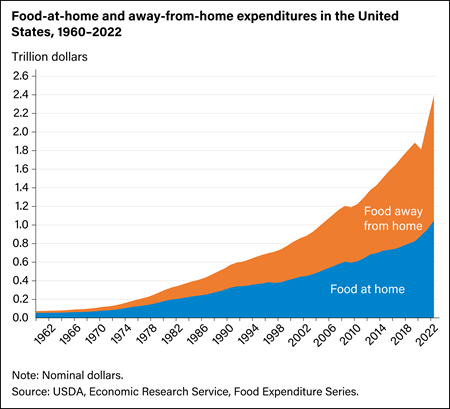
The following graphs are an eye-opening account of where consumer dollars were spent from 2018-2022:

jase case product

One-third of the U.S. food dollar spent on eating-out services in 2021

jase case product

Food expenditures for 2022 were an astounding 56 percent of total food dollars spent.

jase case product

What you can do about it

Where inflation is hitting the pocketbook the most and where consumers are spending their money are in necessary purchases.

  1. Learn to cook- you will save money and eat healthier

Eating out isn’t good for you- for both your pocketbook and your overall health. Many restaurants serve prepackaged food that is loaded with salt, fats, and flavor enhancers (I have family in the restaurant industry). Meal planning can be the biggest obstacle to eating at home. Cooking at home revives traditions and recipes handed down through generations. It can be a bonding experience with your children or spouse.

  1. Eating healthier leads to a lesser chance of developing chronic diseases

Research points to a reduced risk of cardiovascular diseases, type 2 diabetes, colorectal and breast cancer when following a healthy diet. (Low sugar, high fiber and adequate healthy fats and protein. ( Check out the Mediterranean diet) Healthy eating also can help decrease depression and other mental health symptoms. A healthy diet also improves your immune system. Up to 80 percent of our immune system is housed in our gastrointestinal tract.

  1. Living a healthier lifestyle saves money-and frees up cash for other necessities

Money that would go to chronic disease management could be put towards preparing for our uncertain future. Housing and transportation were among the top price increases. Freeing up cash for upcoming increases in gas and home heating (oil could go to $150 a barrel if conflicts across the globe escalate) will put you that much further ahead.

One way to beat the upcoming transportation costs is to walk, cycle (check out e-bikes- they are coming down in price and are gaining popularity) carpooling to grocers and appointments and finding close to home activities.

Audit your present medical supplies and prescriptions. Get them refilled as far in advance as possible. As a reminder, Jase Daily provides a years’ worth of chronic prescription medications if you are unable to obtain an extended supply locally. Given the escalating tensions across the globe and pharmacies experiencing unrest and shortages, this should be a priority.

  1. Set a budget and stick to it.

 Taking control of your finances and budgeting for necessities is necessary in navigating this uncertain world. Start a journal and record all your expenditures for a month. This exercise will reveal a tremendous amount of information as to where your money goes. At the end of the month, analyze your expenditures. You may see a pattern or discover ways of trimming the budget with little effort. There are classes and apps for budgeting you can take from the comfort of your home, if you need guidance.

  1. Reward yourself and family when you have met your goals

Focus on solutions. There is plenty of drama in the media and news reports pulling all of us into the problems (which are real) of the world. Most of what is going on we have no control over. Take a vacation from the computer and phone on a regular basis. Your mental health will thank you for it.

Plan for the future by investing in yourself and those you love. Overcoming obstacles brings families, friends and communities together, creating a more resilient life for all.

- Brooke Lounsbury, RN

Medical Content Writer

Lifesaving Medications

Everyone should be empowered to care for themselves and their loved ones during the unexpected.

Recent Posts

Keeping you informed and safe.

Why You Can’t Count on the Pharmacy in a Crisis

Why You Can’t Count on the Pharmacy in a Crisis

Why You Can't Count on the Pharmacy in a Crisis By Aaron Asay, PA-C, DMSc — Executive Director, JaseResponse Most of the time, the pharmacy works exactly the way we expect it to. Your child develops strep throat, the pediatrician sends in amoxicillin, and you pick it...

For Clinicians | Drug Shortages 2026

For Clinicians | Drug Shortages 2026

For Clinicians | Drug Shortages 2026 Prescribing Inside a Supply Chain the System Has Admitted Isn't Built for Disruption By Dr. Jamie Wilkey, PharmD — Director of Clinical Strategy, JaseMedically reviewed by Kristen Carpenter, PA-C — Clinical Advisory Board Member A...

For Clinicians | Appropriate Medical Preparation

For Clinicians | Appropriate Medical Preparation

For Clinicians | Appropriate Medical Preparation  The Clinical Category We've Been Practicing Without a Name By Dr. Jamie Wilkey, PharmD — Director of Clinical Strategy, JaseMedically reviewed by Kristen Carpenter, PA-C — Clinical Advisory Board Member Patients have...

Join Our Newsletter

Our mission is to help you be more medically prepared. Join our newsletter and follow us on social media for health and safety tips each week!

The Largest Strike in Healthcare Workers Begins Tomorrow – Are You Ready?

Citing unfair labor practices and overworked staff, the Coalition of Kaiser Permanente Unions, Kaiser Permanente healthcare workers will be striking for 3 days, starting  Oct. 4 at 6 am through 6 am, Oct. 7, 2023. 75,000 Kaiser healthcare workers from California, Oregon, Washington, Colorado, Virginia, and Washington DC will make this the largest healthcare worker strike in U.S. history.

Kaiser Permanente a 39-hospital system with 697 medical offices and nearly 23,000 physicians. The health system supports more than 59,000 nurses and 217,700 employees across nine states: California, Oregon, Washington, Hawaii, Maryland, Colorado, Washington D.C., Virginia, and Georgia.

Another, longer strike is slated for November if demands aren’t met.

According to the union. “This three-day strike will be the initial demonstration of our strength to Kaiser that we will not stand for their unfair labor practices. If Kaiser continues to commit unfair labor practices, we are prepared to engage in another longer, stronger strike in November to protest Kaiser’s unfair labor practices when additional Coalition members in Kaiser’s newest market in Washington state can join us (their contract expires Oct. 31).”

image0 3 1

Add to this a 3-week pharmacists strike that started October 1st

Pharmacy workers represented by UFCW Local 555 at Kaiser Permanente in Oregon and SW Washington walked off the job and started picketing every morning at several Kaiser locations in Oregon.  The union also cites unfair labor practices, staffing issues and employee tampering- reaching out to employees without union representation.

 According to their website” “The number one issue at Kaiser is the lack of staffing. Workers are burning out, patients are having to wait months to receive care, and the problem is only getting worse. We were prepared to work on a deal that’s sustainable for the patients, our healthcare professionals, and the company, but Kaiser has been completely unwilling to accept the real impact of underpaying healthcare professionals and understaffing job sites.” – Dan Clay, President, UFCW Local 555.”

A looming crisis is scheduled for next month. Are you ready?

Kaiser has promised that during the 3-day strike that patient care will not be affected. According to a Kaiser spokesman ““We have contingency plans in place to ensure members continue to receive safe, high-quality care for the duration of the strike.” “Hospitals and emergency departments will stay open”, Kaiser added.

Promises with no realistic backing

How can they make a promise that patient care won’t be affected, given the current healthcare worker shortage? Where are 75,000 healthcare workers coming from that they will haveto replace for 3 days- and even more ominous- where would they come from if the prolonged November strike takes place?

What is YOUR contingency plan in the event of a prolonged strike?

Flu, RSV and covid are making their annual comeback this time of year.

The seasonal rise in influenza, RSV and covid has already begun. The CDC projects this season to have about the same number of hospitalizations as last year.  This points to crowded waiting rooms, multiple hours long waits in the emergency room, understaffed clinics and hospitals, and possible drug and medical supply shortages.

Given the healthcare worker shortages and ongoing and potential strikes, how can any hospital, clinic or facility guarantee patient care won’t be affected?  They cannot.

Become your own first responder and care provider

Almost 1 in five healthcare workers quit during the pandemic. Long hours, demanding jobs, and unrealistic patient to staff ratios were some of the reasons given.

It is apparent living in our post-pandemic world, it is necessary for you to take charge of your family’s health. You can’t rely on a broken system.

Have contingencies in place before it’s too late.

  • Practice prevention. Good quality sleep, reduce unnecessary stress, exercise, and healthy diet.
  • Have your vitamin D level tested and talk with your healthcare provider about supplementation if needed. Research has demonstrated enhanced immunity when vitamin D levels are between 50 nmol/L (20 ng/mL) and 125 nmol/L (50 ng/mL).American College Healthcare Services.
  • Get off sugar- sugar promotes and feeds infection. This includes processed carbohydrates.
  • Know what to do in the event of an accident, severe injury and bleeding, heart attack, head injuries and more. Check out Refuge Training for classes starting at basic CPR and AED to responder modules. You and your family’s life depend on it. In addition, check out local first aid and AED classes offered in your area. All able bodied persons in your family should know what to do in the event of a health emergency.
  • Purchase and learn to use an AED. These lifesaving devices save an estimated 1,700 lives each year. They are portable and can travel in your car.
  • Check your prescription and over-the-counter medications monthly. Make sure you have enough for at least a month. Jase Daily can take care of your prescription medications with a years’ worth delivered to your door.
  • For infections the Jase Case, with 5 different antibiotics can help you avoid the dreaded trip to the ER or clinic during an outbreak- from urinary tract, strep throat, and others, along with addons ivermectin (off label and lice), fluconazole (yeast infection) and ondansetron (for nausea), you are fairly well covered for almost any medical emergency.

- Brooke Lounsbury, RN

Medical Content Writer

Lifesaving Medications

Everyone should be empowered to care for themselves and their loved ones during the unexpected.

Recent Posts

Keeping you informed and safe.

Why You Can’t Count on the Pharmacy in a Crisis

Why You Can’t Count on the Pharmacy in a Crisis

Why You Can't Count on the Pharmacy in a Crisis By Aaron Asay, PA-C, DMSc — Executive Director, JaseResponse Most of the time, the pharmacy works exactly the way we expect it to. Your child develops strep throat, the pediatrician sends in amoxicillin, and you pick it...

For Clinicians | Drug Shortages 2026

For Clinicians | Drug Shortages 2026

For Clinicians | Drug Shortages 2026 Prescribing Inside a Supply Chain the System Has Admitted Isn't Built for Disruption By Dr. Jamie Wilkey, PharmD — Director of Clinical Strategy, JaseMedically reviewed by Kristen Carpenter, PA-C — Clinical Advisory Board Member A...

For Clinicians | Appropriate Medical Preparation

For Clinicians | Appropriate Medical Preparation

For Clinicians | Appropriate Medical Preparation  The Clinical Category We've Been Practicing Without a Name By Dr. Jamie Wilkey, PharmD — Director of Clinical Strategy, JaseMedically reviewed by Kristen Carpenter, PA-C — Clinical Advisory Board Member Patients have...

Join Our Newsletter

Our mission is to help you be more medically prepared. Join our newsletter and follow us on social media for health and safety tips each week!

Maintain or Attain a Healthy Weight

When you maintain a healthy weight, your overall health and ability to care for the sick and injured is enhanced. Preparedness isn’t just first aid and readiness during adverse weather events and home safety. 

According to the CDC:

  • The US obesity prevalence was 41.9% in 2017 – March 2020. (NHANES, 2021)
  • From 1999 –2000 through 2017 –March 2020, US obesity prevalence increased from 30.5% to 41.9%. During the same time, the prevalence of severe obesity increased from 4.7% to 9.2%. (NHANES, 2021)
  • Obesity-related conditions include heart disease, stroke, type 2 diabetes and certain types of cancer. These are among the leading causes of preventable, premature death.
  • The estimated annual medical cost of obesity in the United States was nearly $173 billion in 2019 dollars. Medical costs for adults who had obesity were $1,861 higher than medical costs for people with healthy weight.

It is my belief that post covid the above rate of obesity will reveal a much higher rate.

Diseases linked to obesity:

  • Diabetes
  • Fatty liver disease
  • Sleep apnea
  • Premature death
  • Certain types of cancer (breast, colon, prostate, and esophageal cancers)

Obesity, and even being overweight puts a severe strain on the body. Plantar fasciitis, excess wear on hip and knee joints, low back pain and even sleep apnea can be a result of excess adipose tissue. 

A vicious cycle can set up in the body, where the hormones ghrelin and leptin are out of balance.

At least that is what happens in an ideal world.

Ghrelin is called the hunger hormone and is secreted by the stomach when the stomach is empty. It regulates:

  • Blood glucose levels through reduced insulin secretion and regulates the synthesis and breakdown of glucose and glycogen.
  • It reduces heat production to conserve energy.
  • It reduces sympathetic activity.
  • It plays a role in regulating bone growth 
  • It is also highly expressed in metastatic cancer cells

Leptin is called an appetite suppressant hormone and is secreted by adipose tissue and balances the ghrelin hunger hormone. Leptin regulates:

  • Satiety
  • Metabolism- energy regulation
  • Immune function
  • Stable mood
  • Mental sharpness

Leptin deficiency can lead to:

  • Recurrent bacterial infections
  • Severe obesity
  • A condition called leptin resistance

What is leptin resistance?

During a normal feedback loop:

High levels of leptin signal your body that there are adequate stores of fat so you eat less and burn more fat. When leptin levels are low, this signals your body (brain)that you need to eat more and hold on to fat reserves in the body.

Leptin resistance happens when leptin which is stored in fat cells isn’t acknowledged by the brain. This results in increased appetite and slower metabolism.

There are many reasons believed for leptin resistance. Genetics, poor sleep habits, processed food, insulin resistance and lack of exercise are believed to contribute to this.

There are no easy solutions.

Anyone who has struggled with weight has already heard the following-

  • Eat more vegetables,
  • Increase activity
  • Avoid processed foods
  • Stabilize blood sugar
  • Etc. etc. etc.

However. There is much more physiology and psychology involved to this than previously thought. If it was that easy, we would all be able to easily lose weight. Emotional eating, when bored, snacking between meals and lack of meal planning can contribute to weight gain. 

Solutions

Check with your primary care provider before initiating any lifestyle changes

- Brooke Lounsbury

Medical Content Writer

Lifesaving Medications

Everyone should be empowered to care for themselves and their loved ones during the unexpected.

Recent Posts

Keeping you informed and safe.

Why You Can’t Count on the Pharmacy in a Crisis

Why You Can’t Count on the Pharmacy in a Crisis

Why You Can't Count on the Pharmacy in a Crisis By Aaron Asay, PA-C, DMSc — Executive Director, JaseResponse Most of the time, the pharmacy works exactly the way we expect it to. Your child develops strep throat, the pediatrician sends in amoxicillin, and you pick it...

For Clinicians | Drug Shortages 2026

For Clinicians | Drug Shortages 2026

For Clinicians | Drug Shortages 2026 Prescribing Inside a Supply Chain the System Has Admitted Isn't Built for Disruption By Dr. Jamie Wilkey, PharmD — Director of Clinical Strategy, JaseMedically reviewed by Kristen Carpenter, PA-C — Clinical Advisory Board Member A...

For Clinicians | Appropriate Medical Preparation

For Clinicians | Appropriate Medical Preparation

For Clinicians | Appropriate Medical Preparation  The Clinical Category We've Been Practicing Without a Name By Dr. Jamie Wilkey, PharmD — Director of Clinical Strategy, JaseMedically reviewed by Kristen Carpenter, PA-C — Clinical Advisory Board Member Patients have...

Join Our Newsletter

Our mission is to help you be more medically prepared. Join our newsletter and follow us on social media for health and safety tips each week!